
DbcultAccessing Vault...
Director's Spotlight
Senior Film Conservator
Director's Spotlight: United States
A Deep Dive into the 1919 Vision of Bertram Bracken
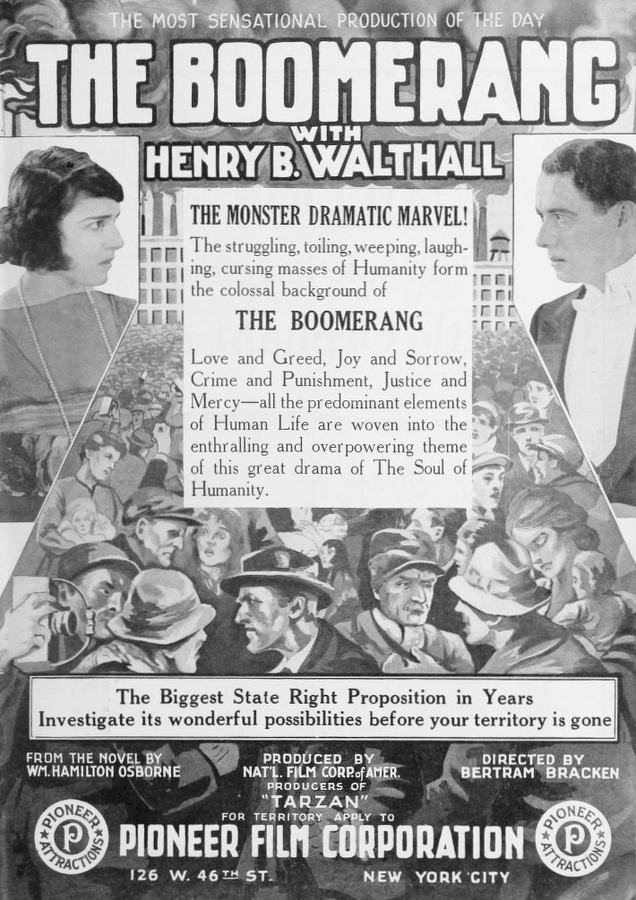
The artistic breakthrough represented by The Boomerang in 1919 highlights the philosophical inquiries that Bertram Bracken embeds within the narrative. Framed by the hauntingly beautiful landscapes of the production, it leaves an indelible mark on the soul of the viewer.
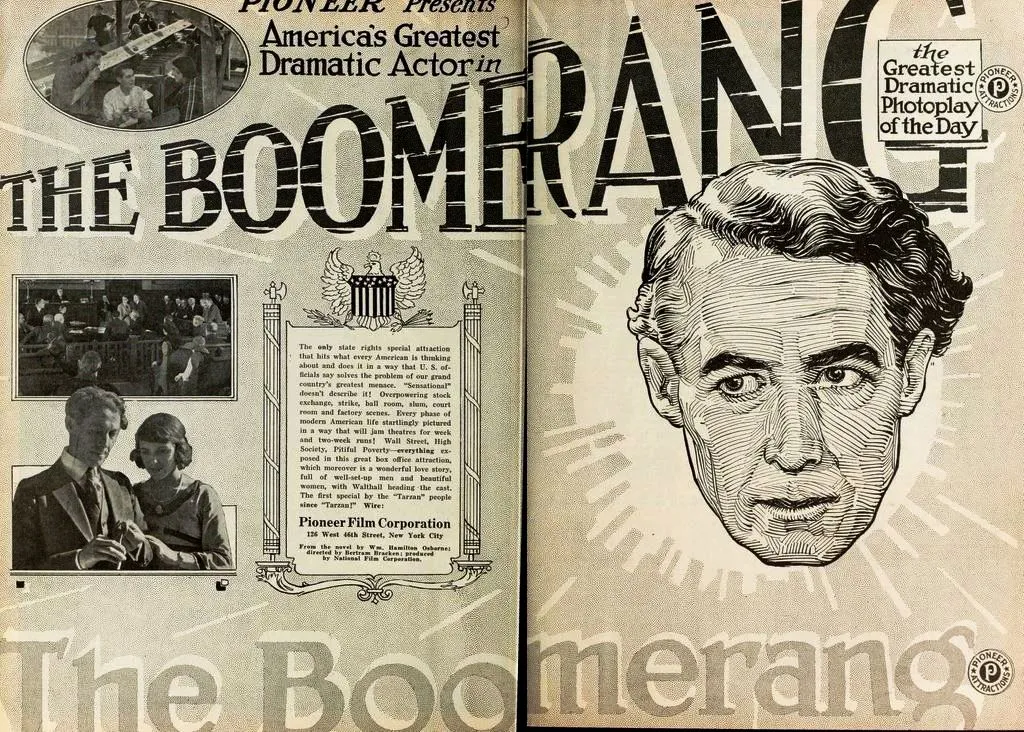
In The Boomerang, Bertram Bracken pushes the boundaries of conventional narrative. The film's unique approach to its subject matter has sparked endless debates and interpretations among cinephiles and critics alike.
| Cinematography | Deep Focus |
| Soundtrack | Diegetic |
| Editing | Elliptical |
| Art Direction | Expressionist |
Visualizing the convergence of Bertram Bracken's style and the core cult narrative.
Millionaire meat packer Peter Cameron, greedy for more money and power, maneuvers an alliance between his daughter Rose and George Gray, the son of Cameron's business rival Max Gray, in order to increase his control of the food industry. George, a lawyer, opposes the trust, and as a result is professionally ruined by Cameron, disinherited by his father, and jilted by his fiancée. Out on his own, George gets a job at a mill and starts at the bottom. When an epidemic breaks out among his fellow laborers due to their eating spoiled meat from the trust, George secures evidence of criminal practices which ultimately brings about the conviction of Cameron and the trust. In championing the rights of the downtrodden, George wins back Rose and reforms Cameron.
Decades after its release, The Boomerang remains a vital piece of the cinematic puzzle. Its influence can be seen in countless modern works, solidifying Bertram Bracken's status as a master of the craft in United States and beyond.