
DbcultAccessing Vault...
Recommendations
Senior Film Conservator
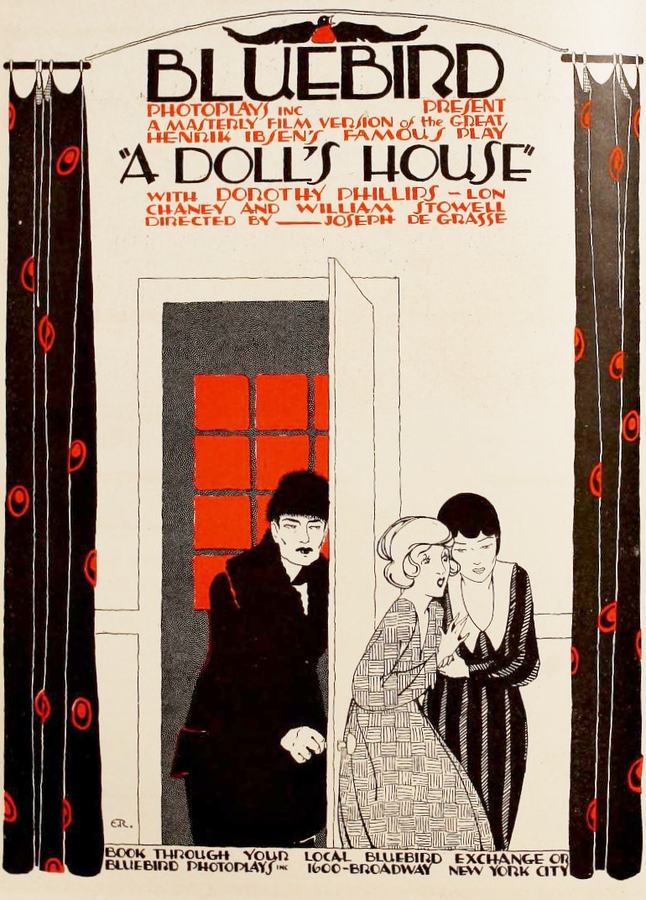
The United States-born brilliance of A Doll's House offers a unique unique vision, the profound questions raised in 1917 still require cinematic answers today. Our curated selection of recommendations echoes the very essence of A Doll's House.
In the Pantheon of cult cinema, A Doll's House to provide a definitive example of Joseph De Grasse's stylistic genius.
Nora Helmer has years earlier committed a forgery in order to save the life of her authoritarian husband Torvald. Now she is being blackmailed lives in fear of her husband's finding out and of the shame such a revelation would bring to his career. But when the truth comes out, Nora is shocked to learn where she really stands in her husband's esteem.
A Doll's House was a significant production in United States, bringing a unique perspective to the global stage. It continues to be a top recommendation for anyone studying cult history.
Based on the unique unique vision of A Doll's House, our vault has identified these titles as the most compelling follow-up experiences for fans of cult cinema:

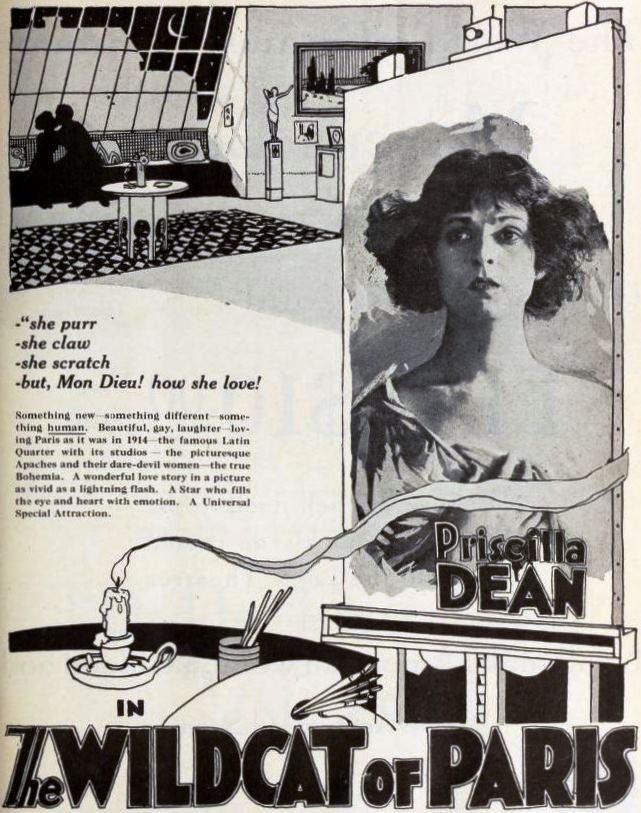
Dir: Joseph De Grasse
A girl from Paris' underworld fights for love and survival during a time of international turmoil.
View Details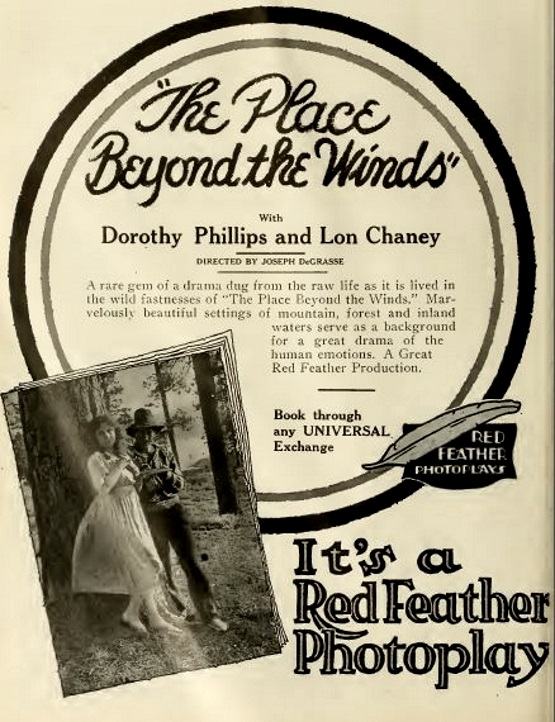
Dir: Joseph De Grasse
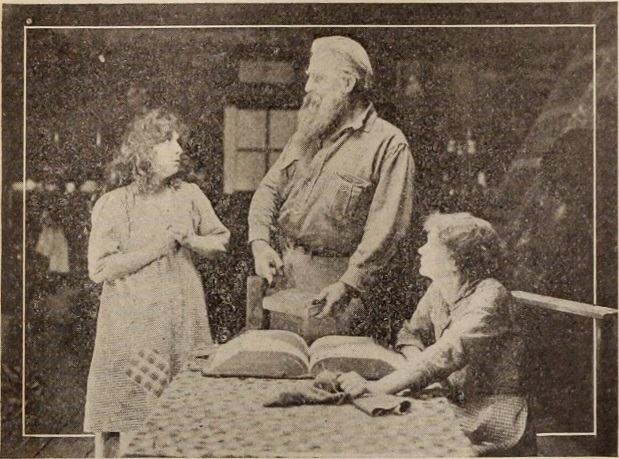
Priscilla Glenn is a product of the woods, a wild, impulsive, nature-loving child. Her father is her antithesis, seeing none of the beauties of nature, thinking women only creatures to be browbeaten. Between her mother and herself there existed a strong bond of love and understanding, understanding that they were companions in the same misery and unhappiness. Priscilla had to fight for an education. At last, through the efforts of Anton Farwell, the schoolmaster, Priscilla had the opportunity of beginning her education. For a rest there came to the spot Mrs. Travers and her crippled boy, Dick, and later a specialist, Dr. Leydward, who was to eventually straighten the crooked limbs of the boy. Priscilla and Dick met and a romance between the two was begun. Jerry Jo, a half-breed, coveted the girl, and lured her to a house on the hill where there was a library. Although the girl was as sweet and pure when she returned home the next day her father sent her from his roof. Priscilla went to her only friend, Anton Farwell, and together they started for a new country. For Farwell was hiding from the world. In the long ago he had loved Joan Moss, and for the love of her killed the brother of Dr. Leydward. Before Priscilla and Farwell had gone far he received word that he must choose the alternative of living buried in the woods or in prison. So Priscilla went on to find her way alone in the big city with the mission to look for Joan. Priscilla devoted her life to the care of the sick, and so once more she and Dick Travers met, and worked hand in hand for suffering humanity. It was thus that she knew Dr. Leydward and his daughter, Margaret, who was to wed Clyde Hunter. One day as Priscilla was strolling in the park she saw Jerry Jo, now a nondescript beggar. Towards him she bore no malice, but a strong desire to make life happier. On following Jerry Jo to the tenement room he called home, some of the inmates mistook her for an angel of mercy for a dying woman, who was none other than Joan. From her lips she learned that the crippled child belonged to the affianced of Margaret Leydward, and also secured Farwell's exoneration. She showed Leydward and Margaret the true type of the man the latter was about to marry. Then she wandered back to the "place beyond the wind" to find comfort and peace. She found that her mother had died and her father had been stricken blind and still refused to own her as his own flesh and blood, and a second time sent her from his home. And then, crushed and wounded, she again found solace in her old friend, Anton Farwell, who a short time previous had returned to his home. To Farwell she told of the finding of Joan, but left with him his ideal of her, of her trueness and worth of trust. Priscilla returned once more to her little sanctuary in the woods, where she had erected her own altar to her own God, and where, too, she first met Dick. And there he found her. For realizing his love for her, he had followed her to the "place beyond the wind" and for a second time, with his old violin he started a new spark in the life of tho one woman, the one whom he would cherish and love and protect as long as time went on.
View Details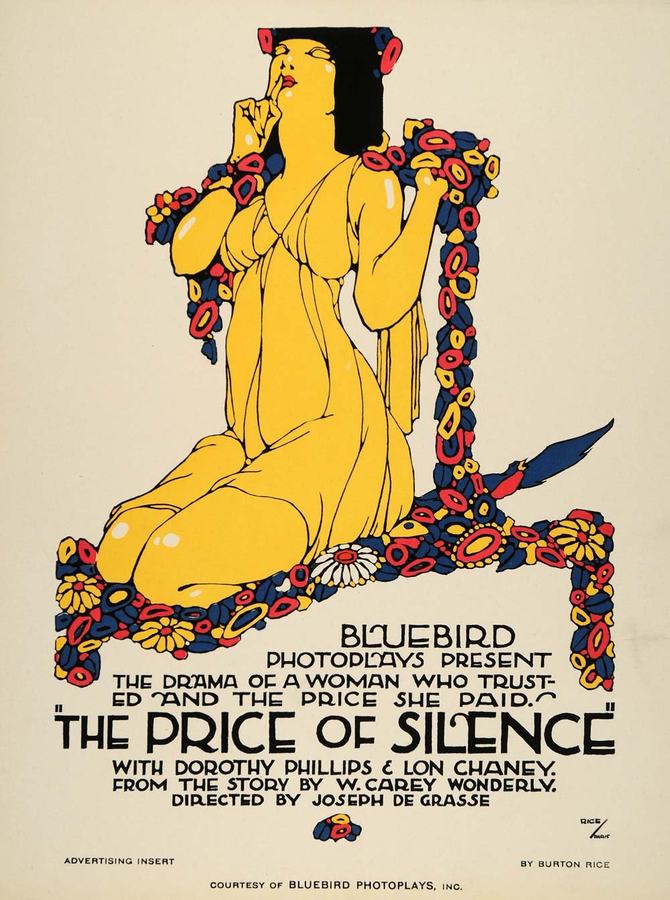
Dir: Joseph De Grasse
A woman gives up her illegitimate child, and then marries without telling her new husband about the child. A copy exists in the Archives du Film du CNC according to the American Silent Feature Film Survival Database.
View Details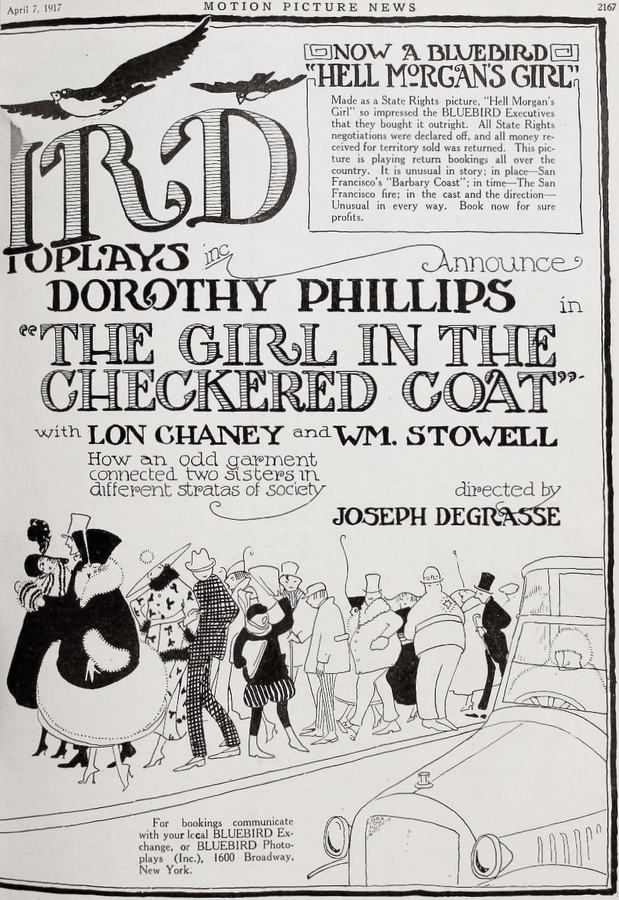
Dir: Joseph De Grasse
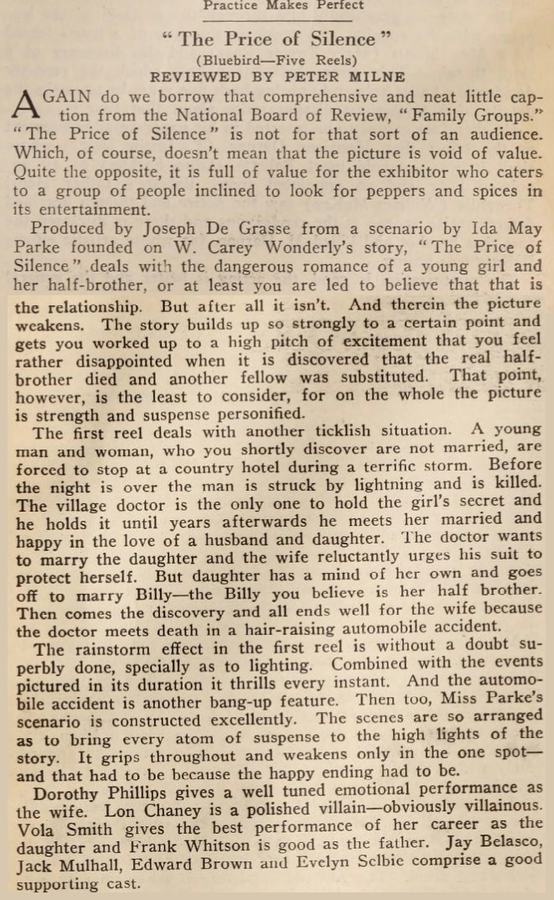
Mary and Fannie Graham are forced to live with their criminal father when their mother dies. Mary flees, but Fannie remains with her father and is reared as a thief, becoming known as "Flash" Fan.
View Details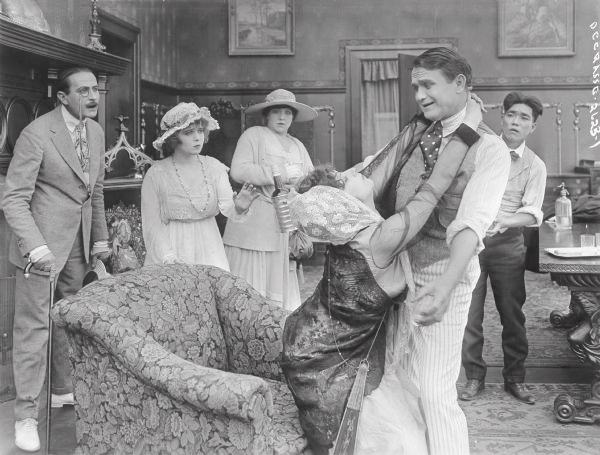
Dir: Joseph De Grasse
"Coyote" Crosby, owner of the "Big Star" ranch is in a feud with "Horned Toad" Smith, an Arizona bad-man, who claims Crosby's house is on his land, "Horned Toad" draws first and kills "Coyote" The first news of the killing reaches Dorothy Stewart, "Coyote's" niece and Teddy Crosby's cousin, and she sends for Teddy to inform him that "Coyote's" will specifies that they must marry to inherit the ranch. This pleases Teddy, who now receives word from two lawyers, Teck and Kikal, executors of his uncle's will, to meet them at a hotel, These men are crooks and try to frighten Teddy so that he will sell the ranch cheap. They tell him a wild and weird take about "Horned Toad" and Teddy, all his life aching for such an experience, refuses to sell and declares he is leaving on the first train for the West. Paprika, a black-eyed, young woman, who has a claim against Teddy's uncle, comes to New York to force Teddy to settle with her. She just misses him at his apartment and goes to Dorothy*n home, where Herbert Wendling a fortune hunter and suitor for Dorothy's hand, learns enough from Paprika to allow him to intimate to Dorothy and her mother that Paprika has been mixed up in Teddy's life, Dorothy refuses to believe the story, but her mother is skeptical. When they hear from Herbert that Paprika went West on the same train with Teddy, they immediately start for the ranch to protect Dorothy's interests. Arriving in the feet, Teddy starts looking around the town, in his evening clothes, in which he was dressed when put on the train by his intoxicated friends, and wine a full outfit of Western togs from a cowboy who in turn dons the formal costume. Teck and Nikal have informed "Horned Toad" that Teddy is wearing evening clothes, "Horned Toad" finds the cowboy with the said outfit and is about to shoot, but the cowboy is too quick and Teddy barely saves "Horned Toad's" life. Neither knowing the other, Teddy and "Horned Toad" become bosom friends. Upon finding Paprika comfortably settled at the ranch, Dorothy, her mother and Herbert are about to leave for the East, when "Horned Toad's" gang raids the place. Herbert is frightened and in attempting to hide, becomes involved in a ludicrous situation with Paprika. Teddy seeing this and learning of the suspicion against himself, turns the tables on Herbert. It is the Fourth of July and Teddy insists on going to town for fireworks, ignoring the warning from "Horned Toad" that the ranch must be surrendered in twelve hours. Teck and Nikal plot to get Dorothy to sign over her interest in the ranch, and to have "Horned Toad" kill Teddy. They send a gang of Mexicans to capture Dorothy; they storm the house and, discovering the wine cellar get very drunk. Pedro, the leader steals Dorothy, while Herbert flees and goes to tell Teddy of the trouble. Teddy rescues her in a spectacular manner, but they are captured by "Horned Toad's" men, Teddy is tied to a tree and "Horned Road" heats a branding iron to brand him. Dorothy is allowed to return to the ranch where she tells the cowboys of the incident and they swoop down on "Horned Toad's" men, but are held at bay. The Mexicans go to Teck and Nikal for their money and, upon being refused because of not delivering the girl, they mob the lawyers, who take refuge in jail. At daybreak the cowboys defeat "Horned Toad's" gang and, to their surprise, find "Horned Toad" wrapped in a blanket playing poker with Teddy. Teddy has won all "Horned Toad's" clothes and his claim to the Big Star ranch. Teddy likes "Horned Toad" and gives him the job as foreman of the ranch. Teddy and Dorothy marry and also do "Horned Toad" and Paprika, who formerly were sweethearts. Herbert speeds Eastward, very glad to be out of the terrible West.
View Details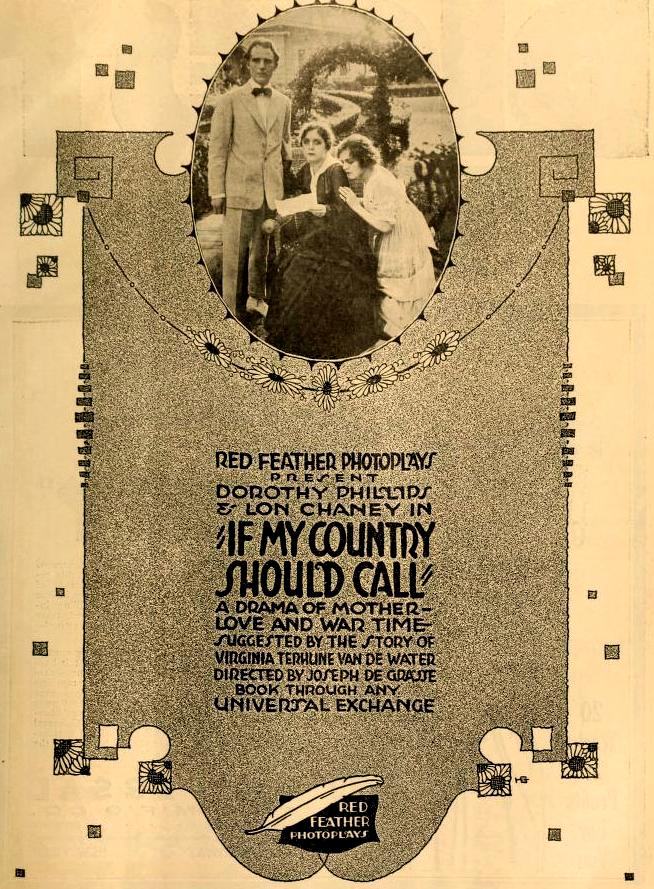
Dir: Joseph De Grasse
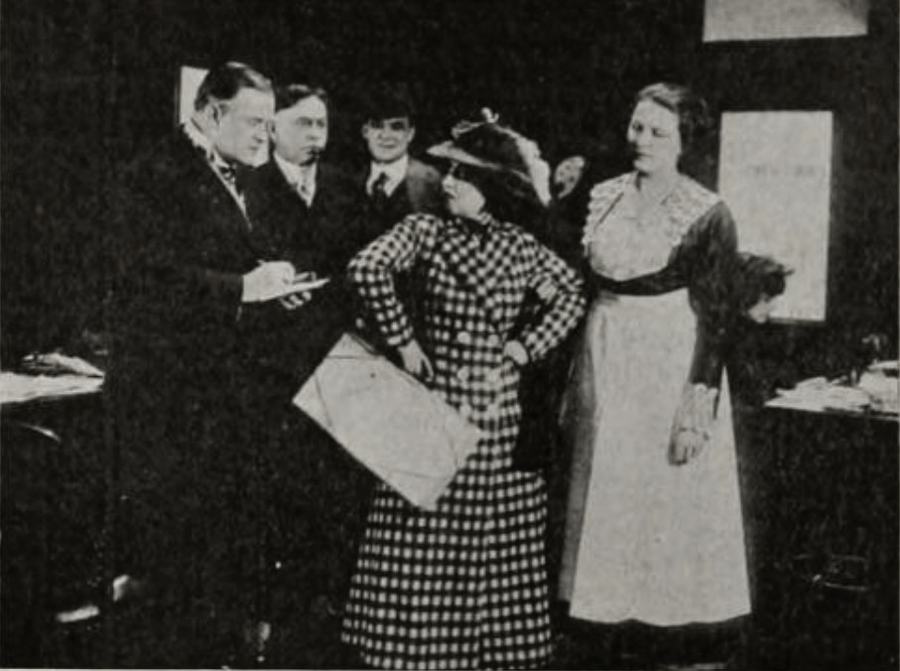
A pacifist mother tries to protect her son, whose patriotism makes him want to enlist in the army. Her uncle, a doctor, has invented a heart medication which mimics heart disease. Just a drop or ten in her son's drink should keep him home.
View Details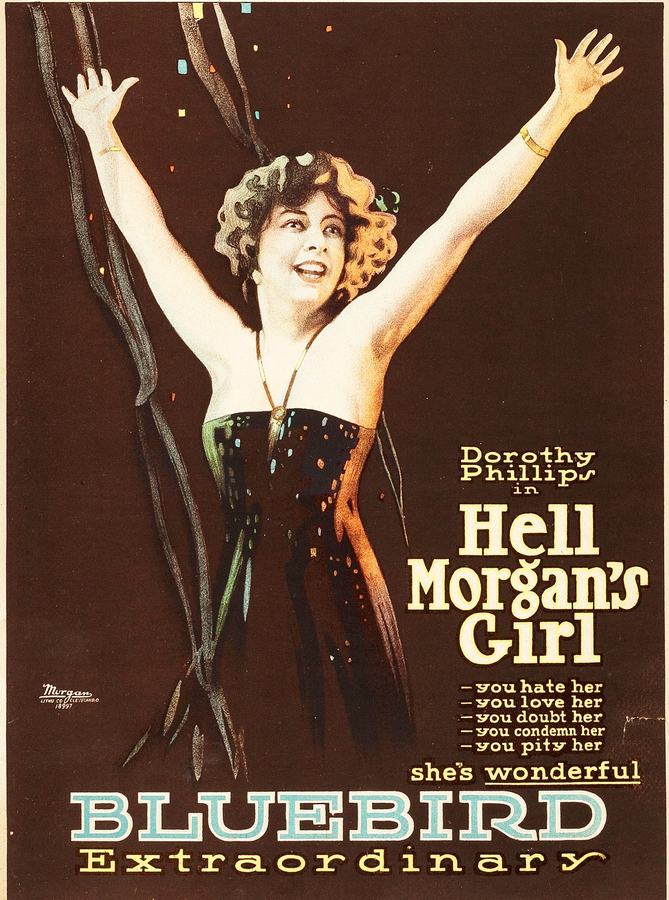
Dir: Joseph De Grasse
Oliver Curwell disowned his son Roger because he declined to abandon art and go into business, Roger gradually drifted from bad to worse until he was a derelict on the streets of San Francisco. In his art-student days a girl of the name of Olga had shown interest in him, believing he would inherit his father's millions, but when he was cast off the girl abandoned her pretense of affection. One evening Roger wanders into "Sailor's Rest," a saloon and dance hall run by "Hell" Morgan. A work of art hanging behind the bar Roger denounced as a "daub." Morgan resented this remark and was beating Roger when Lola saved his life by her interference. Morgan's daughter continued to befriend Roger and finally prevailed upon her father to give Roger the job of playing the piano in the dance hall. Roger painted Lola's portrait and they fell in love with each other. Sleter, a tough politician, objected, for the reason that he coveted Morgan's daughter. Olga leads a party of friends to "Sailor's Rest" on a slumming tour. She sees Roger at the piano and sends for him, as she reads in the newspapers of the death of Oliver Curwell, who willed his millions to his son. Roger joins Olga's party, and the old days are recalled. He forgets his love for Lola, and makes advances which Olga reciprocates. Lola goes to the party of slummers, and takes physical toll of both Roger and Olga. As a result Roger leaves "Sailor's Rest" and Lola resigns herself to Sleter. But when he attempts to collect his reward, Lola rebels and resists his advances. The tumult in Lola's room attracts "Hell" Morgan. He dashes upstairs, and in an encounter with Sleter is shot and mortally wounded. Lola drives Sleter from her room and escapes, dragging her father down a fire escape. Hardly have they reached the ground when San Francisco's earthquake and fire break loose. "Sailor's Rest" tumbles in a burning heap. Helping her father, Lola reaches the Presidio, where refugees are assembling. Her father is near death and she seeks a doctor in the crowd. Roger has been drawn back to "Sailor's Rest" by his love for Lola, and when he finds the place in ruins he likewise wends his way to the Presidio. Fate brings them together as "Hell" Morgan dies.
View Details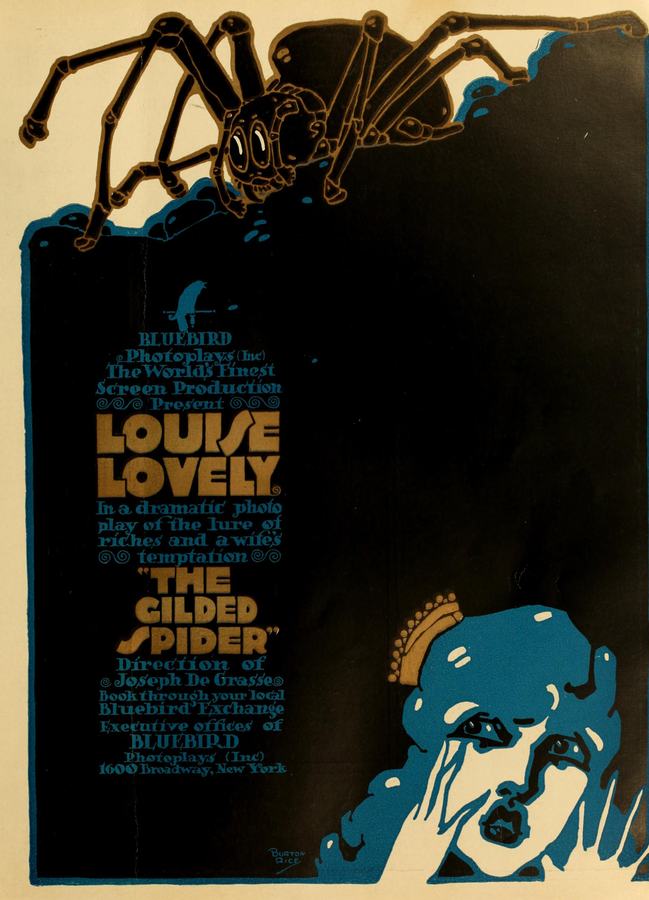
Dir: Joseph De Grasse
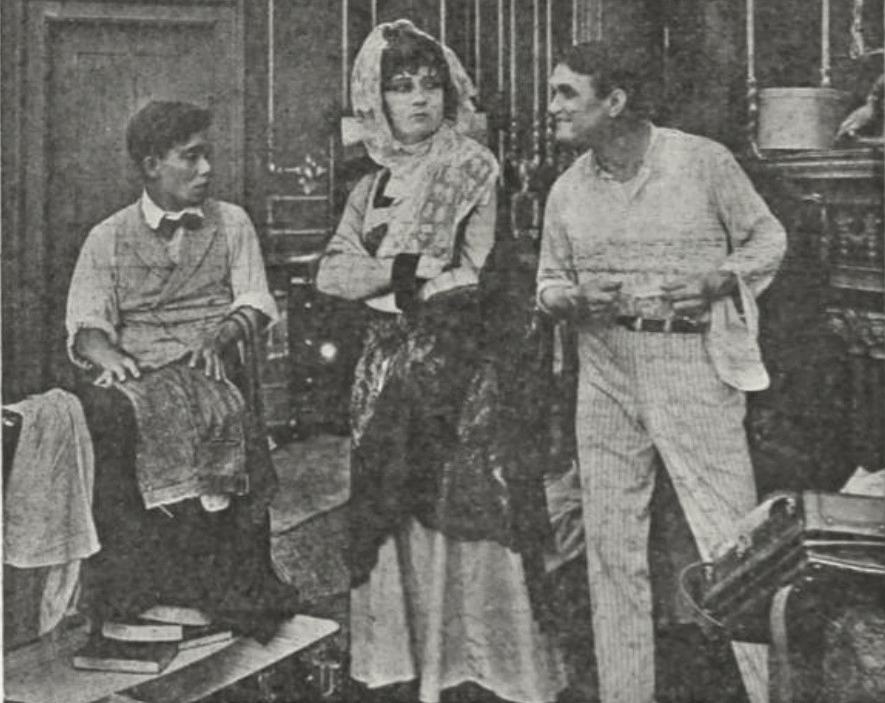
An unusual story about the crossing paths of the poor Italian family of sculptor Giovanni (Lon Chaney) and reckless American millionaire, Cyrus Kirkham (Gilmore Hammond). Louise Lovely plays two parts: Giovanni's wife Leonita, who comes to grief when Cyrus falls in love with her; and Giovanni's daughter Elisa, whose beauty brings a horrific resolution to the two families' woes.
View Details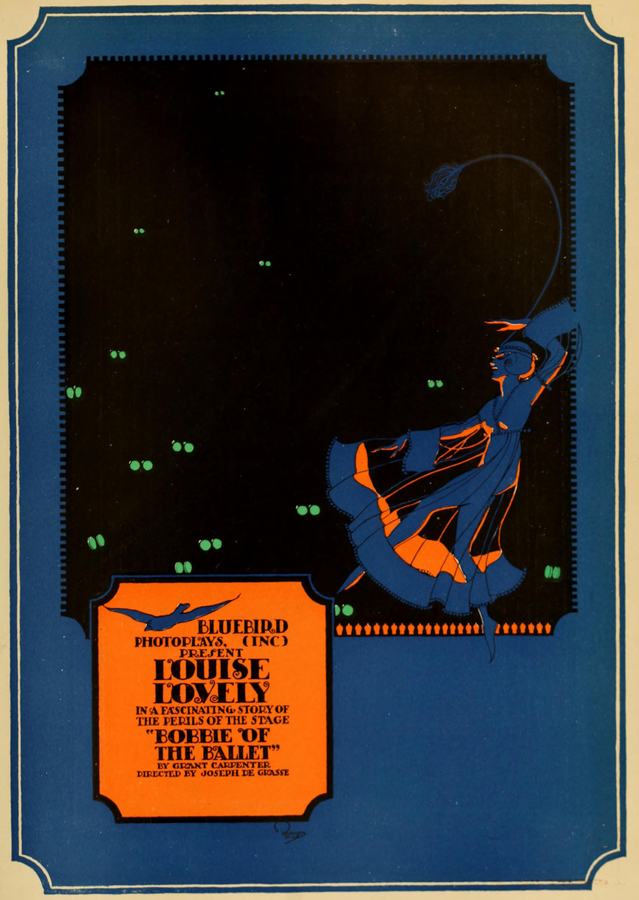
Dir: Joseph De Grasse
Young ballet dancer Bobbie Brent has lost her parents and must care for herself and her younger brother and sister. To keep the children, she pretends that they are her own children and not her siblings. Jack Stinson, her boyfriend, is aghast at this deception and breaks up with her. However, Jack's old girlfriend Velma is still jealous of Bobbie and comes up with a scheme to get rid of her once and for all so she can have Jack all to herself.
View Details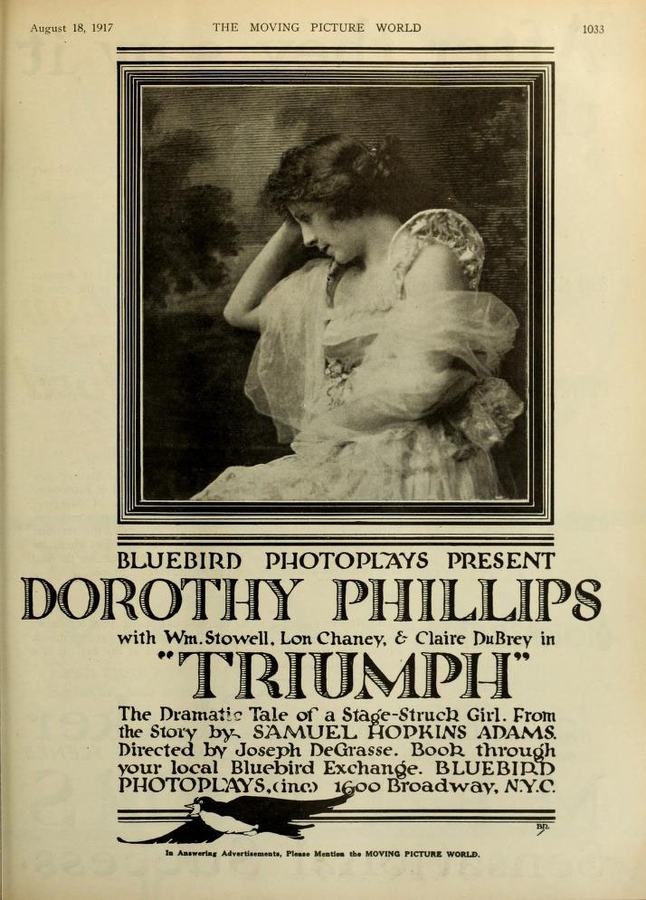
Dir: Joseph De Grasse
While awaiting the train to Broadway, Nell Baxter meets the leading man of a repertory company to whom she confides her ambitions. Upon arriving in the city, Nell attracts the lascivious eye of stage manager David Montieth, who eventually gives her the starring role in a play with the expectation that he will be favored with her affections. Nell, however, has fallen in love with playwright Paul Neihoff. On the afternoon that the show is to open, Montieth learns of Nell's romance and cancels the show. Nell goes to Montieth's apartment to plead with him to open the show, and he consents after setting Nell's virtue as the price of her ambition. When he attempts to collect, Nell stabs him and rushes to Neihoff's apartment. The playwright tells her to go to the theater as if nothing has happened, writes a letter confessing that he killed the manager, and then takes an overdose of a drug and dies. Word comes to Nell after the second act that Neihoff has sacrificed himself, and in the last act, she substitutes a real dagger for the fake one and stabs herself to death. It has all been a story, however, concocted by the leading man to cure Nell of her infatuation with the footlights, and no one has died.
View DetailsAnalysis relative to A Doll's House
| Film Title | Atmosphere | Complexity | Similarity |
|---|---|---|---|
| The Wildcat of Paris | Surreal | Dense | 90% Match |
| The Place Beyond the Winds | Ethereal | Linear | 95% Match |
| The Price of Silence | Gritty | Linear | 87% Match |
| The Girl in the Checkered Coat | Ethereal | Layered | 95% Match |
| Anything Once | Tense | Abstract | 86% Match |
This guide was algorithmically generated using the cinematic metadata of Joseph De Grasse's archive. Last updated: 6/24/2026.
Back to A Doll's House Details →