
DbcultAccessing Vault...
Recommendations
Senior Film Conservator
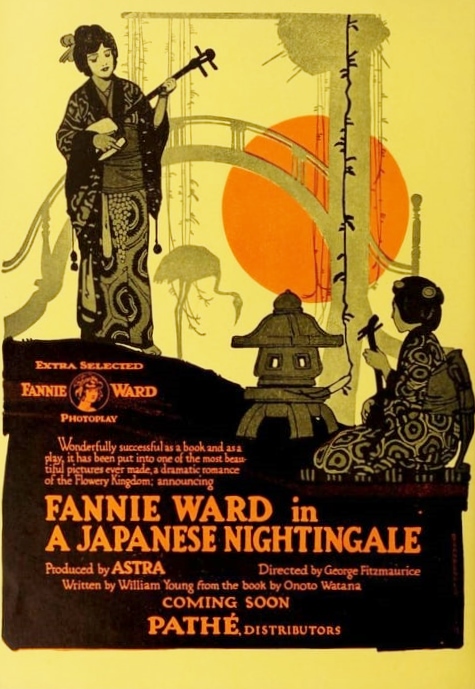
The evocative power of A Japanese Nightingale (1918) continues to haunt audiences with its artistic bravery, the artistic provocations of A Japanese Nightingale demand a follow-up of equal intensity. Explore the following titles to broaden your appreciation for cult excellence.
The visceral impact of A Japanese Nightingale (1918) stems from to transcend the limitations of its 1918 budget and technology.
A young Japanese woman named Yuki runs away and becomes a geisha girl in order to escape marriage to the lecherous Baron Nekko. Her brother's American friend, John Bigelow, falls in love with Yuki and marries her, but Ido, the marriage broker, who will lose a large commission if the wedding of Yuki and the baron is canceled, breaks into the American consulate, murders the consul, and steals the marriage certificate. When Yuki's brother arrives home from America, he is informed that she and John are living together unlawfully. To save her husband from her brother's vengeance, Yuki resolves to marry Baron Nekko, but Ido, having been mistreated by the baron, finally admits his guilt and returns the marriage certificate.
The influence of George Fitzmaurice in A Japanese Nightingale can be felt in the way modern cult films handle artistic bravery. From the specific lighting choices to the pacing, this 1918 release set a high bar for atmospheric immersion.
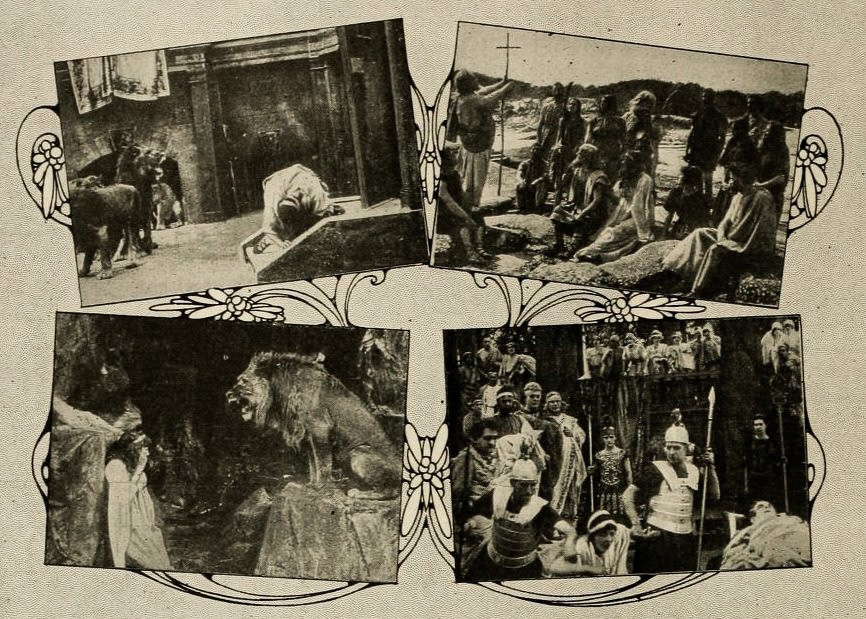
Based on the unique artistic bravery of A Japanese Nightingale, our vault has identified these titles as the most compelling follow-up experiences for fans of cult cinema:
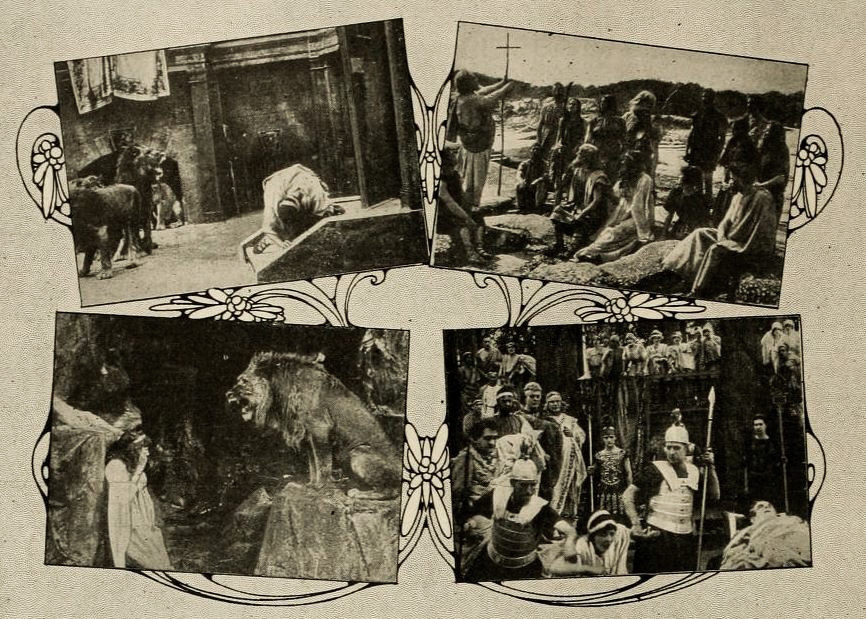
Dir: George Fitzmaurice
In one of the Roman colonies in North Africa lives with her father a beautiful young Christian girl, Nydia. A high priest of Jupiter, one of the principal Roman gods, sees her and desires to have her for one of the vestal virgins. He sends his attendants to seize her but is prevented by the passing of Caius, the son of the Roman governor. Caius is very much impressed by the beauty of Nydia and after leaving her safely at her home rides on to the court. The high priest, angry at being so easily thwarted, takes some of his attendants and goes to the home of Nydia to seize her. They are not successful although in the struggle Nydia's father is killed and their home is burned. Nydia escapes to the desert and hides in a cave. A shepherd passes and one of his sheep is carried off and eaten by a lion. The cave where Nydia hides is the lair of the lion and she is terrified as he comes in and stands by a rock near her and roars at her. The shepherd goes to the city to get help to kill the wild beast and lands at the palace of Caius just as a large company are celebrating the arrival of the young woman whom Caius is to marry. He leaves the feast and goes to help the shepherd. They find the cave, capture the lion and at the same time discover Nydia. Caius takes Nydia to his father's house and declares his intention of keeping her under his care. His father objects, she being a Christian. In spite of protests Caius places Nydia in a home, where he goes to visit her. On one of his visits he is followed by the high priest and his father. The high priest enters the room and accuses Nydia of seducing Caius. In a struggle that follows Caius kills the high priest. His father has Caius carried off by two attendants. He accuses Nydia of the crime. In spite of her protests she is condemned to be thrown to the lions. Caius' betrothed tells him of the event and he rushes to the lions' den to help Nydia. His betrothed, who has been instrumental in stirring up trouble, opens the door of the den to watch with satisfaction the end of her rival. Caius sees the door open and seizing Nydia, makes his escape. They manage to escape to the desert, where Caius adopts Christianity.
View Details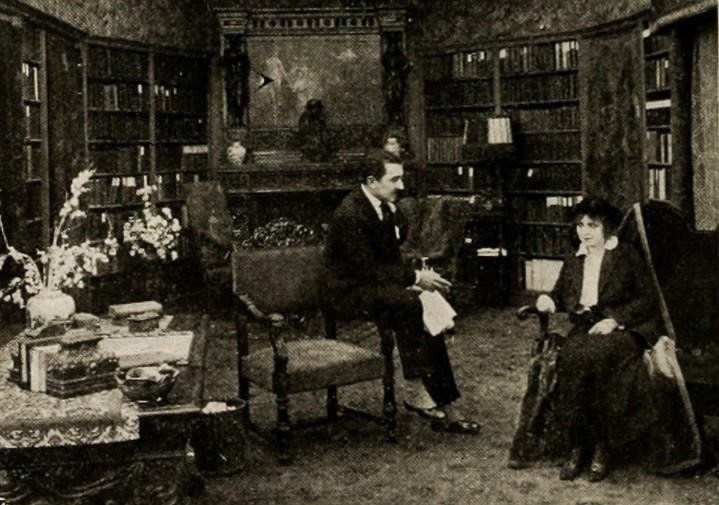
Dir: George Fitzmaurice
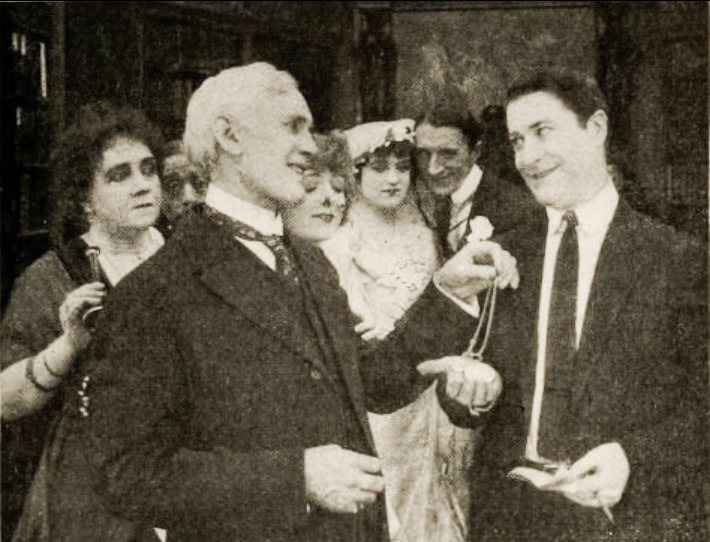
Mr. Carr is a kleptomaniac and his two daughters, Madge and Joan, are to be married to Mr. Cluney and Dr. Willoughby, respectively. Pretty Nell Jones, a light-fingered maid, is engaged that afternoon by Mrs. Carr after promising her sweetheart, Jack Doogan, a crook, that she will assist him to do one last job. Peculiar and mysterious things begin to happen in the Carr home with the arrival of the happy bridegrooms-to-be. A ruby suddenly disappears from the library table, into Nell's shoe, but the empty box is discovered by Cluney in his overcoat pocket a few minutes later. The family promptly suspects Nell, and Cluney telephones for a detective. While he is in the act of 'phoning, Nell slips the jewel back into the box where it is discovered by Mr. Carr just as Cluney lays down the 'phone. Cluney is stunned by the discovery and confides in Dr. Willoughby, who unsympathetically informs Cluney that he evidently suffers from unconscious kleptomania. The situation is further complicated by the arrival of Nell's sweetheart, Jack, whom she tells of the expected detective. This dignitary is met by Nell who, after deftly stripping him of star and watch, introduces him to Jack as Mr. Cluney. Jack sends him away on a mysterious mission and Nell then introduces Jack to the family as the detective from central headquarters. Cluney confides to him that he suspects himself of being a kleptomaniac and asks that Jack keep a close eye on him. Complications set in thick and fast. With two kleptomaniacs and two real crooks and a double wedding pending. Mrs. Carr has her hands full. Wedding presents disappear and reappear in the most astonishing way. A burly investor leaves $10,000 in steel stock as security for a loan and when he returns with cash to redeem his collateral, both stock and money disappear into Jack Doogan's pocket. This leads to the visit of a wagon-load of police but before the captain can read his search-warrant, even that vanishes through Doogan's nimble fingers into Mr. Carr's side pocket. Ever cocksure Dr. Willoughby shares the general hysteria and finds himself possessed of the stock securities but unable to replace them without openly branding himself a thief. The return of the detective adds a touch of drama to the evening. With an automobile liberally filled with movable valuables of all kinds ready for departure, Jack draws his gun and under its cover makes his escape, hurrying to the upper rooms of the building with faithful Nell at his heels. Believing him to have jumped through an open window, the police scatter out-of-doors and a second later Dr. Willoughby stops Jack and Nell in a hallway at the point of his revolver. This Jack deftly wrenches from the doctor's hand and again has the company at his mercy. But Nell longs for peace and the good-will of her erstwhile employers and so prevails upon Jack to throw away his gun. Then follow explanations and forgiveness. Jack shows his marriage license and the minister ends an exciting evening with a triple wedding.
View Details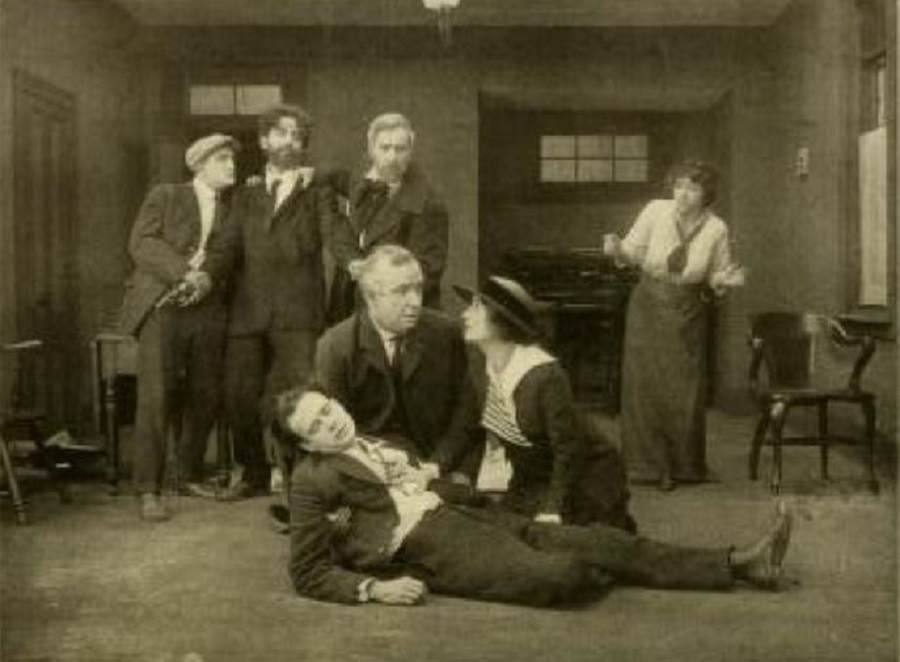
Dir: George Fitzmaurice
Prologue: John J. Haggleton is the oil king of the world. In his first years while fighting bitterly for success his methods are unscrupulous. His wife suffers as a result and learns to hate his dishonesty. One day, finding written proof of a plot to burn up the oil refinery of a competitor, she leaves him, taking her baby boy and the condemning documents. Lawrence, a competitor of Haggleton, shoots himself as a result of Haggleton's manipulations and another, Moran, ruined, falls into misery. Haggleton's wife dies in poverty, leaving her boy, Philip, in the care of a poor old man named Gentle, who brings him up under an assumed name so that the boy shall never know his father's name. Gentle keeps the documents incriminating Haggleton. The story proper opens in Moran's home. Moran, who is now working in a miserable East Side bakery with his daughter, Jenny, a woman of the streets who has been ruined by Lawrence's son, but who has reformed, is in love with Philip Ames, who is really the son of Haggleton. He in turn is in love, not with Jenny, but with Margaret Lawrence, daughter of the man who committed suicide. She is a nurse in a hospital. Haggleton comes to visit the tenement in which the Morans live and there meets his son, who is calling on Moran. Haggleton does not reveal his identity. He discovers through Gentle the identity of his son and of the hatred his son has been taught to bear against the oil king. Haggleton is struck by the boy's speeches and when shown the horrible conditions of the people living in the tenement, he offers to help them with money, but his son refuses the money, saying that a man in order to make charity effective must not merely hand money to poor people but must understand them as well. Haggleton, in an effort to win back his son, decides to try living as a laborer. He sends orders for his yacht to sail, spreading the rumor that he is on board for a long cruise. Then he starts life over in a tenement without a penny. Haggleton starts work as a kneader in Moran's bake-shop and after studying conditions begins to build up an electrical bakeshop, which will later become a real bread trust. As they prosper, the home of Moran becomes happier, but Moran, inflamed by socialistic ideas, spread about by a few bakers who are thrown out of work by the electrical machinery, nurses anarchistic hatred against men such as Haggleton who ruined him. He doesn't know, however, that Jackson is Haggleton. To this argument Haggleton explains to him that his bread trust may be hurting a few bakers, but benefits the whole East Side. Haggleton learns of the engagement of Philip with Margaret Lawrence. He tries to withhold this marriage as he has much greater plans in mind for his son, and in so doing discloses his real identity. Moran, infuriated, tries to shoot Haggleton, but Philip, who has learned to love him in the past months, stands between Moran and his father and receives the shot. He is taken to the Haggleton home on Fifth Avenue and nursed there by Margaret Lawrence. When his health is restored, Margaret announces her intention of leaving the house, for she thinks she can never bear to marry a son of the man who ruined her father. She is stubborn in her pride, but finally yields when Jenny comes to her and tells her that her own destroyer was none other than Margaret's brother. Margaret softens and henceforth Haggleton, Margaret and Philip devote their lives and huge fortune to the development of really useful charity.
View Details
Dir: George Fitzmaurice
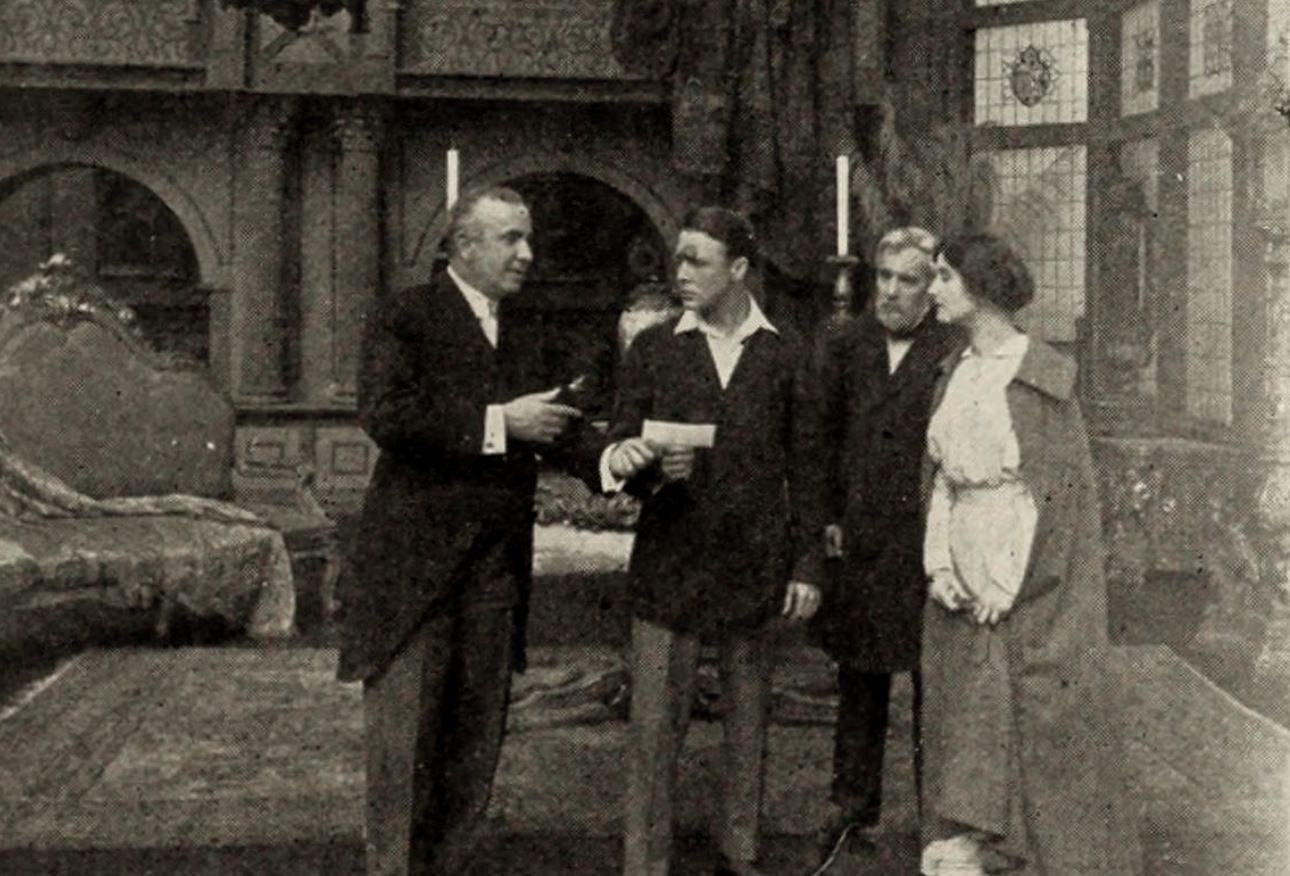
Rozika is a Hungarian girl who can sing quite nice. She goes to the place known as the United States with her brother whose name happens to be Young Carl. Rozika marries a chap named Trevor and a predicament ensued after the Great War comes knocking at the door.
View Details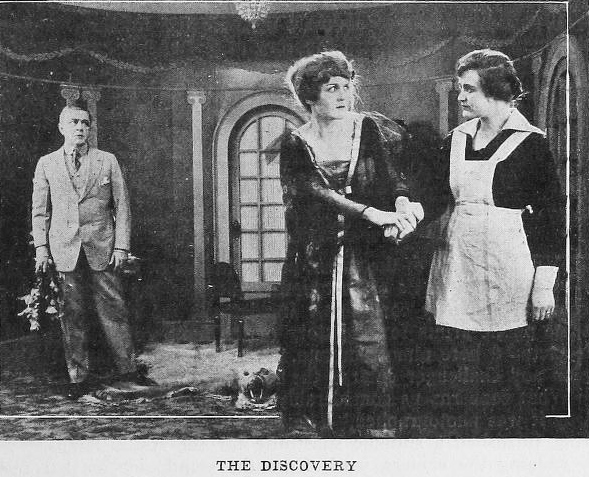
Dir: George Fitzmaurice
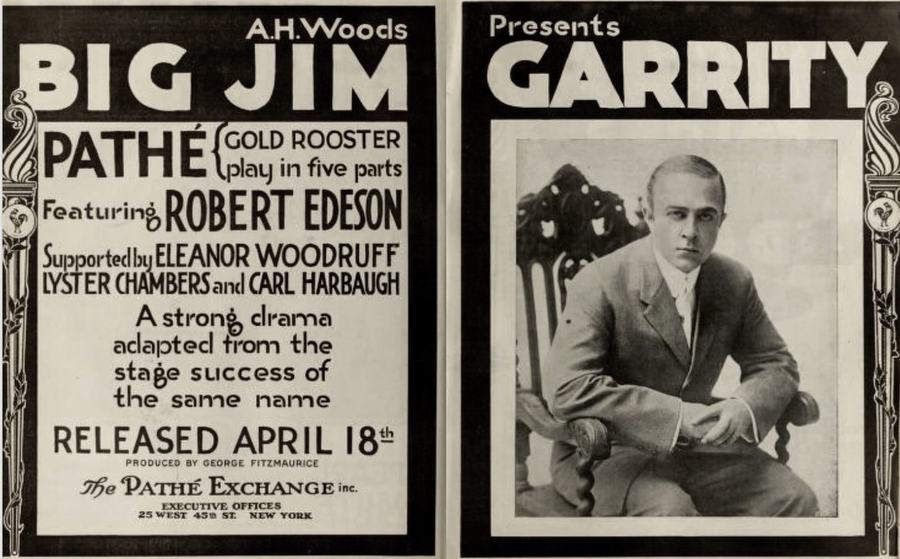
Mine owner Big Jim Garrity discovers that Hugh Malone is selling cocaine to his miners. He warns Malone to stop, but Malone refuses. He then decides to destroy the mine in order to get rid of Garyity. A miner is killed and Malone frames Jim for the death. Jim is imprisoned, but escapes and flees the country. He returns years later and, through a twist of fate, runs into his old enemy Malone.
View Details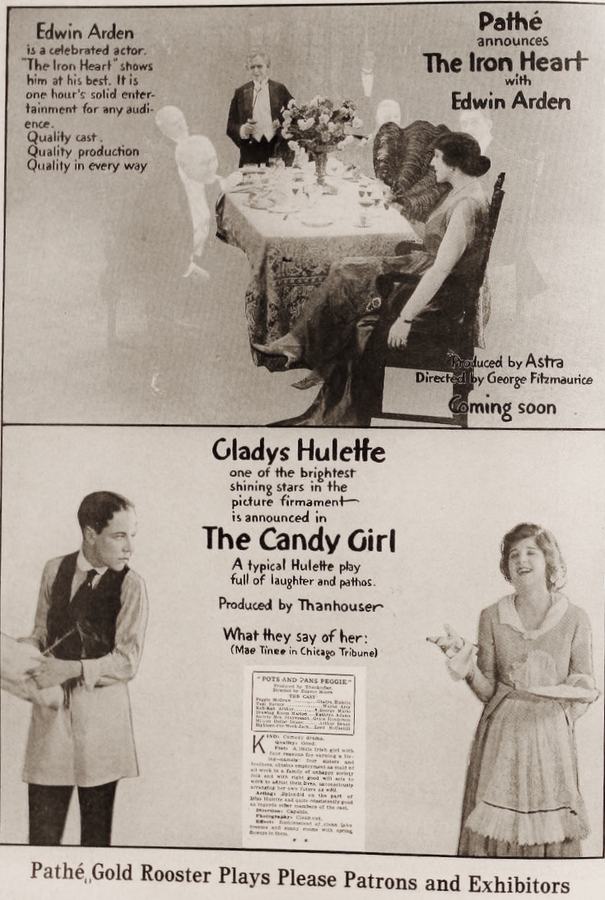
Dir: George Fitzmaurice
Possessed of an iron heart and a desire for power, Stephen Martin rules his iron works with a hand of steel. Even his son Tom, who marries against his father's wishes, is forced to leave home. At the death of his brother, who owned an even larger manufacturing plant, Martin inherits his brother's property, and Mrs. Martin, unable to improve socially with her husband, is forced out of the house to make way for adventuress Anne Parnell. When the workers in the plant demand more pay, Martin refuses, and a strike is called. Tom tries to pacify the strikers, but to no avail. During the strike, the plant is burned to the ground, and Martin finds himself financially ruined. His heart then softens, and he returns to his wife and begs forgiveness of his son.
View Details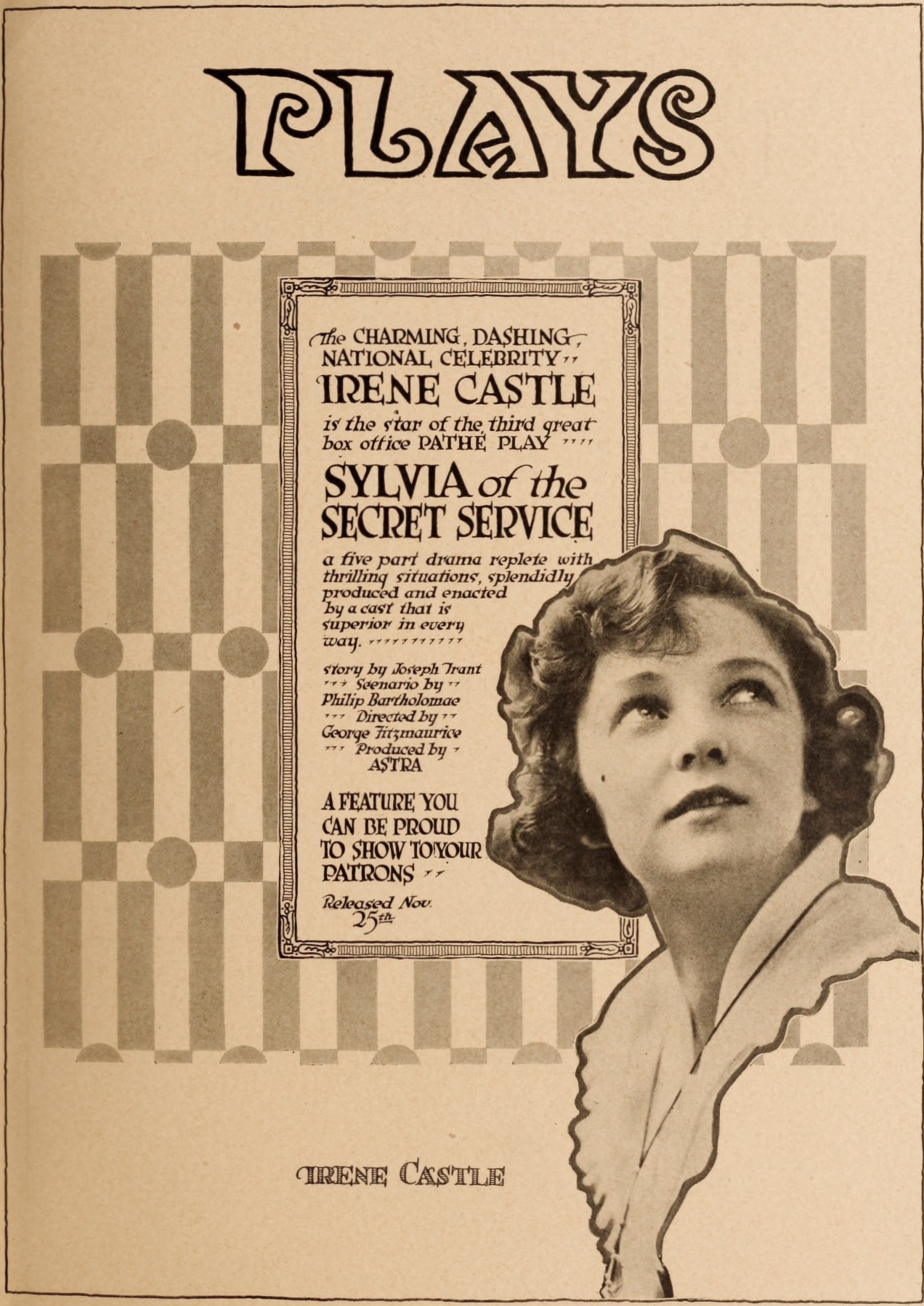
Dir: George Fitzmaurice
During World War I, a group of German saboteurs plot to blow up an ammunition dump in New York City. A secret agent sets out to stop them.
View Details
Dir: George Fitzmaurice
When Richard Cameron, a secret service agent tracking down international spies, is kidnapped by the enemy, Mirian Somerset, to whom Richard has been surreptitiously married, believes that he is dead. Mirian then acquiesces to her mother's wishes and marries the rich and dissipated Charles Van Horn in order to recoup her family's fortune. When Richard suddenly returns, Van Horn finds Mirian with him and, enraged, attacks him. In the struggle that follows, Mirian strikes Van Horn, accidentally killing him. Richard, who must return to his mission overseas, is forced to leave Mirian alone. When her brother Page is arrested for Van Horn's murder on circumstantial evidence, Mirian is torn between fear of revealing her own crime and horror at her brother's conviction. Just before the boy is sent to the electric chair, however, Richard appears with the governor's pardon and Page is freed, restoring peace to Mirian's turbulent life.
View Details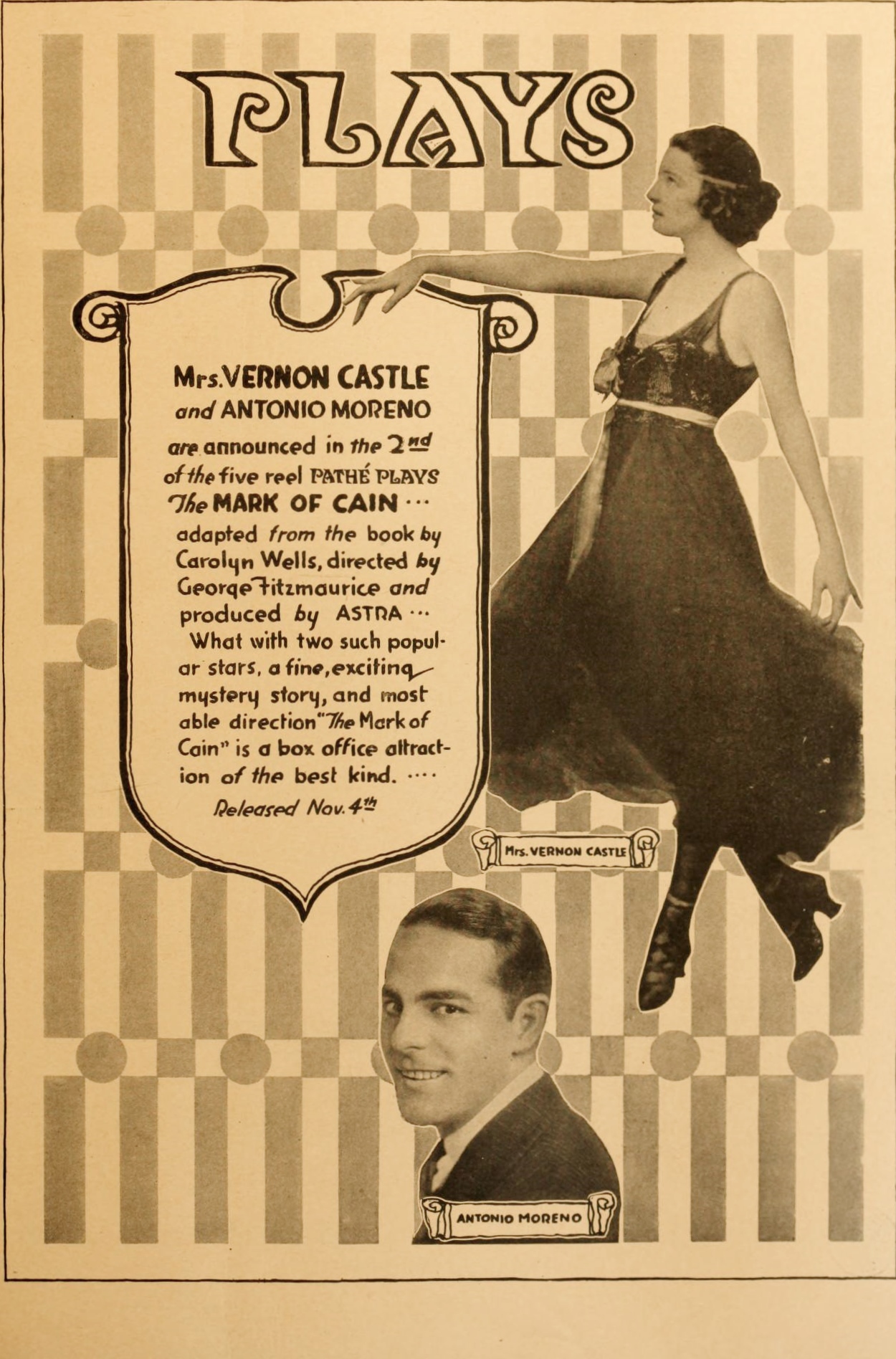
Dir: George Fitzmaurice
After old Trowbridge is mysteriously murdered, his nephew, Kane Langdon, is accused of the crime. Trowbridge's adopted daughter Alice makes every effort to prove Kane's innocence, but to no avail. When Kane escapes from the clutches of the law, Alice works with him to investigate the crime. They soon discover that Judge Hoyt, a great friend of Trowbridge and an ardent admirer of Alice, killed Trowbridge after forging the old man's will to read that Alice would only inherit his fortune if she married the judge. The judge, confronted with the accusation, becomes so unnerved that he confesses to the crime, and all ends happily with Alice in Kane's arms.
View Details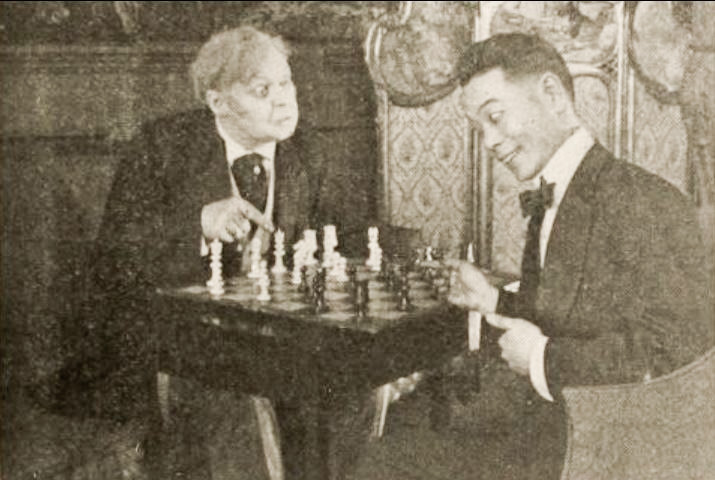
Dir: George Fitzmaurice
Mrs. O'Brien, newly rich, vainly aspires to social prominence, an ambition in which her common, chess-loving husband does not sympathize. Pretty Mary Ellen, the daughter, and a Japanese butler constitute the household. One day Mrs. O'Brien sends out invitations to a party which the Van Dusens and Van Astorbilts refuse to attend. While she is mourning this loss, an automobile breaks down in front of the house, and a slender young man who introduces himself as Lord Algernon Ste. Clair seeks refuge, while his car awaits the repairman. Mrs. O'Brien, scenting a noble match, promptly invites him to stay for the party. Meanwhile a rough-looking character alights from an automobile, and after a careful inspection of the house, rejoins his friends and disappears. An hour later, immaculately groomed, he enters the club of which O'Brien is a member, and finding the solitary old Irishman playing a lonesome game of chess, offers himself for partner. In this way he obtains an invitation to attend Mary Ellen's party, in due time the guests arrive, consisting of the good-hearted but illiterate Flanagans, their two children and the stranger. There immediately commences a vigorous suit for the hand of pretty Mary Ellen on the part of Lord Algy and the stranger. Mary Ellen shows her preference for the stranger. That night weird things happen. The stranger who has been invited to spend the night, slips into the library in time to see O'Brien much excited over the appearance of a white hand that has deftly poked through the portieres in search of the electric switch. In another instant the stranger throws O'Brien to the floor, and Lord Algy in hand, stands over them. There is a scuffle and the stranger disappears, gun in hand, through the French window. An hour later Lord Algy, in his room, cautiously draws a string of pearls from his pocket, only to turn and face the gun of the stranger, who raises his head from back of Lord Algy's bed. There follows explanations and the stranger shows his badge as a government secret service agent, long in search of the crook known as Lord Algy. O'Brien rejoices and Mary Ellen slips her hand into that of the "stranger's," while Mrs. O'Brien, thoroughly disgusted, hurls a volume of "Who's Who in Society" into the waste basket.
View DetailsAnalysis relative to A Japanese Nightingale
| Film Title | Atmosphere | Complexity | Similarity |
|---|---|---|---|
| When Rome Ruled | Ethereal | Dense | 97% Match |
| Stop Thief! | Gothic | Layered | 91% Match |
| The Money Master | Gothic | Dense | 95% Match |
| Arms and the Woman | Surreal | Dense | 88% Match |
| Big Jim Garrity | Surreal | Linear | 96% Match |
This guide was algorithmically generated using the cinematic metadata of George Fitzmaurice's archive. Last updated: 6/27/2026.
Back to A Japanese Nightingale Details →