
DbcultAccessing Vault...
Recommendations
Senior Film Conservator
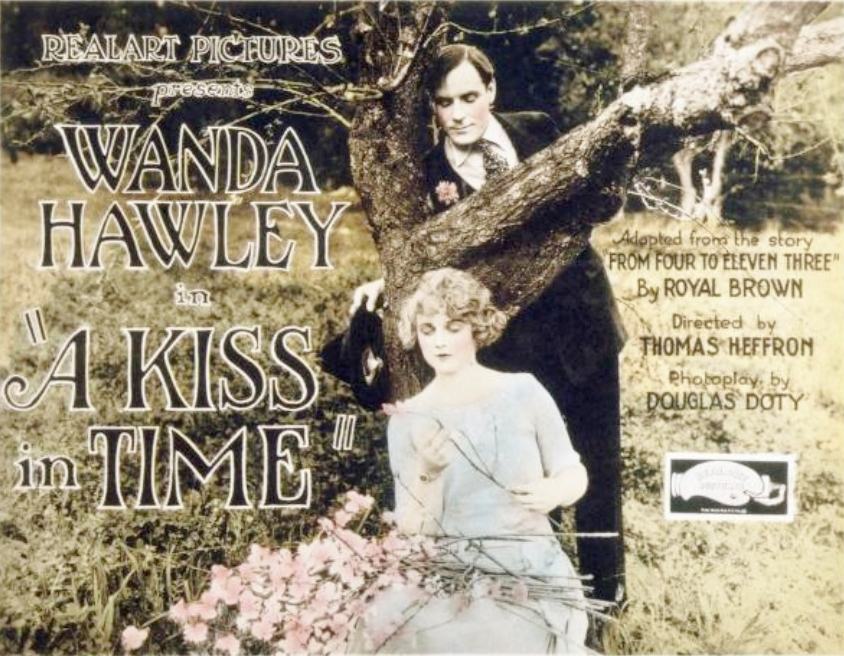
Since its 1921 debut, A Kiss in Time has maintained a cinematic excellence status, the legacy of A Kiss in Time is a beacon for those seeking the unconventional. Our criteria for this list were simple: only the most cinematic excellence and relevant titles.
The 1921 landscape was forever altered by the arrival of to sustain a sense of mystery that persists after the credits roll.
Although she finds the stiff Bostonian manners of her fiancé, Robert Ames, unsuited to her temperament, artist-illustrator Sheila Athlone refuses to illustrate an author's story because of its "absurd" premise that a girl would kiss a man she met only 4 hours earlier. Author Brian Moore, setting out to prove his point, poses as a butcher boy and induces her to ride out to a country orchard. His advances are refused until he saves a child from an explosion, and 2 minutes before the time limit, in admiration of his bravery, she allows him to kiss her.
Critics widely regard A Kiss in Time as a cult-favorite piece of Comedy cinema. Its cinematic excellence is frequently cited as its strongest asset, solidifying its place in United States's film legacy.
Based on the unique cinematic excellence of A Kiss in Time, our vault has identified these titles as the most compelling follow-up experiences for fans of Comedy cinema:
Dir: Thomas N. Heffron
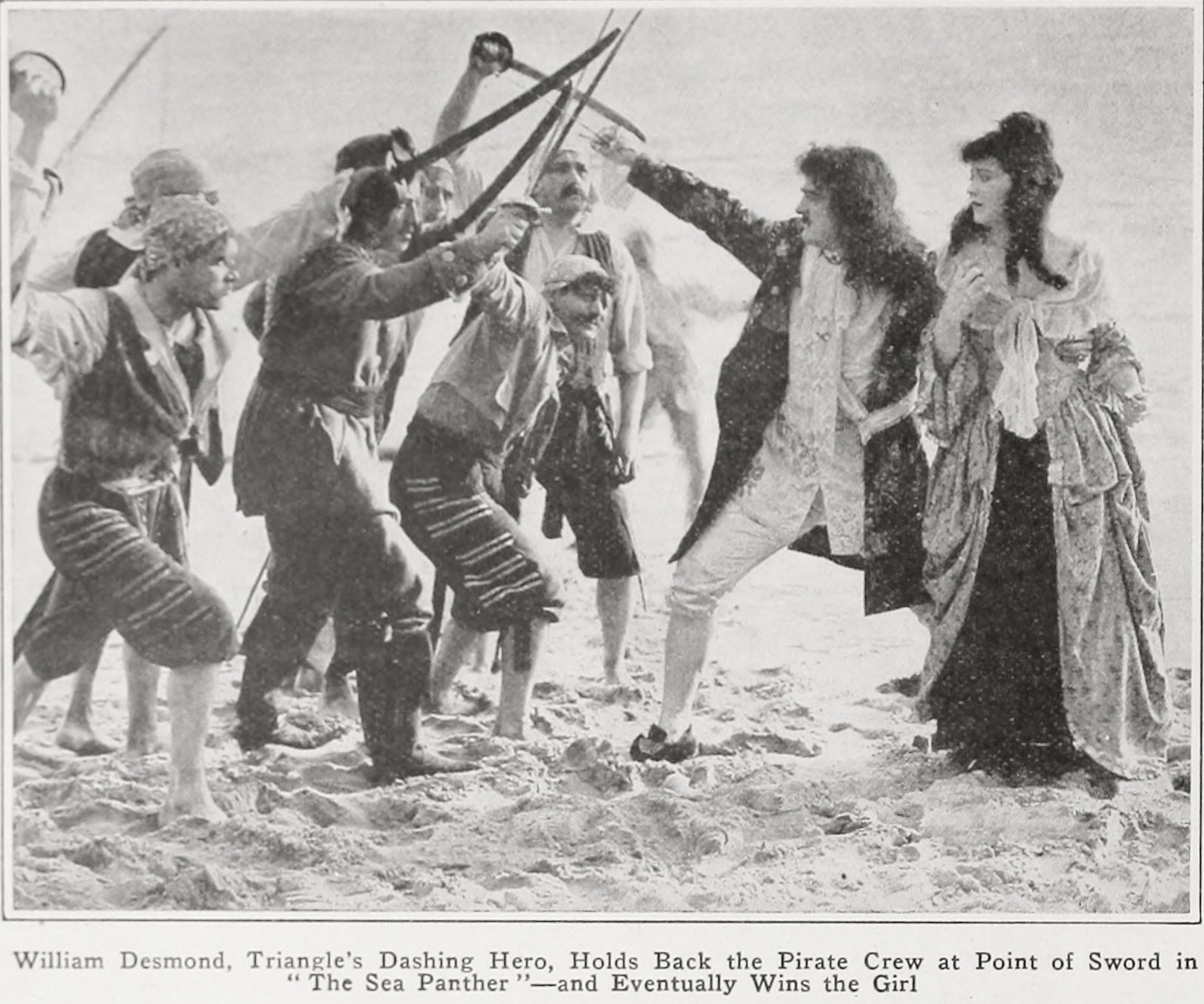
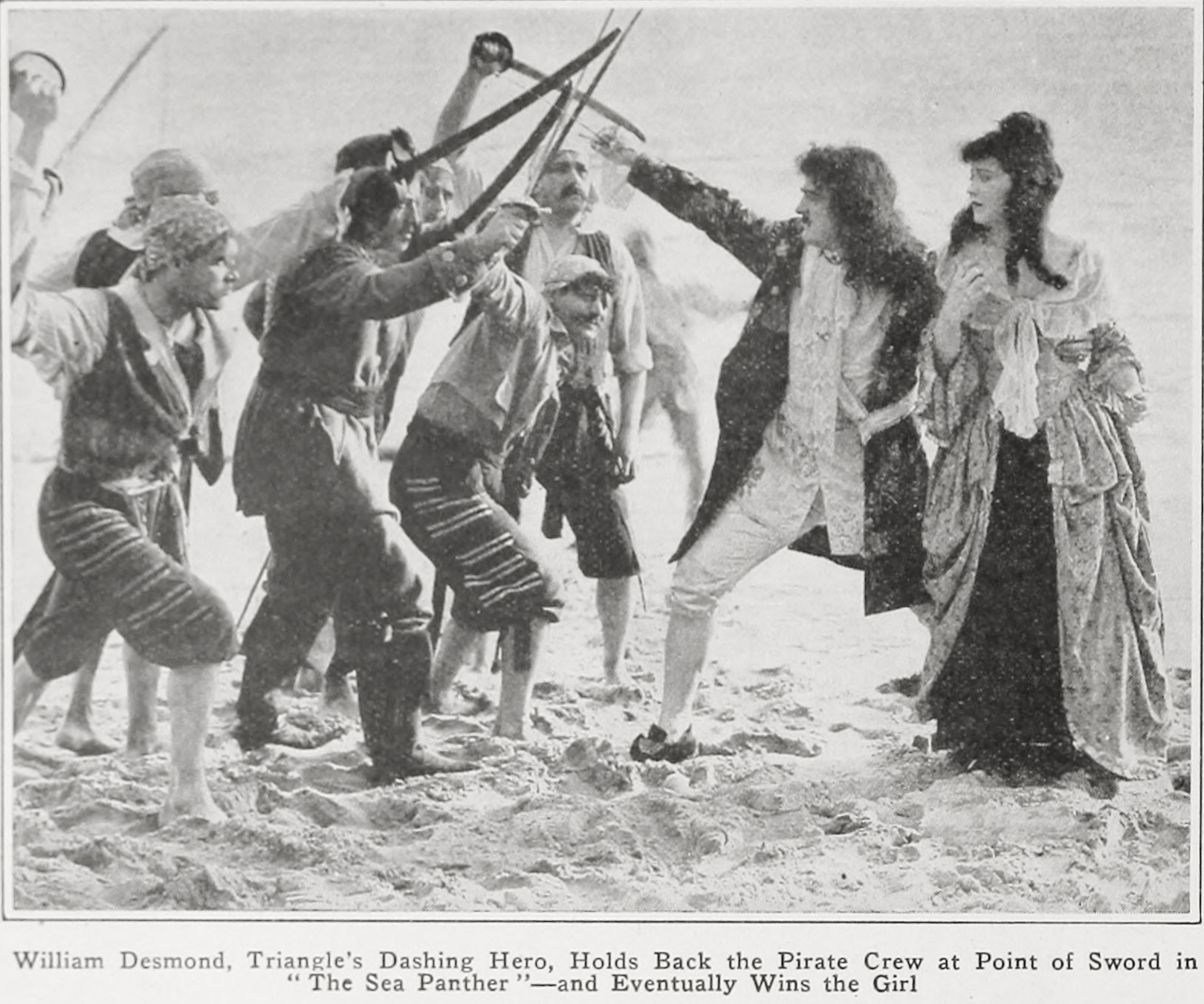
Paul Le Marsan captains his seventeenth-century French pirate ship, the Cygnet, with an iron hand, but is all graciousness and charm with the ladies. When his crew captures the British ship Lady Devon, Paul encounters the beautiful Molly Tarpley, who is en route to join her uncle in the Carolinas. Escorting the British ship to the pirate town of Cayo del Muerto in the Bahama Islands, Paul protects Molly, drawing his sword on any buccaneer who dares to touch her. After accommodating Molly in his richly furnished home, Paul realizes that she will never return his love and agrees to sail the Lady Devon to the Carolinas. As the ship nears the coast, however, Paul's crew rebels, enabling the British to retake their ship and lock Paul in irons. To repay Paul for his kindness, Molly secretly releases him, kisses him once and watches as he rows away.
View Details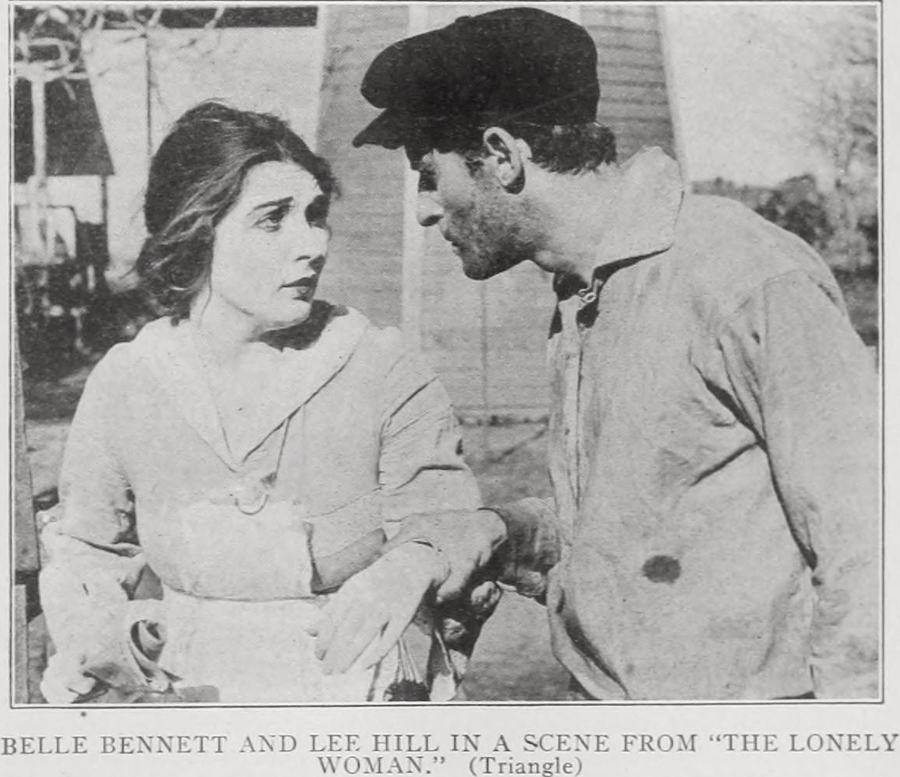
Dir: Thomas N. Heffron
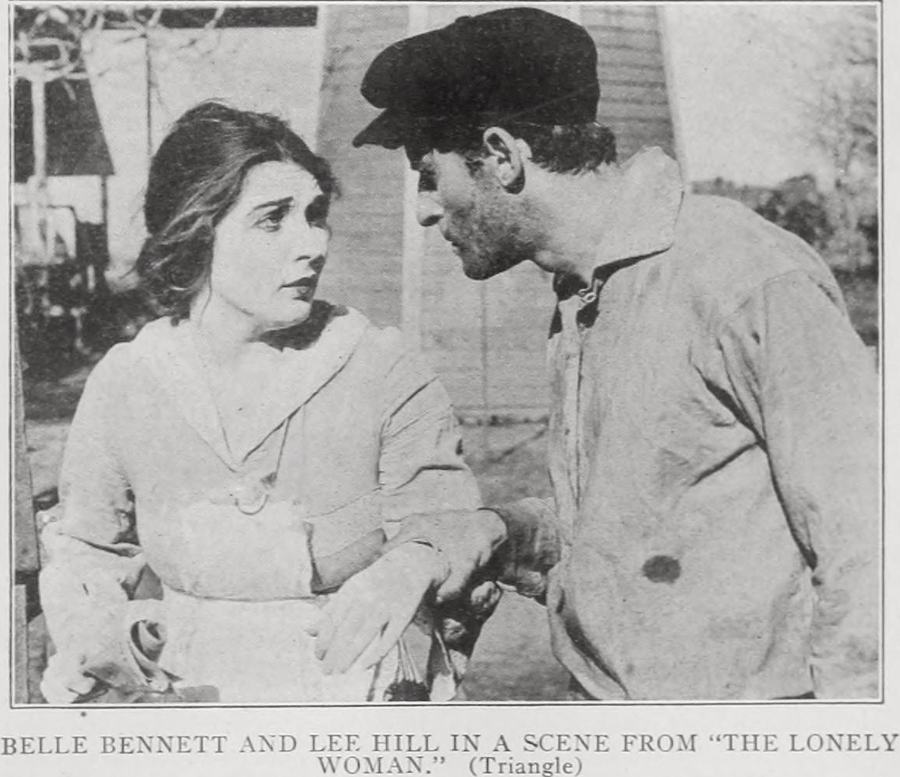
The reticence of Martha Sellers and her employment of Jim Ransom, a drunkard, excites the curiosity of the villagers. She receives mail postmarked "Ossining," and this further stirs the people. The gossipers spread the report that her lover is in Sing Sing, but the heart of the matter is that her husband has been unjustly convicted on a charge of embezzlement. Fate takes a hand and Ranson asserts that he is responsible for the robbery, thereby reuniting Martha and her husband.
View Details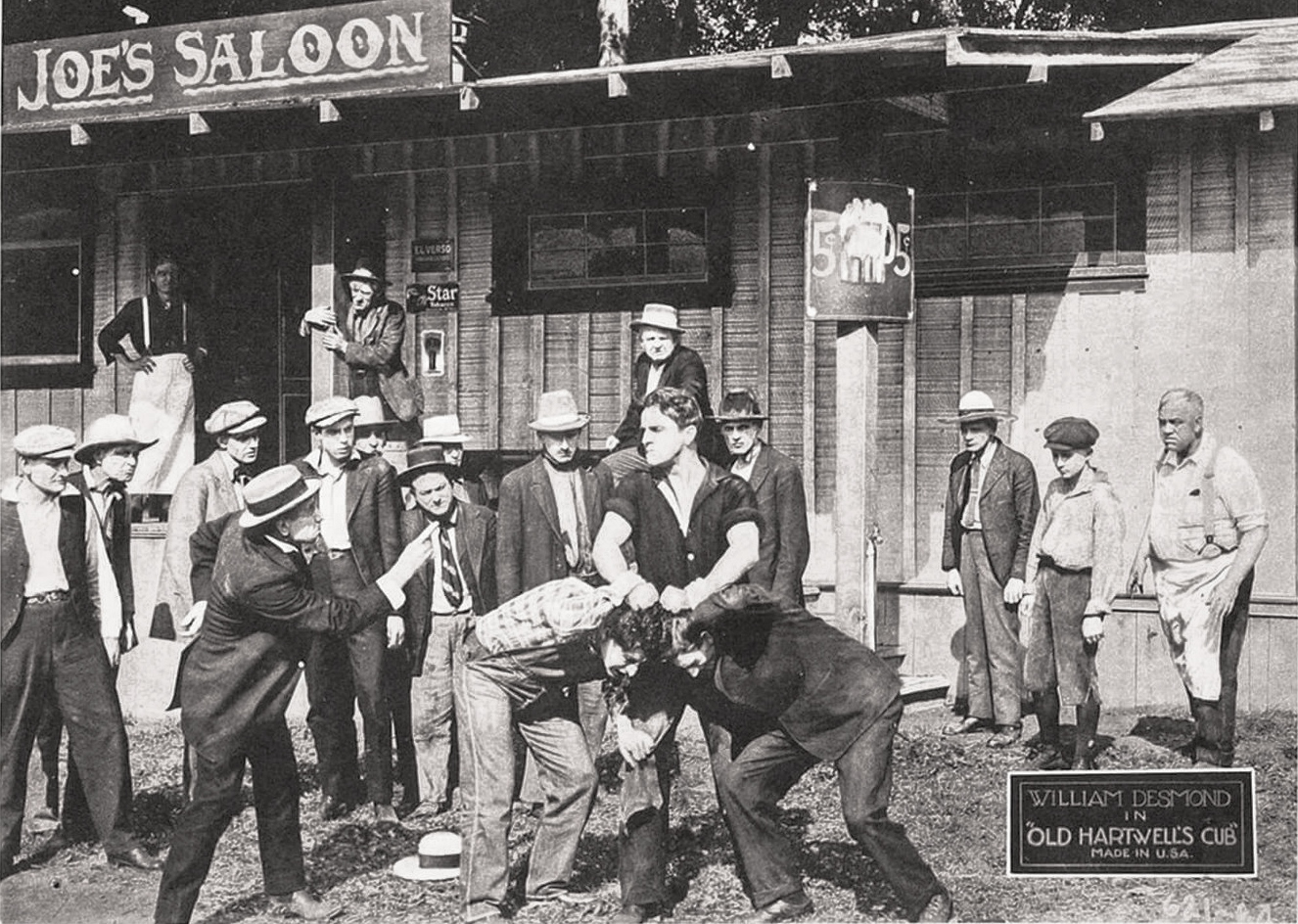
Dir: Thomas N. Heffron
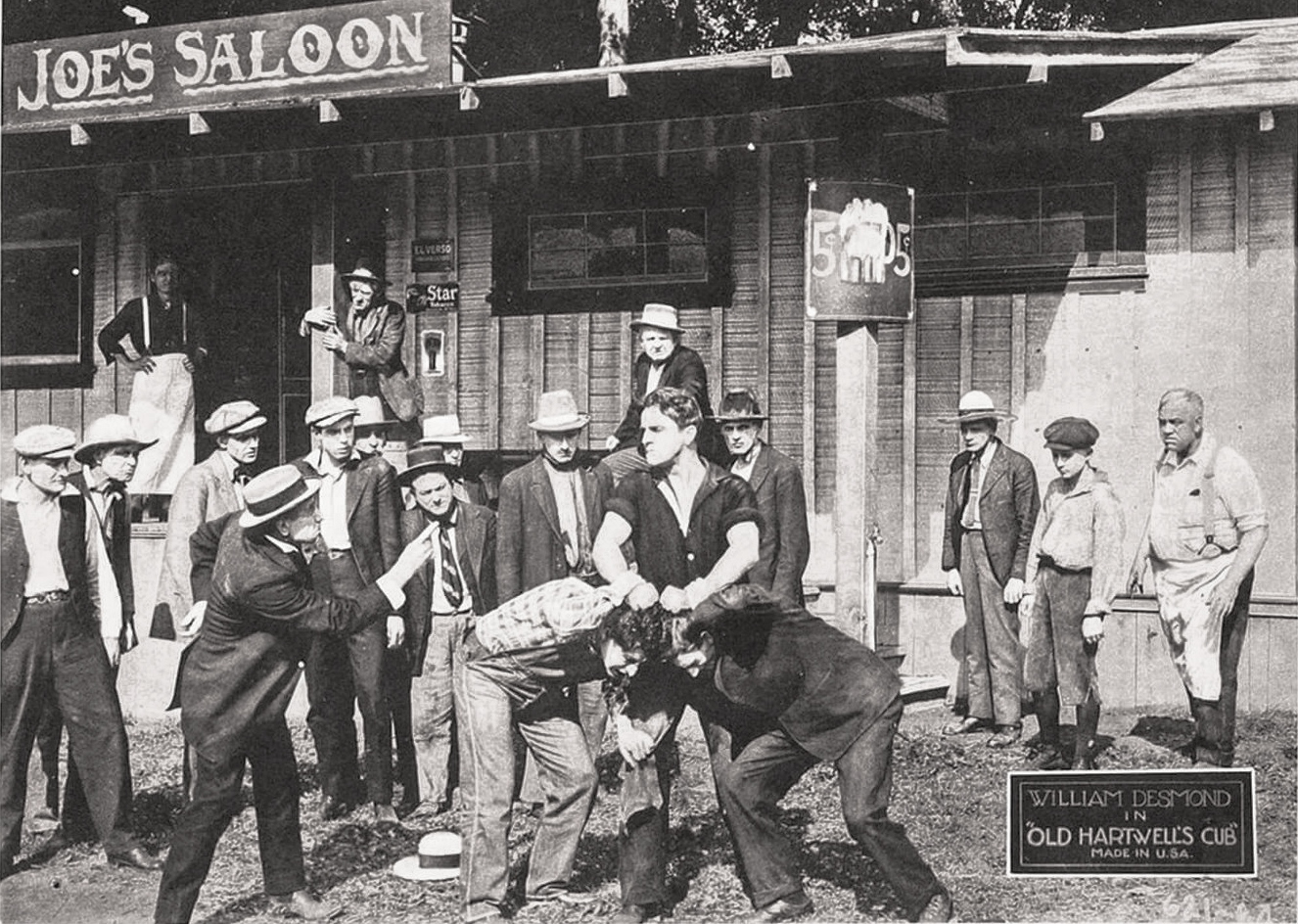
Although Tom Hartwell is the town drunk of Matherville, his son Bill, a blacksmith, loves him and batters down the jail door when the old man is arrested. In an effort to drive them both out of the village, the narrow-minded townspeople attack Bill, but the Rev. David Lane defends him and then invites him to dinner. Bill falls in love with the reverend's daughter, Mary Lane, but she becomes infatuated with Edward Jones and marries him. Edward robs Mary and flees to Chico, Arizona, and when Mary follows him, she learns that he has a wife there. Following his father's death, Bill travels to Chico, where he and Mary become entangled in several adventures. Finally Bill is accused of stealing a horse, and after Mary rescues him just as he is about to be hanged, the two return to Matherville as man and wife.
View Details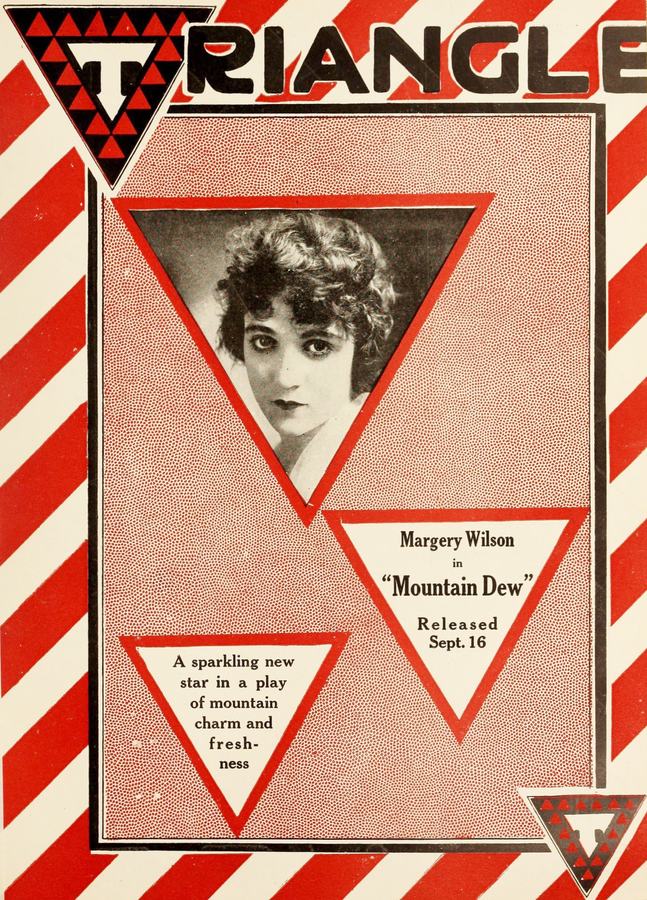
Dir: Thomas N. Heffron
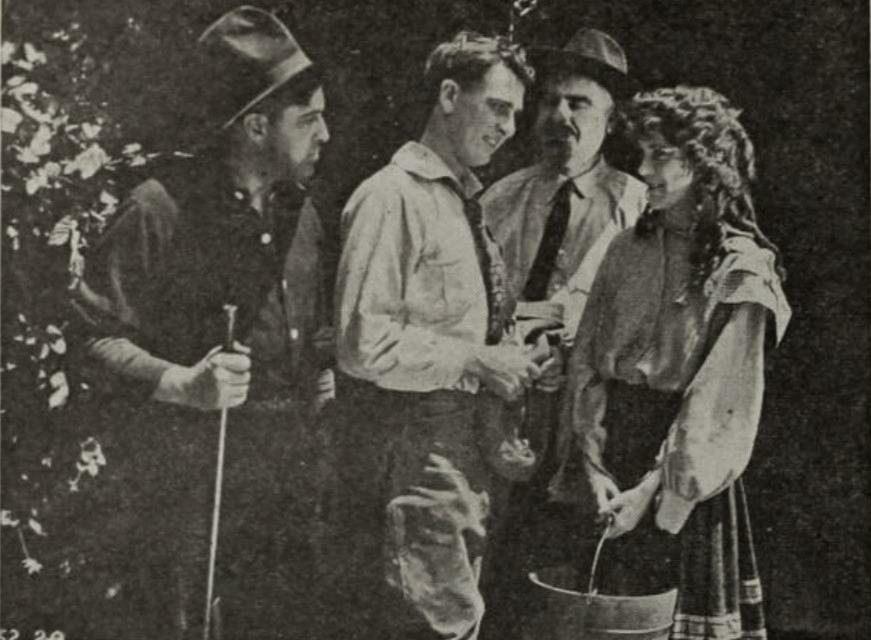
Magazine writer J. Hamilton Vance travels to the mountains of Kentucky to get local color for his stories, and falls in love with Roxie Bradley, the daughter of a moonshiner. Regarded at first with suspicion by the mountaineers, Vance finally wins their confidence and is appointed teacher in the little log school house. The former teacher, resentful at the intrusion, attempts to shoot Vance through the schoolhouse window, but Roxie intercepts the bullet. Vance nurses her back to health, engendering the jealousy of Lily Bud Raines, who starts a rumor that Vance is a federal agent spying on the moonshiners. As the mountaineers plot to extract vengeance on Vance, Roxie and he are married, and when his antagonists discover that Vance is now one of them, they accept him as part of the mountain community.
View Details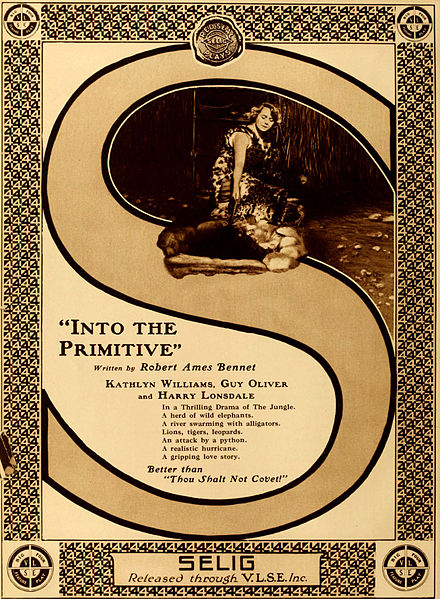
Dir: Thomas N. Heffron
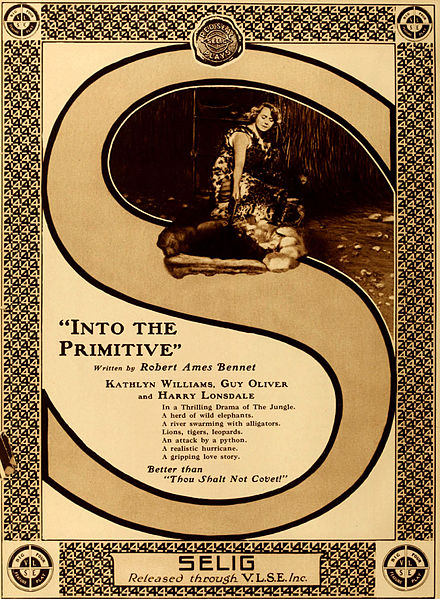
American heiress Jennie Leslie, the Honorable Cecil Winthrope, and the alcoholic Thomas Blake are washed ashore on a deserted island after a shipwreck. At first, Jennie sticks close to Cecil, preferring his upper-class British breeding to Thomas' man-of-the-people approach. Cecil, however, turns out to be completely ineffective when it comes to survival, and so both he and Jennie depend on Thomas for food, clothing, and protection. The surroundings bring out the "caveman" in Cecil in one respect, however; he tries to rape Jennie. During the attempt, which takes place during a storm, Cecil is crushed by a falling tree, and just before he dies, he reveals that he was merely a valet posing as an aristocrat. Then, Jennie and Thomas realize that they are in love with each other, and when a rescue ship picks them up, they begin making plans for their marriage.
View Details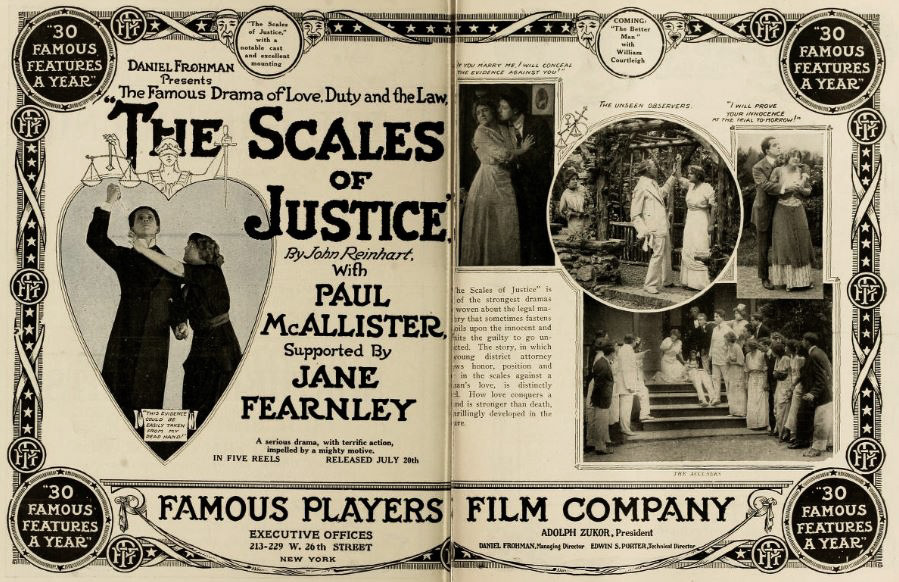
Dir: Thomas N. Heffron
District attorney Robert Darrow is in love with young widow Edith Russell Dexter. Her wealthy grandfather, Judge Philip Russell, wants her to marry his business manager, Walter Elliot, who has actually been embezzling from Russell's company. During a garden party, Edith and the judge fight over her attentions to Robert, Elliot and a maid mistakenly thinks that Edith is threatening him. That night, the judge is murdered and Edith is the prime suspect until old horse thief Bill Crump is found hiding on the property. Later, when Edith rejects Elliot, he hires a private detective to plant false evidence against her. While Edith is in jail, Bill is befriended by Edith's little daughter Alice. During the trial, when Robert breaks down and cannot cross-examine Edith, Bill comes forward to say that he saw the real murderer during a robbery. In the end, Bill willingly goes to jail, and Robert and Edith are free to marry.
View Details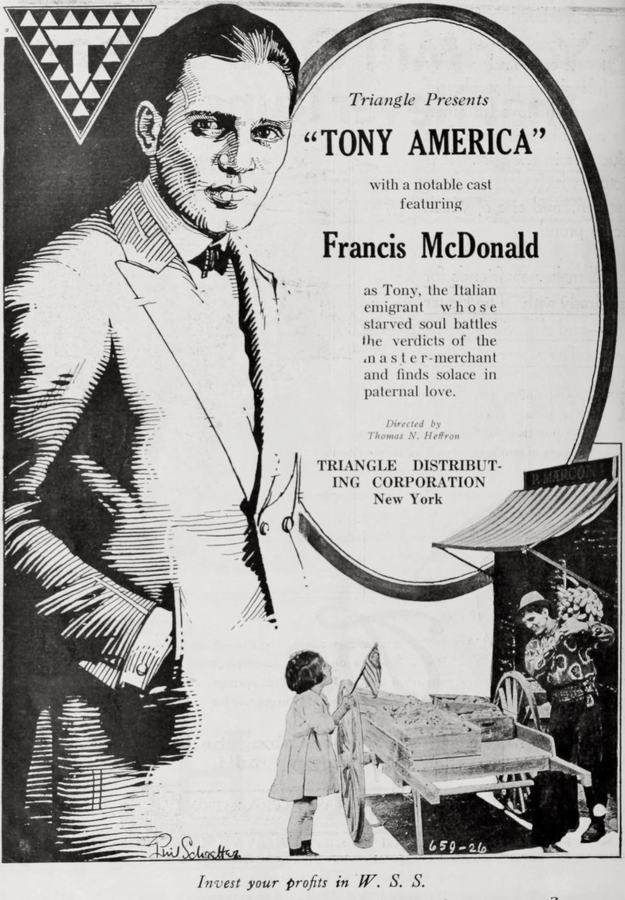
Dir: Thomas N. Heffron
Tony comes to America virtually the slave of his padrone, who holds him in debt for his passage money. But Rosa Picciano marries him to escape parental discipline and Tony hopes for freedom at last, but Rosa makes it plain that she does not love him. When the bambina comes, he lavishes all his love on little Giulia and is heartbroken when Rosa divorces him on a trumped-up charge and gains possession of the child. But Tony wins her back from her heartless mother and has her to thank that his hands are not stained with blood.
View Details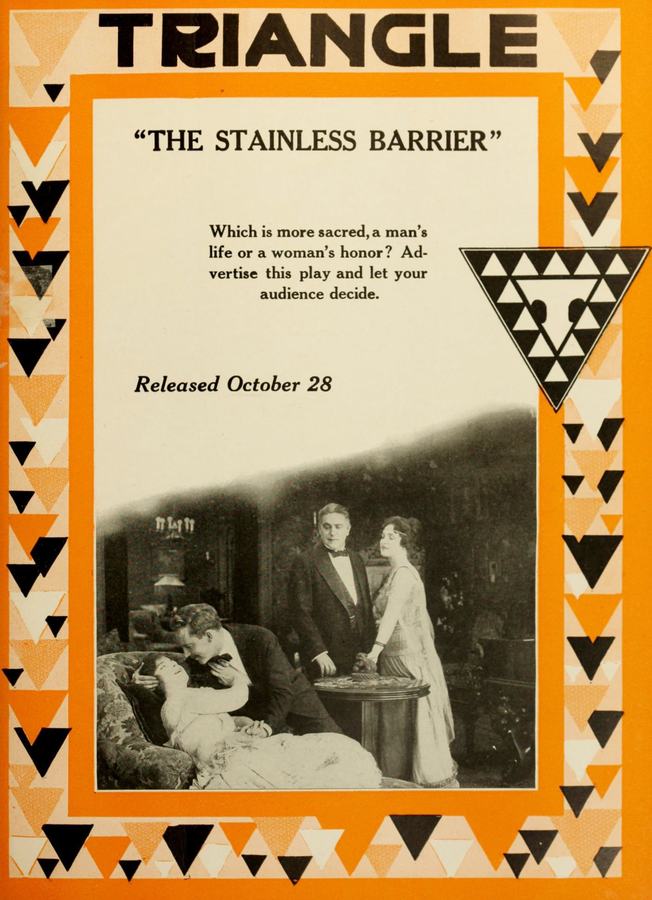
Dir: Thomas N. Heffron
Betsy Shelton, an orphan since early childhood, lives in Myrtleville with her aunt, and is engaged to marry Calvin Stone, a young lawyer. Betsy's brother, Dick, ostensibly working in New York to recover the family fortune, becomes involved with one Roger Enderleigh, a shyster promoter, who because of crooked dealings, is forced to flee from the postal authorities. He induces Dick to take him to Myrtleville, where Dick introduces Enderleigh as a prosperous banker promoting a munition plant, thus swindling the townsmen. The visit terminates in a vivid climax when the postal authorities track Enderleigh, who prepares to flee leaving Dick to bear the brunt. Dick kills Enderleigh and then asks for mercy on the plea that Enderleigh has ruined Betsy. Stone, true to the code of Southern chivalry, does not lose faith in his fiancée, and in the closing scenes of this photodrama, restores her good name and brings her erring brother to punishment.
View Details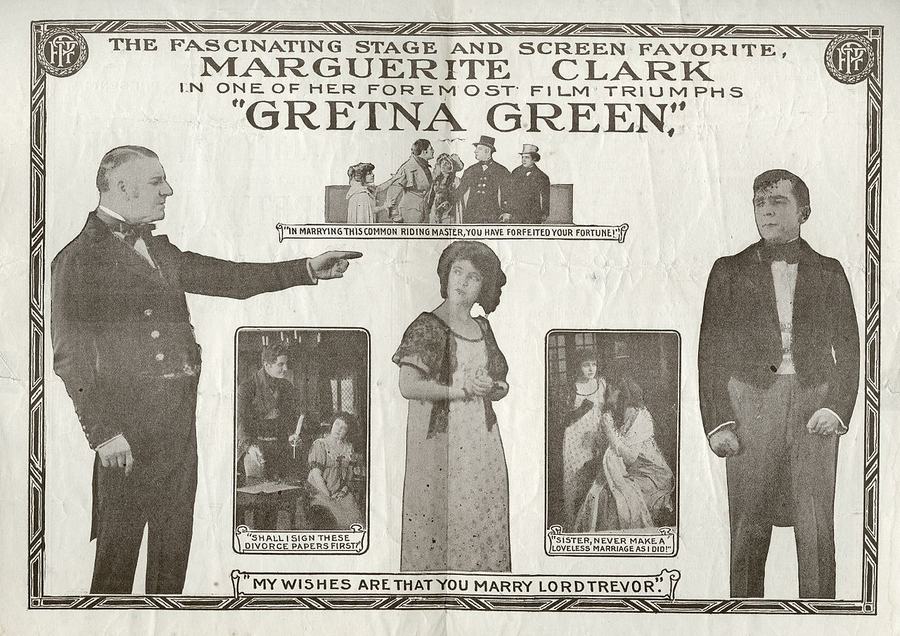
Dir: Thomas N. Heffron
Apparently, it's a romantic movie about this city in Scotland where all weddings are Legal and people have traveled from all over the world to elope since the 1700's.
View Details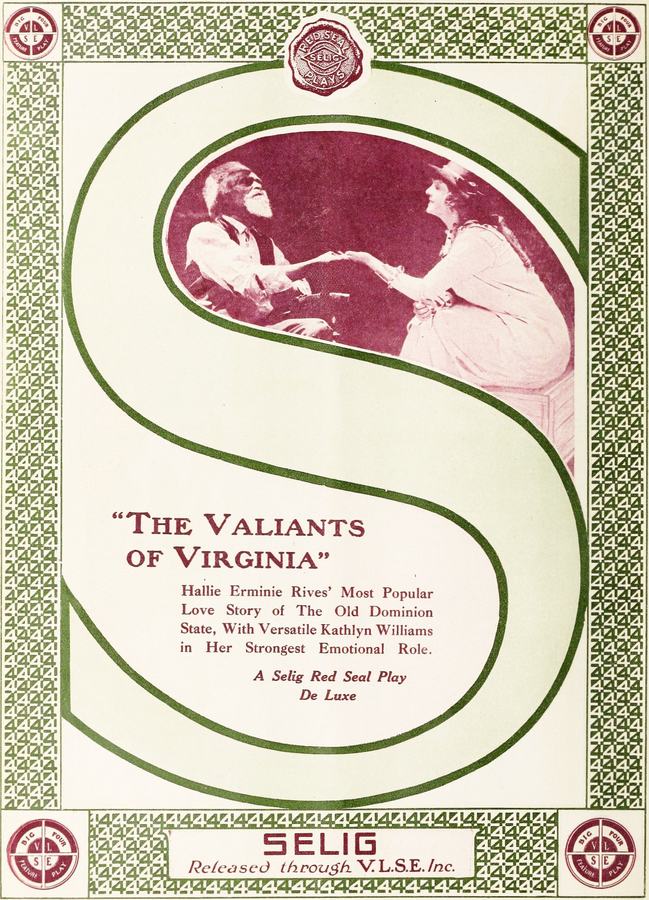
Dir: Thomas N. Heffron
During a dance, John Valiant challenges duel Edward Sassoon to defend the honor of Virginia beauty, Judith Fairfax, John promises Judith he won't take the life to his opponent, but when the smoke clears, Sassoon lies dead and John must flee North. Before he leaves, John entrusts Major Bristow to deliver an explanatory note to Judith, but, torn by his own desire for the Southern belle, Bristow pockets the letter instead. In the North, John founds a successful business and marries, but his young wife dies while giving birth to a son. Filled with hatred for John, Judith marries Tom Dandridge and has a daughter, Shirley. Many years later, John, Jr., now head of the Valiant Corporation, becomes engaged to Katherine Fargo. In order to save his company during a business panic, John must stake his entire fortune and, with his financial situation looking dim, loses Katherine's interest. In despair, John returns to his father's estate and falls in love with Shirley Dandridge. To rekindle her romance with John, Katherine tells Shirley of the family feud and Shirley suddenly cools toward John. On his deathbed, Barstow finally gives Judith John's letter in which John reveals that Edward had shot himself during the duel. John and Shirley are happily reconciled.
View DetailsAnalysis relative to A Kiss in Time
| Film Title | Atmosphere | Complexity | Similarity |
|---|---|---|---|
| The Sea Panther | Gritty | Dense | 96% Match |
| The Lonely Woman | Gothic | High | 90% Match |
| Old Hartwell's Cub | Gritty | Abstract | 97% Match |
| Mountain Dew | Ethereal | Abstract | 94% Match |
| Into the Primitive | Gritty | Layered | 92% Match |
This guide was algorithmically generated using the cinematic metadata of Thomas N. Heffron's archive. Last updated: 6/25/2026.
Back to A Kiss in Time Details →