
DbcultAccessing Vault...
Recommendations
Senior Film Conservator

The United States-born brilliance of A Weaver of Dreams offers a unique artistic bravery, the profound questions raised in 1918 still require cinematic answers today. Our curated selection of recommendations echoes the very essence of A Weaver of Dreams.
In the Pantheon of cult cinema, A Weaver of Dreams to provide a definitive example of John H. Collins's stylistic genius.
When Judith Sylvester becomes engaged to Dr. Carter Keith, he prepares a charming little home for her arrival, dubbing it the "House of Hearts." Their happiness is complete until Margery Gordon appears to distract Carter from his fiancée. Judith is troubled by his sudden change of heart, but not until she sees Margery and Carter embracing in the "House of Hearts" does she fully realize that their romance is over. After breaking their engagement, she moves in with Cynthia Bancroft, who had met and fallen in love with Judith's guardian, Martin Chandler, when the two were involved in a train wreck. Judith is instrumental in reuniting them, and then, left alone, she grimly resolves to make the best of life.
Based on the unique artistic bravery of A Weaver of Dreams, our vault has identified these titles as the most compelling follow-up experiences for fans of cult cinema:


Dir: John H. Collins
Norton Burbeck, a young man in line for a large inheritance, is in love with the beautiful Beatrice Gaden. What he doesn't know is that she is conspiring with Norton's cousin Howard to swindle Norton out of the inheritance. Norton, however, has an ace up his sleeve that Beatrice and Howard don't know about.
View Details
Dir: John H. Collins
The story of two young sisters: one a demure musician in love with a scoundrel who's no good for her; the other a wild free spirit who is the object of a shy young carpenter's affections.

Dir: John H. Collins
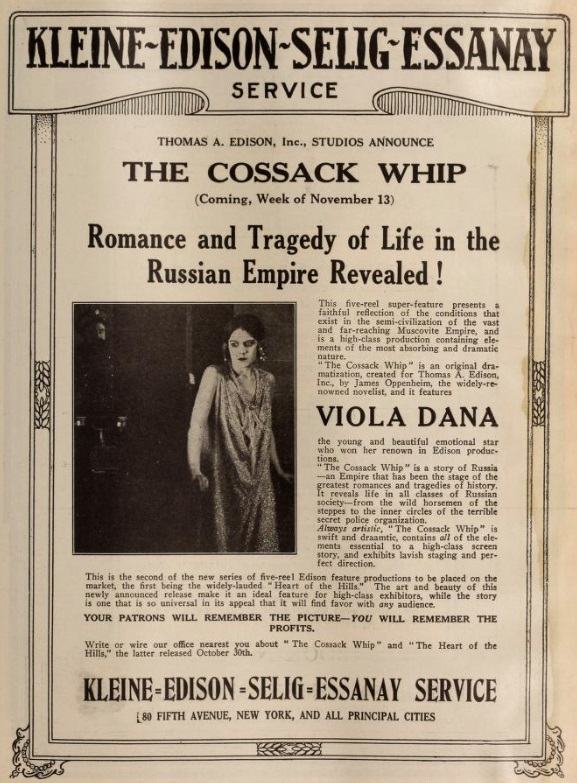
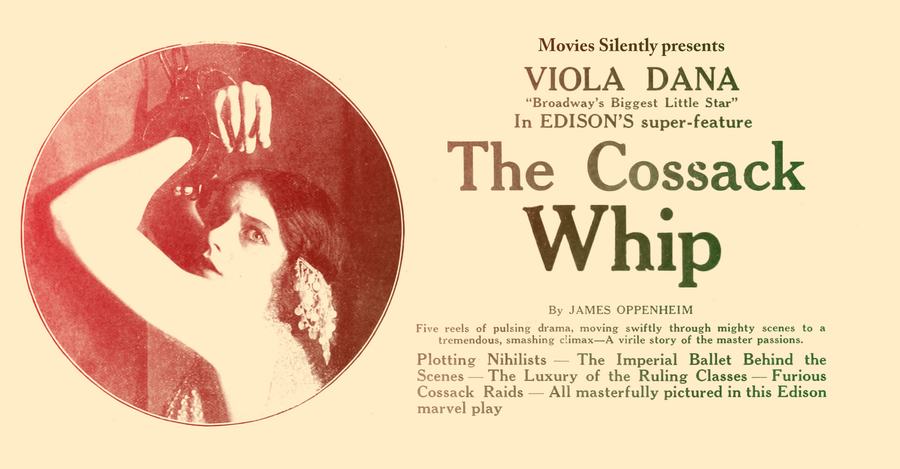
Feodor Turov, chief of the Russian Czar's secret police, orders his Cossacks to attack a village he believes to be infested with rebels. The Cossacks attack the village and massacre almost everyone, and the young Katerina is whipped to death. Before escaping to England, her sister Darya swears to avenge her sister's death. Years later--now one of the world's most famous prima ballerinas--she returns to Russia. Turov falls in love with her and manages to secure a meeting. She coyly asks him to take her to see a prison first. As it turns out, what he has planned for her is nothing compared to what she has planned for him.
View Details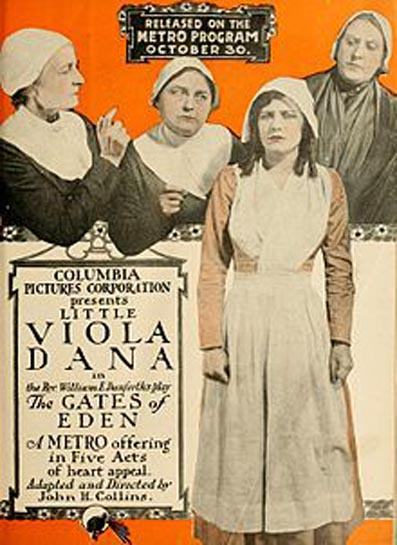
Dir: John H. Collins
Evelyn and her boyfriend William Bard are members of a small Shaker community. They rock the community one day when they announce that they want to get married and have children, in direct opposition to the Shaker prohibition against marriage and procreating. The Shakers drive the couple out of town, but before she leaves Evelyn gives birth to a daughter, Eve. Shortly afterward Evelyn dies, and the Shakers inform William that their daughter Eve has died also. William leaves town, but vows to take his revenge on the Shakers, whom he blames for the loss of his family.
Dir: John H. Collins
President of the Buttonhole Makers' Union Abe Cohen, loses his job in Sam Blumenthal's East Side sweatshop when he endorses Timothy Murphy for alderman over Steve O'Roque, to whom Blumenthal is indebted. After Murphy helps Cohen start a kosher restaurant, Cohen learns that he and his former co-worker, Kitty McGee, won $10,000 in the lottery. He gives free meals to his customers, but when Kitty discovers that her purse containing half of the ticket was stolen, Cohen clears the "loafers" out. Cohen's daughter Minnie, in love with Blumenthal, secretly marries him, but Blumenthal, already married although separated from his wife, keeps Minnie's ring and their marriage certificate. Doubting the marriage, Cohen turns Minnie out, but when Blumenthal's wife appears, and Minnie's suitor, David Moss, whom Cohen likes, finds her, the marriage is invalidated and Cohen reconciles with his daughter. Mixing with the underworld, Cohen outwits the thief who stole Kitty's ticket. Despite a flood coming down from the apartment above, the ensuing celebration marks Minnie and David's engagement.
View Details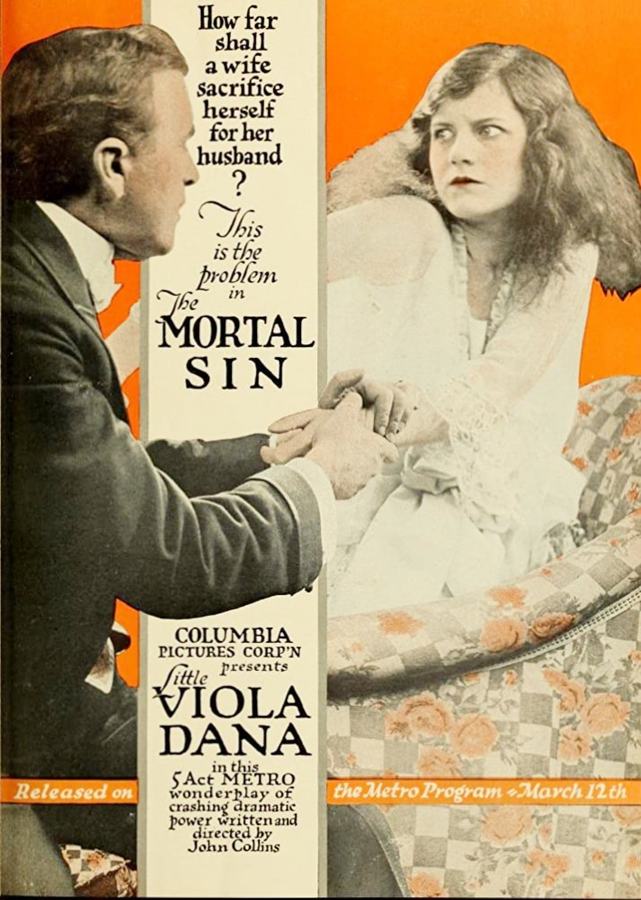
Dir: John H. Collins
George Anderson, a struggling author, works in the daytime as a clerk in the office of Emmet Standish, the publisher, and at night writes on his novel, "The Mortal Sin." "The Mortal Sin" deals with a wife's sacrifice of her honor in order to enable her sick husband to go to a western sanitarium to ward of the tuberculosis which threatens him. The husband, returning unexpectedly, learns the truth, but forgives his wife when he realizes that her sacrifice was made for him. Anderson plods on at his writing. His wife worries over his weakened condition. The doctor tells him that a trip to the west is the only thing that will save him. Worrying over this, he continues to work feverishly, but he collapses, and is obliged to leave at once. In order to make both ends meet, since he has saved only enough to pay his railroad fare, Jane goes to take her husband's place in Standish's office. The publisher is considerate of her, and she is encouraged to show him her husband's novel and ask him to publish it. Standish says that it is untrue to life, since no man would forgive his wife for having been unfaithful to him, no matter what her motive. Standish refuses to publish the novel, but tells Jane that she need not depend on the sale of her husband's book for money. In anger she leaves his employ. She tries to place the novel with other publishers, but fails, and poses for Rambeau, the artist, for his painting of the Madonna. When the work is over she takes refuge in a cheap lodging house where Standish finds her. Letters from her husband indicate that he is in actual need. He is too ill to do any work, and thinking that Jane is still in Standish's employ, he appeals to her for money. She makes a bargain with Standish. She will go with him to his home if he will accept her husband's novel. He accepts and Jane changes the ending of the book in order to make it salable. The husband of the story, returning, kills his unfaithful wife. The book is printed and has a phenomenal sale, and Jane sends regular remittances to her husband. Another publishing house make Anderson an offer for his next novel, and having regained his health he decides to return east and give his wife a surprise. He goes to the address she has given and asks for Mrs. Anderson. The maid says she knows no Mrs. Anderson, but that Mrs. Standish is at home. Suspicious, Anderson hides and watches developments. Standish returns from his club to escort Jane to a party, but she asks to be excused. He rebukes her and leaves the room angrily. Anderson leaps from his hiding place and upbraids his wife for her infidelity. She tells him that her desire to aid him has been her only motive, and that she still loves him. Anderson will not listen to her pleadings, but rushes forward, grapples with her and deliberately chokes her to death in cold blood. Anderson is led away to a cell, tried and sentenced to die. As he is being led to the death house the chaplain shakes and arouses him, and Anderson, waking up, sees his wife bending over him. He has been asleep and incidents connected with "The Mortal Sin" have woven themselves into his dreams. He puts away the novel, promising Jane to conserve his health in the future so that no such events as those contained in his dream can come to pass.

Dir: John H. Collins
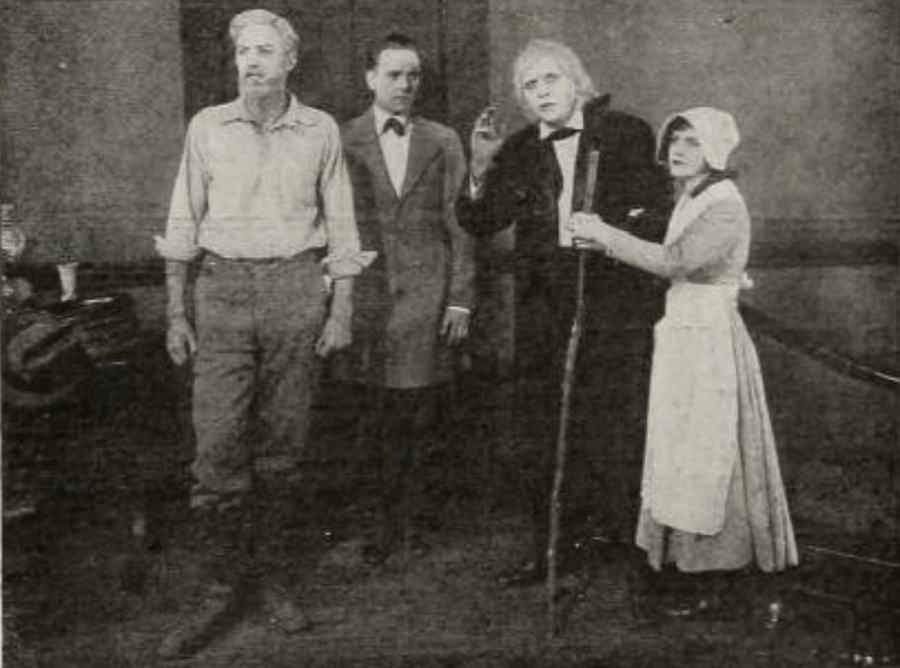
In going for a doctor for her sick grandfather, Sally Castleton is detained at the toll-gates by John Derr. The old man dies and the villagers organize themselves into a band of night riders to break down the gates. Jed, who is known as "The Killer," turns traitor, and in the fight with the authorities, Milt, Derr's cousin, loses his hat. Derr finds it and assumes that he is responsible for the raid by the sheriff. Sully is in love with Milt, and Derr, who also wants to make her his wife, threatens to send his cousin to the gallows if she does not consent to be his. Milt hears of Derr's intention and plans to secure revenge. Derr is killed and Sally becomes involved in the murder. After many exciting moments Sally emerges triumphant, however, and marries the man of her heart's choice.
View Details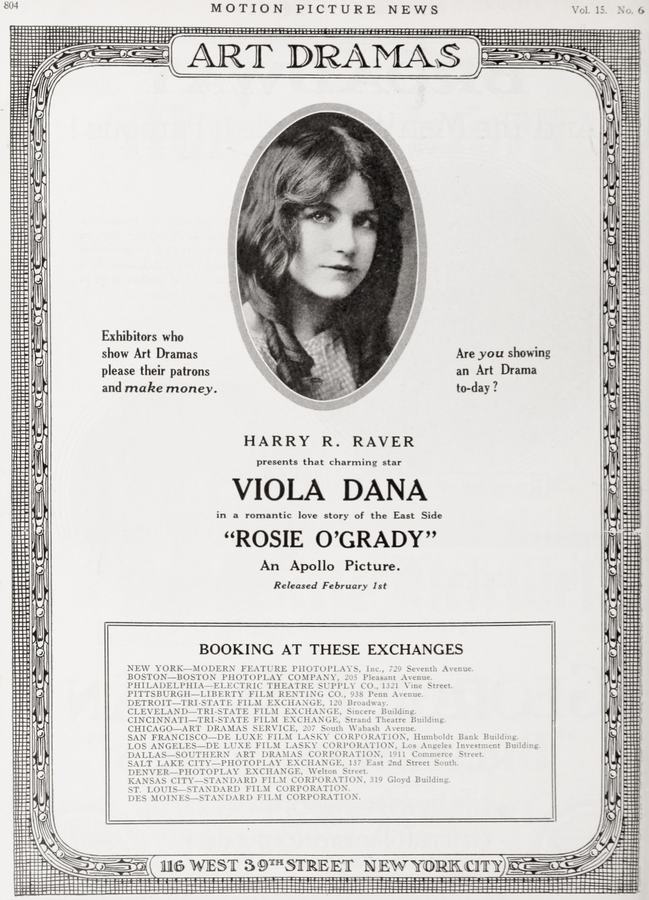
Dir: John H. Collins
A fascinating piece of cinema that shares thematic elements.
Dir: John H. Collins
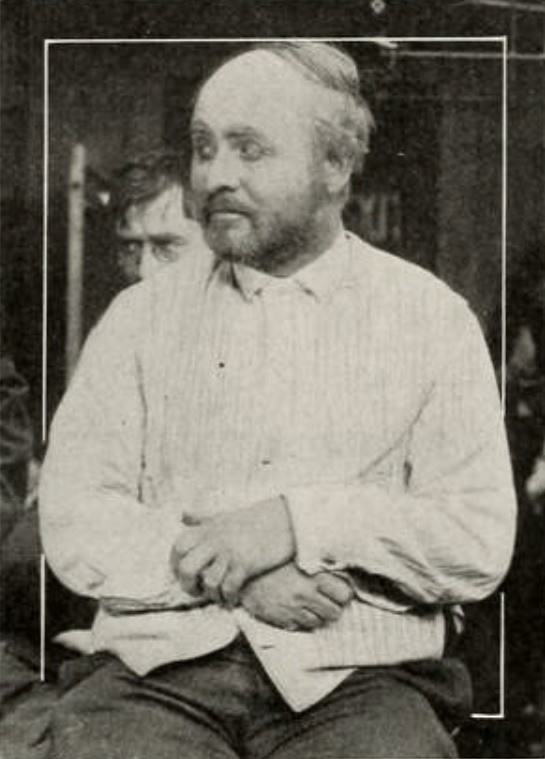
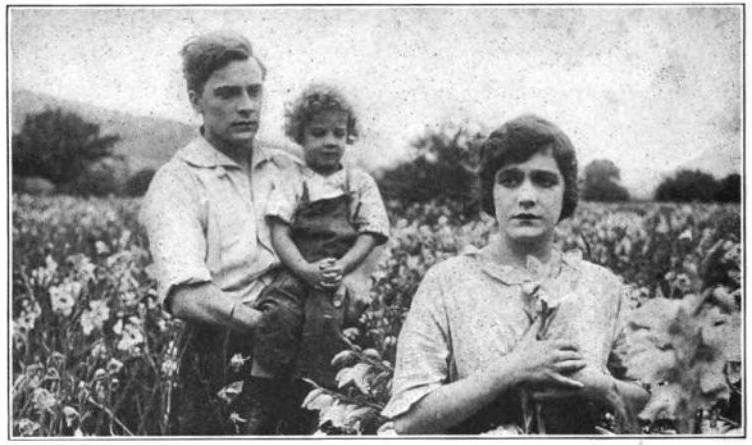
Although she has a strong friendship with Abner, a hand on her father's farm, saucy Gladiola Bain loves only her father, until she meets vacationing Ned Williams, a self-described "idler" from the city. When their seemingly harmless flirtation develops into love, Gladiola refuses to obey her father's wishes that she give Williams up, and when Williams, after some hesitation, offers her a beautiful home and clothes, they elope to the city, where Williams arranges a mock marriage. After a few months of happiness, Williams' real wife appears. Gladiola tells Williams that she despises him and returns to her welcoming father. Amid much gossip in the town, Gladiola gives birth to a child, while Williams, whose wife has refused to divorce him, has gone abroad. When he learns that his wife has died, he returns repentantly to Gladiola's farm, but although she is touched by his concern, her love has died, and she refuses his entreaties. At the end, Gladiola and her child stroll in the gladiola fields with the faithful Abner.
View Details
Dir: John H. Collins
Dr. Claude Drummond, a young English doctor in India, saves Ameia, a young girl, from being sacrificed to the priests of the temple of Krishna by buying her as his wife. Returning to England upon the death of his elder brother, who was the heir to the estate, Claude finds that his father has arranged a marriage between himself and Olive Dennison, the daughter of the Major-General. To please his father, Claude is about to submit to the marriage, although neither he nor Olive love each other, when Ameia arrives from India. Discovering that her existence is a barrier to her husband's advantageous alliance, Ameia takes poison but is saved by an antidote administered by Claude. It is then discovered that Ameia is actually the daughter of Major-General Dennison, by a native wife whom he had deserted. Thus, Claude finds it possible to be true to his love and to his father's wish that he marry the general's daughter.
View DetailsAnalysis relative to A Weaver of Dreams
| Film Title | Atmosphere | Complexity | Similarity |
|---|---|---|---|
| A Wife by Proxy | Tense | Linear | 94% Match |
| The Girl Without a Soul | Tense | Dense | 93% Match |
| The Cossack Whip | Ethereal | Abstract | 98% Match |
| The Gates of Eden | Surreal | High | 85% Match |
| Cohen's Luck | Gritty | Dense | 90% Match |
This guide was algorithmically generated using the cinematic metadata of John H. Collins's archive. Last updated: 6/15/2026.
Back to A Weaver of Dreams Details →