
DbcultAccessing Vault...
Recommendations
Senior Film Conservator
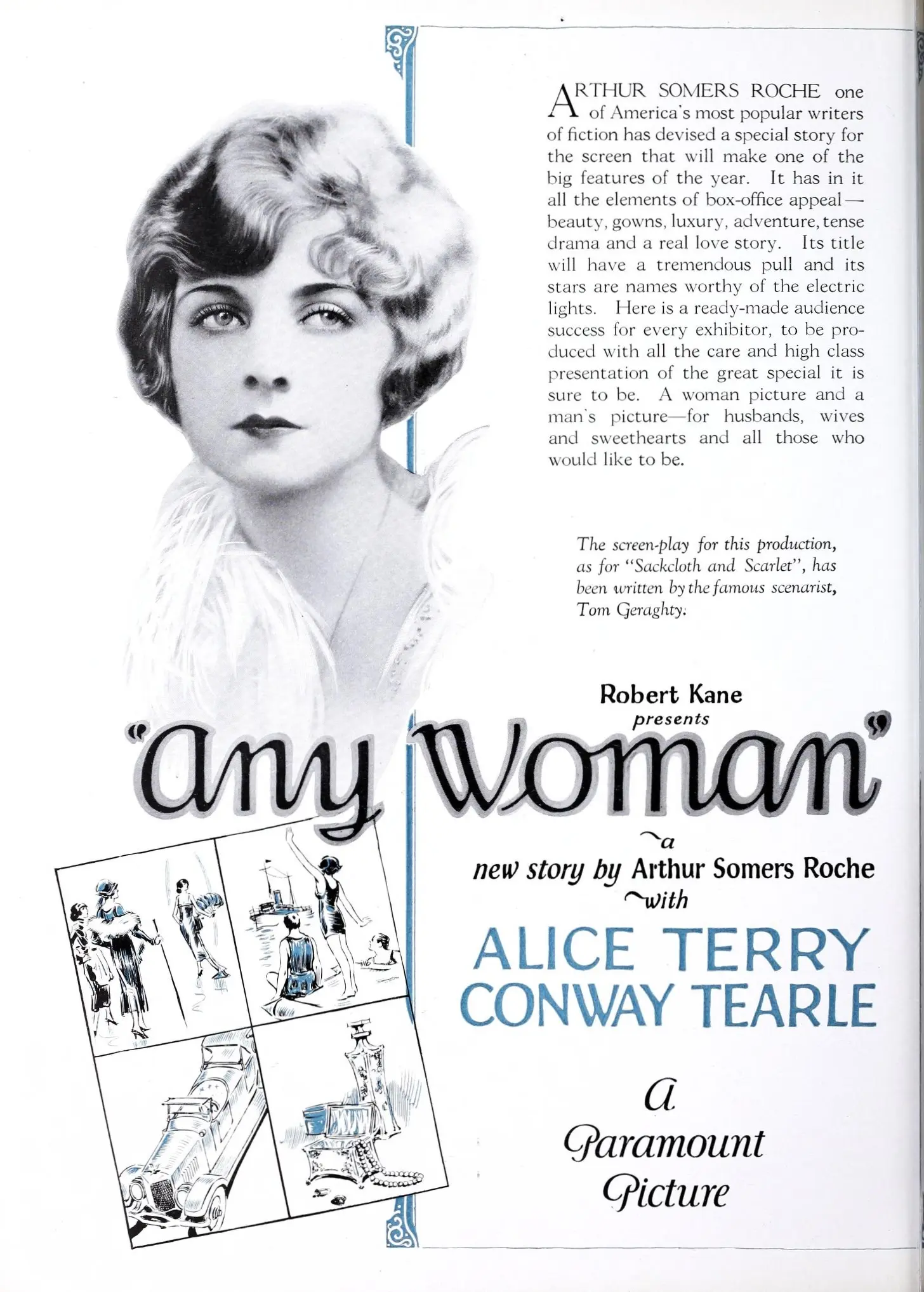
Exploring the thematic gravity in Any Woman is a journey into United States cinema, its influence on Drama cinema remains a vital reference point for fans today. Below, we've gathered a list of films that every fan of Henry King's work should explore.
With Henry King at the helm, Any Woman became to blend thematic complexity with stunning visual execution.
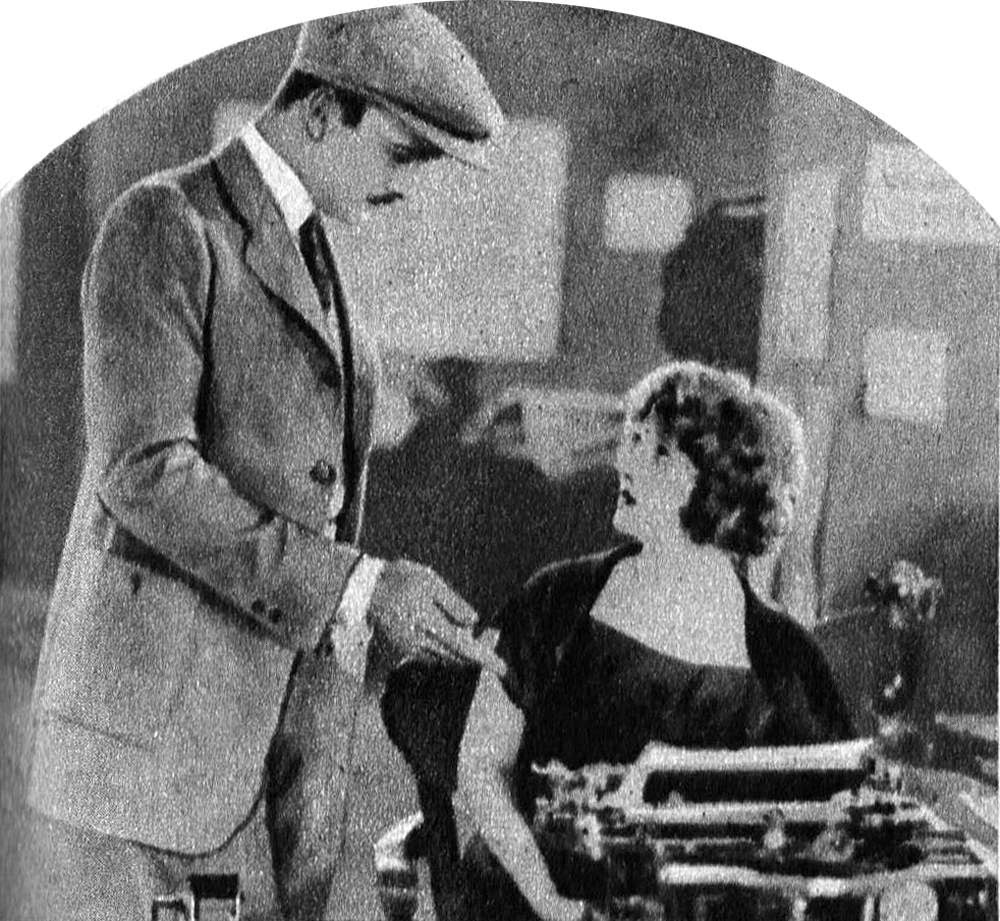
When Ellen Linden comes back home from finishing school, she finds out that her wealthy father has lost all his money. She must get a job to help support the family, and goes to work as a secretary in the brokerage firm of Phillips and Rand. Both partners find themselves attracted to her, but each has a different approach: Phillipls takes the rough, aggressive route and Rand does the opposite, complimenting and flattering her at every opportunity. However, she falls in love with Tom Galloway, a young inventor who has come up with a new type of soft drink, "Here's How". in which Ellen attempts to interest the brokers. Phillips, however, doesn't take rejection lightly and schemes to break up Ellen and Galloway using his unwitting partner.
Based on the unique thematic gravity of Any Woman, our vault has identified these titles as the most compelling follow-up experiences for fans of Drama cinema:
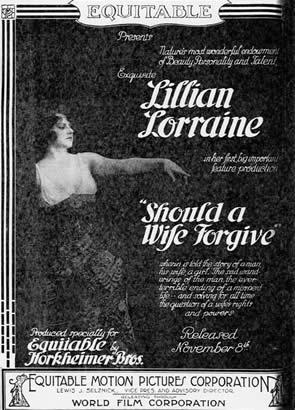
Dir: Henry King
Seductive vamp La Belle ( Lillian Lorraine ) sets out to steal Jack Holmes ( Henry King )away from his loving wife Mary ( Mabel Van Buren ). He foolishly spends every penny on the vamp , leaving his wife almost destitute. La Belle is killed by a jealous suitor and the evidence points to Jack. However, he is given an reprieve by the way of a letter written by La Belle claiming she had intended to commit suicide. Should his wife now forgive him ?.
View Details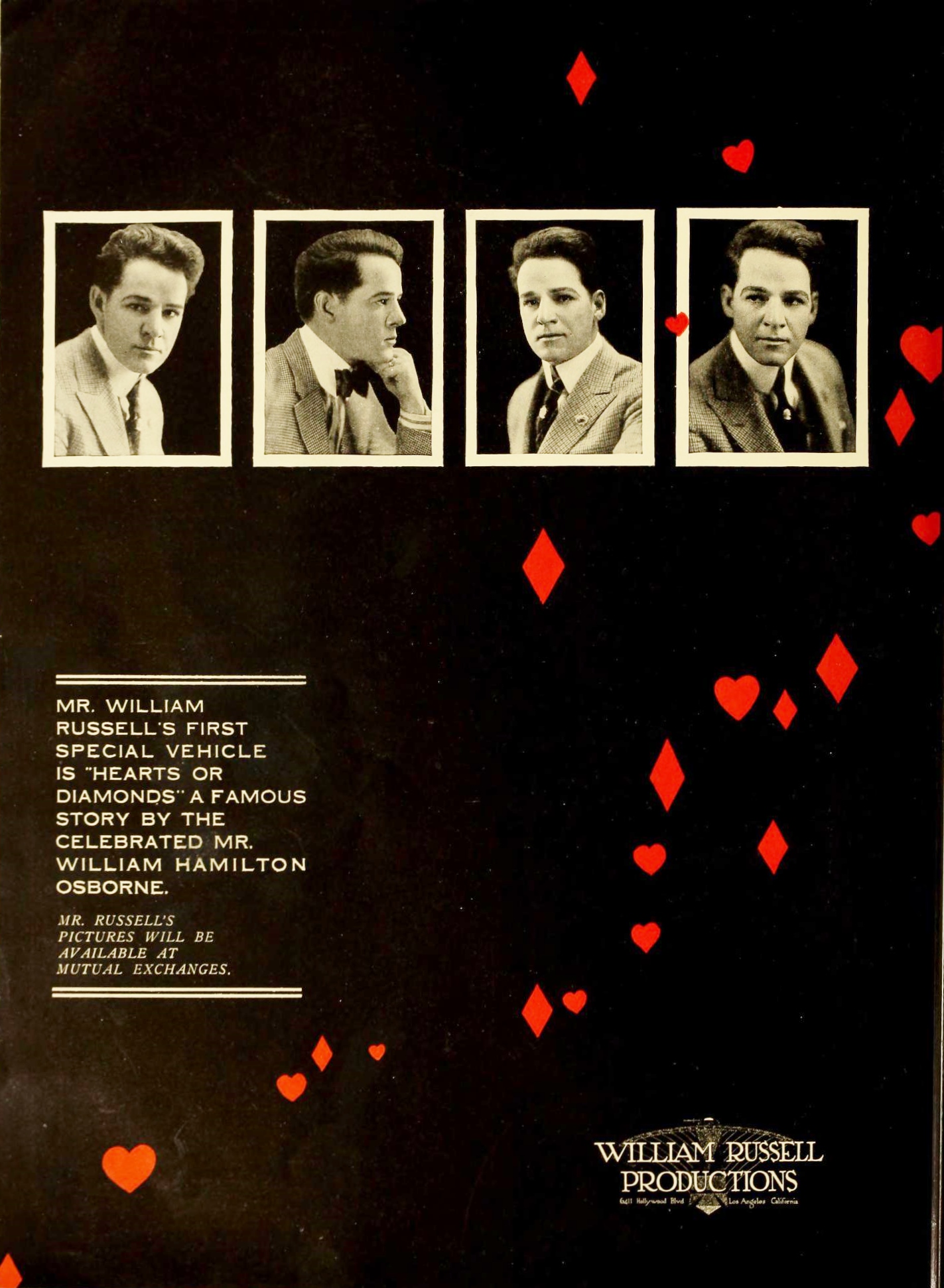
Dir: Henry King
Wealthy diamond collector Larry Hanrahan is given the opportunity to assist the beautiful, jewel-bedecked woman he admires in a Broadway café when she and her guardian are attacked by robbers. Larry is invited to visit the grateful pair, Col. Paul Gascoyne and his ward Adrienne, at the colonel's laboratory, where he is introduced to Wintermute, a chemist who produces imitation diamonds. In return, Larry asks them to view his priceless diamond collection. Although he has fallen in love with Adrienne, Larry is forced to believe that she is a thief when he is robbed by a woman wearing Adrienne's scarf. Larry finds his jewels in Gascoyne's house, but before he can escape, a group of thugs overpowers him. Adrienne assists him in contacting the police, who arrive in time to capture Gascoyne and his gang. Badly wounded, the colonel confesses that Adrienne has been his innocent dupe, whereupon Larry happily takes her to his heart.
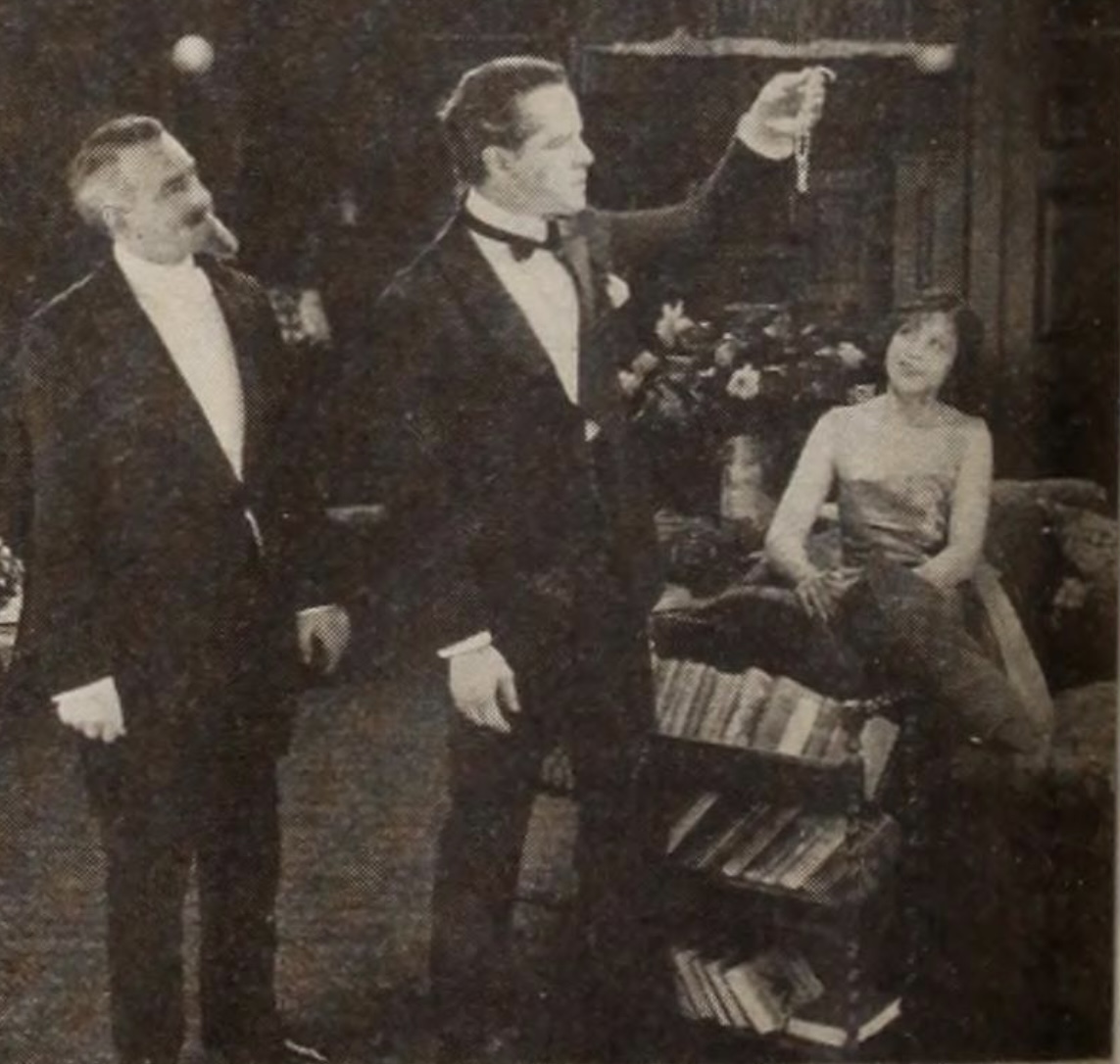
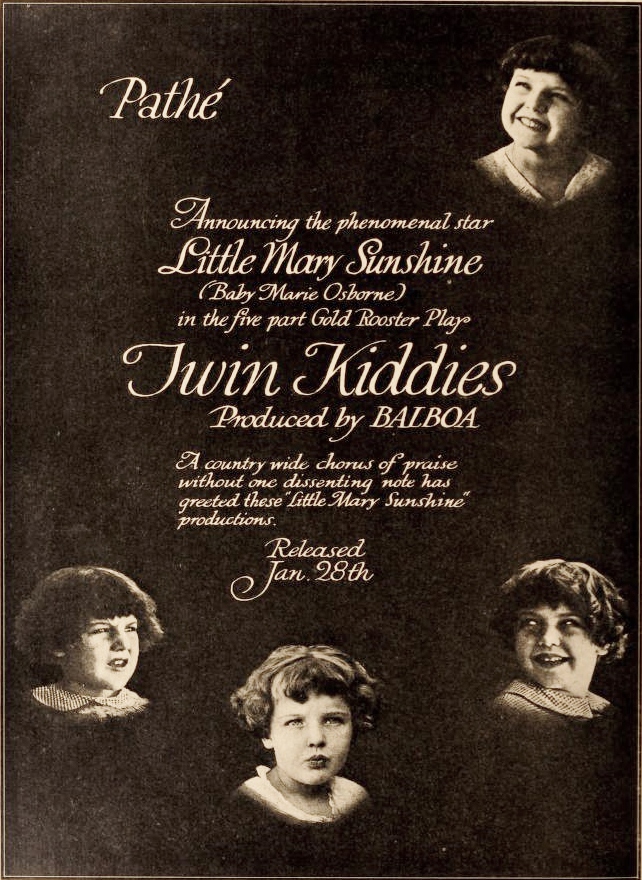
Dir: Henry King
No one seems to understand or love Fay, the little spoiled granddaughter of William Van Loan, a hard-hearted capitalist, but the old family butler, who tells her fairy stories. In Powhatan, a mining town controlled by Van Loan, Bessie, a sweet motherless child of Jasper Hunt, a mine foreman, lives with their housekeeper, Mrs. Flannigan. The mining company raises the price of food stuffs at the only store; the men resent this, and failing to get increased pay, strike. Van Loan refuses to yield and decides to use scab labor. Scenes of violence follow and, compelled to go to Powhatan, Van Loan takes Fay with him. Fay meets and plays with Bessie and for fun they change dresses. Separated, the unusual likeness deceives the Van Loan governess, who supposes Bessie to be Fay and whisks her away. Mrs. Flannigan finds and takes Fay, sick from exposure, to the Hunt home. Business hurriedly recalls Van Loan and mistaken for a changed Fay, Bessie revolutionizes the Van Loan household by her sweetness. Hunt, the real leader of the striking men, is summoned to meet Van Loan. During the unsuccessful arbitration meeting, Bessie comes in to bid her "grandfather" good night and, seeing her father, rushes to his arms. Hunt, busy with the strike, supposes her to be ill at home. They are all dumbfounded. Bessie tells them how she and Fay changed clothes. Looking up the family trees, the likeness of the "twin" kiddies is explained, and, completely won over, Van Loan yields to the men and Hunt is made mine superintendent. Years of dread follow, and just as a report of the other's death reaches him, his foe appears, immensely wealthy and wreaks the vengeance in a spectacular manner.
View Details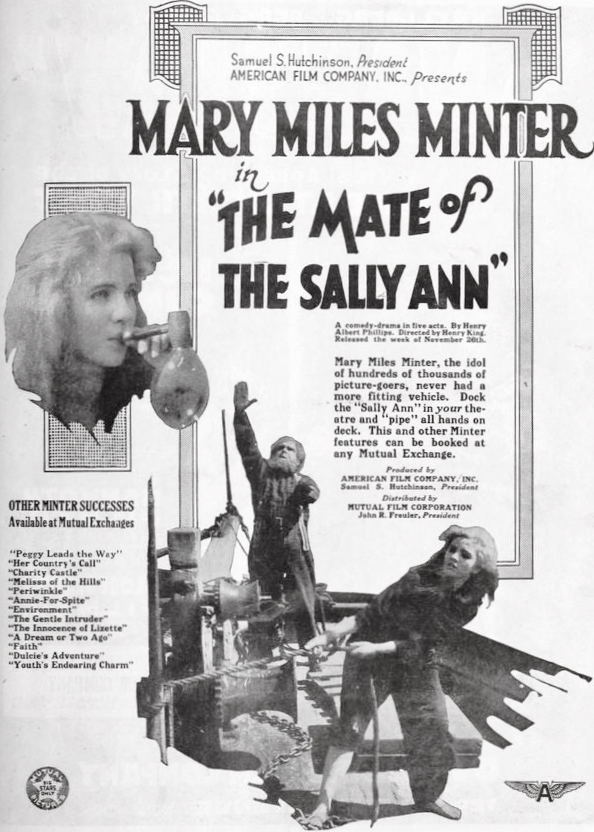
Dir: Henry King
Old Captain Ward, who hates society, lives in the hulk of his ship with his granddaughter Sally, whom he prevents from meeting people. Because Sally's mother died in childbirth without revealing the name of Sally's father, the captain continually vows to avenge her death. When Sally finds Teddy, a lame dog, she smuggles it aboard, but it runs away, and she follows it to a beautiful house belonging to the famous Judge Gordon. Hugh Schuyler, the judge's young friend, and Sally fall in love. After the captain chases Hugh away, Sally attends the judge's party, dressed in fine clothes which the judge bought, but the captain finds her and takes her away. When the judge visits the captain and confirms his suspicion that Sally is his daughter, the captain attempts to kill him. Sally intercepts a blow, and awakens to find that the judge has proven that he secretly was married to her mother, but because of illness, had lost contact with her. Sally accepts Hugh's proposal, and they sail away with the judge, the captain, and Teddy and his family.
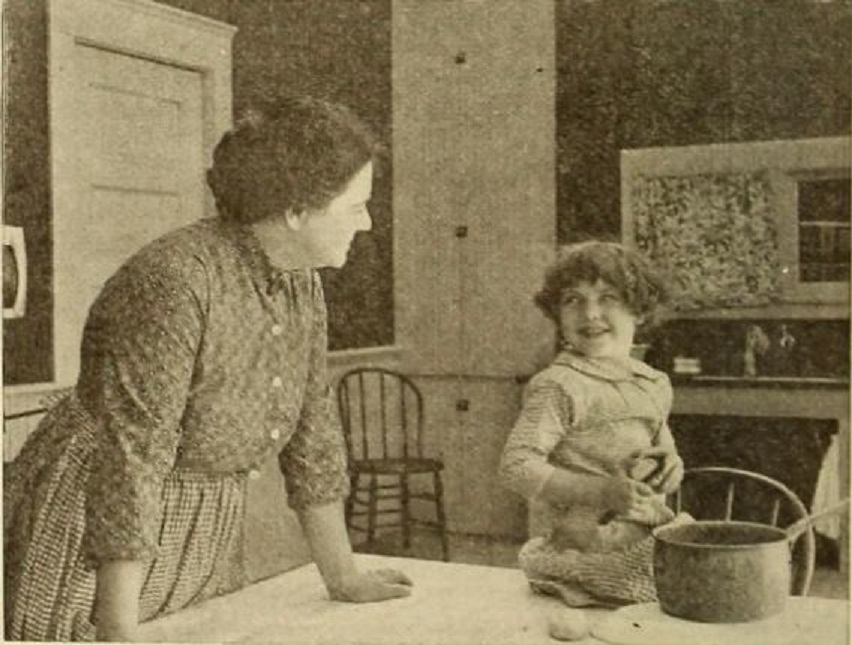
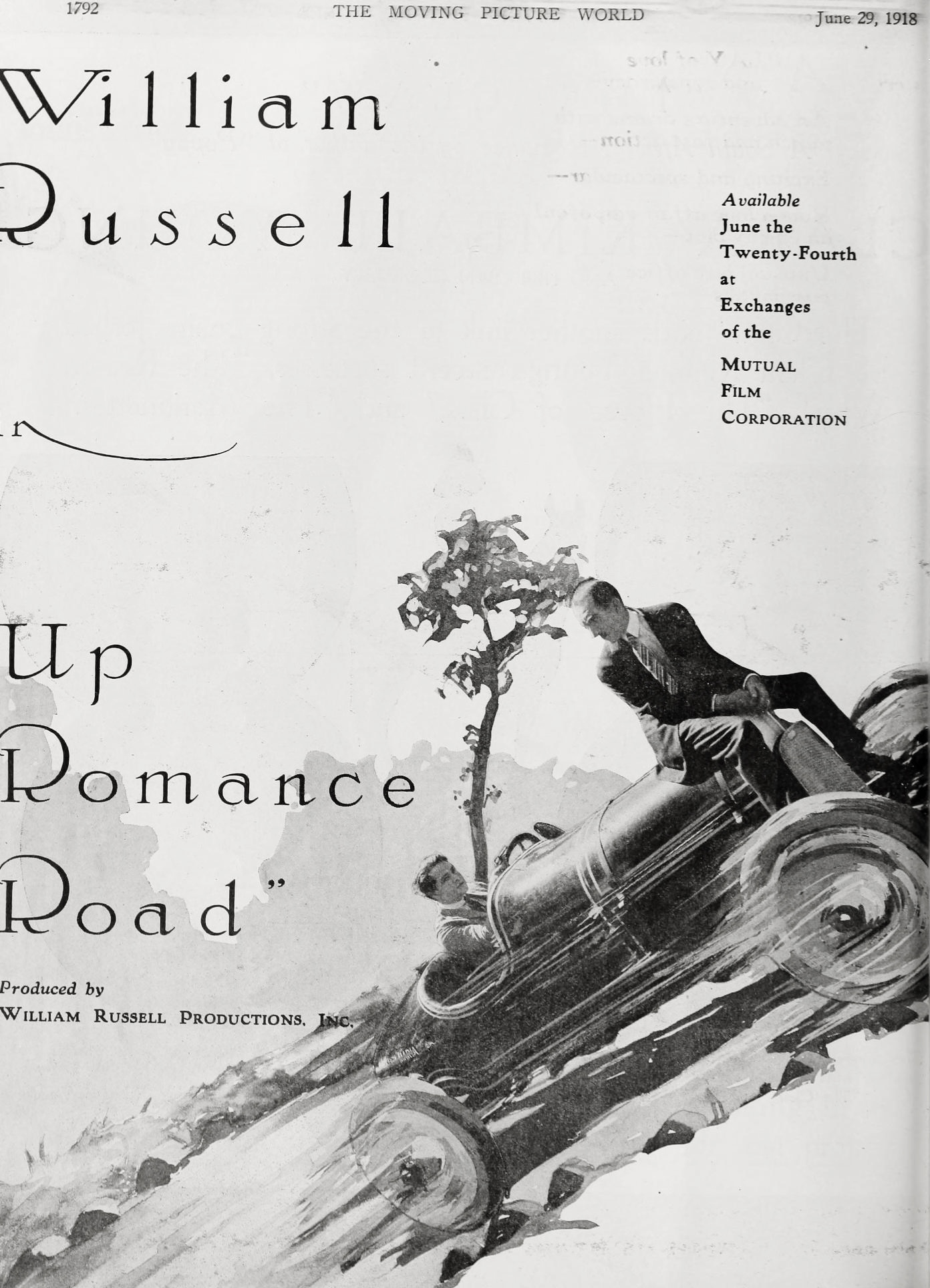
Dir: Henry King
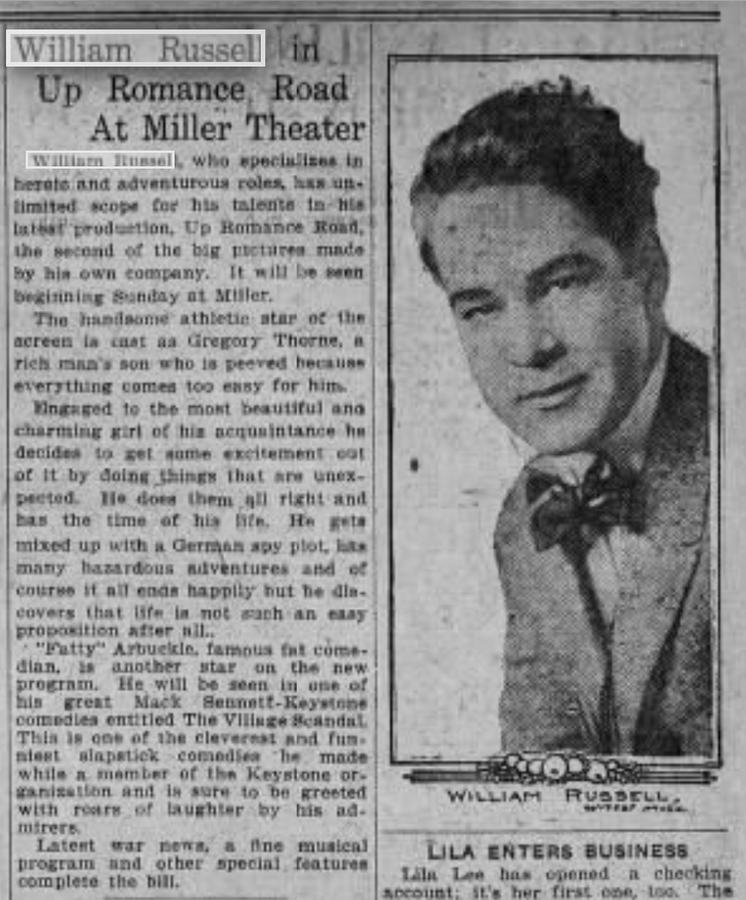
Gregory Thorne and Marta Milbanke are engaged. Their fathers are millionaire ship owners. Gregory's efforts to inject a little excitement into their engagement life are fruitless, but when Mr. Milbanke receives an anonymous letter which threatens disaster to his home and fortune if he permits a shipload of supplies for the Allies to leave the docks the young man sees an opportunity for creating what he longs for and tells Mr. Milbanke that he knows who has written the letter but that he will not divulge the man's identity. Gregory, who suspects Count Hilgar Eckstrom, is told that he must terminate his engagement with Marta. But this is what Gregory wants, so he plans to abduct his sweetheart. Gregory's men clash with Eckstrom's gang, who has also come to kidnap Marta, and the disturbance results in the arrival of the police. Marta by mistake, allows herself to be carried off by Eckstrom's men and is taken a prisoner. Gregory, following, is also made a captive, and the young people are held as hostages. How Gregory outwits Eckstrom and places him and his gang in the hands of the law brings about a startling climax.
View Details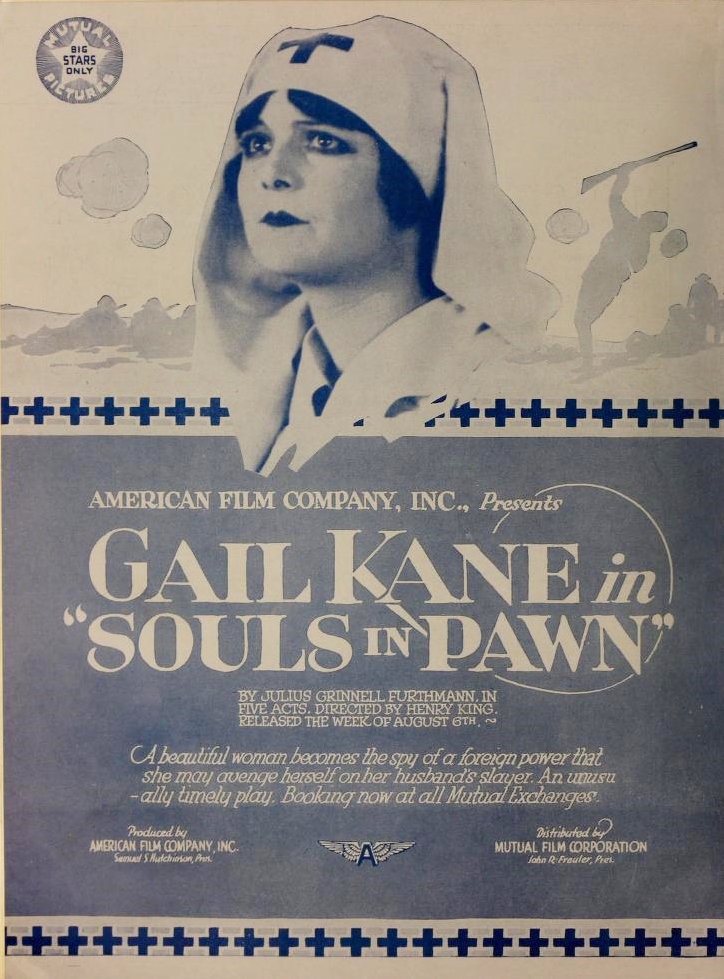
Dir: Henry King
Chief of the German secret service in Paris, Prince Kondemarck has been ordered to secure for his government the service of the most clever and beautiful woman obtainable. Liane Dore, widow of the late Sebastian Dore, who was killed mysteriously, agrees to serve on the prince's promise to reveal in one year the name of the man who killed her husband, against whom she has sworn vengeance. Unknown to Liane, the prince himself accidentally killed Dore who, posing as a bachelor, betrayed the prince's sister. In the course of their association as spies, Liane and the prince fall in love. When war comes, Liane throws her home open to wounded Frenchmen, and Baron Arnorld von Pollnitz, a German spy seeking revenge on the prince, denounces Liane as a spy. Arrested and sentenced to death, she is saved by the prince. After learning that her rescuer was her husband's killer, Liane is on the verge of betraying him when he produces letters which prove her husband's duplicity, and together they flee on board the prince's yacht.
Dir: Henry King
Just after Bob's fiancée breaks off their engagement, he meets young Mary, whose mother has just died, and the two of them comfort each other.
Dir: Henry King
Run out of town when he exposes crooked politician Jarvis McVey in the pages of his newspaper, Burton Grant asks his daughter Sylvia to turn the Daily News over to his dynamic young city editor, Frank Summers. Having inherited her father's journalistic talents, however, Sylvia fires Frank and takes charge of the paper herself, decorating the city room with bows and printing several rather silly "scoops." In the meantime, Frank learns that McVey and the president of the railroad have become involved in a dishonest scheme concerning the city franchise, and when Sylvia hears this, she publishes an extra, stating that McVey should be tarred and feathered. Sylvia's father arrives just in time to prevent the angry townspeople from carrying out her suggestion and then compels McVey to leave town. Grant orders Sylvia to return to school, but she decides to become Mrs. Frank Summers instead.
View Details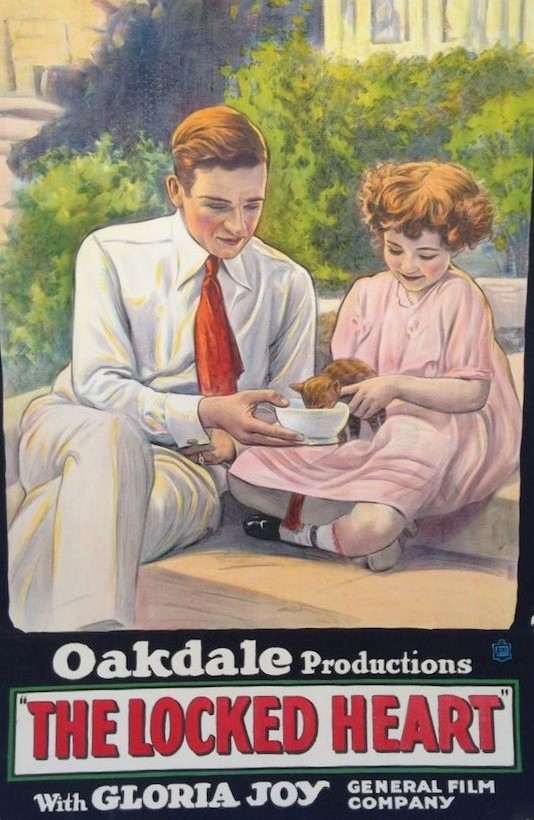
Dir: Henry King
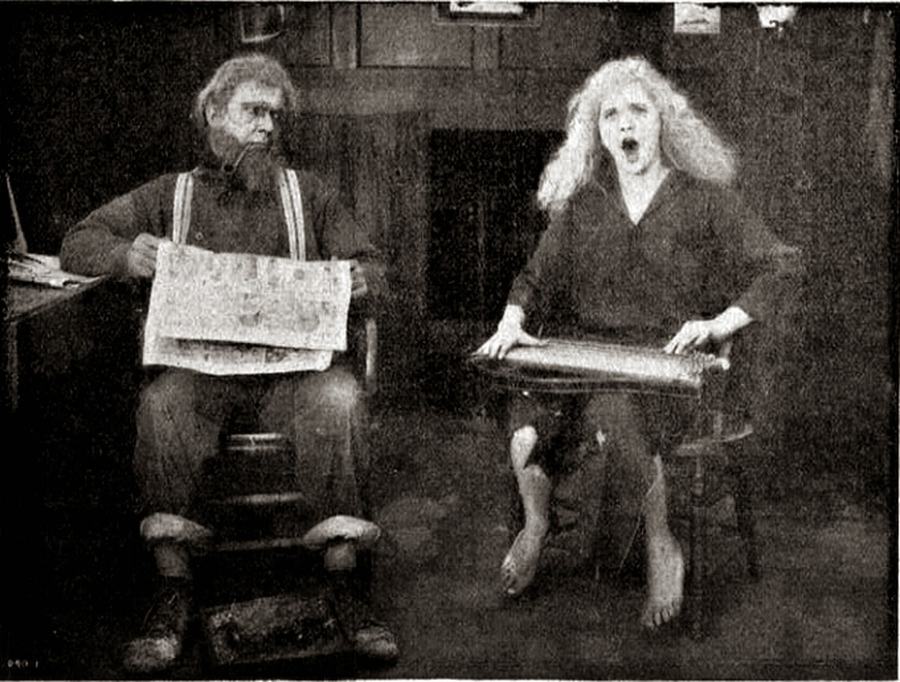
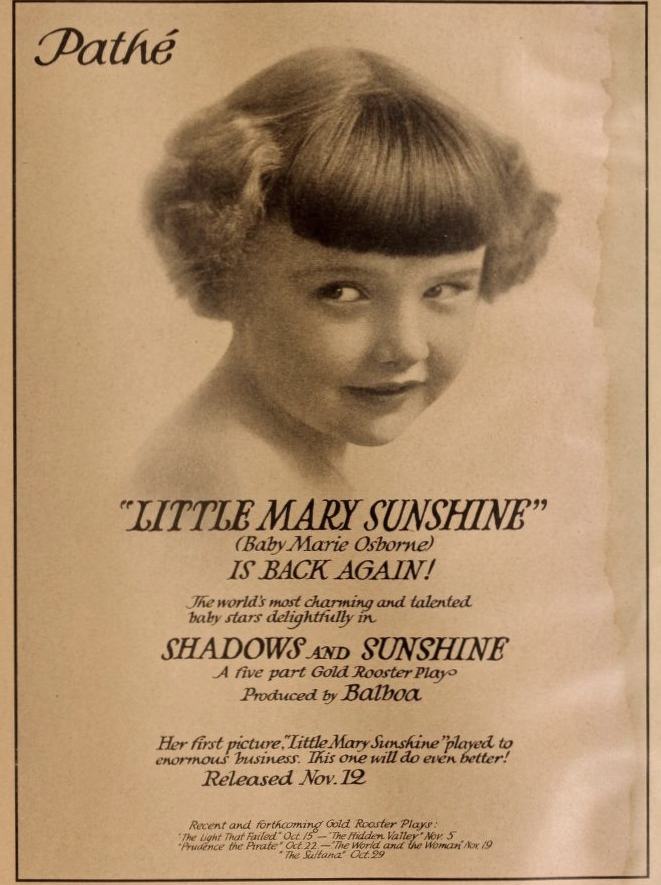
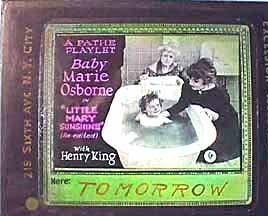
Harry Mason is called home by wire, but when he arrives, he finds that his wife Ruth has just died in childbirth. Thoroughly shaken, Harry refuses to look at the baby, and after locking the door to the room that Ruth had prepared as the nursery, he departs for Europe, leaving little Martha in the care of her grandfather, Colonel Mason. In an attempt to escape his grief, Harry travels throughout the world, but the spirit of his wife continually distracts him, and he finally decides to return home. Unaware of her father's identity, Martha, now a charming and spirited little girl, befriends Harry and soon convinces him to unlock the nursery door. On the bureau, he finds the letter his wife had left him years earlier, requesting that he care for their child in the event of her death. Realizing his blindness, Harry takes Martha to his heart.
View DetailsAnalysis relative to Any Woman
| Film Title | Atmosphere | Complexity | Similarity |
|---|---|---|---|
| Should a Wife Forgive? | Ethereal | Linear | 92% Match |
| Hearts or Diamonds? | Surreal | Linear | 89% Match |
| Twin Kiddies | Gothic | Layered | 90% Match |
| The Mate of the Sally Ann | Ethereal | Layered | 95% Match |
| Up Romance Road | Gothic | Abstract | 90% Match |
This guide was algorithmically generated using the cinematic metadata of Henry King's archive. Last updated: 8/17/2026.
Back to Any Woman Details →