
DbcultAccessing Vault...
Recommendations
Senior Film Conservator
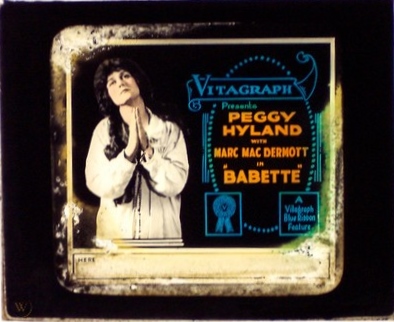
Looking back at the 1917 milestone that is Babette, the cinematic shorthand used by Charles Brabin is both ancient and revolutionary. Dive into this collection and find the spiritual successors to Charles Brabin's vision.
As Charles Brabin's most celebrated work, it defines to articulate the unspoken anxieties of United States's 1917 era.
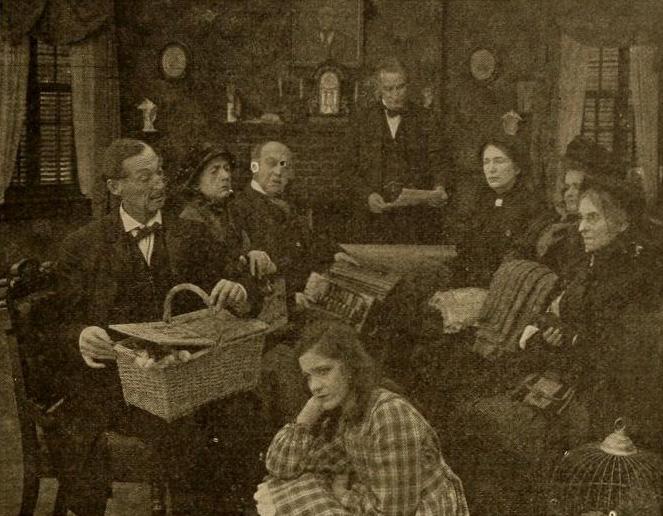
Babette is living with her father, the jailer and hangman in the castle-jail at La Fourche. Raveau, a criminal, comes to the castle and meets her. Her sweetness and purity cause him to realize his form of life is an empty shell. He even restores a necklace purloined from a tourist. Later he and Babette realize their love for each other. Their wedding is celebrated with much pomp. Guinard, a detective, turns up. Realizing his danger, Raveau convinces his wife that their friends are planning to separate them, and gets her to escape with him. They elude Guinard. In Montmartre, Raveau and Babette are like two doves. He again takes up art. But his work is not up to date and he finds the purse growing slimmer. When Babette shyly confesses that there will be another mouth to feed, and that she has given much of their store to Fifine, a "Quarter" girl, whose husband is just coming from prison, Raveau realizes how desperate is his need. He tries once more to sell his wares, without success. An appeal to an old partner brings a turn-down. Raveau then steals banknotes from a man in the post office. Guinard turns up after the baby is born. Without letting Babette know of his crime, Raveau parts from her, saying he has a commission which may take him away for a long time, but in the Commissionaire's office he learns his prosecutor is the husband of a woman to whom he had restored the money won at a gaming salon just before his marriage. The man refuses to recognize Raveau as the thief and he returns to Babette to say he has passed up the commission and will stay with her always, and Babette is happy in her husband's love, ignorant of his sacrifice for her.
Babette was a significant production in United States, bringing a unique perspective to the global stage. It continues to be a top recommendation for anyone studying cult history.
Based on the unique artistic bravery of Babette, our vault has identified these titles as the most compelling follow-up experiences for fans of cult cinema:
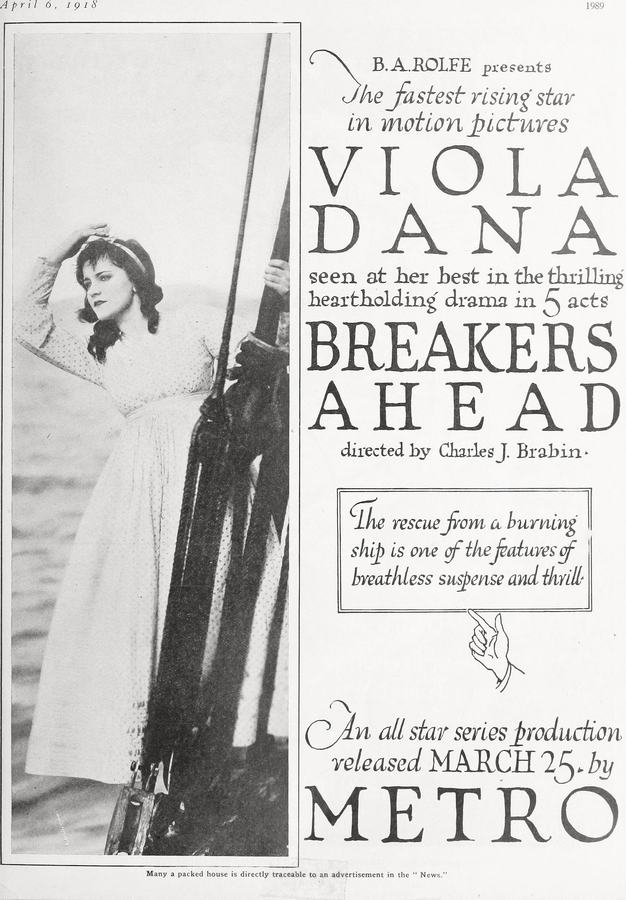
Dir: Charles Brabin
After young Ruth Bowman's mother dies, the child is raised by Agatha Pixley, and in time, the girl falls in love with Agatha's son, Eric. While Eric is at sea with Captain Scudder on a boat owned by Jim and Hiram Hawley, a jealous villager spreads the tale that Ruth is illegitimate, and the townspeople inevitably snub her. Jim Hiram sets his boat on fire after its arrival in port so that he can collect insurance money, and Ruth, believing that Eric is on board, tries to rescue him. When Ruth and Eric escape safely, Captain Scudder reveals that he, Ruth's long-lost father, was legally married to her mother, which re-establishes Ruth's good name and enables her to marry Eric.
View Details
Dir: Charles Brabin
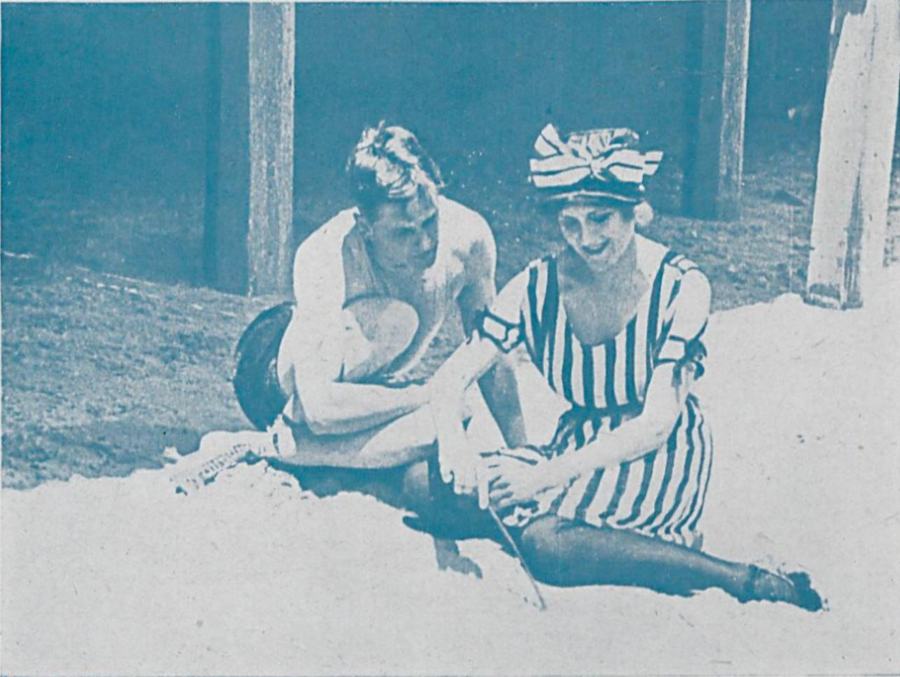
Doris Morse, the daughter of wealthy copper magnate Digby Morse, is eager to escape the unwelcome attentions of the many fortune hunters who pursue her, so she steals away to Atlantic City for a vacation. There she falls in love with Philip Hazard, an earnest and hard working young man, but because his income is so meager, she poses as a Macy's counter girl to avoid wounding his pride. When, by accident, he finally learns of her wealth, the two quarrel. In order to save the romance, her father pretends to disown her, but at the wedding, he secretly gives her a large sum of money in bonds. Doris soon wearies of her modest home and begins to spend the money on furniture and servants, which so piques her husband that he decides to steal the bonds from her safe. Doris is awakened by the noise and fires a shot, wounding Philip. The shock of injuring her husband brings Doris to her senses, and she agrees to live solely on his income.
View Details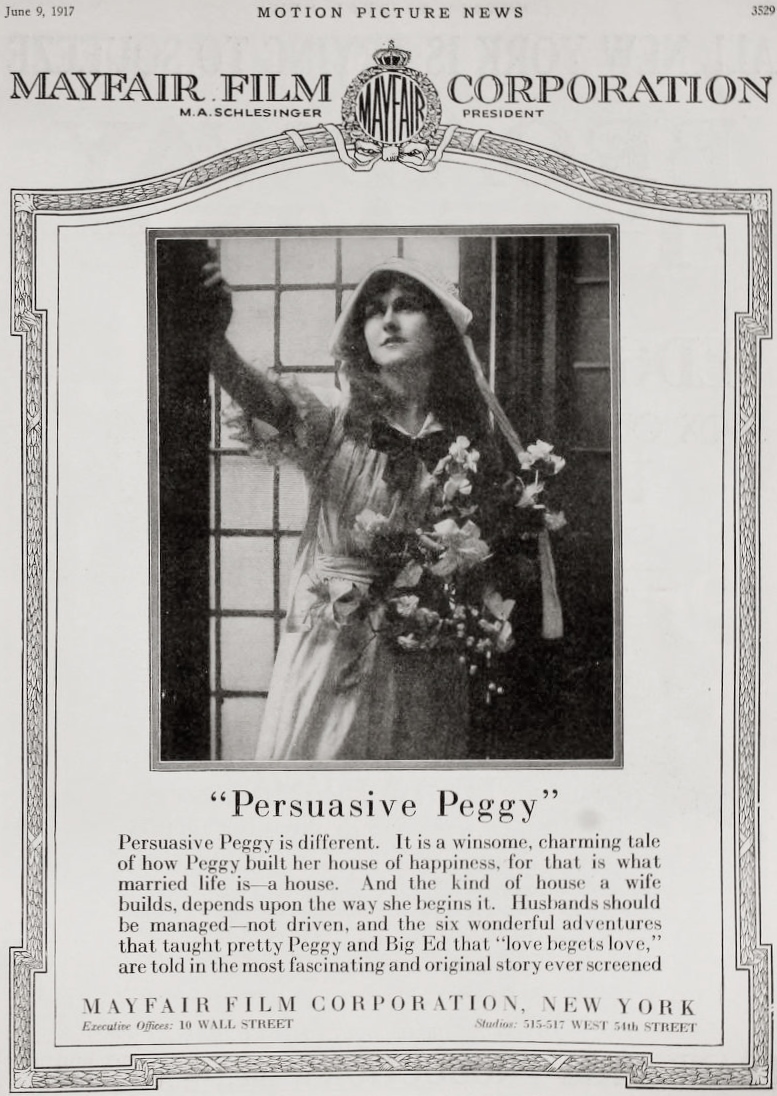
Dir: Charles Brabin
Informed by her husband Ed that they will not be honeymooning at Niagara Falls as promised, but rather at the County Fair, newlywed Peggy decides it is time to assert her independence and steals away to the falls alone, leaving her bewildered husband to follow. After the honeymoon, Ed takes his bride to the home that had been his mother's, and Peggy redecorates the entire house in her husband's absence. Gradually, Ed learns to submit to his wife's modern attitudes until he discovers that her continual visits to the city have not been to the dentist's, as she had said, but to the studio of portrait painter Perry Pipp. Ed angrily confronts Peggy with her deception, forcing her to return home to her parent's house. Later, when Ed learns that Peggy has been posing for a portrait as a birthday surprise, he begs his wife's forgiveness, which she bestows, along with the information that a baby is on it's way.
View Details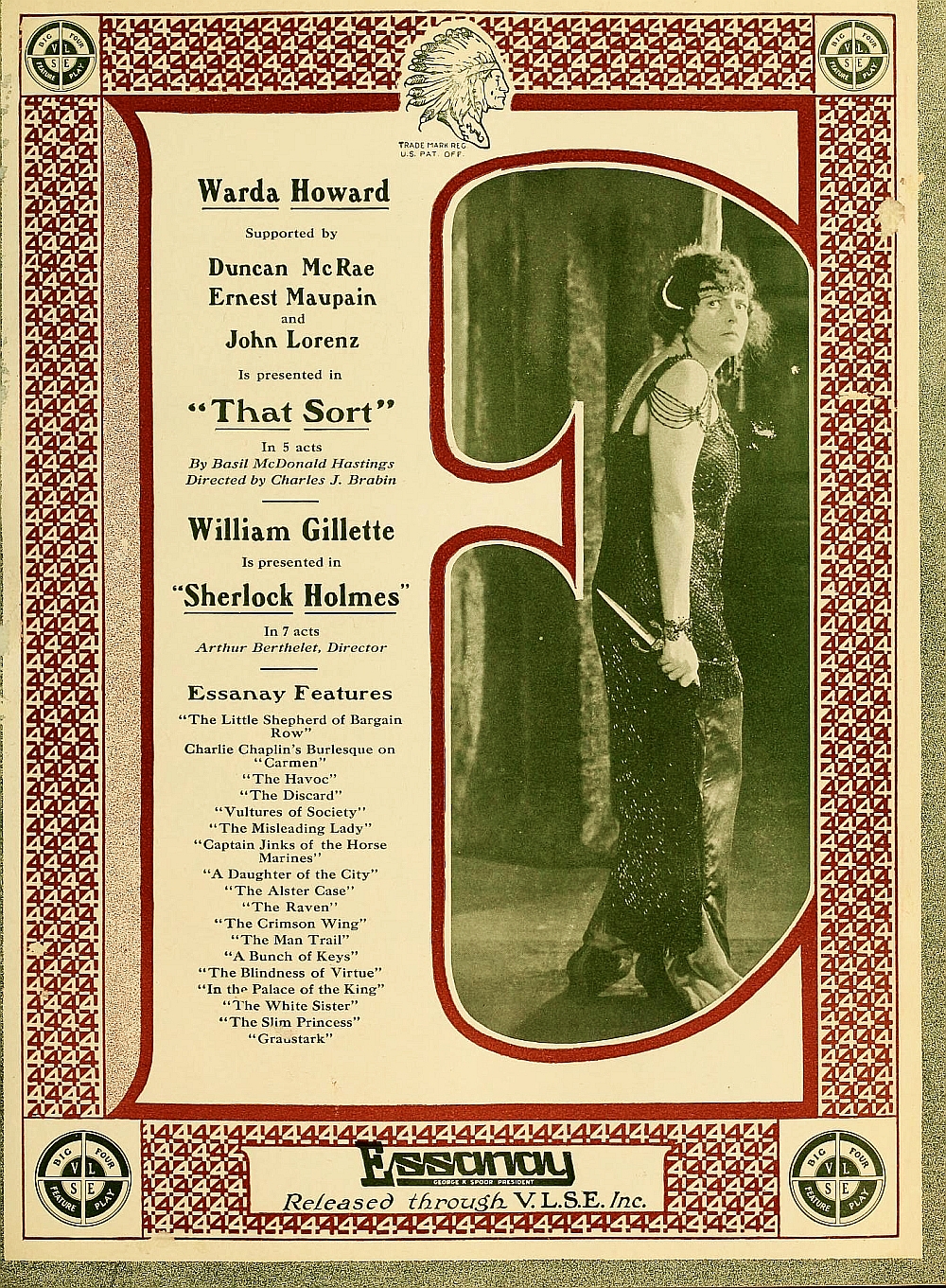
Dir: Charles Brabin
John Heppell, a wealthy young man about town, falls in love with Diana Laska, a noted actress, and marries her. After their child is born he tires of her and goes back to his old way of living. Infuriated at his neglect, Diana leaves him and goes abroad with Philip Goodier. He also tires of her in time, and she becomes a notorious character on the continent. Finally she awakens to the evil of her life and tries to reform. She finds her path strewn with thorns as the world holds her for what she has been. A longing is kindled in her heart for her daughter. Her first husband has remarried and refuses to permit her to see her. Sick of life, she attempts suicide. She is attended by Doctor Maxwell. He instills hope into her by promising to aid her in her attempt to see her daughter. Maxwell is an old friend of Heppell and partly by persuasion and partly by threats Diana Laska is received into the Heppell home as the governess for Heppell's son by his second wife. She meets her daughter only to find that she is engaged to Philip Goodier, the man who had cast her off. Horrified, she tells the Heppells her daughter must not marry him. Goodier denounces Diana, while admitting his relations with her, but cannot understand why she should have an influence over the Heppells. Finally, Diana tells him that the girl to whom he is engaged is her daughter. He consents to break the engagement only on condition that she leave the house and never see her daughter again. The woman who has developed under Doctor Maxwell's influence, then makes the supreme sacrifice of giving up her daughter to save her from her own shame. And through this sacrifice she wins atonement for her sins.
View Details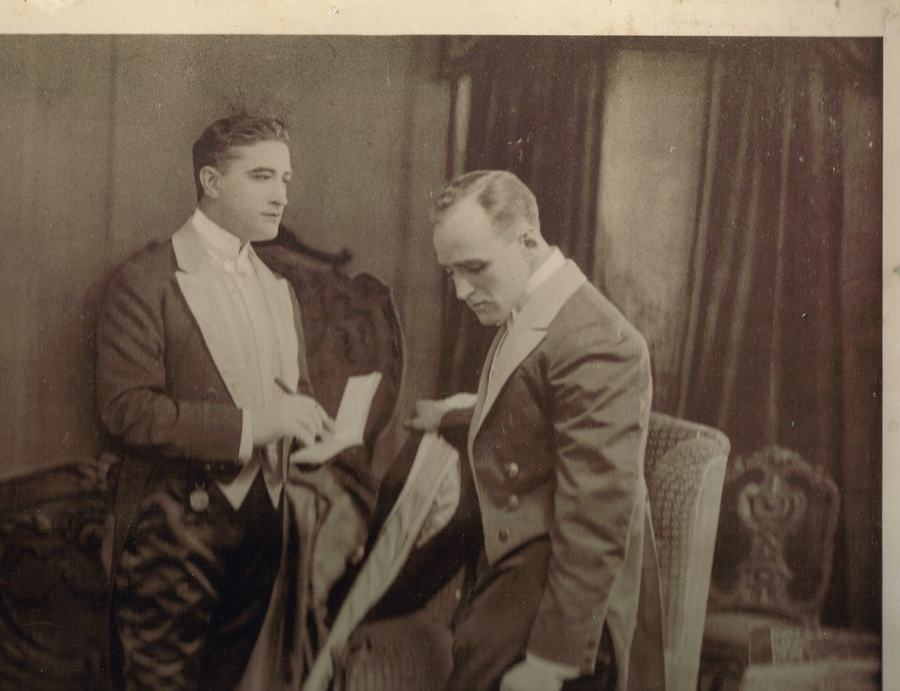
Dir: Charles Brabin
John Spaulding saves Helen Molloy-Smythe and her mother, who has recently acquired great wealth, from a train robbery while they are on vacation out West. Some time later, John returns to his father's country estate on Long Island and again saves Helen when she almost drowns. The two fall in love, but when John learns that Helen has a reputation as a society coquette, he plans to teach her a lesson in humility. Learning of his plan, Helen retaliates by accepting the proposal of the fortune-hunting Count Berratti. All ends happily, however, when John saves Helen for a third time and she trades the count's proposal for his.
View Details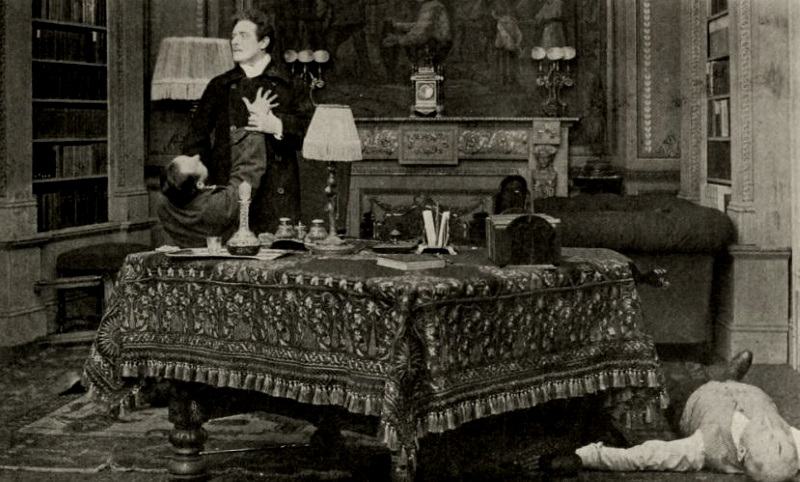
Dir: Charles Brabin
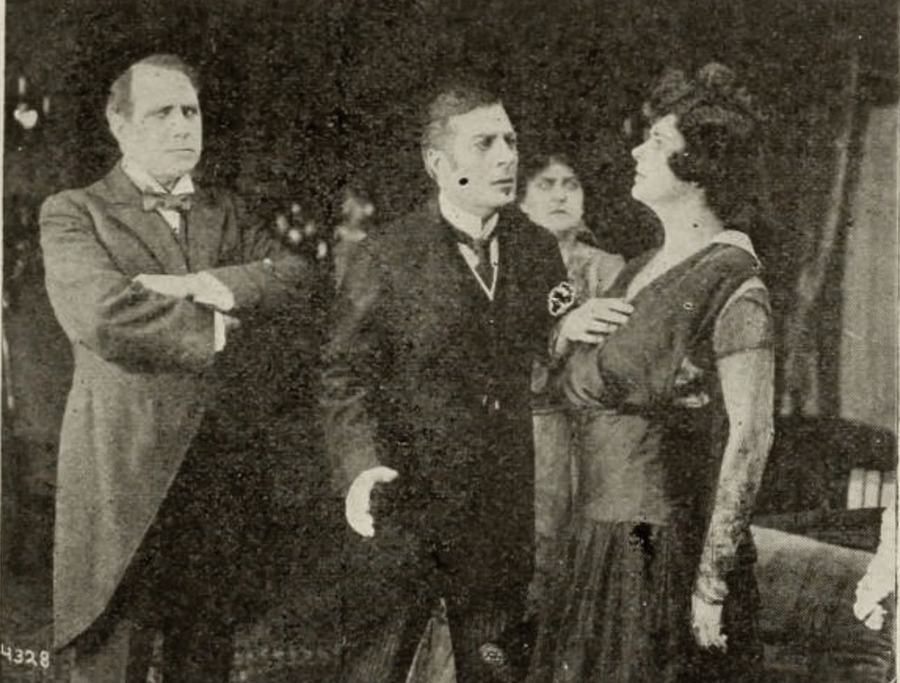
Episode 1: "The Black Mask" John Perriton was unmistakably a good fellow. He was never one to spoil a party with a long face and an absence of joviality, nor was he at all likely to break up any sort of festivity by leaving early. A few people shook their heads gravely, and said that he was hitting the pace entirely too hard and that he would certainly kill himself if he didn't cut down on his liquor, but most of the world accepted him cordially on his own estimation as a man's man. Perriton loved Mary Wales almost as much as he loved himself, which is to say that he was not ready to settle down yet for her sake. Mary's brother Nelson, was a weak, helpless individual who was always in hot water. On the night of the masked ball, he came to Perriton, and asked him for help in one or two matters. He needed money very badly. To make matters worse, he had forged his sister's name to a check. The long and the short of the whole business was that Nelson must have $75,000 by the next morning. Perriton wrote an order on his bankers for $50,000, the entire extent of his depleted fortune, and drove Nelson to the station. But Nelson was not satisfied. He had to have the other $25,000. So he slipped off the train, came home by a short cut, put on his dancing mask and attempted to take his sister's jewels from her safe. He was surprised by the butler, and in the desperation of fear, killed the man. Immediately afterwards, Perriton arrived. Nelson, almost frenzied, begged him to put on the mask, and to pretend to be the criminal. No one would know who he was, and he would see that he got safely away. Perriton assented. His identity was discovered by Mary who, agonized at her discovery of the apparent character of the man she loved, forbade him even to think of her again, and allowed him to escape. Despite everything, Perriton kept silent, and allowing the woman he loved to think him the meanest type of criminal, went off into the night. Episode 2: "The Hunted Animal" In the first story of the series, John Perriton assumed the blame of a murder to save the brother of the girl he loved. We left him crossing Long Island Sound in a boat. He had but little headway. The police were on his trail. Before reaching the middle of the Sound, a detective put out from the opposite shore to intercept him. Perriton bent all efforts to escape. The detective fired and broke the wooden oarlock. Perriton pretended to be hit, fell overboard and swam beneath the surface, but McWade, the detective, was after him like a flash, and soon had him handcuffed. When they landed, McWade forced Perriton to walk in front up a steep slope. Perriton purposely slipped, fell on the detective, and both rolled to the bottom. Perriton escaped into the woods. After hours of wandering, he came to a railroad track. As Perriton watched, a man emerged from the bushes across the track, looked cautiously about, stuck a white flag in the ground, and disappeared. Shortly afterward a train passed. A young girl on the rear platform threw a bundle into the bushes near the flag. With desperate agility, Perriton seized the bundle and fled. Opening it, he discovered a suit of clothes and a note, which said the clothes were intended for an escaped convict. Full directions for the man's further guidance were clearly written out. Since the handcuffs prevented Perriton from putting on the clothes, he resolved on a desperate expedient. Hearing the approach of a train he laid the chain on the track, averted his face and waited. The train roared by and the links were crushed. Perriton put on the clothes, and for lack of a better plan, followed out the directions of the note. A bribed farmer cut off the handcuffs and carried him in a trunk to a tenement house, where a Chinaman received him. And here we leave Perriton until the next story. Episode 3: "The Double Cross" It will be remembered that John Perriton, after taking the blame of a murder to save the brother of the girl he loved, escaped to Long Island, and after a series of exciting adventures managed to evade the relentless pursuit on the part of the detective. By cleverly assuming the identity of another man, he managed to utilize preparations which had been made for the other's escape. The Chinese opium joint to which Perriton was finally brought proved to have disadvantages in addition to its obvious advantage as a haven of refuge. Before he had been there a week, Perriton was forced to join a band of criminals to avoid instant betrayal to the police. A foxy-eyed little lawyer named Lipmann, and a burly "strong-arm" man named "Biceps" were the chief agents in the present scheme of Perriton's new associates. The scheme was gorgeously simple. An advertisement was inserted in the newspapers to the effect that an heiress desired to meet a wealthy young farmer with matrimonial inclinations. The wealthy young farmer had already been found. It remained to arrange the details of taking his money away from him. According to the plan, Perriton was to act as the girl's brother. It was arranged that a letter should be sent to the man, directing him to come to the supposed home of his intended bride with a certified check as a proof of his wealth. The plan worked out beautifully. The young man called at the beautiful apartment which the gang had arranged, and was agreeably surprised by the appearance of the girl. Curiously enough, two things happened for which the gang had made no provision. For one thing, the girl fell in love with the man she was supposed to cheat. For another, Perriton had firmly resolved from the beginning that he would in some way upset the scheme. Owing largely to his endeavors, the girl confessed her duplicity to the young man, and was forgiven by him. To escape from "Biceps," who was waiting outside the door, the pair left the room by the fire escape. When "Biceps" rushed in and started shooting at the escaping couple, Perriton crept up behind him and knocked him unconscious. Then Perriton escaped by way of the dumb waiter. When the astounded police broke in they found nothing but the body of the "Biceps." Episode 4: "The Light on the Wall" When "John Pottle," fugitive from justice, helped Jennie and Harry Horn to escape from the band of criminals which was planning to get Harry's money by using Jennie as a lure, he did so in the fond hope that he would be able to severe his connection with the aforesaid criminals for good. But fate ruled otherwise. Jennie, discovering that Biceps, one of the leading spirits of the hand, had tracked her husband and herself to their refuge, implored John for help. John, trusting that Biceps had not yet found out who had been responsible for the knock-down blow which resulted in the escape of the pair, went directly to Lipmann, the lawyer who was the brains of the criminal organization, and told him that the reason for his absence from the meetings of the gang was on account of being obliged to hide from the vigilant police. Somewhat to John's surprise, Lipmann accepted his flimsy excuses without question. He told John that the gang had decided that Jennie must be punished for her double-dealing, and directed him to be present at a meeting to be held that night aboard a barge in the river. John, hoping to be of some service to Jennie, attended the meeting. His hopes were not realized to any large extent. He discovered that Lipmann had not been fooled at all by his excuses, and escaped from the barge only by besting Biceps in a terrible fight. The next day John found a notice in the personal column of a newspaper, signed with his name, directing Jennie to call at a certain address. Realizing that the notice was a trap for the girl, John hastened to the address mentioned. He arrived too late to save Jennie, and was captured himself in an attempt to rescue her. The two were securely bound and placed in a room on the top floor of the house. Here, they were suavely informed by Lipmann that they would be thrown into the river shortly after dark. By almost superhuman exertions, John succeeded in getting Jennie's handbag in his bound hands, and flashing sunlight into the eyes of a tailor across the street by means of the mirror on the bag. Rescued by the tailor, John and the girl hastened away to find some haven where they would be safe from their powerful enemies. Episode 5: "With His Hands" Through the help of Jennie, the girl he had saved from the hands of the gangsters, John Perriton was enabled to get a position as a riveter's helper in the construction company in which Jennie herself was employed. So Perriton, still under his alias of "John Pottle" entered upon new duties, which were as strenuous as they were unfamiliar. Shortly after Perriton's arrival at the works, a good deal of trouble was caused by the unwarrantable discharge of several of the employees. Recognizing John's intellectual superiority, the men chose him as a spokesman to express their grievances to their employers. Carter, the head of the works, was a hard unjust man with no regard whatever for the rights of the men working under him. When John courteously told him of the men's grievances, he cursed him roundly, and ordered him back to work. Realizing the power a man of John's type would gain among the men, Carter called a private detective, named Brownson, and ordered him to discover some pretext on which John might be discharged. He dared not discharge the man without any reason, because he knew that it would take very little in the existing state of discontent to precipitate a general strike. Brownson's scheme to ruin John Pottle was very simple. He took a piece of dynamite and put it in John's lunch basket. Then he complained to the police inspector that he suspected John of a plot to blow up part of the works. But Jennie, owing to her position in the company's office, had learned of the plot and managed to extract the stick of dynamite from the lunch basket. When John was seized and searched, no incriminating evidence of any sort was found upon him. Jennie told him of the plot, and John set out post-haste to interview Brownson. He found him on the top girder of the great building the company was constructing. Brownson attacked him with a hammer, and a fierce hand-to-hand conflict followed. Brownson was the stronger man, and gradually forced John over the edge. At last John lost his last finger-hold and fell. Brownson lost his balance and fell after him. Luckily enough, John was saved from Brownson' s fate by striking another girder. After he had been taken to the hospital, Jennie sent for Mary Wales, the girl for whose sake John had given up everything in life. But when Mary came to the hospital and saw Jennie bending tenderly above John, she did not understand, and went away without a word. Episode 6: "The Gap" While Perriton, alias "John Pottle'' was recovering from the injuries he had received in his life and death struggle with Brownson, the detective, Earle, the superintendent of the construction company, called to inquire after his injuries. While talking to Jennie, the girl Perriton had saved from the gang of criminals, Earle admitted that he could stand Carter, the president of the company, no longer. He went on to tell her that if he could find a partner with money, he would undertake the important contract on the Warrington Courthouse, himself. After Earle had left, Jennie discussed the situation with Henry Horn, her husband, and Perriton. Horn decided that he would be willing to advance the money for the courthouse proposition, so Jennie started out for the offices of the construction company to find Earle. In the company offices, she learned that President Carter had discharged Earle that morning. From a letter on Carter's desk, she gained absolute proof that the construction company was planning to get the courthouse contract by bribery. Incidentally, she learned that Earle was leaving for the west on the 12:45 train. After a rather unpleasant encounter with Carter, Jennie hurried back to Perriton and her husband. They decided that their only course was to stop Earle. Stopping Earle seemed, on the face of it, an utter impossibility, since they could not possibly reach the station by 12:45. But John Perriton was nothing, if not resourceful. He realized that the train would have to go over a near-by draw-bridge. If the draw-bridge were open, the train would, of course, be held up. So jumping into a taxicab, they rushed off to the drawbridge. It was closed. The train was almost due. The drawbridge tender suavely informed Perriton that the bridge could on no account be opened unless a boat wished to pass through. With his heart in his mouth, Perriton rushed to a tug which was moored close by, and offered the captain twenty-five dollars to take him to the other side of the bridge. The captain naturally thought John was crazy, but accepted his offer just the same. Putting out into the stream, he whistled for the crew. The bridge slowly opened, and the 12:45 train which had just reached it, was stopped. Jennie found Earle and explained everything to him. Then the four partners hurried back to the city to begin their battle with Carter. Episode 7: "Face to Face" In the weeks following Perriton's dashing and successful attempt to stop Earle's train, the four partners, Perriton, Jenny, Henry Horn and Earle, despite the determined opposition of President Carter, managed to land the court house contract which meant so much to them. A newspaper paragraph, seen by chance, changed their comfortable feeling of assurance to vivid alarm. The paragraph was to the effect that, owing to the determined efforts of President Carter, a bill was on the verge of passing the legislature, restricting all state contracts to residents of the state. Since none of the four was a resident of the state in which the court house was to be built, the bill. If passed, would be certain to ruin them. Knowing Carter's methods, Perriton decided that the best means of blocking the passage of the bill was to bring forward proof that Carter had been guilty of bribery. In order to keep a close watch over their enemy, an office was hired in the building next to the construction company, with windows directly opposite those of Carter's office. By means of a high-powered telescope, the partners obtained ample optical proof that Carter had bought the services of several members of the legislature. They discovered also that an actual transfer of money was to take place that very night in Carter's country house. Unknown to Perriton, Carter had a hold over Mary Wales, the girl Perriton loved. A document forged by Nelson, her scapegrace of a brother, had fallen into Carter's possession. Fearing to take the money to the corrupt legislators himself, he decided to use the girl and her brother as cats paws. So, using the forged mortgage as an incentive, he directed Mary and her brother to take the money and deliver it to the proper parties at his country house. So it happened that when Perriton burst into the house ahead of Earle and the detectives, he was confronted face to face by the girl for whose sake he had given up position and reputation. There was no time for love. Turning, he slammed the door in the faces of his friends, and then lowered Mary to the ground through the window. He had the proofs of bribery, and it was absolutely impossible that the detectives should find Mary in any such situation. Episode 8: "A Matter of Minutes" It will be remembered that Nelson Wales had put his sister into considerable danger and difficulty on account of the fact that the amiable young man had forged her name to a mortgage. John Perriton, the man who disappeared for Mary's sake, saved her from an unpleasant situation. The next day he came to the Wales' house to call Nelson to account. Confronted by his sister and the angry Perriton, Nelson, at first, attempted to bluster his way out of the situation. When that failed to produce the desired impression, he locked Perriton and Mary into a room, and telephoned to the police that he had captured John Perriton, the murderer. While they were locked in the room, John told Mary the truth about the murder, that Nelson had killed the butler, and that he, Perriton, had shouldered the responsibility for her sake. Mary, filled with horror, nonetheless believed Perriton's story. The police arrived at the front door, and John escaped through the window, directing Mary to meet him at a certain station on the railway line. John climbed to the roof by means of a rain spout, and after a desperate race with the detectives, succeeded in completely eluding them. At Nelson's suggestion, the detectives, foiled in their pursuit of Perriton, turned their attention to his sister. They followed her aboard the express train which she took to keep her appointment with Perriton. Mary, discovering that she was followed, sent a telegram to the train she knew Perriton had taken, telling him that she would elude the detectives, and would meet him at Vernontown, a junction point, where they could catch a north-bound express. Mary succeeded in eluding the detectives, by the clever ruse of leaving the train, and quickly slipping back aboard just as it was starting. Meanwhile Perriton's train had broken down. Realizing that everything depended on making the connection Mary had planned, he was at his wits' end. The accident to the train would certainly make him miss the connection. An aeroplane meet in the vicinity of the accident solved the difficulty. Perriton hired an aeroplane just as the express came into sight. Mounting into the air, the great birdlike machine raced for miles against the speeding train, and reached Vernontown in time. Episode 9: "The Living Dead" When John Perriton and Mary Wales fled to Albany to escape her brother, Nelson, and the detective, that amiable young man had set on their track, their first plan was to take the express for Montreal. The fact that Mary recognized her brother and the detective on the train made them realize the futility of attempting to escape across the border. After some thought, they decided that their wisest plan was to return to New York. Accordingly they took one of the steamboats running down the Hudson. Nelson Wales and the detective, after going through Albany with a fine-tooth comb, decided that there was no use in looking further. Accordingly, they came aboard the same boat Mary and John had taken. That night at dinner. Nelson looked across the tables, and saw Perriton and Mary. Filled with triumph, he ordered the detective to arrest the supposed murderer. Perriton, realizing the uselessness of resistance, quietly submitted to being locked up in his stateroom. Mary, whose stateroom was next, racked her brains to think of a way to rescue him. The detective, eager to make assurance doubly sure, stationed himself at John's door, and the situation seemed hopeless. At last, she examined the wall of the stateroom and discovering that the panels were fastened in place with screws. Inspired by a gleam of hope, she unscrewed one of the panels. John crawled through the gap. Affairs were improved, but still almost hopeless. But Mary's quick brain met the difficulty. Under her directions, John waited until she had left the stateroom, and then cautiously followed. Just as she came opposite to the detective and her brother, Mary pretended to faint. They naturally rushed to her assistance, and in the moment they did so, John shot past them, and rushing to the stern of the boat, jumped overboard. After a long, hard swim, he reached shore in an exhausted condition. Mary, on the boat, had been unable to see whether or not he reached the bank. She feared the worst, however, and her joy may be imagined, when John Perriton, safe and sound, came to her in New York. Episode 10: "By the Aid of a Film" John Perriton gave up his place in society and disappeared for the sake of Mary Wales. Her brother, Nelson, had been surprised by the butler in an attempt to steal Mary's jewels. In the fight which ensued, Nelson killed the butler. Perriton happened to enter at this moment, and with the chivalrous motive of saving the name of the girl he loved from disgrace, assumed the responsibility for Nelson's deed, and fled. After a series of thrilling adventures, Perriton was at last arrested as a result of the malevolence of Nelson Wales, the man he saved. Mary, now firmly convinced of her lover's innocence, and her brother's guilt, added her brains to Perriton's in the attempt to find some way of proving his innocence. The attempt seemed hopeless. Nelson was the only witness. Perriton had just as strong a motive for stealing the jewels, and Perriton was the one who had fled from justice. Perriton decided to steal a page from "Hamlet" and see if the play might not be the thing to catch the guilty conscience of Nelson Wales. Under his direction, Mary hired a motion picture company and took it to the Wales' estate. Here she caused three of the actors to make up exactly like the principals of the tragedy, and had the entire scene acted in accordance with Perriton's directions. When the film was completed, Nelson was put in a darkened room, and the picture was flashed on the screen before him. The exact reproduction of his crime was too much for his weakened nerves. Mad with fear, he attacked the phantom figures with a chair, and was promptly arrested by the concealed police. He made a full confession of his crime, and died of heart failure. John Perriton's vagabond life was finally at an end. He was enabled to take again the position he had forfeited. Three months after Nelson's death he married Mary. END
View Details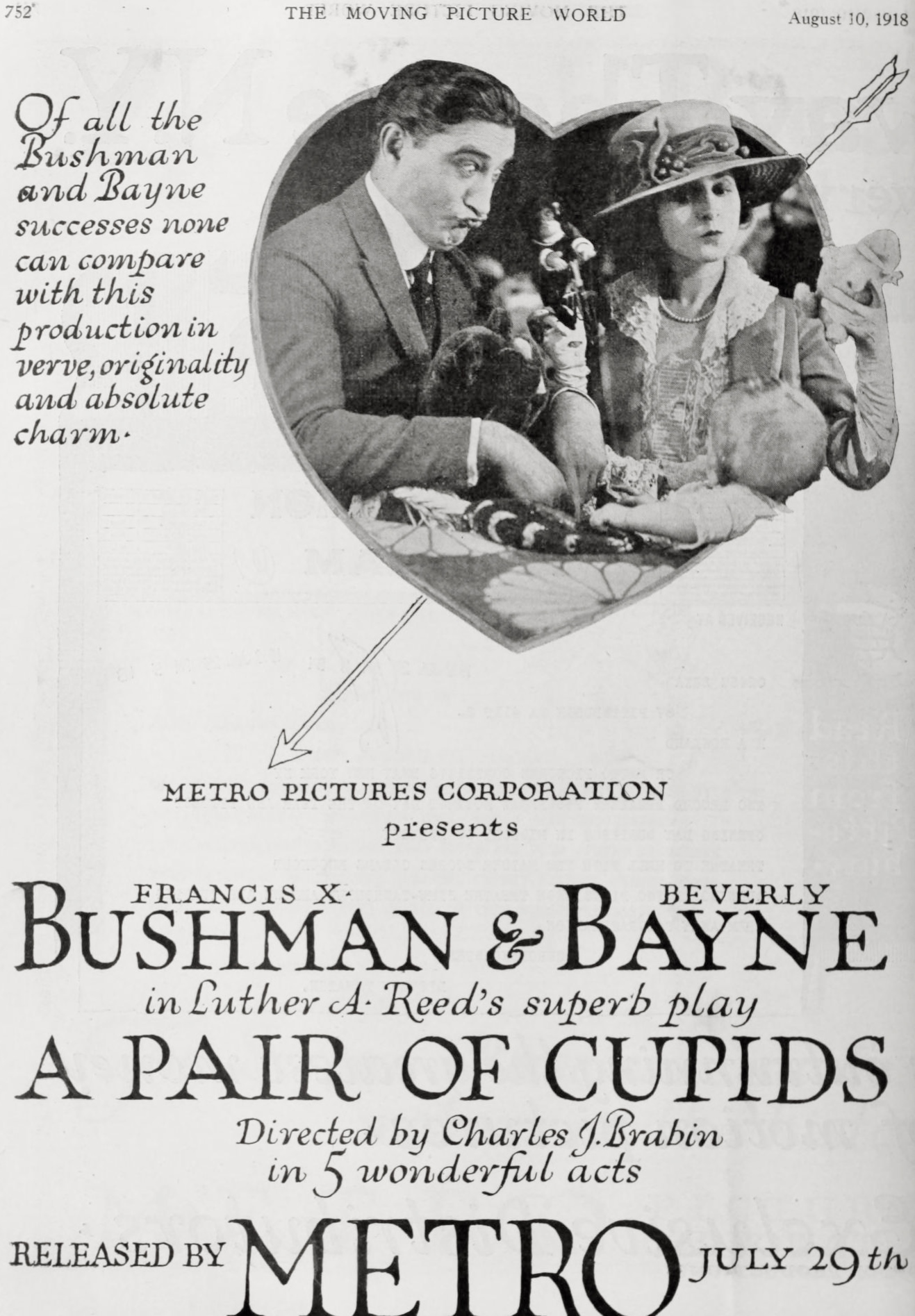
Dir: Charles Brabin
Henry Burgess favors a match between his ward, Virginia Parke, and his nephew, Peter Warburton, but she is only interested in her poodle, Frou Frou, and Peter devotes all of his attention to his business. To bring them together, Uncle Henry rents twin babies of the laundrywoman, Bridget McGroghan, placing one on Peter's doorstep and the other on Virginia's. Each discovering that the other has a baby, Peter and Virginia soon begin to share their views on child rearing and matrimony, and are about to become engaged when the babies disappear. Michael McGroghan, the twins' father, hires a pair of crooks to kidnap the babies so that he may collect the $25,000 bond that has been put up by Henry for their safe return. Peter, however, tracks down the kidnappers, and after the infants are returned to their grateful mother, he and Virginia look forward to having their own babies.
View Details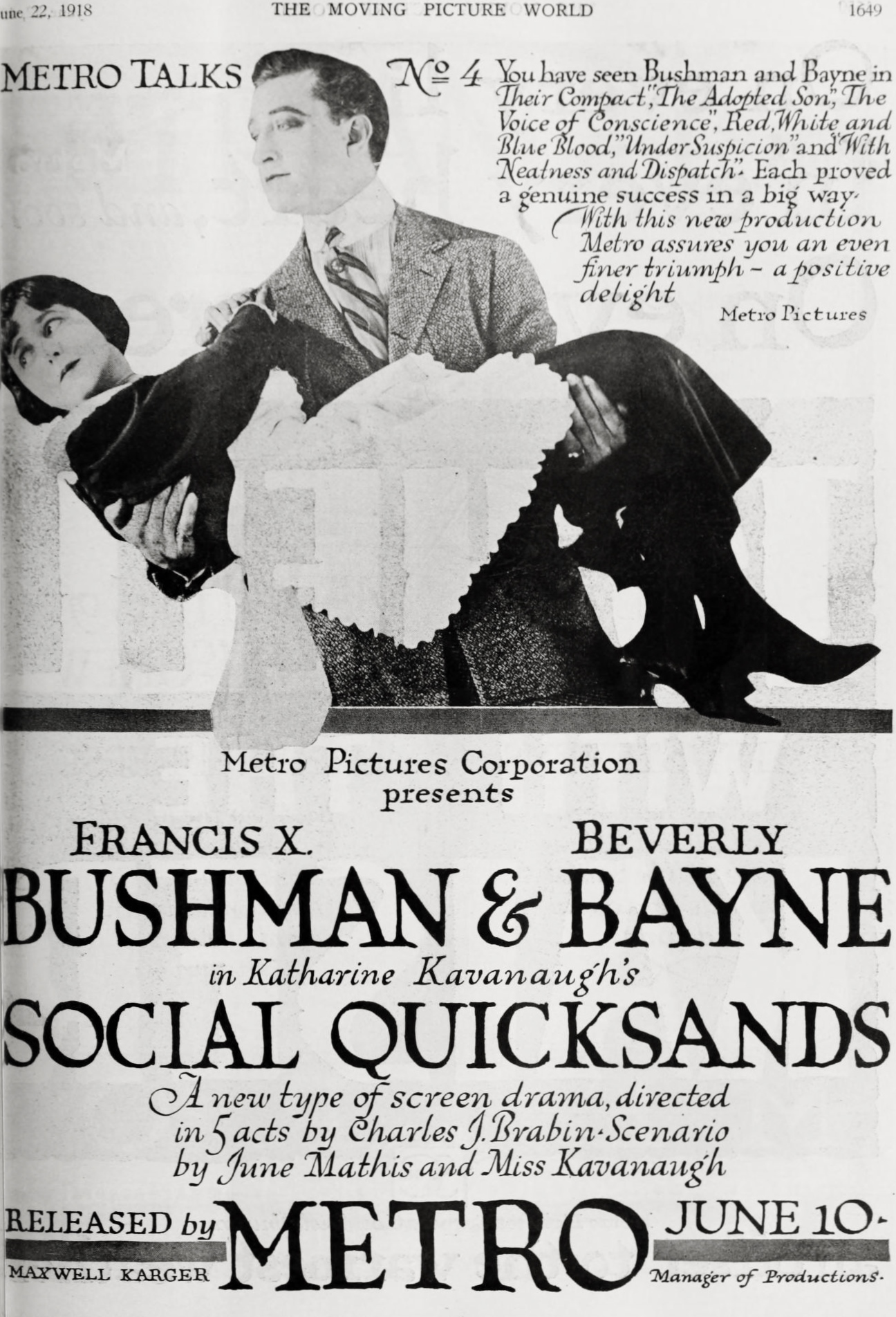
Dir: Charles Brabin
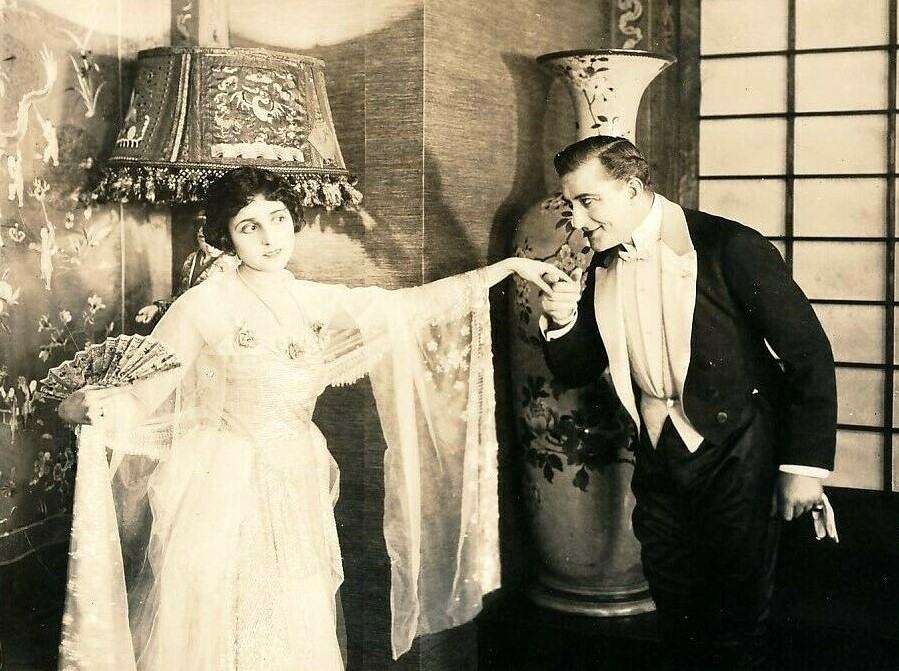
Claiming that he has no need for social butterflies, Warren Dexter refuses to attend a reception at which he was to meet debutante Phyllis Lane. Humiliated, Phyllis makes a wager that she will lead Warren to the altar within the month. To gain his attention, she faints on his doorstep and then realizes that he is not at home. Peering through the window, Phyllis spies a woman stealing the silver, whereupon she enters the house and forces Mollie, the burglar, to exchange clothing with her. When Warren arrives, Phyllis feigns a guilty look and explains that her father and brother force her to steal. Hoping to reform the attractive "crook," Warren offers her a position as his maid and soon falls in love with her. Later the crooks again try to rob him, and after Phyllis helps him to foil their plan, he proposes. Upon learning her true identity, Warren is greatly offended, but Phyllis easily convinces him that her love is genuine.
View Details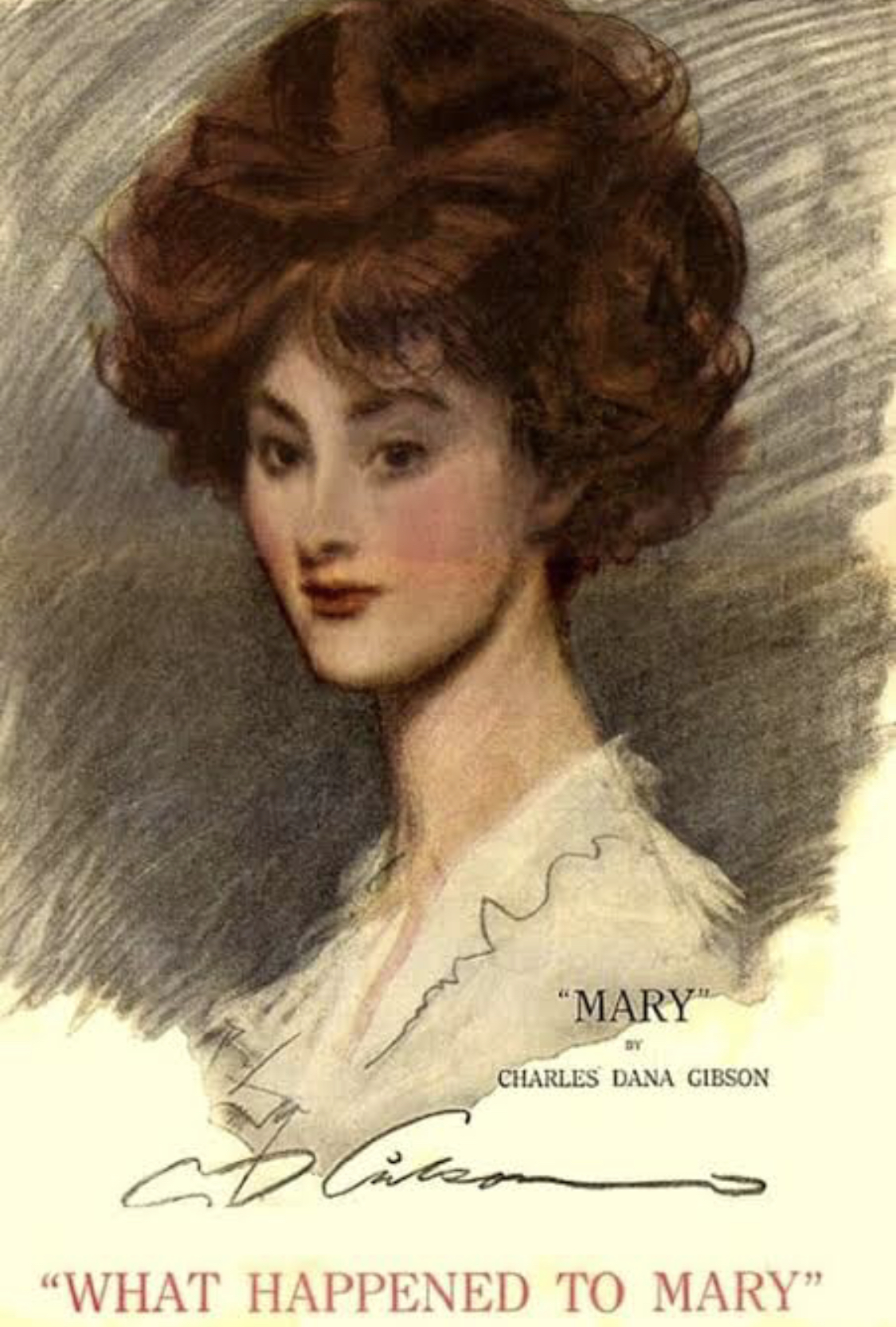
Dir: Charles Brabin
The forerunner of all serials, "What Happened to Mary" was a series of 12 monthly one-reel episodes, each a complete entity in itself, revolving its immediate dramatic and melodramatic problems within the framework of a single episode and designed more for story and suspense situations than action. Episode Titles (q.v.): #1: "The Escape from Bondage"; #2: "Alone in New York"; #3: "Mary in Stage Land"; #4: "The Affair at Raynor's"; #5: "A Letter to the Princess"; #6: "A Clue to Her Parentage"; #7: "False to Their Trust"; #8: "A Will and a Way"; #9: "A Way to the Underworld"; #10: "The High Tide of Misfortune"; #11: "A Race to New York"; #12: "Fortune Smiles."
View Details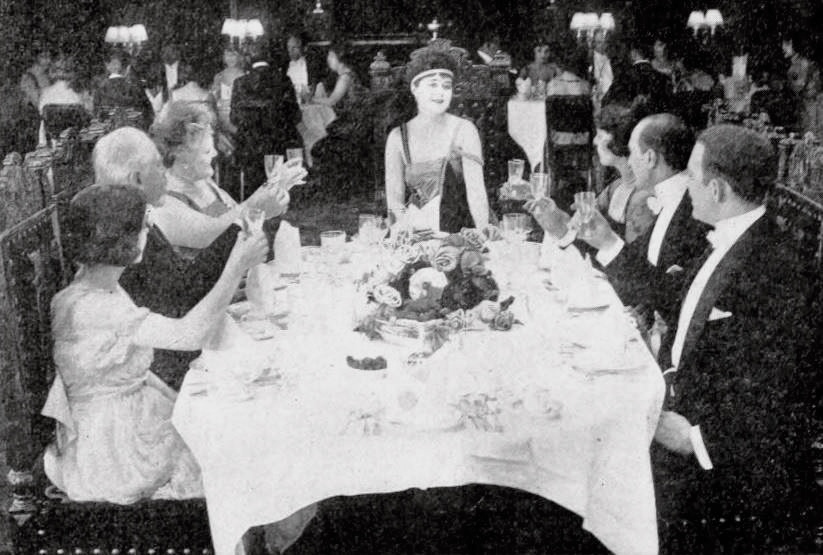
Dir: Charles Brabin
Beatrix marries Herbert Buchanan while under his hypnotic trance, although she really loves Harry Faring. When Herbert learns of his wife's love for Harry, he disappears with Kansas, a tramp. Soon after, Beatrix falsely identifies a body at the morgue as her husband's and marries Harry, but when Herbert, still alive though ill and demented, appears at her door with Kansas, she confesses her lie to her new husband. Kansas' plans to blackmail Beatrix are ruined when Harry visits the two tramps, and Herbert, now dying of tuberculosis, pleads with Kansas to leave the couple in peace. Kansas agrees, and after Herbert's death, Beatrix and Harry return to a normal life.
View DetailsAnalysis relative to Babette
| Film Title | Atmosphere | Complexity | Similarity |
|---|---|---|---|
| Breakers Ahead | Gritty | Layered | 97% Match |
| His Bonded Wife | Gothic | High | 95% Match |
| Persuasive Peggy | Gritty | Layered | 86% Match |
| That Sort | Gritty | Linear | 92% Match |
| Red, White and Blue Blood | Surreal | High | 87% Match |
This guide was algorithmically generated using the cinematic metadata of Charles Brabin's archive. Last updated: 6/27/2026.
Back to Babette Details →