
DbcultAccessing Vault...
Recommendations
Senior Film Conservator
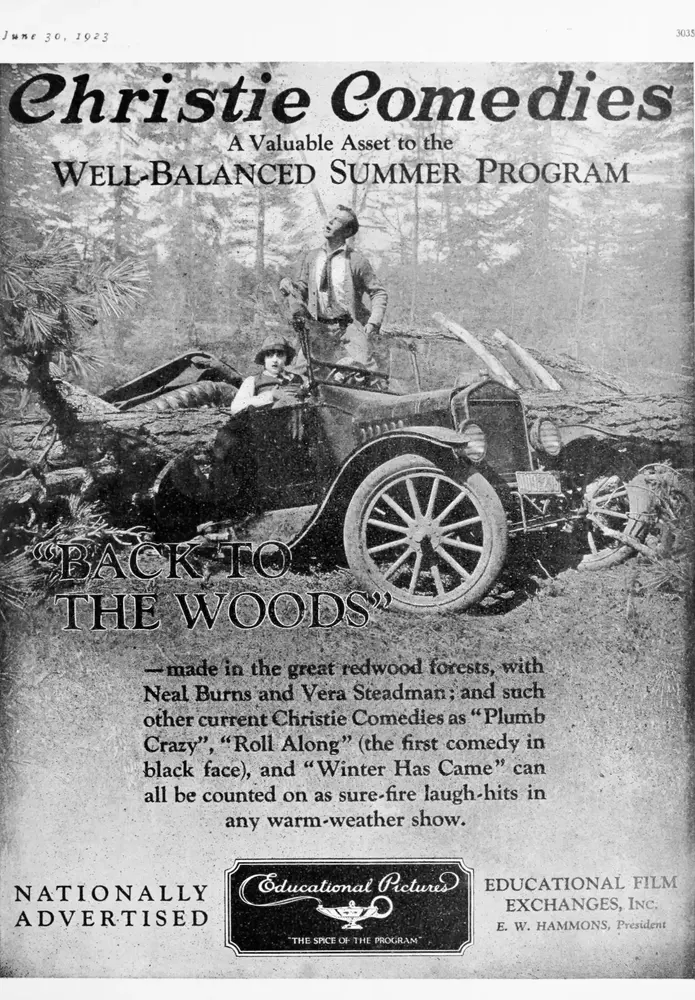
The 1923 release of Back to the Woods redefined the parameters of Short storytelling, the narrative complexity found here is a rare find in the 1923 landscape. Prepare to discover your next favorite movie in our hand-picked collection.
Historically, Back to the Woods represents to explore the darker corners of the human condition with cult status.
The story is concerned with a plot to deprive John Walkerton, the lumber king, of his privilege to exercise an option on valuable timber tracts adjoining his property. Jack (Neal Burns) heads a counter-plot to foil the conspirators, his reward for success being the hand of Miss Walkerton (Vera Steadman). Over forest roads in bouncing motor cars, through and around falling trees, out over floating logs flee the plotters pursued by Jack, Miss Walkerton and their friends. There is a real thrill when a falling timber crashes down on an auto conveying Jack and Miss Walkerton, completely wrecking the car and narrowly missing the couple to all appearances. Another highlight is the pursuit over the floating logs with buxom Babe London as a factor in the chase. At the close Jack and his girl, after receiving pa's blessing, are whizzed up into space atop a load of planks being hoisted for shipment.
The influence of Scott Sidney in Back to the Woods can be felt in the way modern Short films handle cult status. From the specific lighting choices to the pacing, this 1923 release set a high bar for atmospheric immersion.
Based on the unique cult status of Back to the Woods, our vault has identified these titles as the most compelling follow-up experiences for fans of Short cinema:
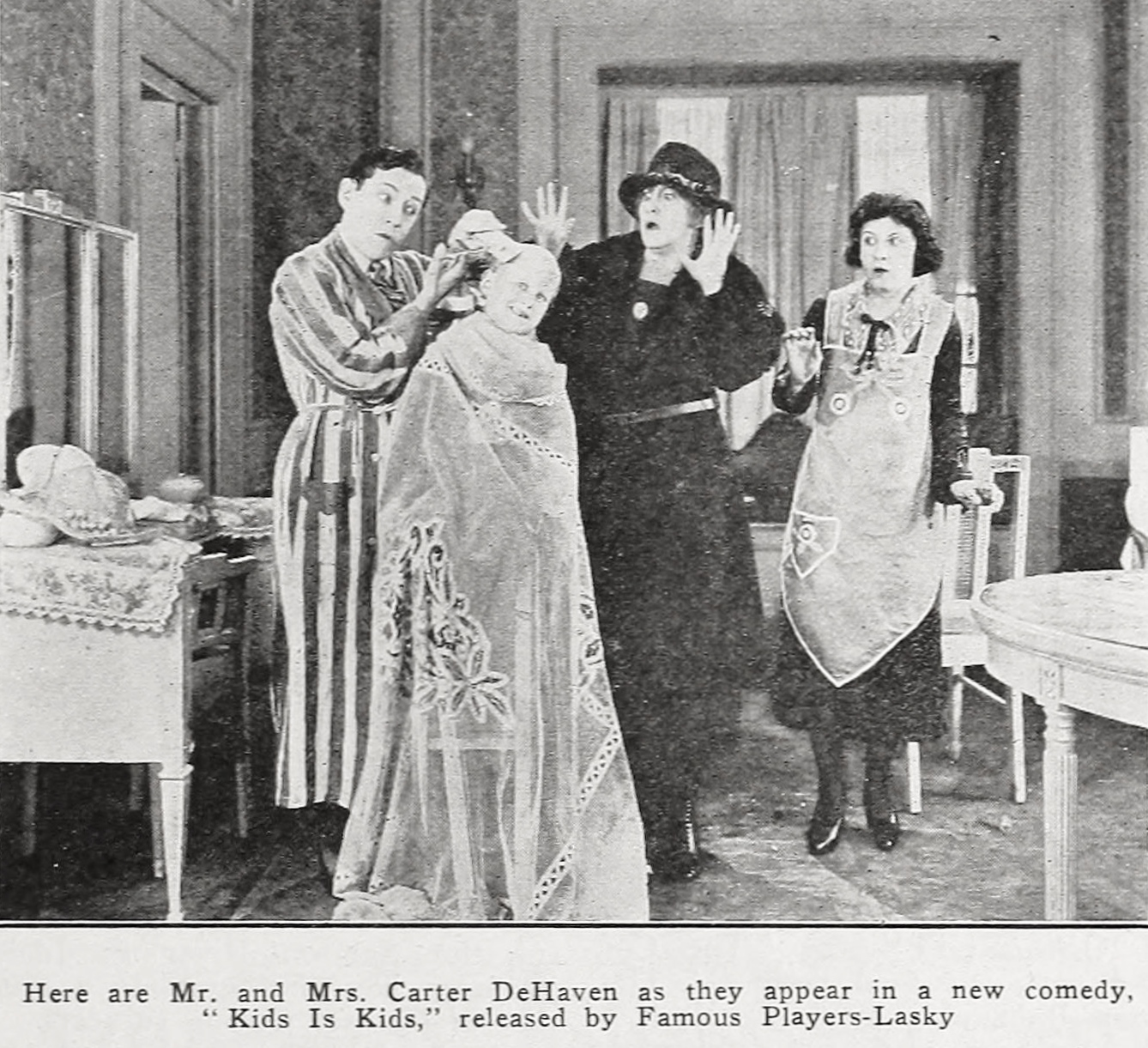
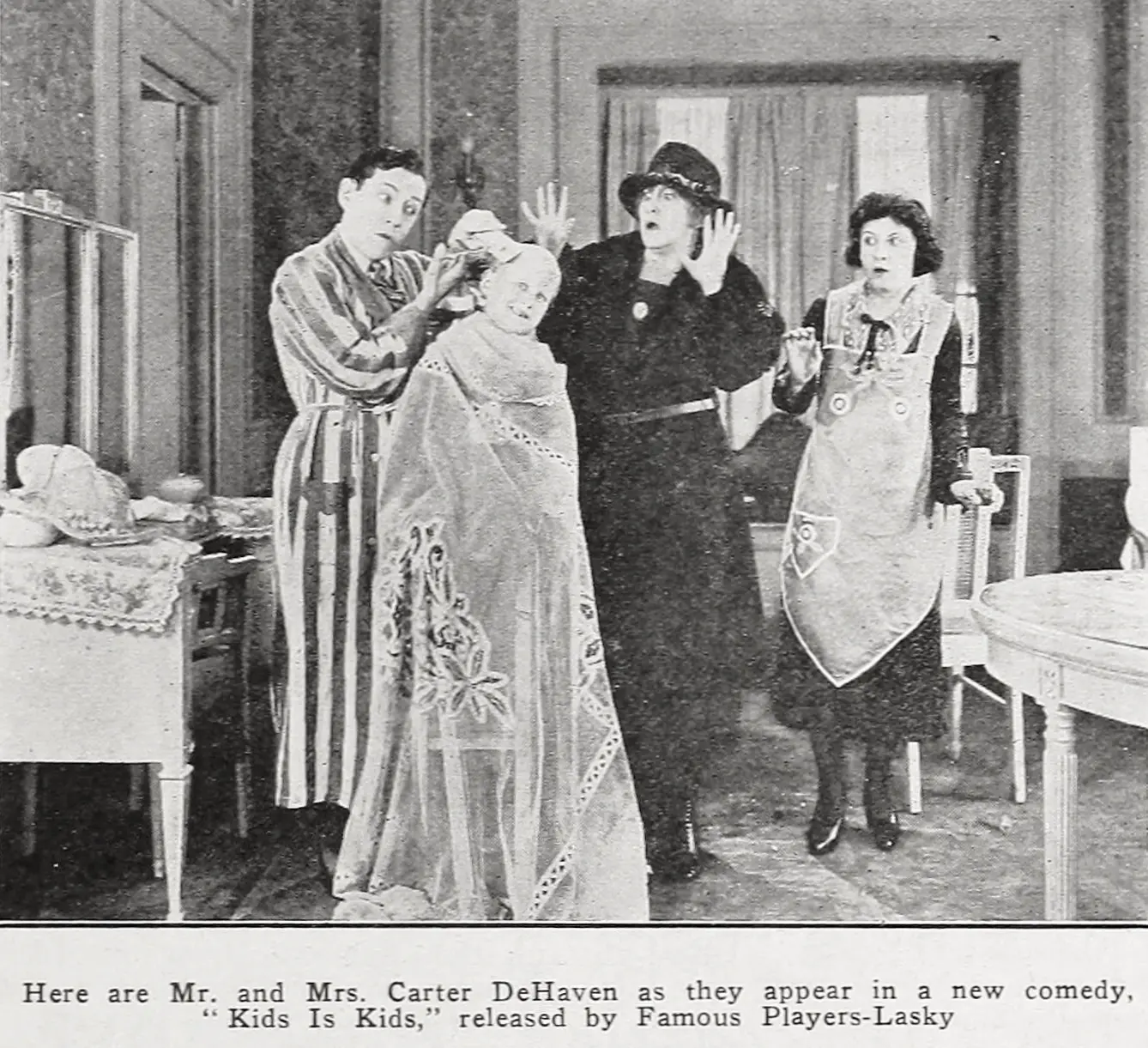
Dir: Charley Chase
A young married couple volunteer to take charge of several orphans after the asylum has burned down. Of course they find their hands full with their troublesome charges.
View Details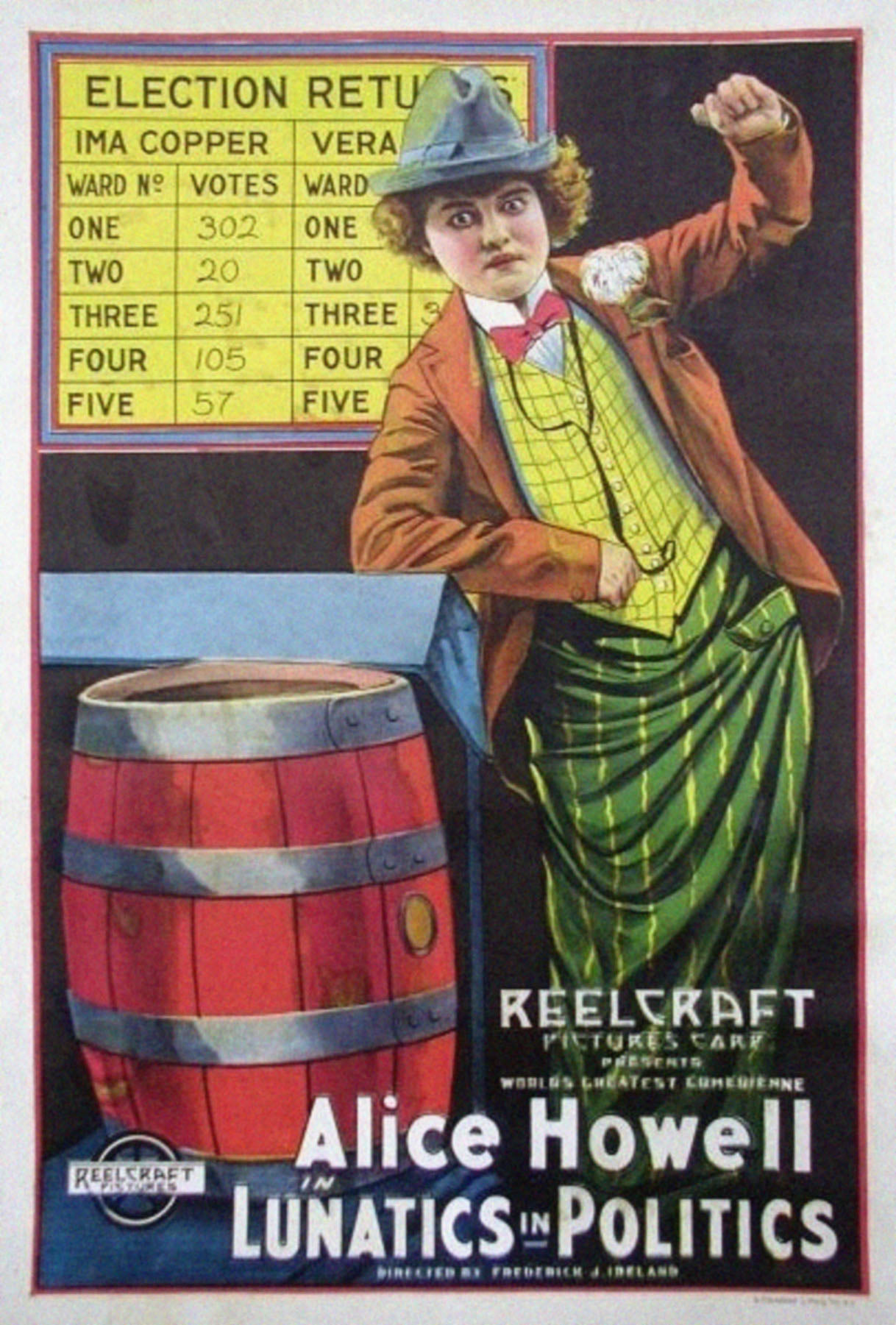
Dir: Richard Smith
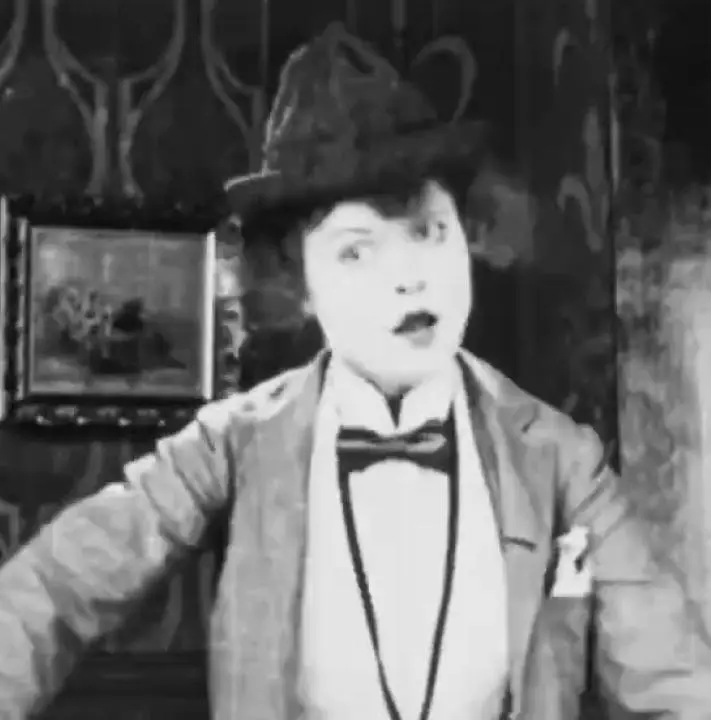
Two female candidates for Chief of Police live across the hall from each other, and their political rivalry follows them home, leading to plenty of hi-jinks.
View Details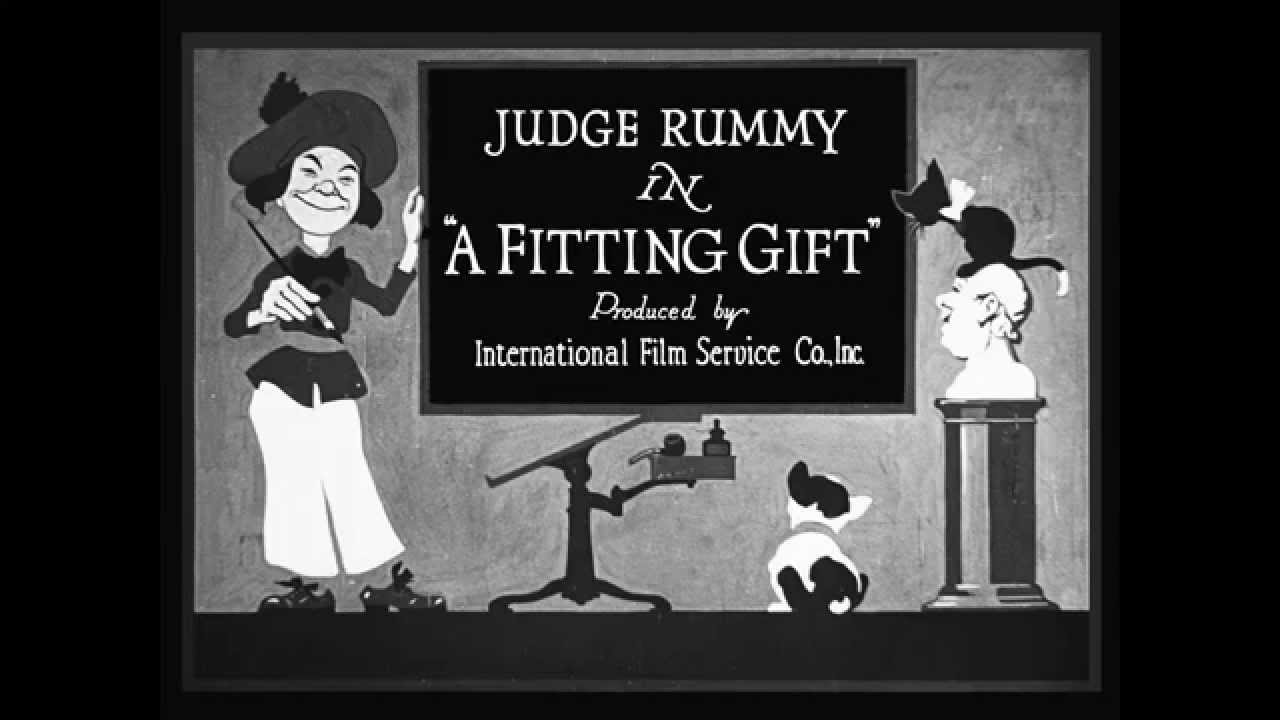
Dir: Unknown Director
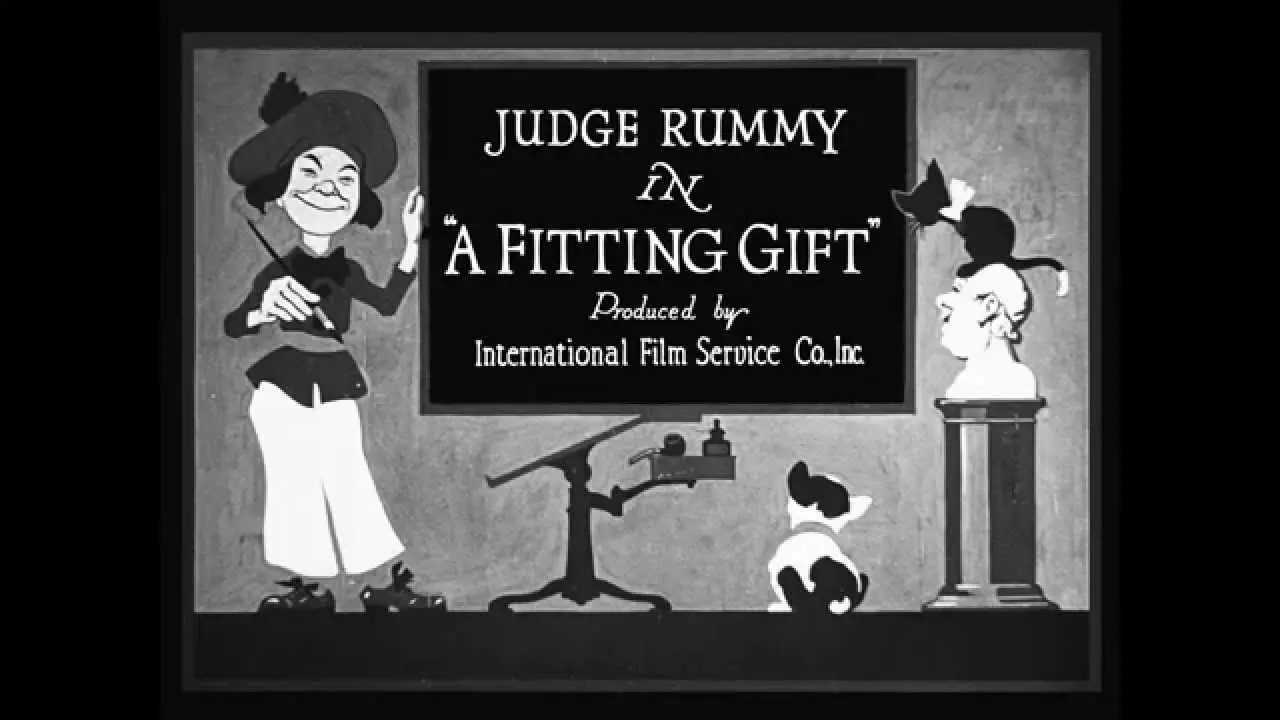
The Judge needs a present for his wife's birthday, so Harry suggests a new corset. They go to the shop, but he's so embarrassed to ask the saleslady he hides in a phone booth.Harry goes in, but finds a GUY wearing one, and runs out.They both dress as women to get back in, but Mrs. Rummy gets there and chases him out.
View Details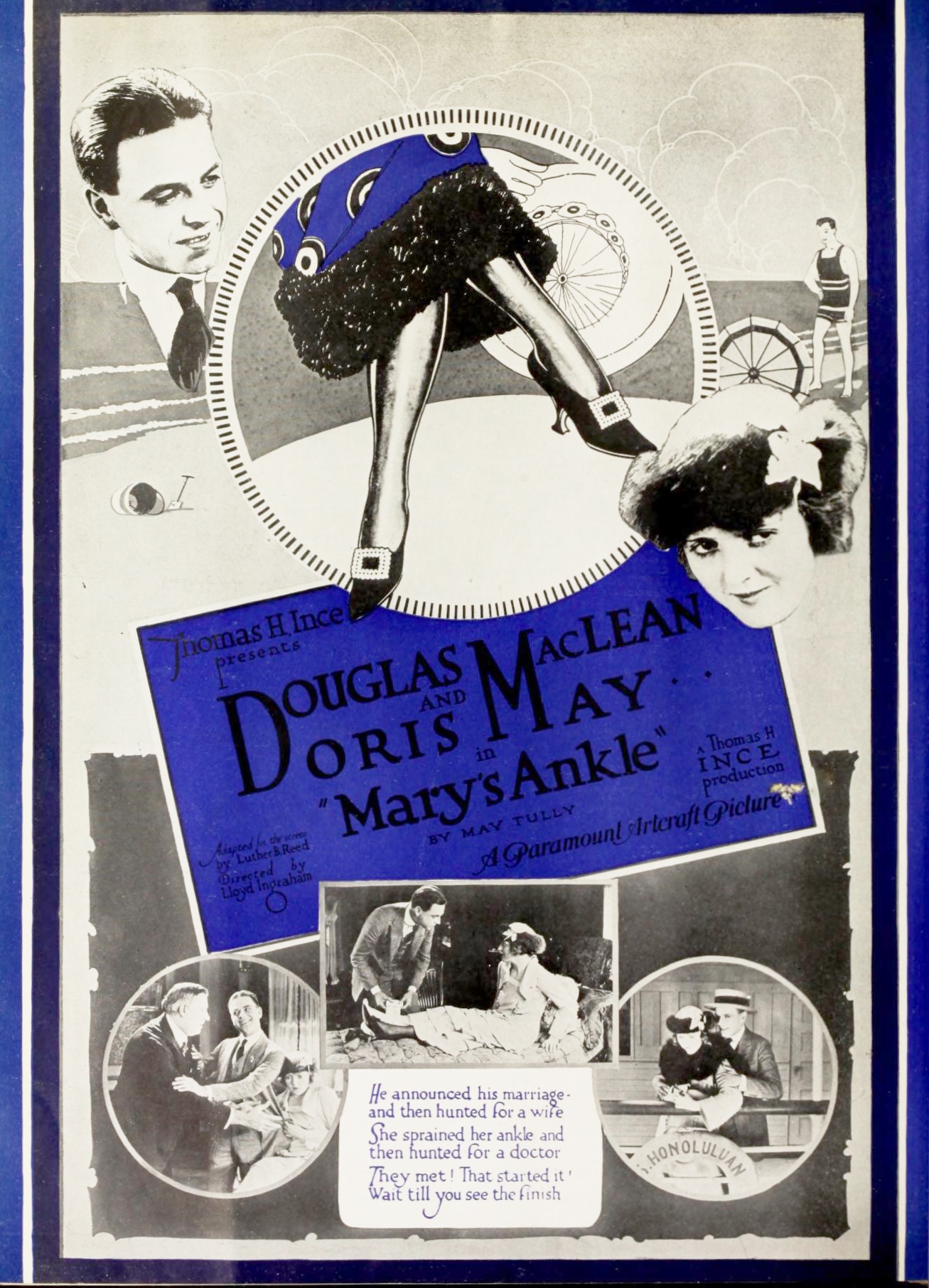
Dir: Lloyd Ingraham
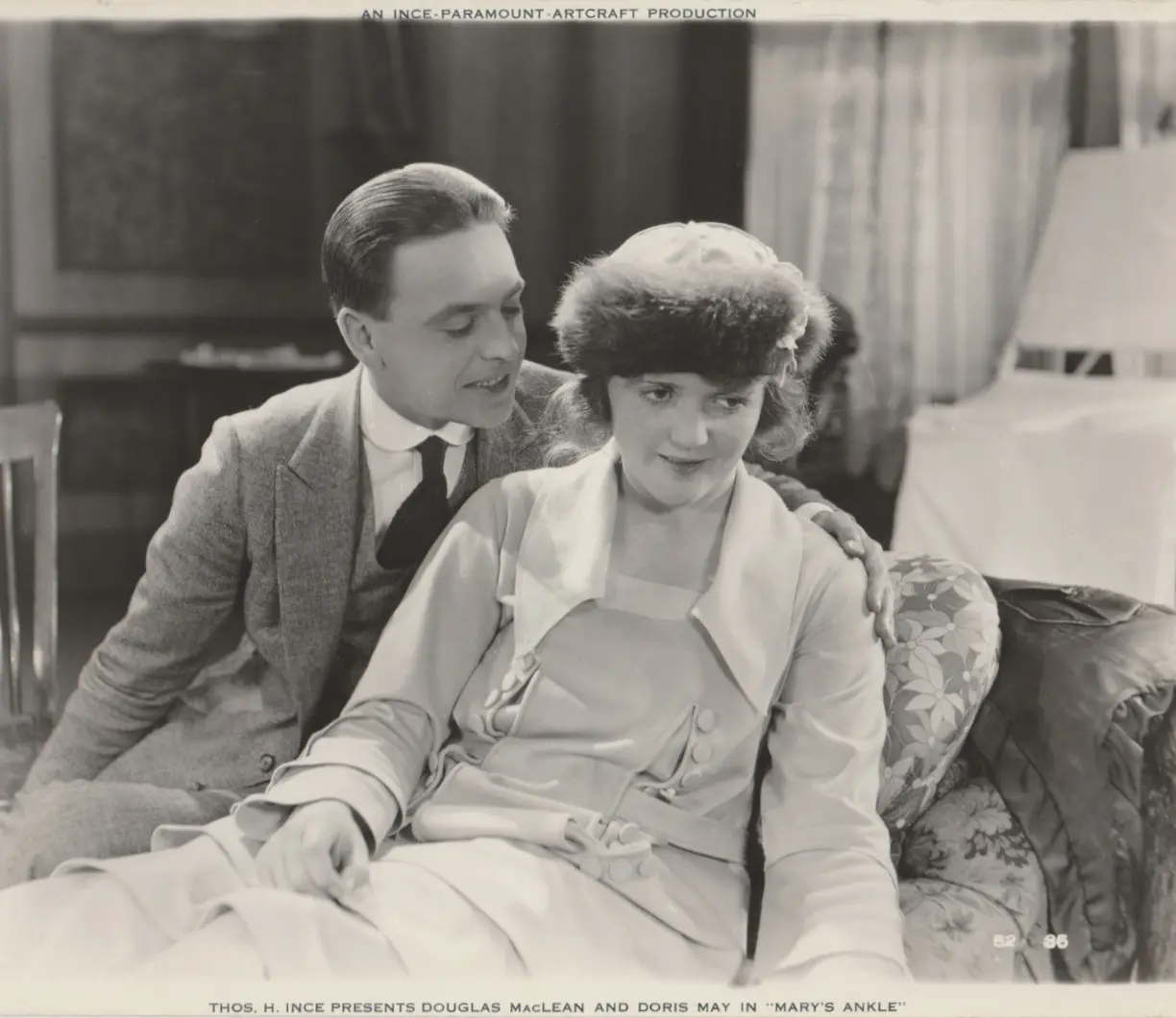
While walking along the street one day, Arthur P. Hampton, an impoverished young doctor, and his chums, Stub Masters and Johnny Stokes, are persuaded to part with their last remaining funds by tag day solicitor Mary Jane Smith, with whom the doctor promptly falls in love. Doc's friends then hit upon a get-rich-quick scheme. Knowing that his Uncle George has promised a large sum of money upon his nephew's marriage, they persuade Doc to send out fake wedding invitations naming Mary Jane as the blushing bride. Uncle George, elated at the good news, writes to Mary Jane's aunt, Angelica Burns, an old sweetheart, to invite Mary Jane and Angelica to be his guests on an ocean voyage. Meanwhile, Mary Jane pays a visit to the doctor's office and, upon seeing the wedding invitations, becomes so flustered that she trips and sprains her ankle. Doc comes to her rescue and then begs her to pose as his wife. She agrees, but at ship-side, Stub and Johnnie confess all to Uncle George, who flies into a rage until Doc announces that he and Mary Jane have chosen a wedding at sea.
View Details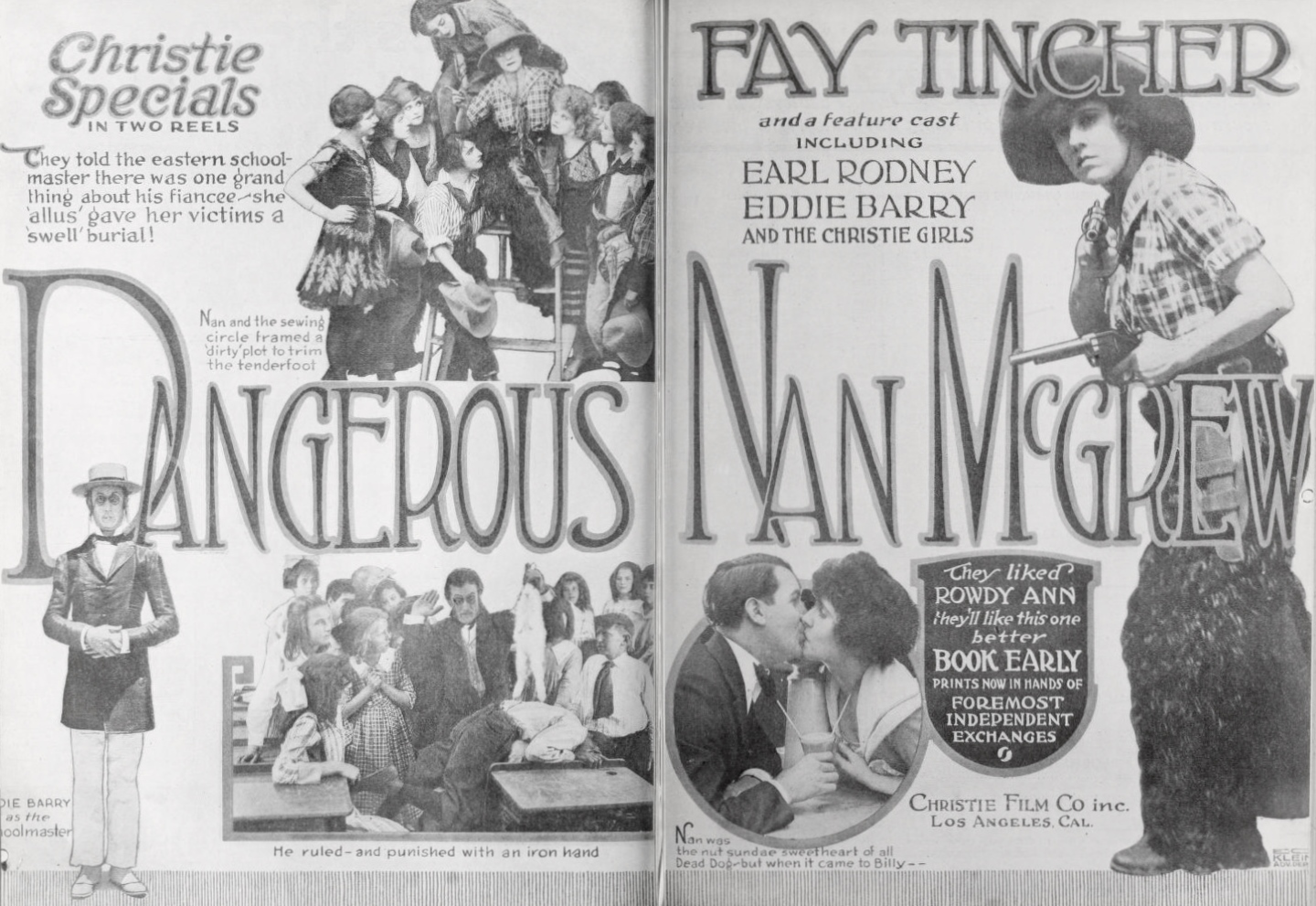
Dir: Scott Sidney
Nan is the soda fountain queen in Dead Dog. She is in love with Billy, but she got a letter from a New York lawyer saying that she and her cousin, Hezekiah, a New England school teacher, would have to marry in order to share a bequest of some thousands of dollars. Hezekiah was on his way west and because Nan would lose the money if she turned him down, she conceived the idea of rejuvenating the wildness of Dead Dog to frighten poor Hezey out of marrying her. With the scene all set and Hezekiah duly shocked, Nan made her entry, riding her horse up the steps and into the bar. In spite of his terror, Hezekiah was willing to go on with the ceremony, and just as Nan and he were about to say "I do," Billy made his entry and began to shoot up the place. This was too much for Hezekiah, and he started running, caught the observation platform of a train starting for the east.
View Details
Dir: Scott Sidney
A fascinating piece of cinema that shares thematic elements.
View Details
Dir: Reggie Morris
A fascinating piece of cinema that shares thematic elements.
View Details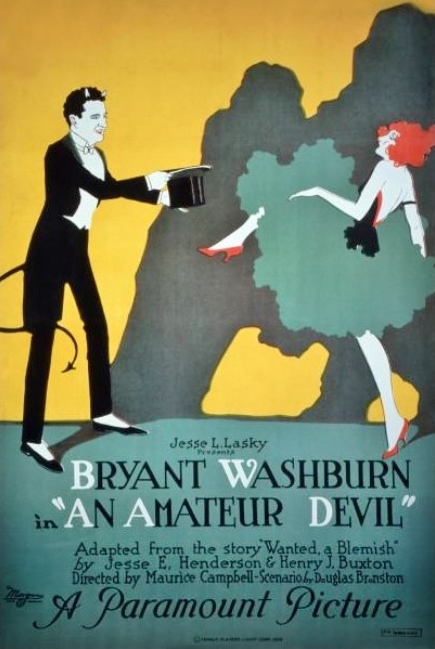
Dir: Maurice Campbell
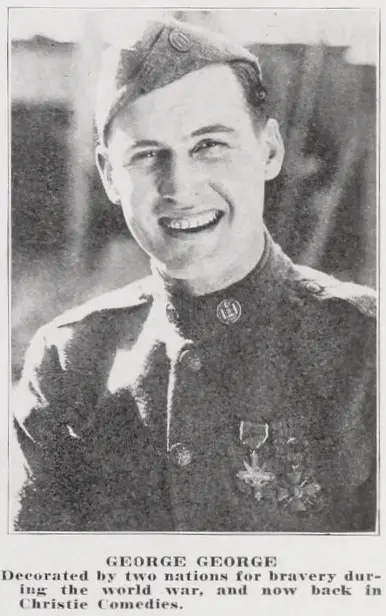
Carver Endicott, a young sophisticate, is rejected by his fiancée for being too foppish and dull. When she feigns an interest in his father, Carver attempts to disgrace his family name by working as a farmhand and later as a busboy in a hotel. However, the newspapers only praise him for his self-sacrificing principles; and finding that he cannot bring shame to the family through menial labor, he takes up with a notorious actress. But when this maneuver also fails, he returns to his former fiancée, who has no further complaint about his being an inexperienced dullard.
View Details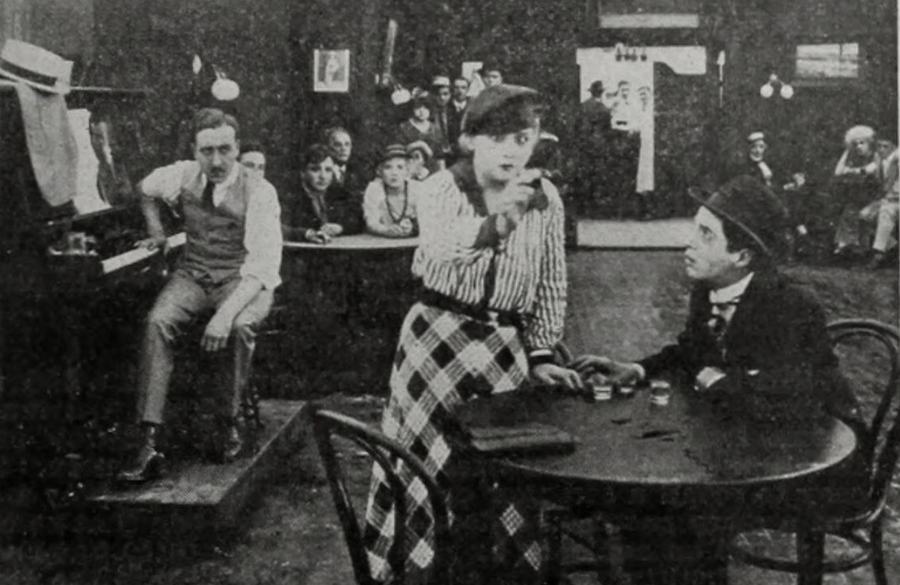
Dir: Scott Sidney
Barnard completes a study in oils which he calls "The Resurrection." It represents a beautiful, dark woman, her awakened soul shining from her eyes. At a private exhibit in the studio the painting causes a great deal of admiring comment, and Barnard's mother, a society leader and an art connoisseur, admits to her son that he virtually "imprisoned a woman's soul" in the canvas. The soul of the picture, a few days later, stirs to the depths of her being a sordid girl of the underworld whom Barnard has found in the night courts and persuaded to become his model for "The Fallen Woman." Irene Brock, once she has met the rapt, spiritual gaze of Barnard's ideal, involuntarily revolts against the hideousness of her environment. The trade she has been accustomed to ply in saloon dance-halls and low resorts becomes a torture to her. Day by day Irene watches the new painting grow. But she is changing. Barnard, feeling that something is unsatisfactory, and that he will be unable to paint from his model "The Fallen Woman" of his imagination, reluctantly brings the sittings to a close. The moment of parting precipitates an emotional crisis. Love, for the first time, has dawned in the girl's soul, and Barnard, moved by a profound sympathy, takes her in his arms. The young artist's mother finds them in this position; she diplomatically conceals her horror while smilingly asserting that "that could never be." Irene goes away, struggling to be resigned. But the young artist, fired by a self-sacrificing love, refuses to let this end the episode. At last, the mother seeks Irene in her squalid lodging. "Such a marriage," she pleads with the girl, "would make my son a social outcast. Even your love could not always make him forget." The soul of "The Resurrection" working upon her heart, and controlled also by her deep love for Barnard, Irene promises to cure him of his passion. That same night she deliberately gives herself up to a detective an old enemy of hers. The following morning she sends for Barnard to come to the night court and pay her fine. He goes. She is brought before the judge. To the charge, she replies, "I am guilty." Silently, Barnard puts the money on the desk. Outside, in the corridor, they meet. By sheer force of will, she resists the almost overwhelming impulse to fling herself in his arms and tell him the entire story of her deception. The next instant, with a murmured good-bye, he turns and rushes out of doors. That evening Irene slips into the deserted studio, and stands long before the painting of "The Resurrection." From these wonderful eyes she imbibes strength for her lonely struggle with the world.
View Details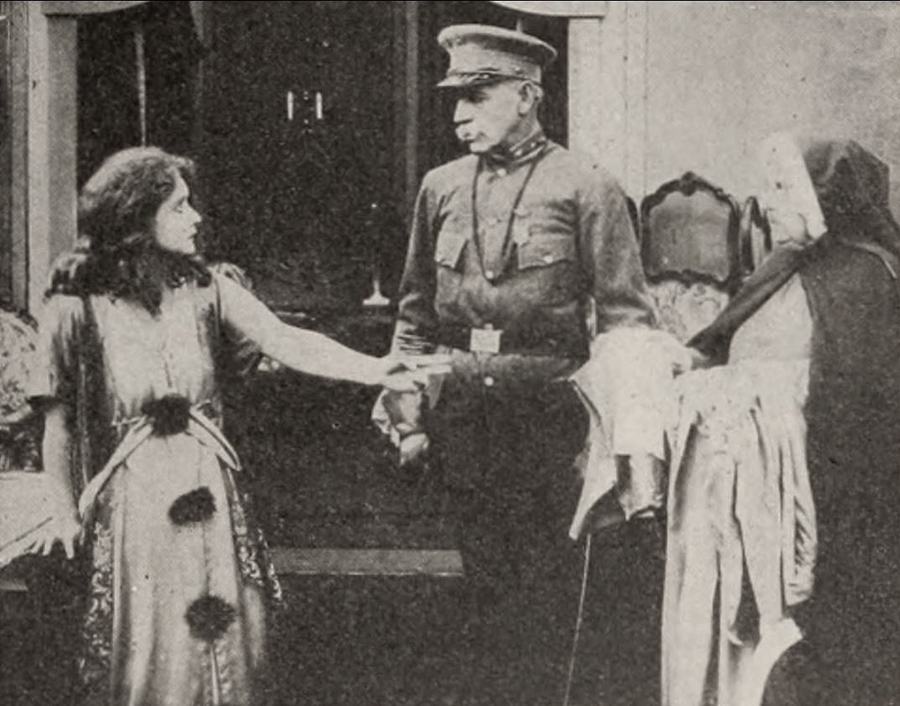
Dir: Scott Sidney
Countess Olga and Prince Carl, although from two European countries that have been longtime enemies, are madly in love with each other. Olga's brother, Count Michael, convinces Olga to get Carl to come to their country, planning to imprison him. His plan succeeds, but it has unintended consequences.
View DetailsAnalysis relative to Back to the Woods
| Film Title | Atmosphere | Complexity | Similarity |
|---|---|---|---|
| Kids Is Kids | Tense | Layered | 94% Match |
| Lunatics in Politics | Ethereal | Dense | 97% Match |
| A Fitting Gift | Surreal | Layered | 96% Match |
| Mary's Ankle | Surreal | High | 86% Match |
| Dangerous Nan McGrew | Gothic | Abstract | 96% Match |
This guide was algorithmically generated using the cinematic metadata of Scott Sidney's archive. Last updated: 6/28/2026.
Back to Back to the Woods Details →