
DbcultAccessing Vault...
Recommendations
Senior Film Conservator

If the cult status of Herbert Blaché's work in Barbara Frietchie left an impression, the cinematic shorthand used by Herbert Blaché is both ancient and revolutionary. We've prioritized films that capture the 1915 aesthetic with similar precision.
By merging cult status with cult tropes, it to articulate the unspoken anxieties of United States's 1915 era.
An old woman in Frederick, Maryland during the U.S. Civil War displays her American flag in defiance of the armies of Confederate general Thomas J. Jackson. Based on the folk tale that grew from the poem by John Greenleaf Whittier.
Based on the unique cult status of Barbara Frietchie, our vault has identified these titles as the most compelling follow-up experiences for fans of cult cinema:
Dir: Herbert Blaché
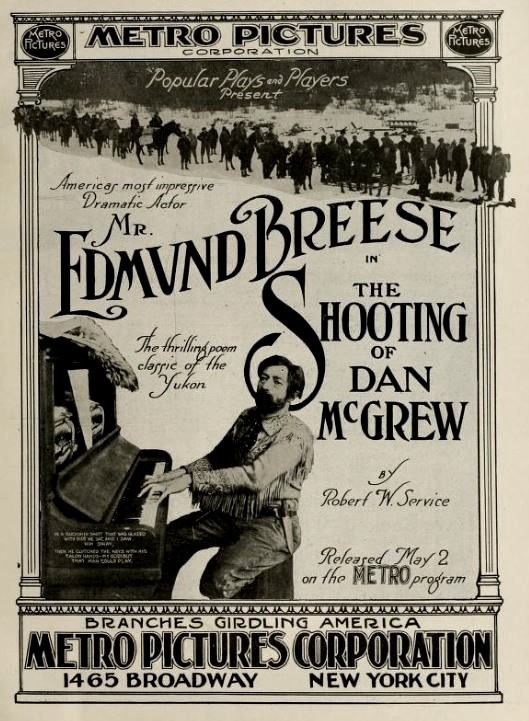
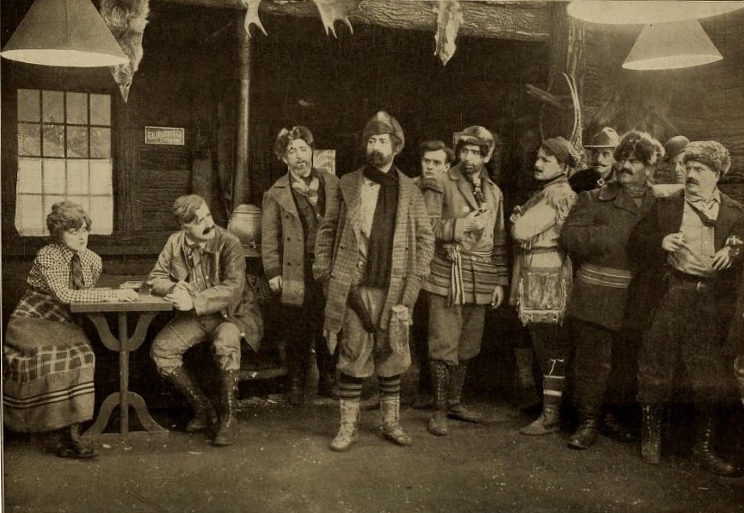
The opening scene is of the interior of the Malamute saloon. Dangerous Dan McGrew and the lady known as Lou are seen seated at a table in one corner. A dog-sleigh stops outside, and its owner, a tired-looking, bedraggled miner, stumbles through the door. After treating the house, he sits down at the piano and begins to play. Into the soulful, stirring music he pours his pent up feelings of hatred, sorrow, love, and regret. Years before, Jim Maxwell's best friend Dan McGrew had deceived his wife into believing him unfaithful. Their elopement completely unnerved him for a time. But finally he resolved to forget about it, until he next met Dan McGrew. Years afterwards, while prospecting, he met his daughter, now grown to womanhood and married. Her husband had been arrested for a murder committed by McGrew, and Maxwell assisted in effecting his escape. Just previous to the miner's entrance, Nell's husband had been captured in the saloon by the sheriff. As Maxwell finishes playing, he turns about, faces Dangerous Dan McGrew, and tells him, in uncomplimentary language, what he thinks of a man of his type. The lights go out, two guns blaze in the dark, and both men fall. Maxwell recovers and is reunited with his wife Lou. McGrew dies.--May 22 1915.
View Details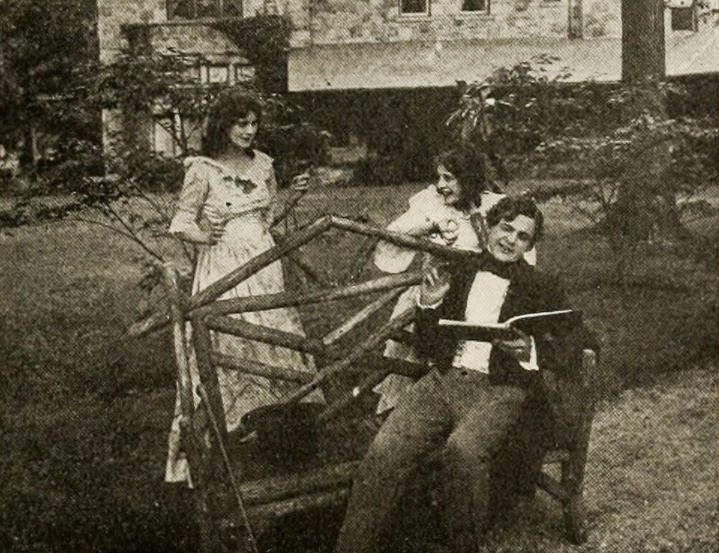
Dir: Herbert Blaché
An opium-addicted choirmaster develops an obsession for a beautiful young girl and will not stop short of murder in order to have her.

Dir: Herbert Blaché
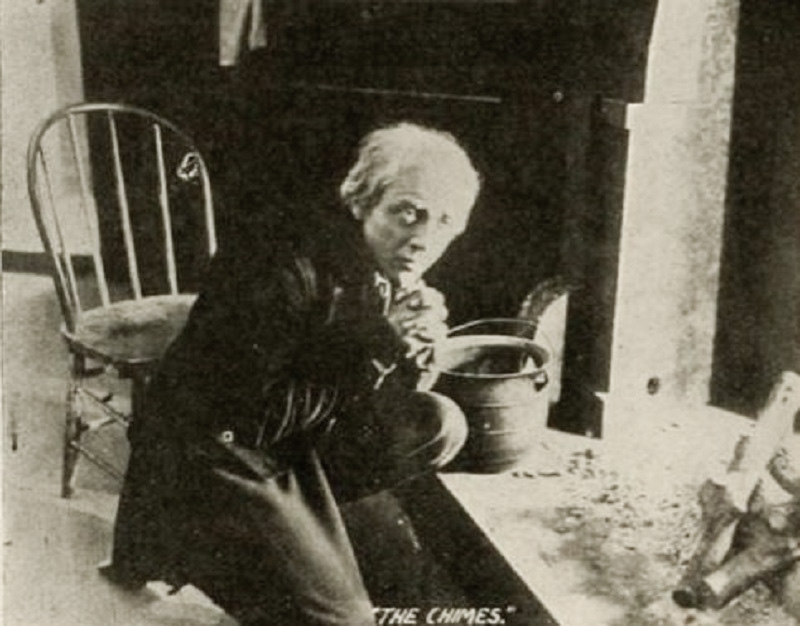
Trotty Veck, the licensed messenger, reconsiders his promise to allow the marriage of his daughter Meg to Richard, after being advised by Alderman Cute that it is a sin for the poor to wed. After his day's labors, he meets William Fern with his infant daughter Lillian seeking shelter from the authorities, who have threatened to hang him. The kind-hearted little man takes them to his humble home for the night. Far after midnight, Trotty, seated by the fireside and soothed by the chimes, falls asleep and dreams. His dream first takes him to the belfry of the old church, where the spirit of the chimes chides him for having done something he should not, and endeavors to show that the consequences might be, by picturing the future. In this vision, Trotty sees his daughter Meg living in poverty and acting as mother to Fern's daughter Lil, now grown to girlhood, Fern, in prison for his demonstration against the rich, and Richard, a drunkard from disappointment. Sir Joseph Bowley visits the little home and offers to adopt Lil, but instead mistreats her so that she is compelled to escape, but finally, upon promise from Sir Joseph to free her father, gives herself up to him, only to be ejected in time from his fine home with an unfortunate infant. She goes back to Meg and dies from the effect of her ill-treatment, leaving the infant to Meg, who in turn is compelled to leave her home due to her poverty. Going to the bridge, Meg attempts to end all for herself and infant. At this point Trotty's dreams come to an end. He now realizes that the poor as well as the rich have a right to marry, and hastens to correct his error. This done, he goes to check Fern, leading one of his meetings. Knowing the influence little Lil has on her father takes her and induces Fern to give up his plans. Trotty and Richard are taken prisoners by Sir Joseph's servants and brought before this despot, who instead of compelling Trotty to submit to his terms, is himself forced to sign a document giving the poor their rights.
View Details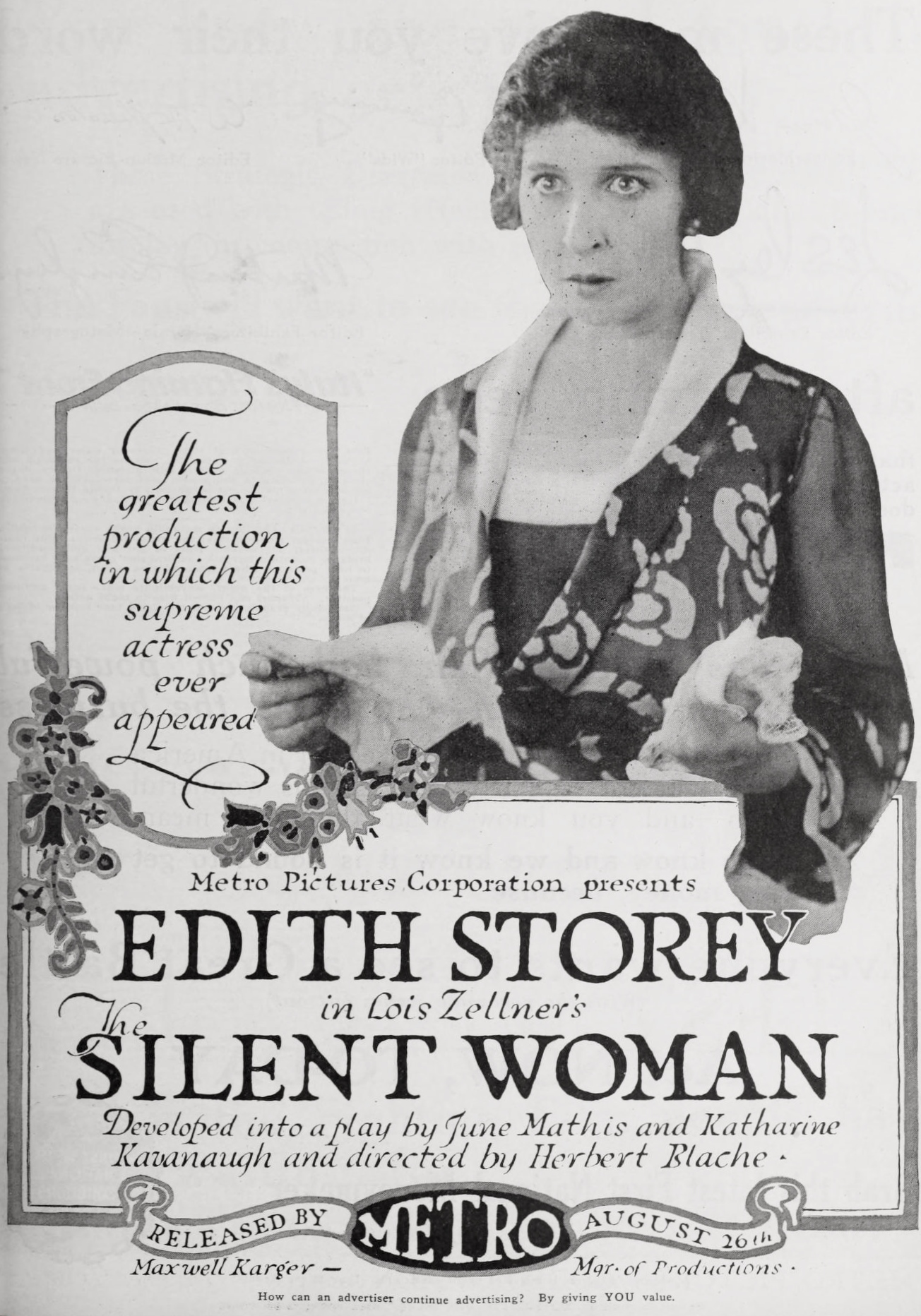
Dir: Herbert Blaché
When John Lowery, his wife Mary and their small son Billy journey to a Northern lumber camp to visit its owner, Clifford Beresford, Mary becomes infatuated with the lumberman and neglects her little boy. A Hudson Bay Company clerk named Nan McDonald, known as the "angel of the lumberjacks," forms such a strong attachment to the child that although he becomes seriously ill, Billy refuses to take his medicine unless Nan dispenses it. Watching over him late one night, Nan sees Mary steal from her room to keep a midnight appointment with Clifford, but when Mary falls down the stairs to her death, Nan maintains her silence for John's sake. Heartbroken, John asks Nan to return with him to the East as Billy's governess, but local gossips misinterpret her presence in John's house and he marries her. Informed that John still loves only his dead wife, the unhappy Nan allows Clifford to flirt with her, whereupon John learns the truth about Mary and opens his heart to the woman who really loves him.
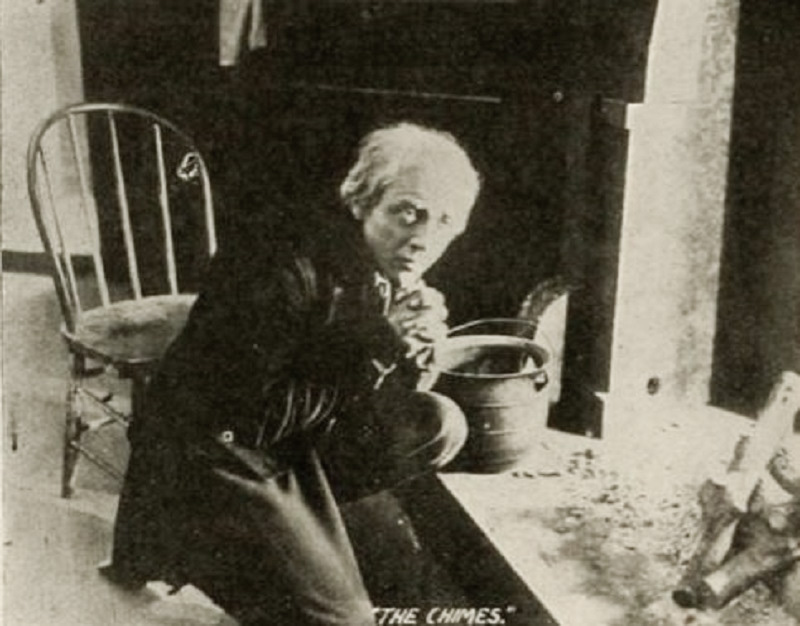
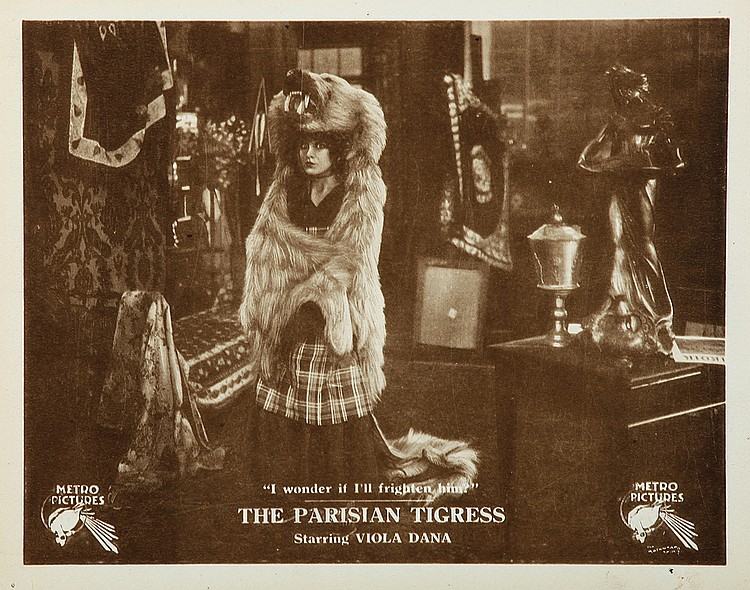
Dir: Herbert Blaché
The invalid Count de Suchet, nearing death, tells his friend, artist Henri Dutray, about the tragic events of his early life. He secretly married a dancer, and after she gave birth to a daughter, his father convinced her that she was ruining her husband's life. She gave the baby to an old couple, and then killed herself. The grieving count now worries about his daughter. Meanwhile, Jeanne, an Apache dancer in Montmartre, refuses to be sold by her brother Jacques to an old rogue. After she escapes and hides in Henri's studio, Henri, because he needs money, plots with Jacques to make the count believe that Jeanne is his daughter. Although Jeanne rebels at first, she moves in with the count and grows to love him. After the count dies happily, Jacques robs the count's safe and finds a photograph of Jeanne's mother. The butler shoots him, but before he dies, he reveals that Jeanne really is the count's daughter. Jeanne then marries a boy from the adjoining estate.
View Details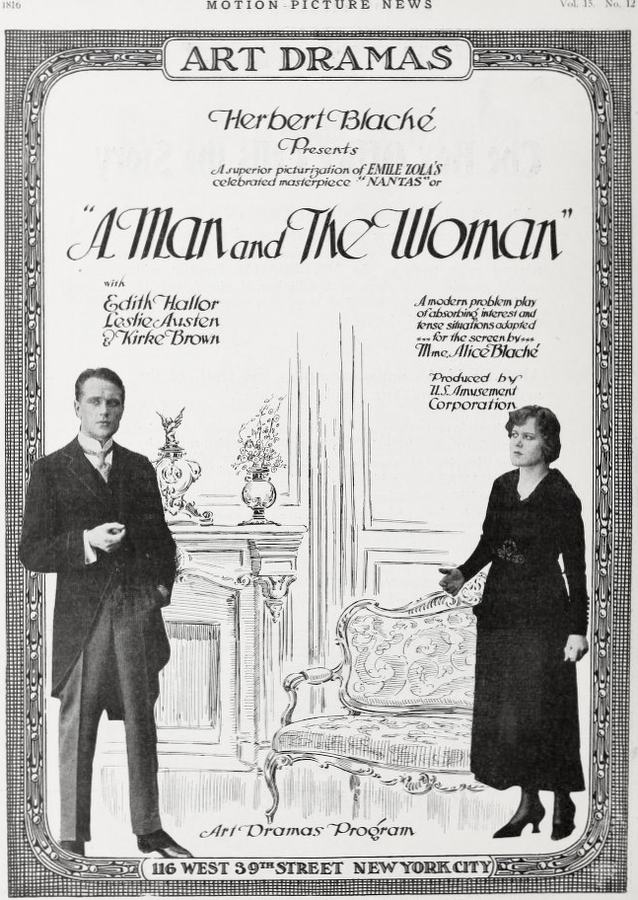
Dir: Herbert Blaché
A fascinating piece of cinema that shares thematic elements.
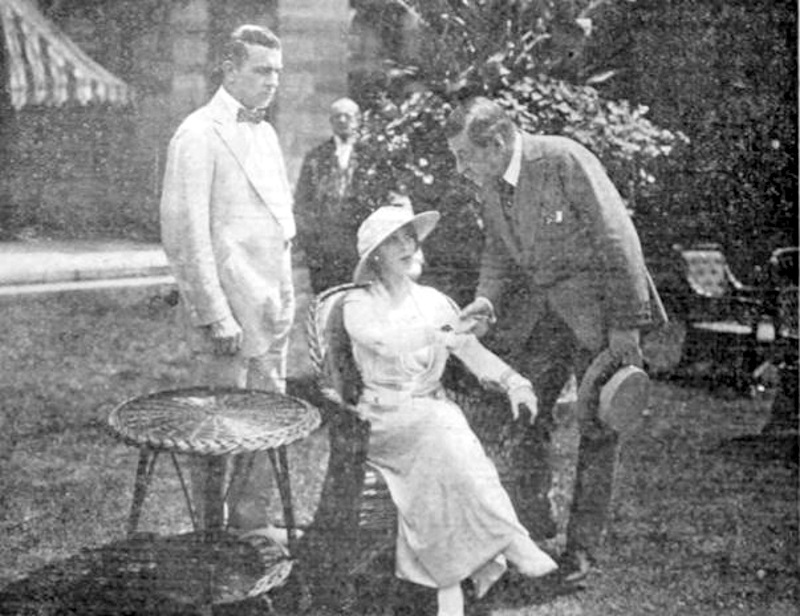

Dir: Herbert Blaché
An unkempt chorus girl is arrested on a minor charge. In court, she is spotted by a novelist who is looking for someone of her type on whom to model a character in a book he is writing. He takes her into his home where she is looked down upon by his snobbish family. But the girl brings something to the family unlike anything they have known before.
View Details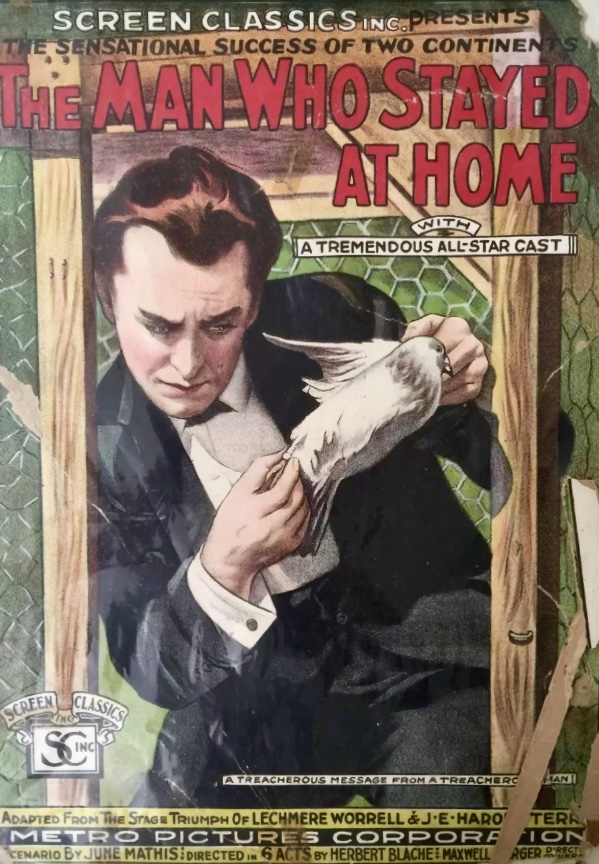
Dir: Herbert Blaché
In a Virginia resort town in August 1918, Christopher Brent is viewed as a slacker because he refuses to enlist. Secretly, Christopher is observing German spies who are passing information about coastal fortifications for invasion preparations. Seeing Christopher consort with Mrs. Miriam Lee, also from the secret service, his fiancee Molly Preston, who had been bothered by the talk about him, becomes jealous. When Molly's brother Norman discovers a German code book in Mrs. Lee's possession, Christopher, who obtained the book when he destroyed the wireless of the chief spy, Carl Sanderson, who also loves Molly, is suspected of aiding the Germans. After Christopher saves a hotel when the spies ignite a bomb to signal a U-boat, captures a list of enemy spies, kills several spies, and with the help of a U.S. destroyer, sinks the U-boat, he is honored by the town. Molly then asks to be forgiven.
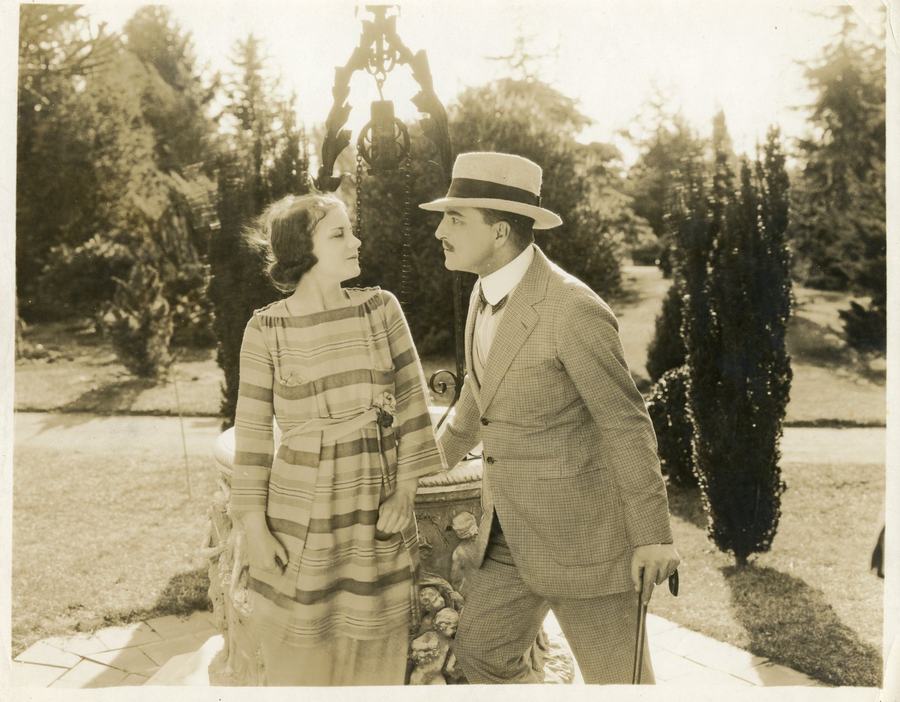
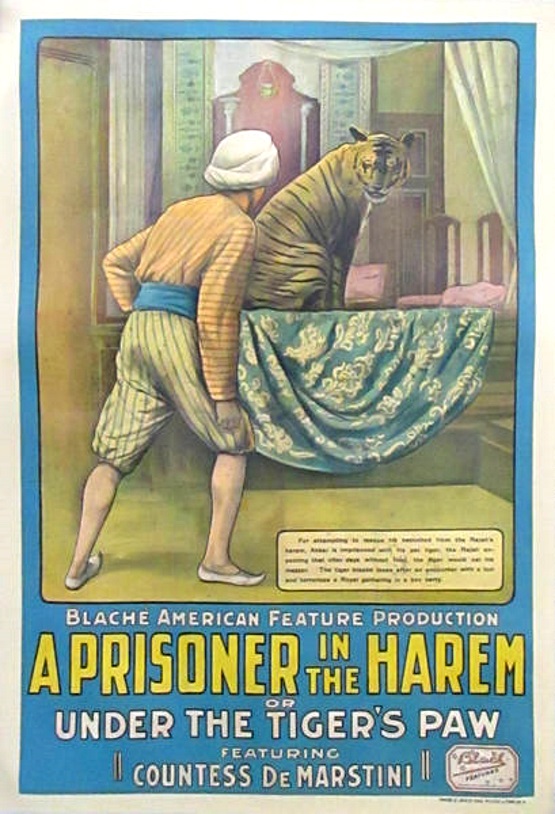
Dir: Herbert Blaché
A woman sold as a bride to the local Rajah is saved by her lover and his loyal tiger.
View Details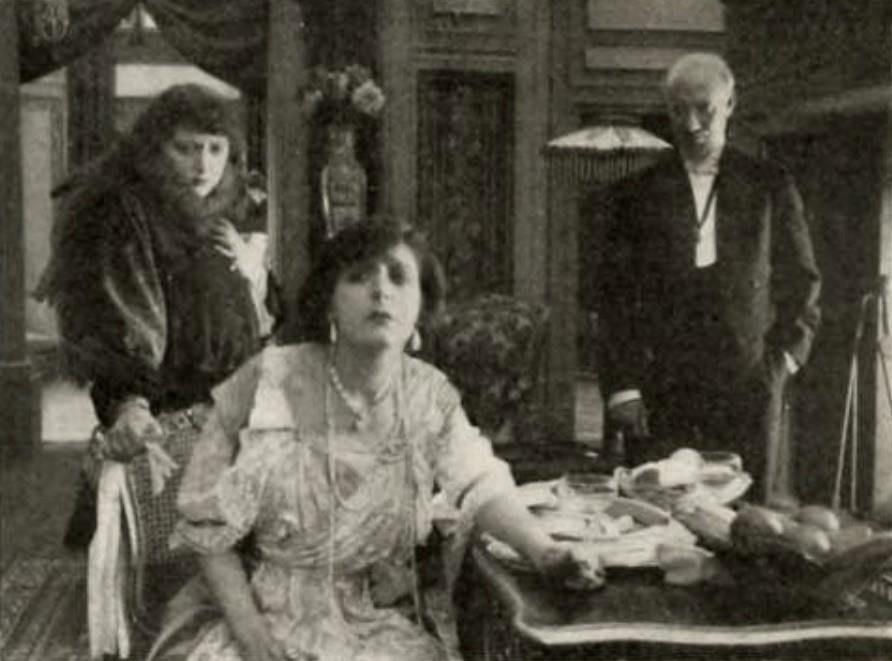
Dir: Herbert Blaché
Georgiana Carley, the woman, and Richard Coleman, the man, have been friends since childhood, and have grown to love each other without having become aware of the fact. Sam Coast, a wealthy young man, formerly a rough miner, has also fallen in love with Georgiana, and is determined to let nothing stand in his path to obtain her for his wife. Georgiana is of wealthy family, and her brother, through money left him by his parents, has a considerable fortune. This brother, Steven Carley, is of a lovable but weak disposition, given to speculation, and Georgiana has great trouble in preventing him from losing his money. During the Philippine war many young men volunteer for service. Among them Dick Coleman, who obtains a lieutenant's commission, and he prepares to leave for the Philippines. Before leaving he realizes that he loves Georgiana, and decides to propose to her with the intention of marrying her on his return. Sam Coast is aware of the affection existing between Dick and Georgiana. and uses every effort to prevent them coming together. He has himself proposed to Georgiana and has been refused. When Dick calls upon Georgiana shortly before leaving for the Philippines with the intention of proposing, Sam breaks into the conversation and keeps the two young people apart, and finally informs Dick that he has proposed to Georgiana himself and has been accepted. This naturally upsets Dick very much and causes him to leave Georgiana without making any declaration. He acts in such a strange way that Georgiana cannot understand what is wrong with him. He finally leaves for the Philippines followed by an agent of Coast's who has also enlisted, and whom Coast has employed to prevent any correspondence passing between Dick and Georgiana while he is in the Philippines. Sam's next step is to accomplish the ruin of the Carley family. In order to force Georgiana into such a position that she must either accept him and his wealth, or suffer hardship and poverty. Georgiana, however, is obdurate, and in spite of the loss of her fortune and even her reputation, still keeps the family together. Through an ambush of Dick's regiment in the Philippines, Dick is believed to be dead, and Georgiana learns the news in the papers. She is again confronted by Coast, and the situation has become such that he has it in his power to dishonor her brother's name. To prevent this, she makes the final sacrifice of her own love for her family, and agrees to marry him. Dick Coleman, however, was not killed in the Philippines, but simply wounded and taken prisoner by the Filipinos. He escapes and unexpectedly arrives at the Carley home just in time to prevent the marriage.
View DetailsAnalysis relative to Barbara Frietchie
| Film Title | Atmosphere | Complexity | Similarity |
|---|---|---|---|
| The Shooting of Dan McGrew | Gothic | Linear | 93% Match |
| The Mystery of Edwin Drood | Surreal | Abstract | 98% Match |
| The Chimes | Tense | Abstract | 93% Match |
| The Silent Woman | Tense | Abstract | 90% Match |
| The Parisian Tigress | Gothic | High | 89% Match |
This guide was algorithmically generated using the cinematic metadata of Herbert Blaché's archive. Last updated: 6/19/2026.
Back to Barbara Frietchie Details →