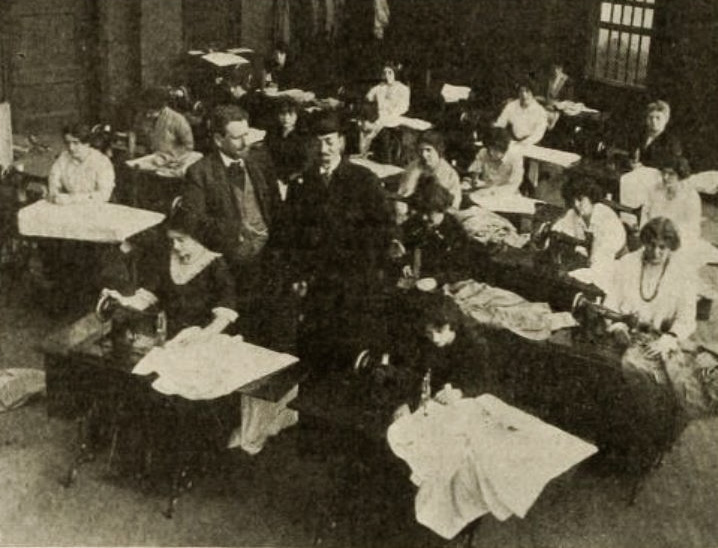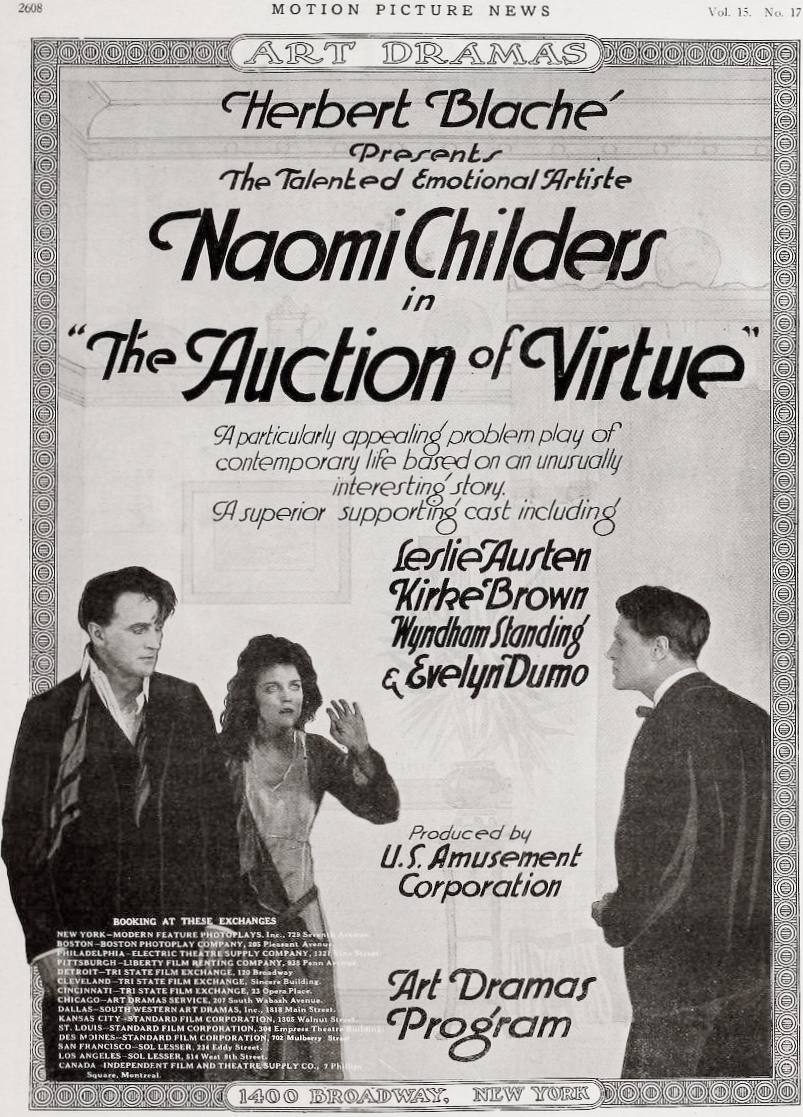
Young Phyllis Shaw, tired of being poor, sets out to snag a rich husband. She meets a young artist named Jerry, who falls for her, but she rejects him because he's not rich.
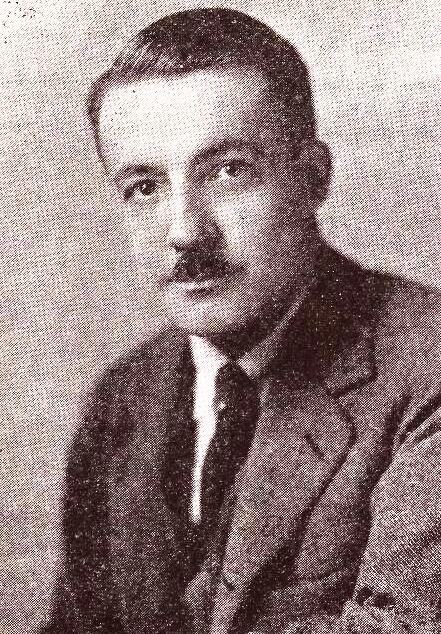
Joseph F. Poland
United States
To witness The Auction of Virtue (1917) is to step into a time capsule where the anxieties of the early 20th century are laid bare through the flickering lens of silent cinema. This isn't merely a melodrama; it is a sociological artifact that captures the jagged edges of class mobility and the gendered nature of econ...
Comparing the cinematic DNA and archive impact of two defining moments in cult history.
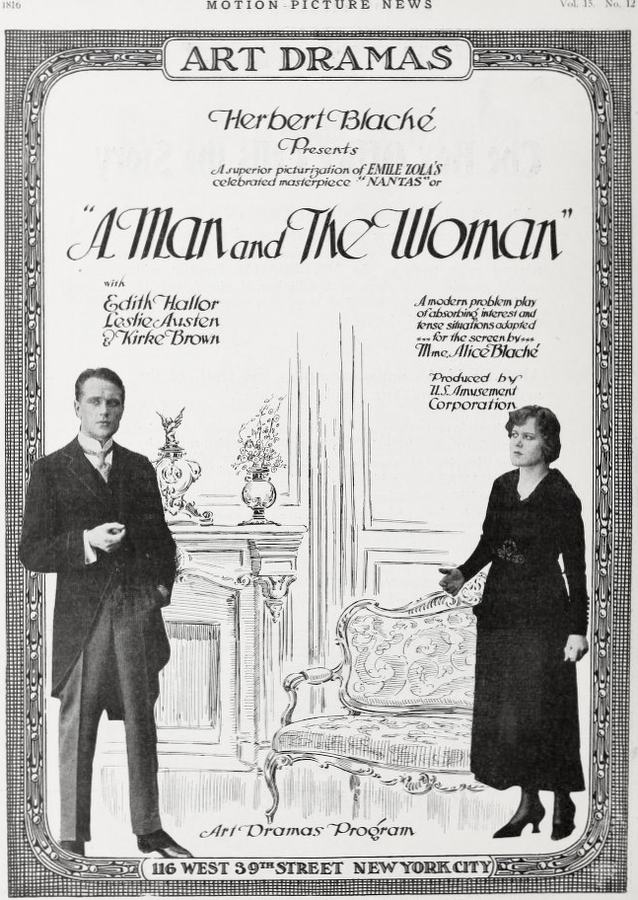
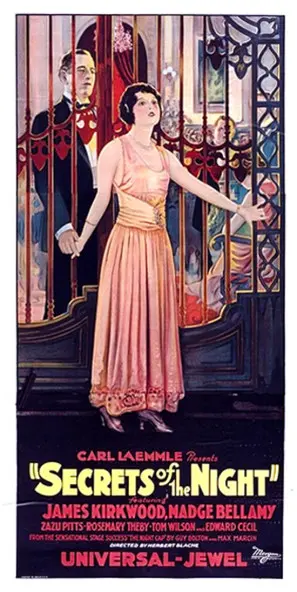
Herbert Blaché
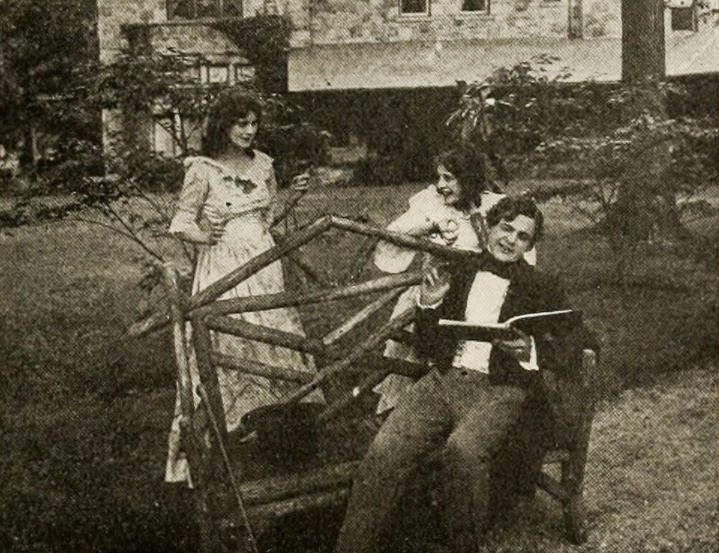
Herbert Blaché
Community
Log in to comment.
" To witness The Auction of Virtue (1917) is to step into a time capsule where the anxieties of the early 20th century are laid bare through the flickering lens of silent cinema. This isn't merely a melodrama; it is a sociological artifact that captures the jagged edges of class mobility and the gendered nature of economic survival. At the heart of this narrative is Phyllis Shaw, portrayed with a haunting vulnerability that transcends the silent medium's typical theatricality. Her character's de..."
Deep dive into the cult classic
Discover similar cinematic experiences
A Directorial Spotlight on Herbert Blaché