
DbcultAccessing Vault...
Recommendations
Senior Film Conservator
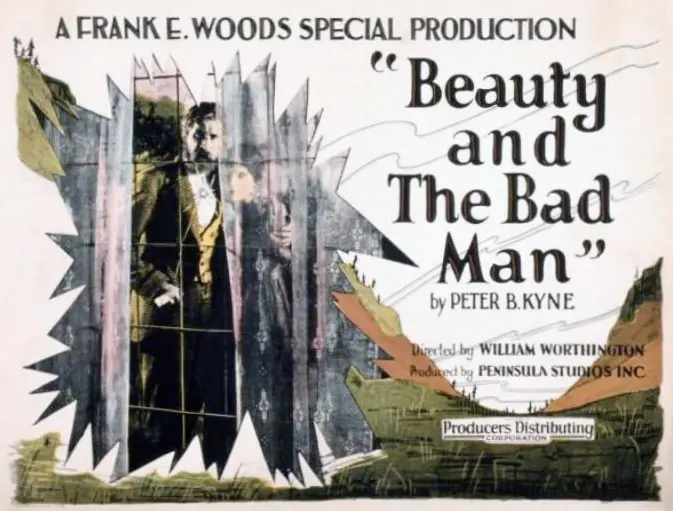
For cinephiles who admire the character-driven intensity within Beauty and the Bad Man, its lasting impact ensures that its spirit lives on in modern recommendations. Each of these movies shares a piece of the character-driven intensity that made Beauty and the Bad Man so special.
At its core, Beauty and the Bad Man is a study in to provoke thought and inspire awe in equal measure.
Cassie, an orphan who sings angelically in a small-town church, marries the organist, L. I. B. Bell, when he promises to obtain singing lessons for her. They go to San Francisco, where Cassie leaves Bell within the hour when she discovers his low nature. Answering an advertisement in the paper, Cassie gets a job singing in a mining town dance-hall. There she charms everyone with her voice, including Madoc Bill, who, having just won a large sum of money at faro, writes her a check for $10,000 and sends her abroad to study voice. Cassie soon becomes a successful diva, singing in the Grand Opera at Moscow, while Madoc Bill serves 4 years in jail for murder. During Madoc's incarceration, his partner, Chuckwalla Bill, strikes it rich. When Madoc is released from jail, he and Chuckwalla build a house for Cassie, who has just returned to the United States after a triumphant continental tour. Her husband, Bell, suffering from consumption, comes to the mining town, and Cassie nurses him back to health. When Bell learns of Cassie's devotion to Madoc Bill, he attempts to kill him and is himself killed. Cassie marries Madoc, and they settle down in the house he built for her.
Beauty and the Bad Man was a significant production in United States, showcasing the immense talent of Edna Mae Cooper, Russell Simpson, James Gordon. It continues to be a top recommendation for anyone studying Drama history.
Based on the unique character-driven intensity of Beauty and the Bad Man, our vault has identified these titles as the most compelling follow-up experiences for fans of Drama cinema:
Dir: William Worthington
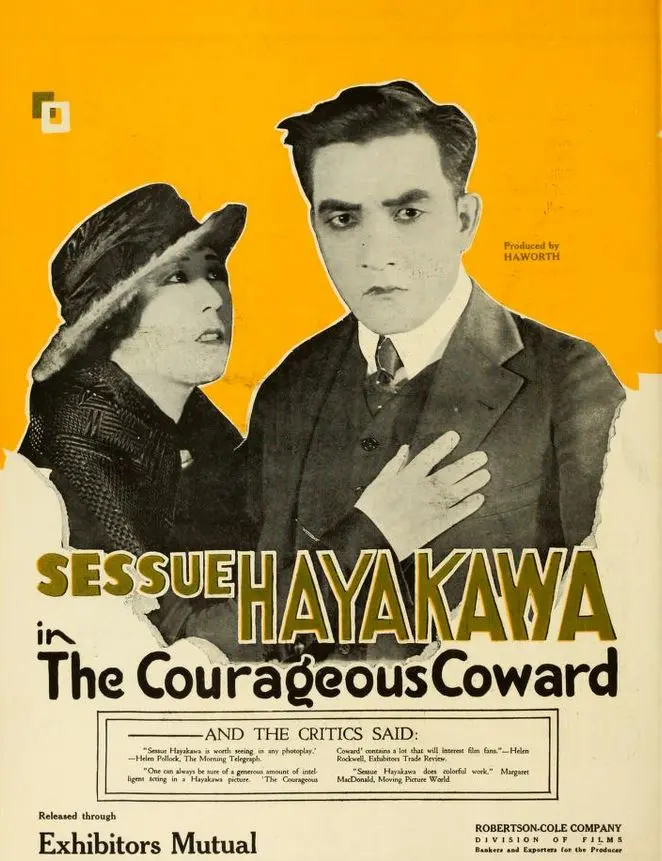
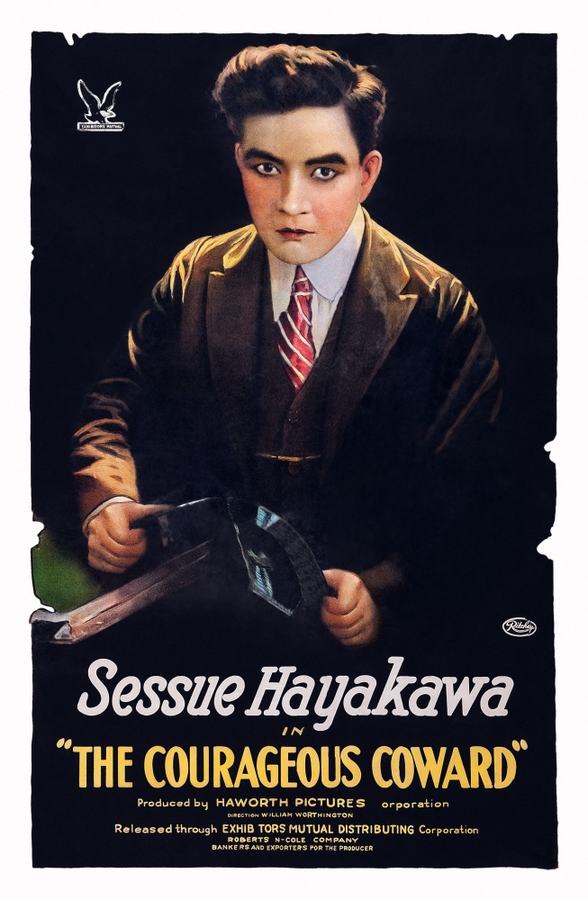
Japanese-American law student Suki Iota falls in love with his guardian's niece Rei Oaki, who has just arrived from Japan to cultivate her singing voice. After Suki goes East to law school, Rei, thinking Suki wants an American girl, gets Tom Kirby, the son of the Chinatown boss, to teach her American ways of dress and behavior. On his return, Suki is displeased with Rei's change and believes her to be Tom's girl when he sees them celebrating the Chinese New Year. Suki is appointed assistant district attorney and, with the whole city watching because of anonymous death threats sent to him, he steadfastly prosecutes a murder case until Tom confesses to him. To protect Rei, Suki removes himself from the case. Labeled a coward and a traitor to justice, Suki remains silent until Tom publicly confesses. Now regarded as a hero, Suki defends Tom. Rei confesses she never loved Tom, and her romance with Suki begins anew.
View Details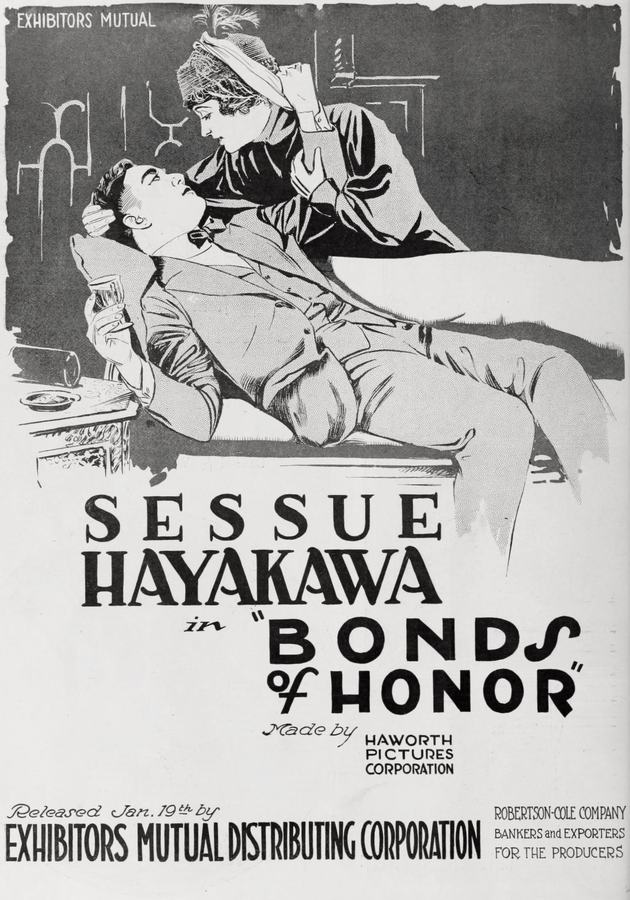
Dir: William Worthington
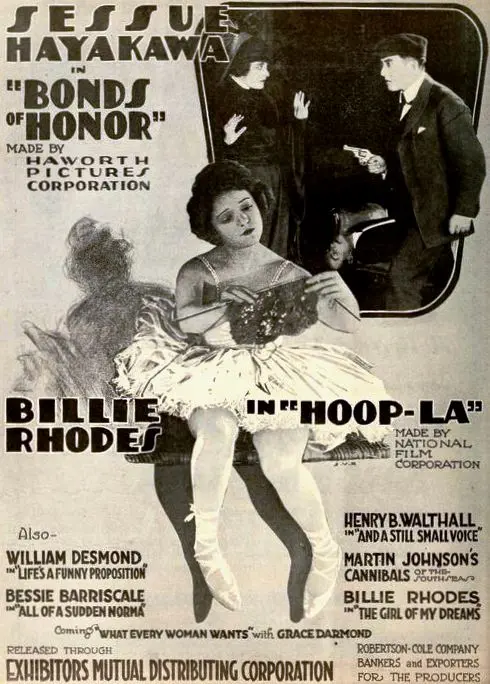
When Sasamoto commits treason during the Great War to pay off gambling debts, his twin brother Yamashito assumes his identity and tracks him down.
View Details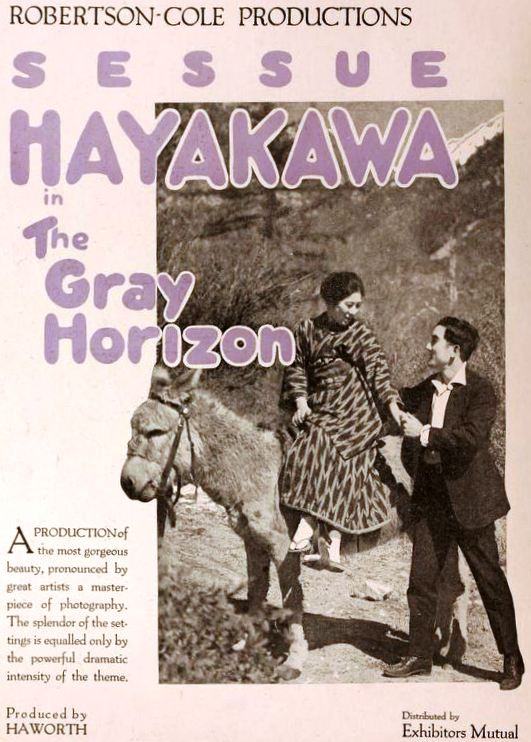
Dir: William Worthington
Yano Masata, a struggling Japanese artist living in a mountainous area in America, refuses to tint counterfeit bonds for wealthy John Furthman. Yano's sister, O Haru San, comes from Japan to look for her husband who deserted her, and finds Yano with aid from a woman in the Japanese mission. When she recognizes Furthman as her husband, Furthman and Yano fight until Furthman's gun goes off, killing O Haru San, and Yano throws Furthman off a cliff. Later, Yano thanks the woman in the mission, they develop a friendship, and he agrees to paint her husband's portrait from a photograph. The husband is Furthman and his wife thinks that his fall was an accident. After Yano paints the portrait, he destroys it in a moment of wrath and confesses the killing to Mrs. Furthman's financial adviser. Later, Yano burns the evidence of Furthman's crimes so that Mrs. Furthman and her son will remain unaware of Furthman's treachery and not be disgraced. The police then arrest Yano.
View Details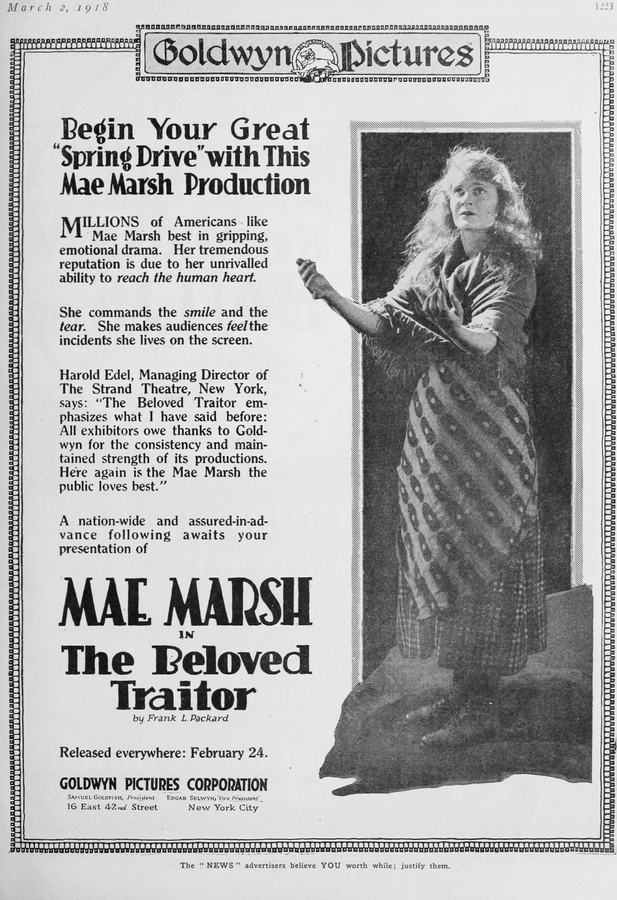
Dir: William Worthington
Wanting her sweetheart, Judd Minot, a Maine fisherman, to develop his sculpting talents, Mary Garland encourages him to accompany art connoisseur Henry Bliss to New York City. Once there, Judd forgets Mary and becomes smitten with Bliss's attractive daughter Myrna. Although he wins fame as an artist, the party society life he leads with Myrna causes his work to suffer. When Mary learns of Judd's stagnation and fast style of living, she rushes to New York to rescue him. When he sees her, Judd realizes that Mary is the prime inspiration for all his statues and renews his love for her.
View Details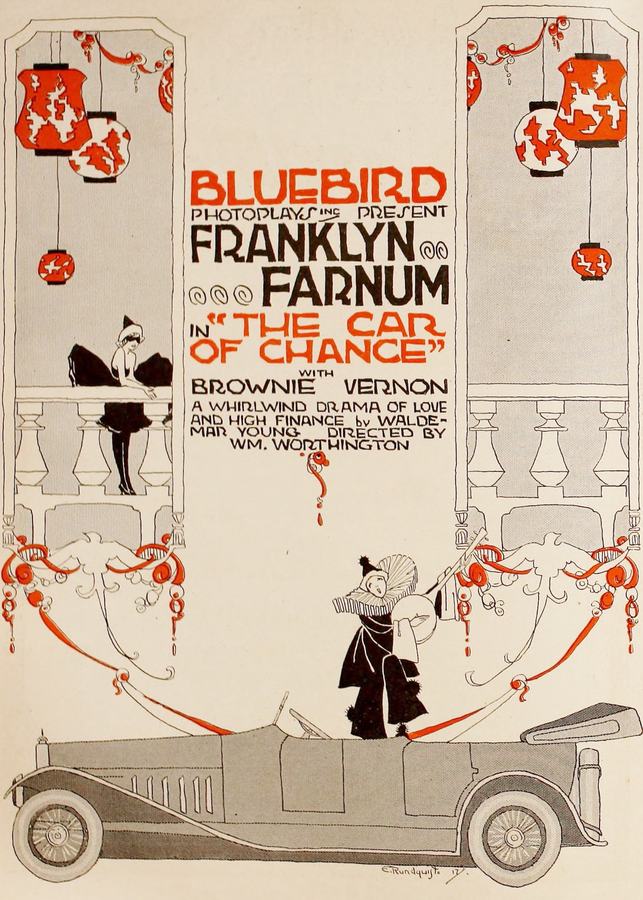
Dir: William Worthington
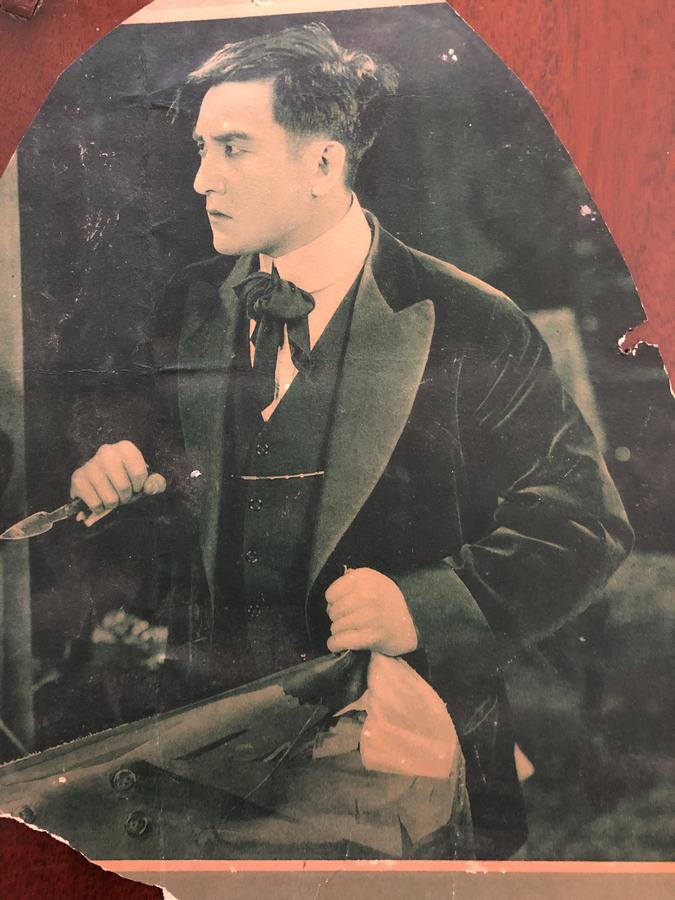
Only a seven-passenger motor and $100, to be spent exclusively for gasoline or repairs, was Arnold Baird's share of his father's property. Light-hearted by nature, Baird made the most of his legacy and started a "jitney bus" line. When James Bennett, general manager of the Consolidated Traction Co., learned Baird had been practically cut off in his father's will, he informed Baird that his daughter would never marry a pauper and to go out and make his fortune. Bennett's decision suited Mrs. Bennett, who was eager to shine in society and planned to gain her ends by marrying Ruth to Wm. Mott-Smith, who controlled the traction company. When Ruth got the chance to tell Mr. Mott-Smith what she thought of him, she left no room for doubt. Ruth met Baird secretly and she was first to know of Baird's jitney-bus plans. Israel Helmstone, leader of organized labor, decided that the employees of the Consolidated Traction Co. deserved an increase in pay. Bennett refused Helmstone's demands and the labor leader called Baird into consultation. Helmstone's daughter, Wanda, employed as stenographer by Mr. Mott-Smith, furnished inside information that showed the weakness of Bennett's defense. The car strike was called and traffic paralyzed. The next morning the "Social Rapid Transit Company" sprang into operation. Mott-Smith, Bennett and their associates were filled with consternation. Baird's pals in society entered their cars for public patronage and "jitney bused" the traction company to its knees. When strike-breakers were called in there was nobody to ride, for the public preferred the limousines. When Bennett cried for mercy, Baird was the intermediary. Fate decreed that Baird should be the one to rush to Mott-Smith's office to rescue Wanda Helmstone from the clutches of the drunken society leper. Settling with Bennett was no hard matter for Baird. His terms were $10,000 a year for becoming assistant general manager and six months' vacation to enjoy a honeymoon on which Ruth was to be the bride.
View Details
Dir: William Worthington
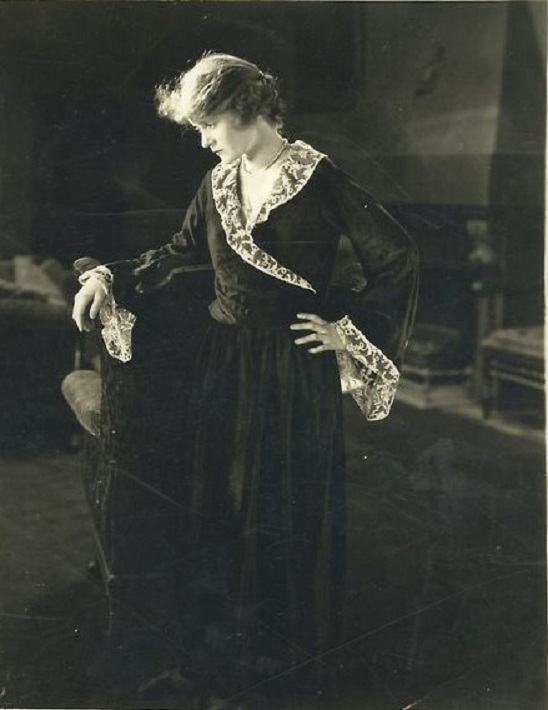
In childhood Cecile and Felix were playmates. Felix was gifted as a violinist and Cecile was fond of dancing. When Cecile's mother died her rich uncle, a domineering Frenchman, adopted her. Felix wandered the country over as a vagrant musician, until after ten years he secures employment as violinist in the orchestra at the opera house in the city where Cecile dwells. Wandering one evening Felix leans over a garden wall to behold a young girl dancing on the green. Having his violin under his arm Felix begins playing a measure, attracts the girl's attention and in the end they recognize each other as childhood sweethearts. The crabbed old uncle comes in search of the girl, and upon discovering the unconventional conduct of the young folks, strikes the girl with his cane and orders Felix from his grounds. Cecile rebels and leaves the grounds with Felix to begin living with him without the formality of marriage. There are weeks of happiness for Felix and Cecile, until the uncle demands of the police that they arrest Felix for unlawful practices and restore the girl to her guardian. At the opera house Cecile has met the director of the orchestra, who compliments her upon her dancing and flatters her vanity by declaring she should go to Paris as a premier dancer in the opera. When Felix is thrown into jail the uncle takes Cecile home with him. The girl takes advantage of an opportunity, and goes to Lecoq, the orchestra director, and begs him to take her to Paris. Lecoq has that day had an offer to become director at the Paris Grand Opera, and the girl conceives the idea of helping Felix from his predicament by effacing herself from the situation. To Paris she goes with Lecoq and the officials liberate Felix. With heavy heart the musician buries his grief in composing an opera. When the score is completed he sends his manager to Paris with the work. Lecoq is interviewed and discredits the value of the composition, but says he will present it to the management. Months pass and Felix hears nothing from his opera. He goes to Paris for the purpose of investigating. That day Felix arrives at the Paris Opera House. Lecoq is hailed as the author of a new opera. The premier of the ballot is advertised as Mlle. Genze. Felix goes that evening to the opera, discovers that Lecoq has stolen his composition, and also sees in Mlle. Genze the Cecile who deserted him and thereafter left him uninformed. Forcing his way to Mlle. Genze's dressing room, he finds her prostrated from an injury to her ankle that will keep her forever from dancing. Denouncing the girl Felix forces Lecoq to publicity admit his plagiarism. He then retires to seclusion crowned with the laurels of genius. Cecile languishes with a broken heart. Her physician learns her story, prevails upon her uncle to take her once more into his home, and when the girl still shows no sign of recovery, the uncle goes to Felix and tells him that Cecile lingers at death's door because of a broken heart. Felix forgets everything but his love for Cecile, goes to her and there is a blissful reunion.
View Details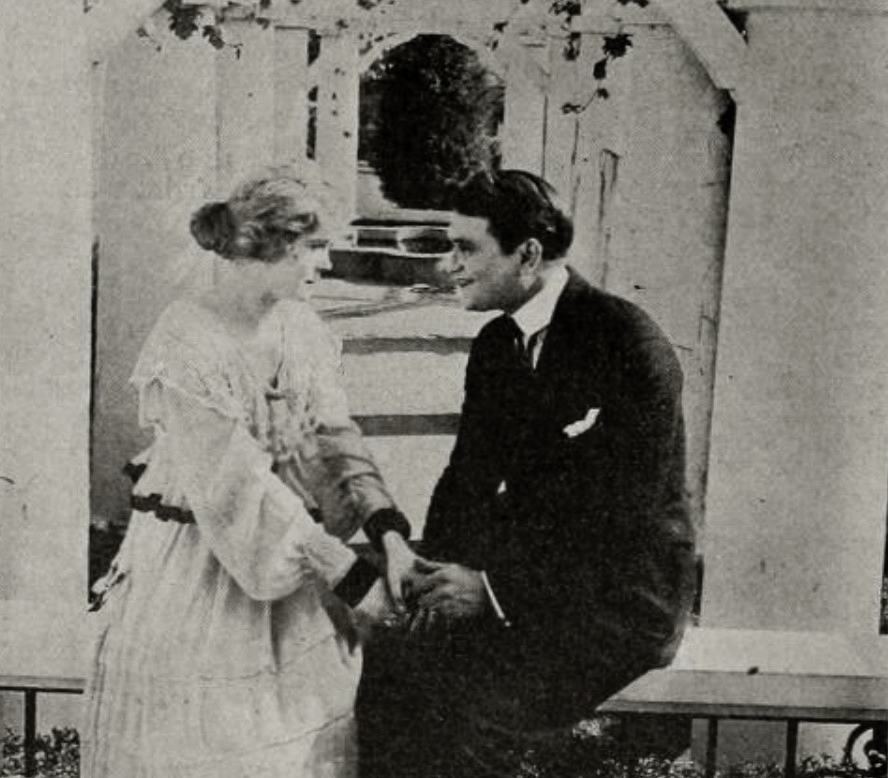
Dir: William Worthington
A fascinating piece of cinema that shares thematic elements.
View Details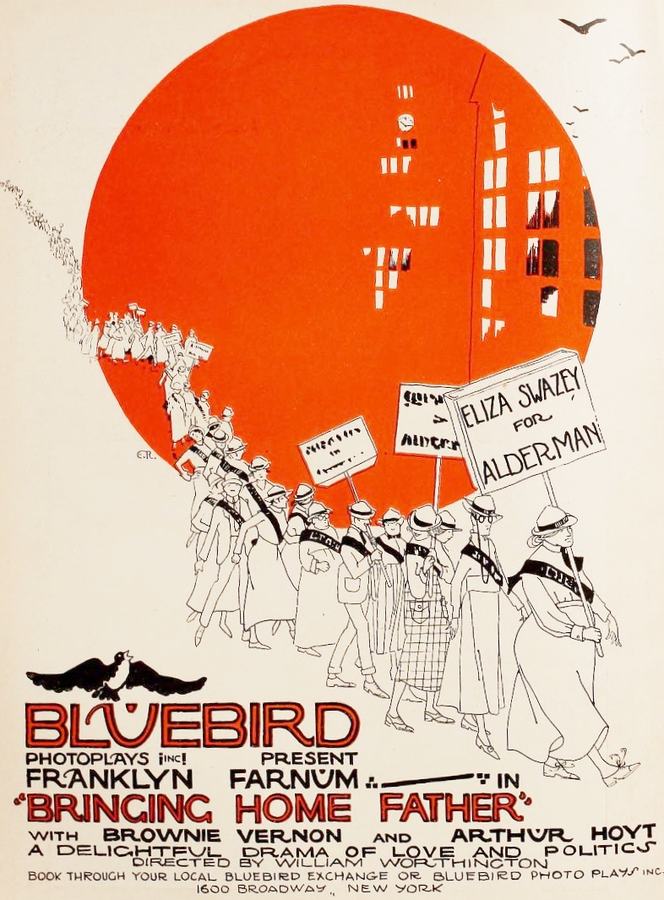
Dir: William Worthington
Peter Drake meets and falls in love with Jackie Swazey, the daughter of a feisty suffragette and incipient politician. In order to impress her, he agrees to help Mrs Swazey in her campaign to become elected. His first task is a difficult one - Mrs Swazey's ticket is Prohibition, and her husband, Jackie's Pa, is little more than a drunk. Instead of reforming him, Peter gets on with Pa Swazey like a house on fire, and they end up drunk and in jail! Fortunately the are helped out by a man named Mike Clancey. Unfortunately, he is Mrs Swazey's main opponent in the election - and the price he demands for his help is her elimination from the race. Peter comes up with the perfect solution: he spikes her drink at a Prohibition rally and gets her drunk! Before she sobers up and the sparks fly, Jackie and Peter elope.
View Details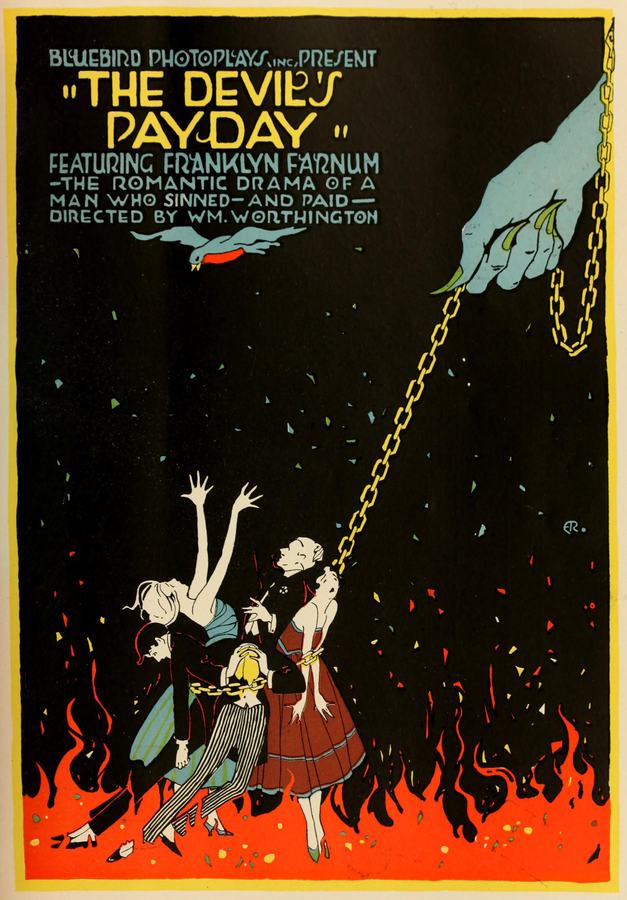
Dir: William Worthington
When Gregory Van Houten went to the country to recuperate, he intended to remain only a few weeks and then return to plunge into the swirl of city gaieties. But when Van Houten returned he brought with him a country-girl wife and set upon himself the seal of new duties and obligations. Jean Haskins was the daughter of Farmer Haskins, who owned the place where Van Houten boarded. She was a simple child of nature, trustful and devoted to the new ideals of happiness that Van Houten brought into her young life. Farmer Haskins warned the young folks that they were storing trouble for themselves in marrying; he told them that their lives had been so different that they would eventually find that they could not continue happily. Nevertheless, they married and returned to town happy. At the first social function they attended, Gregory realized that his wife wasn't prepared for the butterfly life. One of Gregory's club friends, James Hanley, saw in the young bride a conquest. His attentions to Jean soon centered Gregory's suspicions upon them; meanwhile, Gregory turned to a woman in his own set for companionship. Upon an incident that looked worse than it really was, Gregory based cause for a divorce and won his case. Then he married the other woman, a society butterfly. The shock completely changed Jean's good, wholesome nature; she turned into a viper bent upon revenging herself upon the man who had violated his obligation and made a mockery of her love. Hanley gained his point, but in possessing himself of Jean gained more of companionship than her love as recompense. Years later Gregory and Jeanmet again and her beauty fired his heart with desire. Jean connived to reap her vengeance. When Hanley was called away Jean refused to accompany him, setting up as an excuse that a few months' separation would lead them to a better understanding of their position. Gregory takes advantage of a free field and Jean coyly leads him on. Gregory neglected the wife he married when he divorced Jean and turned all his attentions to Jean. Suddenly Hanley appeared upon the scene, and Jean made a way to a greater revenge than she had planned. The men engaged in a personal encounter and when Hanley seemed to be getting the better of the fight, Jean fired a revolver at the struggling forms and killed Hanley. The sudden outcome of the combat benumbed Gregory's senses. Jean placed the revolver in his hand just as the police entered and they found Gregory bending over the prostrate form of his rival. In the trial that ensued Jean swore that Gregory fired the shot, and her vengeance is almost completed by the verdict of the jury that Gregory was guilty of deliberate murder. But when the court guard goes to bring the prisoner to hear his doom, they find him dead upon the cot of his cell and Jean is left to contemplate the sad ending of her youthful romance.
View Details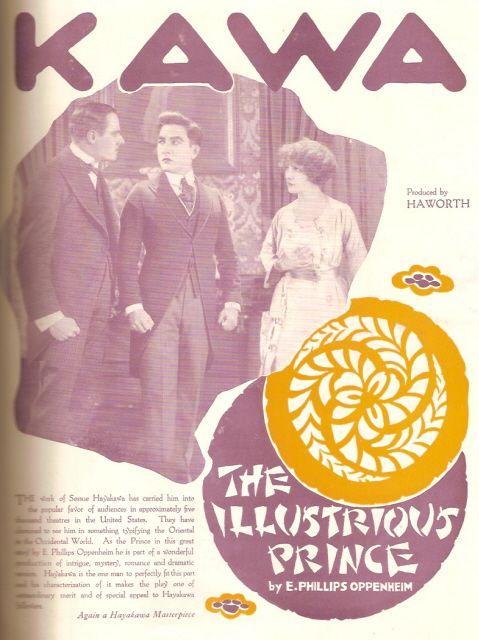
Dir: William Worthington
The Japanese Prince Maiyo is in London to avenge the death of his father who years earlier committed hara-kiri because he had been financially ruined by an English swindler. The Prince warns his friend, the Duke of Devenham, that the Count de la Mar is attempting to seduce the Duke's bored American wife, and then is told by his servant Soto that the Count is the man who killed his father. During a foggy night, the Count, planning to elope with the Duchess, is killed in a taxi with the sword that the Prince's father used to kill himself. Although the American sister of the Duke, Penelope Morse, who loves the Prince, pleads with him to leave before being arrested, he will not perform such a cowardly act. After Soto confesses murdering the Count because he wronged his daughter years ago, the Prince is freed, but because of the racial barrier, he bids a sad farewell to Penelope and leaves.
View DetailsAnalysis relative to Beauty and the Bad Man
| Film Title | Atmosphere | Complexity | Similarity |
|---|---|---|---|
| The Courageous Coward | Gothic | Dense | 90% Match |
| Bonds of Honor | Surreal | High | 97% Match |
| The Gray Horizon | Gothic | Abstract | 85% Match |
| The Beloved Traitor | Surreal | High | 93% Match |
| The Car of Chance | Tense | Dense | 91% Match |
This guide was algorithmically generated using the cinematic metadata of William Worthington's archive. Last updated: 8/17/2026.
Back to Beauty and the Bad Man Details →