Summary
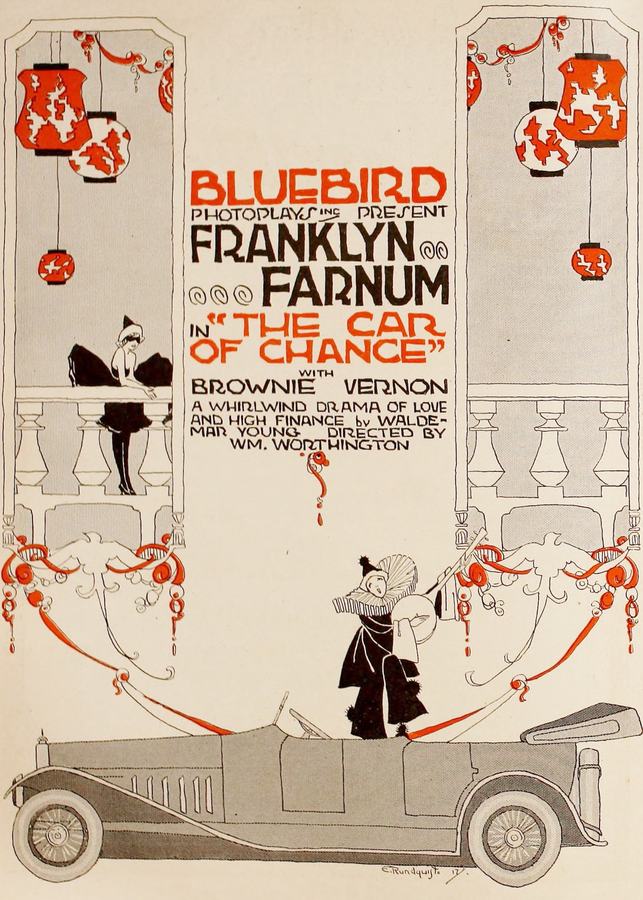
In a striking testament to entrepreneurial grit and the capricious nature of inheritance, "The Car of Chance" unfolds a spirited narrative centered on Arnold Baird, who, disinherited save for a modest motor and a meager $100 for its upkeep, audaciously pioneers a "jitney bus" enterprise. This audacious venture, born of necessity and a buoyant spirit, swiftly places him in direct confrontation with the entrenched power of James Bennett, the formidable general manager of the Consolidated Traction Co. Bennett, a bastion of societal convention and paternalistic control, vehemently rejects Baird as a suitor for his daughter, Ruth, deeming him a pauper unworthy of her hand, and instead champions a union with the influential Wm. Mott-Smith, controller of the very traction company Baird seeks to disrupt. Ruth, however, a woman of independent mind, spurns the avaricious Mott-Smith and secretly aligns herself with Baird's burgeoning vision. As the city's transit system faces an impending labor crisis, orchestrated by the impassioned Israel Helmstone demanding equitable pay, a strategic alliance forms between the plucky Baird and the labor leader. Armed with clandestine intelligence from Helmstone's daughter, Wanda—a stenographer within Mott-Smith's own corporate labyrinth—Baird's "Social Rapid Transit Company" launches a devastating counter-offensive. Leveraging the collective goodwill of society's elite, who lend their personal limousines to the cause, Baird's fleet effectively cripples the established traction monopoly. The ensuing strike, rendered impotent by the public's preference for the novel jitney service, forces Bennett to capitulate. Amidst this triumph, Baird's journey culminates in a dramatic rescue of Wanda from the clutches of a dissolute Mott-Smith, cementing his heroic stature. His ultimate terms for peace with Bennett are not merely financial, but a complete reordering of his destiny: a substantial executive position within the very company he vanquished, coupled with a six-month sabbatical for a honeymoon with his beloved Ruth, thereby redefining fortune on his own terms.
Synopsis
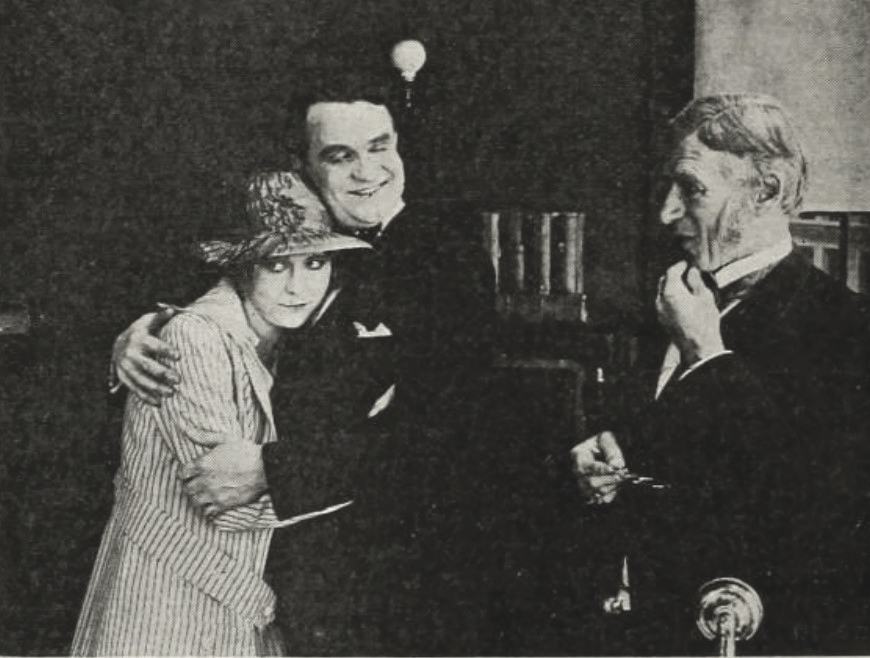
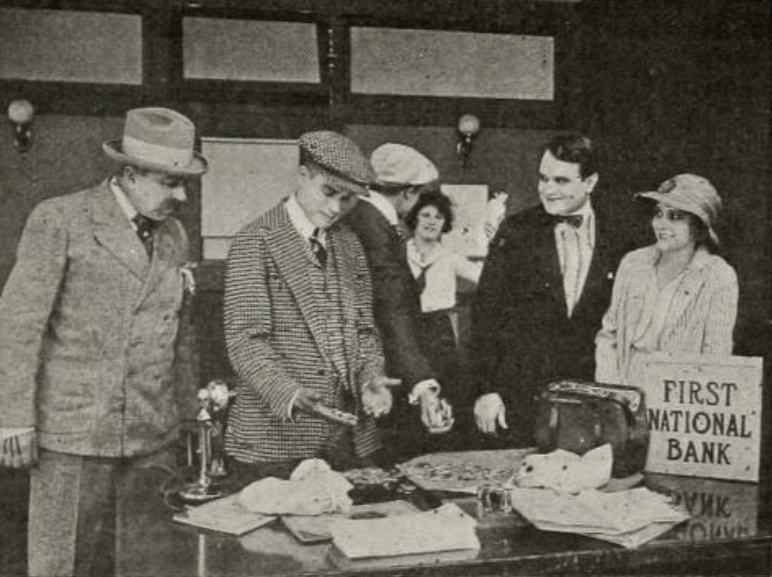
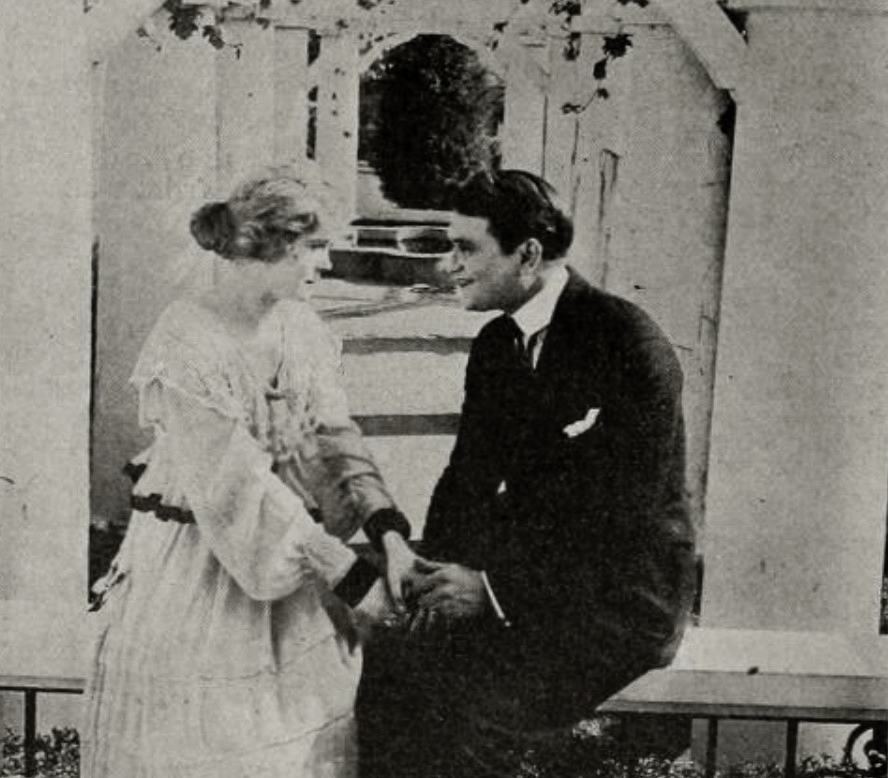
Only a seven-passenger motor and $100, to be spent exclusively for gasoline or repairs, was Arnold Baird's share of his father's property. Light-hearted by nature, Baird made the most of his legacy and started a "jitney bus" line. When James Bennett, general manager of the Consolidated Traction Co., learned Baird had been practically cut off in his father's will, he informed Baird that his daughter would never marry a pauper and to go out and make his fortune. Bennett's decision suited Mrs. Bennett, who was eager to shine in society and planned to gain her ends by marrying Ruth to Wm. Mott-Smith, who controlled the traction company. When Ruth got the chance to tell Mr. Mott-Smith what she thought of him, she left no room for doubt. Ruth met Baird secretly and she was first to know of Baird's jitney-bus plans. Israel Helmstone, leader of organized labor, decided that the employees of the Consolidated Traction Co. deserved an increase in pay. Bennett refused Helmstone's demands and the labor leader called Baird into consultation. Helmstone's daughter, Wanda, employed as stenographer by Mr. Mott-Smith, furnished inside information that showed the weakness of Bennett's defense. The car strike was called and traffic paralyzed. The next morning the "Social Rapid Transit Company" sprang into operation. Mott-Smith, Bennett and their associates were filled with consternation. Baird's pals in society entered their cars for public patronage and "jitney bused" the traction company to its knees. When strike-breakers were called in there was nobody to ride, for the public preferred the limousines. When Bennett cried for mercy, Baird was the intermediary. Fate decreed that Baird should be the one to rush to Mott-Smith's office to rescue Wanda Helmstone from the clutches of the drunken society leper. Settling with Bennett was no hard matter for Baird. His terms were $10,000 a year for becoming assistant general manager and six months' vacation to enjoy a honeymoon on which Ruth was to be the bride.
Review Excerpt
"
A Silent Roar: Reclaiming the Legacy of 'The Car of Chance'
In the annals of cinematic history, certain narratives, despite their initial impact, sometimes recede into the shadows, awaiting rediscovery. Such is the case with The Car of Chance, a vibrant silent film that, upon closer inspection, reveals itself as far more than a mere period piece. This picture, penned by the collaborative talents of Eugene B. Lewis and Waldemar Young, is a compelling social commentary wrapped in a deligh..."