
DbcultAccessing Vault...
Recommendations
Senior Film Conservator
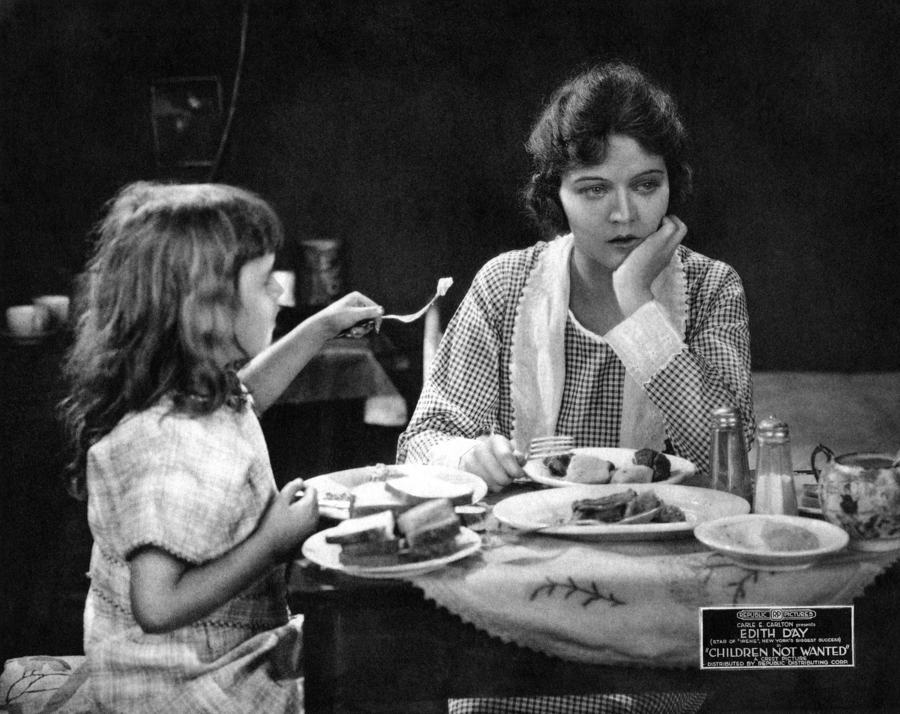
Looking back at the 1920 milestone that is Children Not Wanted, the specific poignant storytelling of this work is a gateway to a broader Drama world. Our archive is rich with titles that mirror the poignant storytelling of Paul Scardon.
As Paul Scardon's most celebrated work, it defines to create a dialogue between the viewer and the poignant storytelling.
When her best friend dies and leaves her four-year-old daughter Betty in her care, orphan Dorothy Crane, feeling unwelcome in the home of her aunt and uncle, takes her charge and heads for New York City. There she discovers that children are not wanted by landlords, and so experiences difficulty finding a place to live, until kindly Mrs. Farley offers her a room. Through the want ads, Dorothy becomes a receptionist for gem dealer Marcus Hazzard, and at her job meets Robert Barrington, a collector. The two fall in love, though Hazzard is also attracted to Dorothy, arousing the jealousy of his business partner, Madame Duval. One day, because Mrs. Farley is ill, Dorothy takes Betty to the office. Calling Dorothy into his private office, Hazzard begins to make sexual advances when a shot rings out, and Hazzard falls to the floor. Dorothy turns in amazement to see Betty standing in the doorway, a smoking pistol at her feet. Believing that the child shot Hazzard, Dorothy takes her and flees. Madame Duval and her Hindu servant, Ali Bey, tell the police that Dorothy killed Hazzard, until Ali finally reveals that Madame Duval fired the shot out of jealousy, thus freeing Dorothy to find happiness with Barrington.
Children Not Wanted was a significant production in United States, showcasing the immense talent of Jean Robertson, Dorothy Walters, Kenneth C. Beaton. It continues to be a top recommendation for anyone studying Drama history.
Based on the unique poignant storytelling of Children Not Wanted, our vault has identified these titles as the most compelling follow-up experiences for fans of Drama cinema:
Dir: Paul Scardon
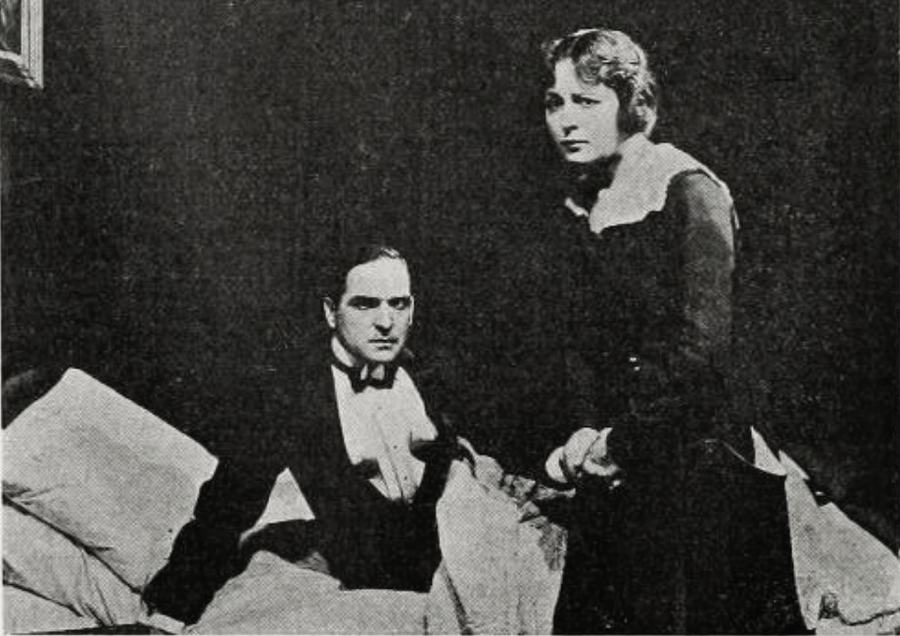
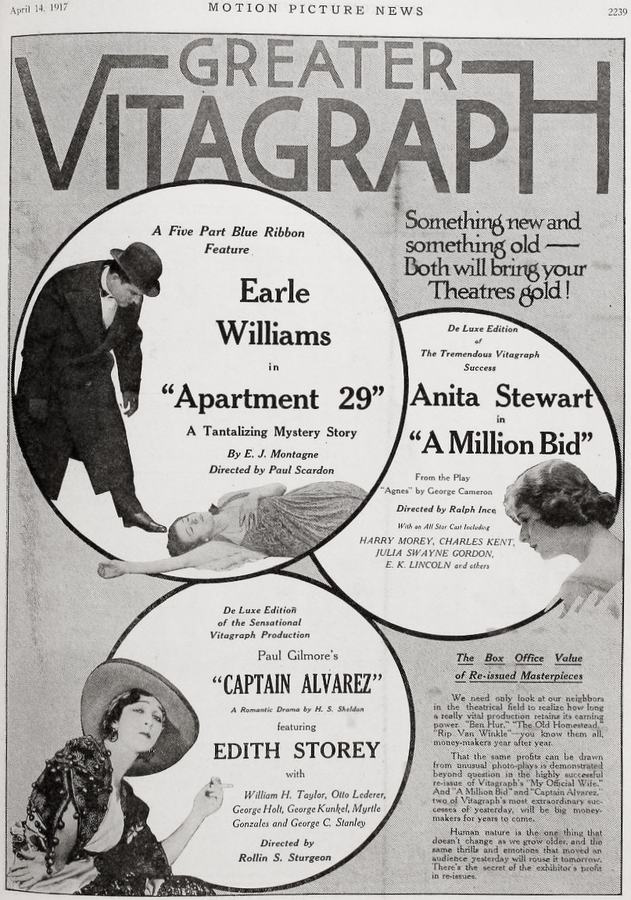
Stanley Ormsby, a dramatic critic, runs foul of an author and dramatic company who have just put on a new play which he announces as "rotten." On his way home from the play, after waiving aside the author's pleas for a merciful criticism, his adventures begin. He interferes between a couple quarreling on the street and is rebuffed. Later he gets an assignment from his editor to go to a certain apartment house to interview a singer. Entering the place he is diverted from his mission by a woman falling apparently dead at his feet, before the door of Apartment 29. Carrying her inside he finds her to be the woman of the quarrel, and there finds also her husband shot. There alone, he realizes suddenly that circumstances are against him and wishes to flee. The playwright, who lives in the same building, offers refuge, but in return asks a large sum of money, which Ormsby is only too glad to give. A girl in the playwright's apartment hides him while the police search the place. He has a dozen hairbreadth escapes and is finally shocked as the playwright demands a bribe to keep him hidden. Finally Ormsby escapes from the house with the girl, only to run into a nest of thugs, who attack him. He is then rescued by the very police, who then charge him with murder, after which...well, it winds up all right, but it was a hair-raising experience, mates.
View Details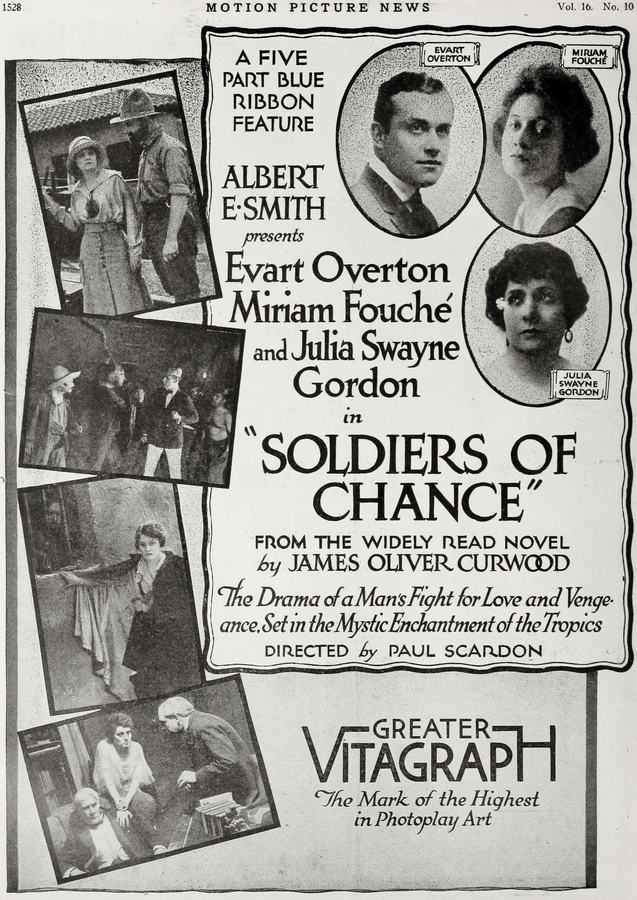
Dir: Paul Scardon
Lawler, a dishonest promoter, has Winton in his power, the latter believing that he has killed Yawkey, Lawler's partner. For his silence, Lawler demands the hand of Winton's daughter Josephine. Meanwhile, Billy Mountain, a man whom Lawler has swindled, arrives and, disguised by a heavy beard, interests his old enemy in a proposition. He invites Lawler on his yacht and makes him a prisoner. Josephine, fearing that Lawler will expose her father, accompanies them when they sail for a South American country involved in a revolution. When they land, Josephine frees Lawler, who joins the forces of the government. Billy and his partner, allied with the revolutionaries, plan an attack on the president and his forces. In the battle, Billy is captured and sentenced to death, but when the tide turns in favor of the revolutionaries, he escapes. With the appearance of Yawkey, Josephine is freed from Lawler's power and begins life anew with Billy.
View Details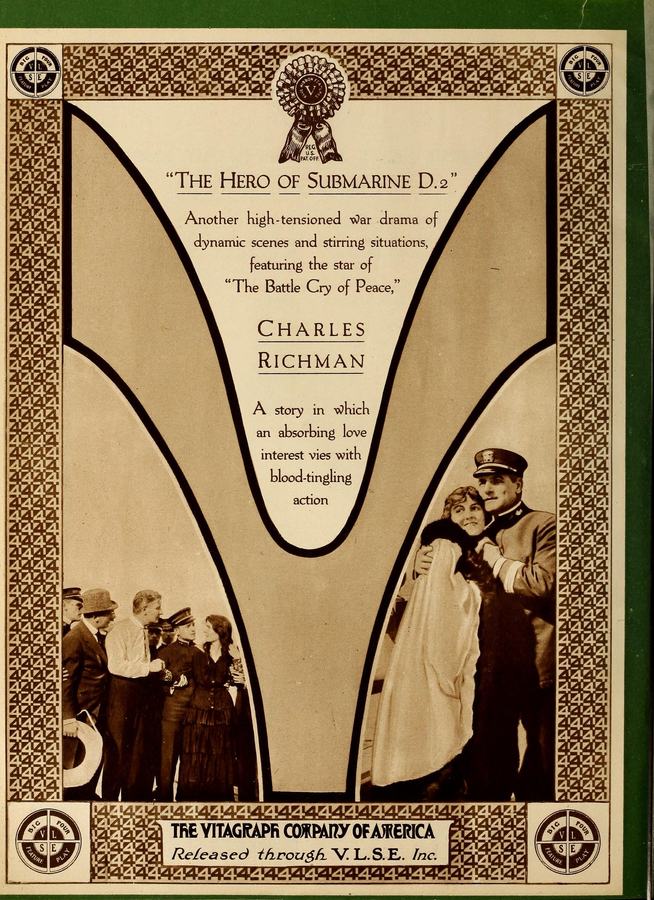
Dir: Paul Scardon
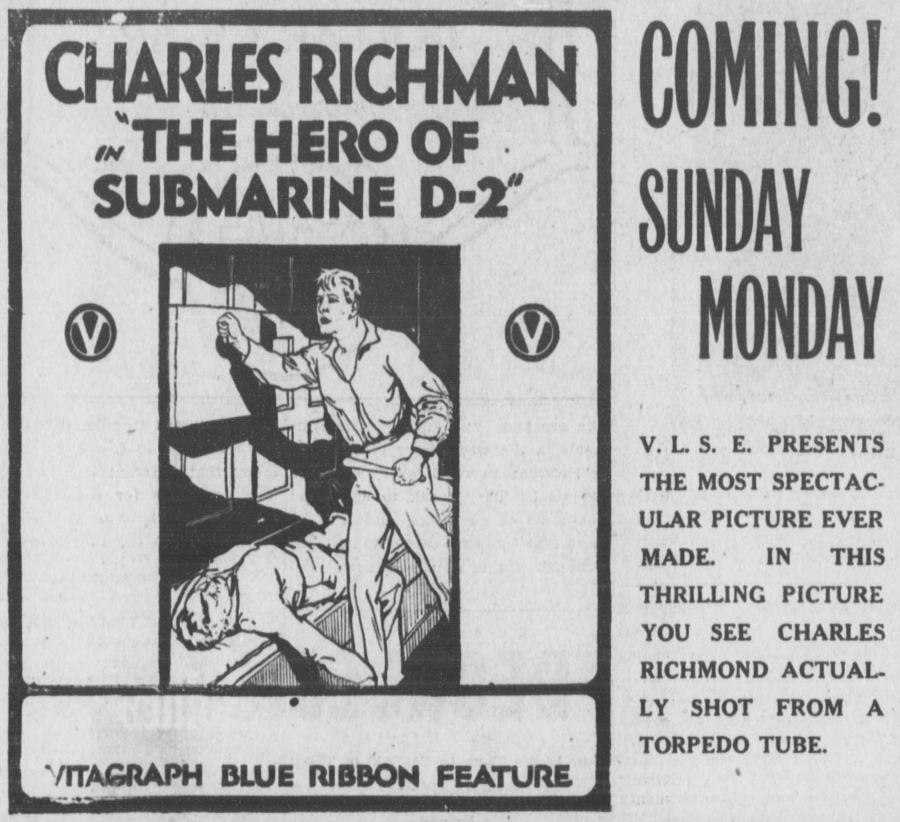
Lieutenant Commander Colton, U.S.N., is in love with Caroline Austen, daughter of a prominent political power in Washington. Colton has a rival in James Archer, a journalist of prominence, unscrupulous and secretly in league with the Ruanian Ambassador, who is endeavoring to obtain for his country inside information as to the United States naval resources. Gilman Austen, Caroline's brother, receives an appointment to the Naval Academy. He is much in love with Ethel McMasters, daughter of a superintendent, and pays so much attention to her that his term marks in navigation are so low as to preclude his passing the semi-annual examination. He is told of this by Captain McMasters, and Colton, Caroline Austen and Ethel McMasters then get busy in Oilman's behalf, Caroline working with Colton, who is in love with her. and Ethel attempting to influence her father, but these two officers absolutely refuse to exercise any influence in Oilman's favor. Mr. Austen, Sr., then takes a hand in the game, but finds naval men a different proposition from politicians, and as a result Gilman is forced to leave the Academy. Mr. Austen uses his power and has Colton transferred to the command of a collier. Gilman Austen, however, grits his teeth and 'lists in the navy as an apprentice, and here we see him carried through all his training experiences. Colton being of an inventive turn of mind and realizing the weakness of the submarines is in the battery, invents a new battery. Archer hears of this and informs the Ruanian Ambassador, who offers the traitorous journalist almost any sum to secure these plans. Archer is prevented from securing them by Gilman Austen, who is now a full-fledged able seaman, serving under the name of Roger Brown. The Ambassador then determines upon a big coup. He directs Archer, who now is completely in his power, to have a Ruanian merchant ship lay a series of mines in the channel through which the warships must pass. Colton has been placed in command of the submarine flotilla, and Gilman Austen is on duty with the D-2. Through Caroline Austen, Colton learns of the plot, and as the ships are due to arrive that night, Colton takes command of the D-2, goes out and submerges his boat. Time is precious, and Colton realizes that he cannot take the D-2 through the mines, so he has himself shot out of a torpedo tube and swims through the mines, goes on board the merchant ship and blows up the mines just before the fleet comes in. Colton is badly wounded and is rescued by Gilman Austen and the submarine crew. For his work in this action, as well as his general reputation and good character, Gilman Austen is sent back to the Naval Academy. Colton marries Caroline.
View Details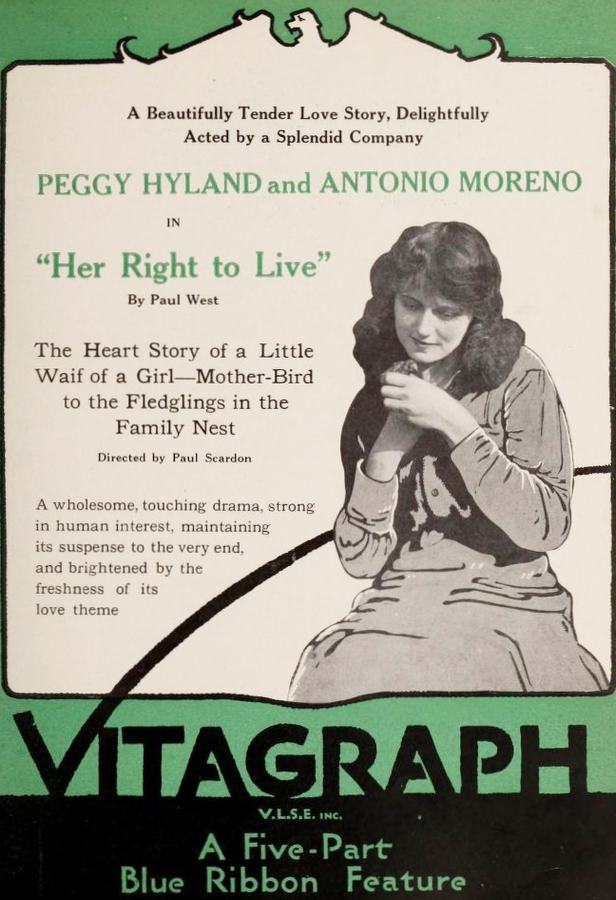
Dir: Paul Scardon
Polly Biggs helps care for her younger brother and sisters, while her widowed mother works hard as a seamstress to earn a living. Mayor Hoadley, Mrs. Biggs' brother, a crooked politician, calls to sympathize with her on the death of her husband, and Polly takes a dislike to him. Within a short time Mrs. Biggs dies and for the sake of appearances, Hoadley and his wife take the children to live with them. Oxmore, a reform candidate, opposes Hoadley's re-election. His son John, an artist, meets Polly and calls on her at the Hoadley mansion, where he saves her from the advances of Hawkins, a ward boss who "has something" on Hoadley. Hawkins threatens to "get" John for his interference, and the threat is heard by Hoadley. Polly and the children are treated so badly that they run away to the poorhouse, which later burns; Polly saves the children, and they wander to a bungalow in the woods, John, who owns the bungalow, finds them there, and permits them to stay all night. During the night Hoadley visits Hawkins and kills him in self-defense, using a cane that John has inadvertently left at his house, when John goes to town he is arrested. Polly and the children are his only alibi, and he cannot tell of Polly's presence. The evidence is strong against him, and if he is convicted his father will lose the election. Polly, who has been sent away by Hoadley, returns in time to straighten matters.
View Details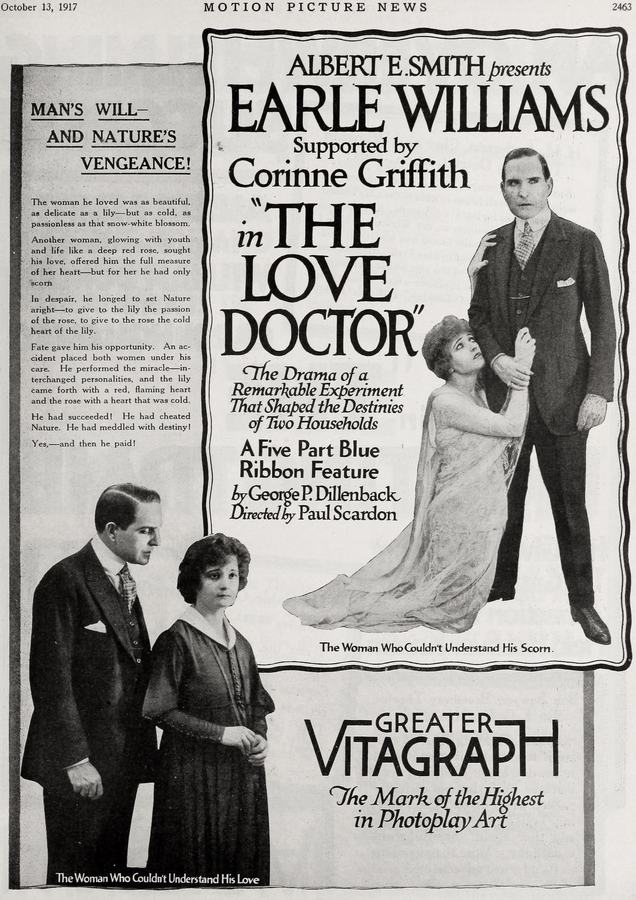
Dir: Paul Scardon
A doctor transplants the brain of a girl who is in love with him into a girl he is in love with.
View Details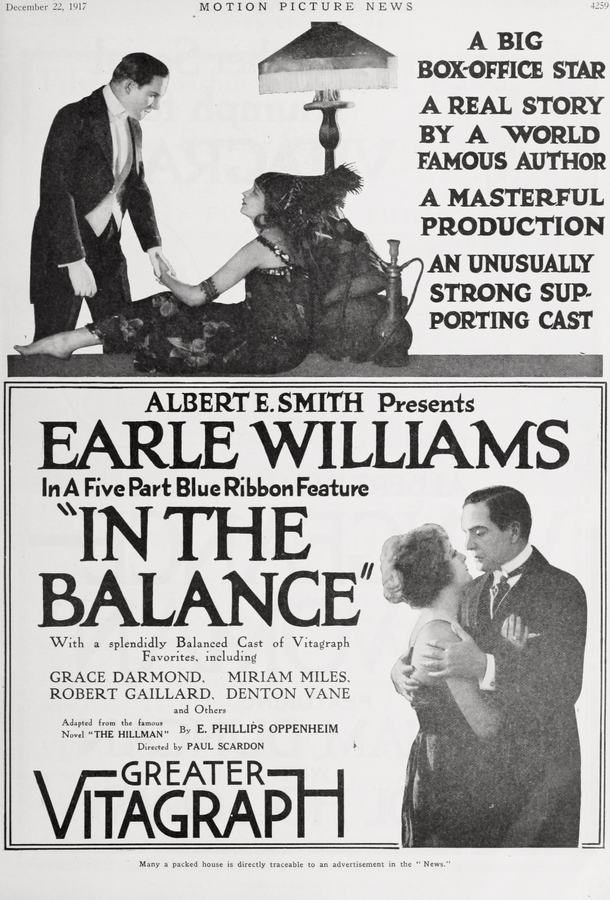
Dir: Paul Scardon
The actress is on her way to visit the Prince in his castle when she is stranded on a lonely road by an accident to her motor car. The Hillman happens along and takes her to Peak Hall. He is still young and handsome, but marked by the stern fanatical belief of his family that no member of it ever should leave the hills. In an exchange of confidence, the Hillman warns the actress not to visit the dissolute Prince, and she in turn tells him that for once he should try the broader life of the cities. Both heed the other's advice. She returns to the city, and he, in a brief period, follows. The Prince, still pursuing the actress, seeks to entangle the Hillman by throwing a notorious dancer in his path, but fails. Strangeway, the Hillman, proposes to Louise, the actress, but she withholds her answer. His brother comes from the hills to reclaim him, but his mission is vain. Again the Hillman proposes to Louise, who is always in the company of the Prince, and this time is accepted. Angered at his apparent loss of the actress, the Prince makes a scandalous remark about her at his club, which is resented with blows by the Hillman, whose love is all but crushed, when hurrying to Louise she admits what the Prince said is true. The Hillman returns to Peak Hill where a few months later as he is reading in a paper of the engagement of the actress and the Prince, she arrives at his home. She assures him that she is good, not bad, and that she did make the promise to the Prince when she believed he loved her, and both the Hillman and his brother receive her as one of them.
View Details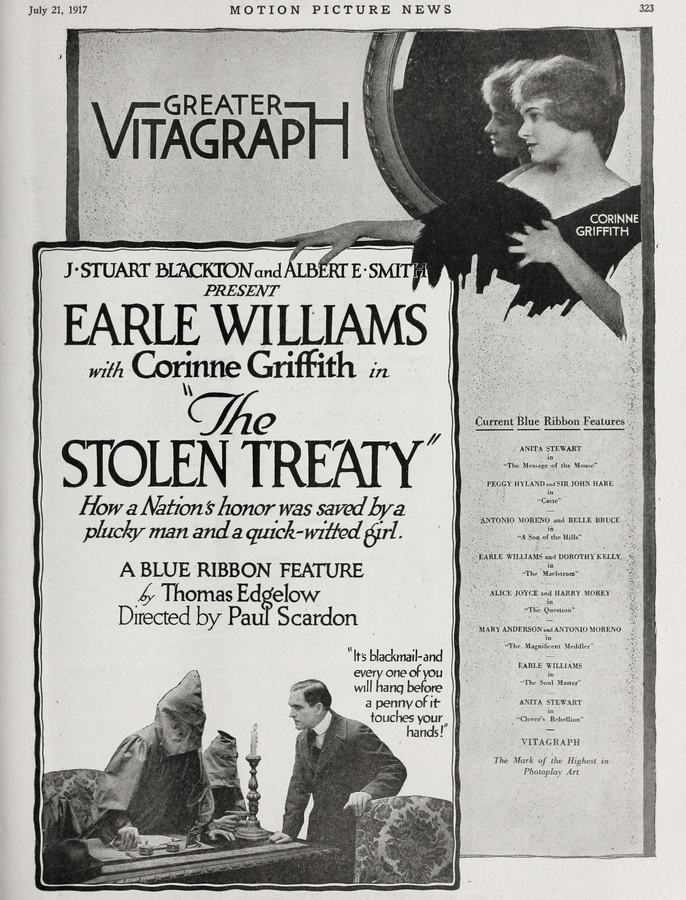
Dir: Paul Scardon
At a reception given for the vacationing Prince Zarl of Zorania, secretly the emissary of Zorania set on negotiating a treaty with the United States, Geoffrey Wynne, apparently a society dandy, but in reality a secret service agent, meets the prince. During the reception, Wynne is summoned to Washington where he learns that the treaty has been stolen and is being held for $15,000,000 ransom. Discovering that one of the thieves is an Italian named Farnelli, Wynne enlists the aid of his fiancée, Irene Mitchell, in apprehending the thief. Irene meets the Italian who offers to accompany her to New York. En route, Wynne overtakes them, chloroforms Farnelli and rips off his disguise to reveal Prince Zarl. Zarl then admits that he has stolen the treaty in order to cover his gambling debts.
View Details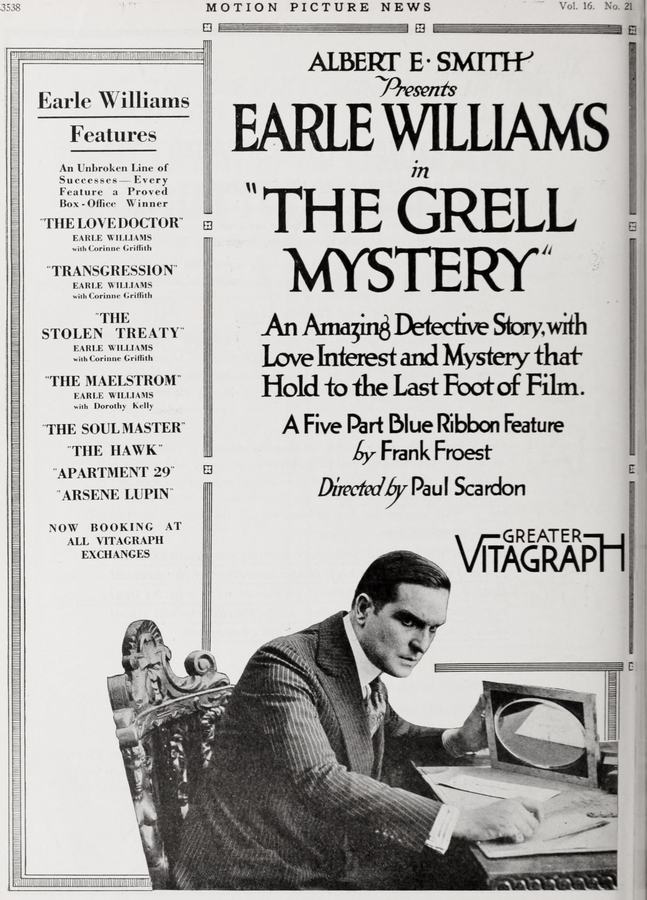
Dir: Paul Scardon
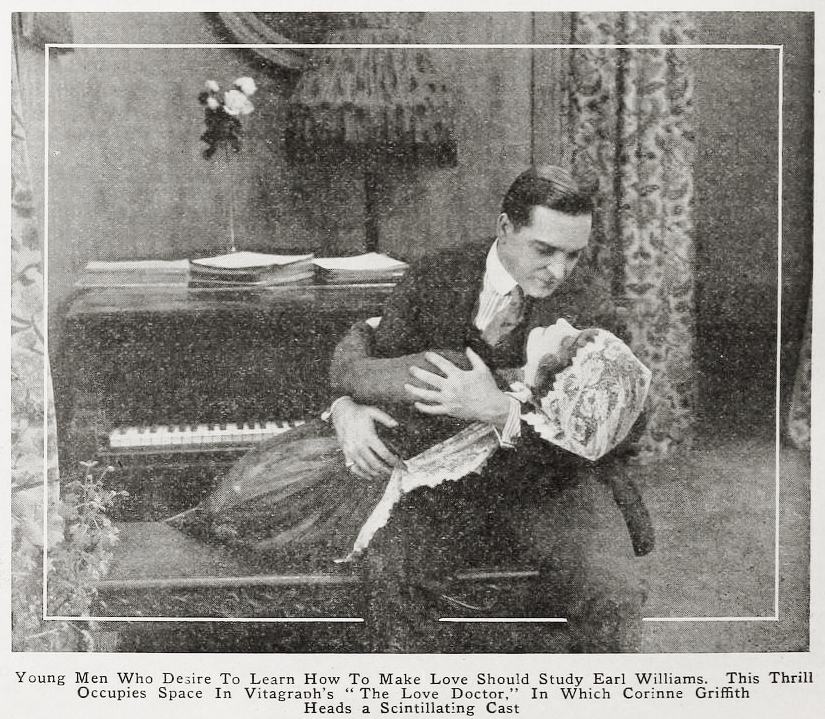
Eileen Meredith receives word from an "unknown friend" to call at the house of her fiancé, Robert Grell, where she will discover something of great importance. Unable to go, Eileen sends her sister Helen in her place. Helen enters the library where she finds a dead body resembling Grell. The real Grell then enters and, seeing Helen holding the dagger, mistakes her for Eileen and flees, hoping to cast suspicion on himself. Criminologist Heldon Foye takes the case. Foyle is in love with Helen, and when he finds her prints on the dagger, finds himself in a struggle between love and duty. Meanwhile, Grell locates the real murderer, a woman who clears up the mystery by explaining that the murdered man was Harry Goldenberg, her husband and Grell's dissolute brother who had come to blackmail him. In a struggle, she had stabbed Goldenberg, but because she had worn gloves, no fingerprints were visible on the dagger. The mystery thus resolved, Grell marries Eileen while Helen forgives Foyle for misjudging her.
View Details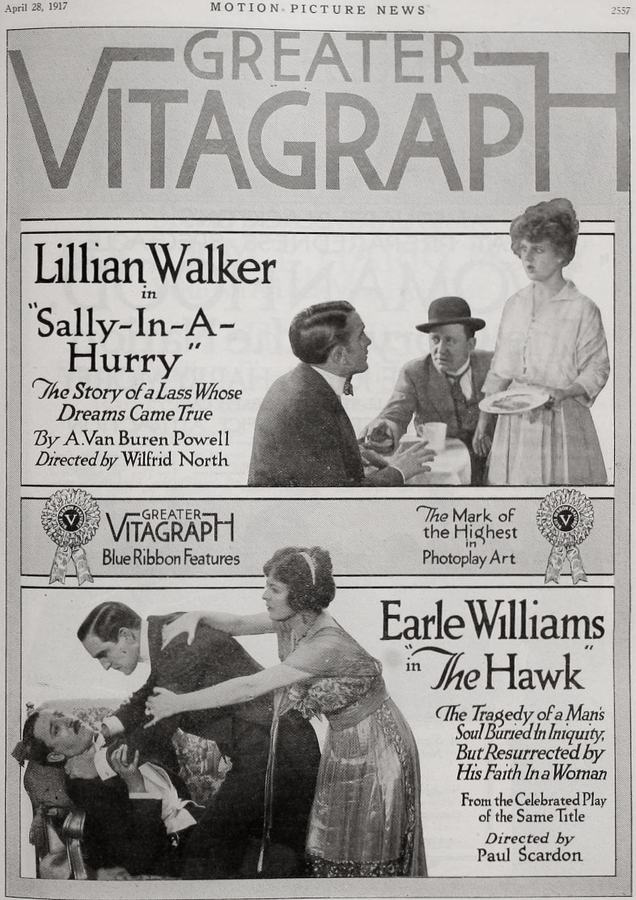
Dir: Paul Scardon
The Hawk, Count George De Dazetta, preys upon society with the aid of his beautiful wife. She seems to be in love with a young French nobleman, who is the real aggressor in this triangle. De Dazetta finds that the young nobleman's love for his wife is changing her for the better, that she begins to abhor his gambling profession and his inroads upon society. However, he continues to use her beauty as a lure to his gaming tables and wins heavily. In the meantime the nobleman breaks with a young woman aristocrat whom his mother wishes him to wed. During a transaction with an American from whom he borrows money to repay his gaming losses to De Dazetta the nobleman learns of the Hawk's love for his wife, and that she is helping her husband to win. Marina, the wife, washes her hands of the whole earning enterprise and is accused of infidelity by her husband, who tried to kill the nobleman. Failing, he leaves, and the nobleman protects the wife while attempting to locate the gambler and get his consent to a divorce. Finally this is effected, and Marina herself pleads for the divorce, that is until she learns that De Dazetta is now penniless, having lavished his every cent upon her and really loves her, and has consented to give her up only because he thinks it best for her future welfare. Her womanhood comes to the surface and she goes to him, renouncing the nobleman, her love for the latter having been without sin throughout.
View Details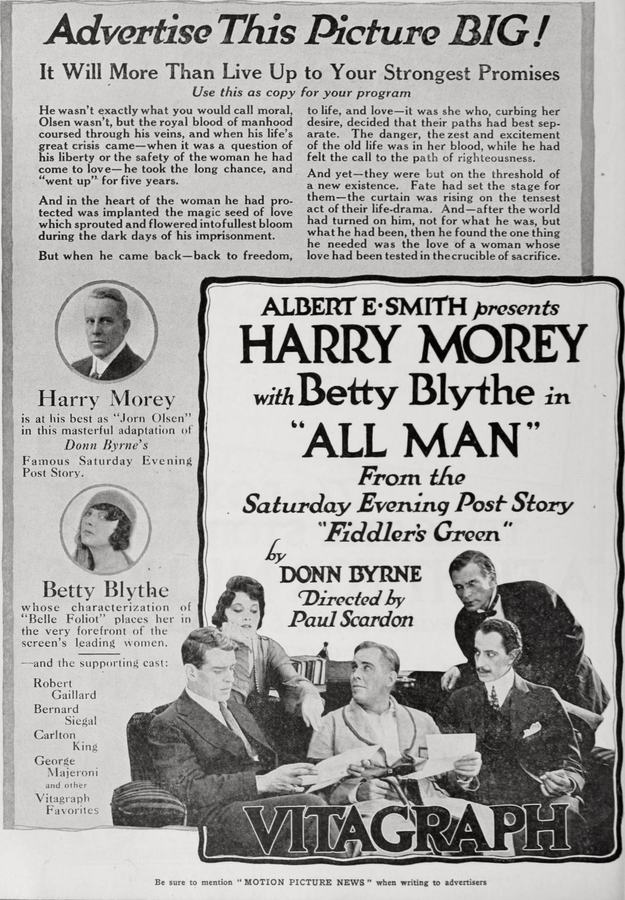
Dir: Paul Scardon
John Olsen, the foreman in an iron foundry, is persuaded by two of the workmen to rob the company safe, an operation so successful that the three decide to embark on a career of safe cracking. While pulling a job, John breaks his leg and is forced to take refuge in the home of Belle Foliot, whose husband is serving a life sentence. As she tends John's injured leg, Belle falls in love with him and decides to join the gang, and when she becomes trapped during a robbery, John remains at the scene of the crime so that she can escape. Following his five year prison term, John declares that he is going straight, whereupon Belle leaves him. John marries and buys a farm, but one day his arresting officer, Lieut. Reilly, appears and reveals his past to his wife and the townspeople. As a result, the farmers shun him and his wife divorces him. He is about to break into the bank when Belle and Reilly arrive. Promising to go straight, Belle accompanies John out West to a new life.
View DetailsAnalysis relative to Children Not Wanted
| Film Title | Atmosphere | Complexity | Similarity |
|---|---|---|---|
| Apartment 29 | Ethereal | Layered | 88% Match |
| Soldiers of Chance | Tense | Layered | 86% Match |
| The Hero of Submarine D-2 | Surreal | Dense | 97% Match |
| Her Right to Live | Gothic | Abstract | 97% Match |
| The Love Doctor | Gritty | Linear | 92% Match |
This guide was algorithmically generated using the cinematic metadata of Paul Scardon's archive. Last updated: 6/25/2026.
Back to Children Not Wanted Details →