Summary
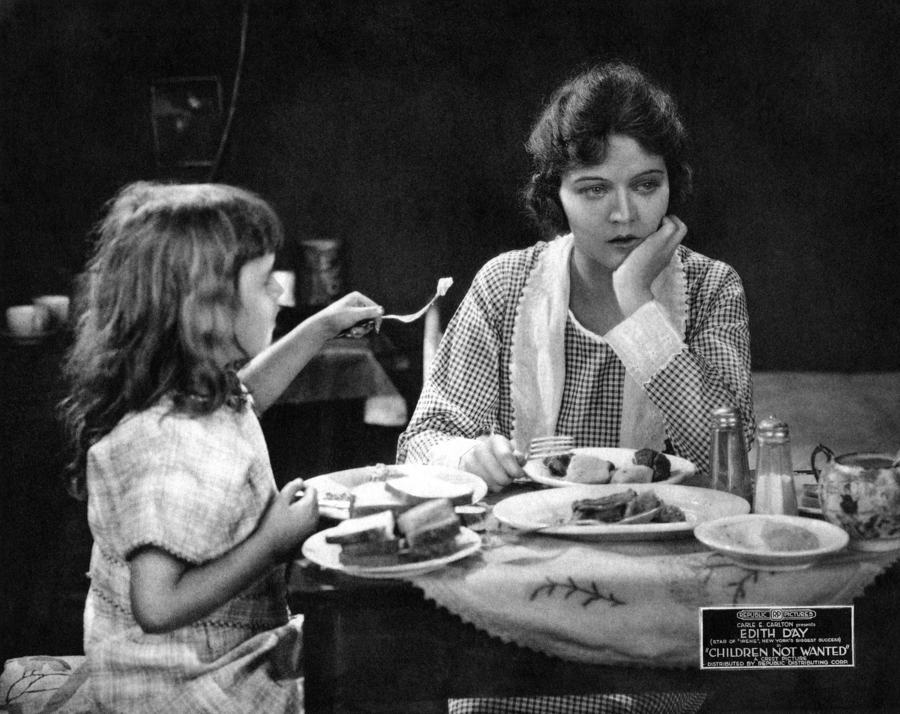
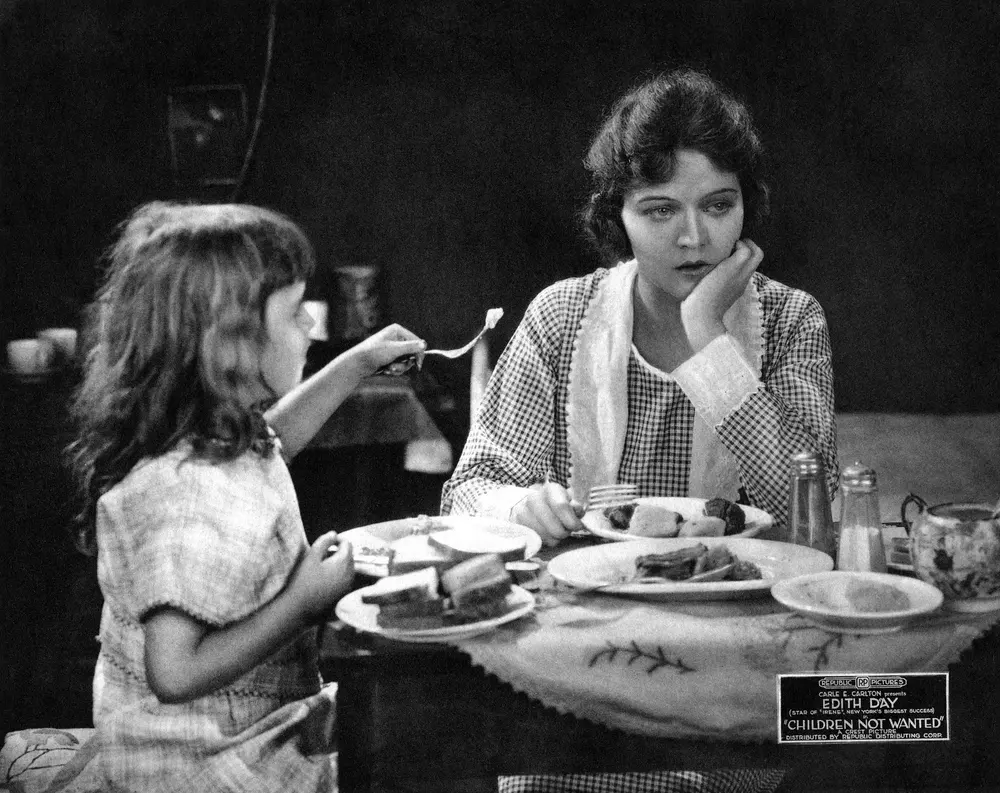
In a poignant narrative of early 20th-century urban survival, 'Children Not Wanted' unfurls the harrowing odyssey of Dorothy Crane, an orphan already adrift, who finds her existence irrevocably altered by the death of her dearest confidante. Left with the guardianship of four-year-old Betty, a child suddenly bereft, Dorothy faces immediate ostracism from her own reluctant kin. This familial rejection propels her and her young ward into the unforgiving labyrinth of New York City, where they confront a pervasive societal bias: the explicit unwelcomeness of children by landlords, turning the fundamental search for shelter into an insurmountable challenge. A glimmer of human kindness emerges in the form of Mrs. Farley, offering a temporary reprieve. Dorothy's pursuit of independence leads her to a position as a receptionist for the enigmatic gem dealer, Marcus Hazzard, a role that inadvertently introduces her to the sophisticated collector, Robert Barrington. A nascent romance blossoms between Dorothy and Barrington, yet this fragile affection is shadowed by Hazzard’s own predatory interest in Dorothy, igniting the fierce, corrosive jealousy of his business partner, Madame Duval. The tension culminates dramatically when, due to Mrs. Farley's sudden illness, Betty accompanies Dorothy to the office. Hazzard, seizing the opportunity, corners Dorothy in his private sanctum, making brazen sexual advances. A gunshot shatters the illicit encounter, and Hazzard collapses. The scene that greets Dorothy is one of stark terror: Betty, a miniature figure of unwitting agency, stands at the doorway, a smoking pistol lying innocently at her feet. Convinced of the child’s culpability, Dorothy instinctively flees with Betty, plunging them both into a desperate flight from justice. Madame Duval, fueled by her venomous resentment, wastes no time in implicating Dorothy in Hazzard’s murder, aided by her enigmatic Hindu servant, Ali Bey. However, the truth, as it often does in such melodramas, eventually surfaces, with Ali Bey's conscience compelling him to reveal Madame Duval as the true orchestrator of the fatal shot, a consequence of her consuming envy. This revelation untangles the web of deceit, freeing Dorothy from the shadow of false accusation and allowing her to embrace a future of well-deserved happiness with Barrington, her steadfast love.
Synopsis
When her best friend dies and leaves her four-year-old daughter Betty in her care, orphan Dorothy Crane, feeling unwelcome in the home of her aunt and uncle, takes her charge and heads for New York City. There she discovers that children are not wanted by landlords, and so experiences difficulty finding a place to live, until kindly Mrs. Farley offers her a room. Through the want ads, Dorothy becomes a receptionist for gem dealer Marcus Hazzard, and at her job meets Robert Barrington, a collector. The two fall in love, though Hazzard is also attracted to Dorothy, arousing the jealousy of his business partner, Madame Duval. One day, because Mrs. Farley is ill, Dorothy takes Betty to the office. Calling Dorothy into his private office, Hazzard begins to make sexual advances when a shot rings out, and Hazzard falls to the floor. Dorothy turns in amazement to see Betty standing in the doorway, a smoking pistol at her feet. Believing that the child shot Hazzard, Dorothy takes her and flees. Madame Duval and her Hindu servant, Ali Bey, tell the police that Dorothy killed Hazzard, until Ali finally reveals that Madame Duval fired the shot out of jealousy, thus freeing Dorothy to find happiness with Barrington.
Review Excerpt
"
Stepping back in time to the nascent years of cinema, one often finds narratives that, despite their age, resonate with an astonishing contemporaneity. Such is the case with Children Not Wanted, a 1918 silent drama that, with its stark title, immediately confronts the viewer with a societal challenge that feels remarkably familiar even today. This isn't merely a relic of a bygone era; it's a poignant exploration of resilience, the arbitrary cruelties of fate, and the enduring human..."