
DbcultAccessing Vault...
Recommendations
Senior Film Conservator
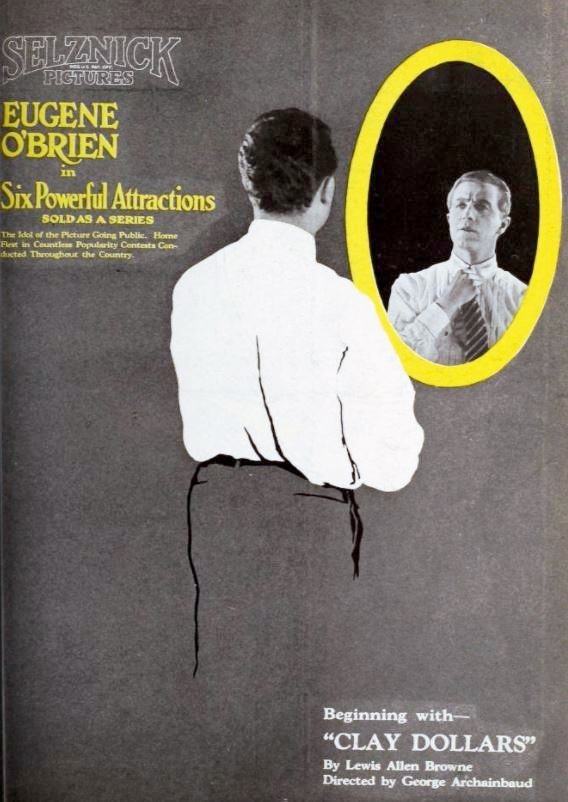
For cinephiles who admire the emotional resonance within Clay Dollars, the specific emotional resonance of this work is a gateway to a broader Comedy world. We've prioritized films that capture the 1921 aesthetic with similar precision.
At its core, Clay Dollars is a study in to create a dialogue between the viewer and the emotional resonance.
Bruce Edwards returns to his hometown to take possession of his late father's estate, but Sam Willetts presents him with documentation proving that Mr. Edwards traded the estate for worthless swampland. Bruce takes a job in the village tavern and romances June Gordon, whose mother suspects Willetts of foul play. When Willets falsely accuses Bruce of theft, the young man escapes. Bruce later regains his father's estate by convincing Willets that the swampland is valuable for manufacturing purposes. Afterward, June and Bruce leave on their honeymoon.
Based on the unique emotional resonance of Clay Dollars, our vault has identified these titles as the most compelling follow-up experiences for fans of Comedy cinema:
Dir: Richard Smith
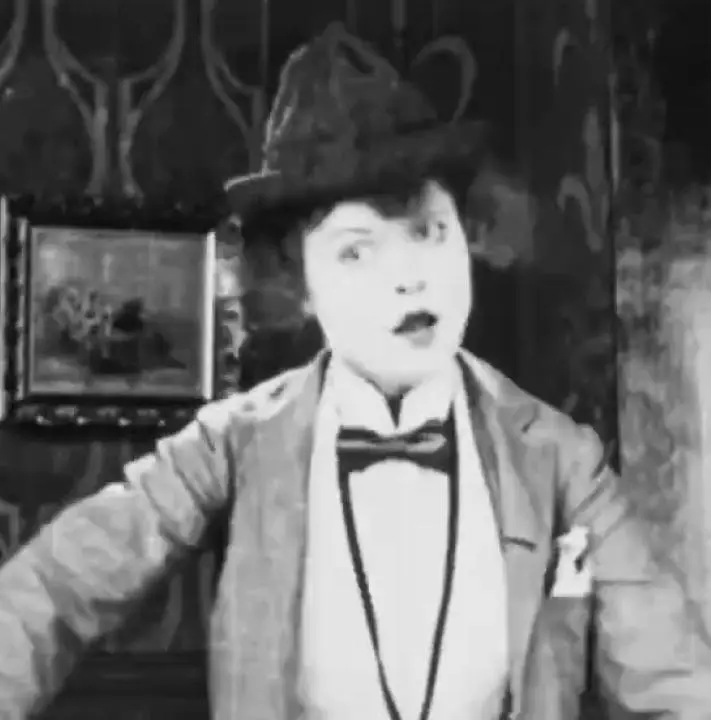
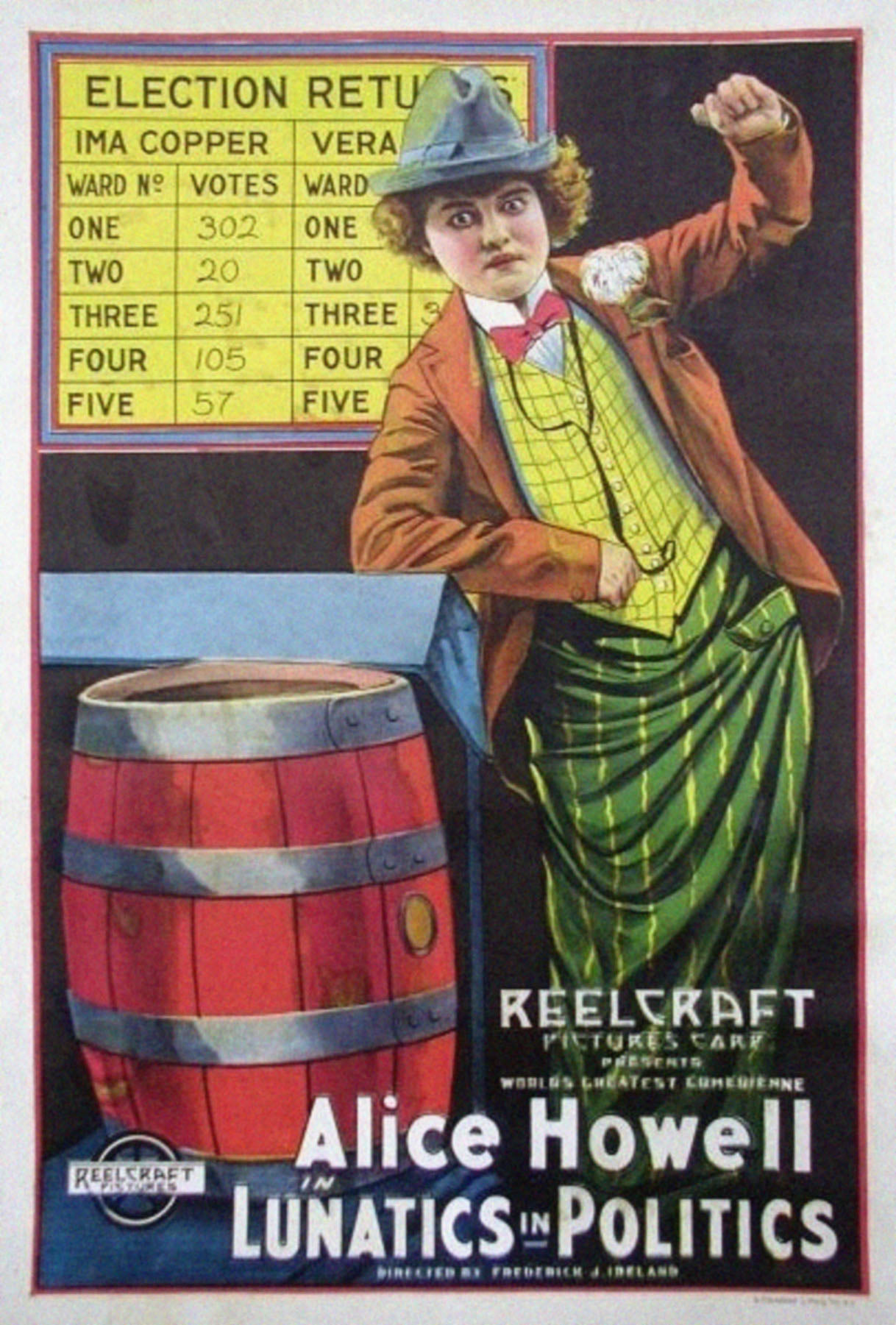
Two female candidates for Chief of Police live across the hall from each other, and their political rivalry follows them home, leading to plenty of hi-jinks.
View Details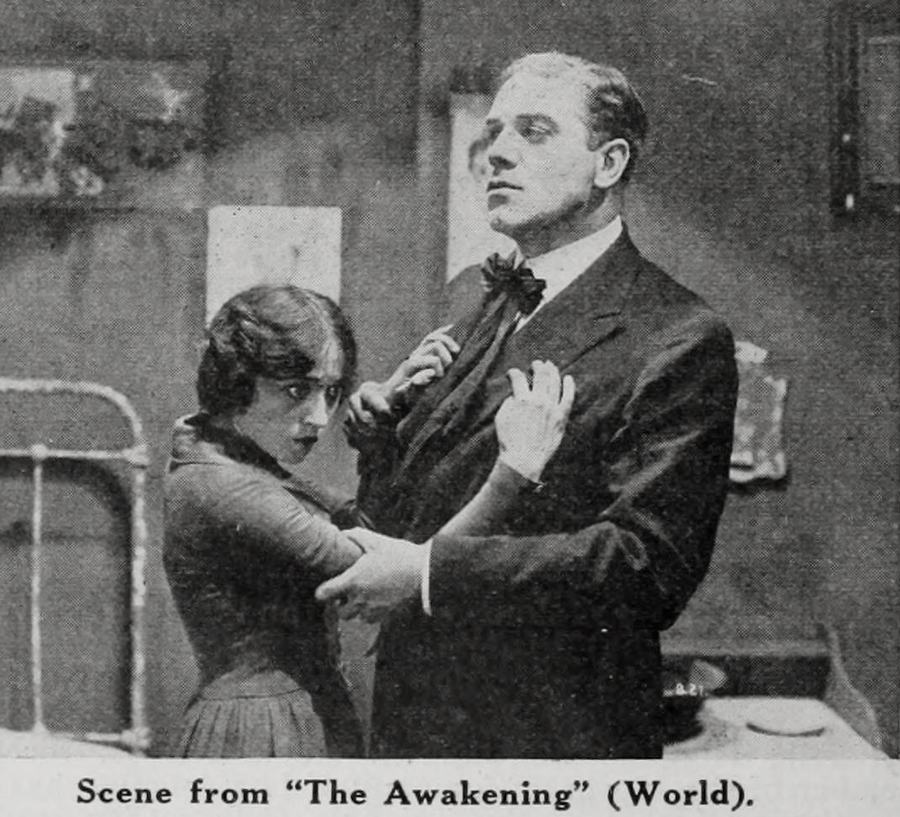
Dir: George Archainbaud
Twenty-five years ago Jacques Revilly was found on the church steps in a small French village. He grows up into a fine strapping young farmer. His abstinence from rough play after his farm work makes him unpopular, he surreptitiously cultivates his skill at painting within the sacred portals of the church. One of Jacques tormentors discover his art attempts, which suggest a new mode of attack, and then his co-workers make an issue of a little delinquency and refuse to stay at the farm unless he is discharged. Jacques, enraged at this injustice, leaves the hamlet forever. Three years later in Paris Jacques is able to produce some very good canvases. His unkempt appearance, his sulkiness and his apparent distaste for the society of his fellowmen have won for him the nick-name of "The Beast." He goes to the Café Brasserie Murger where the artists are enjoying themselves, among them being Horace Chapron, the bully of the Student Quarter. A dance is being planned for the evening, but the girls do not wish to have "The Beast" present. Jacques that night, knowing nothing about the party enters the café and as usual takes his drink by himself. He is invited to join the party by another student named Varny, but says he prefers to be by himself. Toward morning a girl who has been dancing on a table falls from it, landing on Varny, injuring his arm. Jacques takes him home and nurses him back to health. With the recovery of his friend, who joins his old companions, Jacques realizes anew that in this world he stands alone. He goes to a saloon and as he is drinking he prays God to give him the companionship that his soul craves for. On his way home he finds a frail young girl lying apparently dead in the snow. He carries her to his home, confident that his prayer has been answered. Under the careful ministration of his friend, Varny, and the caretaker, the girl convalesces. Her story relates her unsuccessful attempts to find work after her mother's death. Her strength gave out and she fell almost lifeless in the street. Jacques gives her his room, while he goes across the hall to Varny. Through the aid of the caretaker, Marguerite secures a position in Madame Celeste's millinery shop. Jacques begins to take an interest in his physical appearance. One day Prosper, one of the students, announces that he has just seen "The Beast" sober, clean-shaved and neatly dressed. His friends are incredulous, so he says he will prove it. A few days later when passing under Marguerite's window a book comes down on his head, it having been pushed off the window sill by the girl when dusting. Prosper returns the book to Marguerite, and is about to kiss her when Jacques appears. Prosper is ordered out of the place, and tells the students that Marguerite is beautiful and virtuous. Horace, another student, wagers a dinner that she will be his a month from that date, which, by the way, will be the wedding day of Jacques and Marguerite. One month later the students are all assembled for dinner, Jacques, who has not seen his companion for over a month, enters the café and asks if he may join the party, not knowing the nature. Horace then toasts "His Marguerite, who works in Madame Celeste's shop." As there is but one Marguerite in the shop in question Jacques demands that Horace retract the toast. Horace shows her ring which Jacques insists he stole. Horace challenges Jacques to a duel. Jacques rushes to Marguerite's room, where he finds her directing a letter to him. She hands the missive to him. He reads, "You'll never see me again. I am a defiled creature." Jacques bids her leave. He makes his will leaving all to Marguerite. Marguerite begs his friend to get Jacques to finish reading her letter. Jacques consents and so Varney finishes reading the confession of how she had gone home with Madame Celeste who had feigned sickness, was introduced to a man she called her brother, that after drinking her wine she was powerless to move, and next morning she found herself. Jacques resolves to kill Horace. Varny asks Jacques if he will not see Marguerite. He does, but when Marguerite hears that a duel is to be fought begs Jacques not to go, as she is sure he will be killed. Jacques is not to be swerved from his purpose. On the field of honor Horace says that he is in the wrong and wants to apologize. Jacques strikes him in the face. They fire. Jacques is shot, but not mortally and the doctor tells him he will soon be all right. He is carried back to his rooms. There is a reconciliation, and so Jacques at last has his heart's desire.
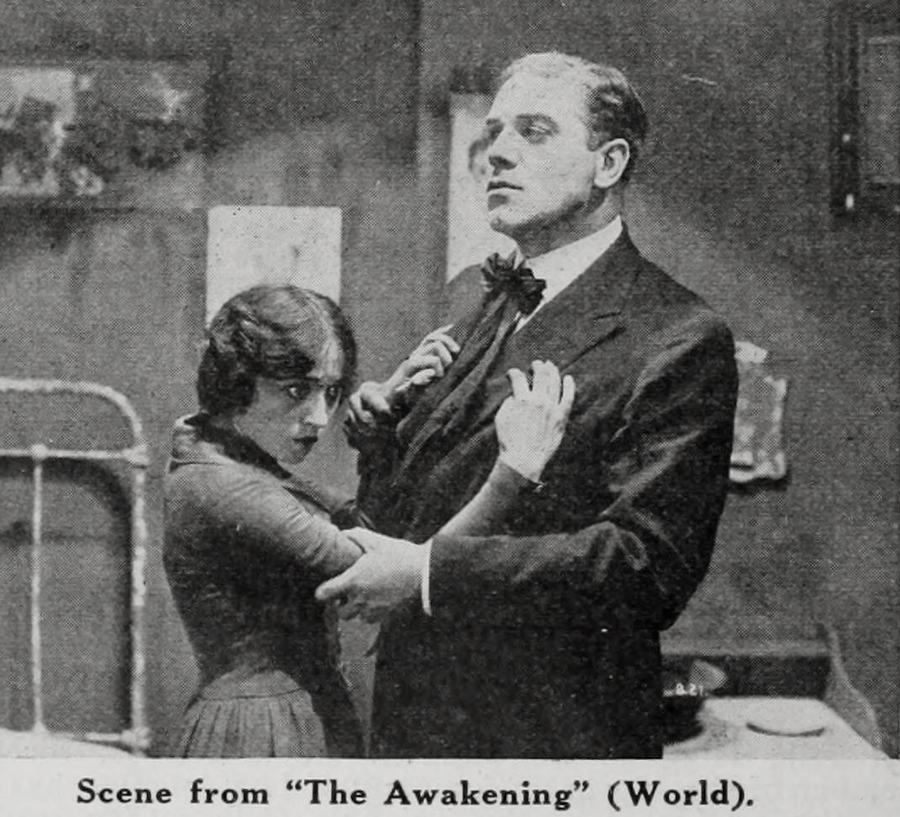
Dir: George Archainbaud
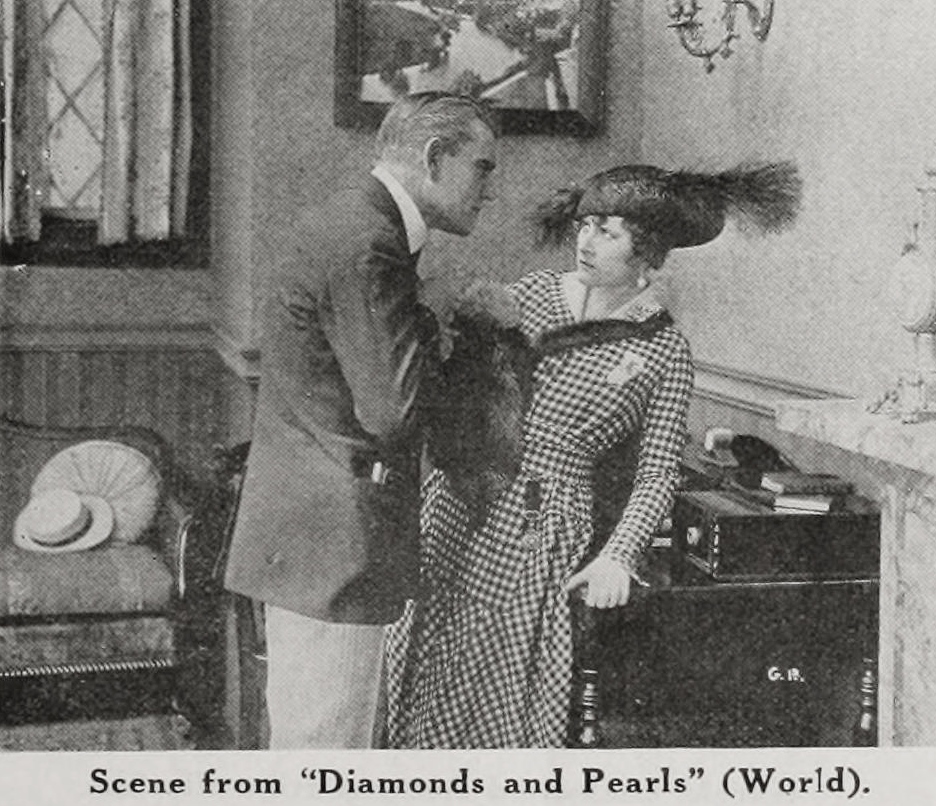
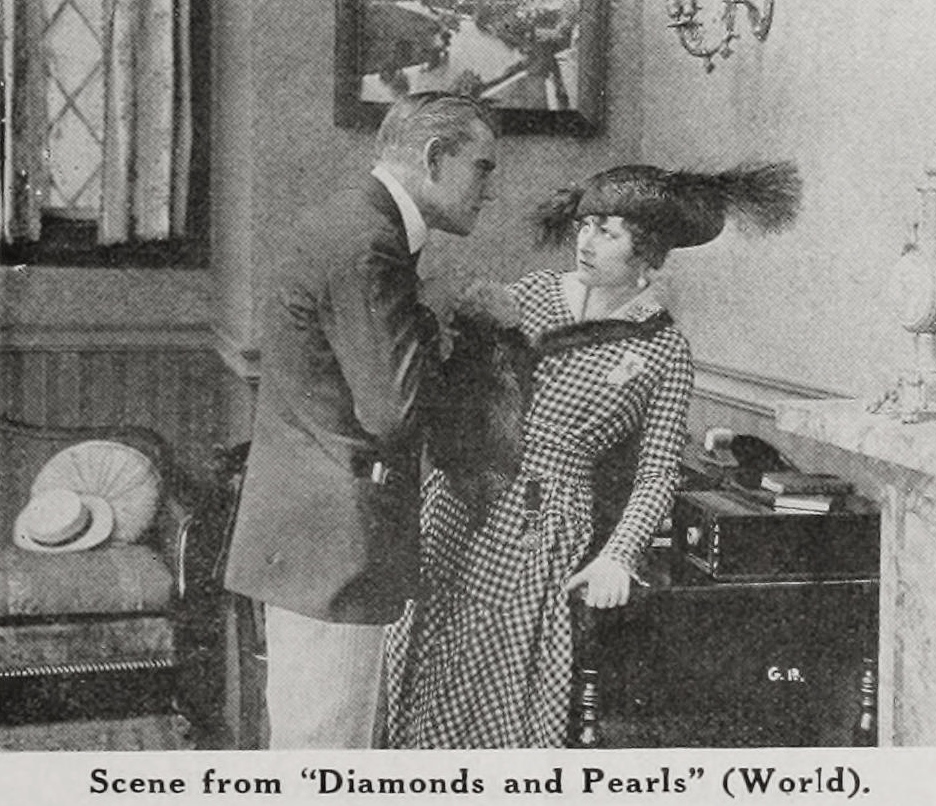
Violetta D'Arcy turns down the proposal of Jack Harrington, whom she believes to be poor, and instead marries the wealthy Robert Van Ellstrom. Her husband's fortune, however, is not sufficient to cover her gambling debts, so she pawns her sister-in-law's jewels and accepts money from Jack's father, who wishes to be introduced into society. When Harrington, Sr. makes improper advances towards Violetta, Robert fights him, and in the struggle, Harrington, Sr. shoots Jack in the arm. Believing that he has killed his son, Harrington commits suicide. Despondent and ashamed, Violetta tries to drown herself, but Robert intercedes and takes her in his arms.
View Details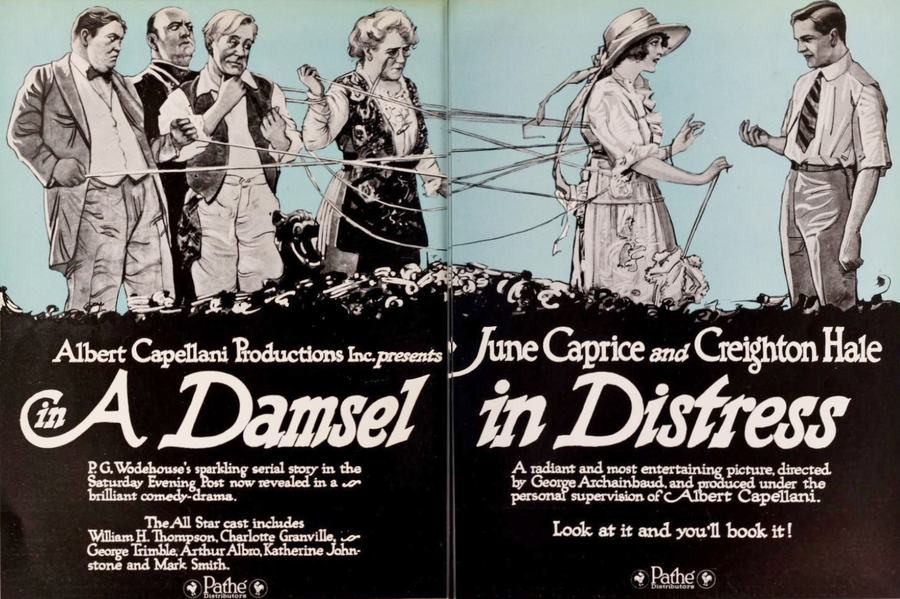
Dir: George Archainbaud
Maud March, the rebellious daughter of a a millionaire, goes to New York to see her sweetheart Geoffrey who left town years ago. Her aunt Carolyn wants Maud to marry her son Reggie and sends the girl's brother Percy after her to act as chaperon. Maud, trying to escape, enters a taxi where she meets handsome composer George Bevan. The man falls in love with the young lady who, when she sees Geoffrey has become fat and ugly, soon agrees to marry George.
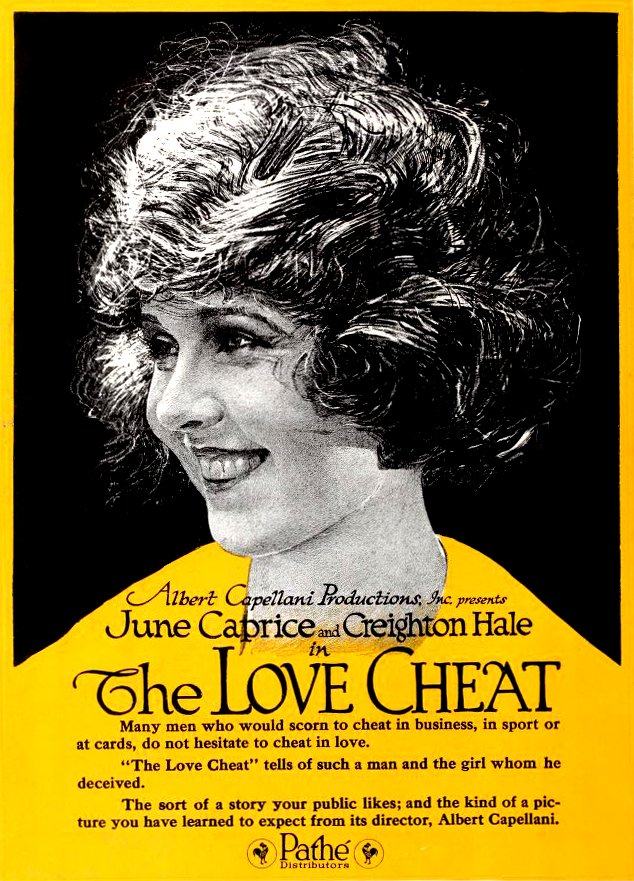
Dir: George Archainbaud
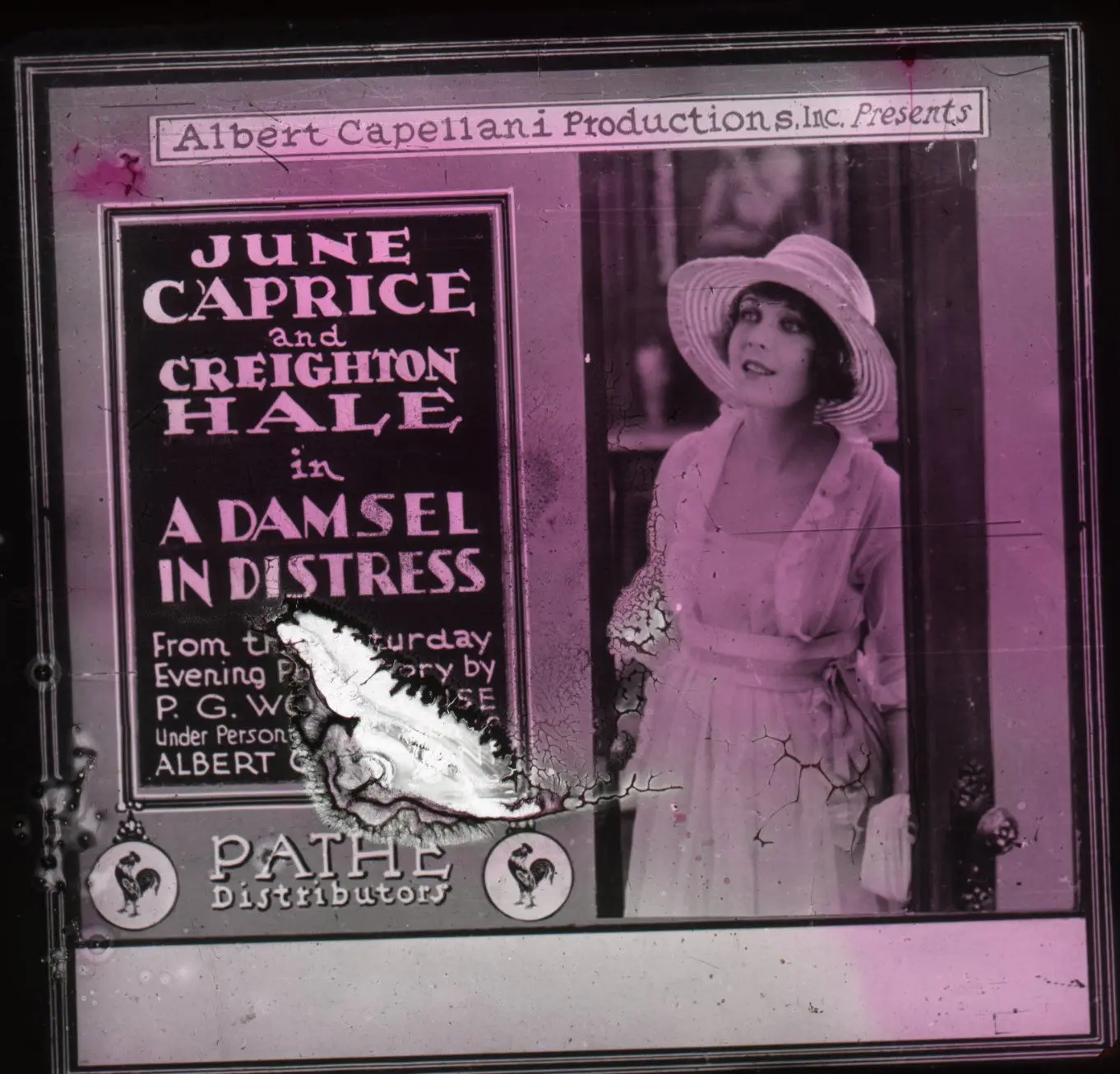
Henry, a struggling Greenwhich Villiage artist, accidentally finds an invitation to Louise Gordon's coming out party. He goes to the party, falls in love with the pretty socialite, but soon decides to leave as he realizes his financial situation is not up to standards. An old friend recognizes him and encourages Henry into lying that he is a successful businessman. Engagement plans soon proceed, but Henry's guilty conscience catches up and he sends Louise a letter confessing his deceit. Later, they meet and Henry confesses his love for Louise, who greatly impressed by his honesty, breaks her engagement to another, to marry Henry.
View Details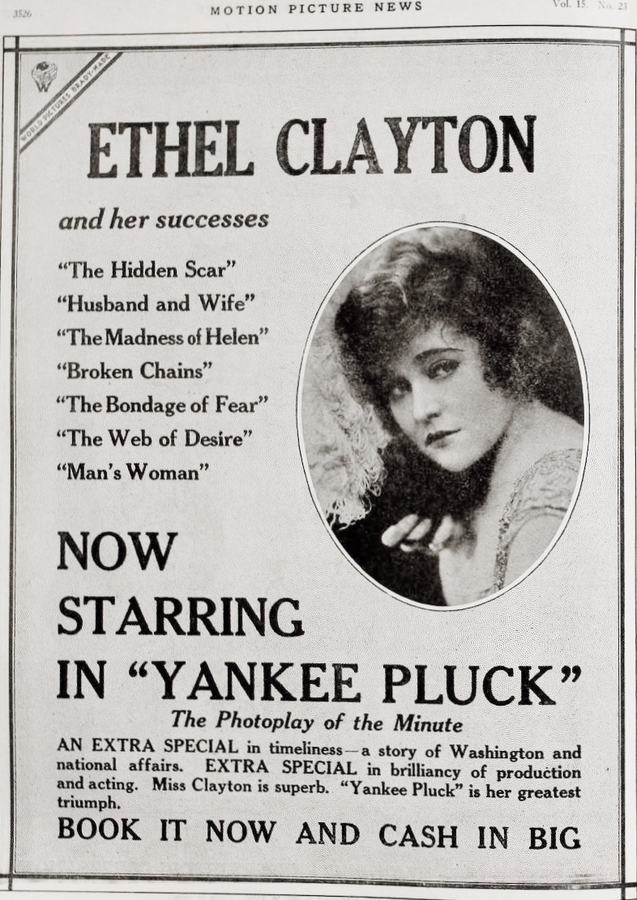
Dir: George Archainbaud
Once a wealthy man, John Pollard now resides in reduced circumstances in Washington, D.C. with his pretty daughter Polly. Despite the poor conditions, Polly manages to move in good social circles and meets multimillionaire George Singleton and Lieutenant Richard Travers, at the home of Mrs. Madison Derwent. Also at the Derwent mansion is Baron Wootchi, a Japanese diplomat trying to obtain valuable plans that are in Travers' possession. Old Pollard owes Singleton money and tries to persuade his daughter to marry the millionaire. Polly refuses and accepts Travers' proposal instead, until her father informs her that Singleton can seize their house unless Polly pays off the debt by becoming his wife. Meanwhile the Baron offers Pollard $50,000 to produce the documents in Travers' keeping. Pollard steals the papers and goes to a roadhouse to turn them over to the Baron. Discovering the theft, Polly follows and confronts the Baron at gunpoint. Finally, Travers learns the truth of the affair, pays Pollard's debt to Singleton and wins Polly.
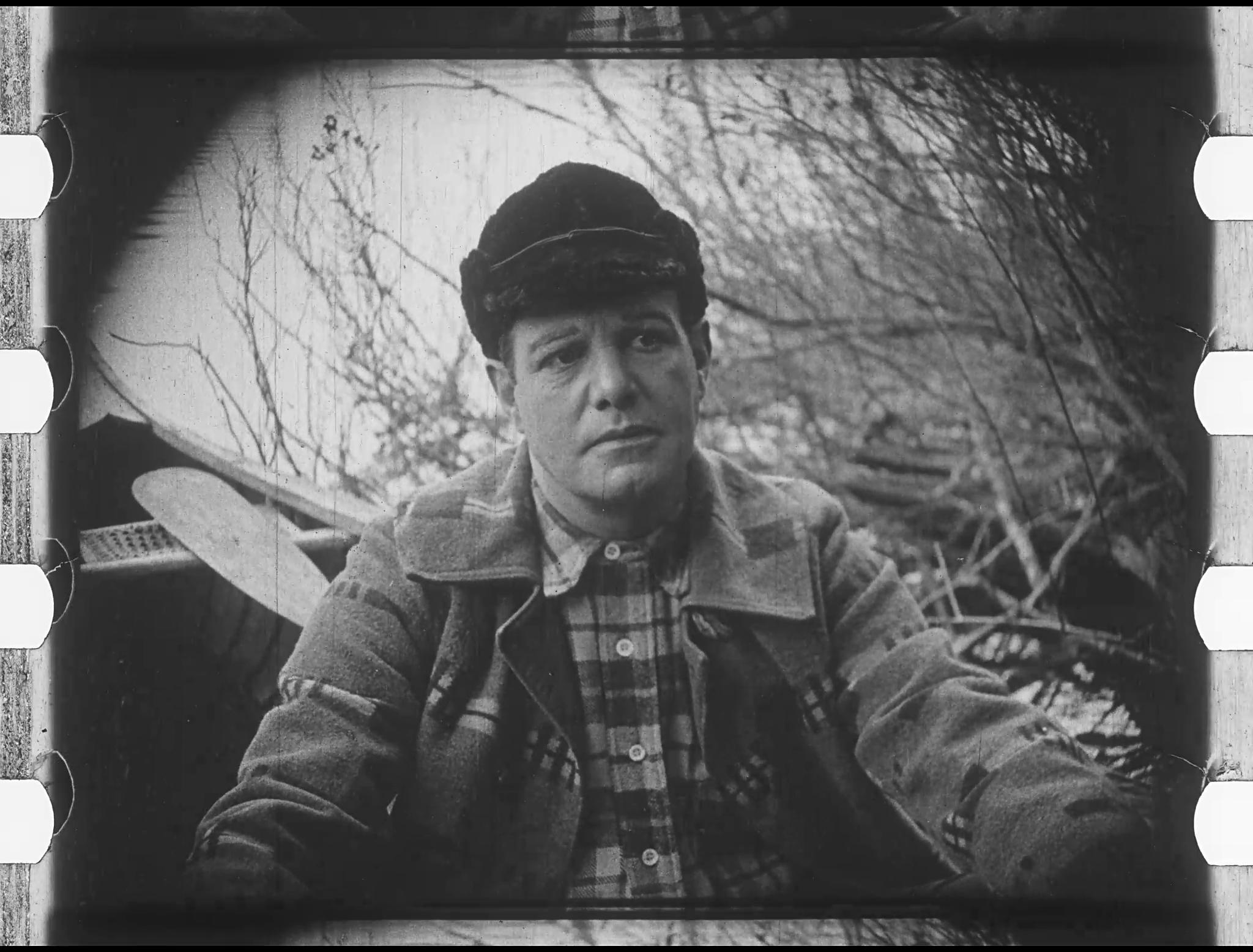
Dir: Edgar Jones
A mail-order bride arrives at a Maine lumber camp but doesn't like her prospective husband.
View Details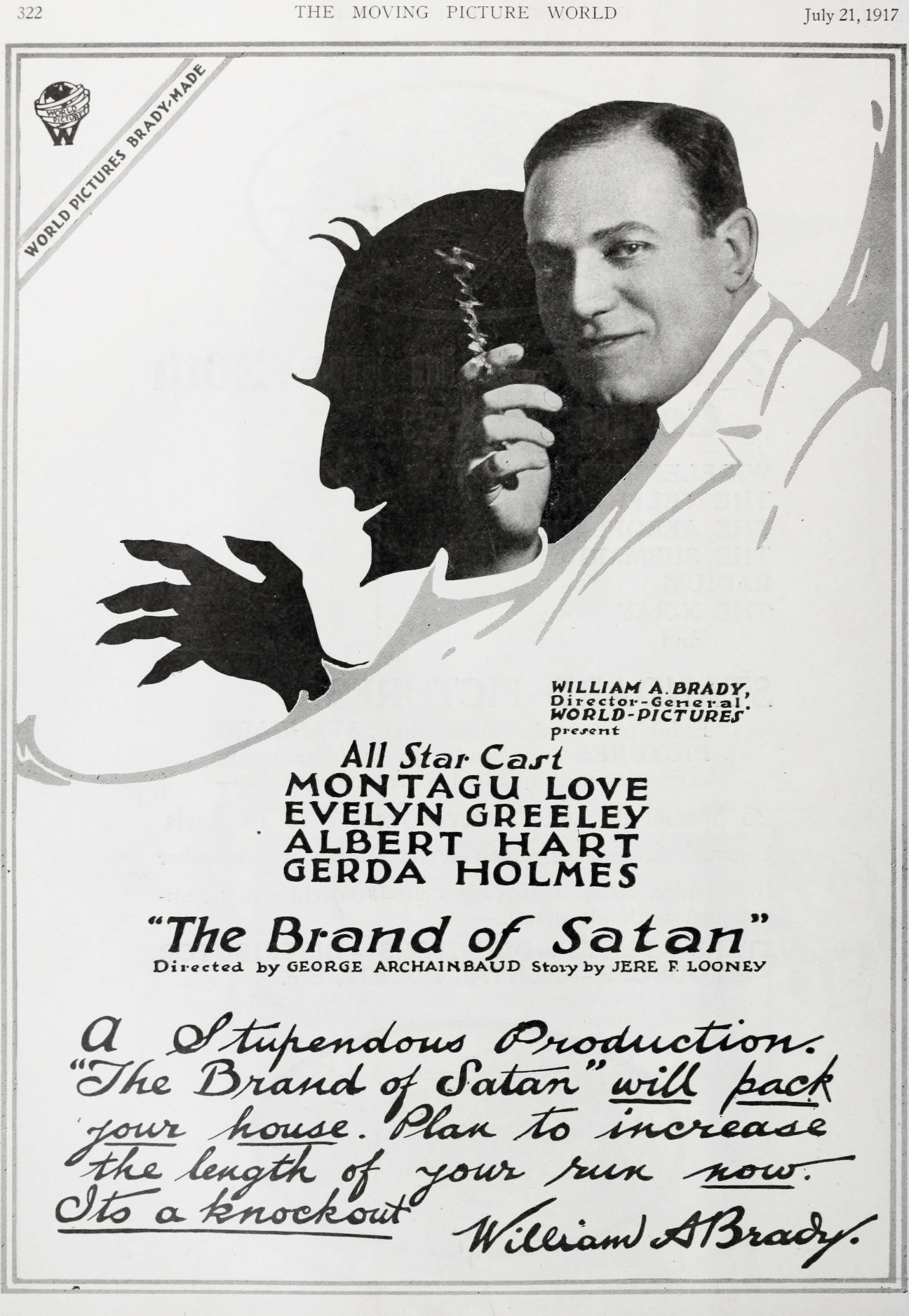
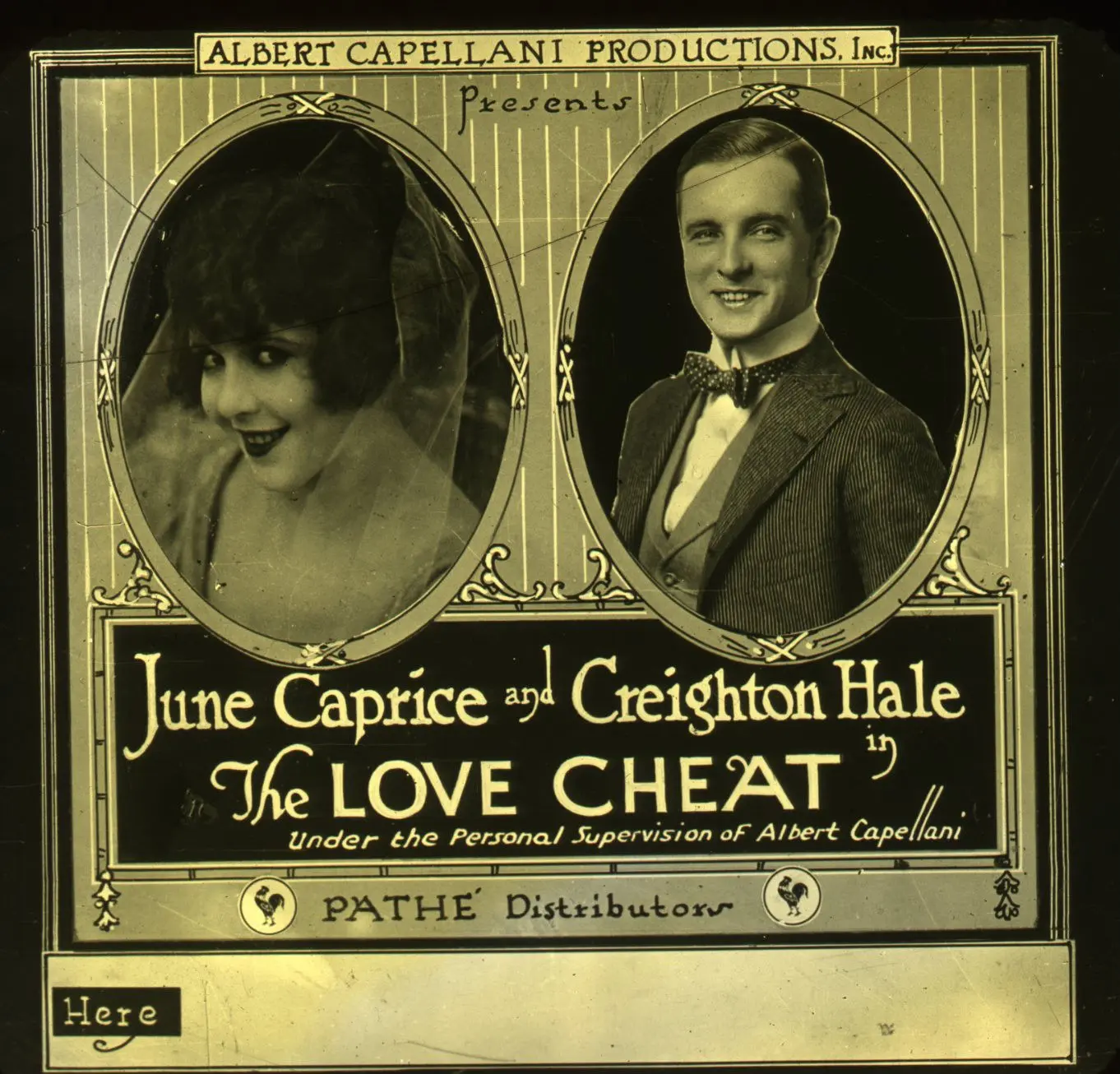
Dir: George Archainbaud
A man discovers that he has two personalities--and one of them is a notorious strangler.
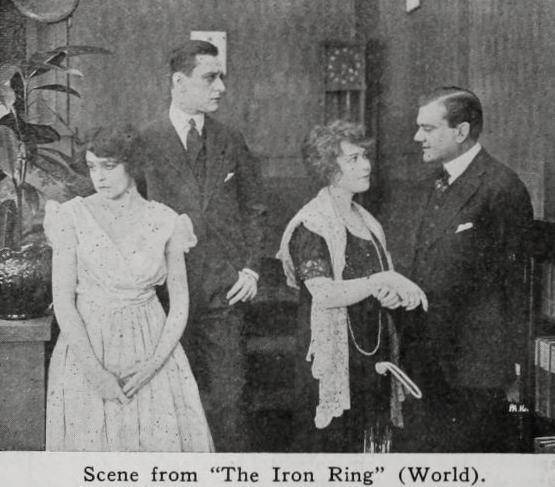
Dir: George Archainbaud
Bess Hulette is disappointed and feels ignored when her husband Aleck accepts a partnership in an ad agency owned by Stephen Graves. She tells her neighbor, Mrs. Leonard, about her predicament. One day a young woman, Dorothy Delamore, is injured in a car accident just outside the Hulettes' home. Bess meets Dorothy's brother, Jack, who is attracted to her. Noticing his attraction, Mrs. Leonard--who is cheating on her own husband--urges Bess to take up with Jack. Still feeling ignored by her husband, Bess accepts an invitation to a party at Jack's house, but finds out that things aren't exactly what they seem.
View Details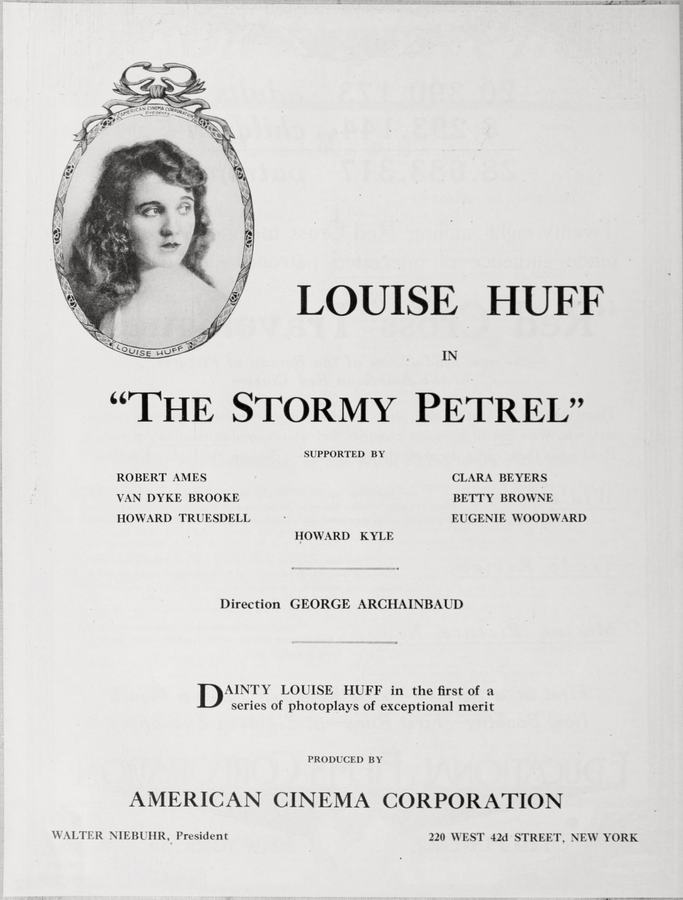
Analysis relative to Clay Dollars
| Film Title | Atmosphere | Complexity | Similarity |
|---|---|---|---|
| Lunatics in Politics | Ethereal | Dense | 97% Match |
| The Awakening | Surreal | Layered | 97% Match |
| Diamonds and Pearls | Ethereal | High | 93% Match |
| A Damsel in Distress | Surreal | Layered | 86% Match |
| The Love Cheat | Surreal | High | 96% Match |
This guide was algorithmically generated using the cinematic metadata of George Archainbaud's archive. Last updated: 6/25/2026.
Back to Clay Dollars Details →