
DbcultAccessing Vault...
Recommendations
Senior Film Conservator
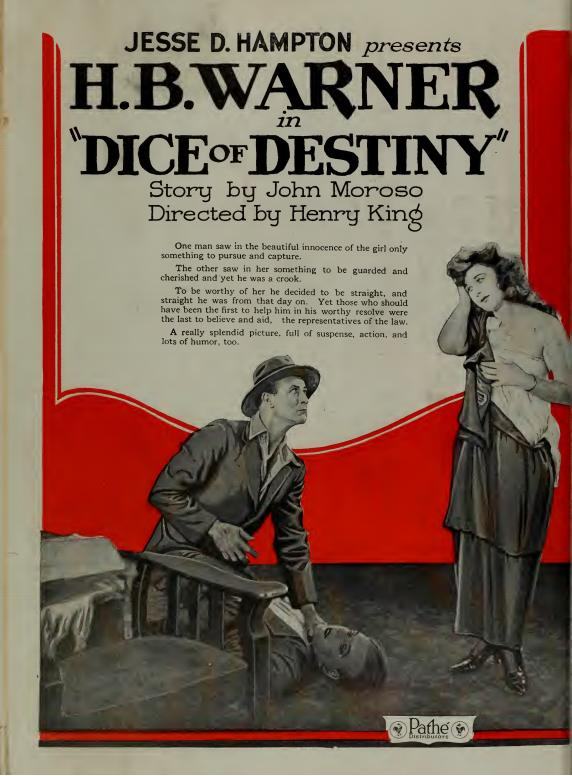
Ever since Dice of Destiny hit screens in 1920, fans have sought that same thematic gravity, the search for similar titles reveals the deep impact of Henry King's direction. These recommendations provide a deep dive into the same stylistic territory occupied by Dice of Destiny.
Whether it's the thematic gravity or the thematic depth, this film to capture the existential zeitgeist of 1920.
After serving his time for a crime he did not commit, ex-convict Jimmy Doyle is determined to go straight for the one he loves, Nancy Preston. Thereafter, Doyle notifies the man who framed him, Detective James Tierny, that any further false accusations will result in his death. Double-crossed by former pals, Doyle is sent back to prison but escapes in time to rescue Nancy from Dave Monteith, one of the colleagues who betrayed him. But when Monteith is killed by an accomplice, suspicion points to Doyle as the murderer. Desperate, he and Nancy run away to a small town where, because he once studied medicine, he becomes an assistant in his uncle's hospital. Meanwhile, Tierney is closing in on Doyle when he suffers an attack of appendicitis from which only Doyle can save him. Resisting his baser feelings, Doyle performs the operation and saves his foe's life. Finally, word arrives that the real murderer has been found, then Tierney gives Doyle and Nancy his blessings.
The influence of Henry King in Dice of Destiny can be felt in the way modern Crime films handle thematic gravity. From the specific lighting choices to the pacing, this 1920 release set a high bar for atmospheric immersion.
Based on the unique thematic gravity of Dice of Destiny, our vault has identified these titles as the most compelling follow-up experiences for fans of Crime cinema:
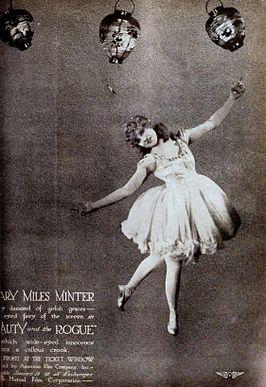
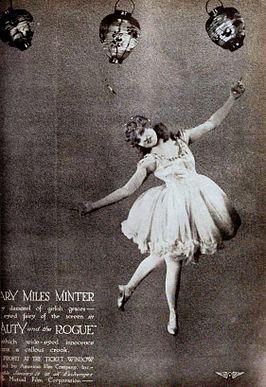
Dir: Henry King
Roberta Lee, who is concerned with reforming ex-convicts, convinces her wealthy father to hire ex-robber "Slippery" Bill Dorgan as a gardener in their home. Bill tries at first to reform himself, but soon yields to temptation and steals Roberta's jewels. To avoid publicity, Roberta takes a trip to the country, where she meets Richard Van Stone who, under an assumed identity, is conducting business for her father. Taken with Roberta, Richard unwittingly buys Roberta's own brooch from Slippery Bill, presents it to her, and is arrested for the robbery. When Roberta is kidnapped, Bill rescues her and returns the jewels, after which she drops the robbery charges and marries Richard.
View Details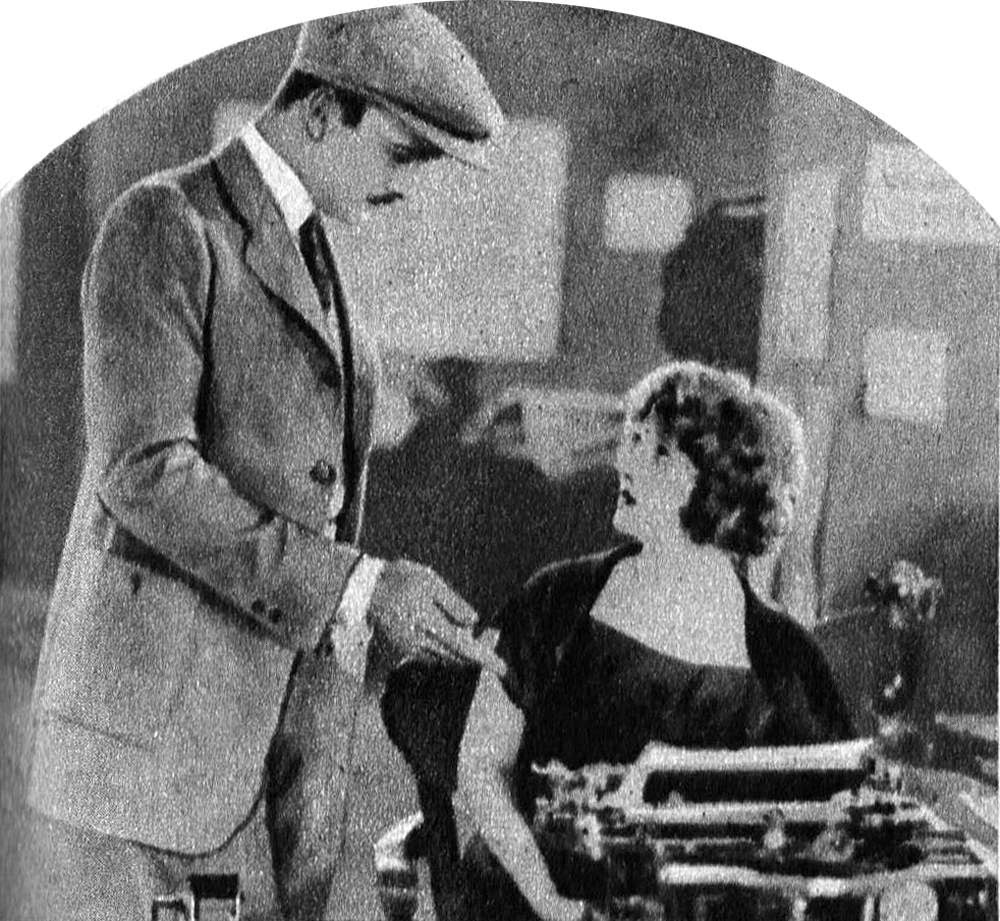
Dir: Henry King
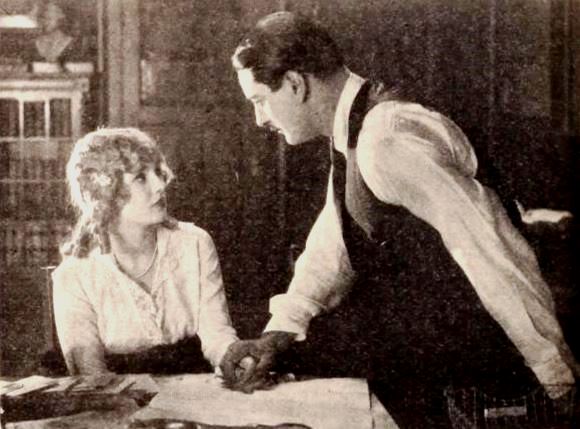
Run out of town when he exposes crooked politician Jarvis McVey in the pages of his newspaper, Burton Grant asks his daughter Sylvia to turn the Daily News over to his dynamic young city editor, Frank Summers. Having inherited her father's journalistic talents, however, Sylvia fires Frank and takes charge of the paper herself, decorating the city room with bows and printing several rather silly "scoops." In the meantime, Frank learns that McVey and the president of the railroad have become involved in a dishonest scheme concerning the city franchise, and when Sylvia hears this, she publishes an extra, stating that McVey should be tarred and feathered. Sylvia's father arrives just in time to prevent the angry townspeople from carrying out her suggestion and then compels McVey to leave town. Grant orders Sylvia to return to school, but she decides to become Mrs. Frank Summers instead.
View Details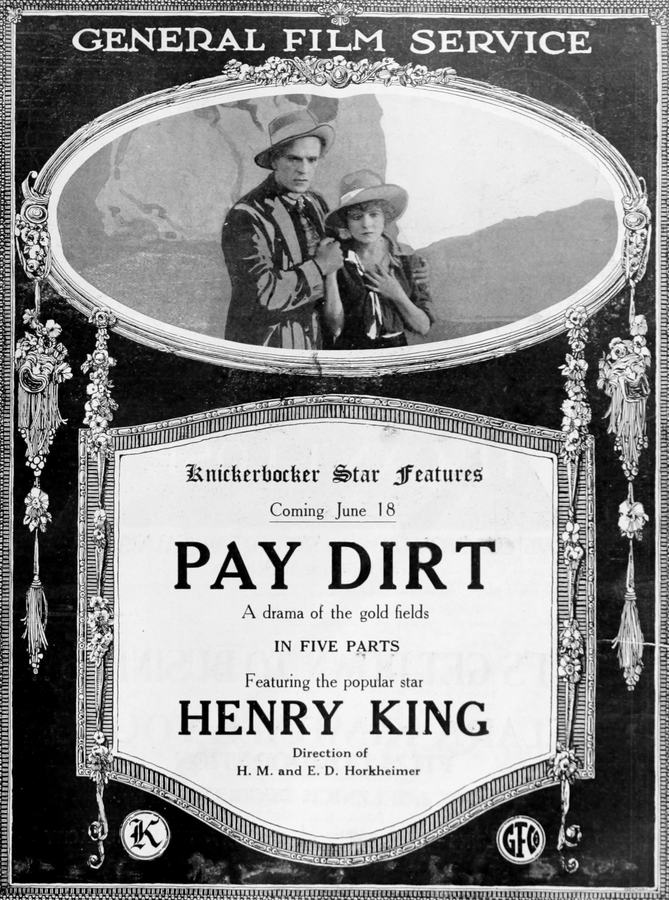
Dir: Henry King
While he digs for gold day by day, "The Easterner," a young miner, gambles by night. A woman of the camps, named Moll, takes an interest in him and tries to break him of the habit that is his ruin. He laughs at her, but after she saves his life he promises to quit playing. Kate Gardner, a girl of the west loves him, and she is turn is loved by Bill Turner, a miner. Turner proves to her that the Easterner loves Doris Wendell, daughter of a wealthy land owner. She, with Moll, is instrumental in saving the Easterner's life when he is about to be lynched by a mob at the command of the jealous Turner. Peter Gardner, her father, covets the Easterner's claim and bribes Dick Weed, the gambling house proprietor, to help him get the claim. They attempt to make him gamble, but he is true to his promise. Later he discovers that Moll is his mother, whose passion for gambling he has inherited. Oby, a half-wit. Haunts the camp. Moll and her son try to live respectably after Doris has broken the engagement because the Easterner refuses to disown his mother. But the passion for gambling proves too strong. Moll rushes out of the house to the Hall of Chance. Her son is inveigled by Weed and Gardner into betting his claim. As he loses, Oby snatches away the tablecloth, jumbling the cards. Gardner, in a rage, strikes him down. His memory returns and he recognizes Gardner as the man who robbed him many years before, and shoots him. Dying, Gardner admits that Kate is Oby's daughter. Reunited with her father, she marries the Easterner.
View Details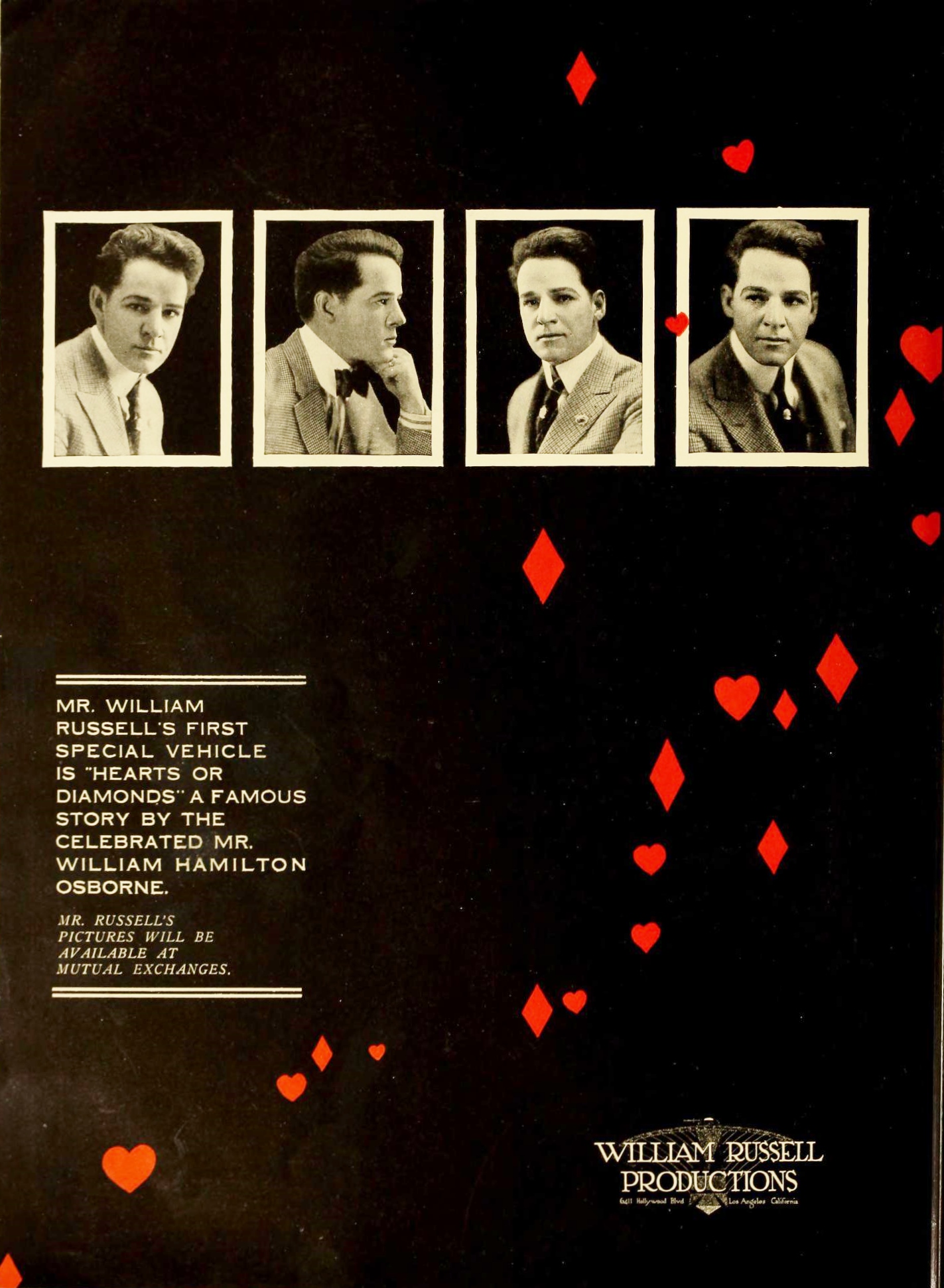
Dir: Henry King
Wealthy diamond collector Larry Hanrahan is given the opportunity to assist the beautiful, jewel-bedecked woman he admires in a Broadway café when she and her guardian are attacked by robbers. Larry is invited to visit the grateful pair, Col. Paul Gascoyne and his ward Adrienne, at the colonel's laboratory, where he is introduced to Wintermute, a chemist who produces imitation diamonds. In return, Larry asks them to view his priceless diamond collection. Although he has fallen in love with Adrienne, Larry is forced to believe that she is a thief when he is robbed by a woman wearing Adrienne's scarf. Larry finds his jewels in Gascoyne's house, but before he can escape, a group of thugs overpowers him. Adrienne assists him in contacting the police, who arrive in time to capture Gascoyne and his gang. Badly wounded, the colonel confesses that Adrienne has been his innocent dupe, whereupon Larry happily takes her to his heart.
View Details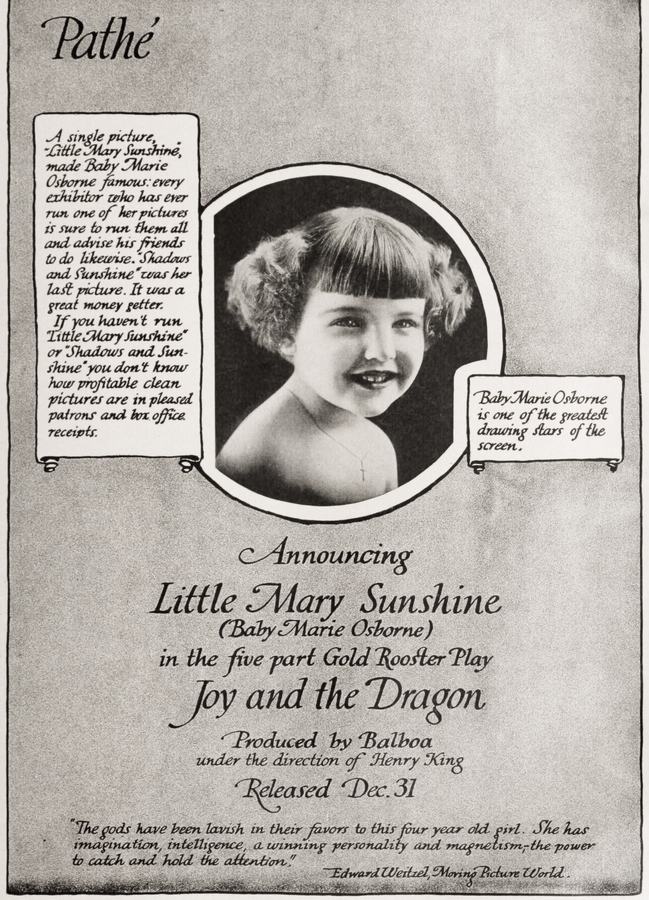
Dir: Henry King
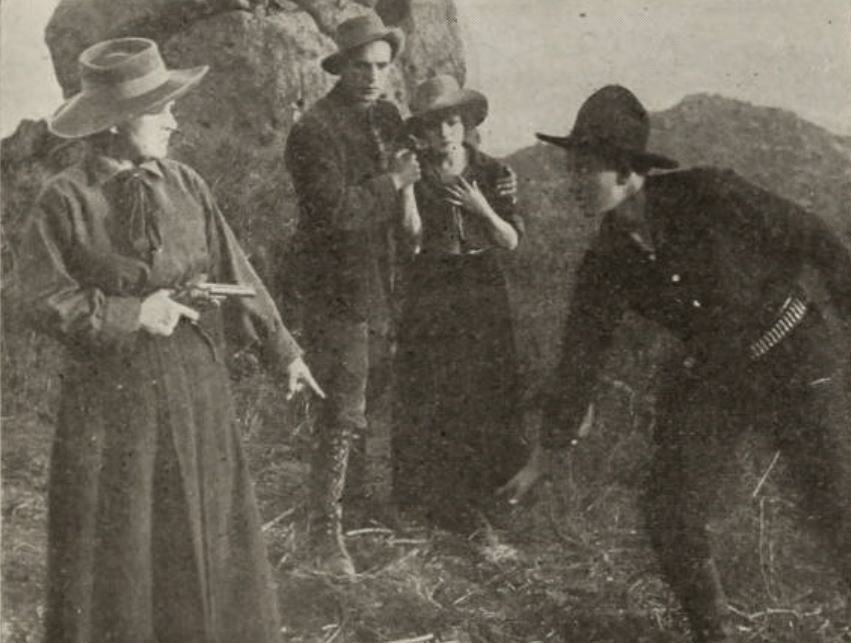
Young Joy ( Baby Marie Osborne ), the sole survivor of a shipwreck that killed her parents, is rescued by fishermen and then placed in an orphanage. Although reputable on the surface, the home really functions as a front for some crooks who want to keep Joy there because she carries with her all of her mother's jewelry. Joy manages to escape, but without the jewels, and then stows away on a train heading out West. After arriving, she meets Hal Lewis ( Henry King ), who has been made an outcast by his upper crust Eastern family. Hal soon adopts the little girl and, becoming stronger and more serious through the responsibilities of parenthood, he returns home with Joy. Then, after receiving his father's forgiveness, Hal breaks up the orphanage gang and retrieves Joy's jewels.
View Details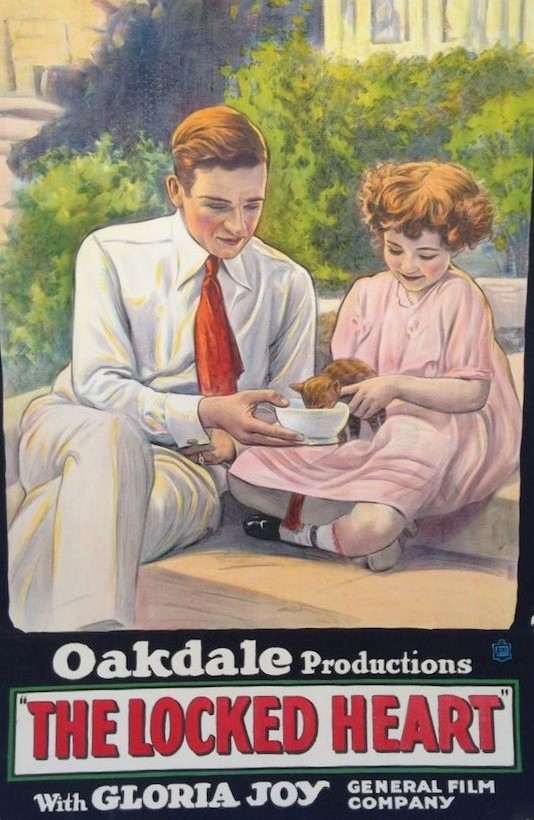
Dir: Henry King
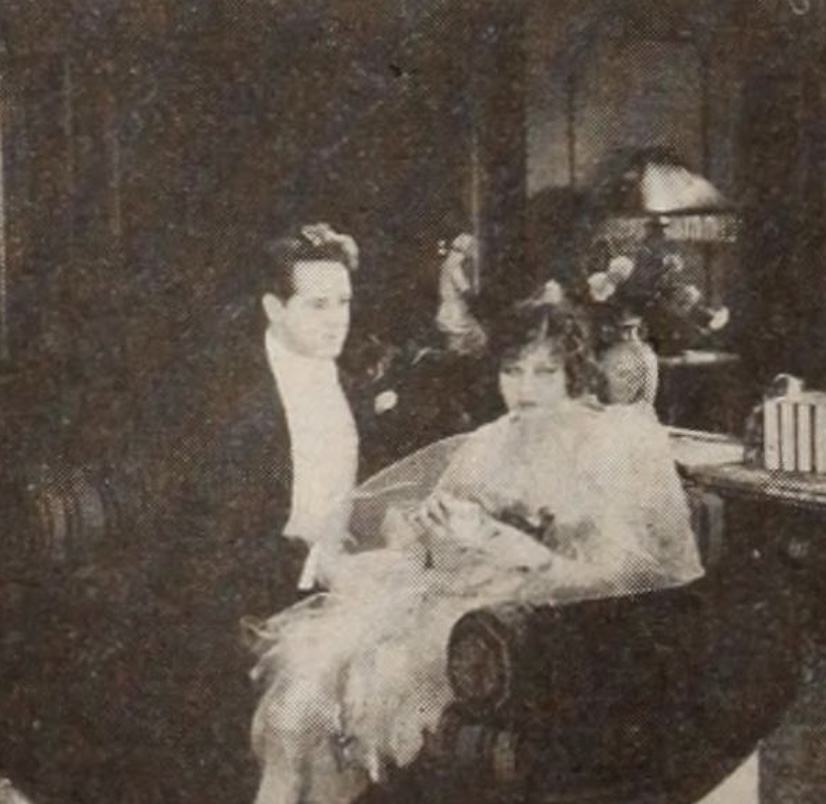
Harry Mason is called home by wire, but when he arrives, he finds that his wife Ruth has just died in childbirth. Thoroughly shaken, Harry refuses to look at the baby, and after locking the door to the room that Ruth had prepared as the nursery, he departs for Europe, leaving little Martha in the care of her grandfather, Colonel Mason. In an attempt to escape his grief, Harry travels throughout the world, but the spirit of his wife continually distracts him, and he finally decides to return home. Unaware of her father's identity, Martha, now a charming and spirited little girl, befriends Harry and soon convinces him to unlock the nursery door. On the bureau, he finds the letter his wife had left him years earlier, requesting that he care for their child in the event of her death. Realizing his blindness, Harry takes Martha to his heart.
View Details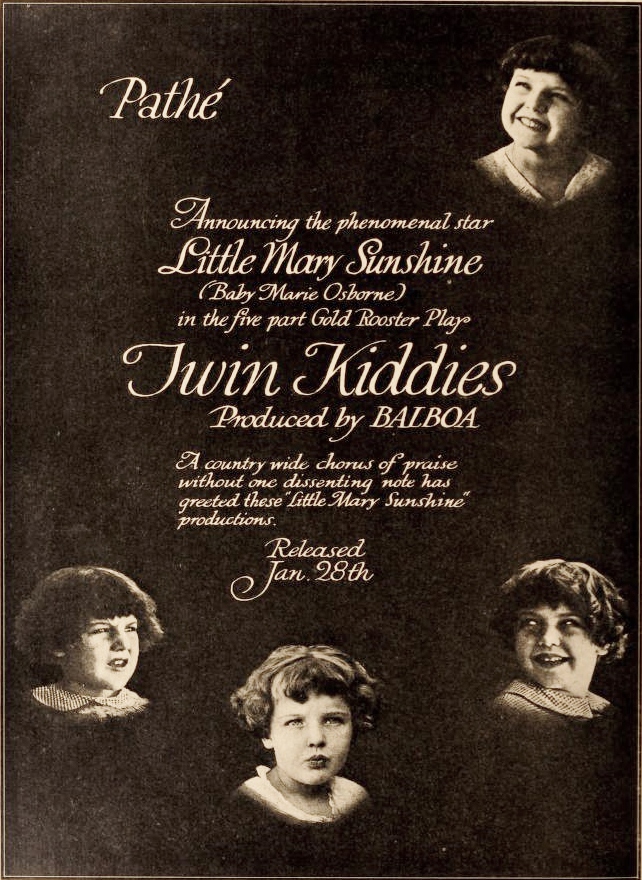
Dir: Henry King
No one seems to understand or love Fay, the little spoiled granddaughter of William Van Loan, a hard-hearted capitalist, but the old family butler, who tells her fairy stories. In Powhatan, a mining town controlled by Van Loan, Bessie, a sweet motherless child of Jasper Hunt, a mine foreman, lives with their housekeeper, Mrs. Flannigan. The mining company raises the price of food stuffs at the only store; the men resent this, and failing to get increased pay, strike. Van Loan refuses to yield and decides to use scab labor. Scenes of violence follow and, compelled to go to Powhatan, Van Loan takes Fay with him. Fay meets and plays with Bessie and for fun they change dresses. Separated, the unusual likeness deceives the Van Loan governess, who supposes Bessie to be Fay and whisks her away. Mrs. Flannigan finds and takes Fay, sick from exposure, to the Hunt home. Business hurriedly recalls Van Loan and mistaken for a changed Fay, Bessie revolutionizes the Van Loan household by her sweetness. Hunt, the real leader of the striking men, is summoned to meet Van Loan. During the unsuccessful arbitration meeting, Bessie comes in to bid her "grandfather" good night and, seeing her father, rushes to his arms. Hunt, busy with the strike, supposes her to be ill at home. They are all dumbfounded. Bessie tells them how she and Fay changed clothes. Looking up the family trees, the likeness of the "twin" kiddies is explained, and, completely won over, Van Loan yields to the men and Hunt is made mine superintendent. Years of dread follow, and just as a report of the other's death reaches him, his foe appears, immensely wealthy and wreaks the vengeance in a spectacular manner.
View Details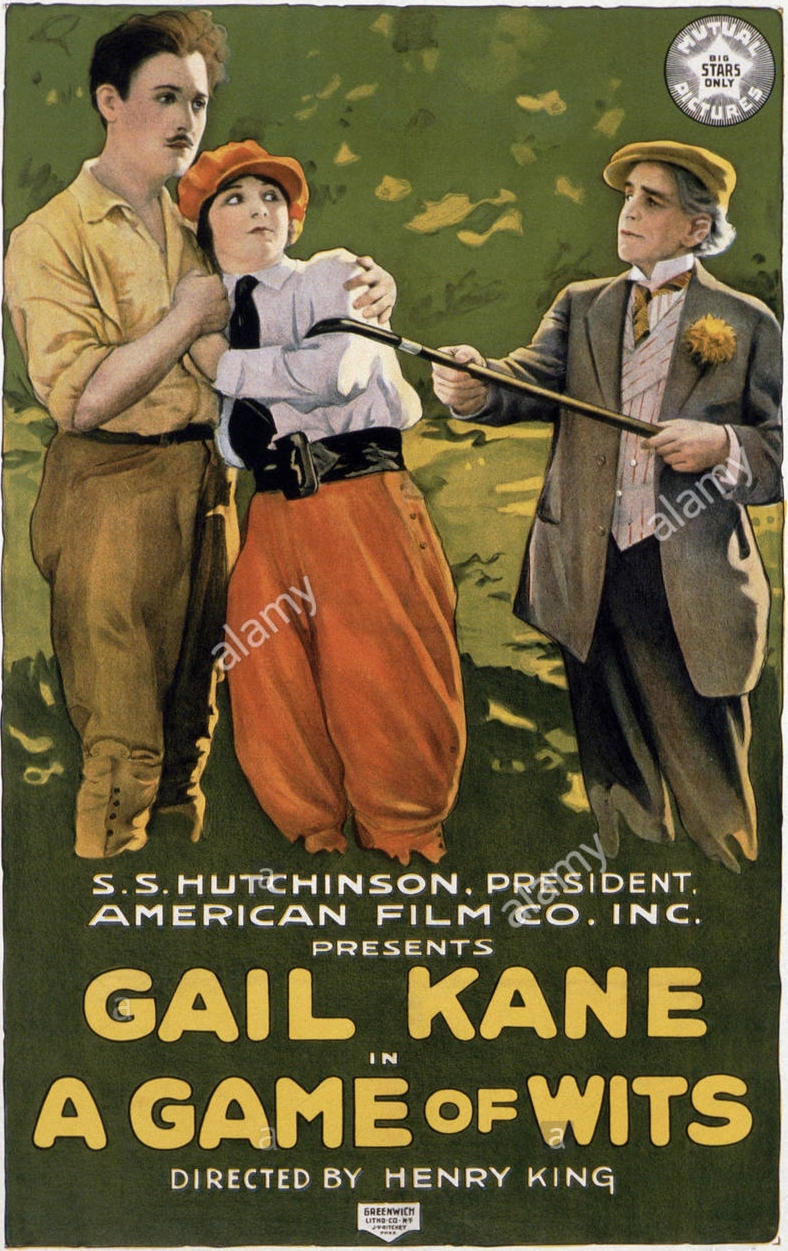
Dir: Henry King
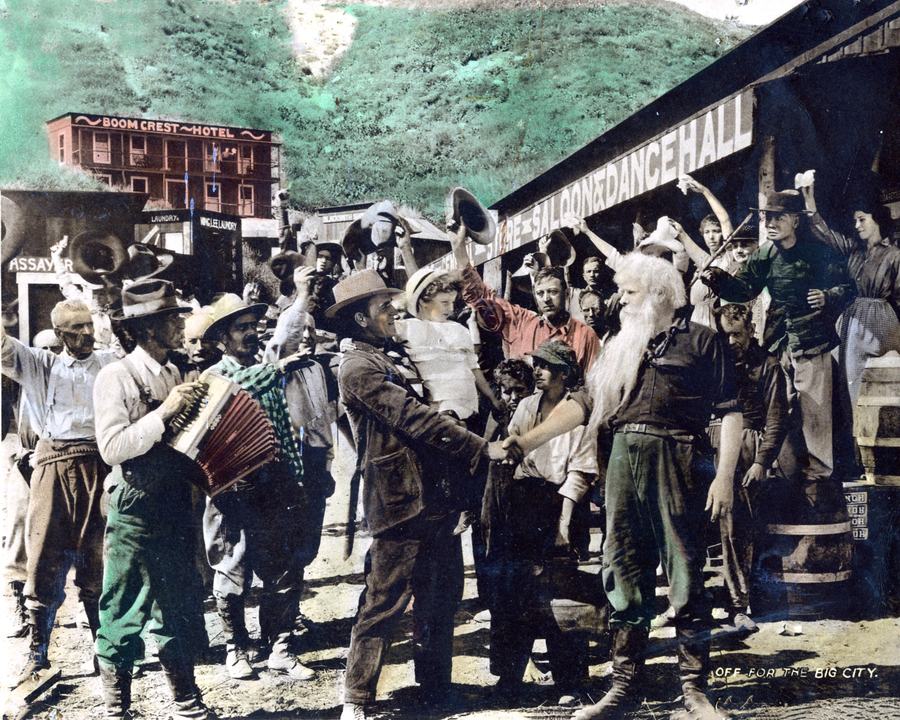
Jeanette Browning overhears Silas Stone, an aged Wall Street wolf, demanding her as his wife in payment for saving her father from financial ruin. Upon her acceptance of Stone's proposal, her father receives a check to cover his shortage. She then conceives of a plan to make Stone break their engagement so that she can sue him for breach of promise. Stone is invited to the mountains to visit the Brownings, and Jeanette pairs her youthful strength against the old man's advanced age. After tiring him out with dances, midnight suppers, swims and horseback riding, Jeanette plays her trump card when she introduces Stone to her brother Larry, the shame of the family because of his insanity which she claims to have inherited as well. Horrified, Stone attempts to steal away but is caught by Larry. Jeanette feigns despair at the loss of his love and threatens to sue for breach of promise. After Stone patches her broken heart with a check for $100,000, Jeanette confesses to her father that "brother Larry" is actually her sweetheart whom she pressed into service to frustrate the crafty old man.
View Details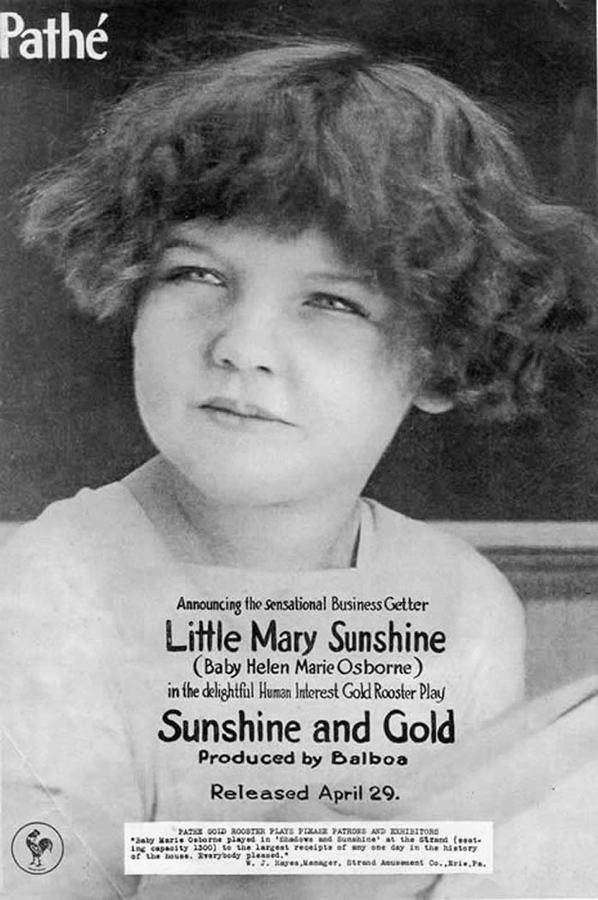
Dir: Henry King
Shouts of joy and the clapping of many tiny hands welcomed the arrival of the big birthday cake. For this was Little Mary's birthday. To celebrate all Mary's little friends had been invited and the big event which preceded the supper and the cutting of the cake was a performance of Cinderella and the affair of the glass slipper. Little Mary forgot to leave at the hour of 12, and when she was called away by the fairy she dropped her glass slipper on the stair. Of course, to every one's amazement, when the Prince went looking for the owner of the slipper, the only one whom it fitted was Little Mary. The party and the excitement was all over, and, as an added help to recuperate from the strain of starring. Little Mary the next day went auto riding with the chauffeur. But fate then took a hand in the story of Mary's life. Captured by Gypsies and later escaping in the midst of a battle royal amongst the tribe she finally made her way to the hut of a crabbed old man, but she finally overcame his crabbedness by her cute and winning smile. Unknown to Little Mary, her benefactor was in reality her grandfather, James Andrews, who had taken his money to this backwoods place because of his son, Dr. Andrews, who had married against his wishes. The chauffeur, wild with anxiety, finally located Little Mary in the cellar, where she had gone to help the old man, who had fallen while miserly counting his money. Would they be able to reach the city in time? They faced a hard task, but Little Mary had known harder work when she had starred in Cinderella.
View Details
Dir: Henry King
Richard Chester, a bachelor who has lost everything in a poker game, blunders into the apartment of Nora Ellis, who has just inherited a fortune under the stipulation that she marry immediately. Assuming the name Chester Dick, Richard marries Nora and leaves. Unaware of this marriage of convenience, Charles Renalls, Nora's suitor, later assumes that her wealth is the only impediment to their union and conspires to ruin her on the market. Upon learning of his scheme, Richard ruins Charles. Nora falls in love with Richard, not recognizing her benefactor as her husband of an evening. Hoping to spoil Richard's chances with Nora, Charles tells her that Richard is already married and that he carries his wife's picture in his pocket. To her surprise and delight, Nora discovers that the incriminating picture is her own photograph and that Richard is already her husband.
View DetailsAnalysis relative to Dice of Destiny
| Film Title | Atmosphere | Complexity | Similarity |
|---|---|---|---|
| Beauty and the Rogue | Gritty | Linear | 91% Match |
| Powers That Prey | Gritty | High | 97% Match |
| Pay Dirt | Tense | Linear | 92% Match |
| Hearts or Diamonds? | Surreal | Linear | 89% Match |
| Joy and the Dragon | Gothic | Dense | 86% Match |
This guide was algorithmically generated using the cinematic metadata of Henry King's archive. Last updated: 6/25/2026.
Back to Dice of Destiny Details →