
DbcultAccessing Vault...
Recommendations
Senior Film Conservator
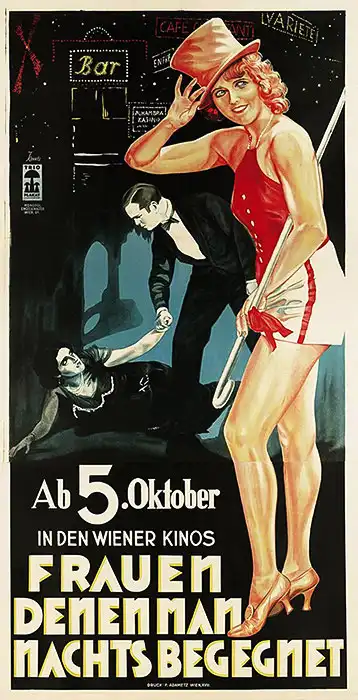
If you found yourself captivated by the artistic bravery of Die Dame in Schwarz (1928), the profound questions raised in 1928 still require cinematic answers today. Experience the Germany influence in these recommendations that echo Die Dame in Schwarz.
Die Dame in Schwarz remains a monumental achievement to provide a definitive example of Franz Osten's stylistic genius.
Based on the unique artistic bravery of Die Dame in Schwarz, our vault has identified these titles as the most compelling follow-up experiences for fans of cult cinema:
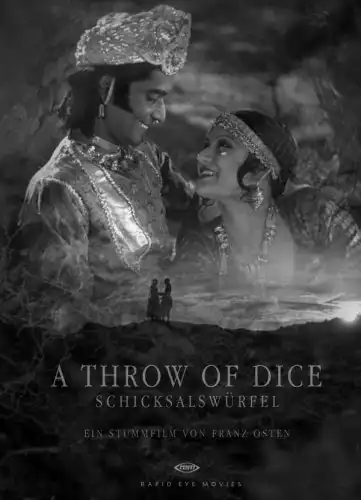
Dir: Franz Osten
Two neighboring Indian kingdoms are ruled by cousins - King Ranjit and King Sohat. Unbeknownst to Ranjit, Sohat is plotting to seize control of his kingdom.
View Details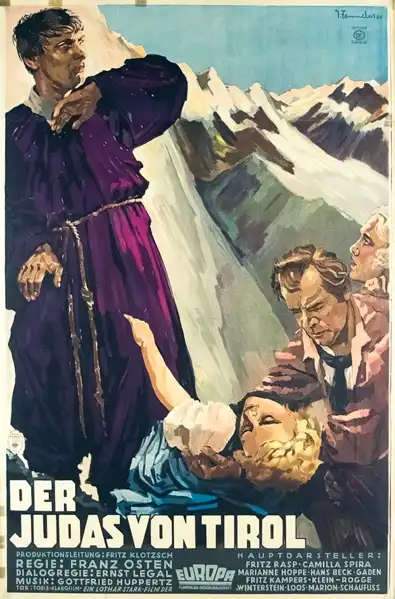
Dir: Franz Osten
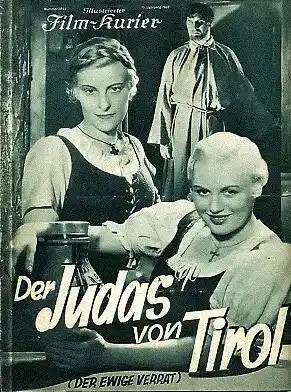
An Austrian farmhand betrays a nationalist rebel to the invading Napoleonic troops,in exchange for money he can use to become a landowner.
Dir: Franz Osten
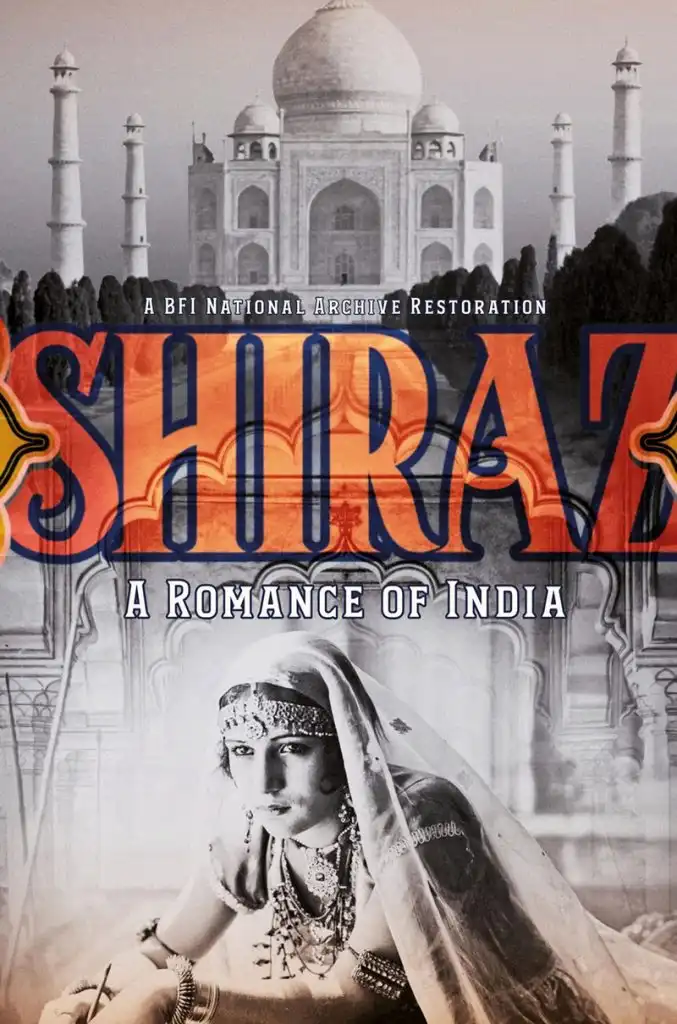
A historical romance set in the Mughal Empire. Selima (Enakshi) is a princess-foundling raised by a potter and loved by her brother, Shiraz (Rai). She is abducted and sold as a slave to Prince Khurram, later Emperor Shah Jehan (Roy), who falls for her, to the chagrin of the wily Dalia (Seeta Devi). When Selima is caught with Shiraz, the young man is condemned to be trampled to death by an elephant. A pendant reveals Selima's royal status and she saves her brother, marries the prince and becomes Empress Mumtaz Mahal while Dalia is banned for her machinations against Selima. When Selima dies (1629), the emperor builds her a monument to the design of the now old and blind Shiraz, the Taj Mahal. The film contains a number of passionate kissing scenes.
View Details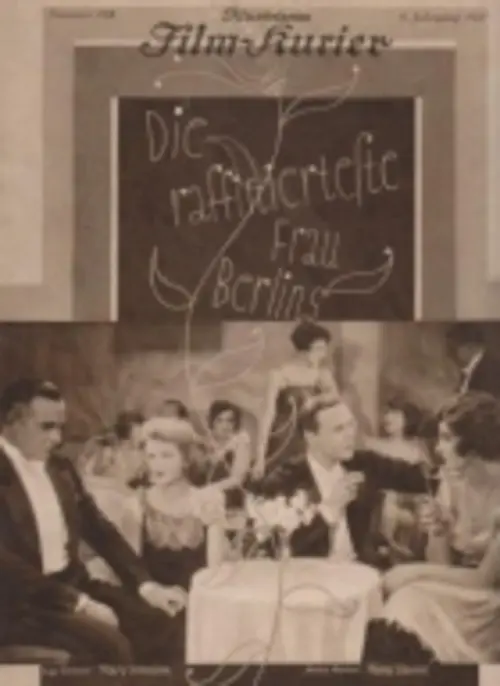
Dir: Franz Osten
A fascinating piece of cinema that shares thematic elements.
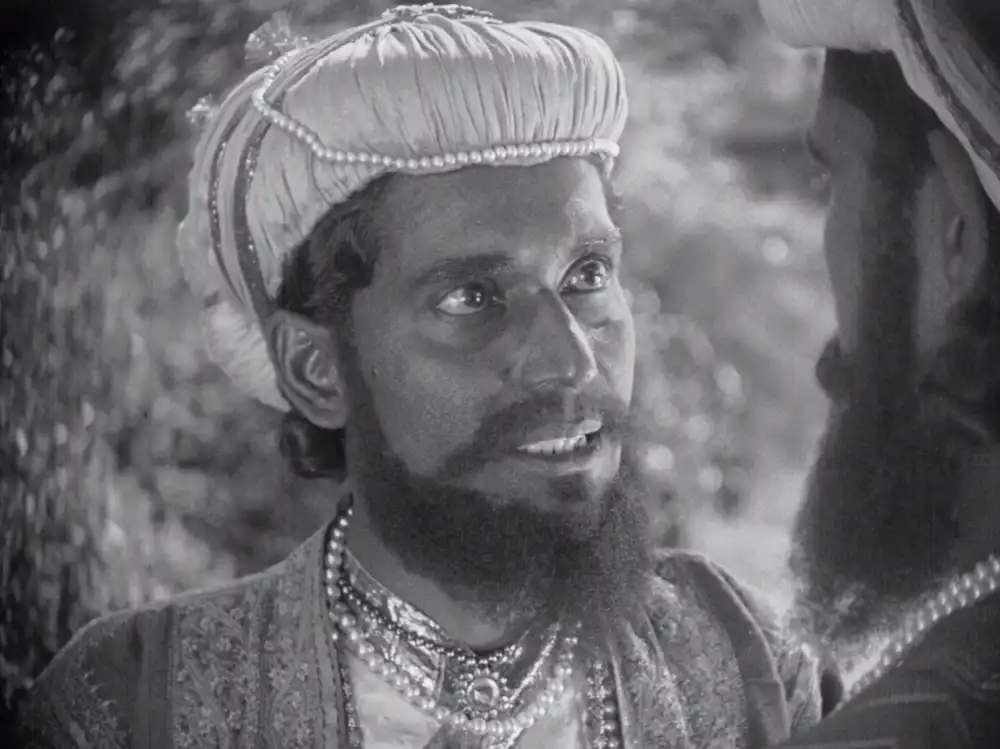
Dir: Franz Osten
A fascinating piece of cinema that shares thematic elements.
View Details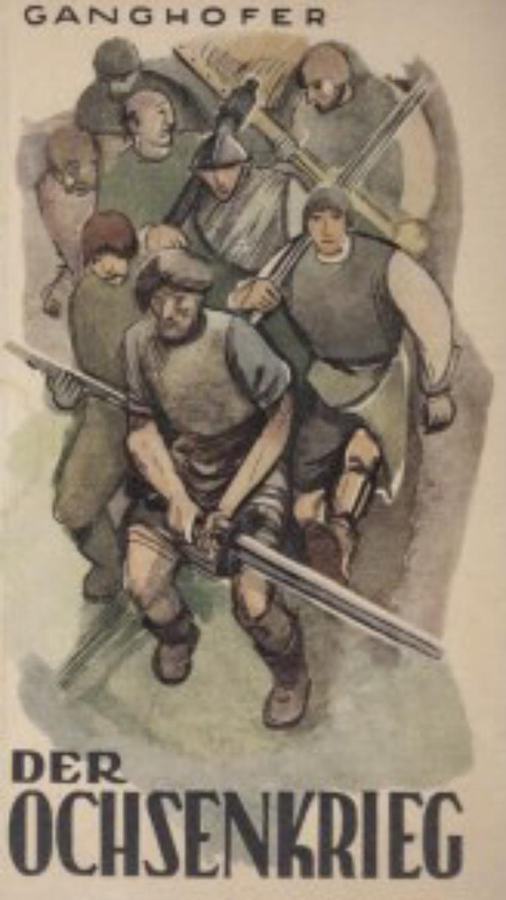
Dir: Franz Osten
A power struggle between mountain peasants who have been raising milk cows on common land and a village bailiff trying to gain power driving them off the land. Both have a ducal documents that states the opposite.
Dir: Franz Osten
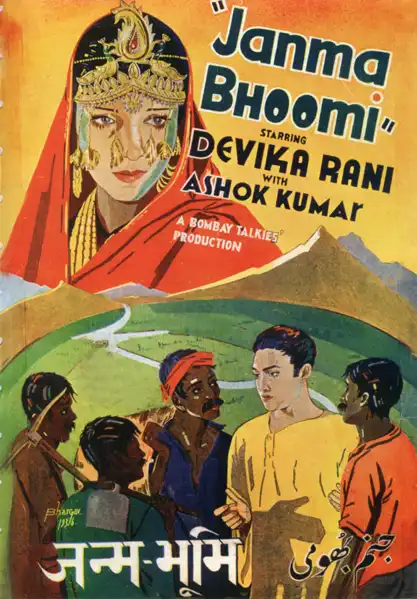
A nationalist rural drama- Janmabhoomi was the first patriotic Hindi movie. The plot has Dr. Ajay Ghosh and his girl friend Protima working to improve the lives of Indian villagers, incurring the enmity of the local zamindar and his vicious, scheming henchman Sanatan. Ajay's relentless goodness eventually persuades the zamindar to bequeath his property to the hero, and general well-being reigns as class conflict is transmuted into class collaboration. The film includes the nationalist song 'Jai jai janani janmabhoomi' and other choruses with a similar thrust.
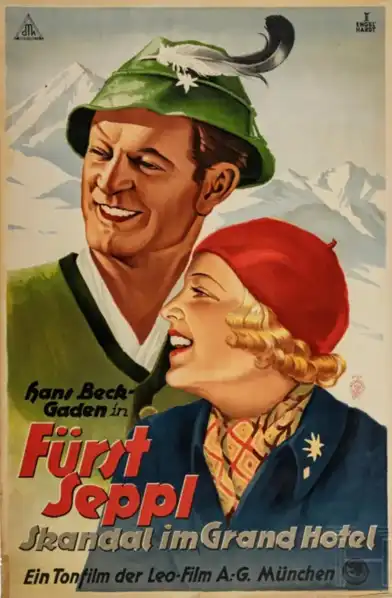
Dir: Franz Osten
In this comedy, a simple inn in the mountains is transformed into a grand hotel.
View Details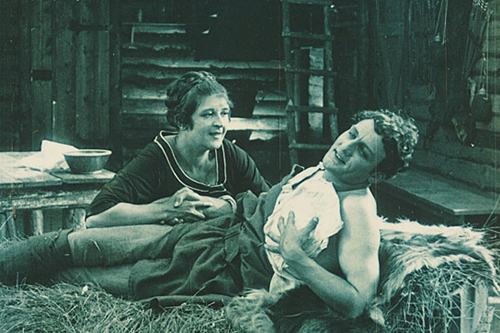
Dir: Franz Osten
A hunter provides meat for a monastery in the mountains and finds romance as well.
View DetailsAnalysis relative to Die Dame in Schwarz
| Film Title | Atmosphere | Complexity | Similarity |
|---|---|---|---|
| A Throw of Dice | Gritty | Abstract | 98% Match |
| The Judas of Tyrol | Ethereal | Abstract | 92% Match |
| Shiraz | Tense | Dense | 91% Match |
| Die raffinierteste Frau Berlins | Surreal | Dense | 97% Match |
| Mamta | Surreal | Layered | 96% Match |
This guide was algorithmically generated using the cinematic metadata of Franz Osten's archive. Last updated: 8/16/2026.
Back to Die Dame in Schwarz Details →