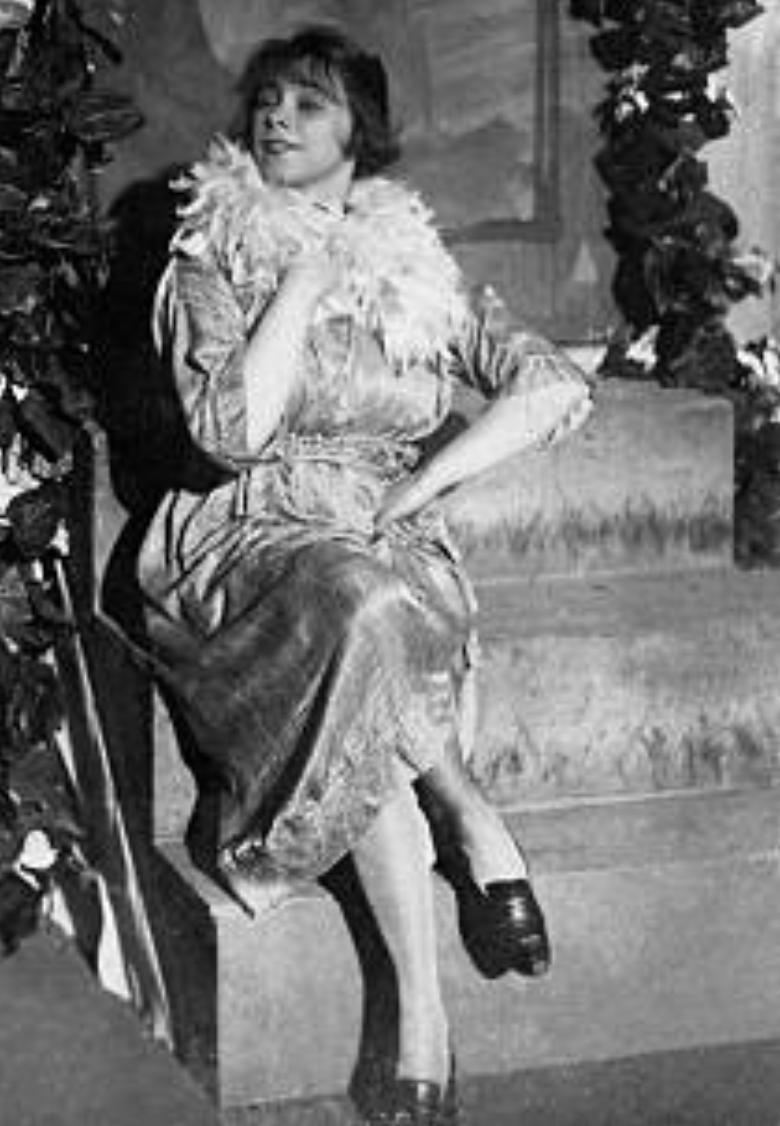
This adaptation of Arnold's 1861 Orientalist epic opens with documentary shots of tourists in Bombay watching street performers. Then a white-bearded old man sitting under the bodhi tree tells the tourists the story of Gautama (Rai), son of King Suddodhana (Ukil) and Queen Maya (Bala), who left his consort Gopa (Seeta) and became a wandering teacher credited with founding Buddhism.
Prem Sanyas: A Cinematic Pilgrimage into Enlightenment In the annals of silent cinema, few films resonate with the spiritual gravitas and historical ambition of P...
Archivist John

still_frame

still_frame

still_frame

still_frame

publicity

publicity

still_frame
Analysis & IMDb Ratings


Comparing the cinematic DNA and archive impact of two defining moments in cult history.

Franz Osten

Maurice Elvey
Knowledge Base
Community
Community
Log in to comment.
Loading comments…
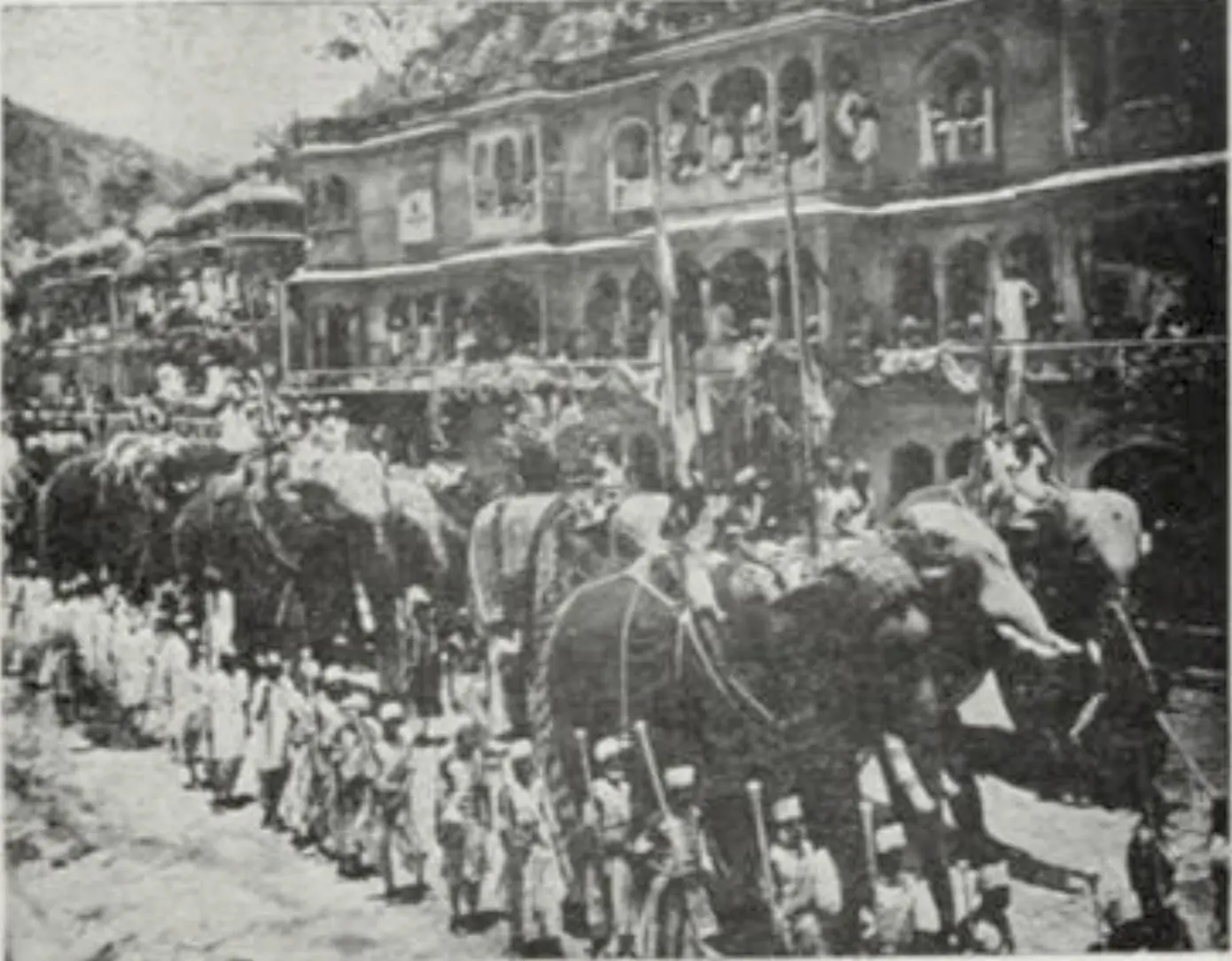
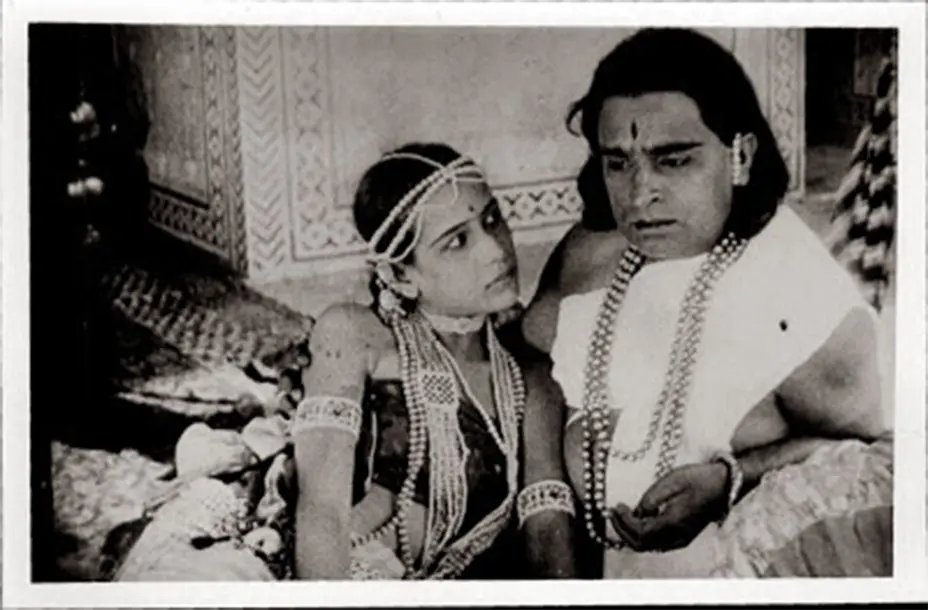
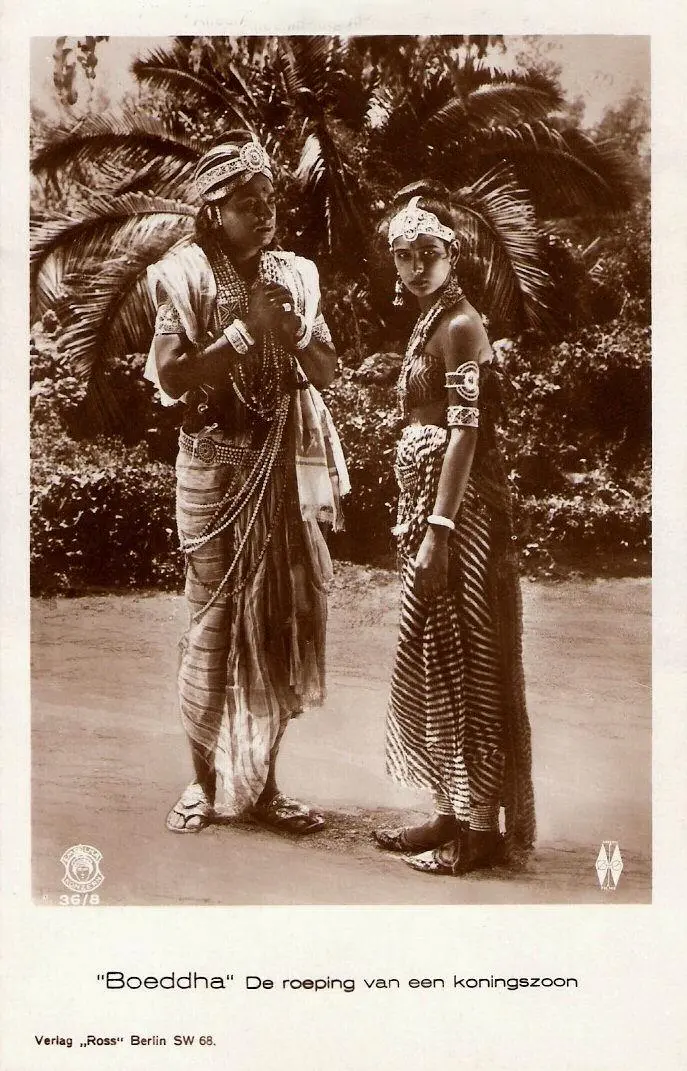
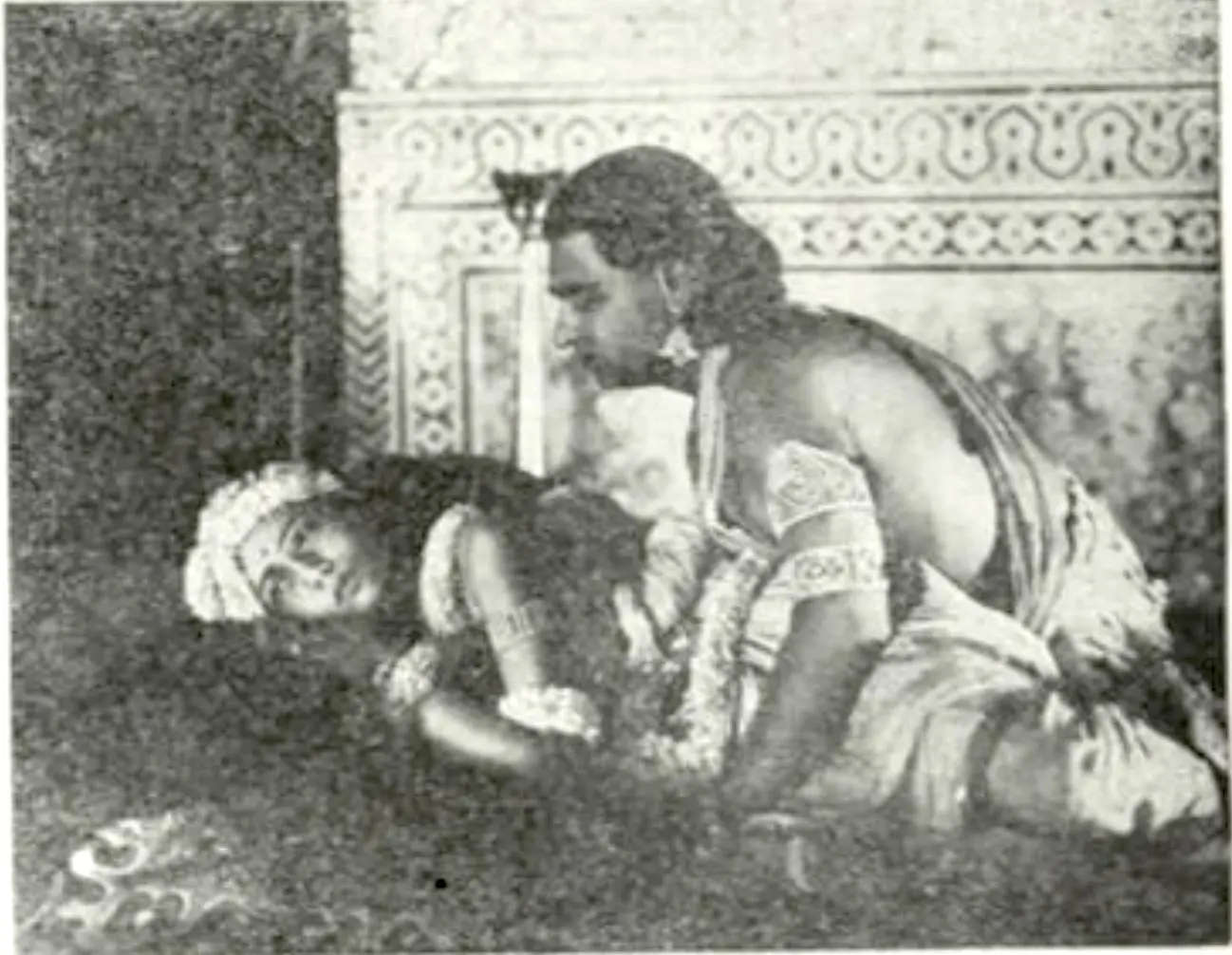
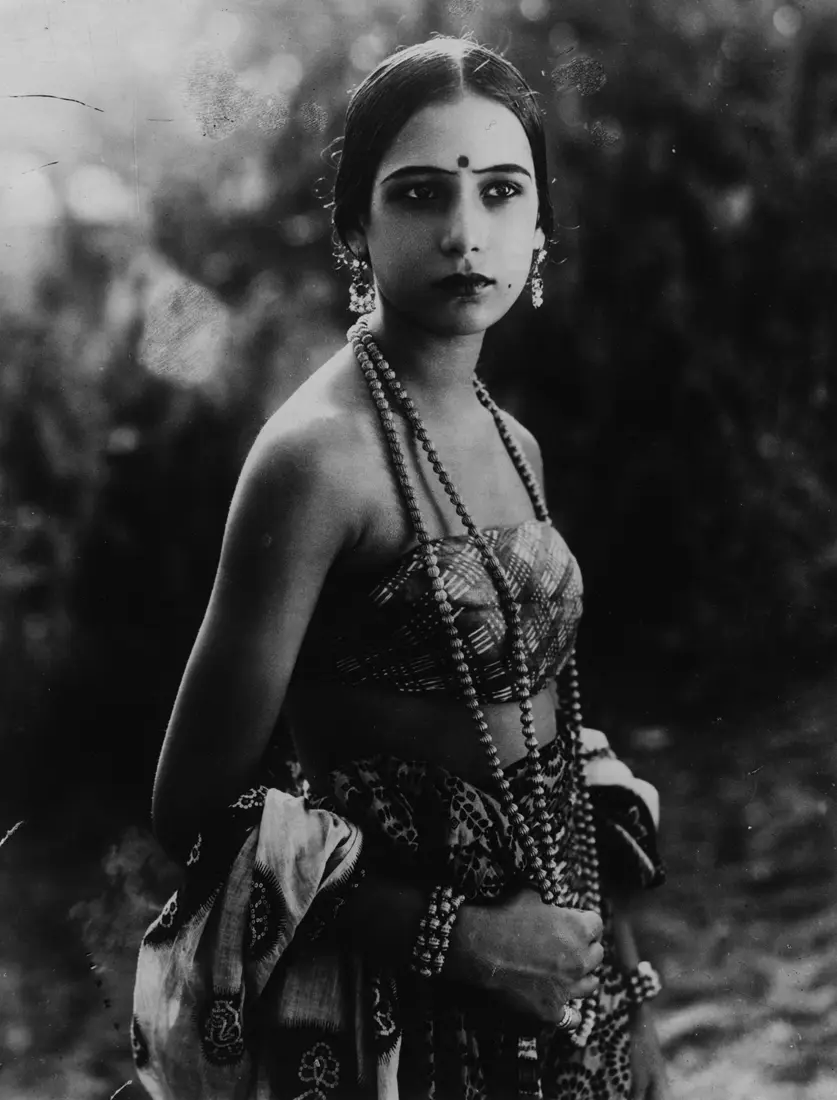
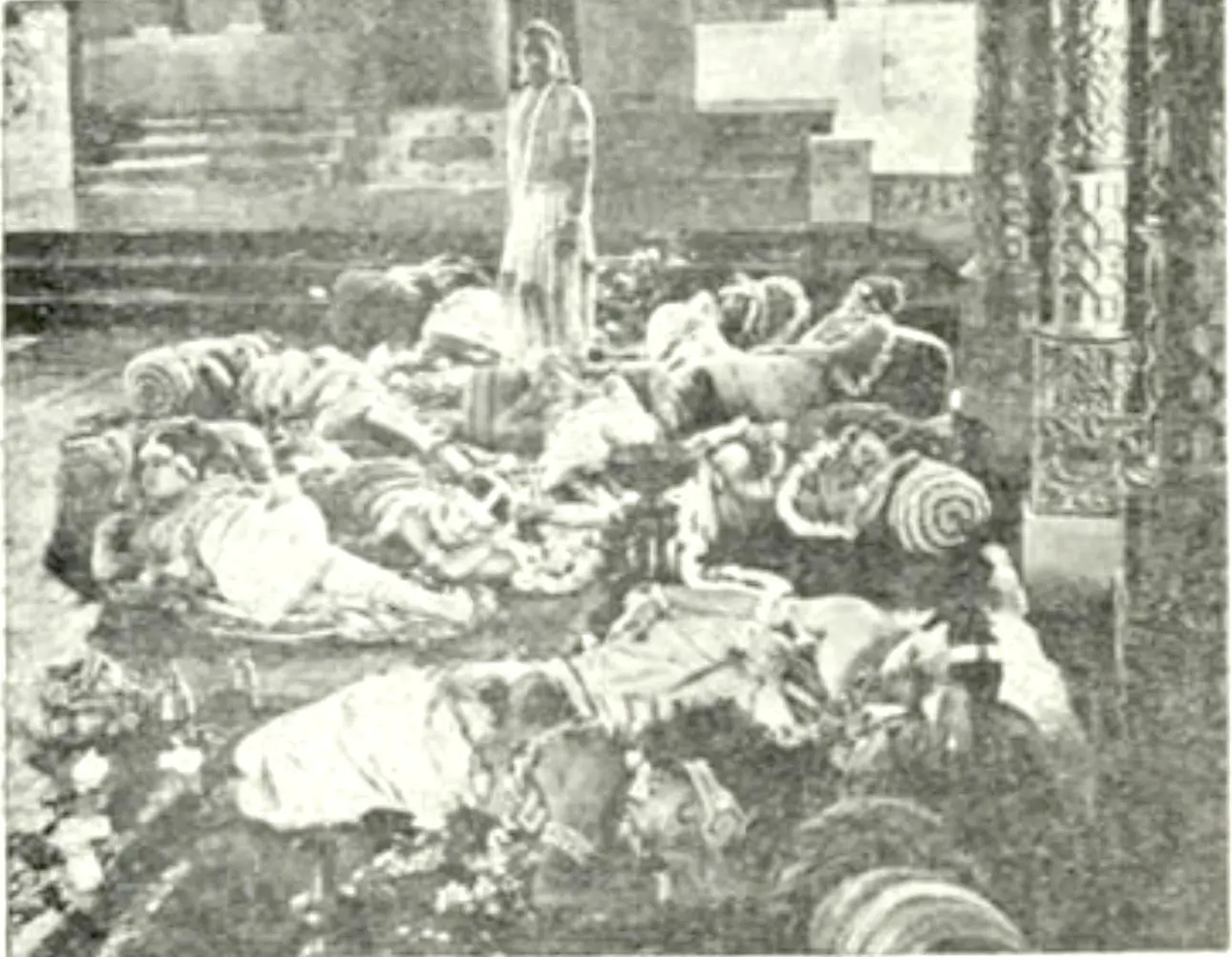
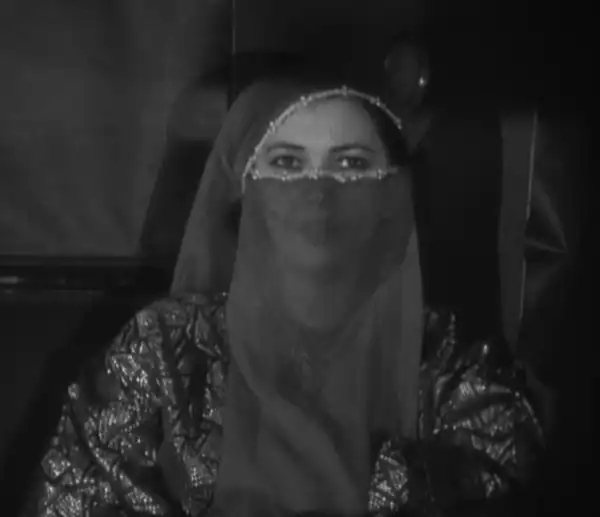
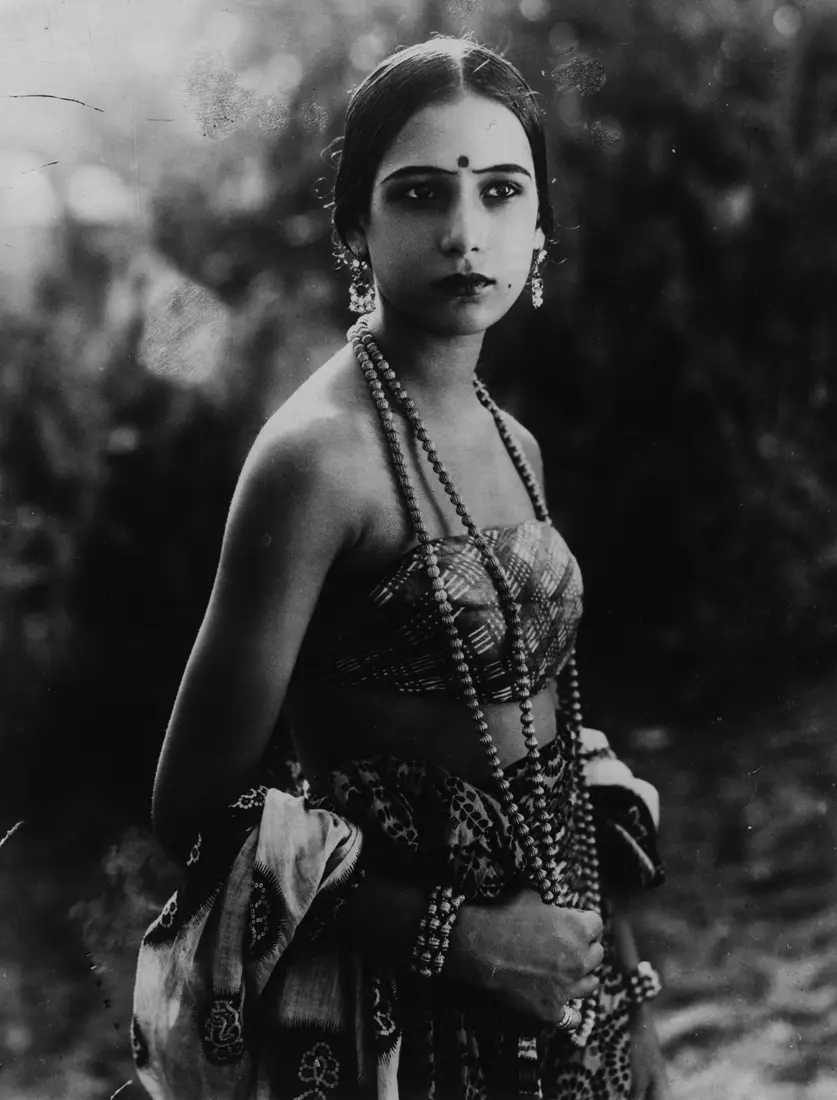
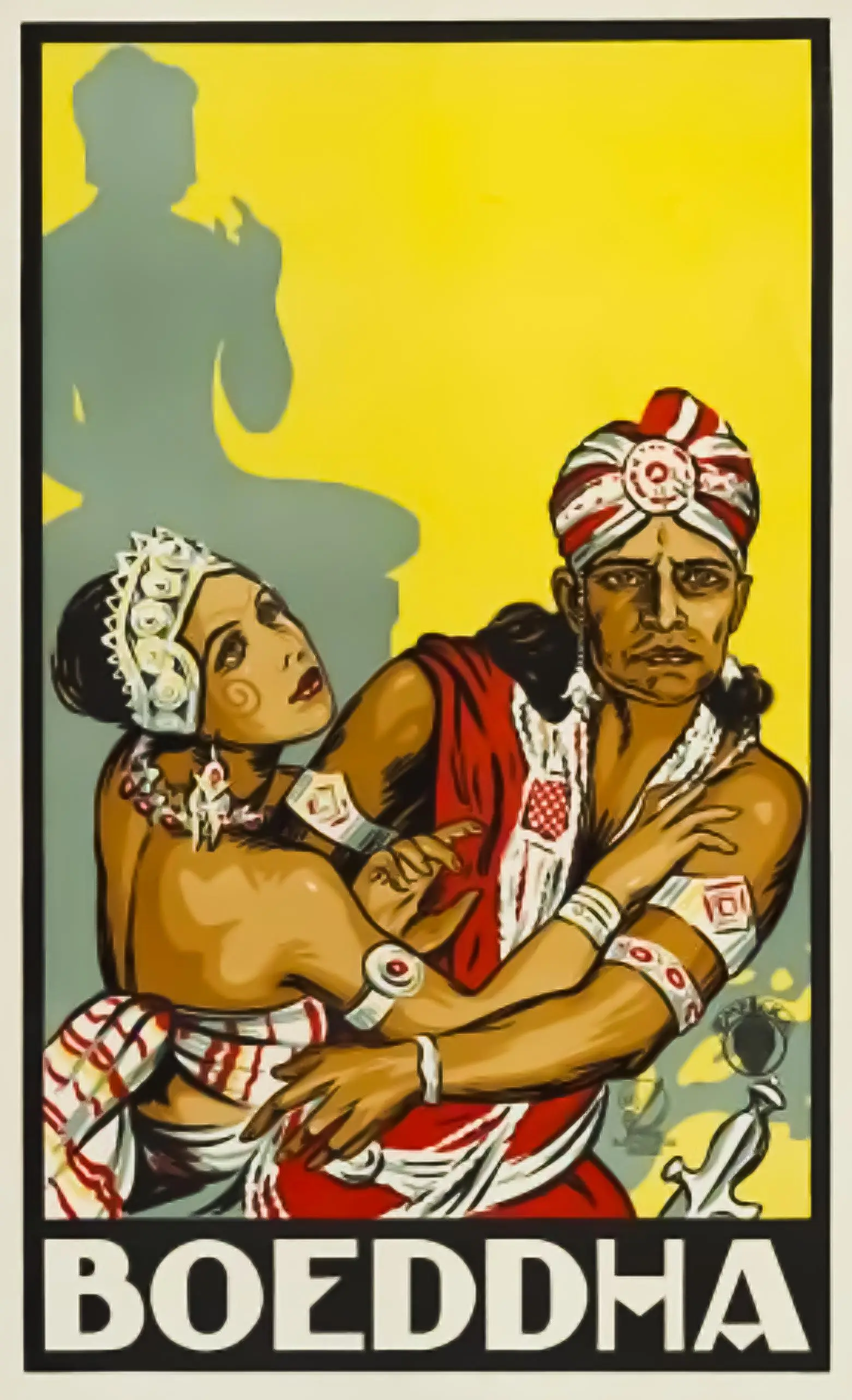
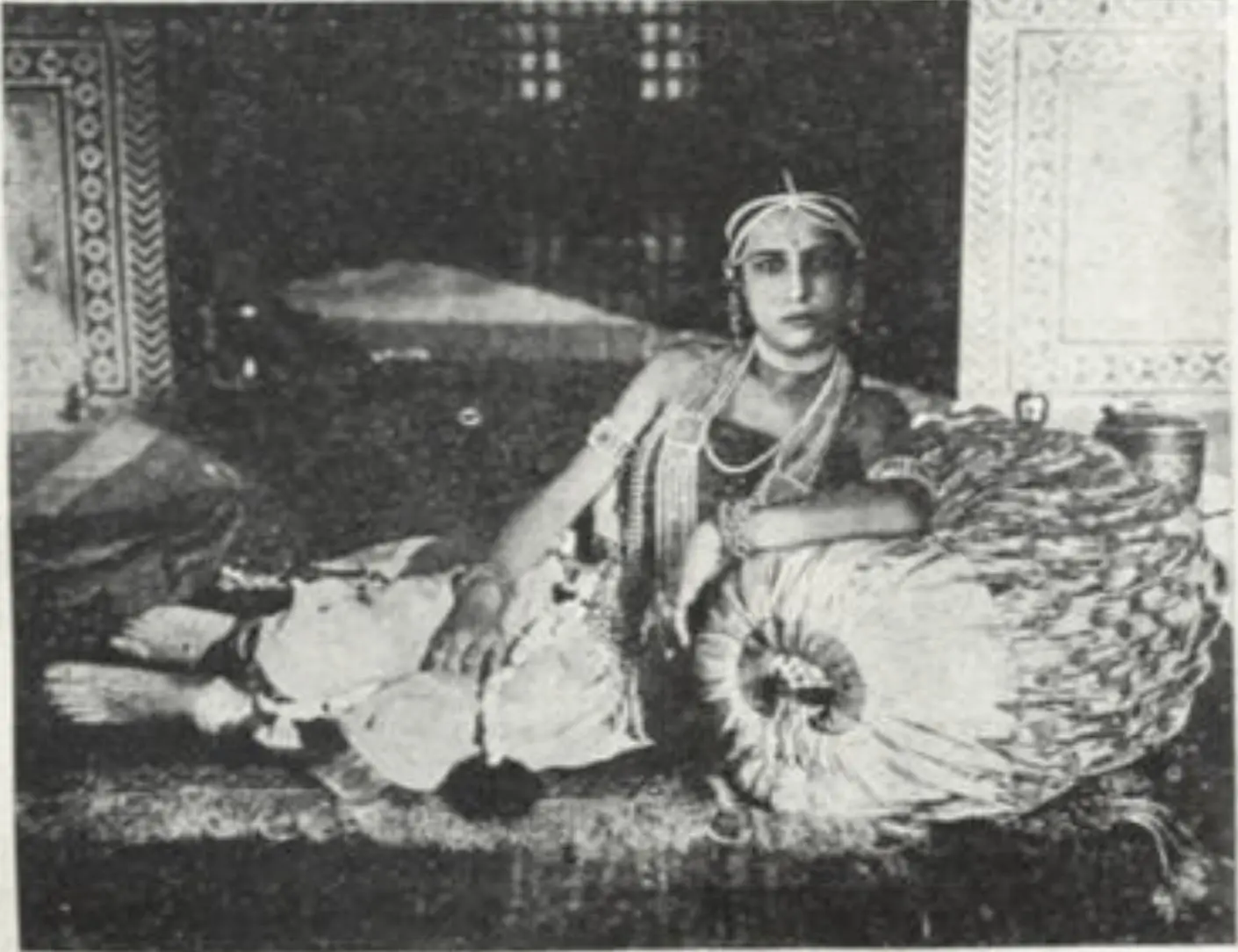
Prem Sanyas, an ambitious cinematic endeavor, unfurls as a captivating adaptation of Edwin Arnold's seminal 1861 Orientalist epic, 'The Light of Asia.' The narrative ingeniously commences with a quasi-documentary lens, immersing viewers in the bustling tapestry of Bombay, where curious tourists observe street performers, a vibrant slice of quotidian Indian life. This observational prologue soon yields to a profound spiritual quest, framed by the sagacious pronouncements of a venerable, white-bearded elder. Seated serenely beneath the hallowed boughs of a Bodhi tree, this ancient storyteller begins to recount, in an expansive flashback, the transcendent saga of Gautama. We are transported to a realm of regal splendor and burgeoning spiritual awakening, following the trajectory of Prince Siddhartha (Himansu Rai), the cherished scion of King Suddodhana (Sarada Ukil) and the ethereal Queen Maya (Rani Bala). Despite a life of opulent comfort and the tender companionship of his consort, Gopa (Seeta Devi), Siddhartha grapples with the ephemeral nature of existence, ultimately embarking upon a momentous renunciation of his earthly attachments. His subsequent transformation into a wandering ascetic, a seeker of ultimate truth, culminates in his illumination as the Buddha, the enlightened one, whose teachings would form the bedrock of a profound global philosophy. The film, infused with an idealized, almost hagiographic portrayal of its central figures, meticulously charts this spiritual odyssey. It culminates in a poignant, visually arresting tableau: Gopa, now a seeker herself, kneels before the enlightened Gautama, a gesture of profound respect and a plea for inclusion in his burgeoning spiritual community, thus bringing the epic full circle from worldly observation to divine revelation.
This adaptation of Arnold's 1861 Orientalist epic opens with documentary shots of tourists in Bombay watching street performers. Then a white-bearded old man sitting under the bodhi tree tells the tourists the story of Gautama (Rai), son of King Suddodhana (Ukil) and Queen Maya (Bala), who left his consort Gopa (Seeta) and became a wandering teacher credited with founding Buddhism. The religious epic, with its idealized figures, takes up the narrative in flashback and ends with Gopa kneeling before Gautama asking to become his disciple.
Niranjan Pal, Edwin Arnold
India