
DbcultAccessing Vault...
Recommendations
Senior Film Conservator
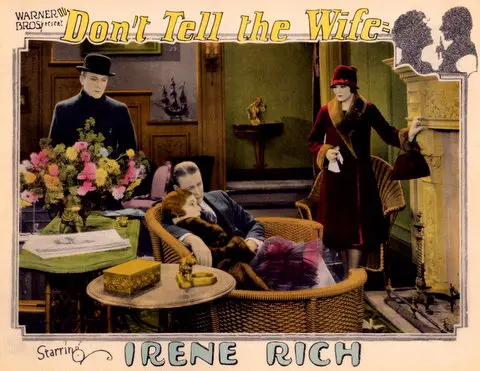
Looking back at the 1927 milestone that is Don't Tell the Wife, the cinematic shorthand used by Paul L. Stein is both ancient and revolutionary. Dive into this collection and find the spiritual successors to Paul L. Stein's vision.
As Paul L. Stein's most celebrated work, it defines to articulate the unspoken anxieties of United States's 1927 era.
Don't Tell the Wife was a significant production in United States, showcasing the immense talent of Alona Marlowe, William Demarest, Lilyan Tashman. It continues to be a top recommendation for anyone studying Romance history.
Based on the unique cult status of Don't Tell the Wife, our vault has identified these titles as the most compelling follow-up experiences for fans of Romance cinema:
Dir: Henry Edwards
A millionaire bets £25,000 that he can earn his own living for six months.
View Details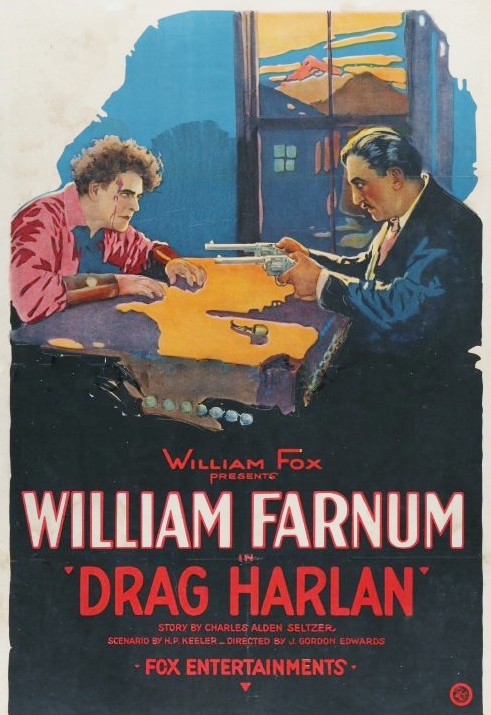
Dir: J. Gordon Edwards
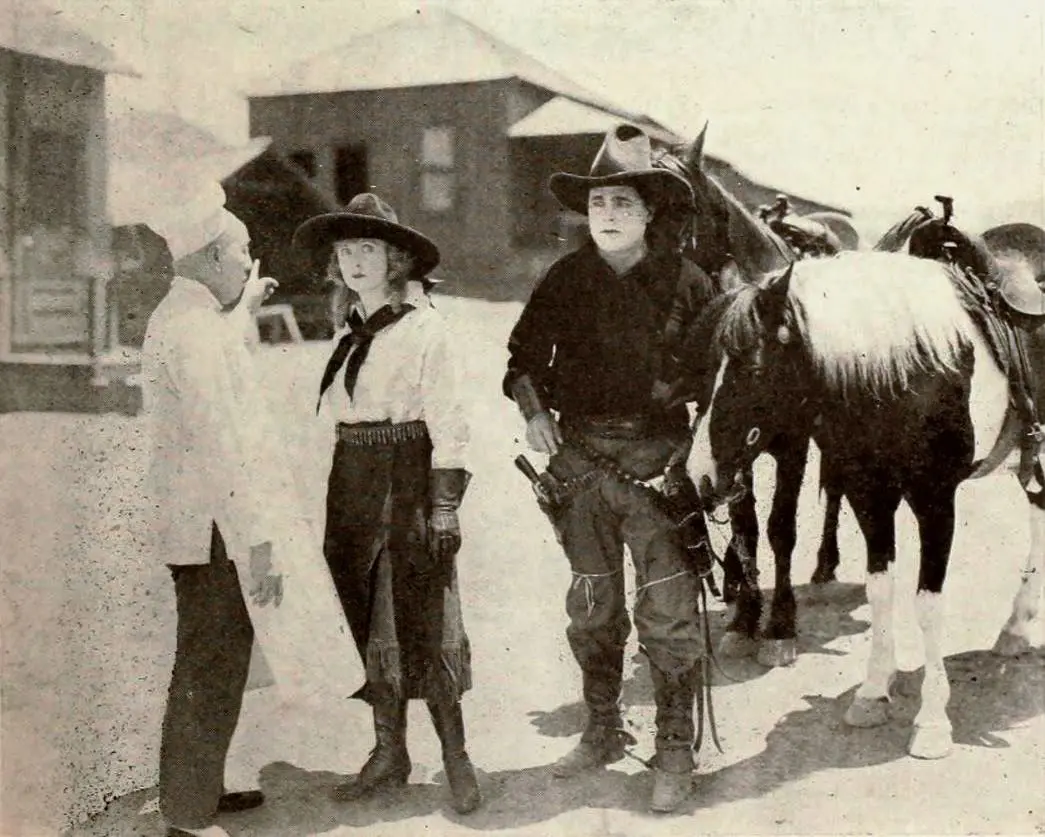
William Farnum is Drag Harlan, a tough cowboy vigilante. After learning about a gold mine from a dying man, he seeks his daughter (Jackie Saunders) as well as the gold. He falls in love with her, but the same gang that shot the old man is after the gold.
View Details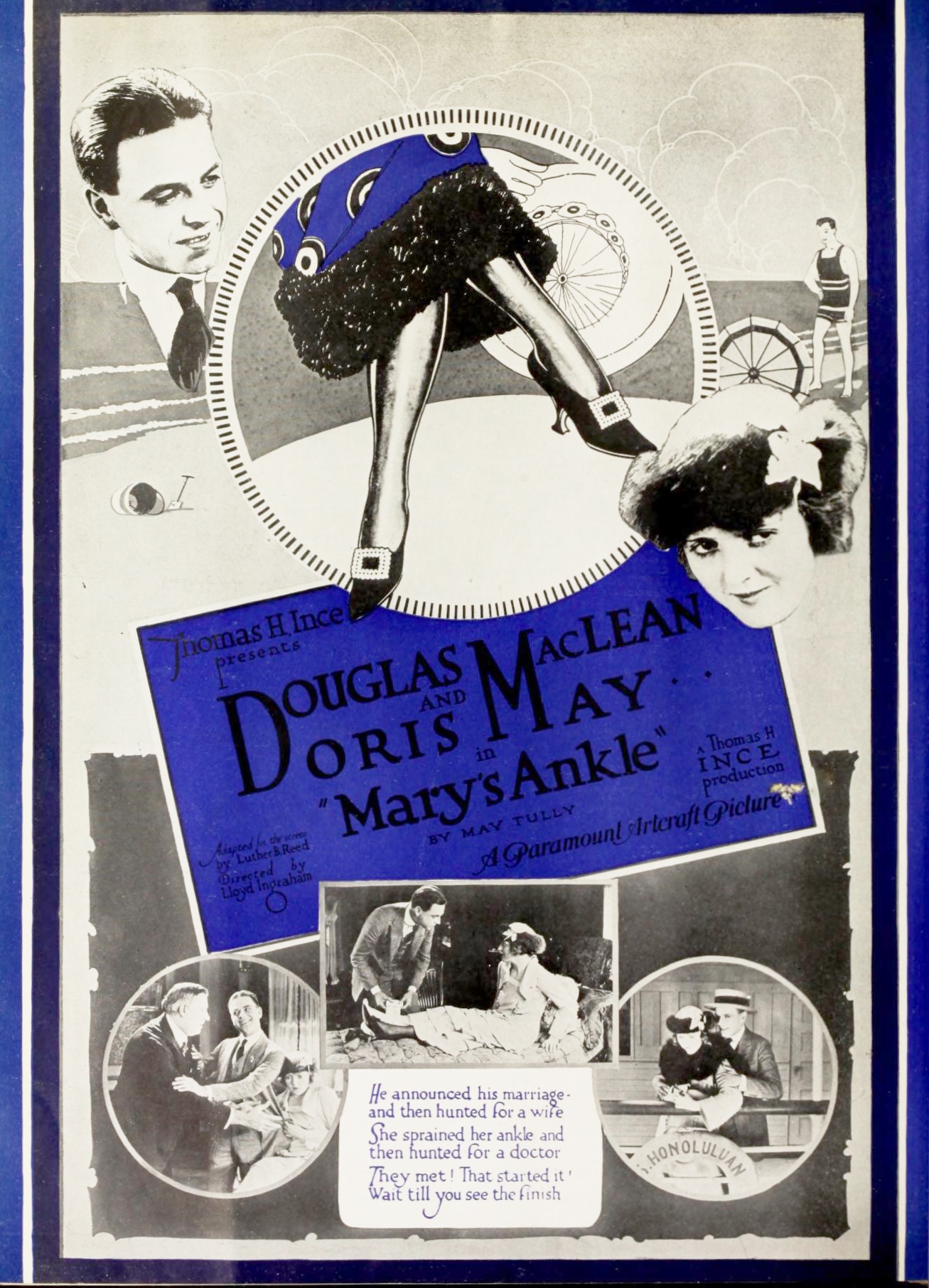
Dir: Lloyd Ingraham
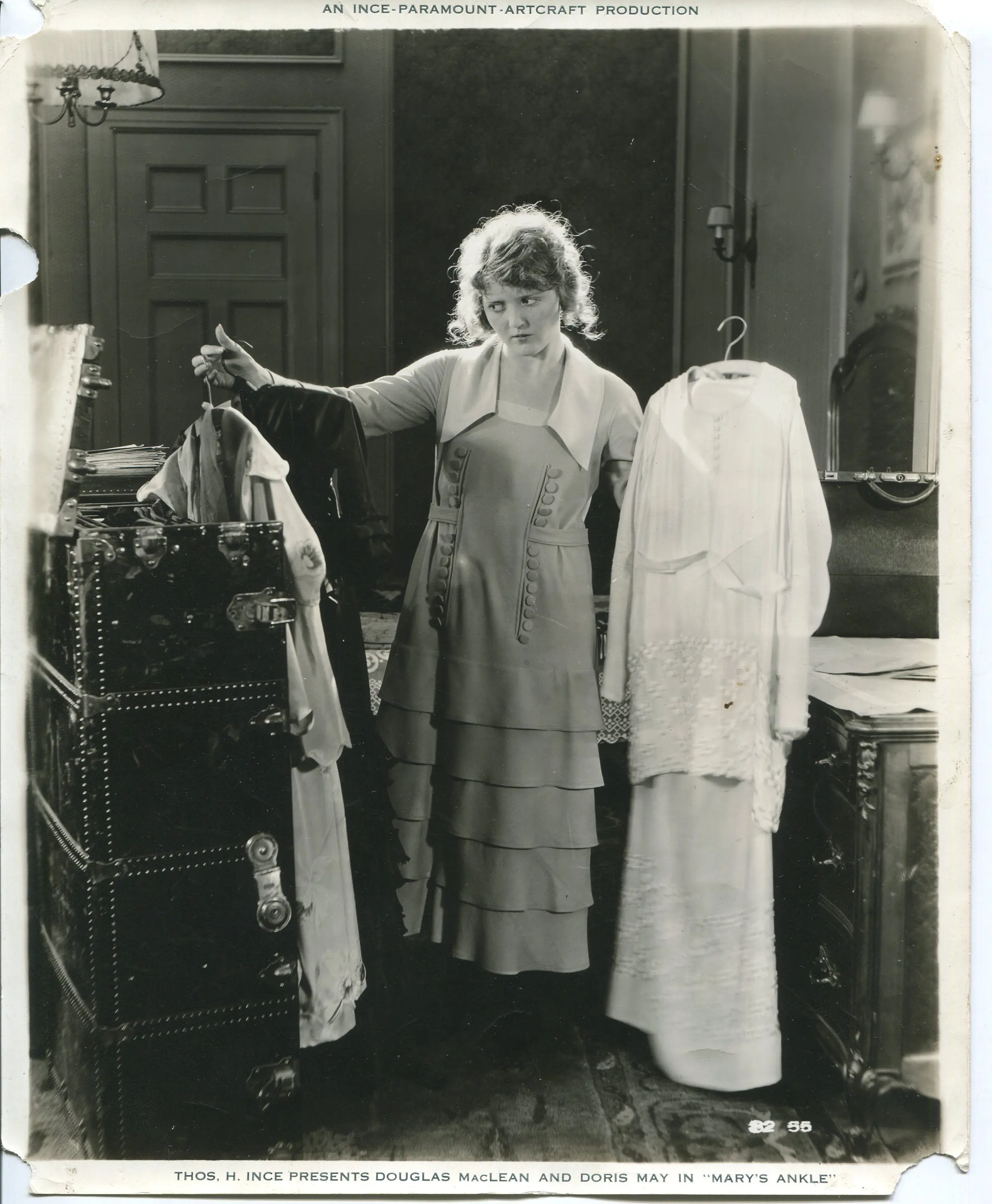
While walking along the street one day, Arthur P. Hampton, an impoverished young doctor, and his chums, Stub Masters and Johnny Stokes, are persuaded to part with their last remaining funds by tag day solicitor Mary Jane Smith, with whom the doctor promptly falls in love. Doc's friends then hit upon a get-rich-quick scheme. Knowing that his Uncle George has promised a large sum of money upon his nephew's marriage, they persuade Doc to send out fake wedding invitations naming Mary Jane as the blushing bride. Uncle George, elated at the good news, writes to Mary Jane's aunt, Angelica Burns, an old sweetheart, to invite Mary Jane and Angelica to be his guests on an ocean voyage. Meanwhile, Mary Jane pays a visit to the doctor's office and, upon seeing the wedding invitations, becomes so flustered that she trips and sprains her ankle. Doc comes to her rescue and then begs her to pose as his wife. She agrees, but at ship-side, Stub and Johnnie confess all to Uncle George, who flies into a rage until Doc announces that he and Mary Jane have chosen a wedding at sea.
View Details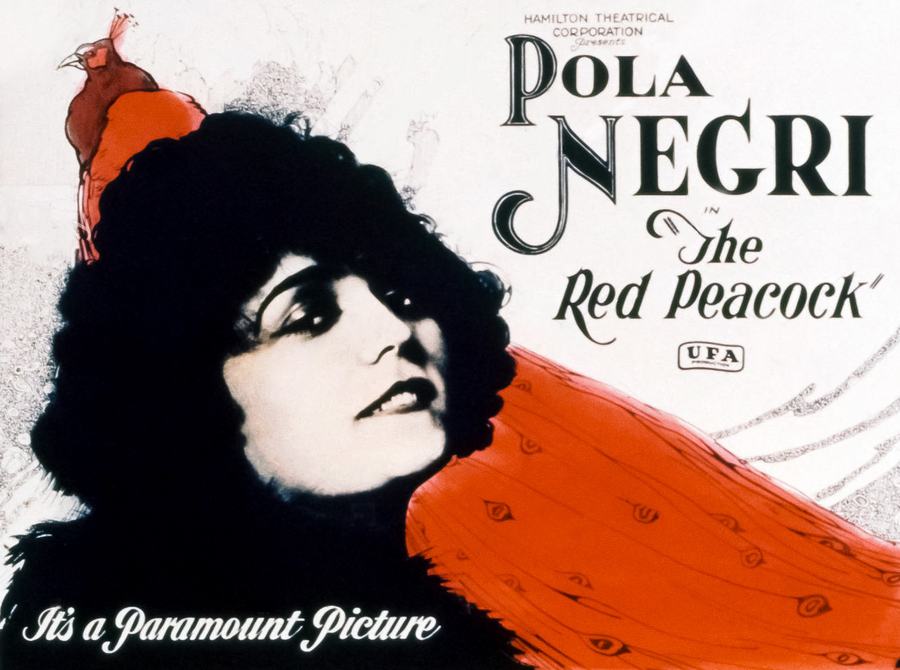
Dir: Paul L. Stein
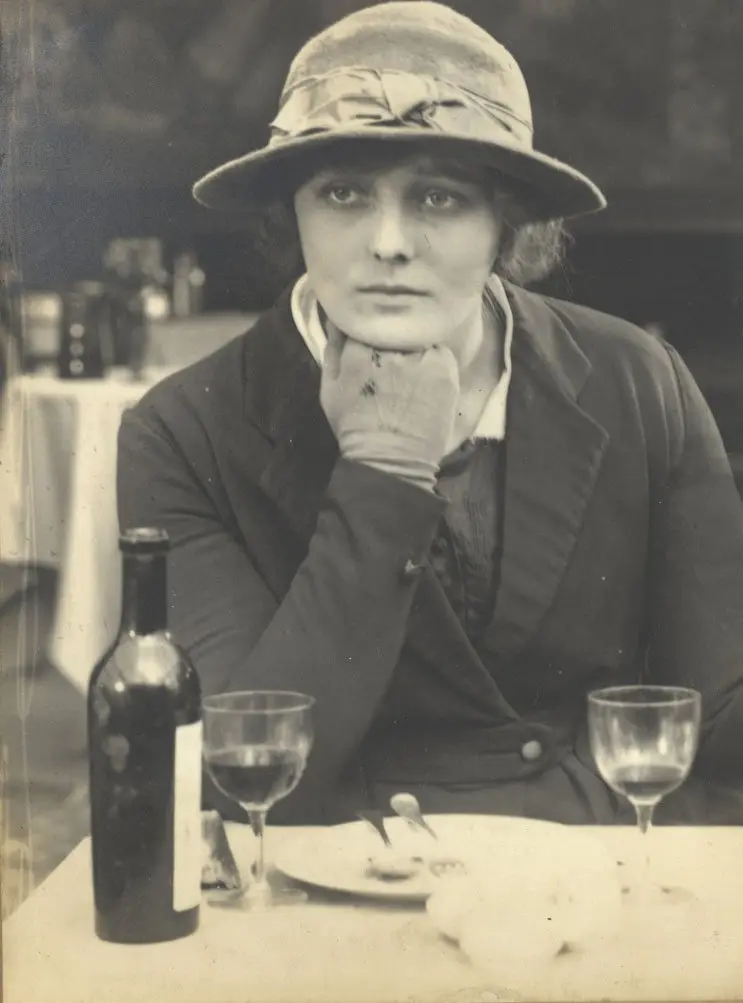
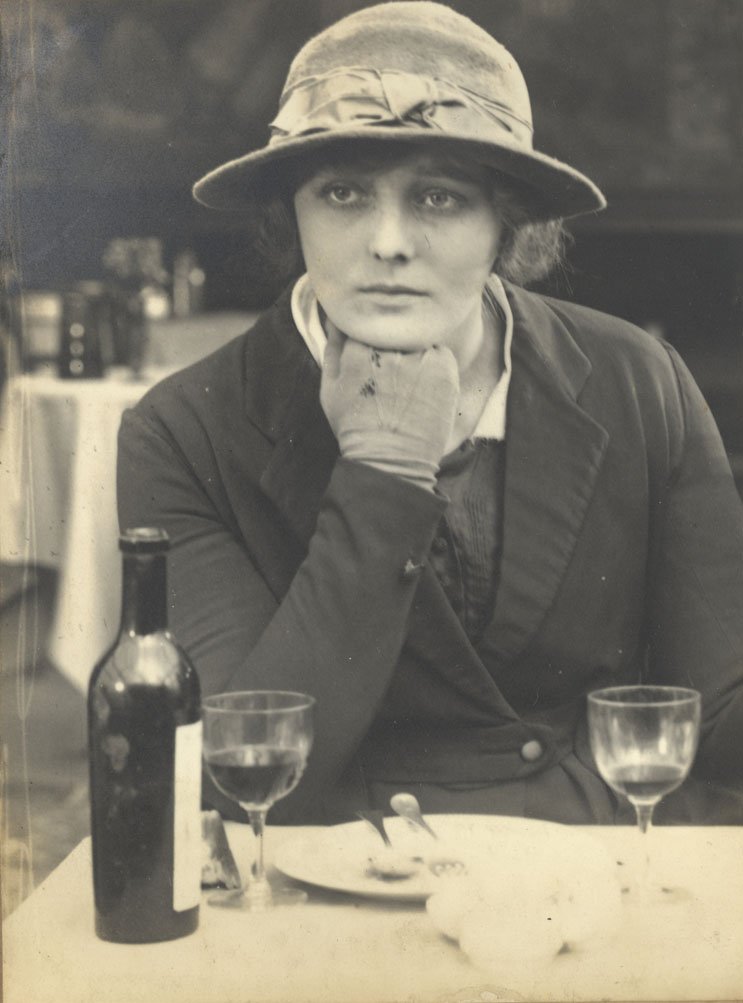
Violetta Duclos is a poor Parisian girl. After being struck by an automobile, she falls deeply in love with a young playwright, Alfred Germont. Called away by a family emergency, Alfred leaves Violetta, who, falling into more dire circumstances, is taken under the wing of the Graf (Count) von Geray. Von Geray promises her wealth and comfort. She initially rejects her rich suitor, but then, surprisingly, runs off with him. Alfred pursues her, only to learn that she has abandoned him not for lack of love, but due to serious illness.
View Details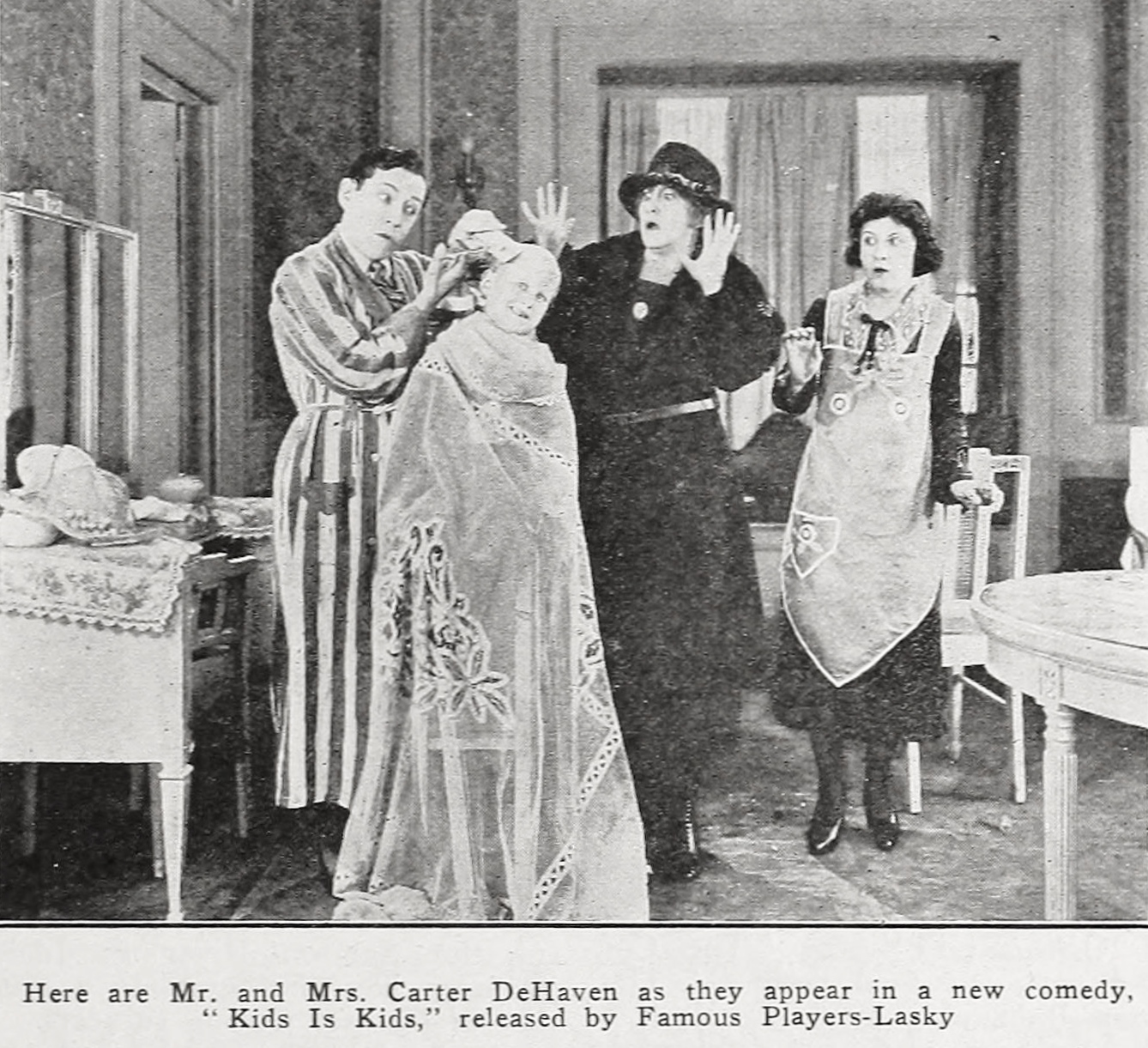
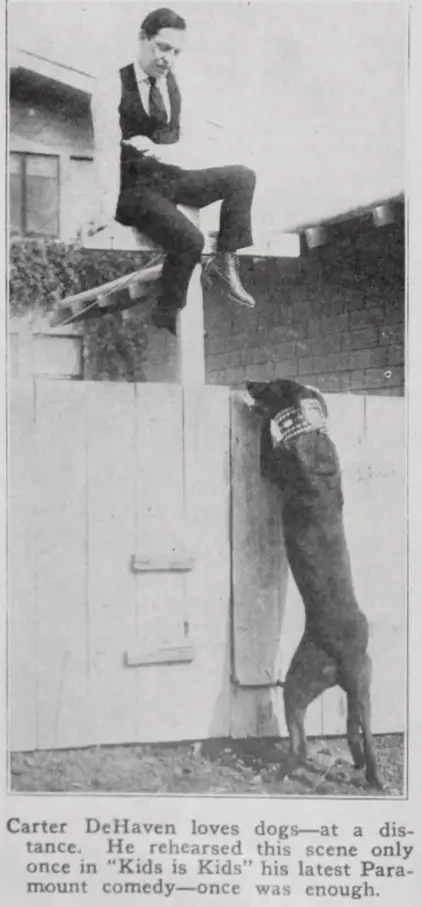
Dir: Charley Chase
A young married couple volunteer to take charge of several orphans after the asylum has burned down. Of course they find their hands full with their troublesome charges.
View Details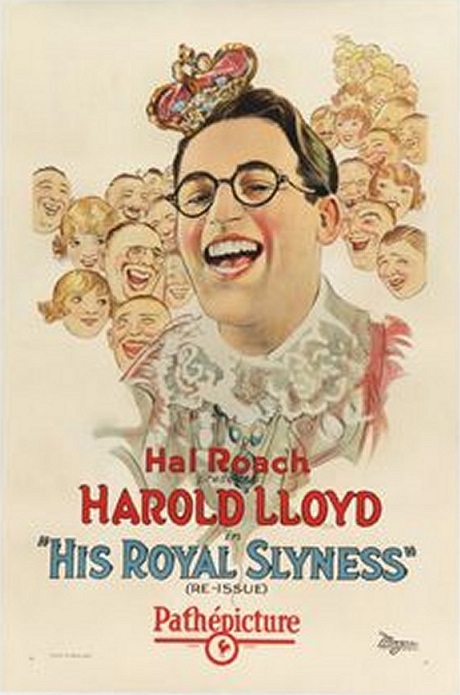
Dir: Hal Roach
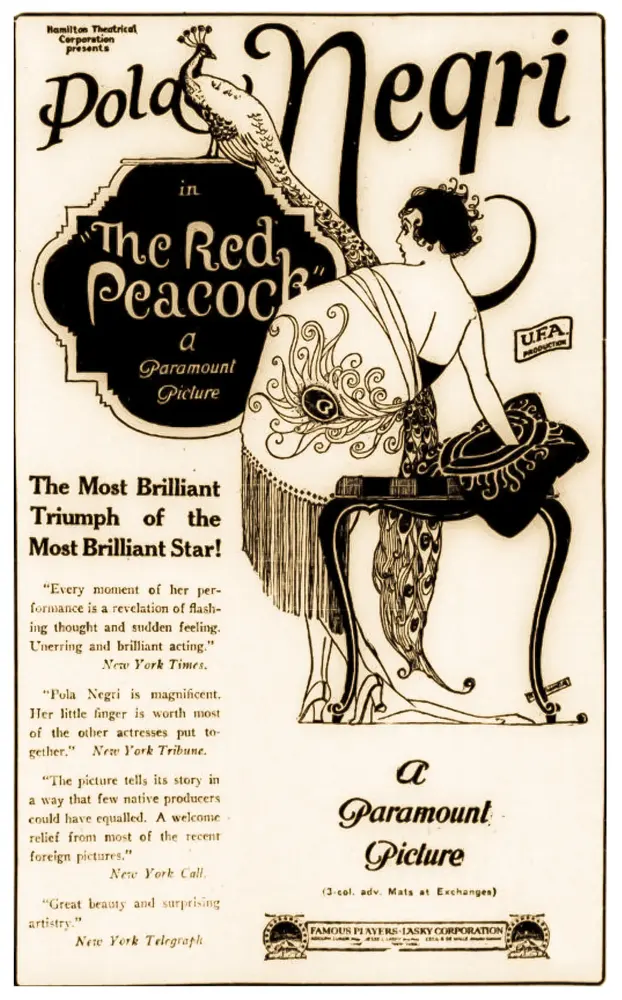
An American book salesman (Lloyd) is persuaded to go to the kingdom of Thermosa to impersonate the Prince. He is greeted by a peasants' revolt before the real prince shows up to claim his throne and princess. The revolution succeeds, and the American is elected president of the new republic.
View Details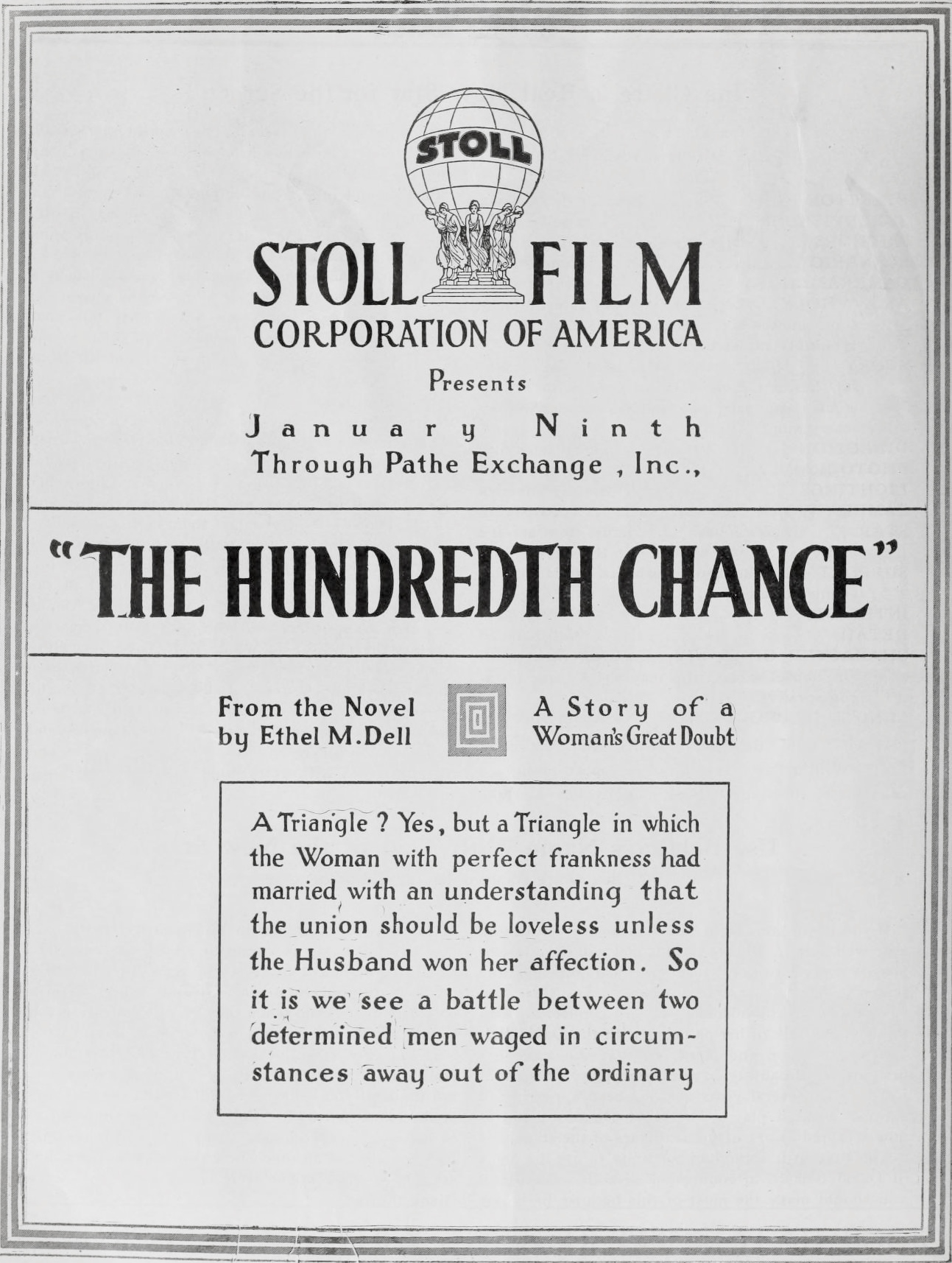
Dir: Maurice Elvey
A lady marries a horse trainer but withholds herself until her crippled brother is cured.
View Details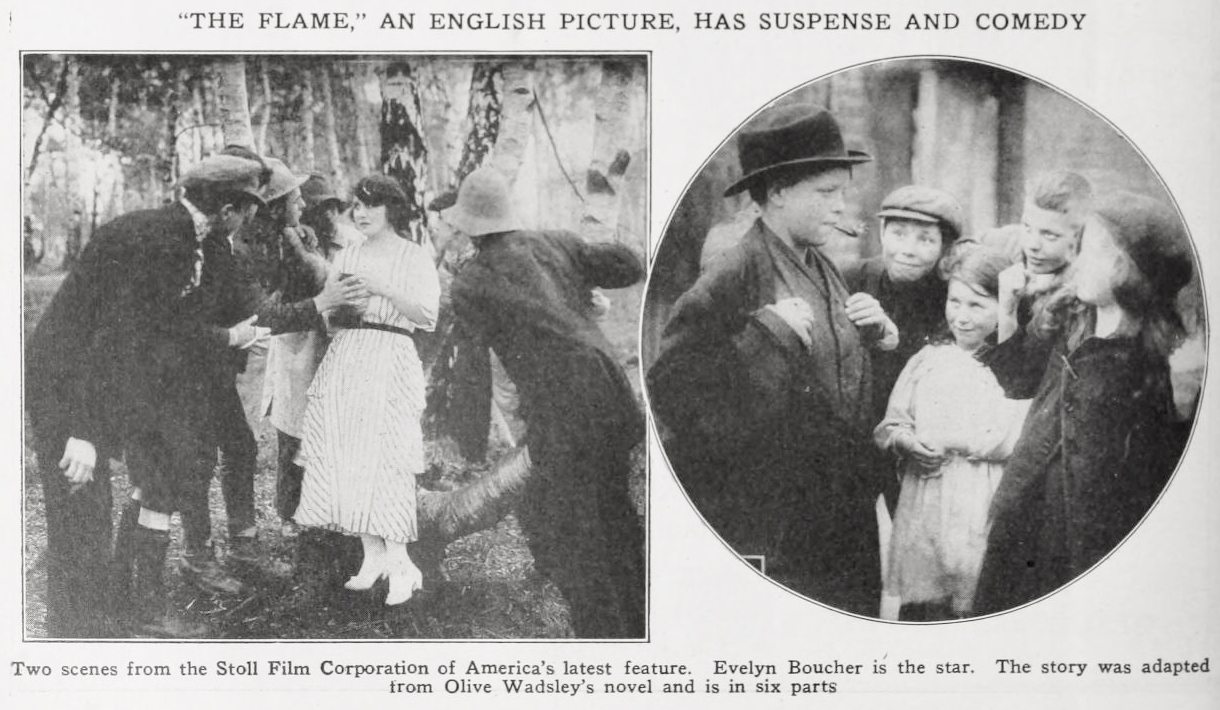
Dir: F. Martin Thornton
In Paris an orphan cartoonist loves a man with a mad wife, who dies in time to prevent her marriage to a jilted Comte.
View Details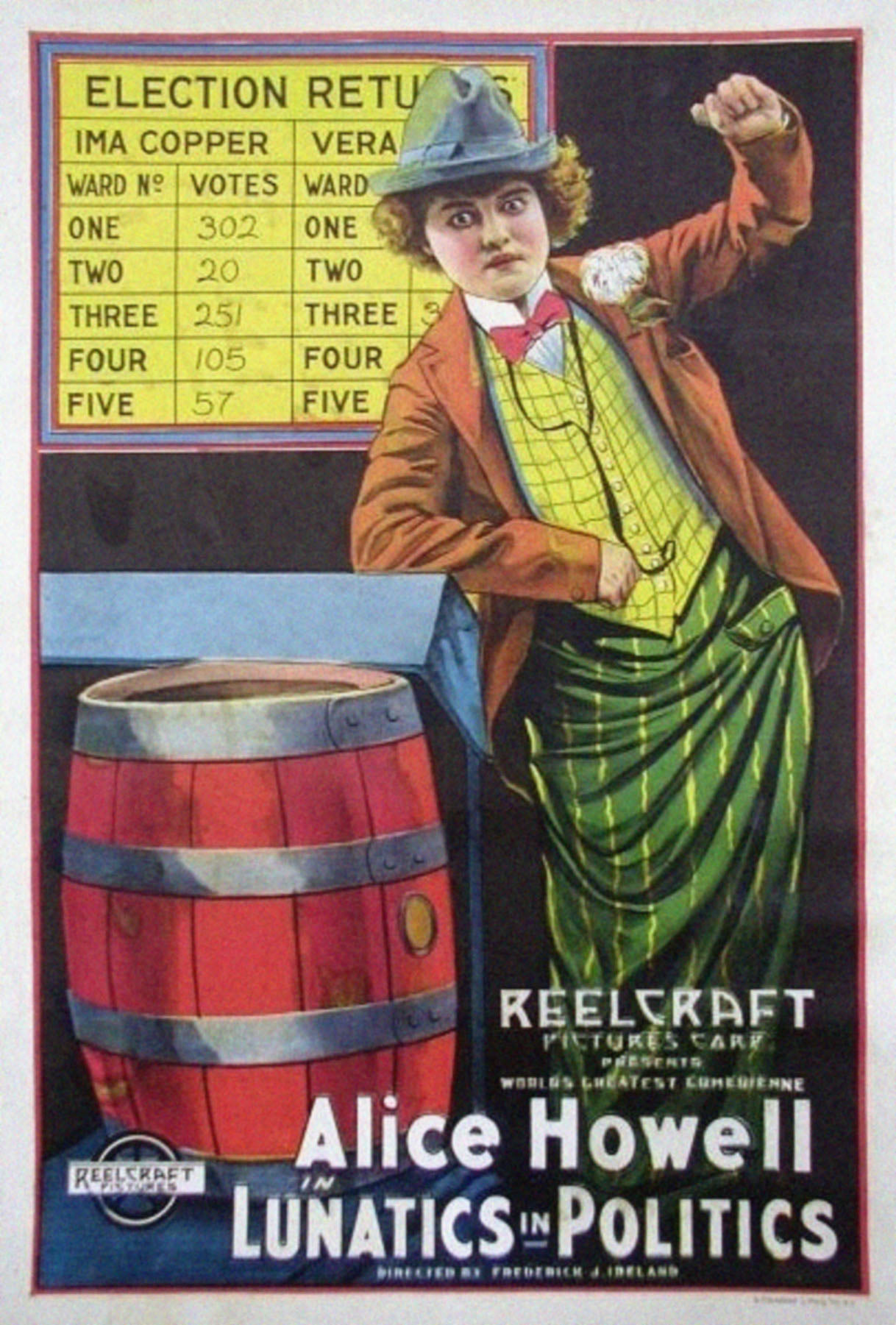
Dir: Richard Smith
Two female candidates for Chief of Police live across the hall from each other, and their political rivalry follows them home, leading to plenty of hi-jinks.
View Details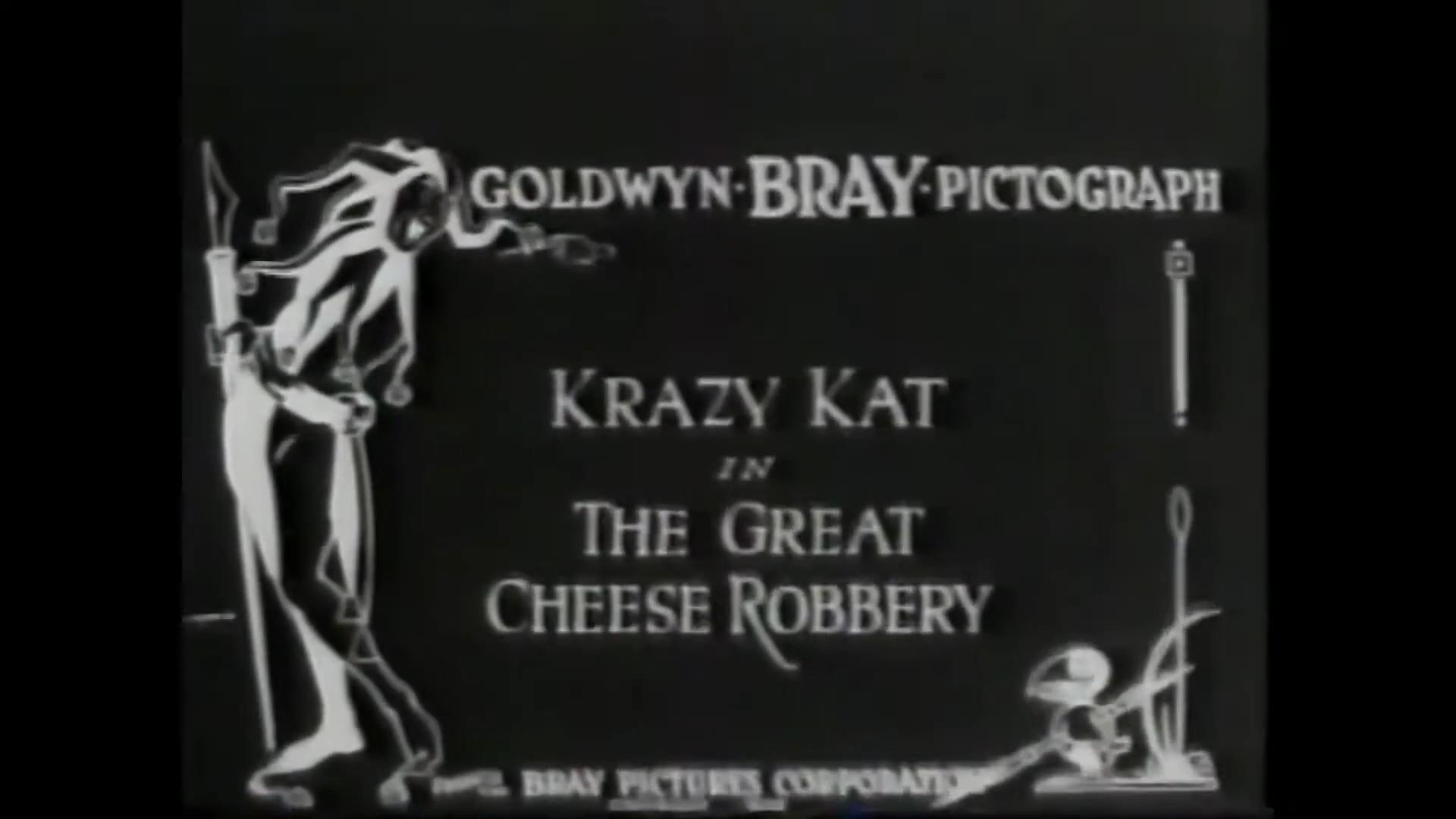
Dir: Vernon Stallings
Krazy Kat is held in jail and Ignatz finally bails him out after encountering "guilt".
View DetailsAnalysis relative to Don't Tell the Wife
| Film Title | Atmosphere | Complexity | Similarity |
|---|---|---|---|
| The Amazing Quest of Mr. Ernest Bliss | Gritty | Linear | 86% Match |
| Drag Harlan | Tense | High | 93% Match |
| Mary's Ankle | Surreal | High | 86% Match |
| Arme Violetta | Ethereal | Layered | 94% Match |
| Kids Is Kids | Tense | Layered | 94% Match |
This guide was algorithmically generated using the cinematic metadata of Paul L. Stein's archive. Last updated: 6/26/2026.
Back to Don't Tell the Wife Details →