Summary
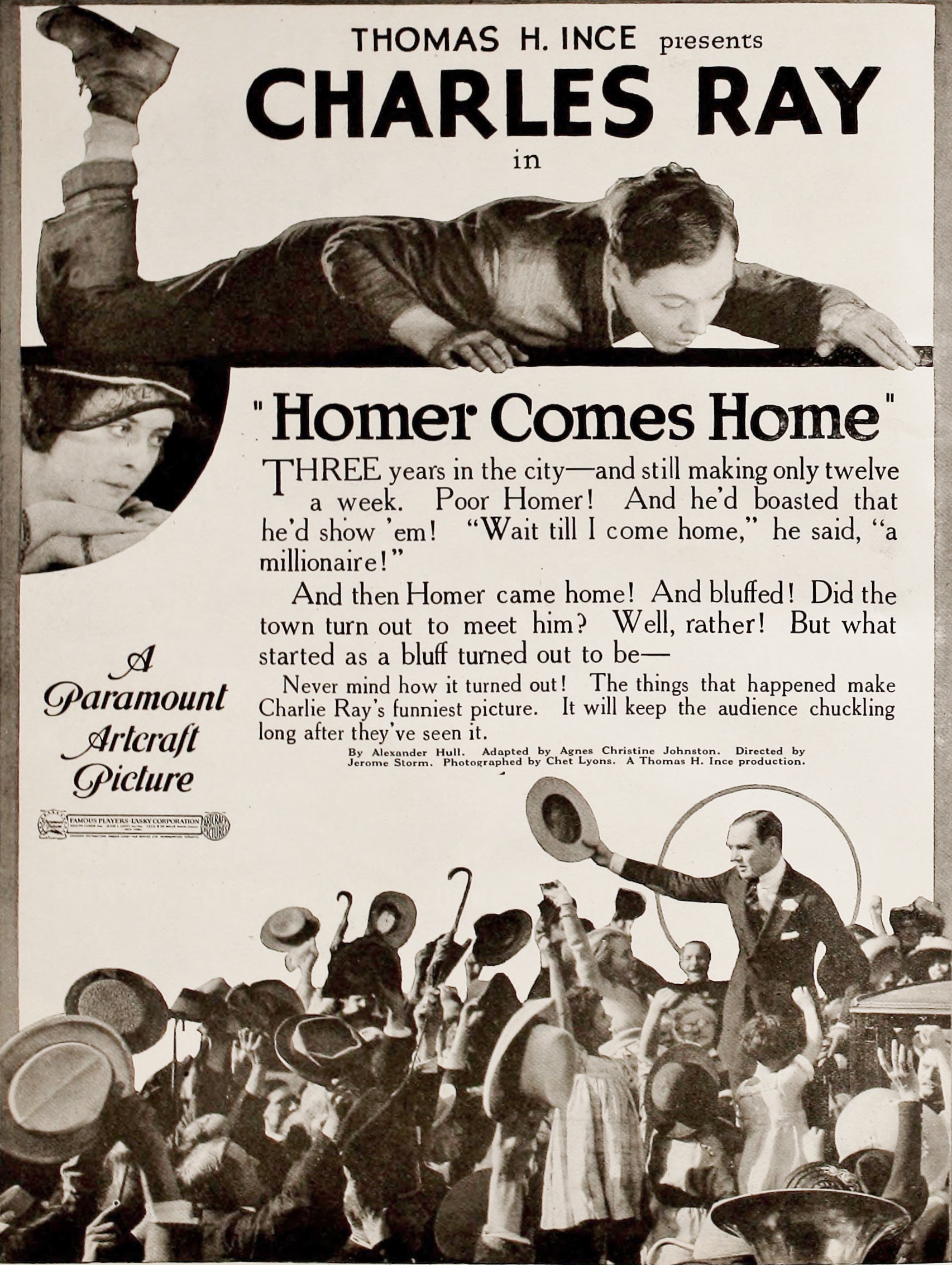
Mainsville’s dusty main street exhales a single sigh when Homer Cavender—peacock-bright in city gabardine—steps off the noon train, pockets barren but swagger swollen. Two years earlier he had bartered his father’s watch for a one-way ticket east, chasing neon mirages of ticker-tape glory; he returns with nothing save a celluloid collar, a half-empty Gladstone, and a gift for embroidered anecdote. The town, starved for legends, inhales his glittering half-truths: the salary that exists only in the echo of his voice, the corner office that dissolves when eyes ask for proof. At the drugstore soda-fountain Rachel Prouty—her hair the color of river-washed wheat—listens, lashes flickering like faulty projector shutters. Beside her, Arthur Machim, heir to the sole brickworks, measures Homer’s circumference of lies with a calm slide-rule gaze. What follows is not merely a courtship but a duel of narratives: Homer’s shimmering fiction versus Machim’s ledgered certainties. When Homer claims that Manhattan financiers Kort & Bailly will pour reinforced concrete beside the river, the town council dreams of whistles at dawn; when Machim unearths the forgery of intent, the same council smells sulfur. Humiliation propels Homer back to the clangorous grid of Manhattan, where—in a montage of rain-slicked trolleys and clattering typewriters—he transmutes shame into prospectus, convinces the cynical partners, and returns with binding contracts rolled like Torah scrolls beneath his arm. Yet the true denouement occurs not in the ribbon-cutting but in the parlor of Rachel’s Victorian house: Homer offers her not only the promised plant but the unvarnished story of his failure, a dowry of candor that renders the newfound fortune bearable. The closing iris finds the couple walking toward the skeletal steel frame of the future factory, horizon aflame—whether sunset or conflagration the film leaves deliciously ambiguous.
Synopsis
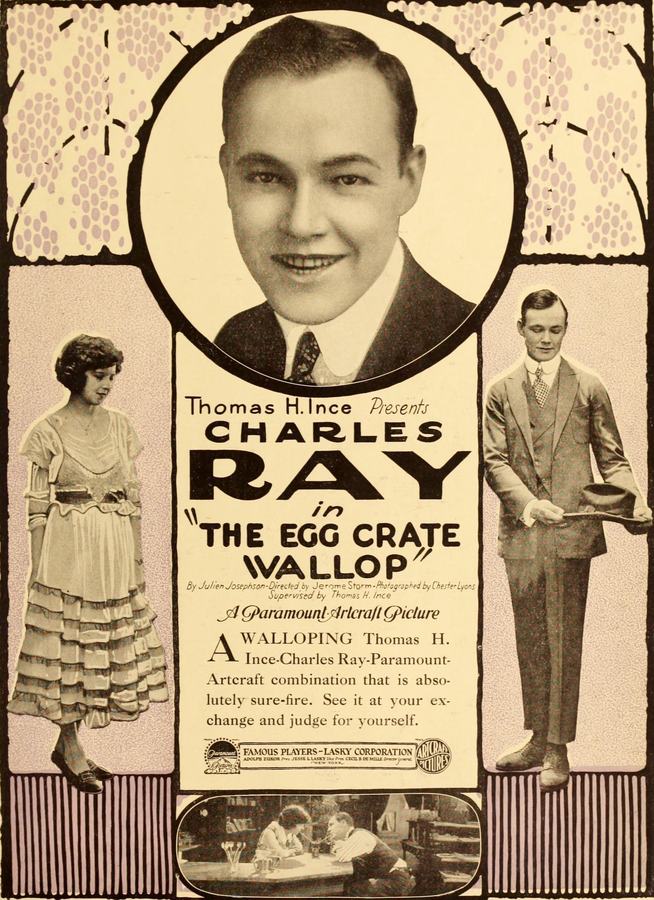
Ne'er-do-well Homer Cavender ventures to the city from Mainsville in an effort to find fame and fortune. Both elude him, and after clerking for two years, Homer returns home for a vacation. Impressed by his flashy clothes, the townspeople assume that Homer has achieved success. Attempting to win Rachel Prouty from his rival, Arthur Machim, Homer continues the deception by announcing that his employer, Kort and Bailly, has dispatched him to enroll stockholders for a proposed new plant to be built in Mainsville. Machim discovers the sham and denounces Homer as a crook. Meanwhile, Homer returns to New York, convinces his employers of the merits of his plan and comes home triumphant, with a proposal for both the new plant and for Rachel's hand in marriage.
Review Excerpt
"
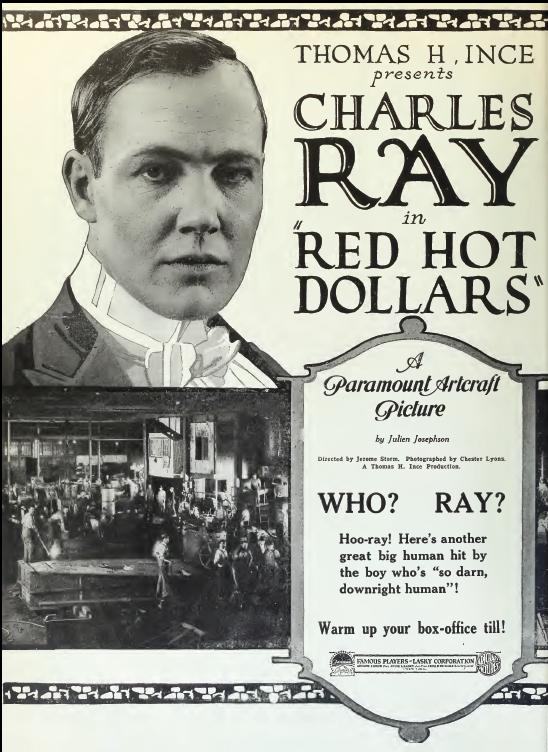
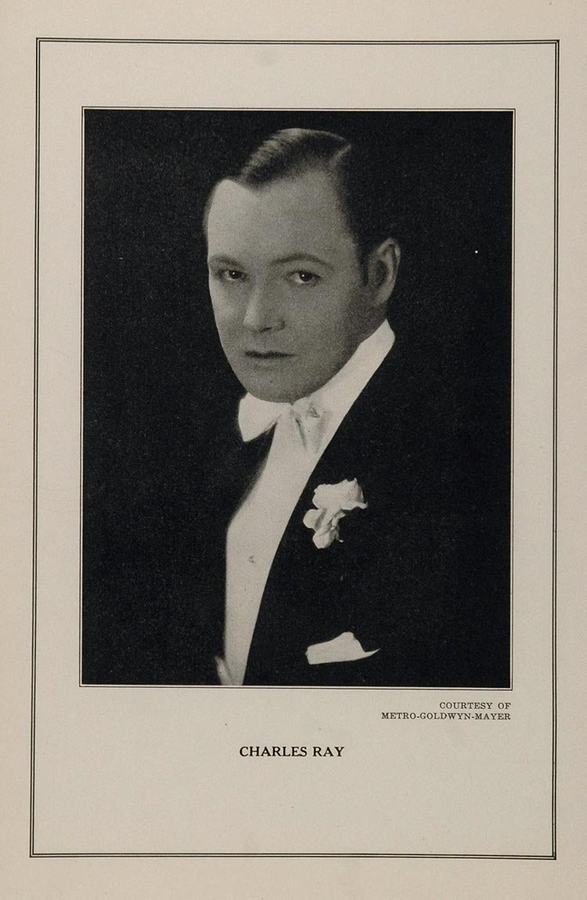
Charles Ray’s lanky silhouette once epitomized the country-boy-made-good, but in Homer Comes Home he weaponizes that persona, turning the hayseed into a huckster who could sell moonlight back to the moon. The film, restored last year by EYE Filmmuseum from a decomposing Czech print, glows with the amber of nitrate reborn—scratches intact, like laugh-lines on an old rake.
The Mirage of Return
Every homecoming is a ghost story: the place you left keeps mutating inside your absence, and you ret..."