
DbcultAccessing Vault...
Recommendations
Senior Film Conservator

The evocative power of El Misterioso Mr. Wong (1934) continues to haunt audiences with its stylistic flair, the artistic provocations of El Misterioso Mr. Wong demand a follow-up of equal intensity. Explore the following titles to broaden your appreciation for Mystery excellence.
The visceral impact of El Misterioso Mr. Wong (1934) stems from to transcend the limitations of its 1934 budget and technology.
The influence of William Nigh in El Misterioso Mr. Wong can be felt in the way modern Mystery films handle stylistic flair. From the specific lighting choices to the pacing, this 1934 release set a high bar for atmospheric immersion.
Based on the unique stylistic flair of El Misterioso Mr. Wong, our vault has identified these titles as the most compelling follow-up experiences for fans of Mystery cinema:
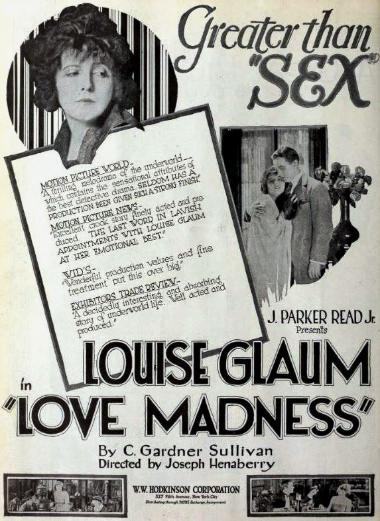
Dir: Joseph Henabery
When respectable Lloyd Norwood becomes infatuated with moll Goldie Lewis, he falls into a life of debasement that results in his being accused of the murder of gangland henchman Joe the Swell. Norwood's wife Mary, convinced of her husband's innocence, determines to clear his name. Disguising herself as a vamp and infiltrating the underworld, Mary extracts a confession from the real murderer, Pussyfoot Connor, whom she dupes into believing that he sees the ghost of the murdered man. Later, to have witnesses to the story, Mary takes a midnight dinner with gang leader Jack Frost, arousing the jealousy of Connor, who enters and accuses Frost of instigating the murder. The police, alerted to the scheme, rush in and arrest the criminals. Finally, a phone call to the prison warden results in Norwood's release as a wiser man.
View Details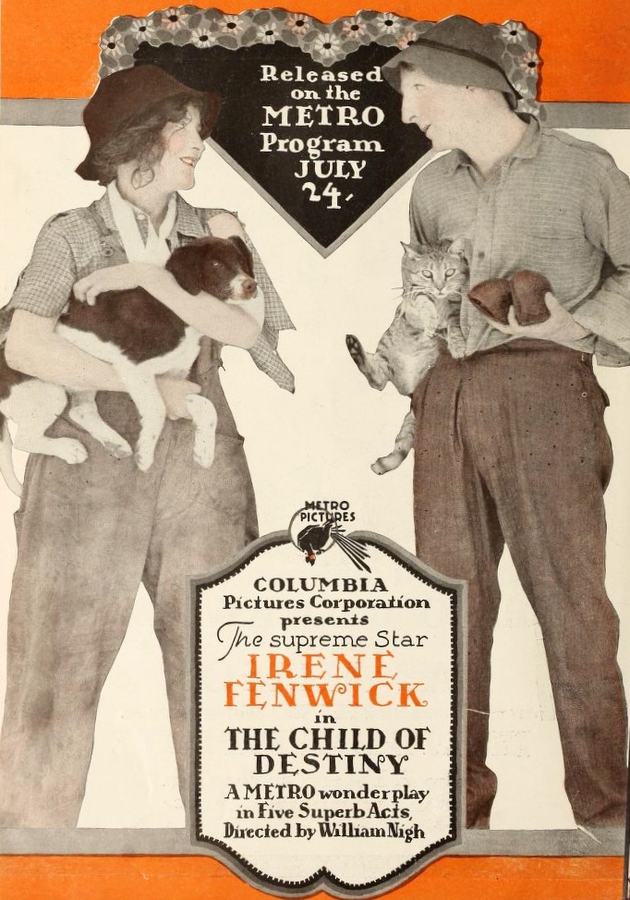
Dir: William Nigh
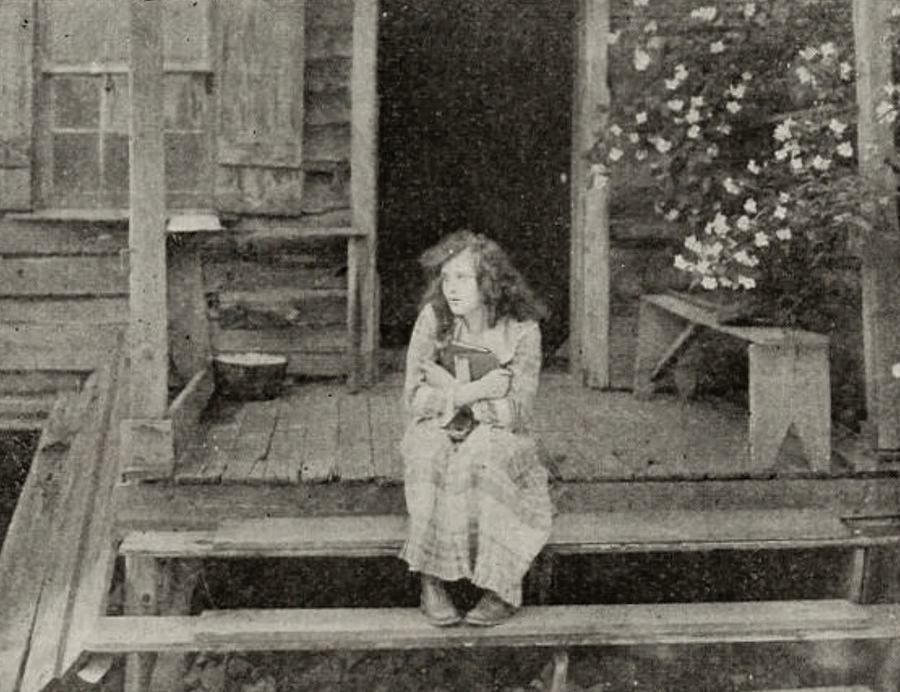
Alita, a child who has been left in the care of Mr. and Mrs. Putnam in a desolate swamp country, reaches the age when she is to be prepared for the world, and the Putnams send word to Judge Gates, her guardian, to come for her. Her life has been spent in the swamps with a half-witted boy, "Weird Willie," and many animals and birds of that country, as her only playmates. Judge Gates receives the letter at his bachelor apartment, which he shares with a younger friend and companion, Bob Stange. Through the accidental dropping of a marriage license the Judge discovers that Bob is about to become a benedict, despite the fact that they had a compact never to marry, on the theory that all women are deceitful. The Judge recounts a story about one ill-fated marriage that ended in the divorce courts, in which the real tragedy was the little baby which no one seemed to want. Bob turns a deaf ear to this and leaves in anger. Constance, the one woman Bob has idealized, is older than he. She plays upon his sympathies by telling of her hard work as a dressmaker, when, in reality, she is leading a dual life, and only wants Bob for his money. She is carrying on a liaison with a Calvin Baker, a man about town, and he is calling on her when Bob arrives and tells her a minister is on the way to marry them. Baker hides behind the screen and listens. Bob tells Constance that he has invited his best friend, Judge Gates, to the ceremony. When Constance hears this name she is startled and insists on the ceremony being hurried. The marriage is performed as the Judge arrives. He recognizes Constance as the one who has ruined his own and his best friend's life. He denounces her, and Bob realizes her perfidy when he finds Baker hidden in the room. Bob and the Judge leave, and go away for a fishing trip, hoping to forget. In the country Bob comes upon Alita, and through a strange chain of circumstances, she is slightly wounded by a shot which her constant protector, "Weird Willie," intended for Bob. Alita falls in love with Bob, for he is the first man she has come in contact with. The Judge decides to take Alita away. Judge Gates puts Alita in charge of a professor to educate her, but she proves, through her hoydenish ways, a source of annoyance to the teacher. Bob receives a letter from his sister, telling him she has found the right girl for him at a summer hotel, where she is stopping. The Judge buys an extensive wardrobe for Alita, and by chance, they go to the same hotel for which Bob is bound. Bob is startled when his sister leads him into the presence of Constance. Alita meets Constance and the girl is attracted to her. The Judge finds them together and afterwards upbraids Constance. Alita and Bob meet again. Bob goes to Constance, begs her to release him, and to grant him a divorce. The Judge sees Bob enter her room and follows. Alita waits until they leave. She goes to Constance and asks her if she knew Bob before. Constance tells her the truth. Alita leaves all, and goes back to the swamp country. She cannot face the Putnams, so she runs into the fields instead, where she wishes to die. After Alita leaves Judge Gates tells Constance that Alita is her child. Constance's better nature is aroused and she goes in search of her daughter. Bob and the Judge follow. Constance agrees with the Judge that it is best not to tell Alita the truth, and when Bob and "Weird Willie" find Alita in the swamps, Constance wanders away to her death that Bob may be free to marry the child she has wronged.
View Details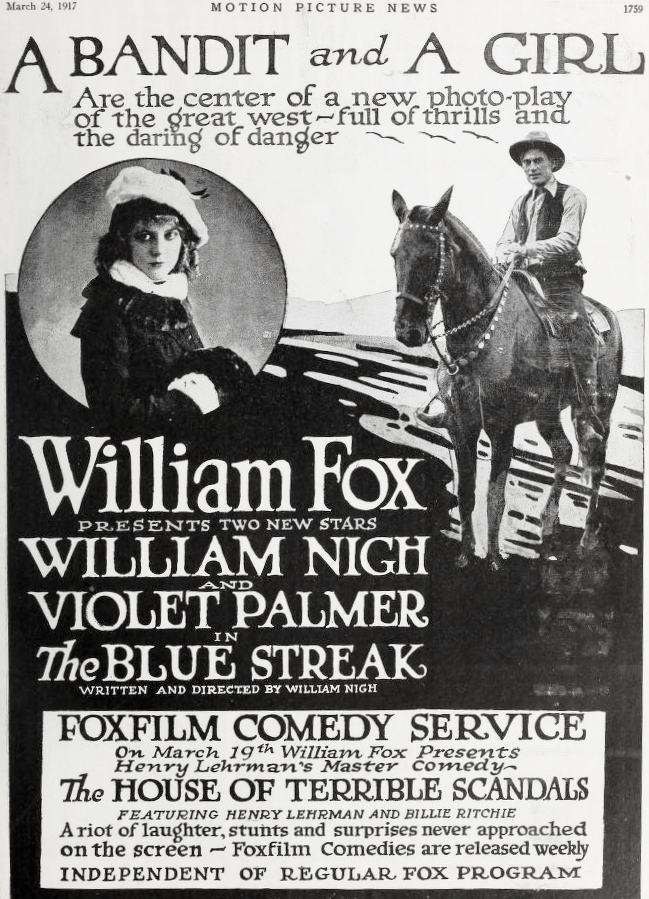
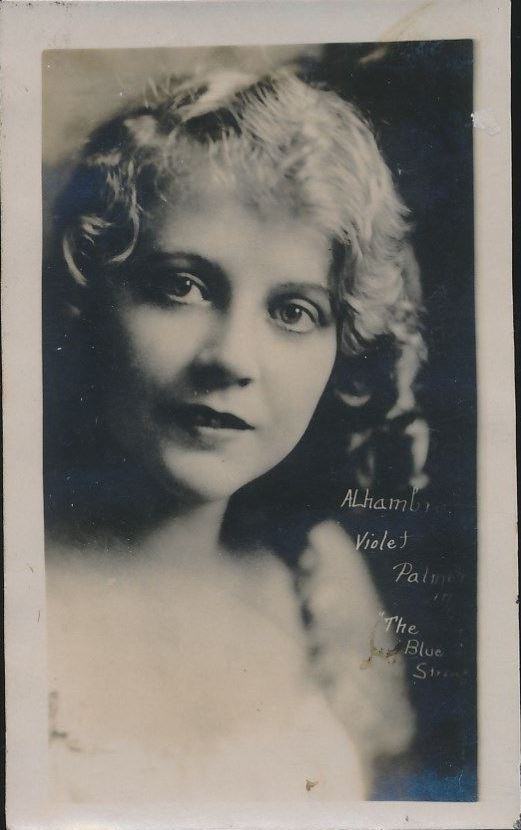
Dir: William Nigh
The story tells of the reformation of a millionaire's son, who later develops such consistent speed on the "draw" and on a horse that it wins for him the title of "The Blue Streak." Driven from home, the "Streak" changes his mode of living entirely. News of his adventurous spirit penetrates even into the town of Sterling, beyond the Rockies, where he one day finds himself. He strolls into the common meeting-place there, the saloon, and proceeds to prevent a forced marriage between the proprietor's daughter, "The Fledgling," and a gambler by the simple expedient of covering all with his revolver while preparing to make her captive himself. A short time after they reach his retreat in the hills, the "Streak' is almost overcome by what occurs to him. The gambler must have wronged the girl, and he, the "Streak," has interfered with retribution. He leaves "The Fledgling" in his partner's care and rides furiously back to the town for the "miscreant." He makes him prisoner, after a hard fight, and with a parson, brings him to the hut. The girl protests that the gambler has not harmed her, but the "Streak" will not listen. In desperation, "The Fledgling" goes through with a fake marriage ceremony. Miles away on the horizon the "Streak" sees a posse approaching to arrest him for his escapades. He bids "The Fledgling" good-bye and prepares for surrender. She begs him to flee. When he refuses she rushes to his arms, crying out her explanation. He mounts his horse, lifts her behind him, and dashes off, to begin life anew in his old home.
View Details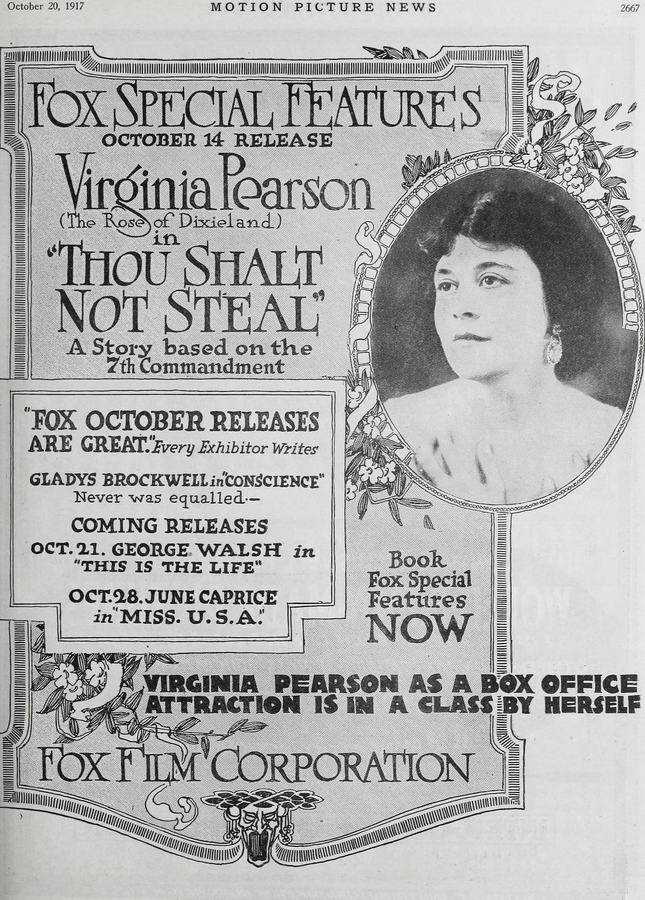
Dir: William Nigh
Mary Bruce is wooed by Lord Haverford but loves Roger Benton, her father's secretary. To finalize his marriage proposal, Lord Haverford offers her father a large sum of money and, being low on funds, Mr. Bruce accepts it, then places it in a safe. Horrified by her father's actions, Mary steals the cash from the safe that night, but on her way out is overcome by another thief whose wrist she bites in the ensuing tussle. When the theft is discovered, Mary, Benton and Mr. Bruce are suspected, but Dr. Steele, a detective, convinces Mary that Haverford, or the man who calls himself Haverford, is the actual thief. Steele tells how the phony Haverford attempted to kill the real one, stole his money, assumed his identity and is now extorting cash from Bruce. With the bitten wrist as proof, Steele exposes the impostor, then reveals himself to be the real Lord Haverford, whose sweetheart has been posing as the Bruces' maid. The mystery resolved, Mary and Benton happily reunite.
View Details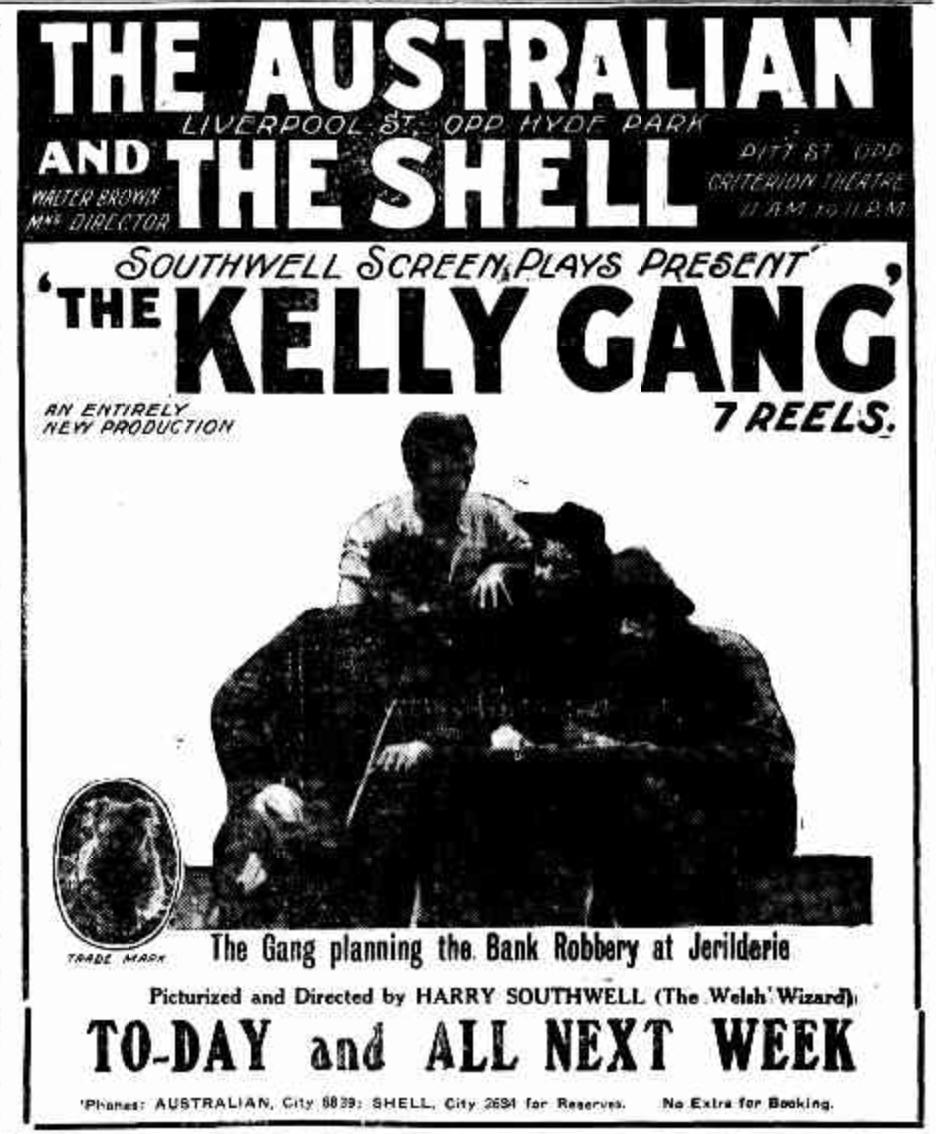
Dir: Harry Southwell
A fascinating piece of cinema that shares thematic elements.
View Details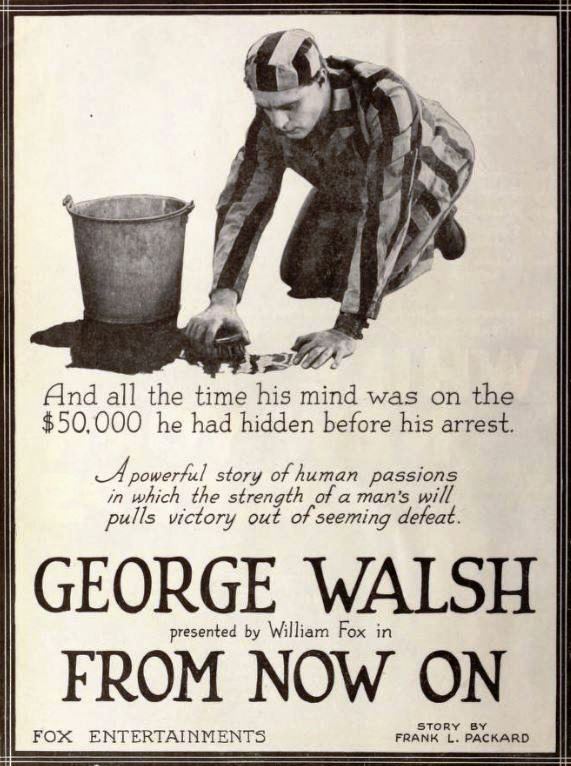
Dir: Raoul Walsh
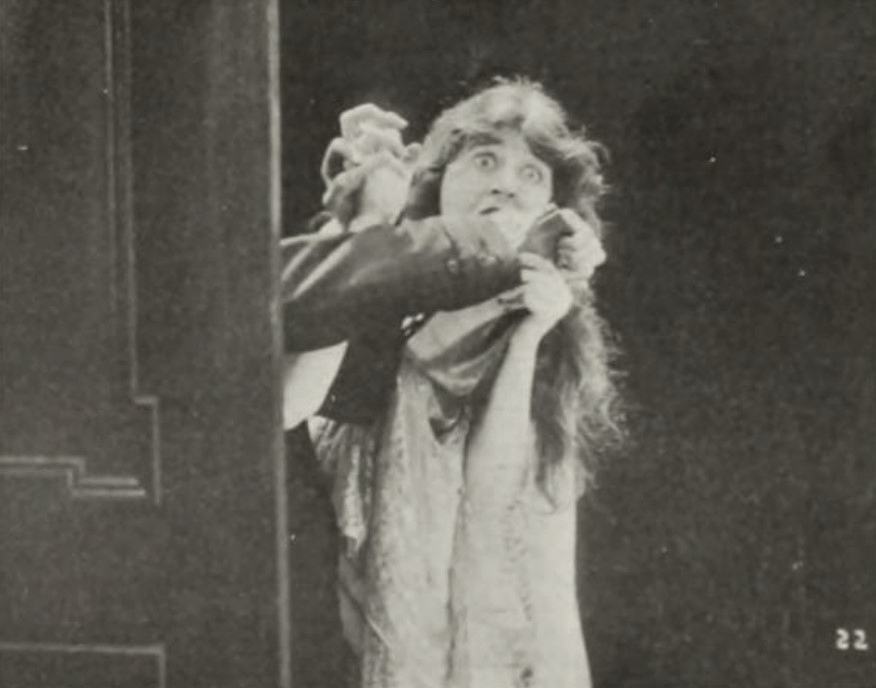
Dave Henderson, an orphan who has become the beneficiary of a rich man's will, falls in with race-track crooks Martin Tydeman and Bokky Sharvan who bilk him out of his $100,000 inheritance. In retaliation, Dave steals the money from Tydeman's safe, but is caught and sentenced to five years in jail. In prison, Dave becomes friendly with Millman, who is about to be released, and reveals the money's hiding place to him, arranging to rendezvous at the end of Dave's term. Once released, Dave is hounded by members of Tydeman's gang as well as the police, who are waiting for him to retrieve his bounty. While taking refuge at the house of Capriano, an old bomb maker, Dave falls in love with the old man's daughter Teresa. However, Capriano sets a trap for Dave, who awakens in a drugged state to find the $100,000 missing. With the help of Millman and Teresa, Dave recovers the money, turns it over to the police and resolves to go straight.
View Details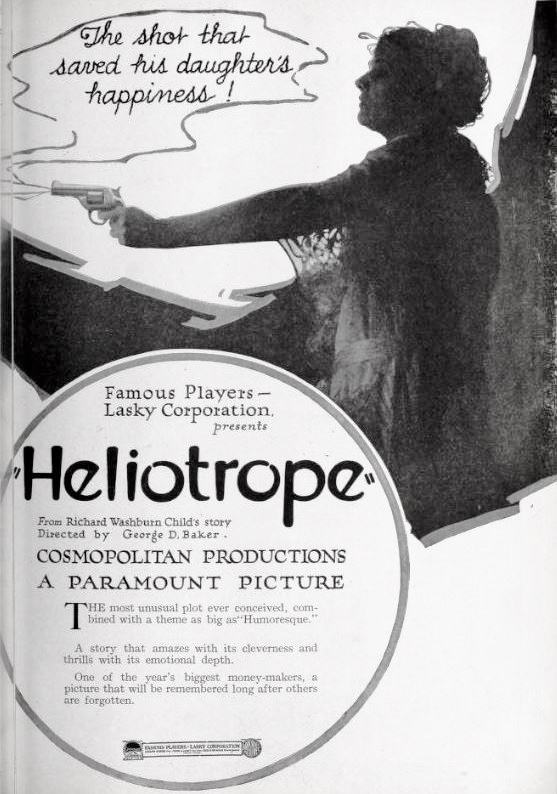
Dir: George D. Baker
A prison inmate obtains his release from prison in order to rescue his daughter from the clutches of her unscrupulous mother's plot to implicate the girl in a blackmail scheme.
View Details
Dir: Ewald André Dupont
Fred Hopkins, a jeweler's assistant, replaces the pearl necklace Lord Reading bought as a wedding present with a worthless imitation. A hunt begins, which the flower seller Rahel and the jumping jack dealer David are able to end by finding the jewelry. Hopkins, who is convicted, then commits suicide for fear of being punished with poison.
View Details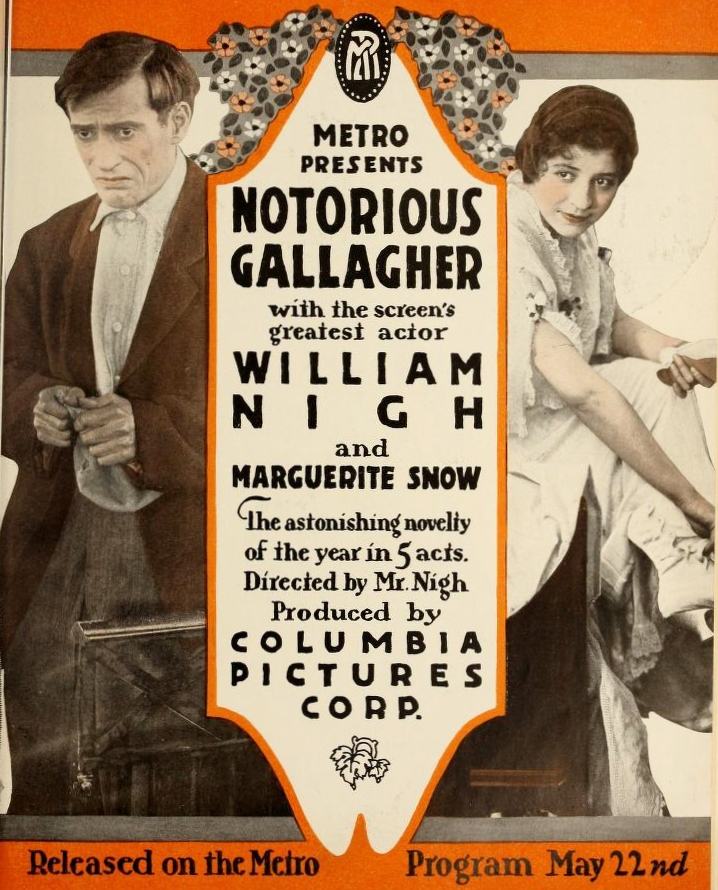
Dir: William Nigh
"Buttsy" Gallagher is a harmless young product of the slums. In all his life he has never been of the slightest importance. His spirit is so submerged that he has almost forgotten how to get angry. One night the gaiety going on in Judge Winters' home attracts him, and he crouches on the fire-escape to watch it. He becomes interested in the Judge, in his pretty daughter Peggy, in her cousin Flo, in Flo's admirer, the Count, and in Bob Ewing, a struggling young lawyer. Then he falls asleep on the fire-escape. Peggy is fascinated with the Count and decides to cut Flo out, if she can. She consents to meet him in the drawing-room after the household is asleep. Scarcely are they concealed in the window niche when the house is burglarized. "Frank the Mex" and "Lefty Jake," securing their booty, pass through Flo's room when Flo awakens and screams. A servant who runs to see what is wrong is killed, and the crooks escape through the window, where "Buttsy" is lying asleep. They roll him over into the room. "Buttsy" is arrested as the murderer. "Buttsy" finds himself suddenly famous. Women send him flowers. Great men argue about his case. The people in his home alley decide that he has more in him than they thought. Peggy, who was hidden in the other window and who knows that he is not the murderer, does not dare speak for fear of injuring her reputation. Bob Ewing takes up the case. He is sure "Buttsy" is not guilty, and finally makes Peggy tell what she knows. Her father, Judge Winters, makes her marry the Count. "Buttsy" is given a new trial and is released under a five-year probationary sentence for having committed perjury. He has "confessed" to the murder, delighted at having so much attention. Brought into prominence by "Buttsy's" trial, Bob is engaged by a firm of unprincipled men to condemn and take over for a reservoir some land belonging to Judge Winters and some farmers in his old home town. The two crooks, "The Mex" and "Lefty," are hired, and bind and gag the Judge when he tries to fight the matter in the town council. Peggy and the Count, who follow, are about to meet the same fate, when "Buttsy" intervenes. He has left the city because it is not interested in him except as a criminal. The Judge accuses him of being mixed up in the conspiracy and his long-buried spark of anger flames forth. He puts up the fight of his life. He and the Count turn on the hobos, and "The Mex," the slayer of the servant, is mortally wounded, confessing just before he dies. Flo gives Bob a piece of her mind. She tells him exactly what she thinks of him for having turned traitor to her uncle's interests in such a cowardly fashion. She rouses the sleeping manhood within him. He goes to the council meeting and argues, not against the Judge, but for him, winning the case. Flo forgives him, and they are married. Peggy cannot help admiring the Count's valor when she sees him fighting the crooks, and thereafter the marriage is a real one, as for "Buttsy" he sees again the girl known in his tenement home as "The Pest." Now she is a lovely young woman. She has become a trained nurse and he asks her to be his own private nurse as long as he lives.
View Details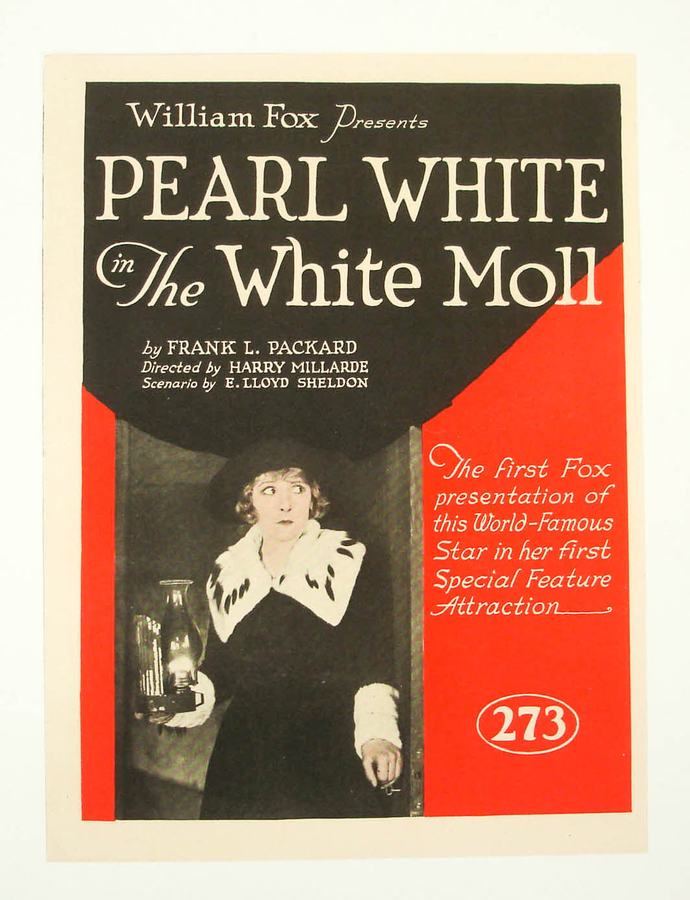
Dir: Harry F. Millarde
Desperate because a wealthy man has reduced her father to thievery, Rhoda agrees to rob the poor box of the church, although she finds the act abhorrent. During the robbery, Rhoda's father is shot and dies in the priests's arms, seeking absolution, while the man who ruined him looks on. Penitent, the man appoints Rhoda as his representative to return the ill-gotten gains to those he has robbed. Rhoda enters the underworld as an angel of mercy, gaining the sobriquet of "The White Moll." After many thrilling escapades, she brings The Dangler, the leader of a gang of crooks, to justice, saves others from death and finally wins The Pug, the man of her choice.
View DetailsAnalysis relative to El Misterioso Mr. Wong
| Film Title | Atmosphere | Complexity | Similarity |
|---|---|---|---|
| Love Madness | Ethereal | Linear | 86% Match |
| The Child of Destiny | Surreal | Linear | 93% Match |
| The Blue Streak | Surreal | High | 91% Match |
| Thou Shalt Not Steal | Gothic | Layered | 91% Match |
| The Kelly Gang | Tense | Linear | 95% Match |
This guide was algorithmically generated using the cinematic metadata of William Nigh's archive. Last updated: 8/16/2026.
Back to El Misterioso Mr. Wong Details →