
DbcultAccessing Vault...
Recommendations
Senior Film Conservator
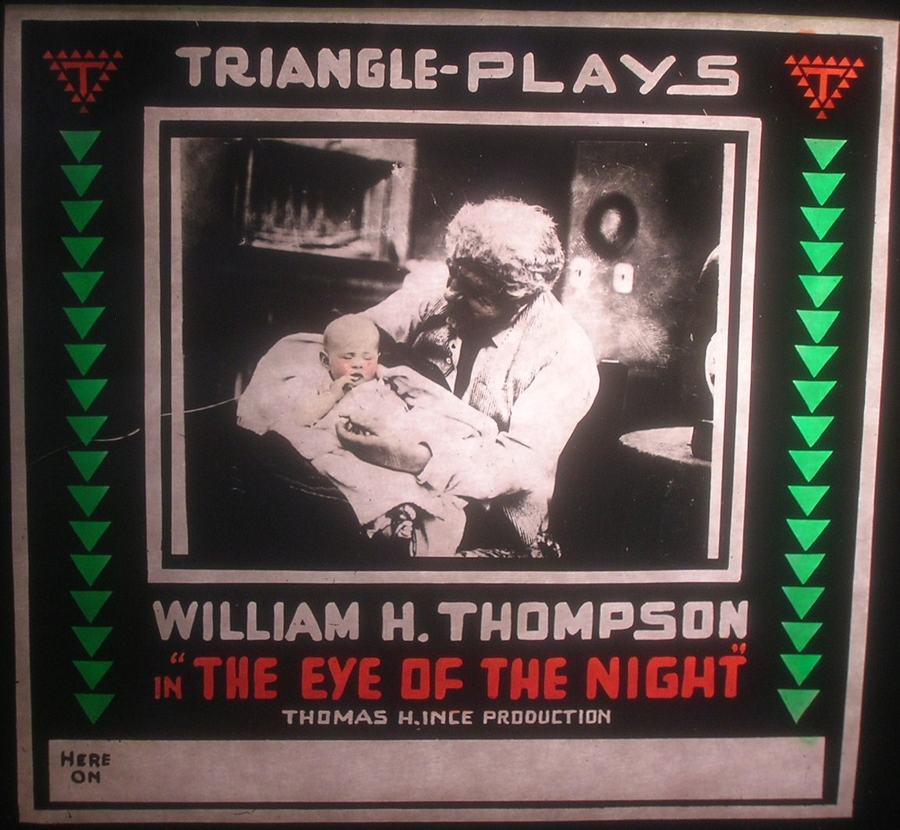
After experiencing the artistic bravery of Eye of the Night (1916), finding other movies that capture that same lightning in a bottle is a top priority. These recommendations provide a deep dive into the same stylistic territory occupied by Eye of the Night.
This 1916 cult classic stands as a testament to challenge the status quo through its avant-garde structure.
Jane is a comely little slavey in a fishermen's village. The only two friends she has among all the inhabitants are David Holden, the aged keeper of the lighthouse, "The Eye of the Night," and Rob Benson, a young fisher lad whom she has loved with all her heart. Rob and Jane were to be married as soon as the lad could save enough to build them a little nest by the sea. But then the war broke out and Rob was the first to volunteer. Jane whispered a secret to him the day he was to leave that all but made him back out, but, like everyone else, Rob thought the war was to last only a few days and then he would be back in plenty of time, but he wasn't, and one day a nameless little waif was born in one of the big hospitals in London. In her despair Jane turned to the only friend she had, aged David Holden, and determined to ask him to take her baby and be its father. David Holden not only takes in the baby but the mother as well, to the resulting indignation of the narrow-minded townspeople, who first demand that Jane be driven out. When David refuses, they manage to secure his dismissal as keeper of the light. And so David, with Jane and the baby, move into the little cottage David has built from his savings and prepare to live out their lives. While readjusting their lives in the new home, Jane discovers that her mother was David Holden's wife and that her only protector was really her father. But David Holden's wife had run away and left him for another man years and years before and he does not give the girl, his daughter, a chance to make known her discovery to him, simply dismissing the subject of the woman the girl knew to be her mother with a word and a gesture. But Jane cherishes the secret. War comes close to the little hamlet in which David Holden and his two wards live. One night aeroplanes fly over it, dropping bombs as they sped past. One bomb wrecks the lighthouse. All the village knew that an army transport bearing wounded was making for their port. When David sees the lighthouse wrecked, he determines to guide the ship through the narrow entrance to the harbor at all costs. He deliberately sets fire to his cottage to serve as a beacon to guide the mariners. The boat reaches the harbor safely, thanks to David, and the next morning, among the first of the wounded to come from the vessel is Rob Benson. His reunion with Jane follows immediately and the tardy marriage ceremony is immediately performed. And then Jane, her own name cleared, tells David Holden that she is his daughter.
Critics widely regard Eye of the Night as a cult-favorite piece of cult cinema. Its artistic bravery is frequently cited as its strongest asset, solidifying its place in United States's film legacy.

Based on the unique artistic bravery of Eye of the Night, our vault has identified these titles as the most compelling follow-up experiences for fans of cult cinema:

Dir: Walter Edwards
A Pair of Silk Stockings is a 1918 American silent marital comedy film starring Constance Talmadge and Harrison Ford. It was directed by Walter Edwards and produced and distributed by Select Pictures Corporation. The film is based on a 1914 Broadway play of the same name.
View Details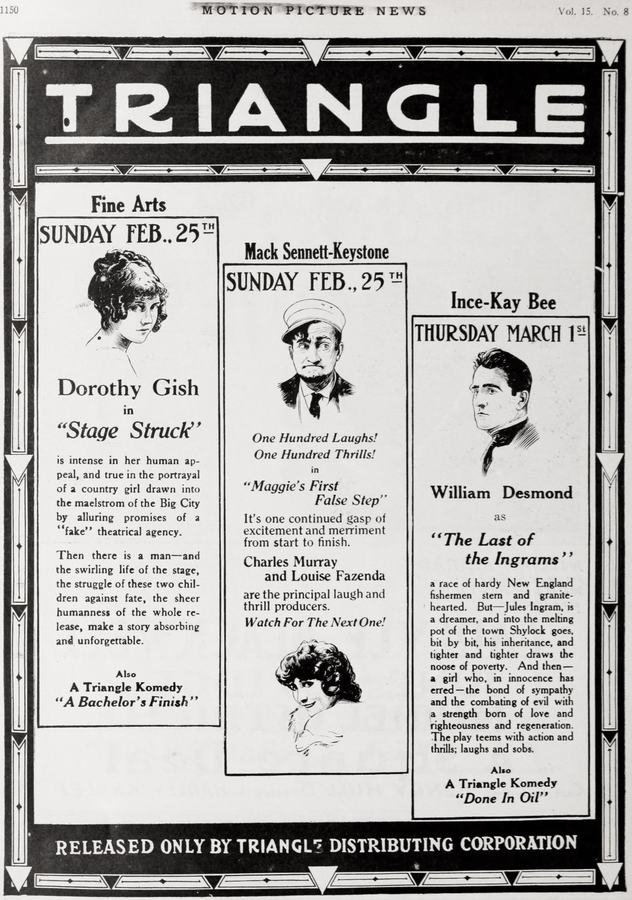
Dir: Walter Edwards
Jules Ingram ( William Desmond ), the sole survivor of an old Puritan family, seeks solace and forgetfulness in drink. Unable to pay his debts, Jules is driven from his house when banker Rufus Moore ( Robert McKim ) forecloses on the mortgage. Offered shelter by Mercy Reed ( Margery Wilson ), a woman who in her youth naively sinned and has remained rejected by the community ever since, Jules begins to reform. Climbing his way back to respectability, Jules attends church with Mercy, causing a storm of protest. Moore's wife Agnes urges the mob to violence, and as they attempt to tar and feather Jules and Mercy, Mercy delivers an eloquent speech condemning Moore as her betrayer. The mob then takes Moore as their victim, leaving Jules and Mercy in peace.
View Details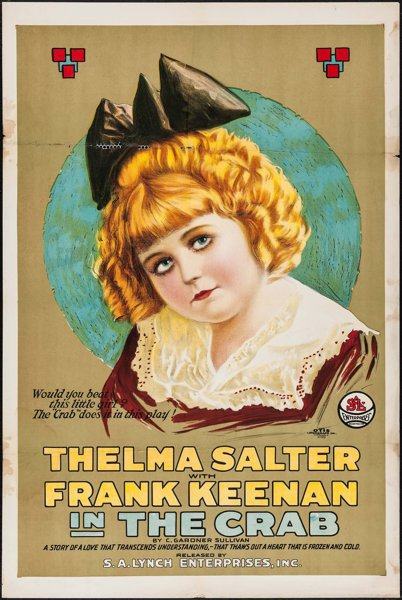
Dir: Walter Edwards
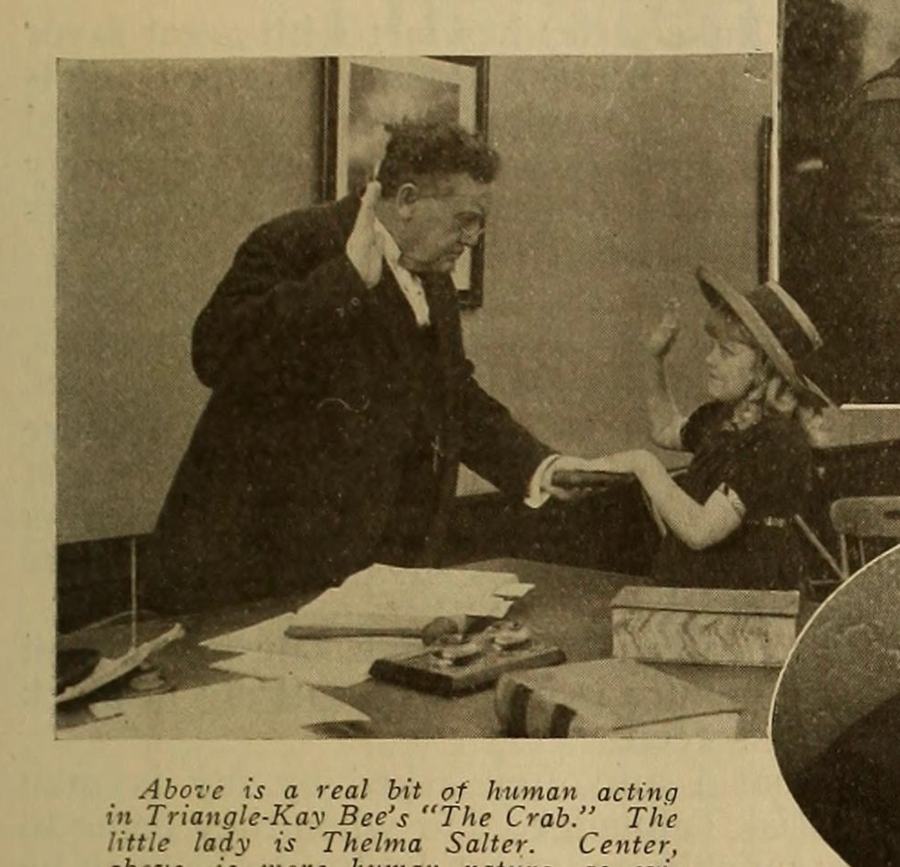
Foster Borrum is the wealthiest man in the town of Norwalk. He practically owns everything. He has won his position by merciless grinding and is regarded by the villagers with fear and contempt. A stern man, with only one softening influence in his life, his wife, whom he idolizes. The wife dies and Borrum turns on the world with added bitterness and hatred. He is living a life of dreary isolation when one day a visitor steps off the train at the station, a little girl; also alone in the world; who has been tagged to her destination in the search of a relative who has long since disappeared. The villagers are too poor to adopt the child. In a cynical mood Borrum takes possession of the girl. Ivy Marten, and installs her in his home. Ivy, aching for sympathy, meets with no response from the austere man, whose treatment of her borders on brutality. Exaggerated reports of this reach the authorities, and Borrum is haled before them. Ivy, who loves the old man in spite of his coldness, is the prime witness for the defense and her loyal support of her guardian wins the day. A change comes over the attitude of Borrum towards the child and the world in general and with a softened heart he strives to make life happier for the orphan and for the hitherto despised inhabitants of the poverty stricken village.
View Details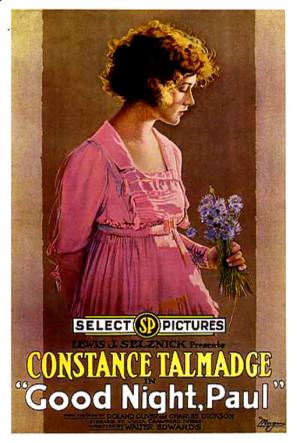
Dir: Walter Edwards
Paul Boudeaux shares lodgings with Richard Landers, his business partner, and Richard's young wife Matilda. Paul and Richard are in deep financial trouble, but when Paul's wealthy uncle, Batiste Boudeaux, comes to visit for a night, Matilda suddenly is inspired with a plan to save the business. Knowing that Uncle Batiste will give Paul $50,000 if the young man marries, Matilda introduces herself as Paul's wife, which greatly pleases the old bachelor. Complications arise, however, when Batiste decides to stay for a month, and the situation gets worse when early one morning, he sees Paul sleeping on the sofa and Richard stealing away from Matilda's room. Because Paul falls in love with Batiste's nurse Rose, the partners finally get their money, and even the old uncle gives up his bachelorhood by marrying fashion model Mme. Julie.
View Details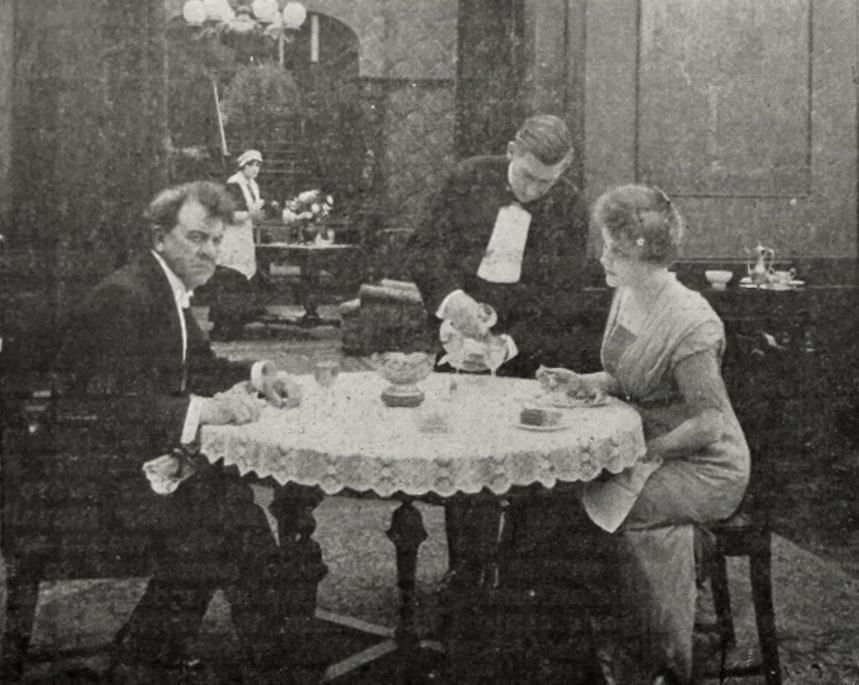
Dir: Walter Edwards
David Waltham is the head of a syndicate, which corners the food supply. His wife hears of her husband's operation and begs him to consider the poor, who will be unable to pay the prices that his monopoly will exact. He is merciless, however. Among those who suffer from Waltham's efforts is an engineer named John Adams. The bank in which his small funds are deposited undergoes a "run" and he loses all his money. He has previously lost his job. The Adams family is reduced to starvation and finally Adams in desperation breaks a window in a bakery and gets away with an armful of bread. He is arrested and is sent up to the workhouse for thirty days. The rent collector comes around, but Mrs. Adams is unable to pay him anything though she slaves over the washboard and her two children assist her. Seeing that the woman is beautiful, the collector gives her some money, telling her to buy her children and herself a square meal. She reluctantly accepts his gift. Little by little she descends until she even appears in a low dance hall with the man. John Adams returns from jail and goes to his humble rooms. There he finds his children in bed. Finally his wife appears in beautiful and expensive clothes. She appears disgusted with the life she leads and wipes the paint off her lips with loathing. Then she suddenly sees her husband, who is staring at her as if in a trance. She is almost hysterical from fright. He grasps her wrists roughly and demands an explanation. She tells him that she has done it for the children's sake. This plea saves her life, but the soul of John Adams is filled with bitterness. Widespread suffering and destitution prevail and bread lines are everywhere in the poorer quarters of the great city. Men and women practice deception to get a little more bread and some get into fights overcome by their own and their children's sufferings. Three desperate men invade the sanctum of David Waltham, but are quelled by his masterful manner and slink away impotently when he tells them that he will call the police if they are not gone in a minute. John Adams gets a job in Waltham's big storage house. A fellow worker points out Waltham to Adams and the latter's rage against the big monopolist is aroused to a high pitch of fury as he thinks of his wife's degradation. Adams blames it all on Waltham. That night he secrets himself in the big warehouse and telephones to Waltham saying that the police are down there, having heard of a secret plan on the part of some of the starving populace to destroy the place. He tells Waltham to leave his auto a block or two away from the building, when he comes, to avoid suspicion. Adams gets Waltham in the building and securely ties him and then leaves him to starve. That he may not be found, Adams surrounds the magnate with a big pile of boxes. In his struggles to free himself, Waltham upsets the towering piles of boxes and they topple over completely burying him.
View Details
Dir: Walter Edwards
Alma Clayton is a butterfly type of girl. She is being wooed by a gilded youth, Neil Webster, whom she likes to a degree. At a public banquet Alma becomes acquainted with Wayne Burrous, a brilliant criminal lawyer, and won by the man's eloquence, she casts Neil aside and eventually marries Wayne. Her husband's strict attention to business piques her, and it results in Wayne leaving her use of their large mansion while he takes up his residence in the club. Alma, while out shopping with a friend, meets Neil, who tells her that his love for her is gone. At home she calls him by telephone. He arrives at Alma's home, and informs her that what he said about his love for her is not true, and that he is actuated by the desire of revenging himself on Wayne for winning her away from him. She is undetermined whether to elope with him or not. Meanwhile Jim Sims, a burglar, breaks into Wayne's room. After taking a number of gold and silver pieces his eye fixes on a portrait of Wayne. He recognizes it as representing the lawyer who had once saved him from jail, although Sims was penniless: He carefully replaces the articles from his sack to the dresser and is about to leave empty-handed on account of respect for his benefactor when he hears the excited conversation of Alma and Neil. He steals down the stairs and suddenly confronts them just as Alma is about to yield and go away with Neil. At the point of his gun he makes Neil sit quietly, while Alma is compelled to tie him with a rope to his chair. Then Sims makes the woman go upstairs to Wayne's room, where he shows her the picture of her husband and tells her of his saving Sims from jail. The burglar insists that such a man could not be the brute that she thinks him. He is so forceful in the presentation of the claims of Wayne and of the penalty that she would have to pay if she should break the laws of society that the woman is won over. Then Neil manages to drag himself, still securely bound to the chair, over to a telephone. He gets the receiver off the hook with his teeth and calls the police. On their arrival Neil is released. Alma hides the burglar and tells the officers that the burglar escaped through a window. When they are gone she rejects Neil. Neil goes out the back door, is mistaken for the burglar and is badly beaten up by an officer. Alma gives the burglar the picture of her husband as a souvenir of gratitude for his aid in setting her right. She then calls up her husband, and on his return there is a happy reconciliation.
View Details
Dir: Walter Edwards
Jim Gordon, a stranger to Paluski, a Western mining settlement, does not drink or gamble, and refuses dance hall girls' advances. Gonda, the dance hall queen, accepts a wager by gambling proprietor "Ace High" Lawton, who is hopelessly in love with her, that she cannot seduce Gordon. After a drunken miner attempts to shoot Gonda, Gordon protects her, but when she tries to induce Gordon to drink, he knocks her glass from her hand, thus beginning a barroom brawl. Although Gordon wins, he is injured. While Gonda nurses him, they fall in love and plan to marry, but Gordon discourages Gonda from becoming pregnant. When Gordon receives a letter from his wife back East containing a knitted baby shoe and news that he has been proven innocent of a murder charge, he leaves Gonda some gold and starts home. Thinking that Gordon wronged Gonda, Lawton throws him from a cliff. After an Indian trapper robs Gordon, Gordon attempts to rob the gambling hall but fails. He is about to be lynched when Gonda, who has discovered the letter, arranges for Gordon's escape for the sake of his son and agrees to marry Lawton, who then misleads the party trailing Gordon.
View Details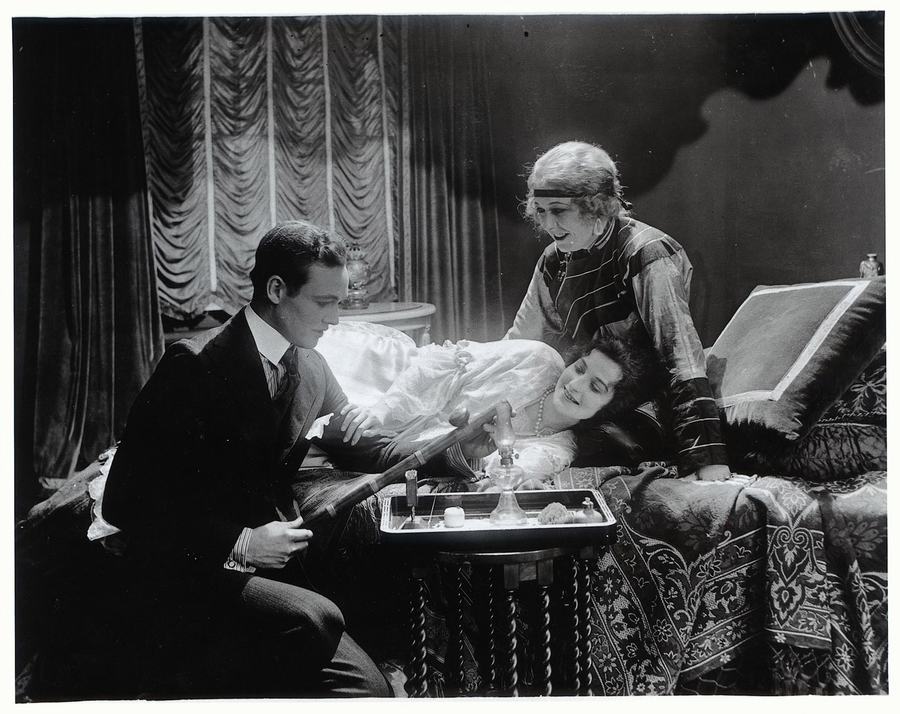
Dir: Walter Edwards
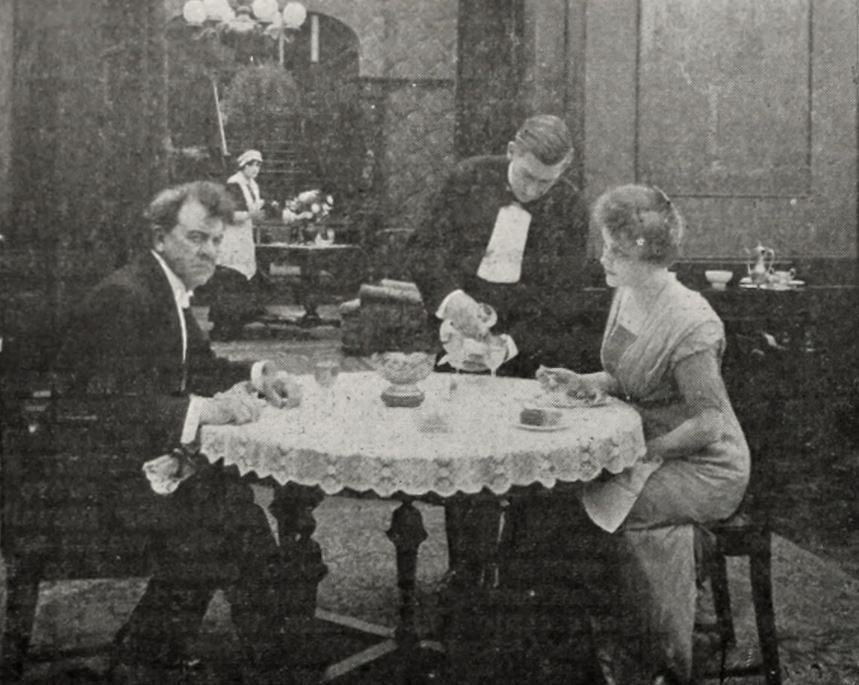
Wealthy John Steele has a handsome young son, Frank, on whom he pins his hopes. But riches lead Frank not into social standing and duty, but into depravity, drug-addiction, criminal activity, and finally to tragedy.
View Details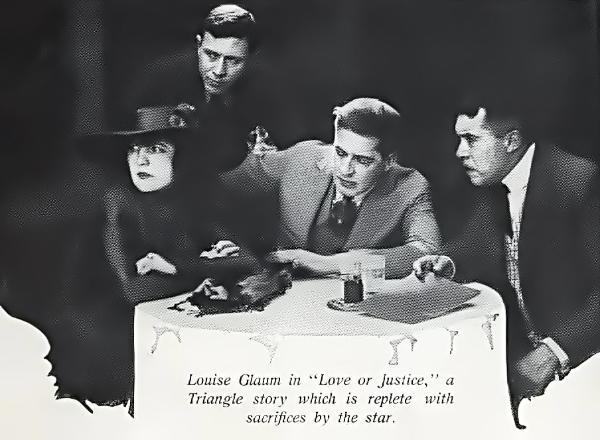
Dir: Walter Edwards
Promising young lawyer Jack Dunn becomes a victim of drugs and loses his standing in the legal world. He passes his idle hours in the slums where he meets underworld figure Nan Bishop, whose influence helps to make a man out of Dunn; with her help he breaks his dependence on drugs and is successful in obtaining a position as a criminal lawyer. Years later, they meet again in a courtroom: Nan has been falsely accused of murder and Dunn is the prosecuting attorney. Learning that Dunn's professional future depends on his winning the case, Nan pleads guilty, but at the last minute, the real criminal is discovered and Nan is cleared of the crime. She then accepts Dunn's offer of marriage and together they look forward to a happy future.
View Details
Dir: Walter Edwards
Parker, an Army lieutenant at a Western outpost, falls in love with Barbara Taylor, daughter of his commanding officer. But when Barbara rejects him, Parker fights with another soldier and deserts. An Indian attack gives him a chance to redeem himself.
View DetailsAnalysis relative to Eye of the Night
| Film Title | Atmosphere | Complexity | Similarity |
|---|---|---|---|
| A Pair of Silk Stockings | Tense | Linear | 98% Match |
| The Last of the Ingrams | Ethereal | Linear | 98% Match |
| The Crab | Surreal | Dense | 98% Match |
| Good Night, Paul | Gritty | Abstract | 95% Match |
| The Corner | Gothic | High | 97% Match |
This guide was algorithmically generated using the cinematic metadata of Walter Edwards's archive. Last updated: 6/23/2026.
Back to Eye of the Night Details →