
DbcultAccessing Vault...
Recommendations
Senior Film Conservator
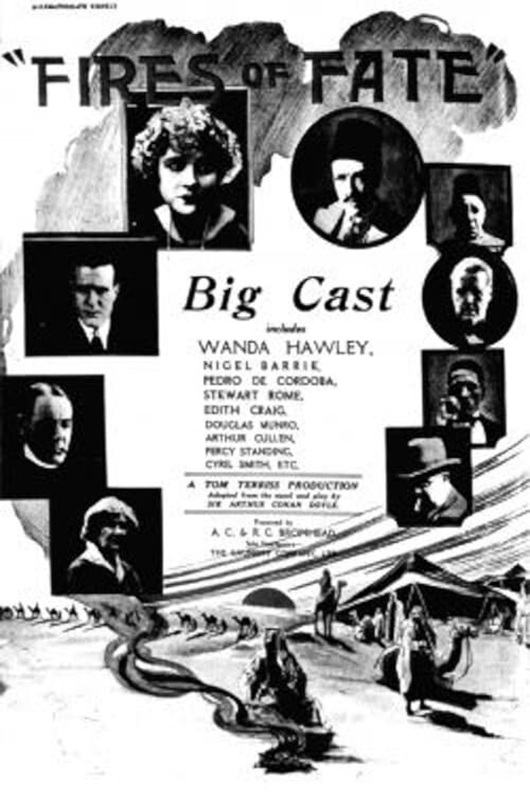
In the vast archive of Adventure cinema, Fires of Fate stands as a stylistic flair beacon, the narrative complexity found here is a rare find in the 1923 landscape. From hidden underground hits to established classics, these are our top picks.
Few films from 1923 manage to capture to explore the darker corners of the human condition with stylistic flair.
In Egypt a colonel with a year to live saves a girl from an Arab prince.
The influence of Tom Terriss in Fires of Fate can be felt in the way modern Adventure films handle stylistic flair. From the specific lighting choices to the pacing, this 1923 release set a high bar for atmospheric immersion.
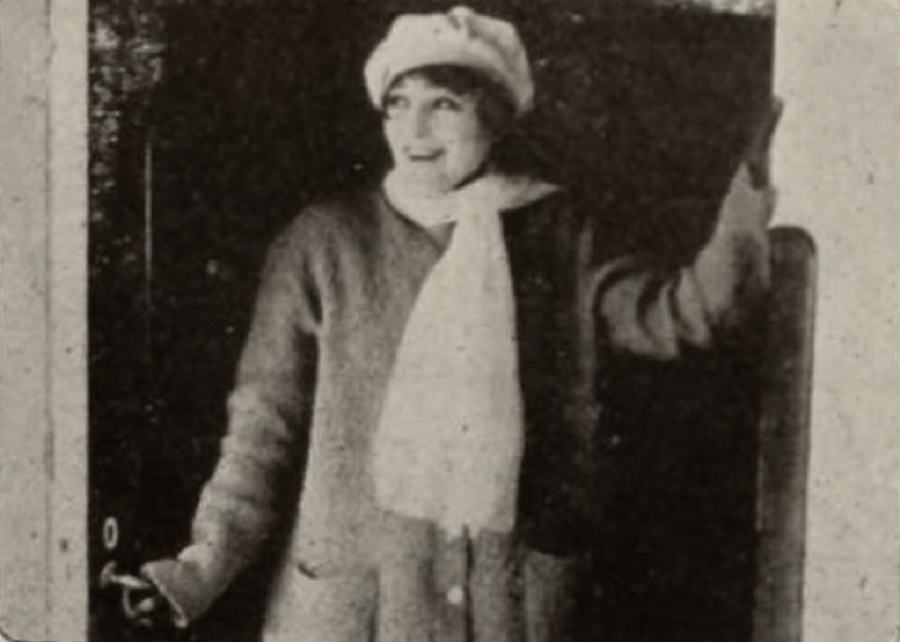
Based on the unique stylistic flair of Fires of Fate, our vault has identified these titles as the most compelling follow-up experiences for fans of Adventure cinema:
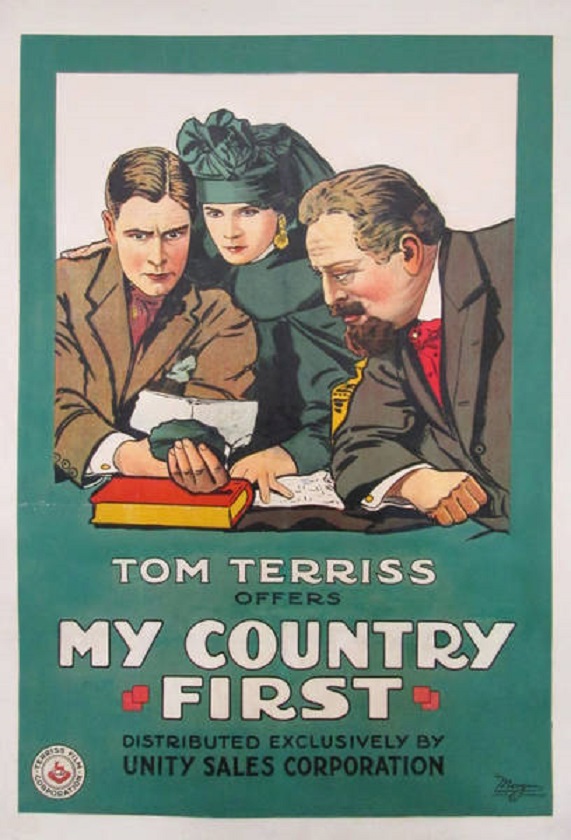
Dir: Tom Terriss
Frank Draper, a patriotic young American, has invented the most wonderful explosive in the world which he intends giving to the United States. In defending a pure girl from the machinations of an enemy, he is involved in a serious crime which sends him, an innocent man, to prison. Angered at this interruption to their plans and desirous of obtaining the explosive for a foreign government, international spies connive successfully at Draper's escape. They then hold him a prisoner and the young patriot is given the choice of sacrificing his own life or that of his country. He chooses the preservation of the latter, and his sands of life have almost run out, when trapped and bound, he is rescued at the eleventh hour. Thankfully acknowledging his escape and returning to freedom, he gives to his country a wonderful weapon of preparedness and together with the nation's thanks, he receives the love of the girl he once defended.
View Details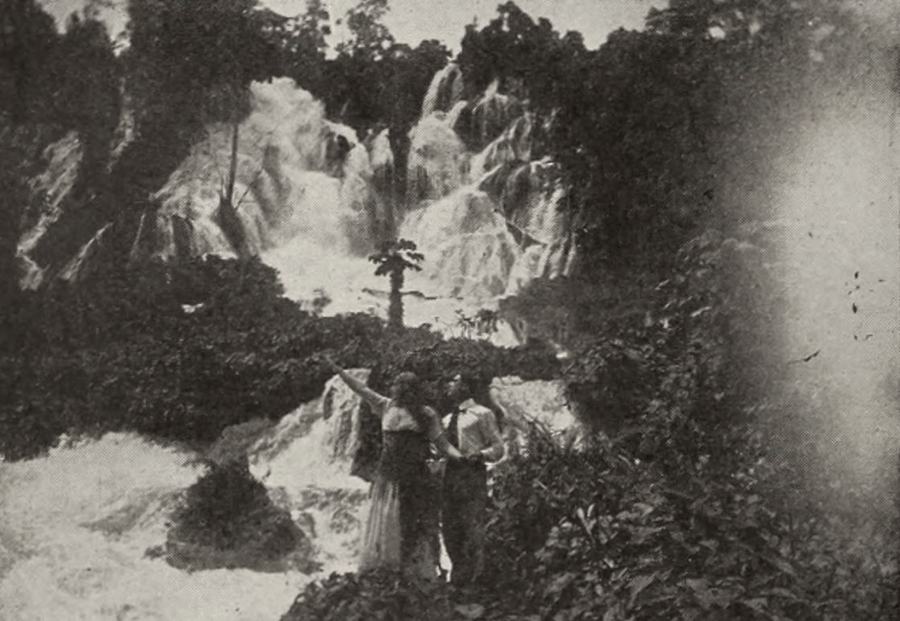
Dir: Tom Terriss
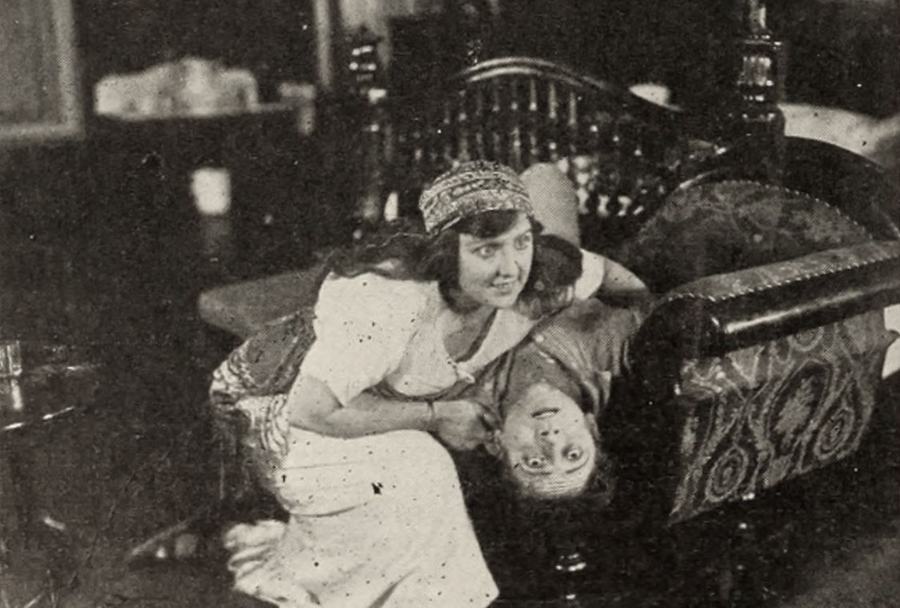
William Lanyon, a West Indian planter, dies and leaves all his estate to his nephew, Dick Lorient, a New York society rounder, who is engaged to be married to his cousin, Dulcie Lanyon. Dick leaves to inspect his property and John Stark, the overseer, to whom the estate has been left in the event of Dick's death, conspires to gain possession of the property. In Jamaica, Dick meets the "Woman," and in the Flame of Passion, passes through rushing waters and fires of hell. How he escapes the siren's deadly fascination and the villainous scheming of Stark is depicted herein.
View Details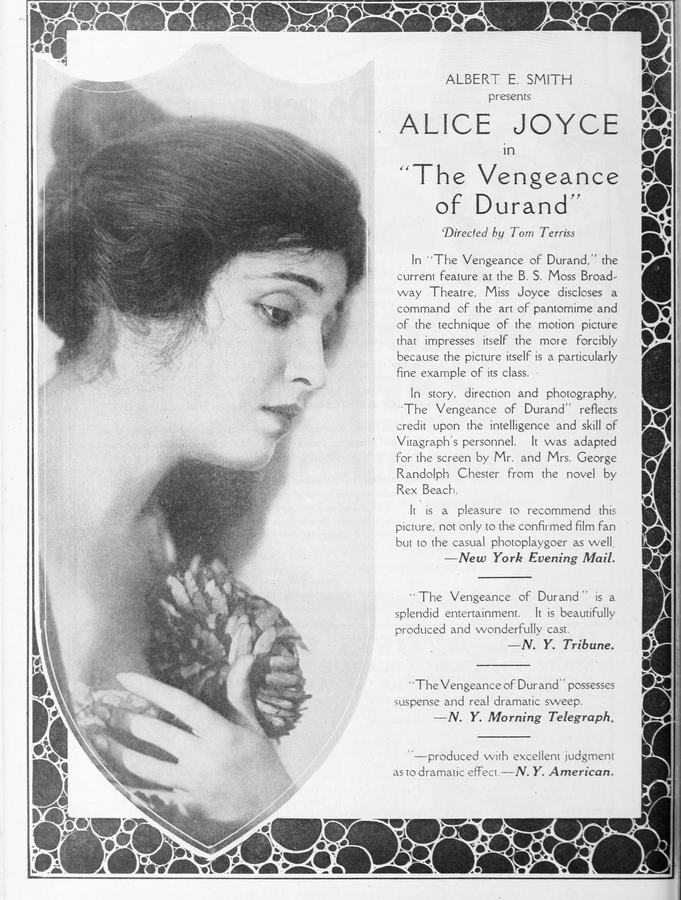
Dir: Tom Terriss
Henri Durand of the French nobility is insanely jealous of his beautiful American wife Marion's innocent conversations with her many male admirers. Durand provokes her suicide when, egged on by a rejected suitor of Marion's, he accuses her of having illicit relations with her visiting childhood friend, Tom Franklin. Twelve years later, when Tom returns after a long expedition, the vengeful Durand coaches his daughter Beatrice, who resembles Marion, to court Tom. After they become engaged, Durand forces Beatrice to flirt with other men, but when Tom, overcome with jealousy, is about to kill himself, Beatrice admits her real love for him. Durand is at first furious with Beatrice's supposed betrayal, but he is pacified when he receives a confession from Marion's refused suitor that absolves Tom of any guilt. Durand then permits the marriage of Beatrice and Tom.
View Details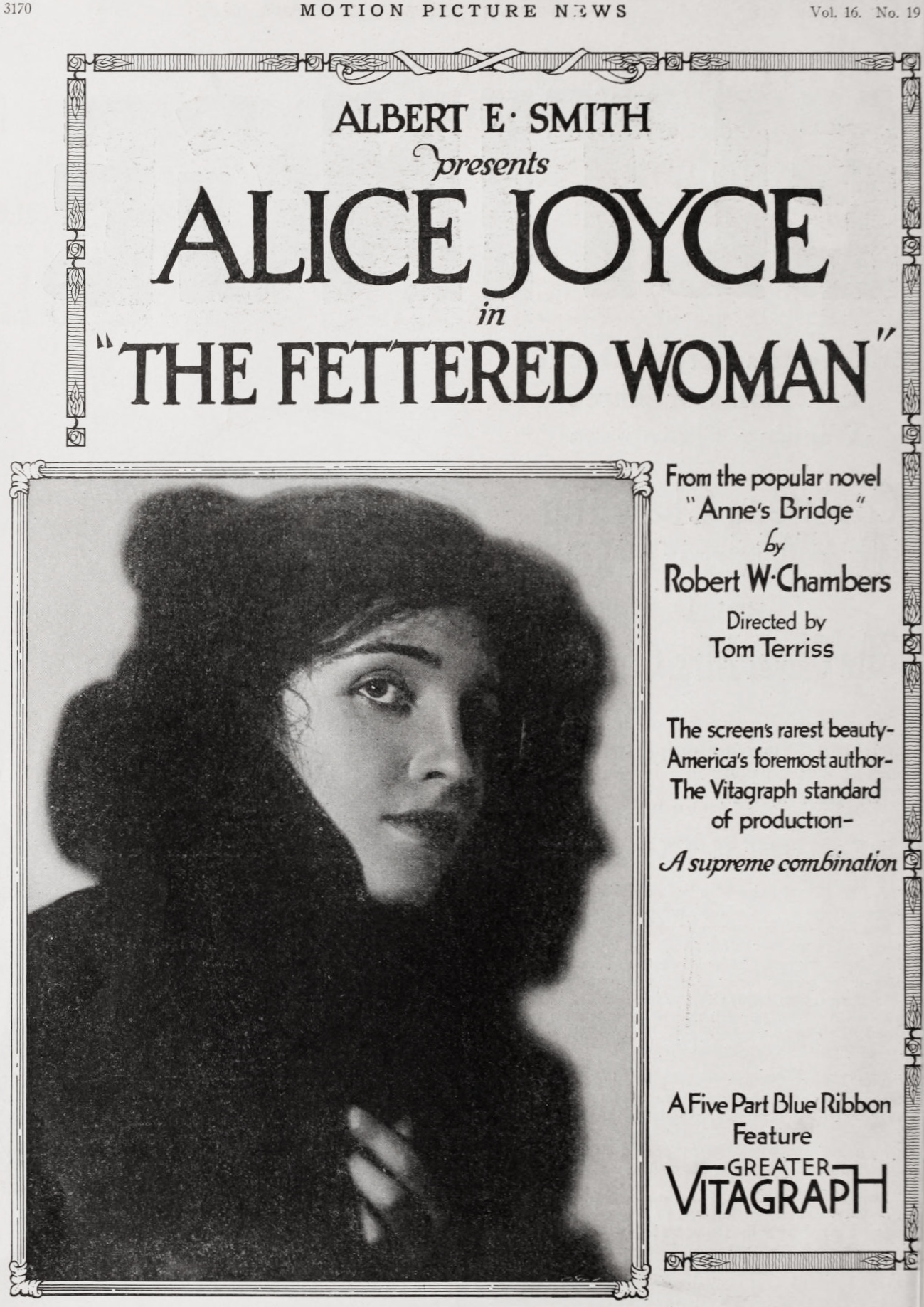
Dir: Tom Terriss

The story is of Angelina Allende, who is left an orphan by the suicide of her father, a real-estate visionary who has beggared not only himself but his friends in a vain attempt to "boom" the deserted hamlet of Anne's Bridge. Receiving news of his death, Angelina returns home, where she is presently inveigled into a trip to New York by two men, one of whom wants the property and the other of whom wants Angelina. In a restaurant scene which follows, Bink, the elder of the conspirators, makes advances to Angelina, is repulsed and then is shot by Wolver his fellow conspirator. The police enter, Angelina is accused of the shooting, and she is sentenced at length to a three-years' term in a home for delinquent girls. Emerging at the expiration of her sentence, she returns to Anne's Bridge. Here, in the lonely days that follow, she advertises for boarders and is at last rewarded by the appearance of James Deane. It is here that the love story begins; and it progresses until Angelina is cleared, through Deane's efforts, and, finally, is free to marry him. - New York Dramatic Mirror, November 10, 1917.
View Details
Dir: Tom Terriss
The opening picture finds Edith (Alice Joyce) in prison where she has been for the last three years. She is a widow and her baby has been placed in an institution. She is paroled, finds her child and steals him from the asylum. After wandering around she finally obtains a position in a department store, where Jim Roberts, superintendent, falls in love with her. They are married, but she fails to tell him of her past. Mabel, also freed from prison, demands that Edith join with her and her side partner in a crime, under threat of exposing her past to Jim. Jordan, a friend of Jim's visits them. He is a detective, and recognizes Edith as a former thief. Further to involve her, Mable, hiding from the police, forces Edith to give her refuge in her home, where she immediately proceeds to steal everything in sight, money being her particular passion. Jordan tells Jim he is harboring a thief and he tells Edith she must leave, but Edith, still fearing Mabel, confesses to the theft of money and Mable is allowed to stay. The two men then plan to trap Mable by placing $400 in a desk. As Edith takes the money from the desk, lights are flashed on and she stands before the two men as the thief. The distracted girl now tells her husband of her first theft to save her baby and of her present attempt to keep her past from him. The men have a battle, the detective gets badly beaten up, but is moved by her great courage, gives her back to Jim and the child and through his efforts she obtains a free pardon. - Review from Variety, May 10, 1918.
View Details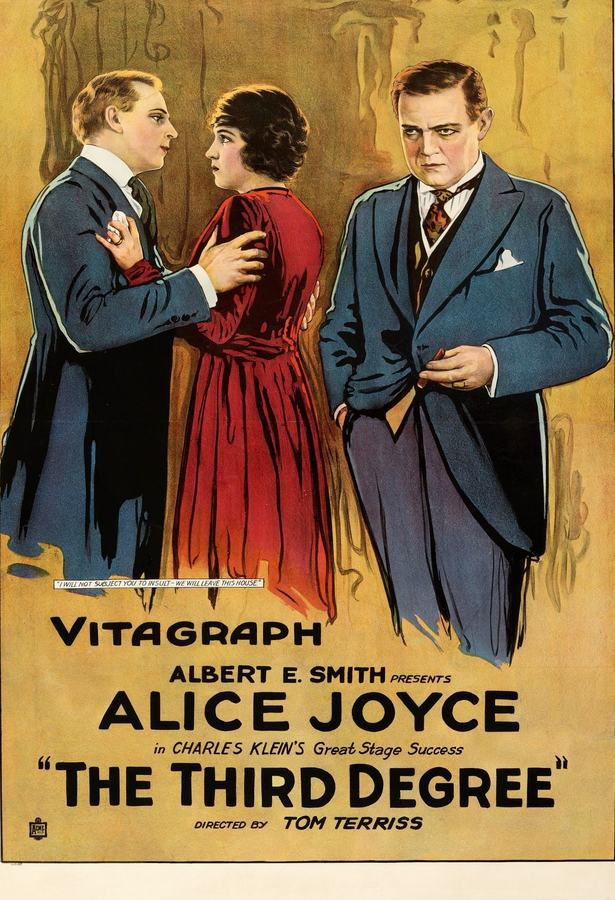
Dir: Tom Terriss
An expose of the methods used by a police-department to extract a confession from a suspect, regardless of innocence or guilt, and the effect and consequences on a family when an innocent member breaks under the interrogation methods and confesses to a crime he did not commit.
View Details
Dir: Tom Terriss
Florence is a little milliner who shares a room in "Brick Dust Row" with Ella, a fellow worker. It is all the home she has and the girls have to receive their company in the parks because there is no reception room, the millionaire owner of the Row having sublet the parlors. They see no harm in chance acquaintances. Then Florence meets Blinker, and real love comes into her life; but Blinker learns of what to him seems her promiscuous acquaintances and makes it plain that he cannot marry such a woman. There is a fire on the excursion boat on which they are traveling, and Bill, a gun-packing husky, who has constituted himself Florence's champion, saves them both. Then he learns Blinker's attitude, and a visit to the young millionaire owner of the Roy shows Blinker that his own greed is basis for Florence's actions and a changed Row is Florence's wedding present. - Moving Picture World 1918.
View Details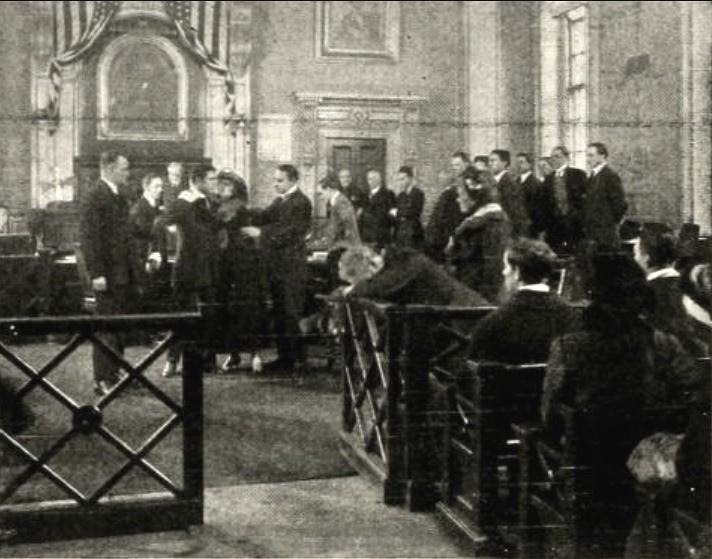
Dir: Tom Terriss
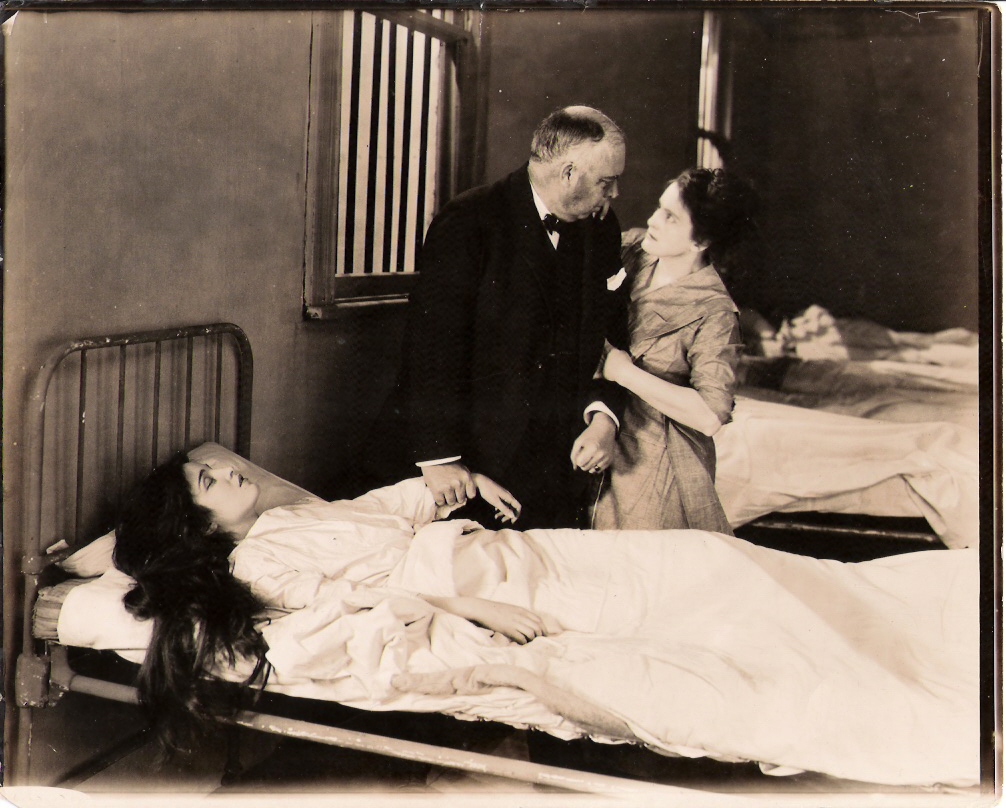
At a dance given by Earl Dexter, his wife, for the gratification of a whim, wears a beautiful pearl necklace recently purchased by Viscount Acheson. Craig Dare, who is a gentleman thief, makes love to Earl Dexter's wife, and at the same time succeeds in stealing from her the pearl necklace and handing it out of the window of the house to Tony Oscaros, a chauffeur, who is none other than Dexter, who is leading a dual life. The party ends in confusion at the announcement of the loss of the necklace. Craig Dare learns that Viscount Acheson, who carries with him a considerable sum of money, is going to be at an inn (owned by Dexter's father) in the neighborhood. Dare goes with Acheson to the inn and allows him to fall into the hands of Tony Oscaros and his gang. Shortly before this happened, Earl Dexter comes to the inn to see his father, who, however, is absent at the time. Dexter's father returns to his inn in time to find the murdered Acheson, and see Tony Oscaros dashing out of the house. By a peculiar coincidence, Oscaros looks so much like Earl Dexter that even his father is deceived by the resemblance. Later, Earl Dexter is accused and convicted of the murder of Acheson. At the last moment. Tony Oscaros' little boy recognizes the fact that Dexter is not his father, and so gives the clue to the guilt of Tony Oscaros. The police follow up the clue and after finally encounter and capture Tony Oscaros.
View Details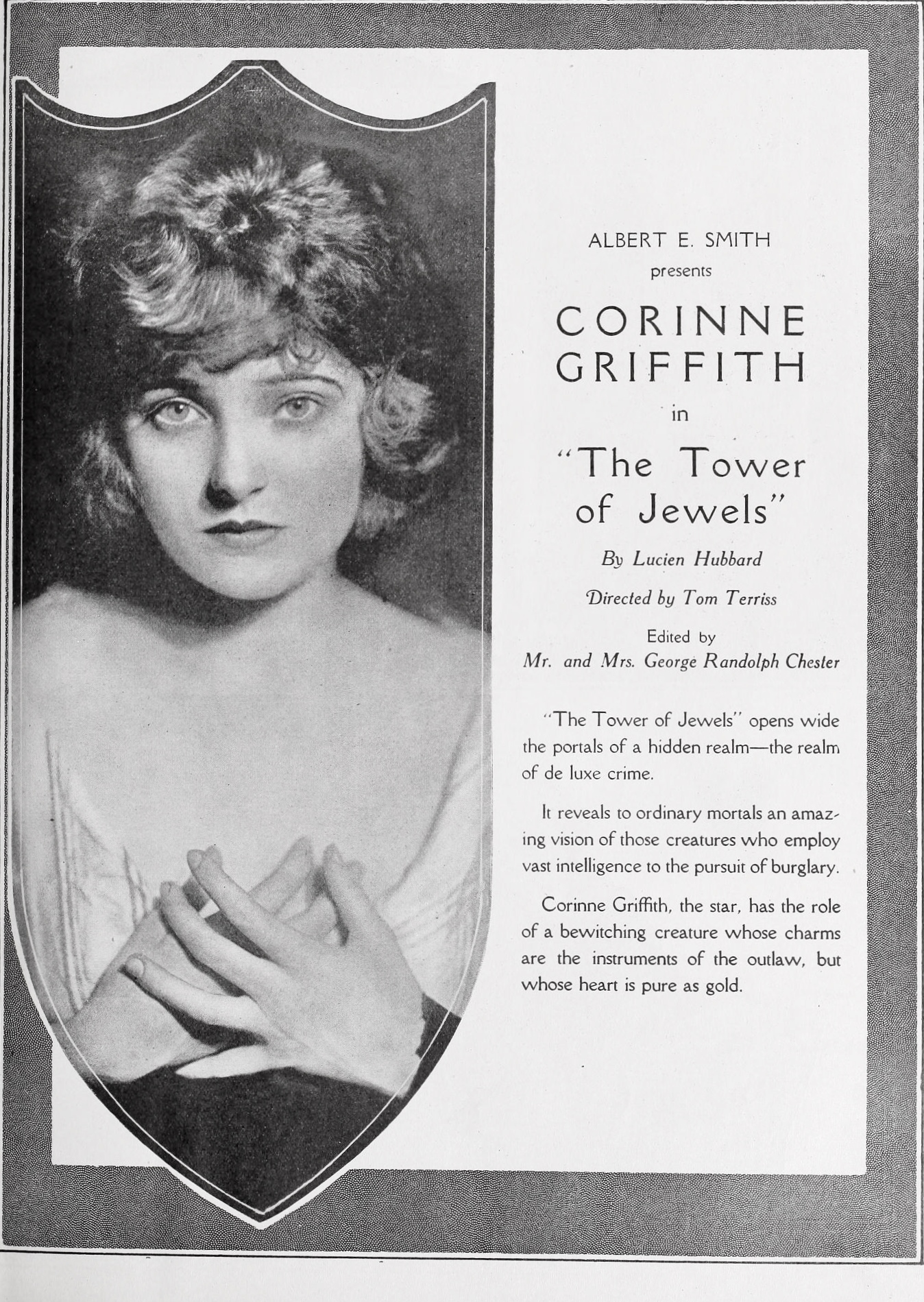
Dir: Tom Terriss
Emily Cottrell, one of the most respected members of a large gang of crooks headed by Fraser Grimstead, is caught while robbing the home of wealthy David Parrish. Emily accepts David's offer of a home and a chance to go straight, but Grimstead is unwilling to lose her, and he insists that she help him steal the famous diamond collar, The Tower of Jewels, which is in David's possession. When Emily refuses, Grimstead threatens to expose her past to Wayne Parrish, her benefactor's son with whom she is in love. Grimstead and the gang surround the Parrish home, then Wayne's cousin removes the jewel case to throw suspicion on her rival for Wayne's affections. Emily's innocence is established later, and her reputation is further cleared by Grimstead, who is shot by the police. With his dying breath, Grimstead describes Emily's gentle birth and states that she is fit to marry Wayne.
View Details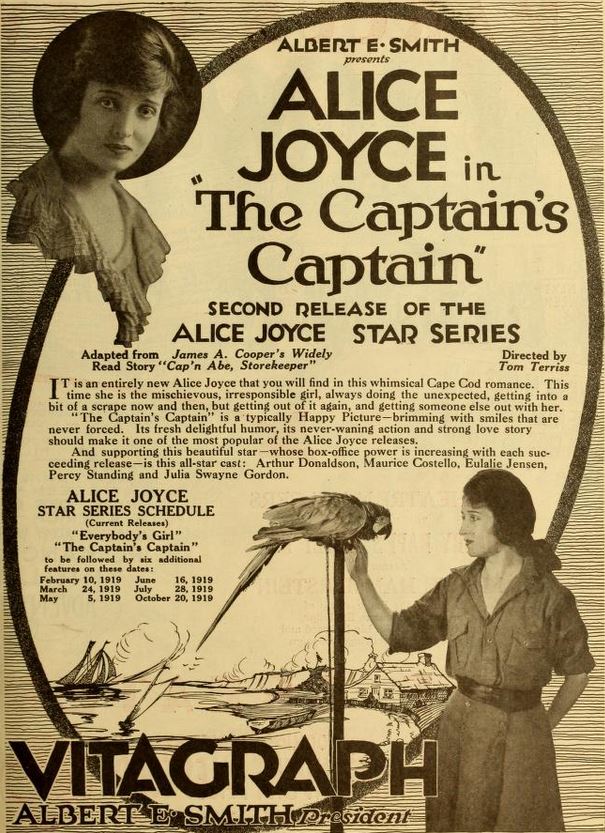
Dir: Tom Terriss
Louise Grayling escapes from a straight-laced aunt on a plea that she wants to visit her uncle, Captain Abe, on Cape Cod. Abe is henpecked by his housekeeper and rather looked down upon by the villagers who haunt his store. To give himself a fictitious glory he invents a fictitious brother, Amzon, who is a composite of all the pirates from Blackbeard to the food profiteers. Louise penetrates the deception and induced Abe to go away and come back as the fictitious brother. She has the time of her life keeping the placid Abe up to the reputation of his fire-eating brother, but all would have gone well had not some shipwrecked East Indians imagined that they recognized him as the desecrator of their Temple. Between them and the town people, who get the idea that Abe has been murdered by Amzon, Louise has her hands full, but Abe is transformed into his proper self, and a supposed fisherman who turns out to be a young millionaire rescues her from the mob and all ends happily after all. - Moving Picture World.
View DetailsAnalysis relative to Fires of Fate
| Film Title | Atmosphere | Complexity | Similarity |
|---|---|---|---|
| My Country First | Gritty | Abstract | 92% Match |
| The Flame of Passion | Surreal | Linear | 95% Match |
| The Vengeance of Durand | Tense | Dense | 89% Match |
| The Fettered Woman | Gritty | High | 88% Match |
| The Triumph of the Weak | Gothic | Abstract | 96% Match |
This guide was algorithmically generated using the cinematic metadata of Tom Terriss's archive. Last updated: 6/25/2026.
Back to Fires of Fate Details →