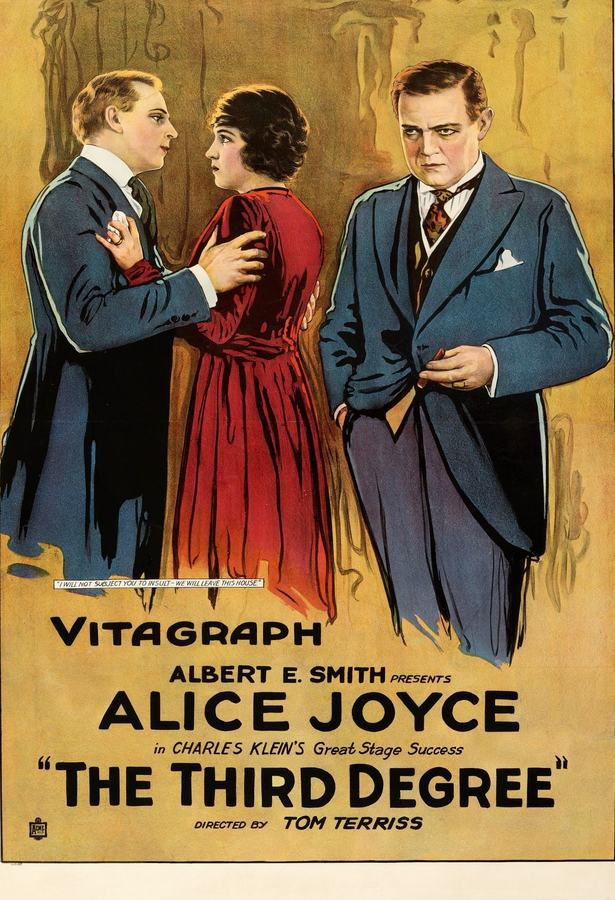
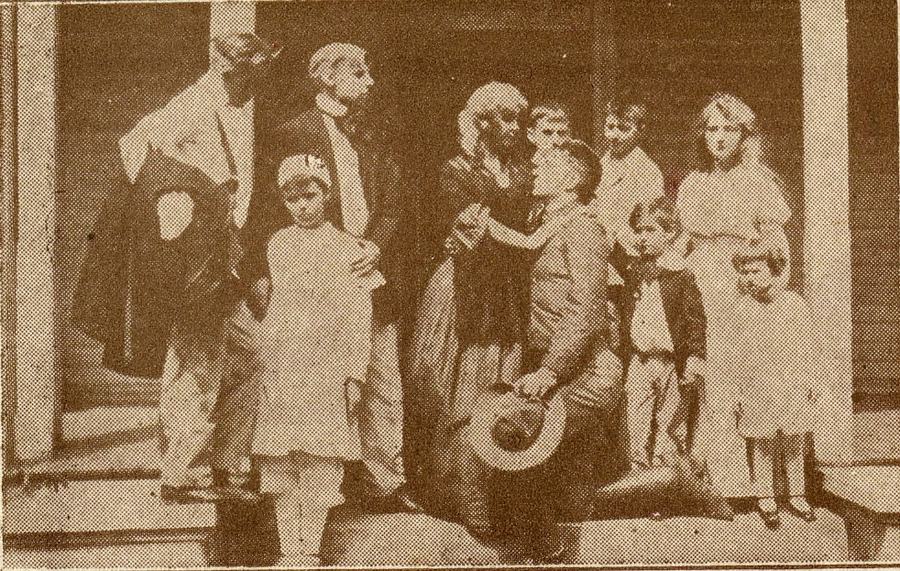
An expose of the methods used by a police-department to extract a confession from a suspect, regardless of innocence or guilt, and the effect and consequences on a family when an innocent member breaks under the interrogation methods and confesses to a crime he did not commit..
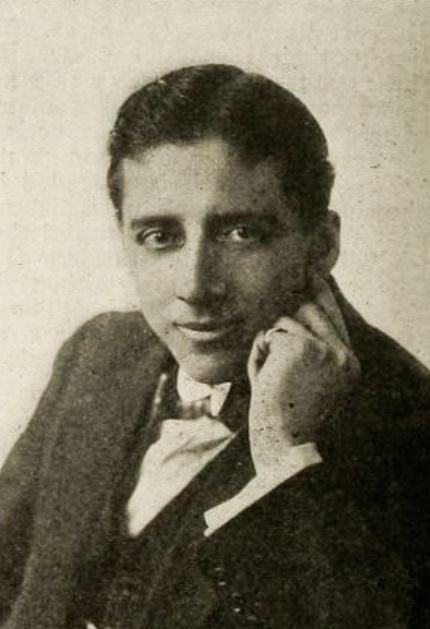
Charles Klein, Eugene Mullin, Phil Lang
United States
In the annals of early American cinema, few films possess the visceral, enduring relevance of Tom Terriss’s 1919 production, The Third Degree. While many contemporary works were preoccupied with pastoral escapism or the burgeoning glamor of Hollywood, this Vitagraph release plunged headlong into the murky waters of ...
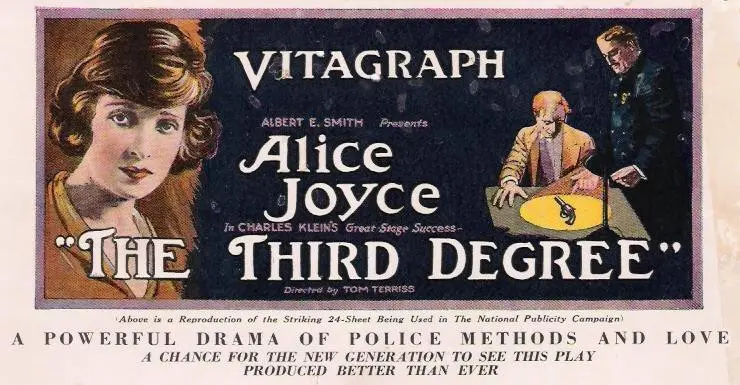
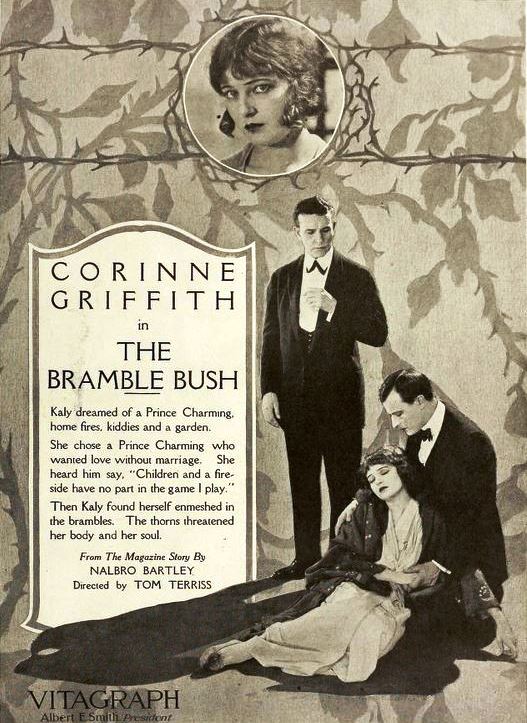
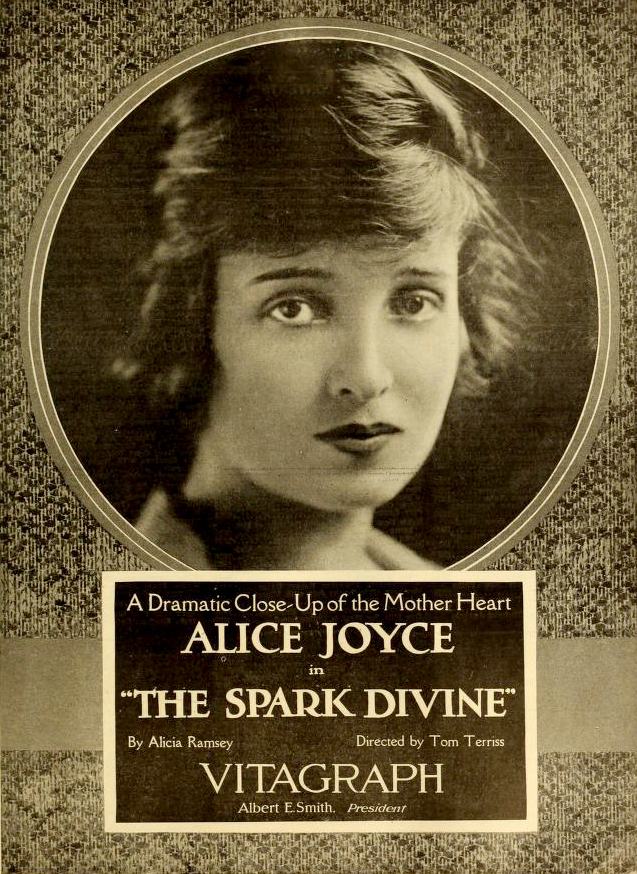
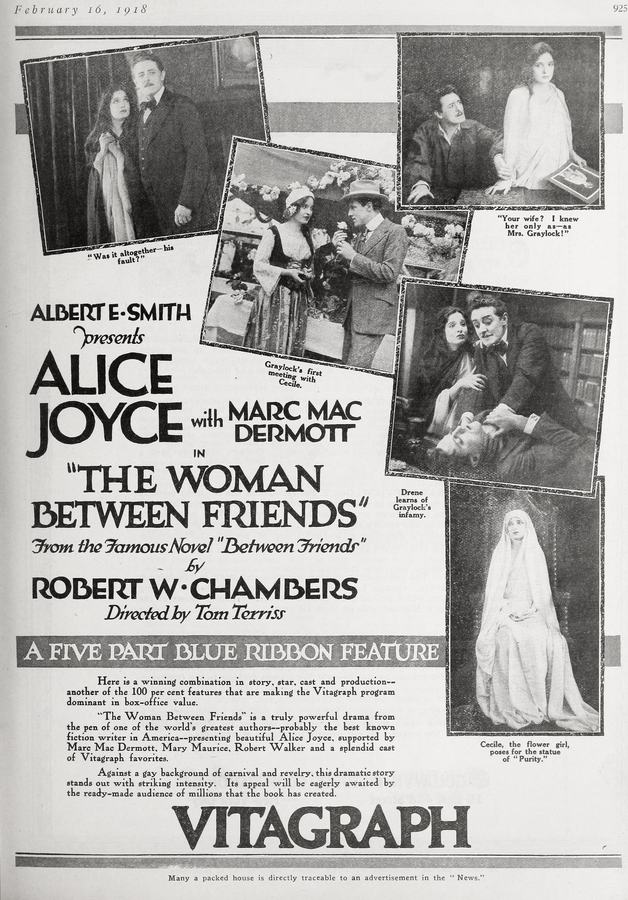
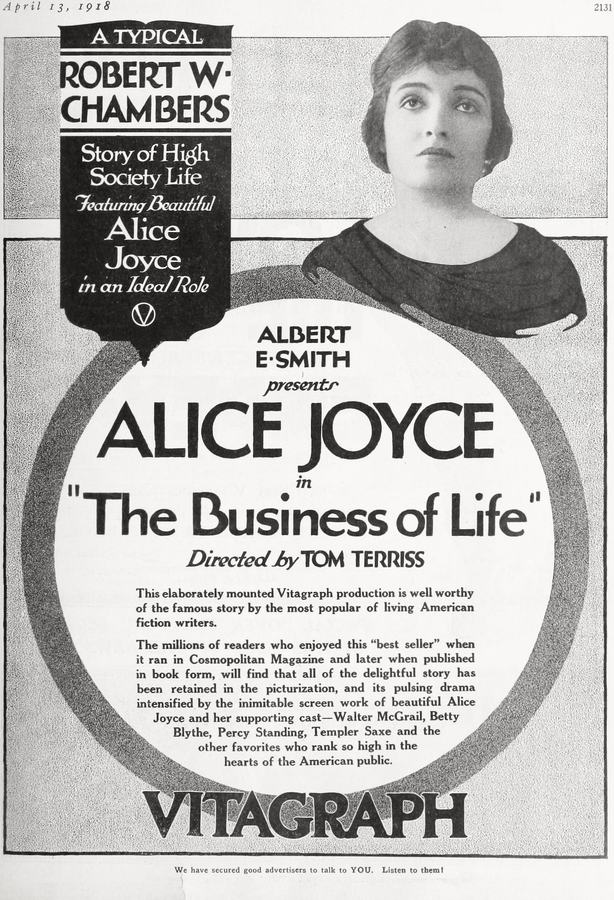
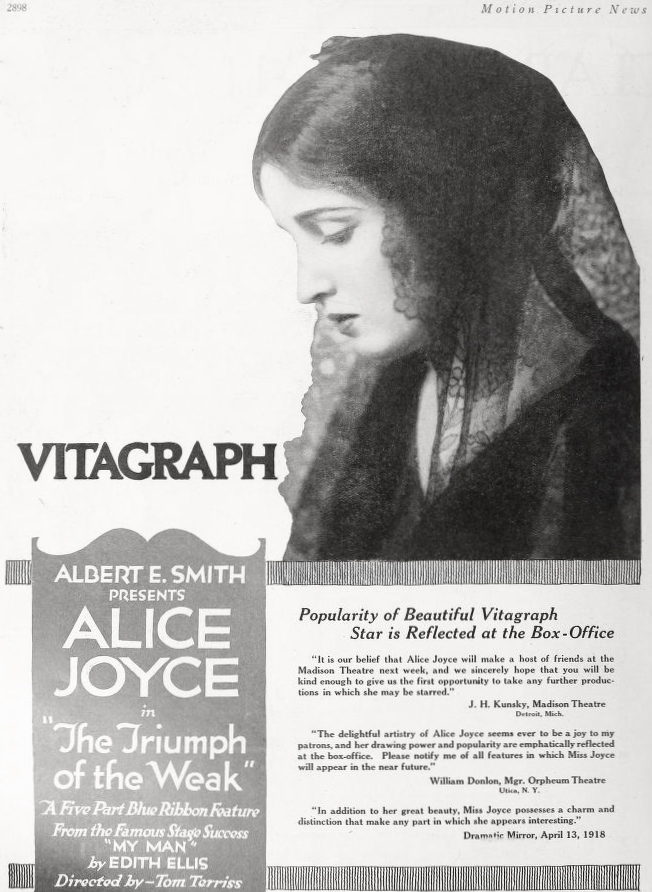
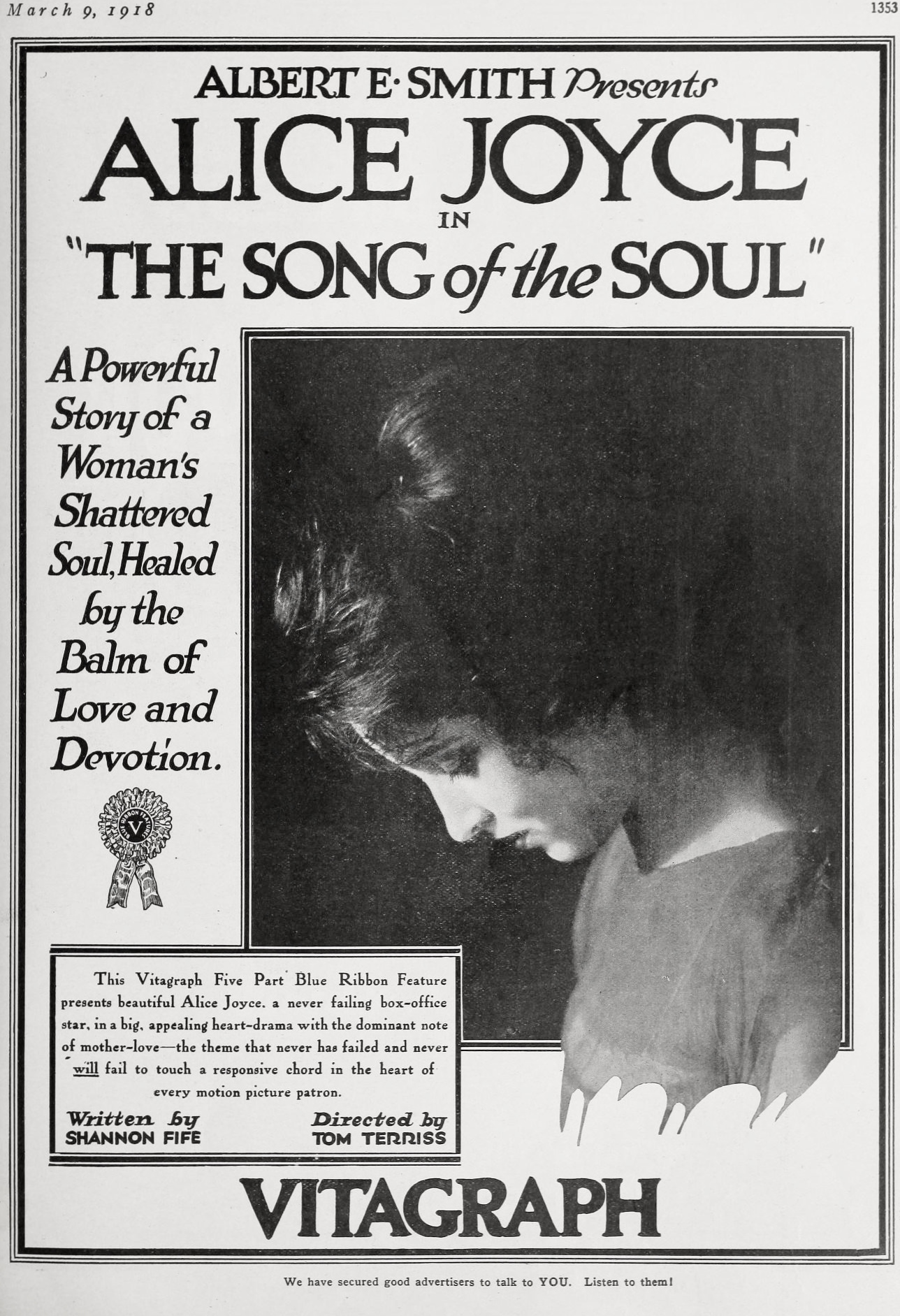
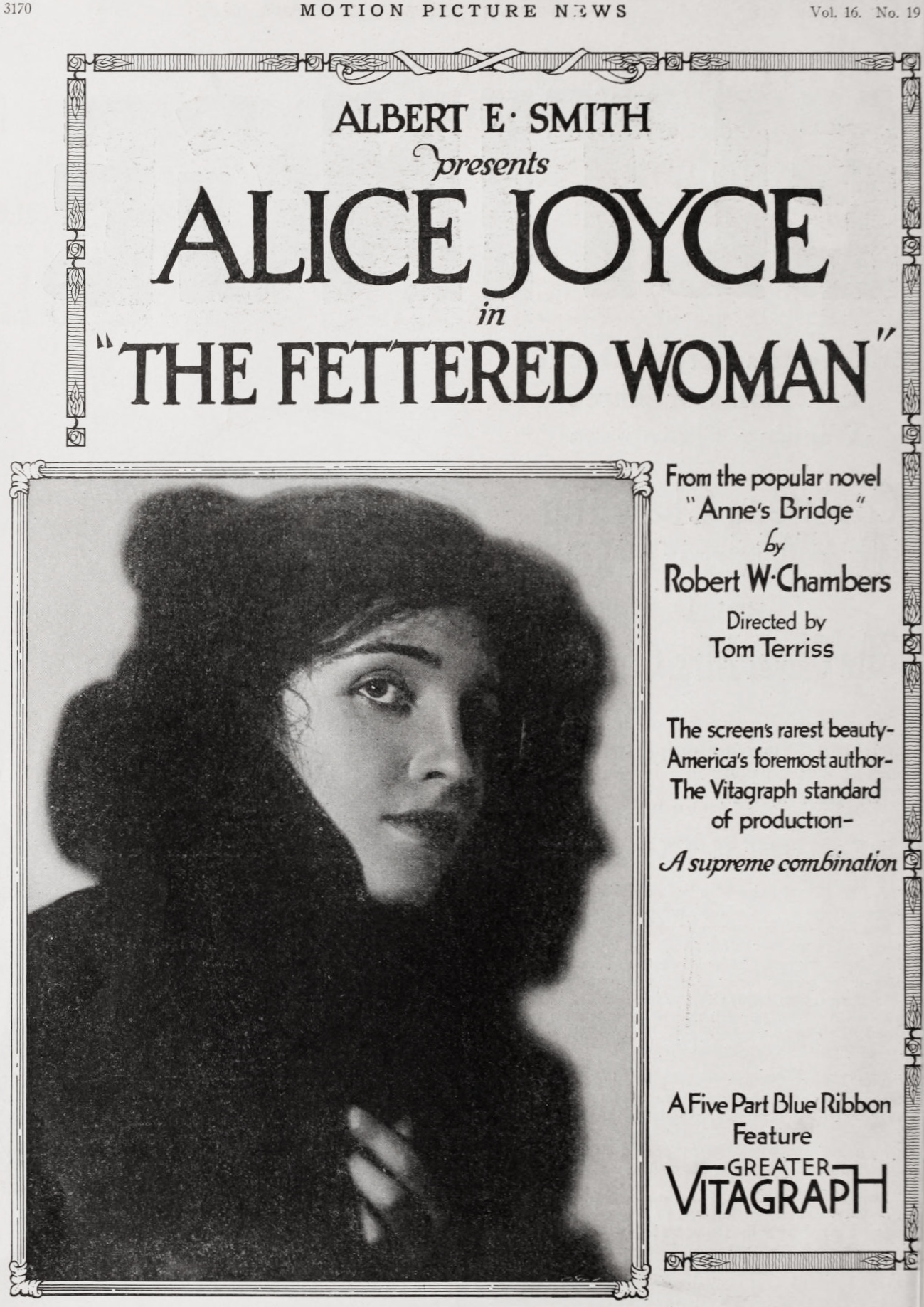
production_art
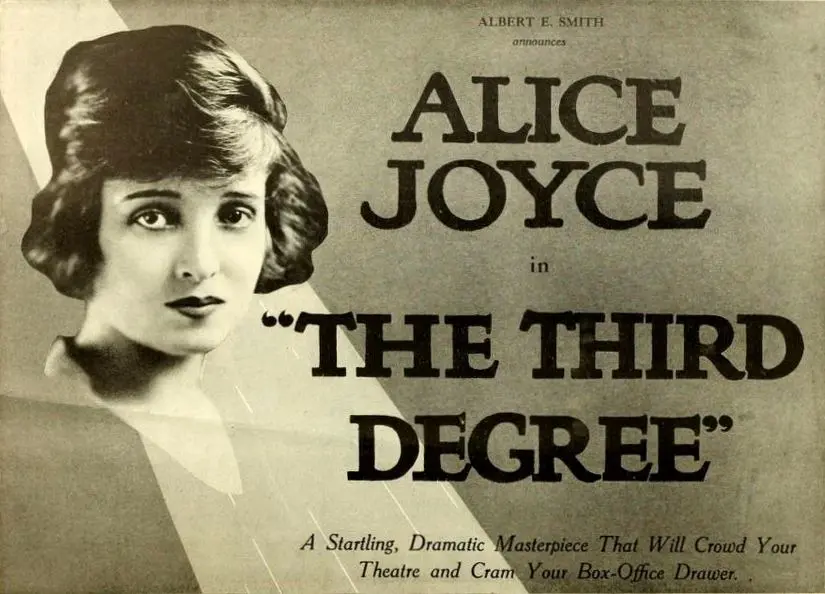
production_art
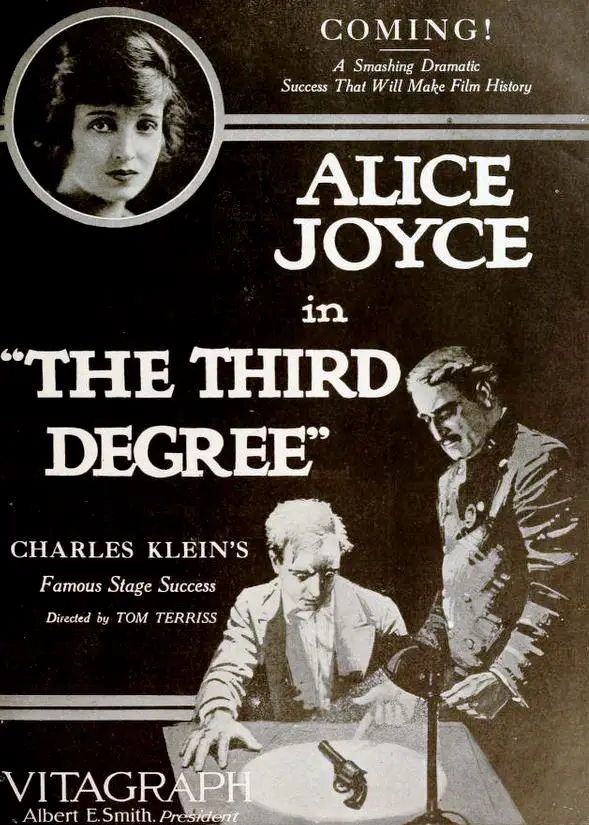
production_art
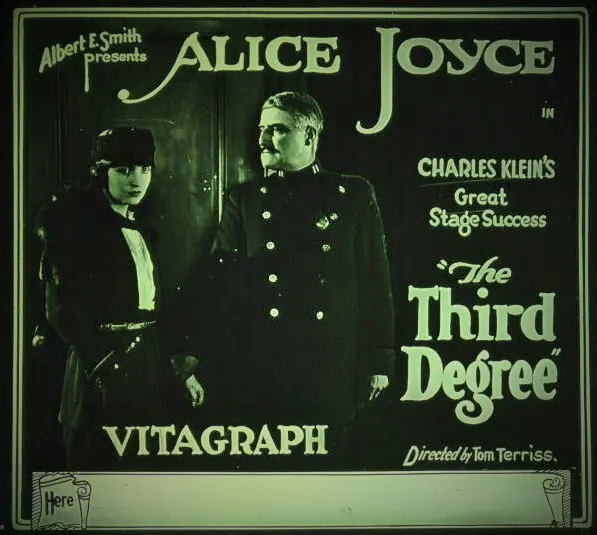
publicity
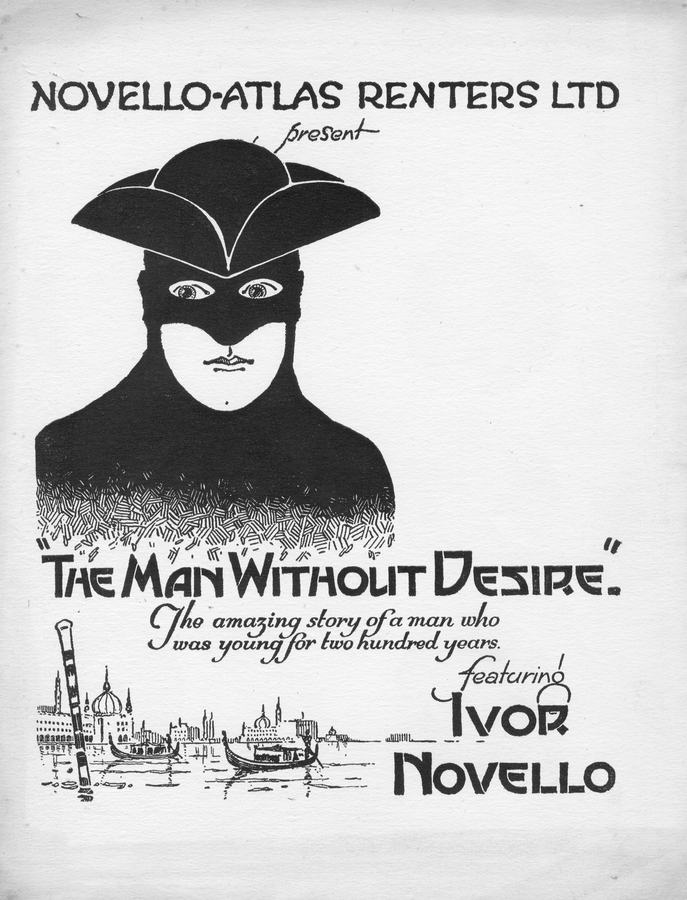
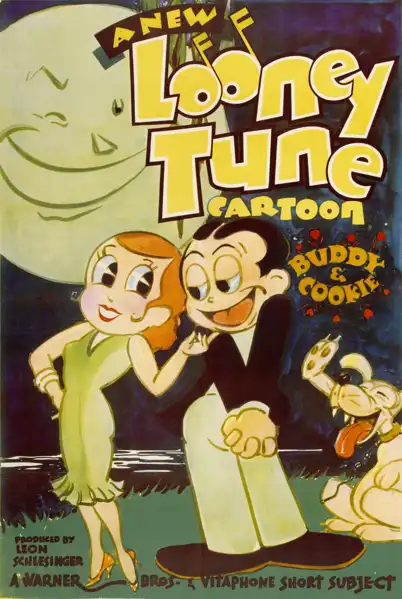
Comparing the cinematic DNA and archive impact of two defining moments in cult history.
Tom Terriss
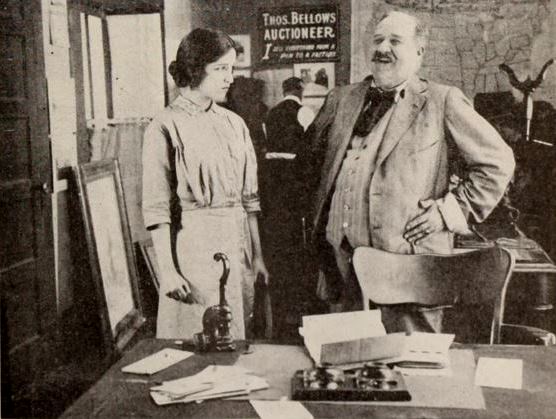
Tom Terriss
Community
Log in to comment.
" In the annals of early American cinema, few films possess the visceral, enduring relevance of Tom Terriss’s 1919 production, The Third Degree. While many contemporary works were preoccupied with pastoral escapism or the burgeoning glamor of Hollywood, this Vitagraph release plunged headlong into the murky waters of institutional corruption and the fallibility of the human mind. It is a work that feels disturbingly prescient, predating the modern discourse on police reform and the psychologica..."
Deep dive into the cult classic
Discover similar cinematic experiences
A Directorial Spotlight on Tom Terriss