
DbcultAccessing Vault...
Recommendations
Senior Film Conservator
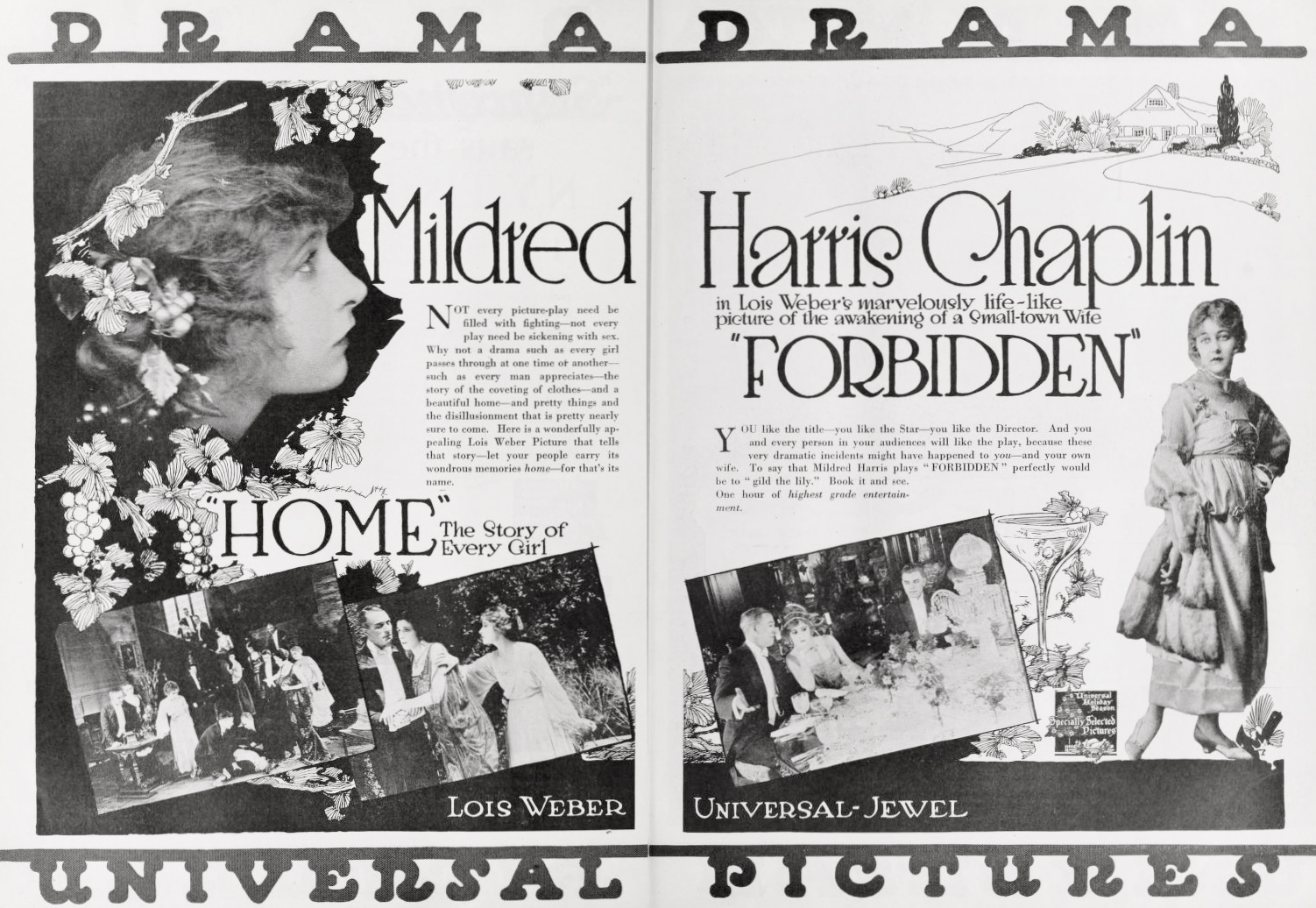
If the unique vision of Phillips Smalley's work in Forbidden left an impression, the cinematic shorthand used by Phillips Smalley is both ancient and revolutionary. We've prioritized films that capture the 1919 aesthetic with similar precision.
By merging unique vision with cult tropes, it to articulate the unspoken anxieties of United States's 1919 era.
A successful businessman becomes disgusted with his life in New York City and retires to the country for fresh air and tranquility. There he meets a country girl.
Based on the unique unique vision of Forbidden, our vault has identified these titles as the most compelling follow-up experiences for fans of cult cinema:
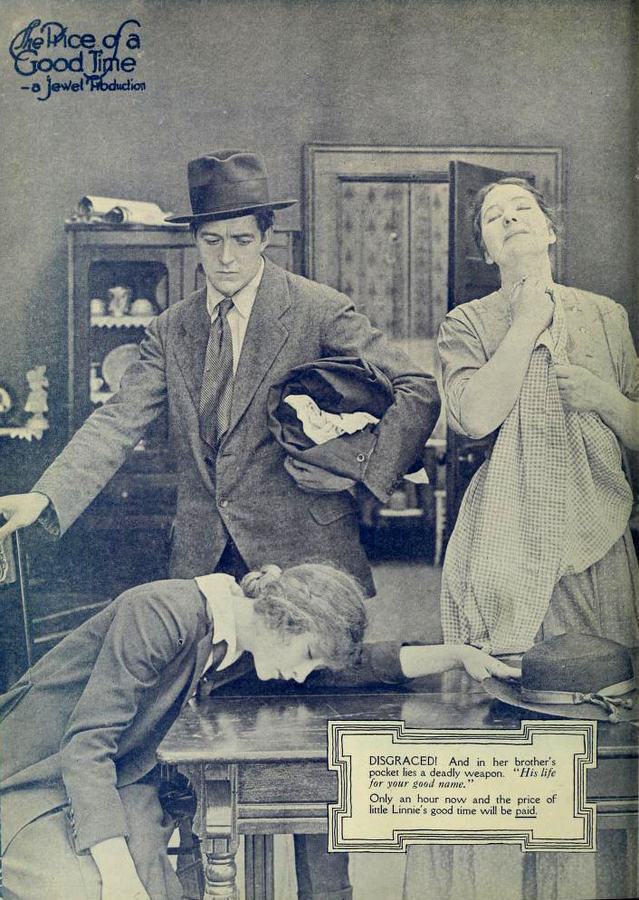
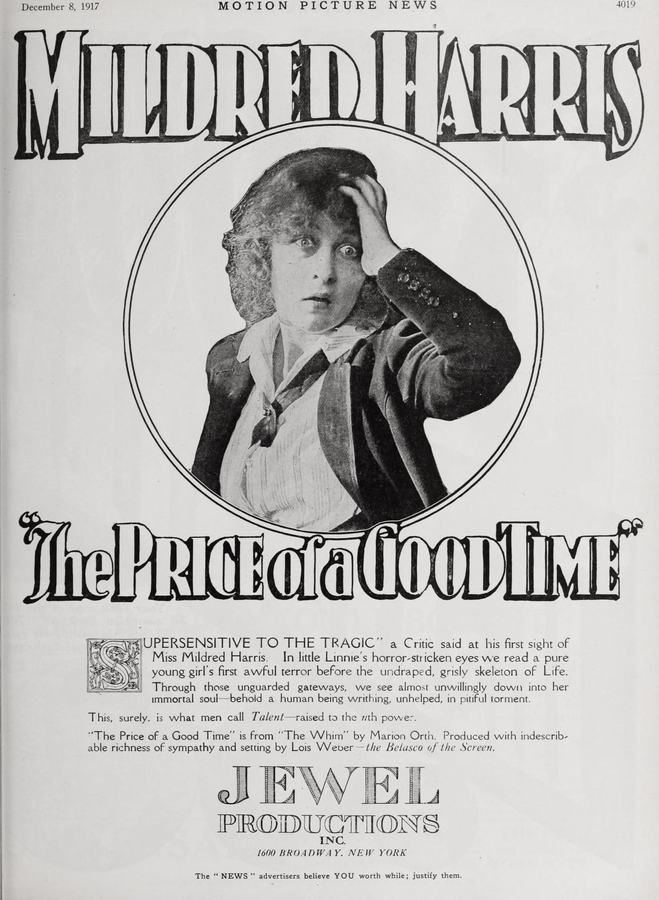
Dir: Phillips Smalley
A poor shopgirl is offered a "good time" for a week by the son of her employer. She accepts, but the offer is misunderstood by her brother, who informs the girl's parents of her "fling."
View Details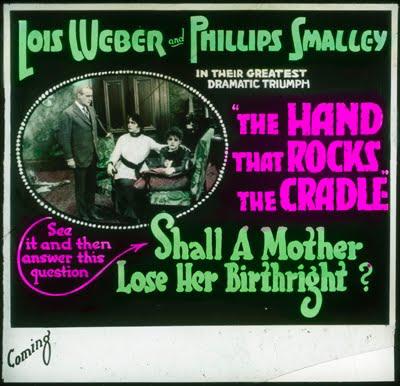
Dir: Phillips Smalley
A woman runs a birth control information bureau until police intervene. Though wealthy have access to this knowledge, the poor don't. She defies speaking bans, gets arrested, and wins over her doctor husband and a judge.
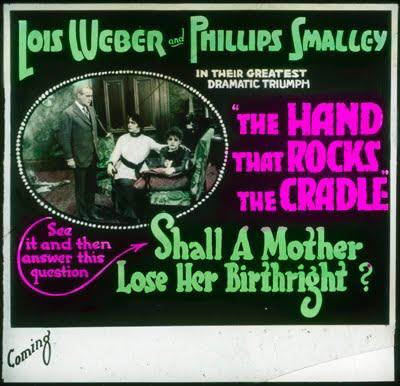
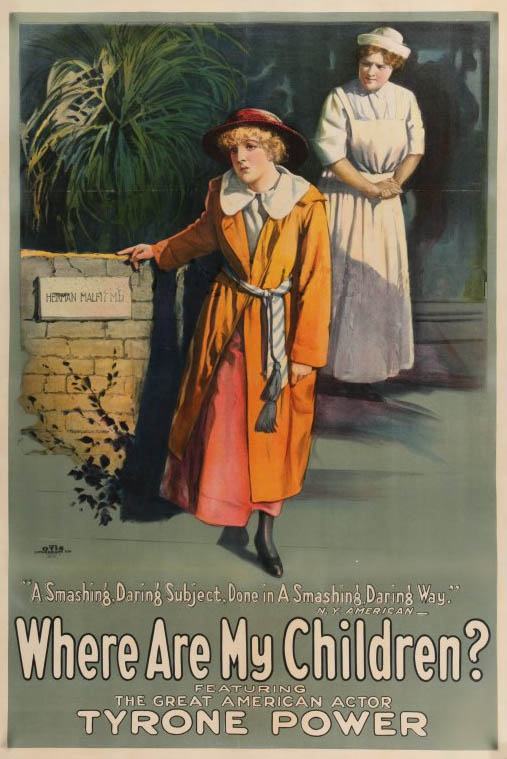
Dir: Phillips Smalley
A District Attorney's outspoken stand on abortion lands him in trouble with the local community.
View Details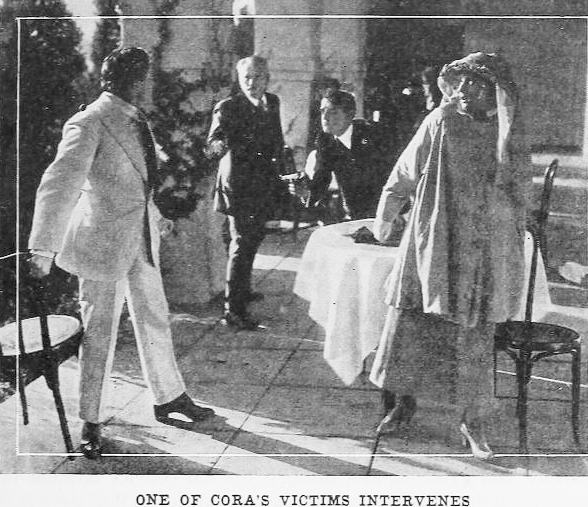
Dir: Phillips Smalley
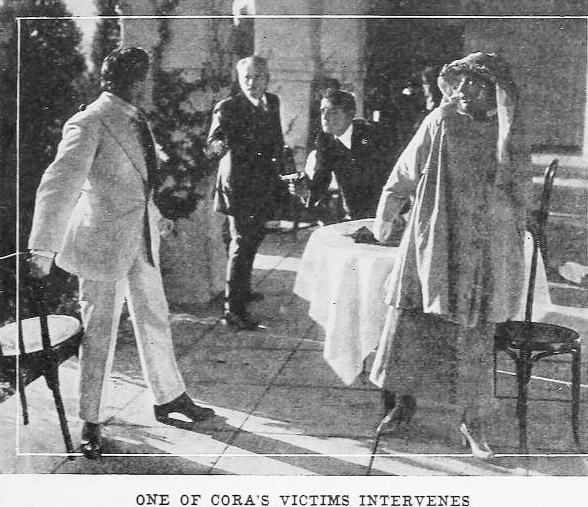
Accustomed to flirting and dropping every suitor at her feet, Cora Madison - a young woman belonging to one of the most prominent families in the city - collides with Valentine Corliss, a newcomer.
Dir: Phillips Smalley
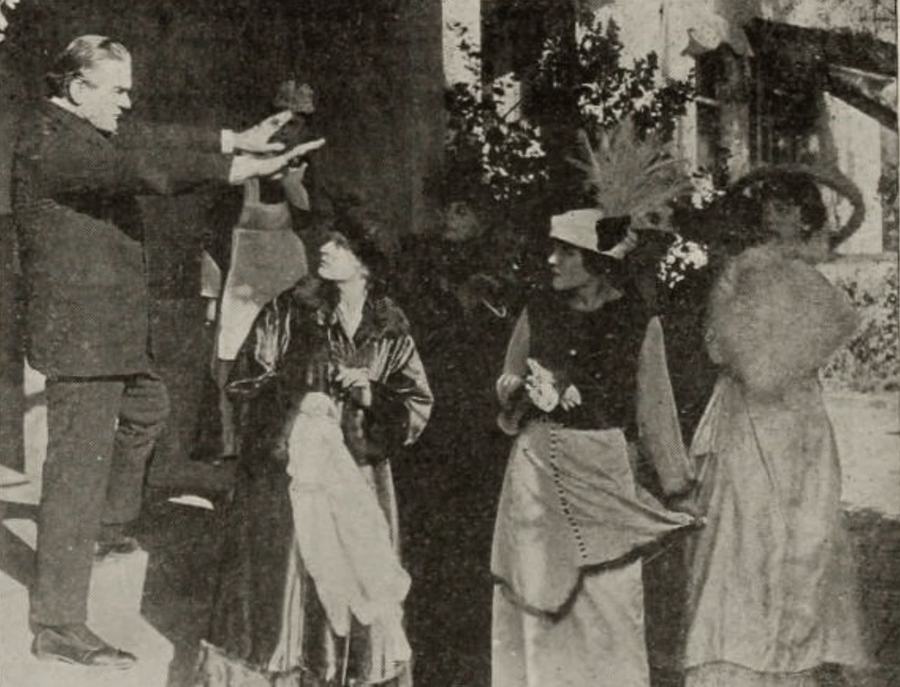
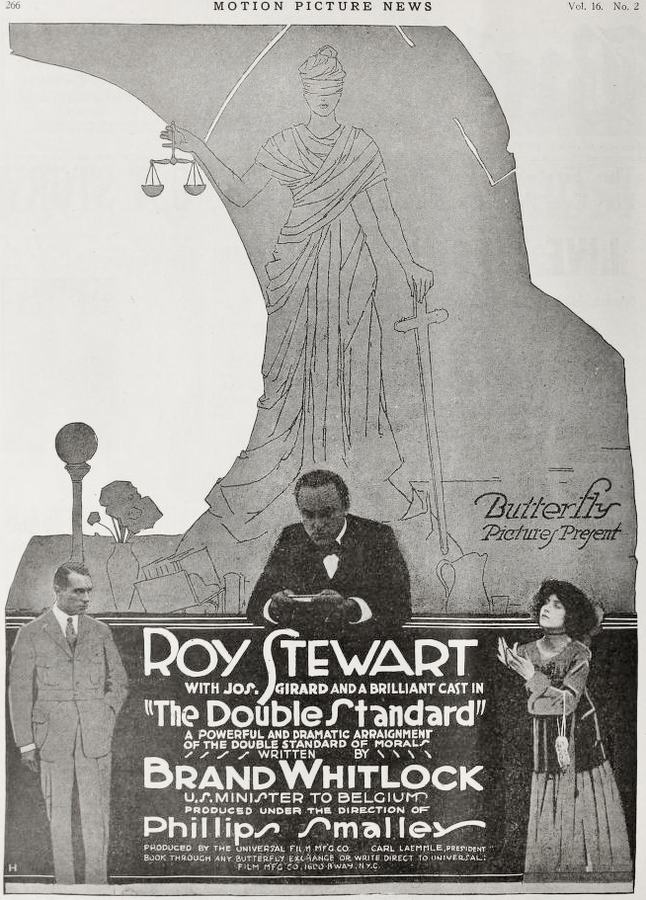
Newly elected police court judge John Fairbrother is impassioned when it comes to the laws affecting the dives and cabarets of the city, and promises equal justice for all. The source of his crusading passion is the loss of his own sister to the lure of the notorious Johnson Café years earlier. His wife Grace's two prominent brothers, newspaper editor George Ferguson and Episcopal Bishop William Ferguson, worked hard to elect Fairbrother to office, and although they are initially puzzled by the judge's intent to shut down dance halls and cabarets, they agree to stand behind him after he confides to them about his fallen sister. However, on the day when Fairbrother takes his seat on the bench, he is called upon to sentence Mace and Lily, two young women arrested for disorderly conduct during a police raid on the same Johnson's Café that claimed the purity and ultimately the life of his sister. Lily is a brazen city girl, while Mace is a shy "country mouse" who fell into bad company. When the judge demands to know the names of the men who accompanied Mace and Lily at the time of their arrest and are therefore guilty of the same charge, the arresting detectives shock him with the revelation that one is Charles Ferguson, the son of the editor, and the other is the nephew of the bishop. Enforcing his principles, Fairbrother demands that the young men be sentenced with the women. This causes much consternation, but the judge devises a fair method for solving the double standard. He declares all four defendants guilty, but then suspends their sentences pending good behavior. He convinces Mace to return home to the country, and secures an office job for Lily. Discovering that the young ladies' apartment building is owned by his wife's family, Judge Fairbrother realizes that the roots of evil sometimes grow close to home.
View Details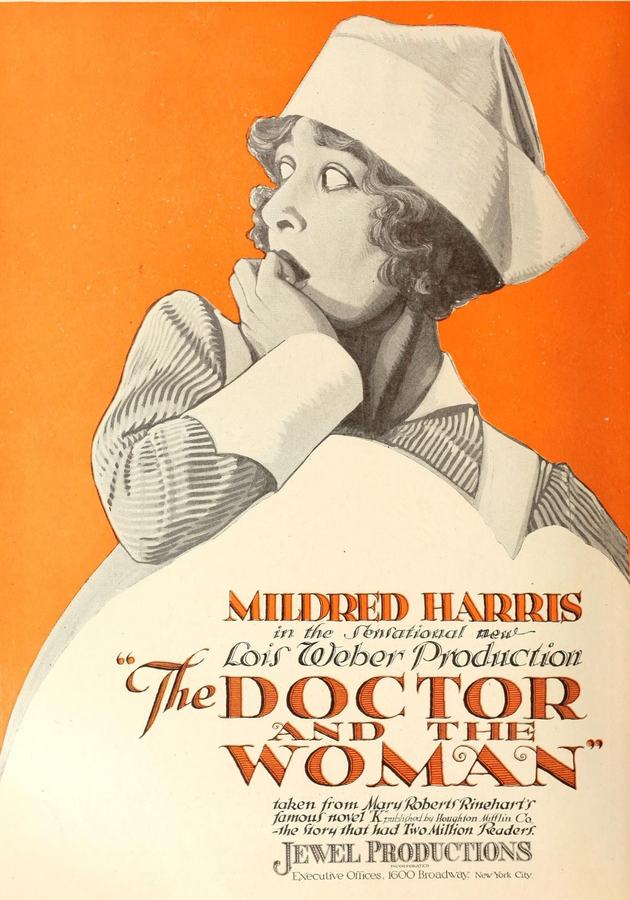
Dir: Phillips Smalley
K is a mysterious man who settles into a small town and becomes a beloved figure there. However, when the life of his rival in love suddenly depends on K's previously unsuspected abilities, his past life is revealed.
Dir: Phillips Smalley
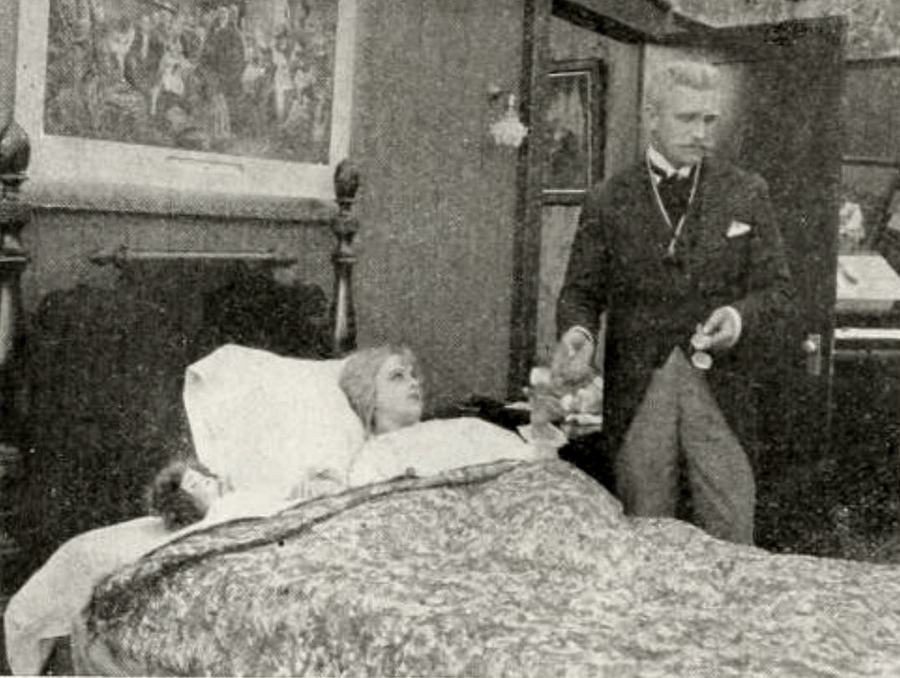
Mrs. Forbes, longtime housekeeper at the country mansion of disappointed, embittered aristocrat Mr. Evringham, who is almost a luxurious recluse, is worried: the household has been turned upside-down by the advent of the wife of Evringham's dead son Lawrence, who has arrived with her daughter Eloise. The mother is a schemer who, reduced to her last penny, is pulling every wire to induce wealthy young Dr. Ballard to marry Eloise. It looks as if she is going to succeed and the need for success is imperative because Mr. Evringham is set against his female dependents, whom he might expel from his home at any moment. Then word comes from another son, Harry Evringham, who writes that he and his wife must make a business trip abroad and he asks his father to take Jewel, the child he has never seen, into his home until they return in six weeks. Old Mr. Evringham reluctantly agrees to his son's request. He hates children and is gruff, unresponsive, and self-centered. The only reason he agrees to take the child is because his daughter-in-law, the widow, tries to get him to refuse. He hates this daughter-in-law; therefore takes Jewel in to spite her. Upon her arrival, Jewel meets with a very cool reception. She finds that, according to the Christian Science teachings with which she is familiar, that she has entered a household of hatred and discord. She puts the scriptures and Mrs. Eddy's teachings to practical use and proves to all scoffers that she has found and can demonstrate the truth. Jewel takes a strong liking to her bluff, stern, old grandfather and he finds his heart softening under her influence. She cures herself of a fever which she says came o because a shadow of hatred passed over her for the house's inmates. She wins the heart of the grim housekeeper when she redeems her drunkard son from the grip of the liquor demon, she converts Eloise to the truth of Divine Science, and she proves to everyone that Science can win in spite of all. She reaps a harvest of good from a bleak, barren soil, uniting the strained and jarring household by chain after chain of love.
View Details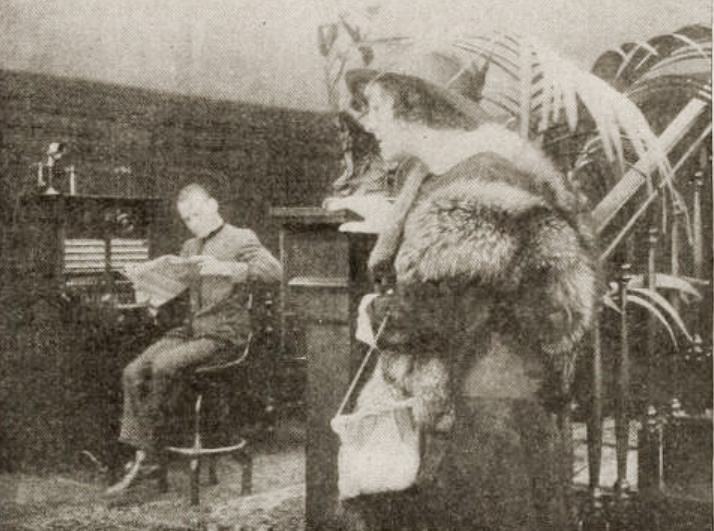
Dir: Phillips Smalley
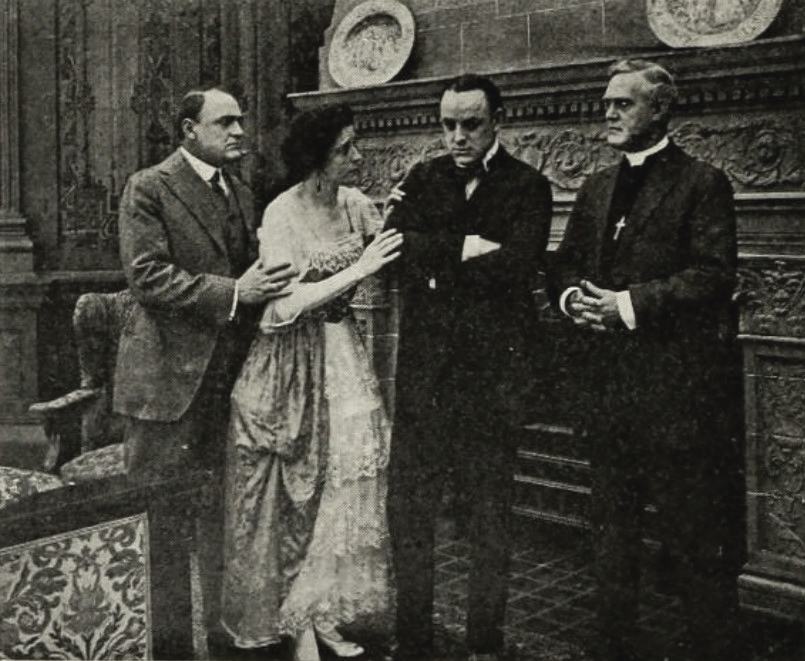
Katherine Bradley, known as "Kit," is an orphan and heiress. At an early age she is placed in a fashionable and select seminary for young women. Kit, by means of her fascinating daring, her unlimited cash, and her lovable personality, enlists the cooperation of all the girls in any affair which she undertakes. She so impresses the principal of the school with her open-heartedness that she is given permission to drive her car from four to five o'clock each day. The story opens on the day of the annual play given by the young women of Miss Smythe's Select Seminary. The question passes from mouth to mouth, "Where's Kit Bradley? She's our leading man." A search is instituted which results in finding a note in Kit's room saying that she has taken her car out for a drive. The principal is horrified that her charge should be out without a chaperon, and determines that such an action shall not be repeated. In the meantime, Kit, speeding along the country roads far from home, has an accident. A tire is blown. Kit is perplexed. Then a handsome young man comes along and offers assistance. She accepts it, and promises to meet him on the next afternoon. This arrangement is not carried out quite as Kit planned. Arriving at school very late in the evening, she finds it necessary to enter through an open window. Quickly slipping into a kimono to cover her street clothes and getting into bed. Kit faces an indignant principal who enters her room, with a story of a nerve-wracking toothache which keeps her awake. The next afternoon when Kit would take her usual spin, Miss Smythe reminds her that she must take a chaperon. Kit takes her, but makes the ride so hazardous that the chaperon, when told that the car is not the kind that can go slowly, is glad to be left by the wayside, while Kit takes a spin and returns for her. Kit keeps her tryst. Among the trees she and Cameron enjoy a picnic luncheon, but while this meal is in progress a passing tramp sees Kit's classy new roadster, likes it, and takes it. Cameron takes her in his car and on the wayside they pick up the outraged chaperon, who believes not a word of the little story and hurries the culprit to Kit's guardian. To save herself, Kit announces that she is engaged to the artist, and this is confirmed by Cameron. Brought before the guardian, he recognizes in Cameron an old-time friend, gives his consent, and after reciting a passage from the will of Kit's father that her fiancé must not see her for six months after the engagement, disappears in time for Kit and Cameron to become really and truly engaged. The idea of not seeing her newly found fiancée for six months, is not to Kit's liking, besides, she is just a bit jealous, for he is an artist. So Kit persuades her guardian to take her to a performance of Elsie Janis in "The Fair Co-Ed." From the production she obtains an inspiration that determines her future course of action. Kit changes clothes with a servant and enters Cameron's studio as a slavey. Toddling back and forth in the performance of her menial duties of serving and dusting, she keeps an eye on Cameron and notes those who are constantly coming and going. They are stylish; they are beautiful; they are cultured. Then, too, there is in the studio a fascinating blonde model. Kit must change her tactics and be some or all of these things. She will be beautiful. For surely he, with his artistic temperament and taste, will most appreciate that quality. She, too, will be a model. As Carlotta, the Queen of Italian beauties, she agrees to pose for Cameron. And then, just for the sheer joy of it, and because in Miles Smythe's select school she had learned the art as "leading man," Kit arrayed herself in all the paraphernalia of an up-to-the-minute "chap." She visits the studio and by flashing unlimited coin and even boasting about the large sums she has "on" her. Kit proceeds to win the affections of the beautiful blonde who has been flirting with Cameron. Cameron has seen through the little disguises all the while, but now that he is confronted by a "man," he feels licensed to treat him as a man. He smokes a vicious cigar, blows smoke in Kit's face, and presses her to drink with him. This is too much; she will reveal her identity at once, will or no will. "Guardy," passing Cameron's studio, recognizes Kit's car standing outside, and without ceremony enters and stands behind the young couple as Kit commences to reveal to Cameron her real identity. He sees the lay of the land and makes to them an unexpected and startling disclosure. There probably never was such a wedding. What an assembling of rarely beautiful girls and brave courtly men; a canopy of unflecked blue mountains standing black against the sky and extending off into misty nothingness and great stretches of green and flowers. Kitty was at last married to Cameron.
Dir: Phillips Smalley
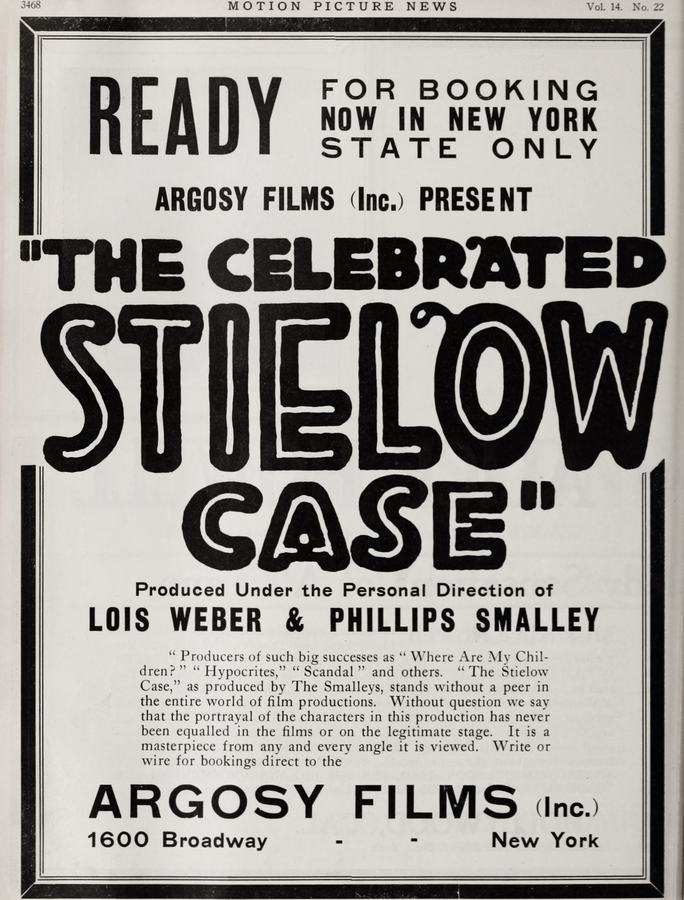
Inspired by the true story of immigrant Charlie Stielow who was currently on death row for a double murder. The movie was released 2 years before the conclusion of his case, and was purposely made to sway public opinion about the death penalty.
View Details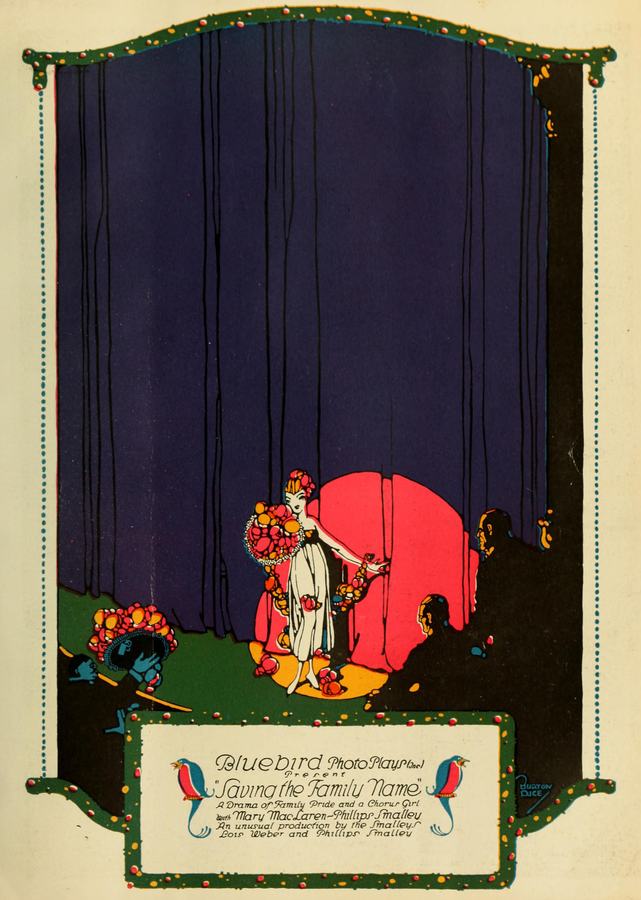
Dir: Phillips Smalley
Wally Dreislin commits suicide because his family disapproved of his romance with chorus girl Estelle Ryan, the newspapers, delighting in all the details of the affair, turn Estelle into a national celebrity. Fame only increases her power to attract men, and she soon is involved in a romance with Jansen Winthrop, another young man from a wealthy family. Jansen's alarmed mother then begs Robert, her other son, to end the relationship. Obediently, Robert kidnaps Estelle and takes her to a remote hunting lodge with plans to keep her there until she agrees to leave Jansen. After several weeks, however, Robert realizes that Estelle's reputation as a vamp has been completely engineered by the press. As a result, Robert sends for Jansen to retrieve his sweetheart, but when he arrives, Estelle announces that she has fallen in love with her abductor, and then begins a romance with him.
View DetailsAnalysis relative to Forbidden
| Film Title | Atmosphere | Complexity | Similarity |
|---|---|---|---|
| The Price of a Good Time | Gritty | Abstract | 97% Match |
| The Hand That Rocks the Cradle | Ethereal | Dense | 92% Match |
| Where Are My Children? | Surreal | High | 97% Match |
| The Flirt | Ethereal | Linear | 95% Match |
| The Double Standard | Surreal | High | 89% Match |
This guide was algorithmically generated using the cinematic metadata of Phillips Smalley's archive. Last updated: 8/16/2026.
Back to Forbidden Details →