
DbcultAccessing Vault...
Recommendations
Senior Film Conservator
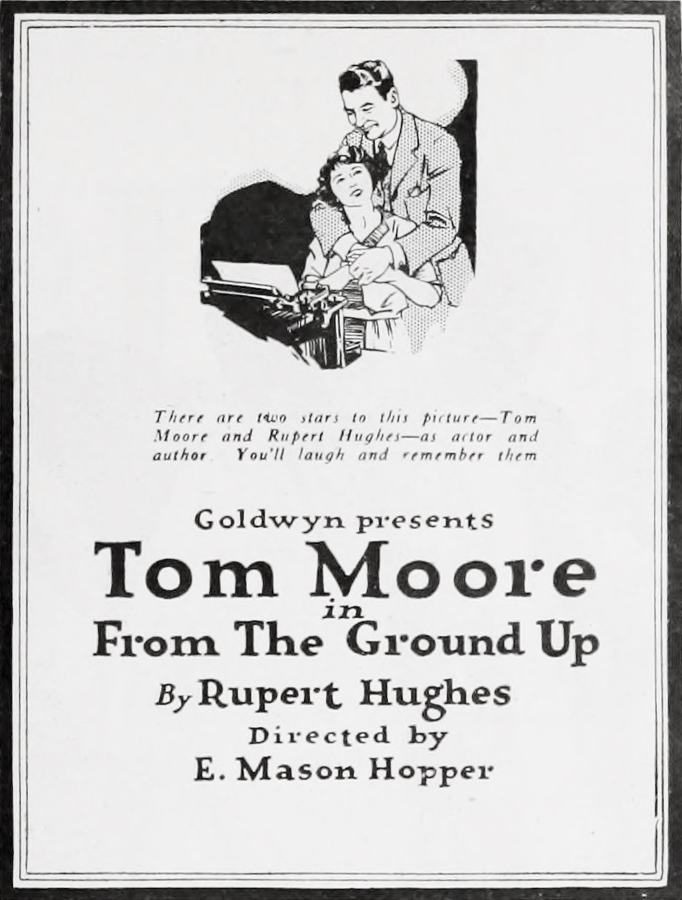
The Comedy sensibilities displayed in From the Ground Up are unparalleled, its status as a United States icon makes it a perfect starting point for discovery. These hand-selected movies are designed to satiate your craving for Comedy quality.
The cultural footprint of From the Ground Up in United States to serve as a cornerstone for Comedy enthusiasts worldwide.
Refusing her father's request to marry young Carswell, daughter Philena can't stand him, but in order to insure a loan Mr. Mortimer needs to complete construction of an office building. As a result, her father is ruined financially. While the building site is being excavated, Philena is attracted to Terence Giluley, a pick-and-shovel man who is forced to exchange with her his harmonica for a dollar bill. The act inspires him to work harder and rise to her social level, and soon he is promoted to contractor. Philena decides to sell her horse to aid her parents, and Terence offers her $500 for it, but on a last ride the horse is injured and has to be killed. Philena and Terence meet again while attending night school; she appears among applicants when he advertises for a stenographer; Terence proposes marriage to her and is accepted.
Critics widely regard From the Ground Up as a cult-favorite piece of Comedy cinema. Its cinematic excellence is frequently cited as its strongest asset, solidifying its place in United States's film legacy.

Based on the unique cinematic excellence of From the Ground Up, our vault has identified these titles as the most compelling follow-up experiences for fans of Comedy cinema:
Dir: E. Mason Hopper
"Tough Luck" Baxter, returning from a prospecting trip, meets Happy Jack Clarke, a former citizen of Baxter City, a boom town which became a ghost town when the gold petered out. A game of cards decides that Clarke will go back to Baxter City with "Tough Luck" in search of ore. Meanwhile, the Firefly, a New York music hall entertainer out of a job, is ordered by her parasitic husband Bert Wilcox to perform at the dance hall in Baxter City. Upon her arrival, she finds the town deserted and strikes out on the open trail. Overcome by the desert, she is rescued and brought back to Baxter City by Danny Ward, a former Yale athlete. Together, "Tough Luck," Clarke, Danny and Firefly organize a family and strike gold. Danny, having fallen in love with Firefly, proposes to her on the very night that her worthless husband comes to town. Wilcox loots the assayer's office, is caught, convicted, and thrown out of town. Out of loyalty, Firefly accompanies him. Danny follows them and finds Firefly abandoned in the desert by Wilcox who has stolen her money and water. Justice is served when Wilcox perishes in a den of rattlesnakes, thus freeing Firefly to return with Danny to Baxter City.
View Details
Dir: E. Mason Hopper
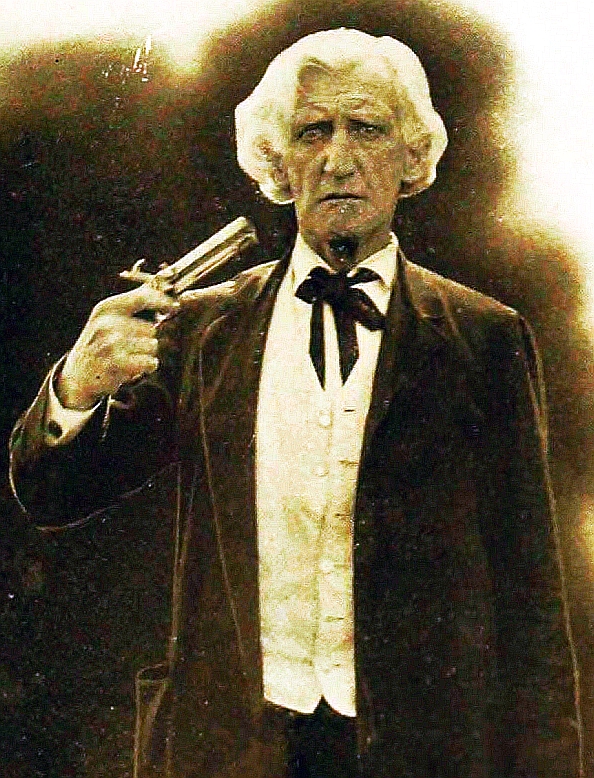
Colonel Dabney Mills, whose Southern plantation is heavily mortgaged, makes a trip to New York hoping to borrow money from James Adams, his granddaughter Anna Belle's husband. When the colonel arrives, he learns that Adams's entire capital is tied up in a big stock deal, and that he is therefore unable to lend the colonel any assistance. While Adams is away, one of his business partners entrusts the colonel with $5,000 to retain for his grandson-in-law. Desperate, the colonel speculates in cotton on the tip of an old friend and loses the money. Conscience-stricken, the colonel returns to his plantation determined to take his life, but Adams, successful in his deal, arrives just in time to prevent the tragedy.
View Details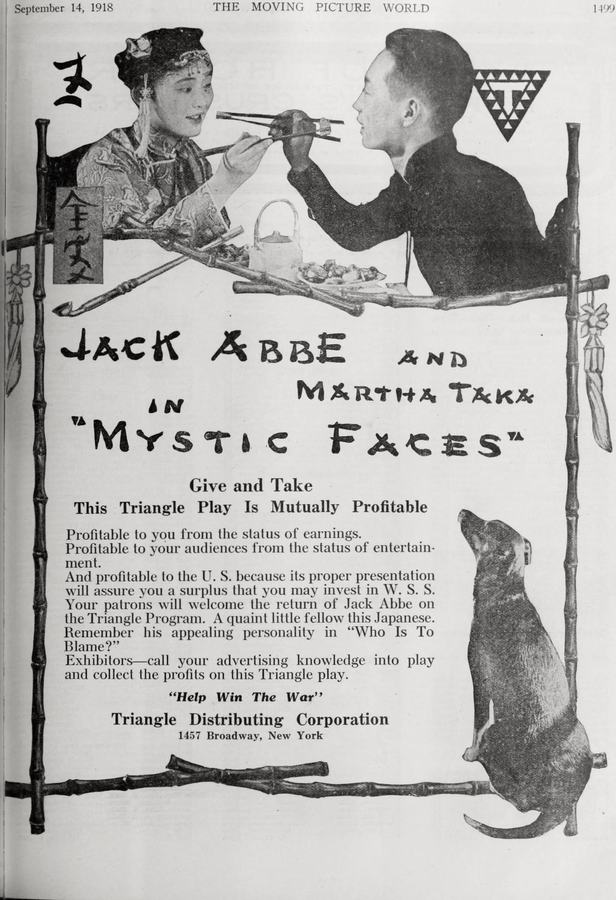
Dir: E. Mason Hopper
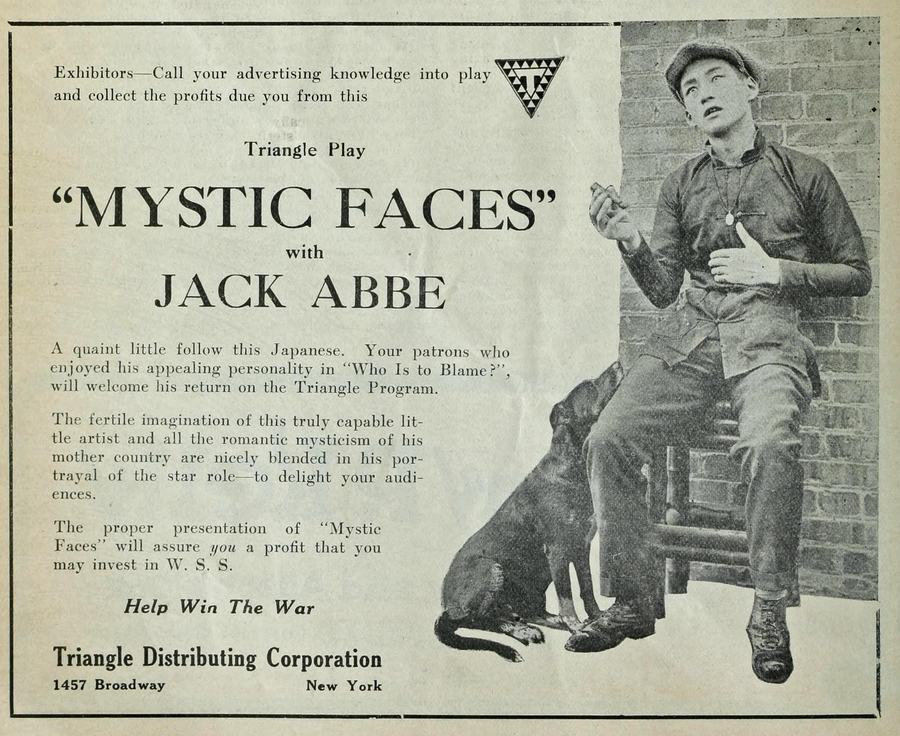
Yano is a small delivery boy for his uncle, who keeps a curio shop in Chinatown. His loves are Tama, his sweetheart, and Bengi, his dog. Bengi is seized by dog catchers, but is rescued by Letty Stanford, for which Yano promises his fealty. Later Letty is kidnapped by Germans because of her war activities, and it is Yano who goes to her rescue and gets her free in spite of his diminutive size. The Little Japanese has paid his debt.
View Details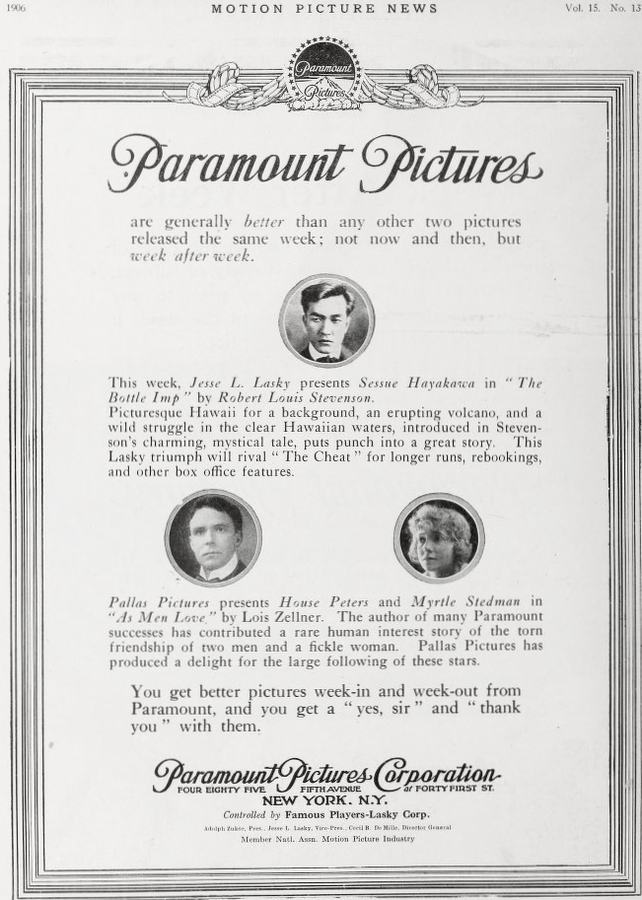
Dir: E. Mason Hopper
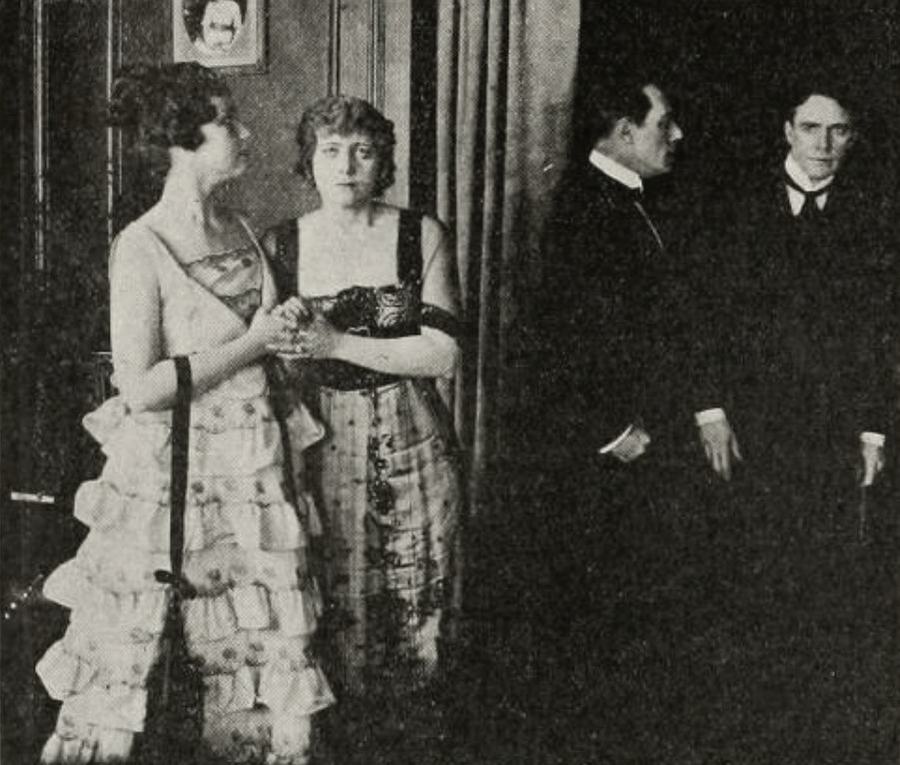
Diana Gordon a socialite, falls madly in love with Dr. Paul Russell, her husband Keith's best friend. Russell, however, is in love with Keith's sister Marjorie, who is spending the winter with the Gordons. Overhearing Russell's proposal to Marjorie, Diana is extremely jealous and when alone with the physician, throws herself into his arms. At that moment, Gordon enters the room, and to protect Diana's reputation, Russell takes the blame and is banished from the house. Sometime later, polio sweeps the city and Russell becomes an expert in treating the disease. The Gordon's young daughter is stricken and Diana summons the physician, but Gordon forbids him to enter their home. In order to save her child, Diana reveals the truth to her husband and sister-in-law. All are then reconciled and the little girl recovers.
View Details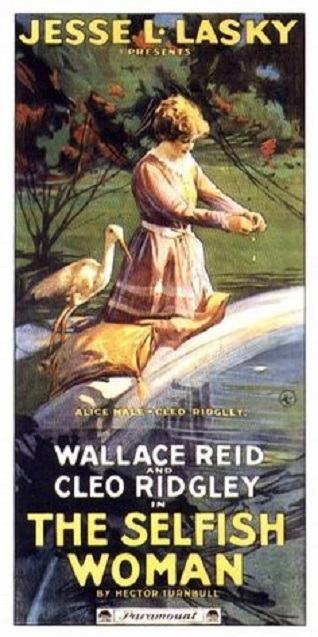
Dir: E. Mason Hopper
Young engineer Tom Morley is building a railroad through Imperial Valley. Tom's father also wants the job and tries to persuade his son to give up the work, but Tom refuses. Tom falls for a society girl named Alice Hale, who marries him to bring prestige to her family. Initially, Alice plots against Tom, but Tom wins her over and they work together to defeat those who are plotting to destroy Tom's work.
View Details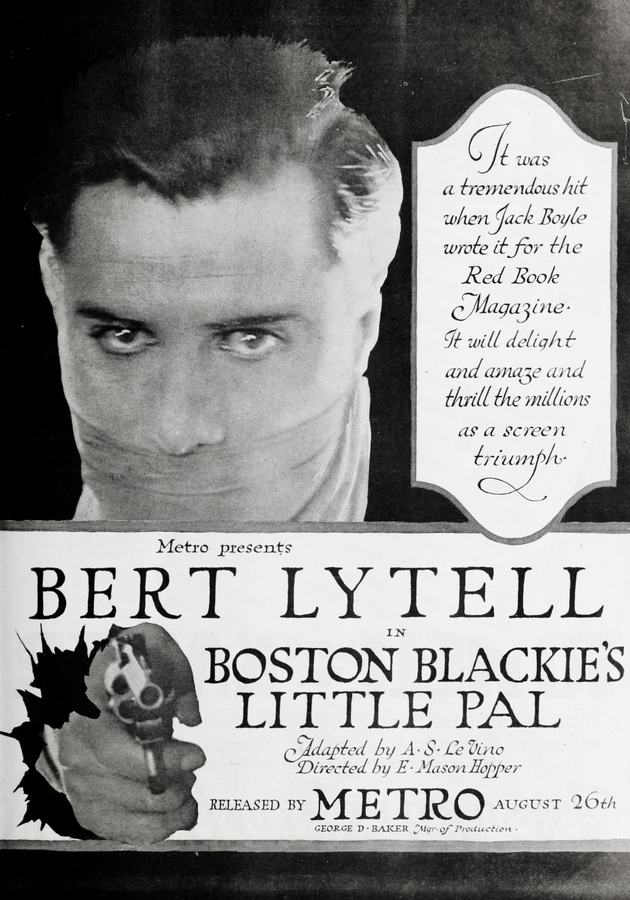
Dir: E. Mason Hopper
Boston Blackie, a gentleman crook, and his accomplice, Mary, plan to rob the Wilmerding mansion while Mr. Wilmerding is out of town. Mary is hired as a nurse to Martin Wilmerding, Jr., and after Mrs. Wilmerding has gone to a ball, she admits Blackie, who starts to open the safe. Just then little Martin enters, and he and Blackie play and become fast friends. Mrs. Wilmerding returns with her lover, Donald Lavalle, and when Blackie overhears their plans to elope together with her jewels, he tricks Donald into giving him the jewels by posing as the jealous husband. Through several telegrams, he effects the reconciliation of his little pal's parents but cannot decide whether or not to return the jewels.
View Details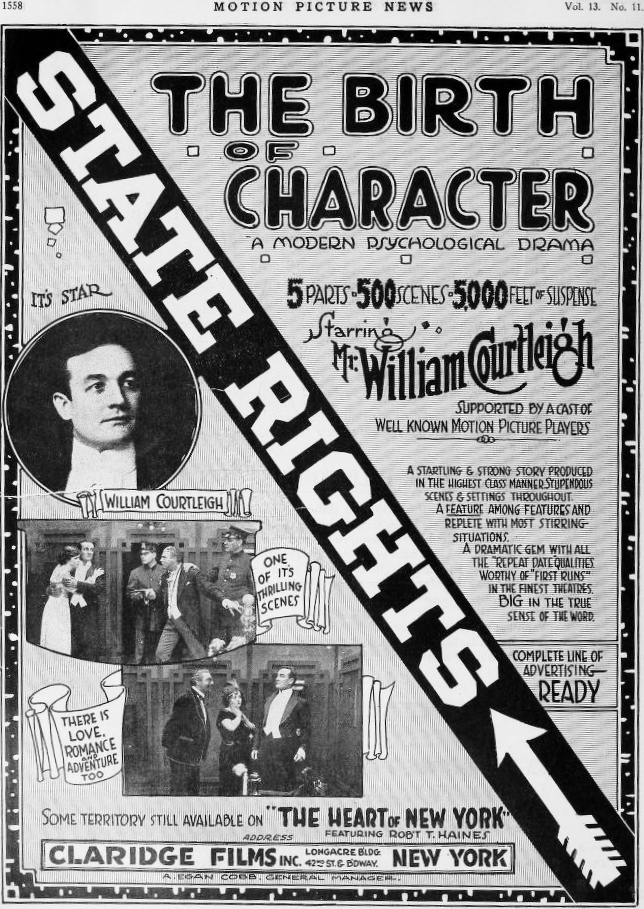
Dir: E. Mason Hopper
An alchemist, about to be burned at the stake, tells his captors that some day the teachings of the alchemists will be generally believed. The alchemist taught that the human character goes through a process of evolution and in the effort to conquer conditions about him, man finds his birth of character. Harry is in love with Grace. She is the good influence in his life. His companions influence him in the other direction. Large losses at cards make him desperate so that at a dance he is momentarily tempted to steal a diamond-studded hair ornament. The impulse immediately and he returns it, explaining that it dropped to the floor and he picked it up. Unfortunately a witness to both the impulse and the quick wit in pulling himself out of the dilemma was Darby, a master criminal. Later Harry is dragged to a gambling joint by his friends; the place is raided through Harry's bitter rival, Arthur Vane, from whom he rescues Alice, a girl who assists her father in the management of the place. All the boys are arrested except Harry, whom Alice saves by means of a secret door. He thus meets her father, who proves to be Darby. This leads Harry to his becoming the tool of Darby, and he is on the downward path. Harry and Grace become engaged. She does not know the life into which he is drifting. A dealer in objects shows them a valuable necklace. This latter is procured by Harry in a successful burglary. He is then sent to a fashionable house party by Darby to see what loot may be obtained there. Grace is a visitor at the same house party, and it is she who shoots him, not knowing his identity. Discovering who it is she saves him; the wound if only a scratch, but with scorn tells him she never wants to see him again. Harry then determines to make a man of himself, surrenders, and is imprisoned to pay the penalty of his crime. As an ex-convict he is welcomed only in the underworld. Alice, because she has fallen in love with him, unselfishly determines to help him, goes to Grace, pleads with her to overlook the past and give Harry a chance. Grace finally agrees to do so, and Alice sends Harry to her. He obtains a position and is rapidly demonstrating a real character. Refusing to have anything further to do with crooked work, he is threatened and only saved from trouble by the unselfish Alice. However, he repays this sacrifice with an open and cruel snub when with Grace he meets her on the street. Her love turns to hate. The master willingly lures him to his den, Alice maneuvers to lure Grace to the underworld, also so that she may be a witness to the punishment of her ungrateful lover. The situation works up to the dramatic climax where Darby is about to kill Harry when the police, summoned by Grace through a ruse, break in and she and Harry are saved.
View Details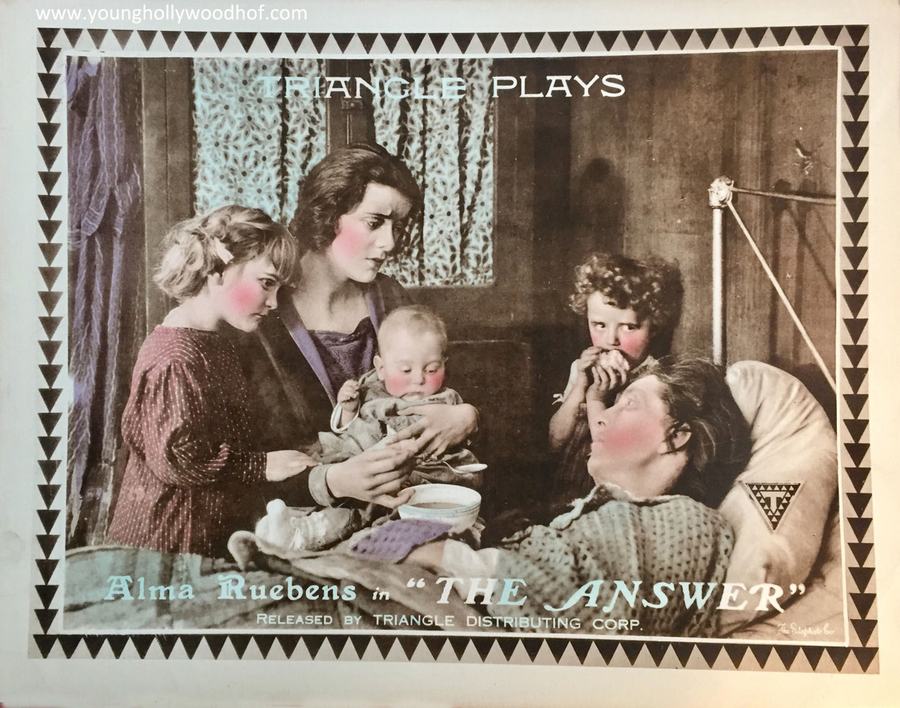
Dir: E. Mason Hopper
Social worker John Warfield meets socialist radical Guido Garcia, and together they establish a refuge in San Francisco for life's unfortunates. Goldie Shepard, whose father is an alcoholic, develops an interest in socialism and becomes Warfield's stenographer. Goldie's hatred of the rich increases when her father is killed by an automobile in which society woman Lorraine Van Allen is riding. As a result of the accident, Lorraine becomes a supporter of the refuge. Meanwhile, Warfield's mother dies in England and leaves him a large estate. When Warfield marries Goldie and takes her to England, he is shocked to see her fondness for luxury, and soon decides to donate his estate to the poor and return to San Francisco. Guido, who had been Goldie's suitor, learns of her marriage and murders her, after which he leaps from a bridge to his death. Later, Warfield marries Lorraine, and they convert the English mansion into a children's home.
View Details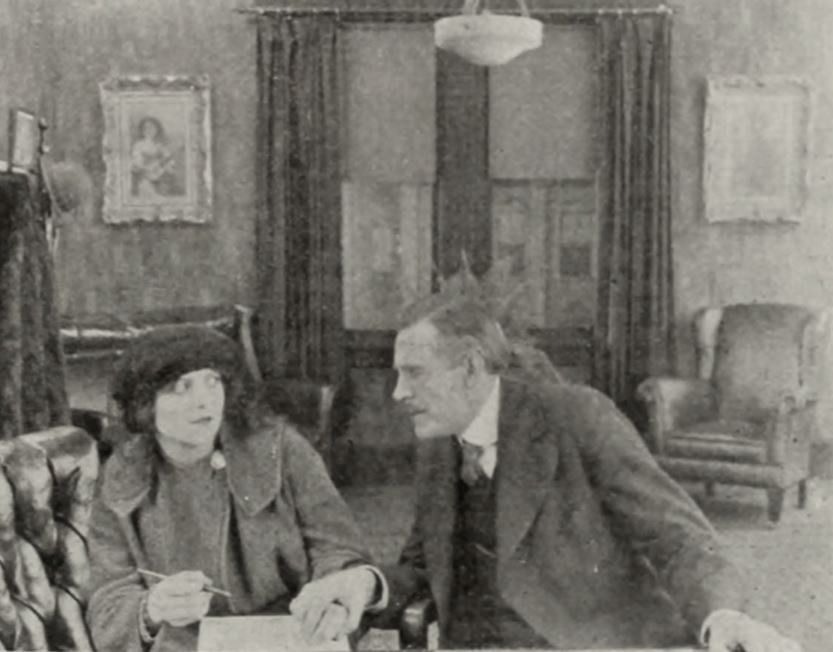
Dir: E. Mason Hopper
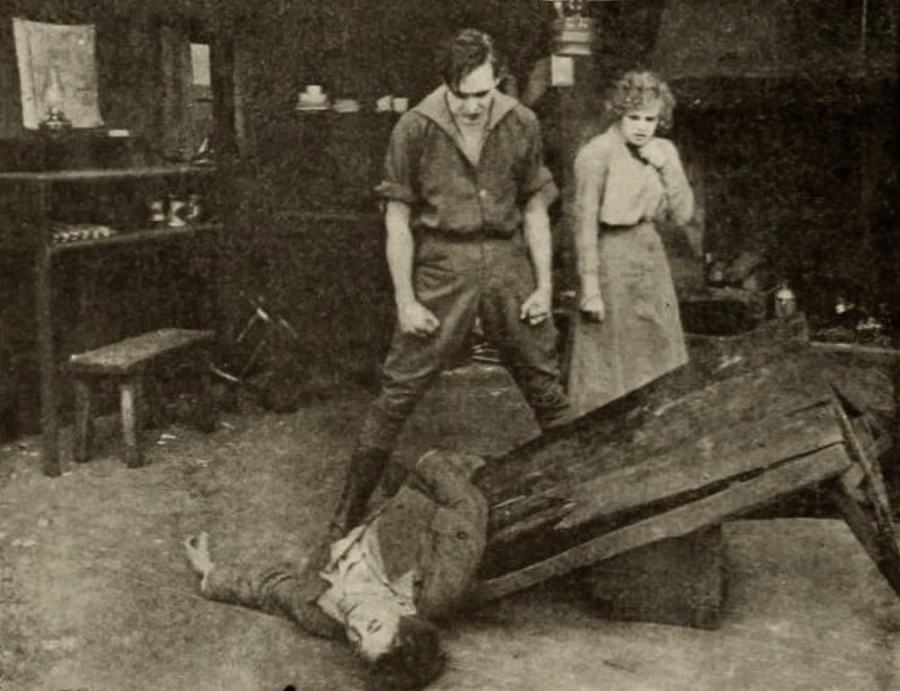
Florence Burgess, a singer in the Cafe Fanchon, supports her lame sister, Frances, but keeps her struggle secret. Oscar Morse, a theatrical manager, is attracted by Florence's beauty and talent, and offers her an engagement. When they meet he demands the usual payment his girls have to make, and is refused. The café has been closed, she is out of work and decides to trick Morse. She gets him drunk, and he signs a paper she has substituted for the contract he planned. Florence the next day admits her deception and Morse, fearing publicity, accepts the situation and stars Florence in "The Green Goddess." She makes a big success, her stage name being Flo Burke. At a little country hotel where she has gone to rest after the first year's work, she meets Fenton, the minister, whose efforts closed the Fanchon, but he does not recognize her. He tells the story of his mission work, she becomes interested, they fall in love, he not knowing that she is the actress, Flo Burke, the register showing Miss F. Burgess. She finally keeps her secret, saying she is the sister of the actress. Fenton is preaching, Florence hears him, determines to give up the stage, but Morse demands the payment of a large forfeit, and she is bound to the stage. Frances, who has been sent to a sanatorium, starts with her sister for New York, the train is wrecked, and Fenton, when the bodies are brought in, finds one bearing cards which tell him it is Flo Burke. Another woman, not dead, has cards of Florence Burgess. Florence sees in a paper in the hospital the announcement of the death of Flo Burke, and sees that it means her escape from the stage. She marries Fenton, but is full of remorse over her deception, and plans to use her money, which had come to her through her own will, which had left it to her sister, for the work of Fenton. Morse goes to the church rectory to see Fenton about a problem play, sees Florence, she denies knowing him, he returns to his office, finds a diary she had kept, and it reveals her secret. He returns, demands full payment of the contract forfeit, and Florence is up against a dilemma. If she gives the money to Morse, she must explain to her husband; if she gives it to her husband Morse will drag her back to the stage. Seeking a way out of the labyrinth, she promises Morse to read the play, and advises Fenton to favor it for production by Morse. He comes to the house, meets Fenton instead of Florence, who overhears her husband praising the play, and decides to give her husband the money. Morse flies into a rage, threatens to denounce her, but Fenton stops him; there is a fight, Morse accidentally shoots himself with his own pistol, and with her husband's love safe Florence feels that she has escaped from the labyrinth.
View Details
Dir: E. Mason Hopper
Abby Lou is the niece of the crabbed old antique dealer, Richard Cobb. Old Richard Cobb has a son who possesses all the qualities that his father seemingly was born without. This son, Tom Cobb, loves Abby Lou and is working on his great invention, a kettle that will not boil over. Finances are the only drawback to its successful achievement. Tom approaches wealthy old Joseph Snow for assistance but is turned down. Snow, though a hard man in money matters, in private life is also an unsuspected follower of Romance. In his home he has a secret chamber from which through the eyes of his portrait he can observe what goes on in his absence. Snow sees Abby in the antique shop and his charity offering of money to the ragged little girl is scorned. It amazes him; for the first time in his life his money is refused. It puzzles him and that night he decides on an eccentric test. The next day Abby Lou is notified that she is the heiress to deceased Snow's wealth. The lawyer takes her away to the mansion and she is surrounded by the parasitical Mrs. Rollins and her son Percival, relatives of Snow. Percival is in love with Marguerite D'Arcy but is as poor as a church mouse. Snow from his point of observation through the eves of his picture watches Abby set up Percival in business, secretly finance Tom's invention to success, reinstate his old and faithful employee Mace, and seemingly make everyone happy with his money. A new understanding of life and its meaning comes to Snow and the night of the mask ball Snow steps through the secret panel in costume, masked and apparently a guest. Then the denouement happens in a marvelously happy way and the Spirit of Romance, her mission finished, disappears forever.
View DetailsAnalysis relative to From the Ground Up
| Film Title | Atmosphere | Complexity | Similarity |
|---|---|---|---|
| The Firefly of Tough Luck | Surreal | Linear | 97% Match |
| The Tar Heel Warrior | Gritty | Dense | 85% Match |
| Mystic Faces | Gothic | High | 94% Match |
| As Men Love | Ethereal | High | 88% Match |
| The Selfish Woman | Ethereal | Dense | 97% Match |
This guide was algorithmically generated using the cinematic metadata of E. Mason Hopper's archive. Last updated: 6/27/2026.
Back to From the Ground Up Details →