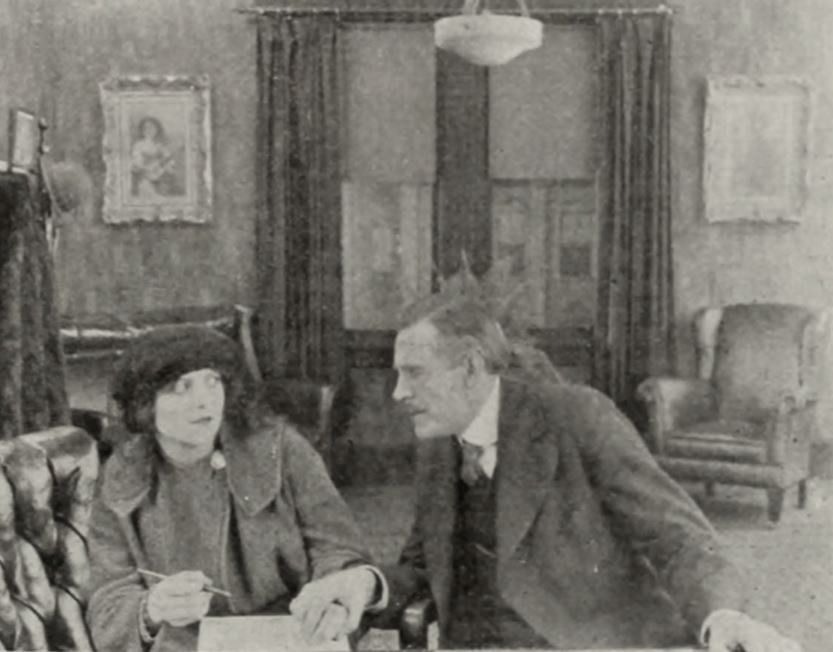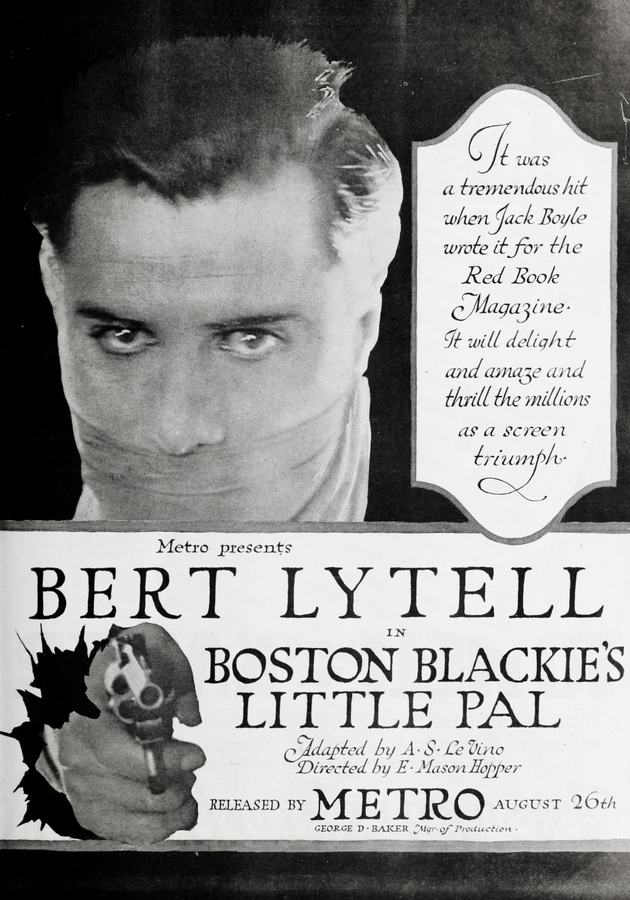
Boston Blackie, a gentleman crook, and his accomplice, Mary, plan to rob the Wilmerding mansion while Mr. Wilmerding is out of town.
Jack Boyle, Albert S. Le Vino
United States
The Archetype of the Gentleman Rogue: Revisiting 1918 To understand the gravitational pull of Boston Blackie's Little Pal, one must first acknowledge the cultural landscape of the late 1910s. This was an era where the silver screen was beginning to move beyond mere spectacle into the nuanced territory of character-d...
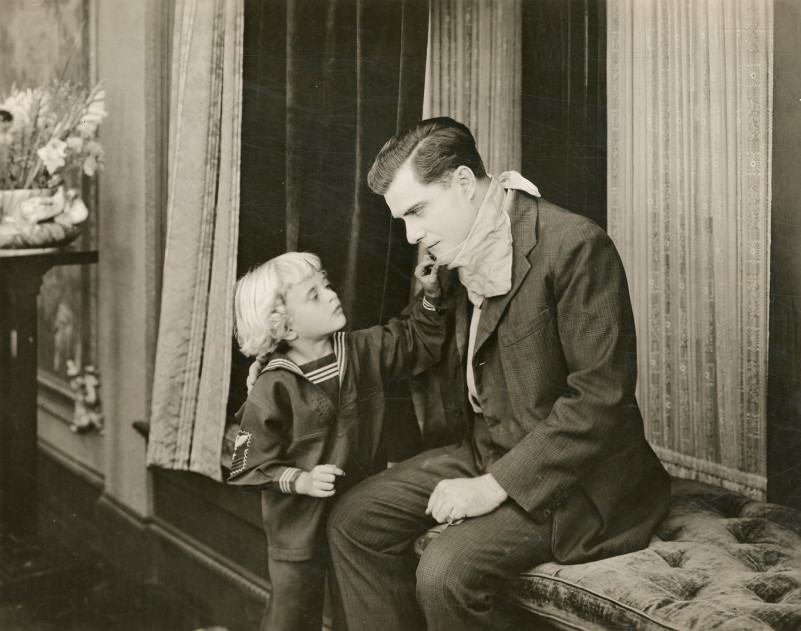
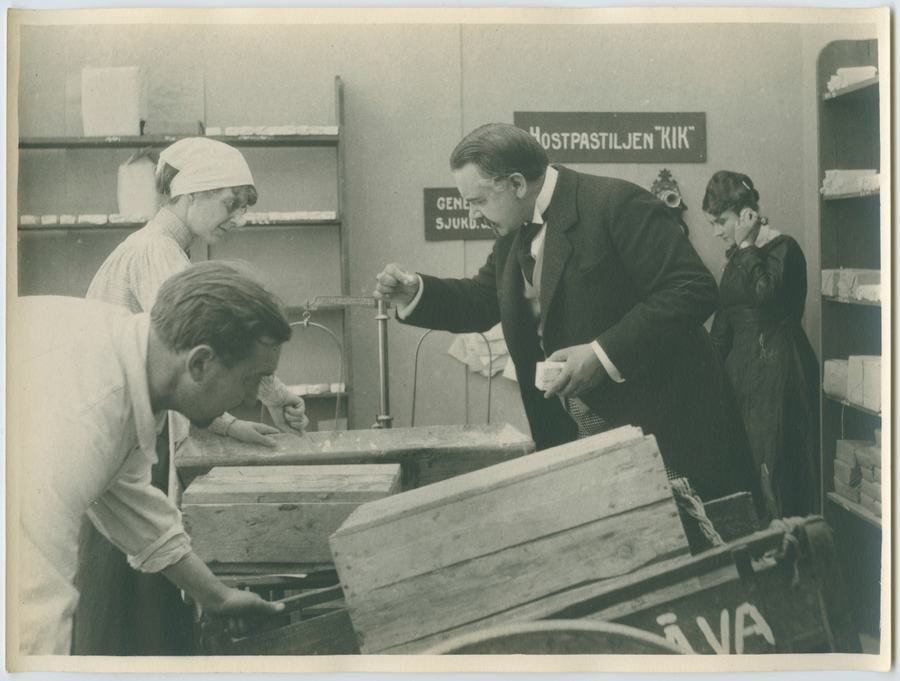
still_frame
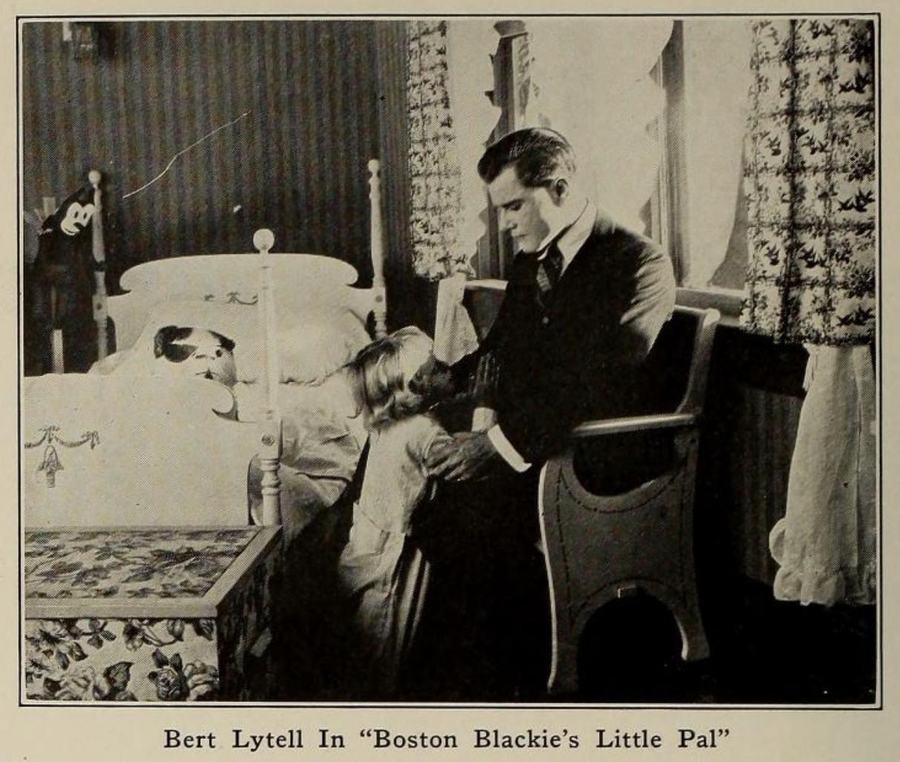
still_frame
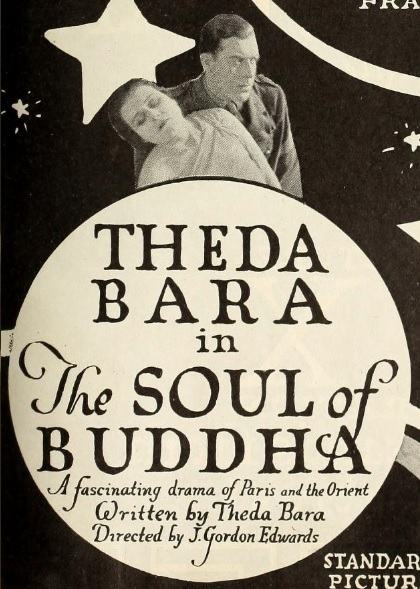
Comparing the cinematic DNA and archive impact of two defining moments in cult history.
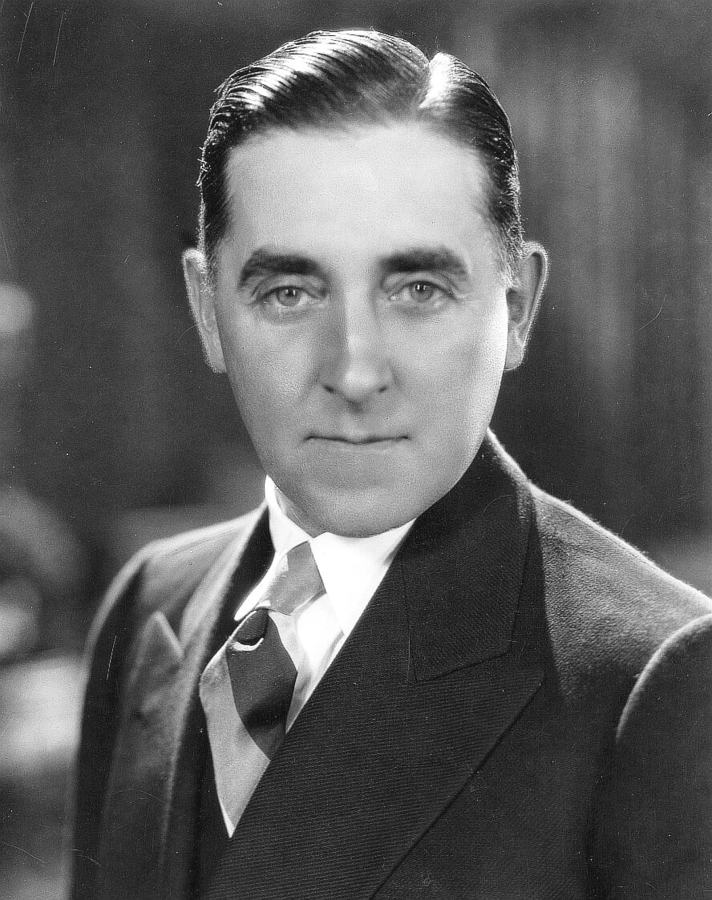
E. Mason Hopper
E. Mason Hopper
Community
Log in to comment.
" The Archetype of the Gentleman Rogue: Revisiting 1918 To understand the gravitational pull of Boston Blackie's Little Pal, one must first acknowledge the cultural landscape of the late 1910s. This was an era where the silver screen was beginning to move beyond mere spectacle into the nuanced territory of character-driven morality plays. Directed by E. Mason Hopper and based on the gritty yet sentimental stories of Jack Boyle, the film introduces us to a protagonist who defies the binary of he..."
Deep dive into the cult classic
Discover similar cinematic experiences
A Directorial Spotlight on E. Mason Hopper