
DbcultAccessing Vault...
Recommendations
Senior Film Conservator
In the vast archive of cult cinema, Gambier's Advocate stands as a cult status beacon, it's essential to look at the contemporaries that shared this cult status. Our cinematic experts have identified several titles that reflect the spirit of 1915.
Few films from 1915 manage to capture to leave an indelible mark on the history of United States film.
Critics widely regard Gambier's Advocate as a cult-favorite piece of cult cinema. Its cult status is frequently cited as its strongest asset, solidifying its place in United States's film legacy.
Based on the unique cult status of Gambier's Advocate, our vault has identified these titles as the most compelling follow-up experiences for fans of cult cinema:
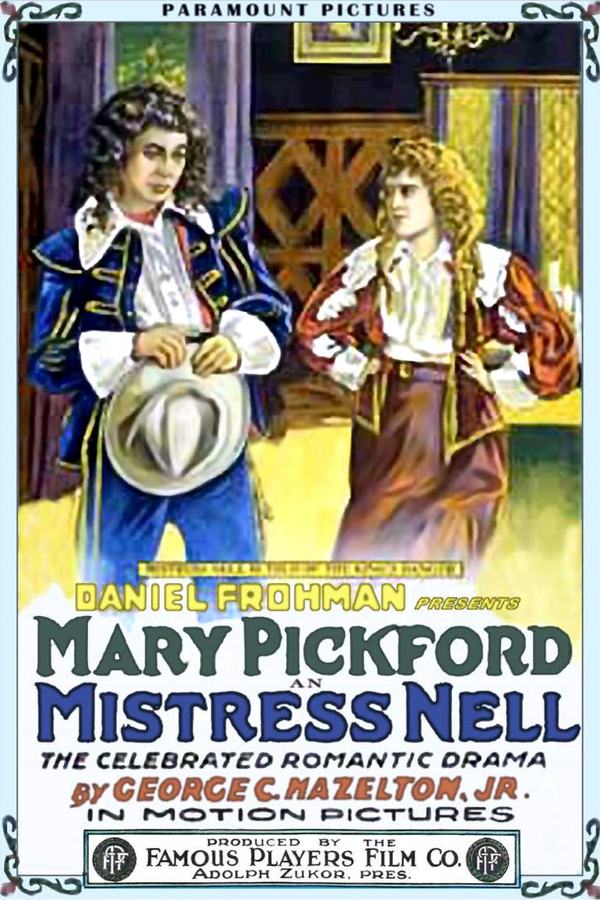
Dir: James Kirkwood
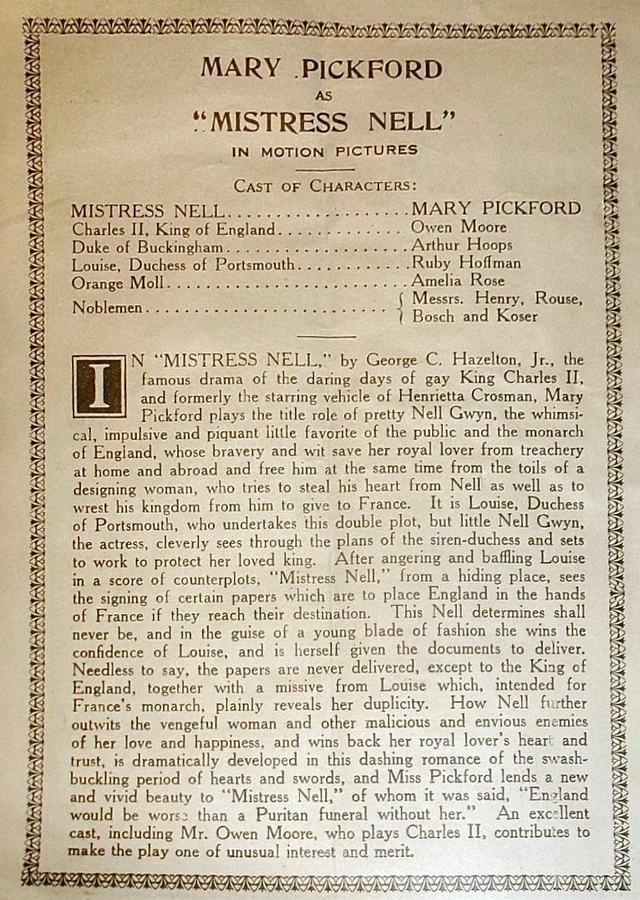
Nell Gwynne ( Mary Pickford ) and King Charles II ( Owen Moore ) fall in love after meeting at a fox hunt. Nell soon learns the jealous Duchess of Portsmouth ( Ruby Hoffman ) is a spy and conspiring with the Duke of Buckingham to place Charles at the mercy of the King of France. Nell boldly disguises herself as a fashionable young blade and wins the confidence of the Duchess. Now entrusted with the delivery of important documents, she makes sure they go to the King of England rather than the King of France. Now, Nell has the last laugh on the traitorous Duchess.
View Details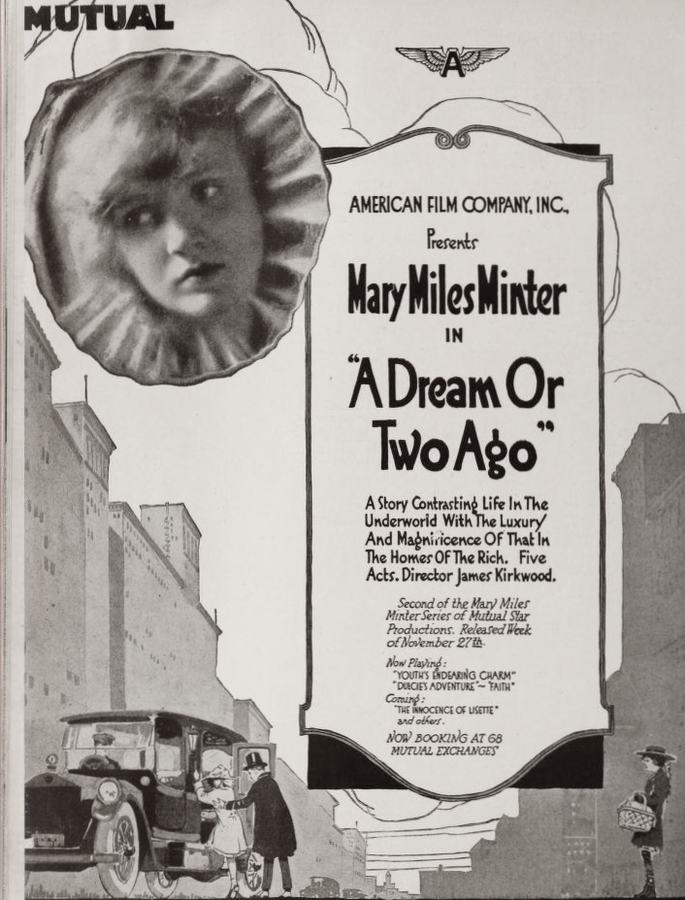
Dir: James Kirkwood

During a jewelry-store holdup, 6-year-old Millicent Hawthorne, the neglected daughter of a wealthy socialite, falls on her head and is carried home to be reared by Mother Gumpf, the leader of the thieves. The fall cost Millicent her memory, but at night she dreams of her former high-society existence, while during the day she works for Gumpf as a pickpocket and later becomes a cabaret dancer. A friend of the Hawthornes sees Millicent perform, recognizes her, and reports back to Mrs. Hawthorne, who has vowed to be a devoted mother should she ever find her daughter. Finally, after the Hawthornes rescue Millicent from Kraft, the lecherous cabaret manager, an operation restores her memory, and she delights in the love of her long-lost mother.
View Details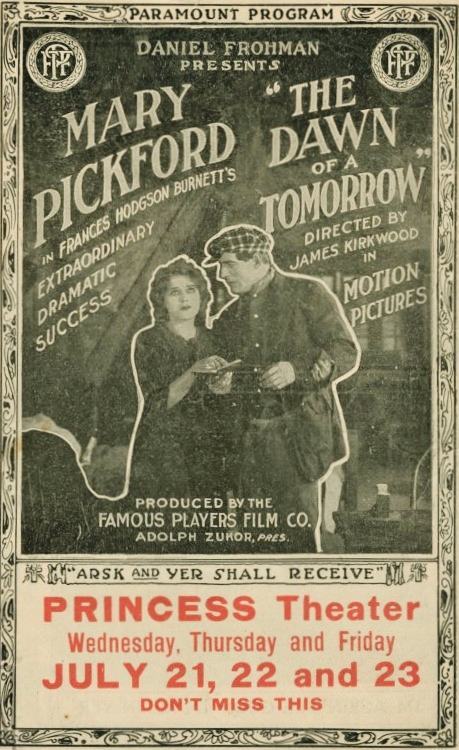
Dir: James Kirkwood
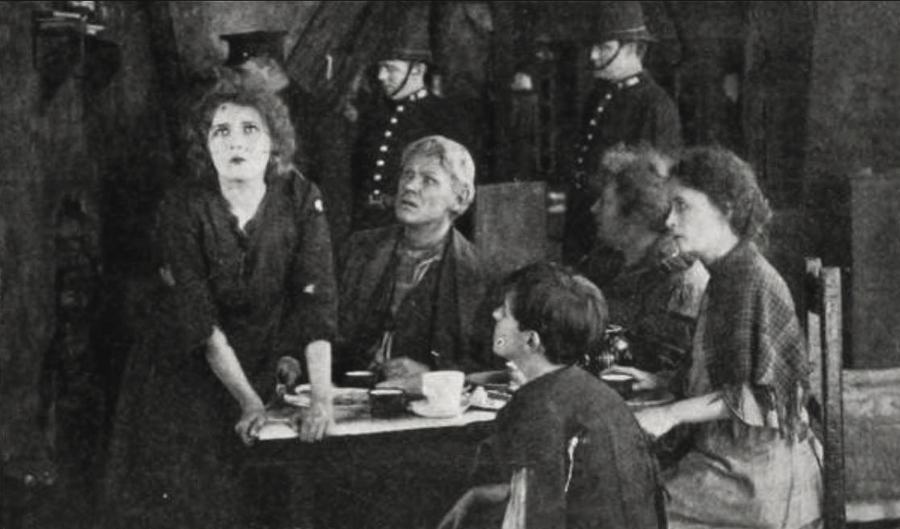
A young girl who lives in the London slums is in love with a cunning thief and persuades him to give up his life of crime. Meanwhile, an eccentric millionaire who has been diagnosed with an incurable dementia becomes so despondent that he decides to commit suicide. He disguises himself as a vagrant and wanders into the slums. As he tries to find the courage to kill himself, the young girl encounters him and rationalizes him out of his cowardly act. Her genuine sweetness and strong faith affect him to such an extent, that he begins to believe recovery is possible. Now the girl's sweetheart has been falsely accused of murder, and only the millionaire's licentious nephew can give him an alibi. The girl pleads with the nephew to help prove her sweetheart's innocence. He refuses and tries to take advantage of her. The millionaire arrives in time and shames his nephew to testify correctly. The millionaire now pledges himself to a life of service and charity, and the girl and her sweetheart are happily reunited.
View Details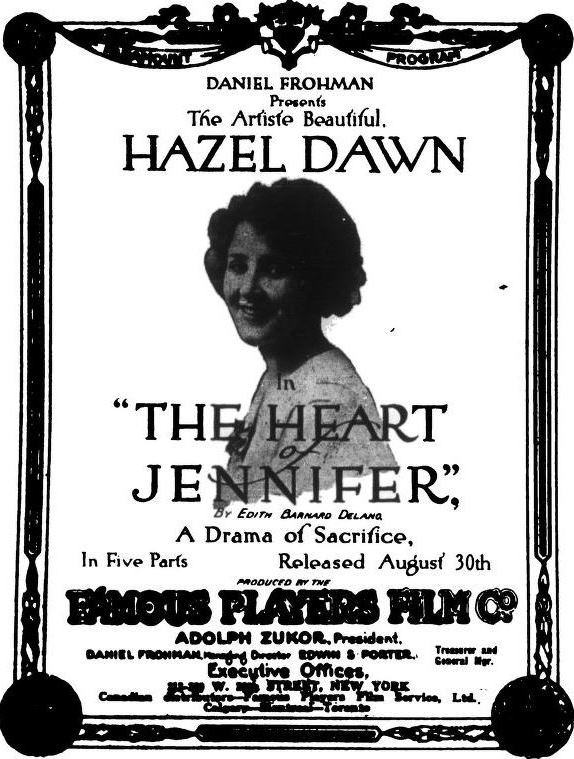
Dir: James Kirkwood
Even though he had saved her father from a financial crisis, Jennifer Hale refuses to marry wealthy Stephen Weldon, who tries to ruin the Hales. They leave for their summer home in the woods where Jennifer falls in love with wealthy James Murray, a lumber camp foreman. After Weldon finds them and threatens Hale with exposure unless Jennifer marries him, Murray marries Jennifer. Weldon then convinces him that Jennifer and he had a secret romance, and that she married Murray for his money. Murray's sister Agnes becomes Weldon's lover, and when he prepares to leave, she kills him. After Jennifer takes the blame to save Murray from learning of Agnes' disgrace, Murray, although he now hates her, takes Jennifer to the mountains to escape the law. Just as the posse overtakes them, a man rides up with the news that Agnes fell over a cliff and confessed before she died. Their love renewed love, the couple are now reunited.
View Details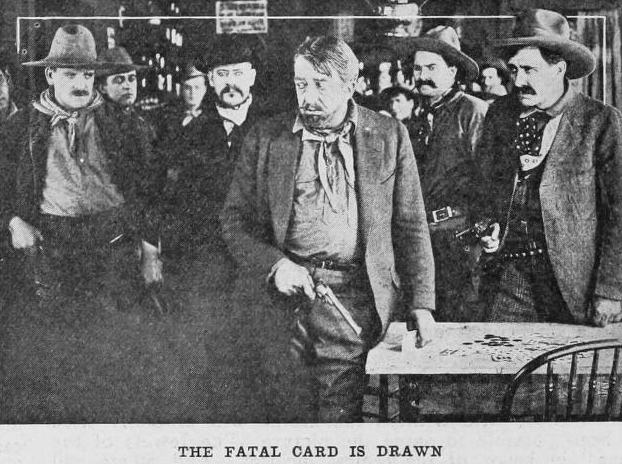
Dir: James Kirkwood
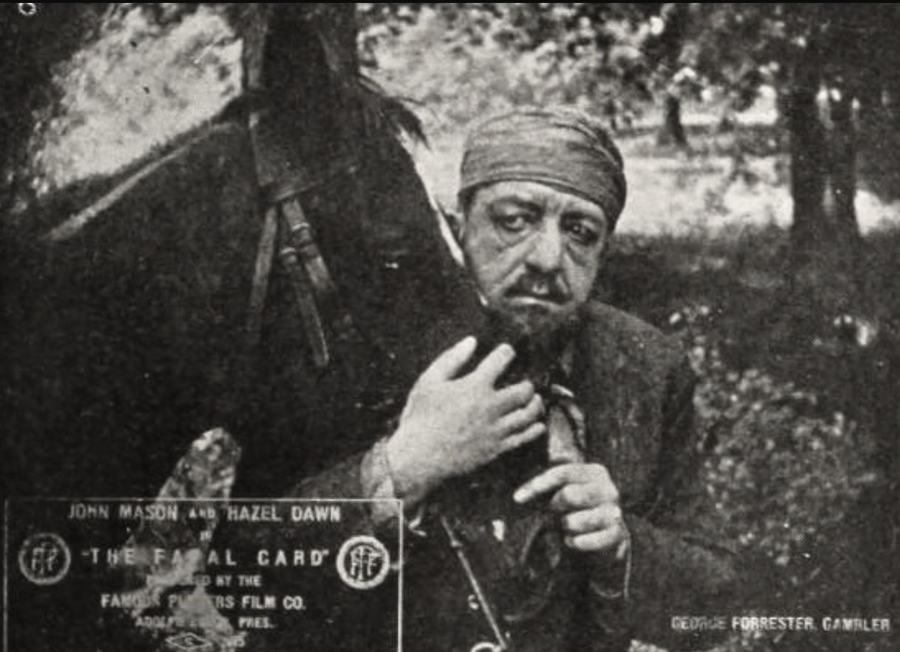
A notorious gambler and card cheat, George Forrester, rules a little western town with an iron hand. The men of the town plot to catch him cheating and do, but his men save him from danger. In the same town lives Gerald Austen, or Aitkens, who had left his tyrannical father in the east and made good in the west. Later, Forrester and his men rob a payroll messenger for Austen's enterprise. Forrester is apprehended and is about to be hung when Austen saves his life. The man has just been scribbling a message to his daughter who lives in the east and who believes her father a prosperous mine operator. On being saved he tears the card in two and gives half to Austen, saying that if he ever needs a friend that will be his passport. Forrester then returns east, rejoins his daughter and assumes his real name of Marrable. Austen also goes east under his real name of Aitkens and the men later meet but do not recognize each other. Austen falls in love with Margaret Marrable. Marrable's happiness, however, is curtailed by the arrival of his former western associates who threaten to expose his identity if he does not aid them in robbing Austen's father of a shipment of English bonds. He is forced to consent. The gang rents offices opposite those of Austen and await the day of shipment, July 4. Fortune plays into their hands when the boy visits his father to obtain consent for marriage to Margaret. The father refuses and a stormy quarrel ensues, which employees overhear. The son leaves his walking stick. The conspirators enter the office. In order to quiet the elder Austen they hit him over the head with the stick. The blow kills him. The boy returns to make up, finds the door locked and leaves. The others then escape, taking the key with them. Later, the son overhears the gang dividing the spoils. He makes his presence known. They tell him that his death is inevitable. He asks Marrable to take a card out of his pocketbook. Marrable finds it. It is the fatal card. He now knows that Margaret's fiancé is the man who saved his life. In gratitude he takes upon himself responsibility for the crime and makes a supreme sacrifice, paving the way for the lovers' ultimate happiness.
View Details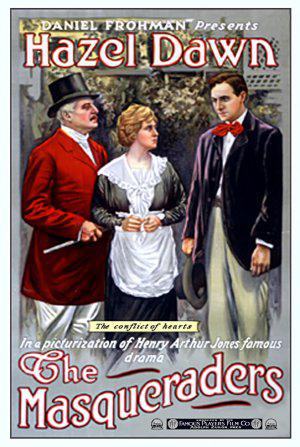
Dir: James Kirkwood
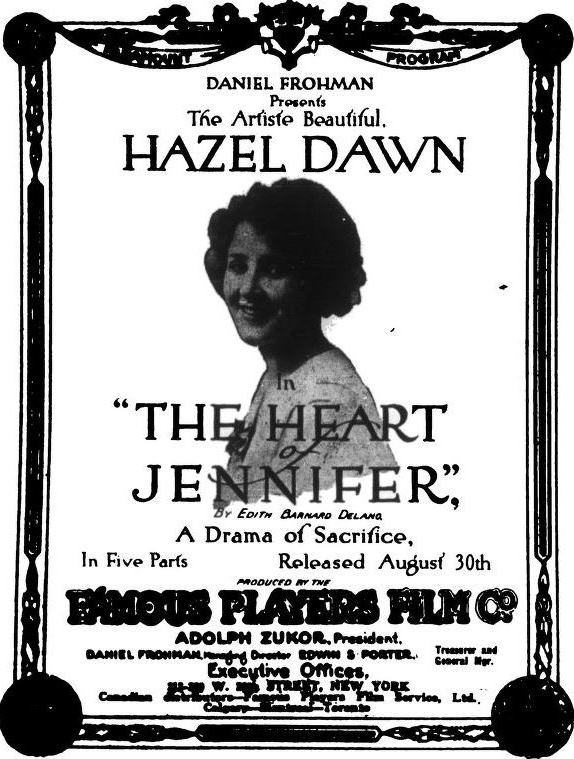
David Remon loves barmaid Dulcie, not by choice but by force of circumstances, and attempts to persuade her to marry him rather than submit to a life of drudgery. But Dulcie is thoroughly independent and prefers to earn her own living. Life at the inn, however, soon becomes irksome to Dulcie, who grows so tired of it that she is ready to accept the first wealthy man who proposes to her. A charity auction is held at the inn, to help the family of a poor man and Dulcie auctions off a kiss. David, bent upon preventing anyone from kissing her in public bids every cent he has in the effort to gain the prize himself. But Sir Brice, a bon vivant, doubles his offering and adds his hand in the bargain. Dulcie accepts the proposal, but soon finds that her husband, when under the influence of liquor, is a very ugly tempered man. As the years drag on, Sir Brice becomes more and more intolerable, until at last he openly humiliates Dulcie and insults her guests at a reception. He demands that someone gamble with him, and grows abusive when they refuse. Finally, David, who has remained faithful to Dulcie through all the years, in a desperate game, stakes his entire fortune against Dulcie herself. Sir Brice is penniless, having squandered his fortune, and he gladly offers his wife as the prize. After a nerve-wracking battle of wits, David wins. It is not before Dulcie, thoroughly disillusioned, accepts the verdict of the god of chance and finds a new happiness with the man whose love has remained constant.
View Details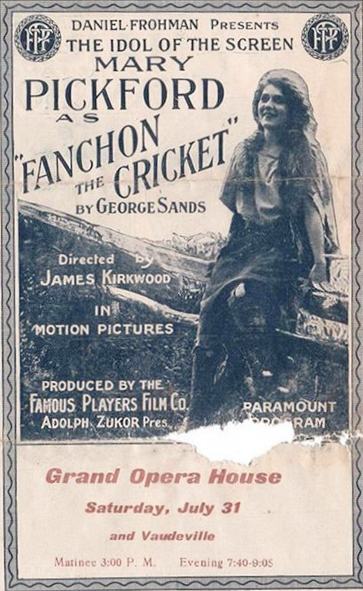
Dir: James Kirkwood
Fanchon, a wild young girl, resides in a forest with her unconventional grandmother accused of witchcraft by villagers.
View Details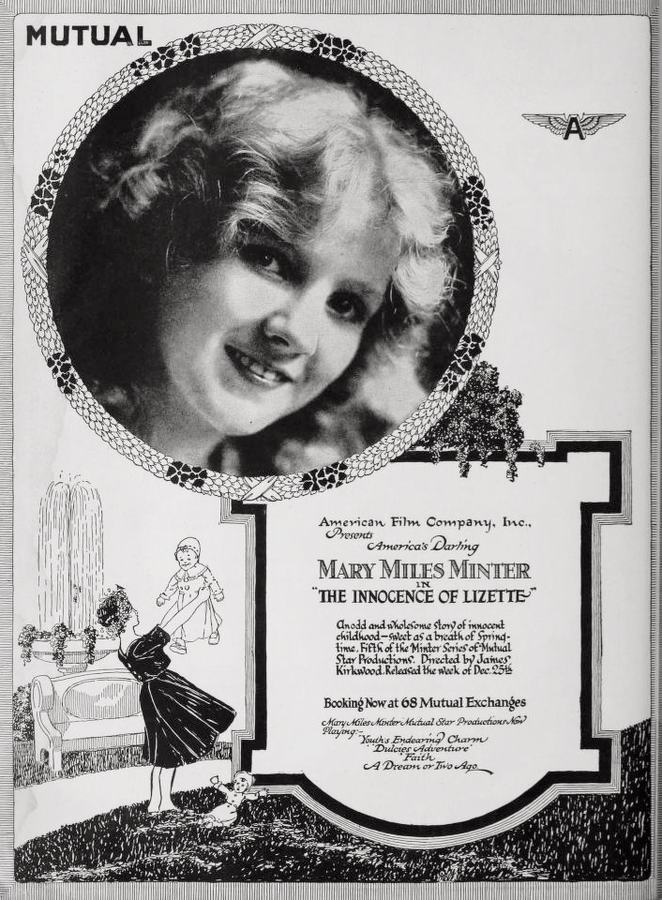
Dir: James Kirkwood
Ashby Leene, once a famous actor, but now poverty stricken, dies, leaving his grandchild, Lizette, in the care of Granny Page, his landlady. Lizette's new home is one of kindliness and she becomes a friend of Paul, Granny's young nephew, who runs a newsstand. Remembering her promise, Granny spends a good deal of time at the newsstand when Paul is away on deliveries. She resents Dan Nye's attention to Lizette. One day Lizette sells a paper to Henry Faure, an elderly millionaire, who is attracted to the bright-faced girl. Faure has been mentally depressed since the death of his wife and little girl. Longing for someone to love, Faure offers to adopt Lizette as his own daughter. Though Paul and Granny are heartbroken, they consent. For a time Lizette is happy in her new home. While Faure is away on business, Lizette visits her old friends. Faure unexpectedly returns. To his dismay Lizette begs that he let her stay a while longer with Granny. He reluctantly consents. His old depression returns. The housekeeper finally writes Lizette, begging her to return for Faure's sake. Lizette finds an abandoned infant on the doorstep upon her return. She is overjoyed. She is admitted by the butler, who is aghast to see that she has returned with a baby. When questioned, she tells them that she is the baby's mother, etc. Faure asks her about the child's father. Lizette innocently answers that she don't know. She realizes in a vague way that babies have fathers and, seeing that everyone is greatly upset, she decides that if the baby must have a father she will give Dan Nye the honor of naming him. Faure loves her so much that he cannot find it in his heart to denounce her. Nor can the kind old housekeeper, who is highly amused at Lizette's lack of knowledge about babies. Dan Nye is amazed when Faure calls to see him and charges him with being the father of Lizette's baby. He conceals his astonishment, quick to realize that he has an unusual opportunity for blackmail in the affair. When Faure declares he must marry Lizette for the sake of her good name, Nye admits he is the baby's father, but refuses to marry the girl unless Faure pays him an exorbitant sum. Faure agrees to this, upon the condition that he accompany him and marry Lizette at once. The young woman who abandoned the child calls to reclaim it, but Lizette is unwilling to give it up. But she is finally induced to give it back to the rightful mother. Nye is thrown out of the house, and Paul, who has long cherished a love for Lizette, is made happy by her acceptance of him.
View Details
Dir: James Kirkwood
Young Dolly Lane has committed herself to becoming a star on the stage, but when she meets handsome and wealthy farmer Steve Hunter, she falls in love and marries him. Unfortunately, Steve soon loses his fortune and the couple is forced to move in with a friend, Teddy Harrington. Not long afterwards Steve's rich uncle dies, leaving him wealthy, but on that same day Dolly is asked to take the place of a stage star who has taken ill. She does and becomes the toast of Broadway, but now Steve wants her to return with him to the West and become a farmer's wife. She relents, but soon becomes bored with that role and longs to return to the stage.
View Details
Dir: James Kirkwood
When Josiah Whitcomb's son gets into trouble with bad companions in New York City, Josiah leaves the farm and goes into the city to find the boy. There he finds that his country ways are not at all respected in the sophisticated city.
View DetailsAnalysis relative to Gambier's Advocate
| Film Title | Atmosphere | Complexity | Similarity |
|---|---|---|---|
| Mistress Nell | Surreal | Layered | 96% Match |
| A Dream or Two Ago | Tense | Dense | 92% Match |
| The Dawn of a Tomorrow | Gothic | Linear | 86% Match |
| The Heart of Jennifer | Surreal | Linear | 94% Match |
| The Fatal Card | Gothic | Abstract | 89% Match |
This guide was algorithmically generated using the cinematic metadata of James Kirkwood's archive. Last updated: 6/28/2026.
Back to Gambier's Advocate Details →