
DbcultAccessing Vault...
Recommendations
Senior Film Conservator
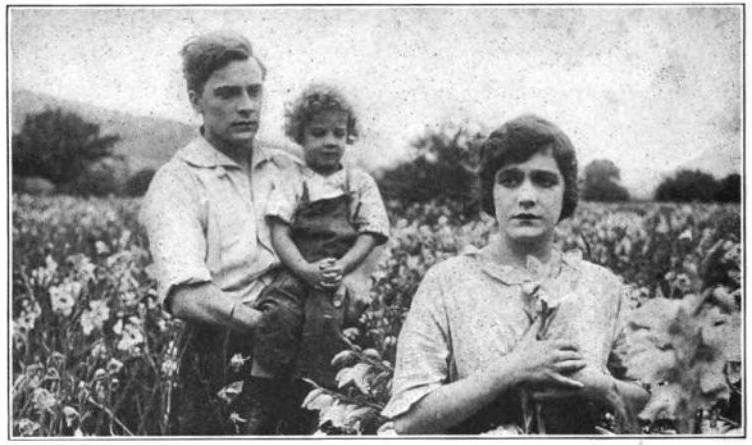
Witnessing the stylistic evolution of John H. Collins through Gladiola is profound, this cult landmark continues to dictate the rules of its category. If the cast impressed you, these next recommendations will too.
The synthesis of form and function in Gladiola to maintain its cult relevance across several decades.
Although she has a strong friendship with Abner, a hand on her father's farm, saucy Gladiola Bain loves only her father, until she meets vacationing Ned Williams, a self-described "idler" from the city. When their seemingly harmless flirtation develops into love, Gladiola refuses to obey her father's wishes that she give Williams up, and when Williams, after some hesitation, offers her a beautiful home and clothes, they elope to the city, where Williams arranges a mock marriage. After a few months of happiness, Williams' real wife appears. Gladiola tells Williams that she despises him and returns to her welcoming father. Amid much gossip in the town, Gladiola gives birth to a child, while Williams, whose wife has refused to divorce him, has gone abroad. When he learns that his wife has died, he returns repentantly to Gladiola's farm, but although she is touched by his concern, her love has died, and she refuses his entreaties. At the end, Gladiola and her child stroll in the gladiola fields with the faithful Abner.
Gladiola was a significant production in United States, bringing a unique perspective to the global stage. It continues to be a top recommendation for anyone studying cult history.
Based on the unique unique vision of Gladiola, our vault has identified these titles as the most compelling follow-up experiences for fans of cult cinema:

Dir: John H. Collins
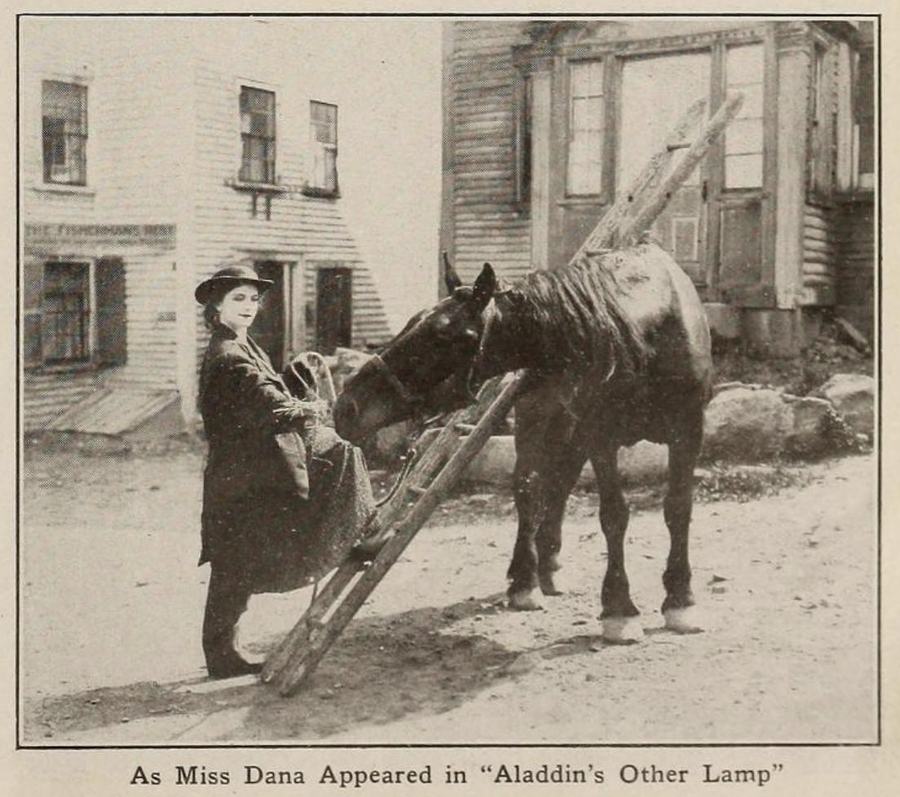
When she was a baby, Patsy Smith's father quarreled with his wife and kidnapped Patsy. After her father died at sea, Captain Barnaby took Patsy to Mrs. Duff's boardinghouse for seafarers. Dissatisfied with drudgery, Patsy, inspired by Barnaby's tales of Aladdin, searches for her father's Oriental lamp which Mrs. Duff sold to a junk peddler. Patsy buys the lamp and after rubbing it, the Genie Jehaunarara appears. He beautifies her room, restores Barnaby's leg, and turns Mrs. Duff into a rag doll. Because love is beyond his magic, however, the Genie cannot reunite Patsy with her mother. At a masquerade ball, when the Genie's costume wins first prize, Patsy's applause unwittingly causes him to disappear. Clad only in her underwear, Patsy runs to her mother, and awakens from a dream. Disheartened, she throws the lamp out the window, and it nearly strikes her friend Harry, a grocer's boy who wants to become a lawyer, and then, like Lincoln, president. From letters found in the lamp, they locate Patsy's mother, who arrives with her brother, a distinguished judge. Taken under his wing, Harry now imagines himself president with Patsy as his first lady.
View Details
Dir: John H. Collins
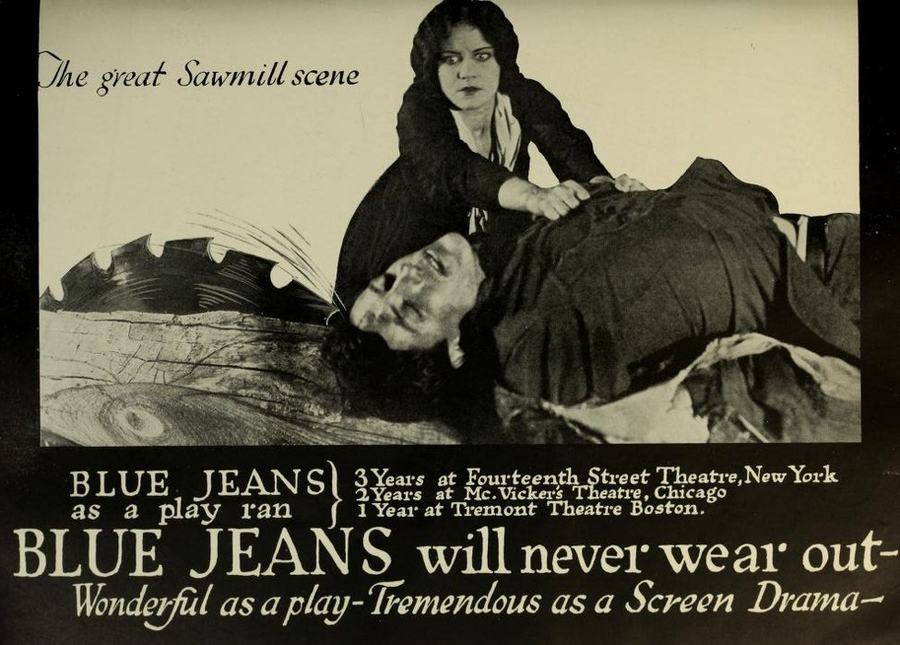
Perry Bascom comes to the town of Rising Sun, Indiana, to take charge of the sawmills which have for years been managed by his father's best friend, Col. Henry Clay Risener. His father's half-brother, Jack, has brought the name into disrepute in the town, so he (Perry) decides to be known as Jim Nelson. Perry sees June, who has been sent away from the poorhouse. He shares his lunch with her and protects her from the attentions of Ben Boone, the political bully of the town. June finds a home with old Jacob and Cindy Tutwiler, taking the place of their own daughter, whom Jacob had banished from home eighteen years before, and whose picture has been turned to the wall. Perry becomes the conservative candidate for Congress, opposing Ben Boone, who is the candidate of the liberal party. Perry asks June to marry him if he proves successful. Perry receives a call from Sue Eudaly, with whom he has gone through a marriage ceremony, but whom he left on finding she had a husband living. Her husband, Jim White, has disappeared, and she defies Perry to prove her previous marriage. She threatens to go to the rival candidate with her information, and Col. Risener, as Perry's campaign manager, buys her off. June is alarmed at the interest Sue shows in the man she loves, and Perry urges her to marry him at once, secretly. June continues to live with the Tutwilers. She has discovered that their daughter, who had married a hated Bascom, was her own mother, and that she is the granddaughter of Jacob and Cindy. Ben Boone has fallen in love with Sue, and his affection is returned. At the political rally June leads the village band, trying to drown out the voice of Boone when he harangues the crowd. The tide seems to be turning against Boone. Sue, deciding to explode a bomb in the camp of his opponents, takes her stand beside Perry and tells them he is a Bascom. She says she knows the wife he has deserted. June says that it is not true, since she herself is his wife. But the townspeople will not listen. They believe that he has deceived June, and refuse to believe anything good of a Bascom. The Tutwilers take June home with them and Perry is ordered to get out of town. Perry goes to the Tutwilers' to see June before he leaves. Sue is there. He denies that she is his wife, but she horrifies them all by saying that if Perry's father lured June's mother away from home. Perry and June are brother and sister. Cindy dispels that thought by producing a photograph of June's father. It is Jack Bascom, the half-brother of Perry's father, not a true Bascom by birth. Perry goes away to obtain proof of Sue Eudaly's husband, and June leaves the house, refusing to have anything to do with her grandfather until he retracts his insults to Perry. Ostracized by the townspeople, June lives in a humble cottage, where her child is born. Cindy goes to see the little one, but June will not permit Jacob to come until he admits that he is sorry. Perry at last returns with proof of Jim White's marriage to Sue. He seeks Boone at the mill. Boone cannot understand why Sue refuses to marry him. She finally tells him it is because she has a husband living, and that husband is Perry. Boone attacks Perry and overpowers him. Placing him on the log-carriage, he turns the great lever. He has locked June, who has followed her husband, inside the office. Then he and Sue make their escape. Through the glass door June watches her husband's body approaching the teeth of the saw. Breaking the glass of the door, she plunges out, and, reversing the lever just in time, saves Perry from the saw. Misfortune overtakes Sue and Boone, and with their baneful influence removed, June, Perry and the little one begin a happier life in the little town, with the love and respect of all.
View Details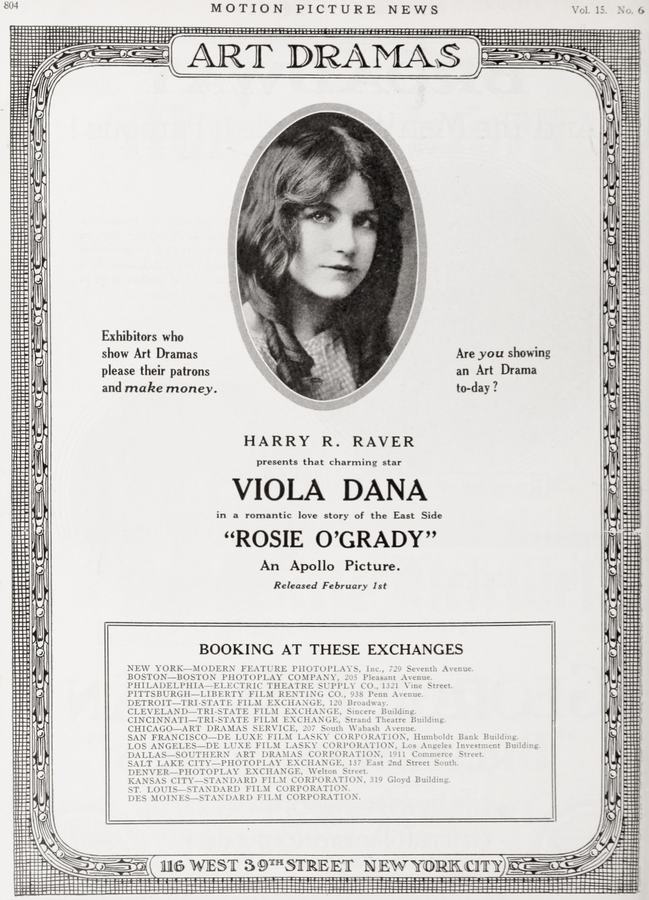
Dir: John H. Collins
A fascinating piece of cinema that shares thematic elements.
View Details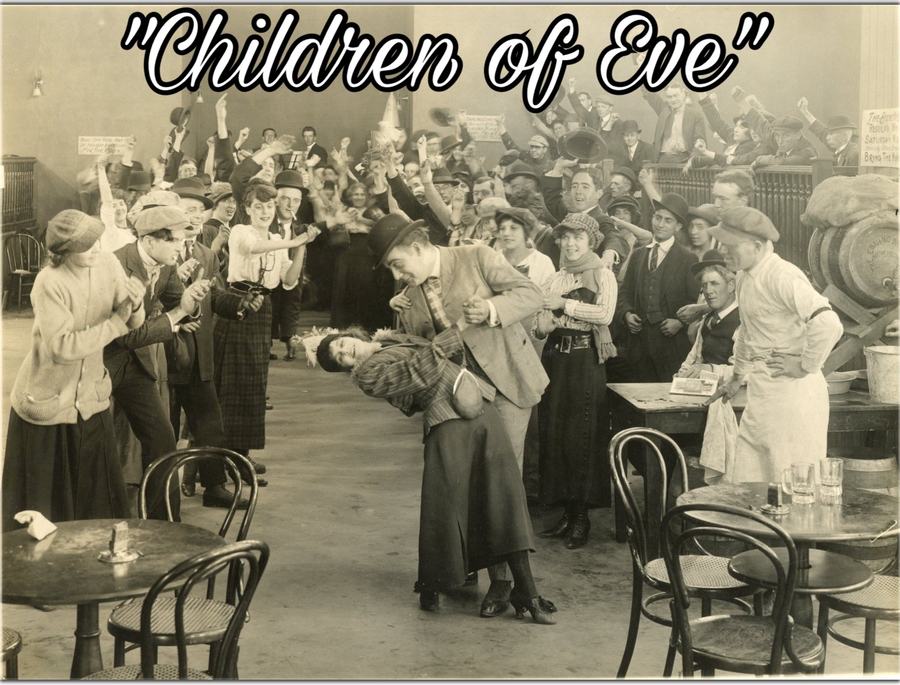
Dir: John H. Collins
Young Henry Clay Madison, a clerk, falls in love with Flossy Wilson, a prostitute from New York's East Side. Although she reforms under his influence, Flossy believes that she is unworthy of Madison and rejects his marriage proposal. Seventeen years later, Madison's nephew Bert, a social worker, falls in love with wanton Fifty-Fifty Mamie, reforms her and elicits her help in his work. Bert falls ill, and when Mamie tries to visit him, Madison, who now is concerned only with money, convinces her to give up the idea of marrying Bert. Mamie goes to work in Madison's canning factory to investigate conditions. In addition to employing children, Madison's factory has no fire escape and only one staircase, which catches fire, many children die and Mamie is seriously injured. Madison visits Mamie, who cries Bert's name in delirium. When Madison brings Bert, now recovered, Madison notices a photograph of Flossy, Mamie's mother and realizes that Mamie is his daughter. She dies in Bert's arms, and Madison resolves to toil for the welfare of workers and the end of child slavery.
View Details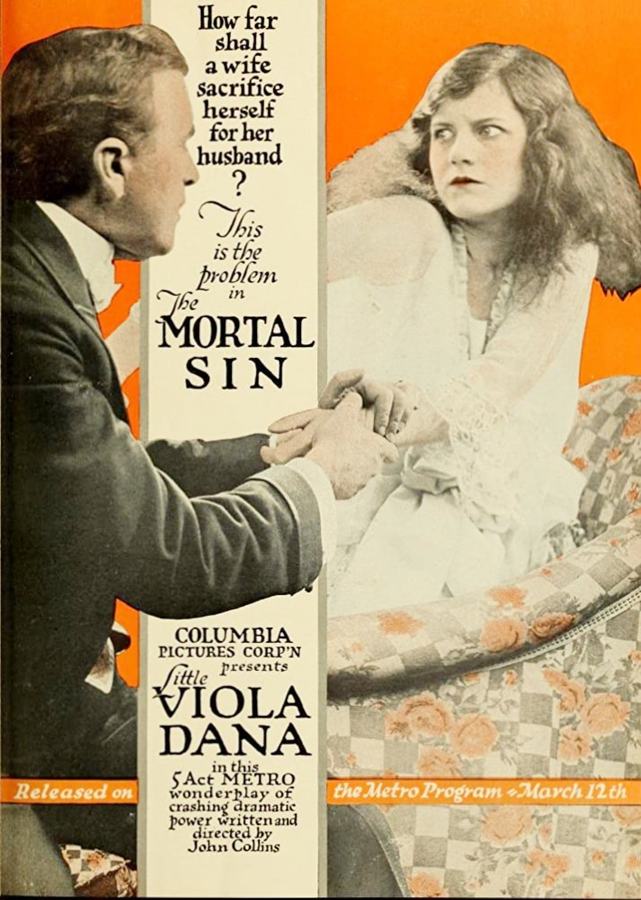
Dir: John H. Collins
George Anderson, a struggling author, works in the daytime as a clerk in the office of Emmet Standish, the publisher, and at night writes on his novel, "The Mortal Sin." "The Mortal Sin" deals with a wife's sacrifice of her honor in order to enable her sick husband to go to a western sanitarium to ward of the tuberculosis which threatens him. The husband, returning unexpectedly, learns the truth, but forgives his wife when he realizes that her sacrifice was made for him. Anderson plods on at his writing. His wife worries over his weakened condition. The doctor tells him that a trip to the west is the only thing that will save him. Worrying over this, he continues to work feverishly, but he collapses, and is obliged to leave at once. In order to make both ends meet, since he has saved only enough to pay his railroad fare, Jane goes to take her husband's place in Standish's office. The publisher is considerate of her, and she is encouraged to show him her husband's novel and ask him to publish it. Standish says that it is untrue to life, since no man would forgive his wife for having been unfaithful to him, no matter what her motive. Standish refuses to publish the novel, but tells Jane that she need not depend on the sale of her husband's book for money. In anger she leaves his employ. She tries to place the novel with other publishers, but fails, and poses for Rambeau, the artist, for his painting of the Madonna. When the work is over she takes refuge in a cheap lodging house where Standish finds her. Letters from her husband indicate that he is in actual need. He is too ill to do any work, and thinking that Jane is still in Standish's employ, he appeals to her for money. She makes a bargain with Standish. She will go with him to his home if he will accept her husband's novel. He accepts and Jane changes the ending of the book in order to make it salable. The husband of the story, returning, kills his unfaithful wife. The book is printed and has a phenomenal sale, and Jane sends regular remittances to her husband. Another publishing house make Anderson an offer for his next novel, and having regained his health he decides to return east and give his wife a surprise. He goes to the address she has given and asks for Mrs. Anderson. The maid says she knows no Mrs. Anderson, but that Mrs. Standish is at home. Suspicious, Anderson hides and watches developments. Standish returns from his club to escort Jane to a party, but she asks to be excused. He rebukes her and leaves the room angrily. Anderson leaps from his hiding place and upbraids his wife for her infidelity. She tells him that her desire to aid him has been her only motive, and that she still loves him. Anderson will not listen to her pleadings, but rushes forward, grapples with her and deliberately chokes her to death in cold blood. Anderson is led away to a cell, tried and sentenced to die. As he is being led to the death house the chaplain shakes and arouses him, and Anderson, waking up, sees his wife bending over him. He has been asleep and incidents connected with "The Mortal Sin" have woven themselves into his dreams. He puts away the novel, promising Jane to conserve his health in the future so that no such events as those contained in his dream can come to pass.
View Details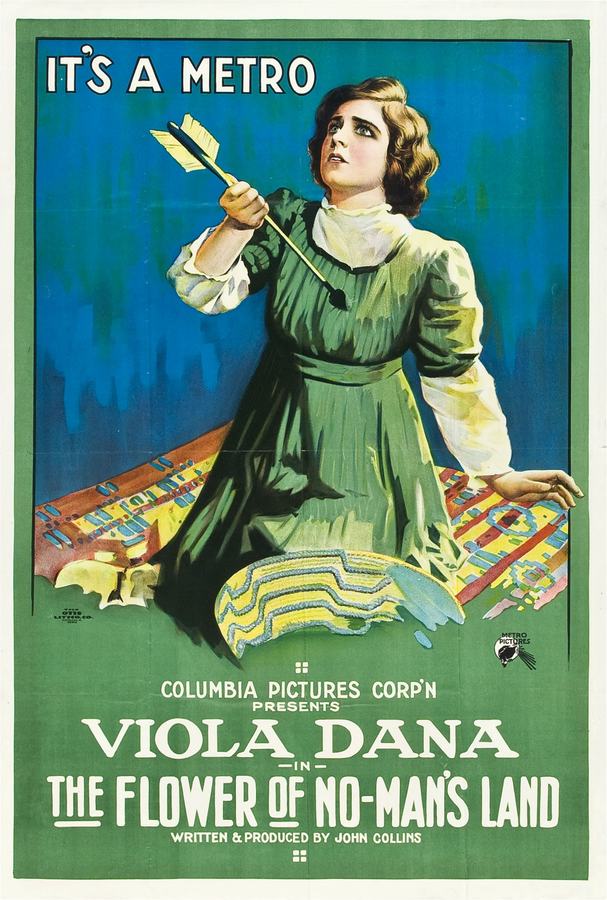
Dir: John H. Collins
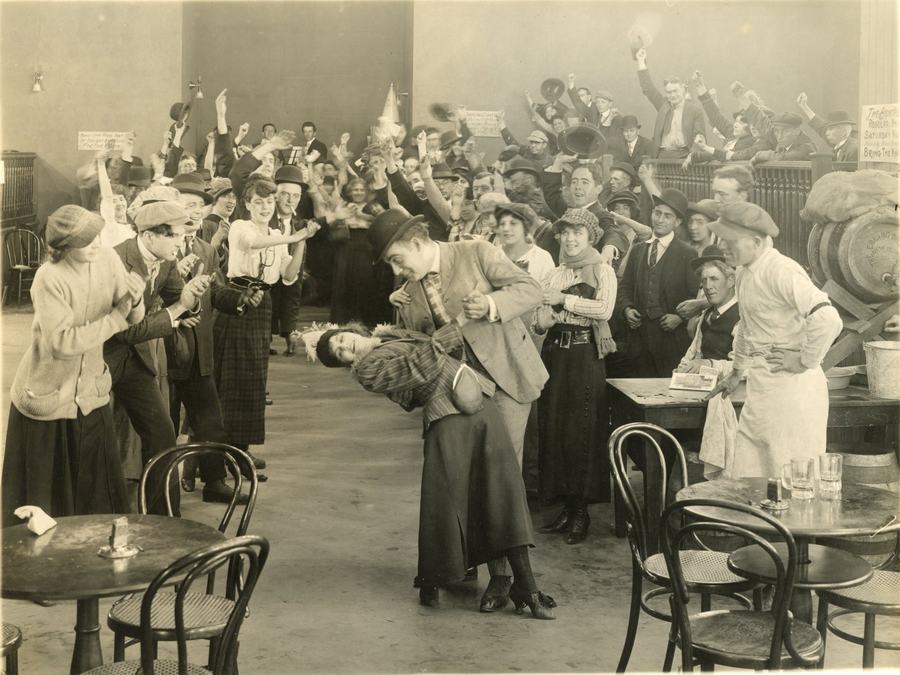
Echo, the orphaned "flower of no man's land," has been raised by an Indian foster father, Kahoma. Then, when opera singer Roy Talbot goes West to recover his health, Echo falls instantly in love and forgets all about Big Bill, her cowboy sweetheart. Roy marries Echo and takes her back East, but soon after returning to his adoring public, he loses all interest in her. Finally, Echo leaves Roy and goes back to the wilderness, where she discovers that Roy had already been married when they met and had deserted his wife years before. For so deceiving his adopted daughter, Kahoma tracks Roy down and kills him, while Echo forgets about her big-city unhappiness and returns to Big Bill, with whom she makes plans to marry.
View Details
Dir: John H. Collins
Krishna Dhwaj, the son of the Maharajah of Rhamput, is in love with Lakshima, the daughter of the Maharajah of Bhartari, but their fathers will not allow them to marry. Krishna is then sent to Harvard to get an American education. Lakshima, determined to kill herself when her father orders her to marry an old man, jumps into the ocean. She does not drown, however, but is rescued by George Morling, a Bostonian, who smuggles her on board his ship dressed in boy's clothing. George, the son of a minister, is engaged to a proper Bostonian woman. Although he has not behaved improperly, George fears that his fiancé and her father will not understand the situation, and so he hides Lakshima in a trunk. Once back in Boston, George's fiancé discovers Lakshima and is horrified, but after several misunderstandings, George and his fiancé are reconciled, and Lakshima is able to find and marry her Indian sweetheart Krishna.
View Details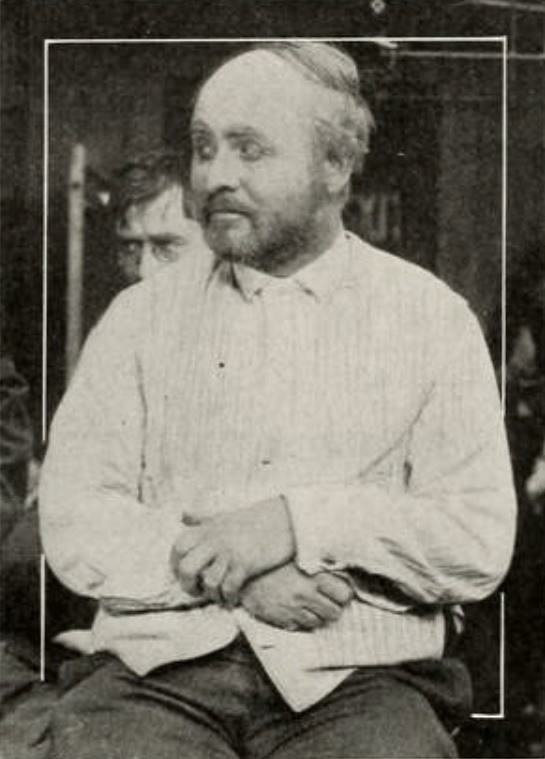
Dir: John H. Collins
President of the Buttonhole Makers' Union Abe Cohen, loses his job in Sam Blumenthal's East Side sweatshop when he endorses Timothy Murphy for alderman over Steve O'Roque, to whom Blumenthal is indebted. After Murphy helps Cohen start a kosher restaurant, Cohen learns that he and his former co-worker, Kitty McGee, won $10,000 in the lottery. He gives free meals to his customers, but when Kitty discovers that her purse containing half of the ticket was stolen, Cohen clears the "loafers" out. Cohen's daughter Minnie, in love with Blumenthal, secretly marries him, but Blumenthal, already married although separated from his wife, keeps Minnie's ring and their marriage certificate. Doubting the marriage, Cohen turns Minnie out, but when Blumenthal's wife appears, and Minnie's suitor, David Moss, whom Cohen likes, finds her, the marriage is invalidated and Cohen reconciles with his daughter. Mixing with the underworld, Cohen outwits the thief who stole Kitty's ticket. Despite a flood coming down from the apartment above, the ensuing celebration marks Minnie and David's engagement.
View Details
Dir: John H. Collins
Norton Burbeck, a young man in line for a large inheritance, is in love with the beautiful Beatrice Gaden. What he doesn't know is that she is conspiring with Norton's cousin Howard to swindle Norton out of the inheritance. Norton, however, has an ace up his sleeve that Beatrice and Howard don't know about.
View Details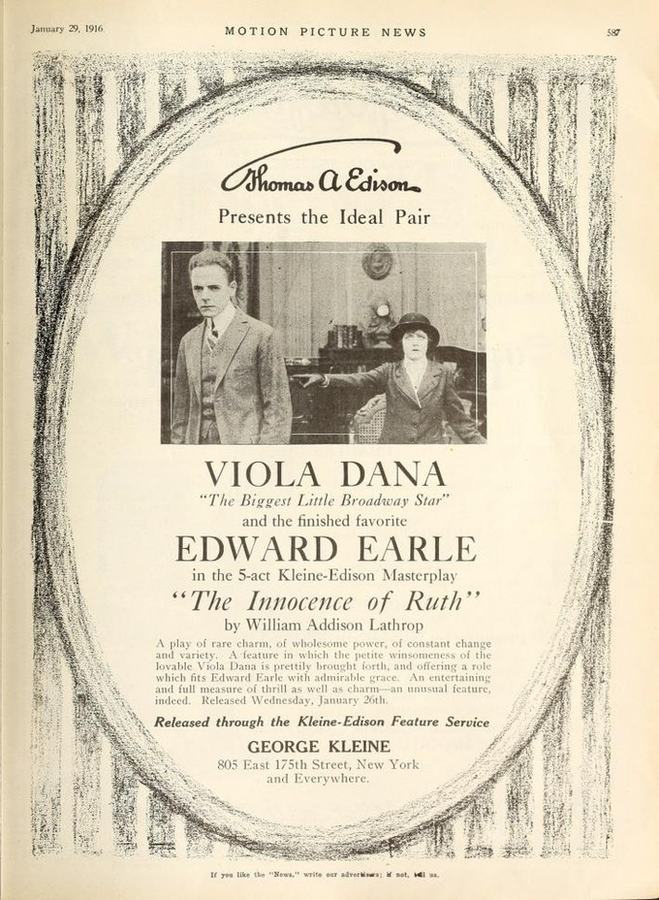
Dir: John H. Collins
Jimmy Carter, a millionaire, leading an idle, indulgent life, gets an urgent message from his friend, Reginald Travers. Travers, who is dying, has been ruined in the stock market by Mortimer Reynolds, and penniless, he leaves his little daughter in care of Carter, who promises faithfully to look after her. After the death of Travers, Carter takes Ruth to his luxurious home and gives her to the motherly care of Mrs. Jenkins, his housekeeper, Mortimer Reynolds, anxious to add Ruth to his list of unfortunates, instructs his mistress, Edna Morris, to make her acquaintance and to gain her confidence. Carter and Reynolds become bitter enemies because of Reynold's sarcastic reflections on the relationship between Carter and Ruth. As time passes, Ruth, by her winsomeness and innocence gradually changes Carter's mode of life. He no longer feels an interest in the gay life of former days, and even loses his taste for the morning nip. Unconsciously, Ruth is transforming his sympathetic dutiful interest in her to love. In a moment of ecstasy he crushes her in his arms. At the Charity Ball, where Ruth is taking part in a tableau, she meets Edna Morris. Fearful of Reynold's wrath should she fail, the unhappy girl works her way into the graces of Ruth. Carter sees this and immediately takes Ruth home, refusing to explain his conduct to her. Meeting Ruth in the park the following day, Edna denounces Carter for his action of the previous evening, "Why should he object to me, pray? Everybody knows that your father didn't leave you a penny, and that you are living on the, shall I say, generosity, of Mr. Carter." Stunned by the revelation that she is looked upon as Carter's mistress, the impetuous little girl rushes to the house, and in a burst of fury, screams her hatred of Carter. In the still of the night, she makes her way out of the house to Edna's apartment. It is here that Reynolds finds her. Impelled by a fiendish lust, he forces her to partake of his wines, and slowly they begin to work their effect. Carter, who, in desperation, has been searching for her, finds her in the apartment, stupefied and disheveled. Disgusted and heartsore, he looks upon her contemptuously and leaves, feeling that she has gone the way of Edna. Mrs. Morris, Edna's mother, prompted by a subconscious feeling that all is not well with her child, comes to the house from her little cottage in the country. She takes both penitents back home with her, hoping that they may forget and begin life anew. Meanwhile, Reynolds, whose financial affairs have taken a turn for the worse, and who is being sought by the police for forgery, attempts to make his escape. He is caught by the police and so made to pay for the misery and misfortune which he has brought upon others. Miserable and despairing because Carter has mistaken her, Ruth can find no peace. But Edna, she who has dragged her to darkness and degradation, succeeds in lifting her once more to the light of hope. The once impetuous Ruth is again folded in the arms of Carter, knowing that there only will she find eternal happiness and peace of soul.
View DetailsAnalysis relative to Gladiola
| Film Title | Atmosphere | Complexity | Similarity |
|---|---|---|---|
| Aladdin's Other Lamp | Gothic | Linear | 92% Match |
| Blue Jeans | Surreal | Layered | 98% Match |
| Rosie O'Grady | Surreal | Abstract | 95% Match |
| Children of Eve | Ethereal | Abstract | 88% Match |
| The Mortal Sin | Tense | Dense | 88% Match |
This guide was algorithmically generated using the cinematic metadata of John H. Collins's archive. Last updated: 6/21/2026.
Back to Gladiola Details →