Summary
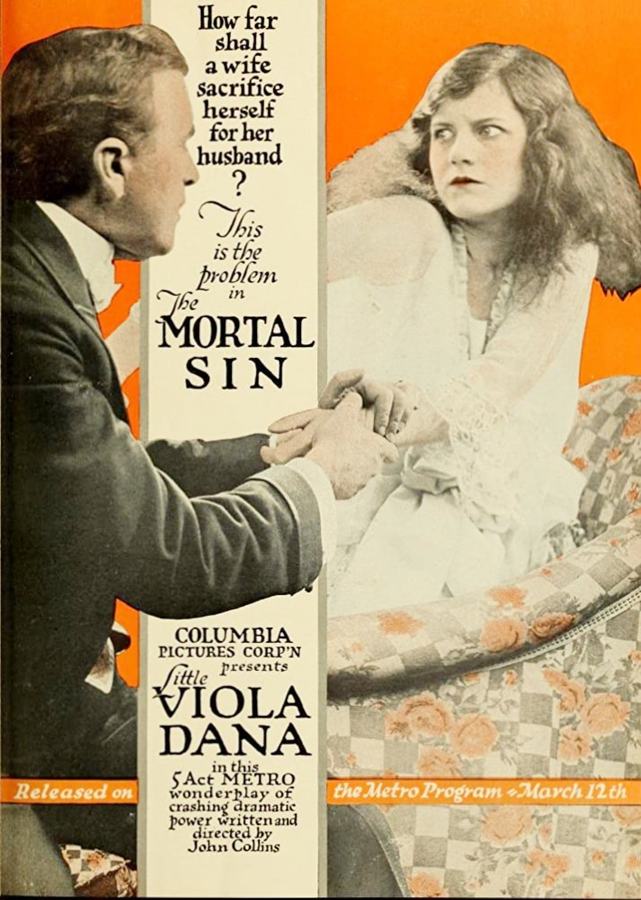
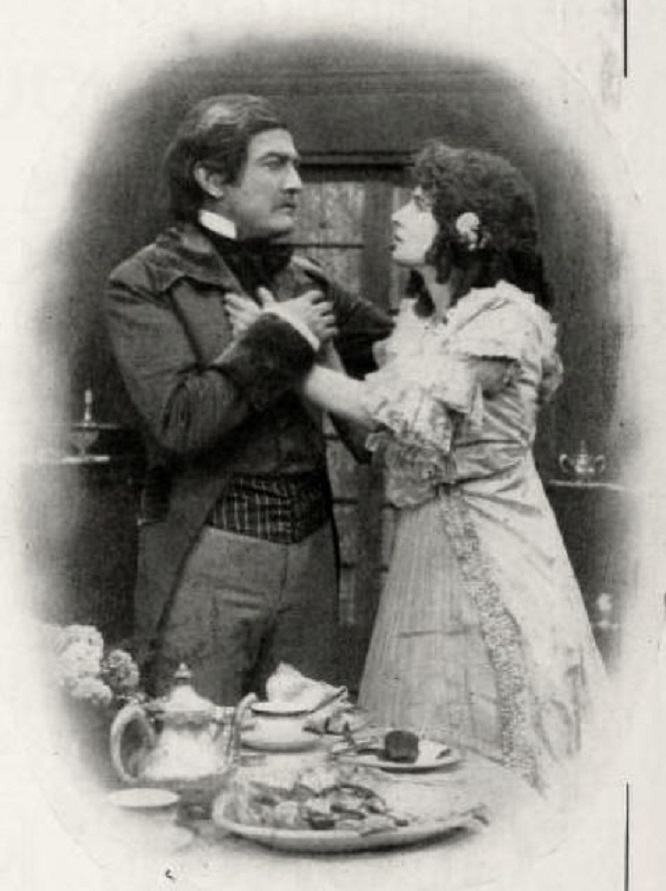
George Anderson, a writer teetering on the precipice of both literary ambition and physical collapse, dedicates his nights to crafting “The Mortal Sin,” a novel exploring a wife's profound sacrifice of her honor to save her tuberculosis-stricken husband, only for him to return, discover her truth, and, remarkably, forgive her. By day, George endures the drudgery of a clerkship for the cynical publisher Emmet Standish, a man whose worldview is antithetical to the very ethos of Anderson’s narrative. As George's health rapidly deteriorates, mirroring the plight of his fictional protagonist, a doctor's stark diagnosis — a restorative trip west or certain demise — casts a grim shadow over his impoverished existence. His devoted wife, Jane, steps into the breach, replacing him in Standish’s office, a desperate measure to sustain them. Encouraged by Standish’s initial, deceptive amiability, Jane dares to present her husband’s manuscript, only to be met with the publisher’s brutal dismissal of its core premise as “untrue to life,” a cynical assertion that no man would ever forgive such a transgression. He rejects the novel, offering Jane a more insidious form of patronage. Spurned and enraged, Jane quits, embarking on a fruitless quest to find another publisher, eventually resorting to posing for the artist Rambeau as the Madonna, a stark irony given her escalating moral compromises. Destitute and receiving increasingly desperate letters from her ailing husband in the west, Jane is cornered by Standish. In a harrowing pact, she agrees to become his mistress if he will publish George’s novel. To make the story palatable to Standish’s jaded sensibility and the public's appetite for conventional retribution, Jane agonizingly alters the ending: the returning husband, rather than forgiving, brutally murders his 'unfaithful' wife. The revised novel becomes a runaway success, funding George’s recovery and enabling his unexpected return, a man transformed, healthy and eager to surprise his wife. His arrival at the address Jane provided, however, leads him to Standish’s opulent home, where he learns of a ‘Mrs. Standish.’ Consumed by suspicion, George hides, witnessing Standish’s possessive demeanor towards Jane. Confronting her, George, blinded by rage and convinced of her infidelity, refuses to hear her desperate pleas of sacrifice and enduring love. In a chilling echo of the novel’s tragic climax, he chokes her to death. The narrative then shatters, revealing this entire harrowing descent into betrayal, murder, and impending execution to be a feverish dream, a nightmarish projection of George’s anxieties about his novel, his health, and his wife’s potential sacrifices. Waking to Jane’s worried gaze, George renounces his morbid manuscript, vowing to prioritize his health, thereby preempting the very 'mortal sins' his subconscious had so vividly conjured.
Synopsis
George Anderson, a struggling author, works in the daytime as a clerk in the office of Emmet Standish, the publisher, and at night writes on his novel, "The Mortal Sin." "The Mortal Sin" deals with a wife's sacrifice of her honor in order to enable her sick husband to go to a western sanitarium to ward of the tuberculosis which threatens him. The husband, returning unexpectedly, learns the truth, but forgives his wife when he realizes that her sacrifice was made for him. Anderson plods on at his writing. His wife worries over his weakened condition. The doctor tells him that a trip to the west is the only thing that will save him. Worrying over this, he continues to work feverishly, but he collapses, and is obliged to leave at once. In order to make both ends meet, since he has saved only enough to pay his railroad fare, Jane goes to take her husband's place in Standish's office. The publisher is considerate of her, and she is encouraged to show him her husband's novel and ask him to publish it. Standish says that it is untrue to life, since no man would forgive his wife for having been unfaithful to him, no matter what her motive. Standish refuses to publish the novel, but tells Jane that she need not depend on the sale of her husband's book for money. In anger she leaves his employ. She tries to place the novel with other publishers, but fails, and poses for Rambeau, the artist, for his painting of the Madonna. When the work is over she takes refuge in a cheap lodging house where Standish finds her. Letters from her husband indicate that he is in actual need. He is too ill to do any work, and thinking that Jane is still in Standish's employ, he appeals to her for money. She makes a bargain with Standish. She will go with him to his home if he will accept her husband's novel. He accepts and Jane changes the ending of the book in order to make it salable. The husband of the story, returning, kills his unfaithful wife. The book is printed and has a phenomenal sale, and Jane sends regular remittances to her husband. Another publishing house make Anderson an offer for his next novel, and having regained his health he decides to return east and give his wife a surprise. He goes to the address she has given and asks for Mrs. Anderson. The maid says she knows no Mrs. Anderson, but that Mrs. Standish is at home. Suspicious, Anderson hides and watches developments. Standish returns from his club to escort Jane to a party, but she asks to be excused. He rebukes her and leaves the room angrily. Anderson leaps from his hiding place and upbraids his wife for her infidelity. She tells him that her desire to aid him has been her only motive, and that she still loves him. Anderson will not listen to her pleadings, but rushes forward, grapples with her and deliberately chokes her to death in cold blood. Anderson is led away to a cell, tried and sentenced to die. As he is being led to the death house the chaplain shakes and arouses him, and Anderson, waking up, sees his wife bending over him. He has been asleep and incidents connected with "The Mortal Sin" have woven themselves into his dreams. He puts away the novel, promising Jane to conserve his health in the future so that no such events as those contained in his dream can come to pass.
Review Excerpt
"
"The Mortal Sin" unfurls not merely as a melodrama of its era, but as a surprisingly sophisticated psychological drama, a chilling premonition woven into the fabric of a struggling artist's tormented subconscious. It’s a film that dares to explore the perilous intersection of creative ambition, marital devotion, and the brutal realities of societal judgment, all wrapped within a meta-narrative structure that elevates it beyond a simple tale of woe. Far from a straightforward morali..."