
DbcultAccessing Vault...
Recommendations
Senior Film Conservator
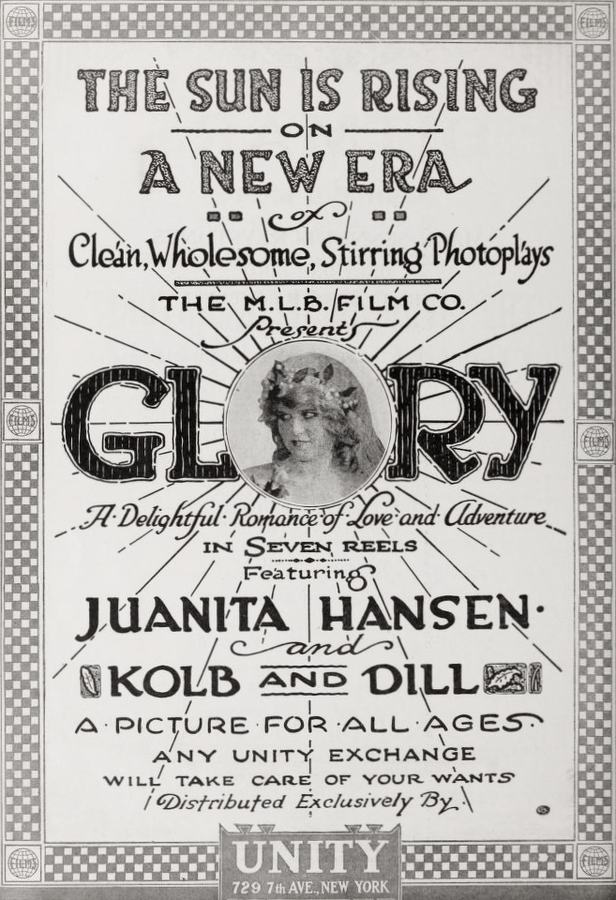
Exploring the cinematic excellence in Glory is a journey into United States cinema, the thematic layers of this 1917 classic invite a wider exploration of the genre. If the cast impressed you, these next recommendations will too.
With Francis J. Grandon at the helm, Glory became to reinvent the tropes of cult cinema for a global audience.
The story opens in the office of an oil company. The president received a letter from a friend notifying him there is oil in the town of Glory. He forms a dummy railroad company and sends a representative to Glory to get rights to the property by promising that the dummy company will establish a station at Glory. While getting the rights to the property, the oil representative goes through what he supposes a fake marriage with the postmistress of the village. Time passes and the postmistress leaves the village for a neighboring town, where she gives birth to a child. Unable to support the child, she brings the baby to the village hotel run by two Germans, and, under cover of darkness, leaves the baby there. The baby is adopted by the village, named Glory Glory, and brought up by the two Germans. In the meantime the mother has made her way to the city and drops from exhaustion in front of the president of the oil company's house, when she is picked up and carried in. Upon examination by the doctor he finds the fall has caused her to lose her memory. The president is a widower and upon the woman's recovery decides to have her stay as governess and bring up his young son. Several years pass by and both Glory and the president's son are grown up. They accidentally meet and fall in love. The oil company decides to take possession of the property at Glory and then a fight ensues, the son taking sides with the girl he loves and her people. During the lapse of years the man who put through the original deal for the oil company and who married the postmistress has risen to be a judge. The case is brought before him and he dismissed the charges of the citizens of Glory. The son decides to assist and steals the papers relative to the case. The judge and president of the company finally decide to make restitution. The marriage is found to be legal. The people get the oil property back, and Glory is happy with her sweetheart.
Glory was a significant production in United States, bringing a unique perspective to the global stage. It continues to be a top recommendation for anyone studying cult history.
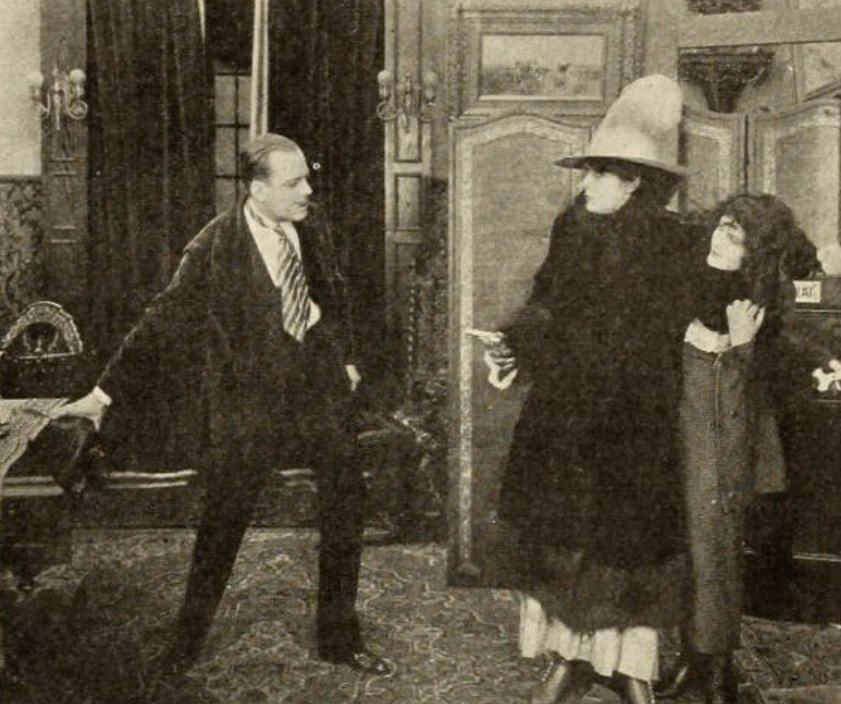
Based on the unique cinematic excellence of Glory, our vault has identified these titles as the most compelling follow-up experiences for fans of cult cinema:
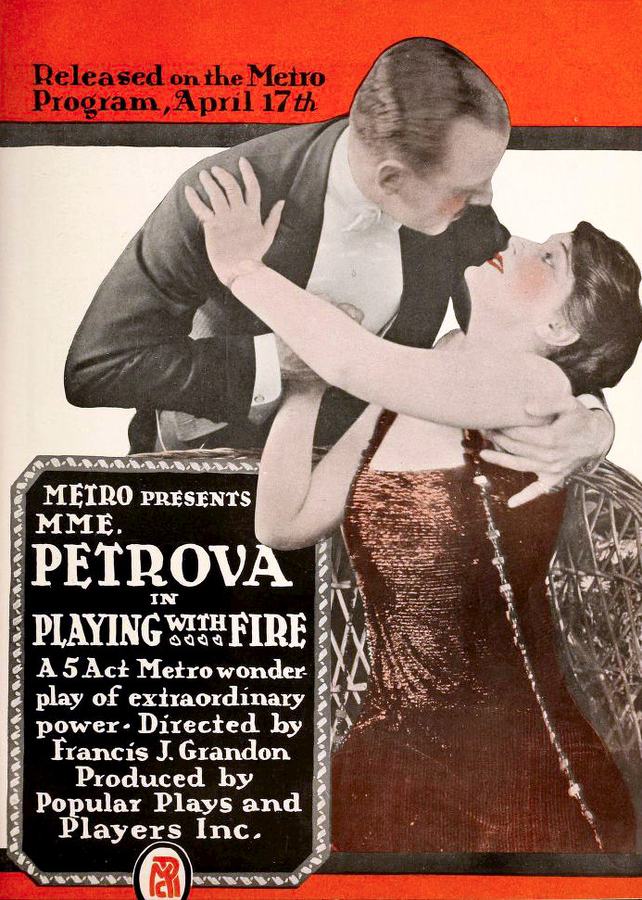
Dir: Francis J. Grandon
Jean Servian's eyesight is failing and is desperate for money, marries wealthy widower Geoffrey Vane after telling him that he must be satisfied with her gratitude rather than her love. Then, following an affair with artist Philip Derblay, who finally leaves her, Jean settles down to a quiet, boring life with Geoffrey, who knows nothing about her failed romance. Years later, however, after Lucille, Geoffrey's daughter by his first wife, becomes engaged to Philip, Jean feels compelled to tell the story of her own affair with him. The disclosure has little effect as Lucille makes no change in her wedding plans, but then, when she breaks in on a violent argument between Philip and Lucille, Jean accidentally shoots and kills her former lover. A trial results in her acquittal, however, after which Jean realizes that she really does love Geoffrey, who easily forgives his wife for her past indiscretion.
View Details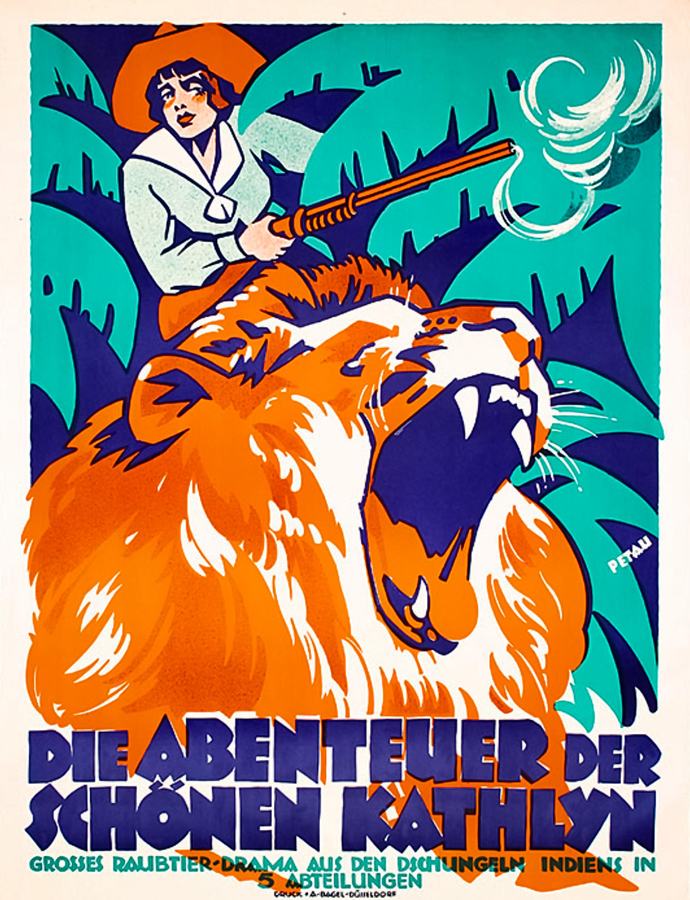
Dir: Francis J. Grandon
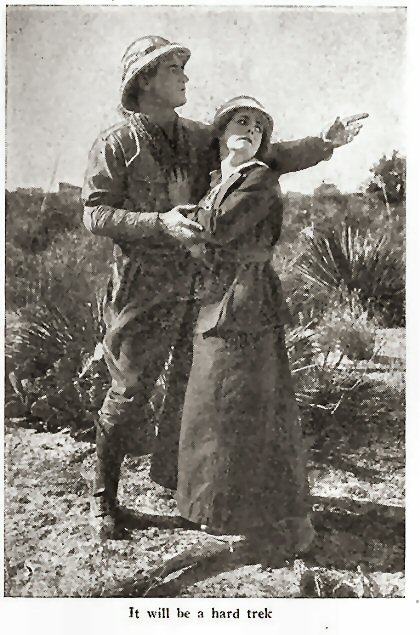
Feature version of the thirteen episode serial, _Adventures of Kathlyn, The (1913)_, released three years earlier.
View Details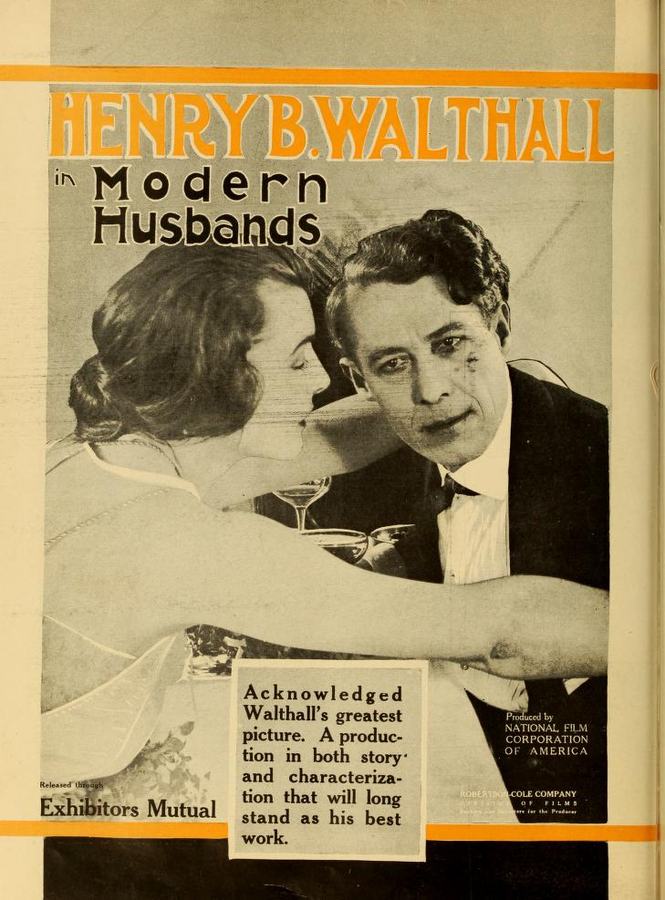
Dir: Francis J. Grandon
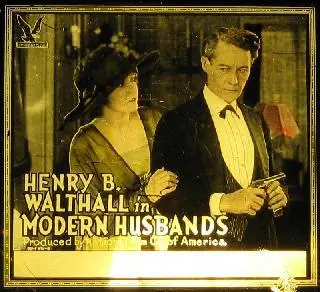
When wealthy Wall Street stockbroker Stephen Duane neglects his wife Julia for business, she consorts with philanderer Bert Brockwell. Finding them in an embrace forced by Brockwell, Stephen denounces Julia and leaves. After losing his fortune in the market, Stephen refuses Julia's offer to sell her jewels, and stays away for one year, while she opens a successful millinery store and has a baby. Despondent, Stephen decides to shoot himself, but when he hazily imagines Julia entering and catching his dead body, he drops the gun and decides to renew his life. After Jonathan Cosgrove, a friend, gives him $5,000 and a room in his home, Stephen discovers Brockwell in Mrs. Cosgrove's bedroom, forcing himself on her. Stephen hurls Brockwell through the window and then, to save Mrs. Cosgrove's reputation, allows Jonathan to think that he is the guilty party. After Mrs. Cosgrove discovers that Brockwell is a forger, she confesses to Jonathan, and arranges a meeting between Stephen and his wife and son that ends happily.
View Details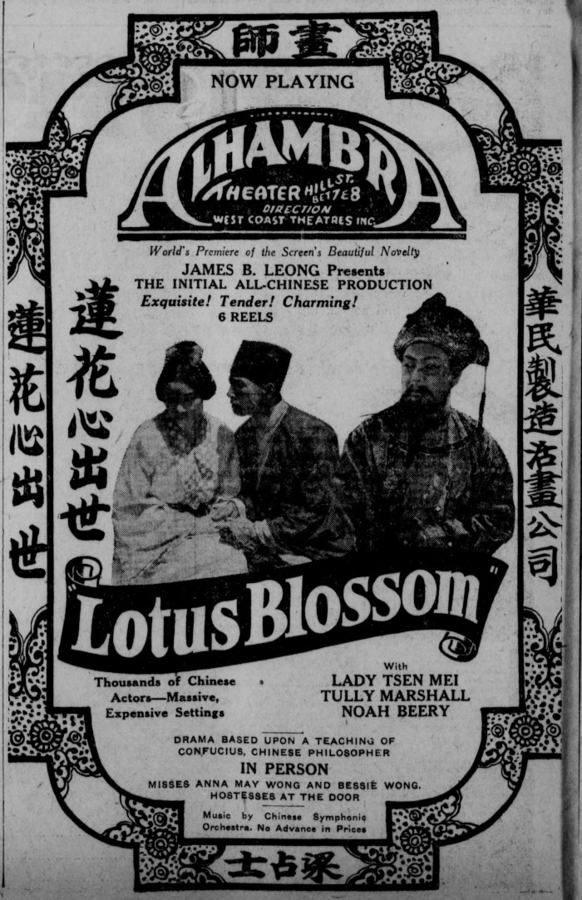
Dir: Francis J. Grandon
The inventor of the first clock, which would eliminate the use of the village's sacred bell, is sentenced to life imprisonment by the Emperor, but escapes his fate by hiding with a father and his daughter.
View Details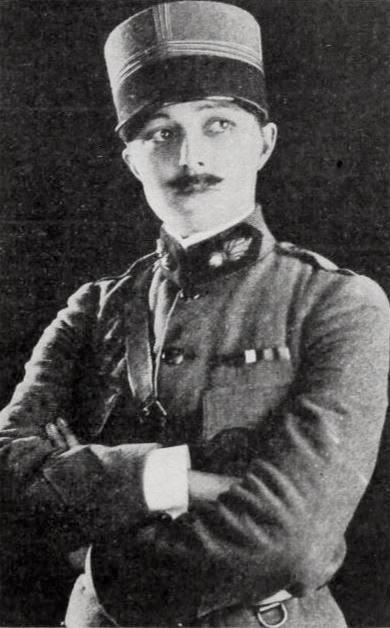
Dir: Francis J. Grandon
When Roberta Carruthers' father, Capt. Carruthers, is killed in France during the war, she comes to live in the US with her uncle. When she finds out that her uncle is under the impression that his brother had a son and not a daughter, she decides to disguise herself as a male, and calls herself Bob. She becomes a translator for William Faulkner, the governor of the state, and in that capacity exposes a number of German spies. However, Gov. Faulkner manages to meet "Roberta" as a woman, not knowing that she is actually "Bob", his translator--and falls in love with her. Complications ensue.
View Details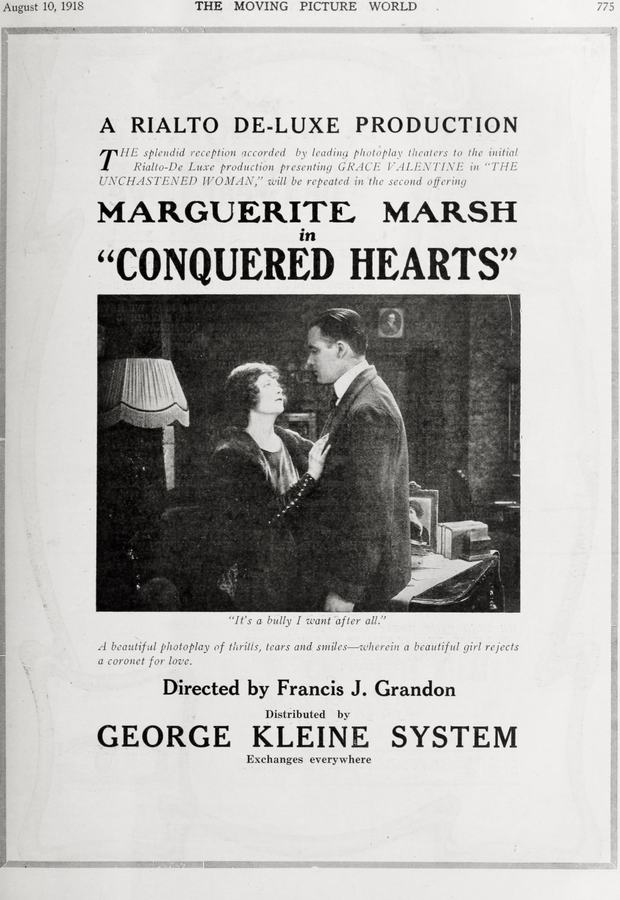
Dir: Francis J. Grandon
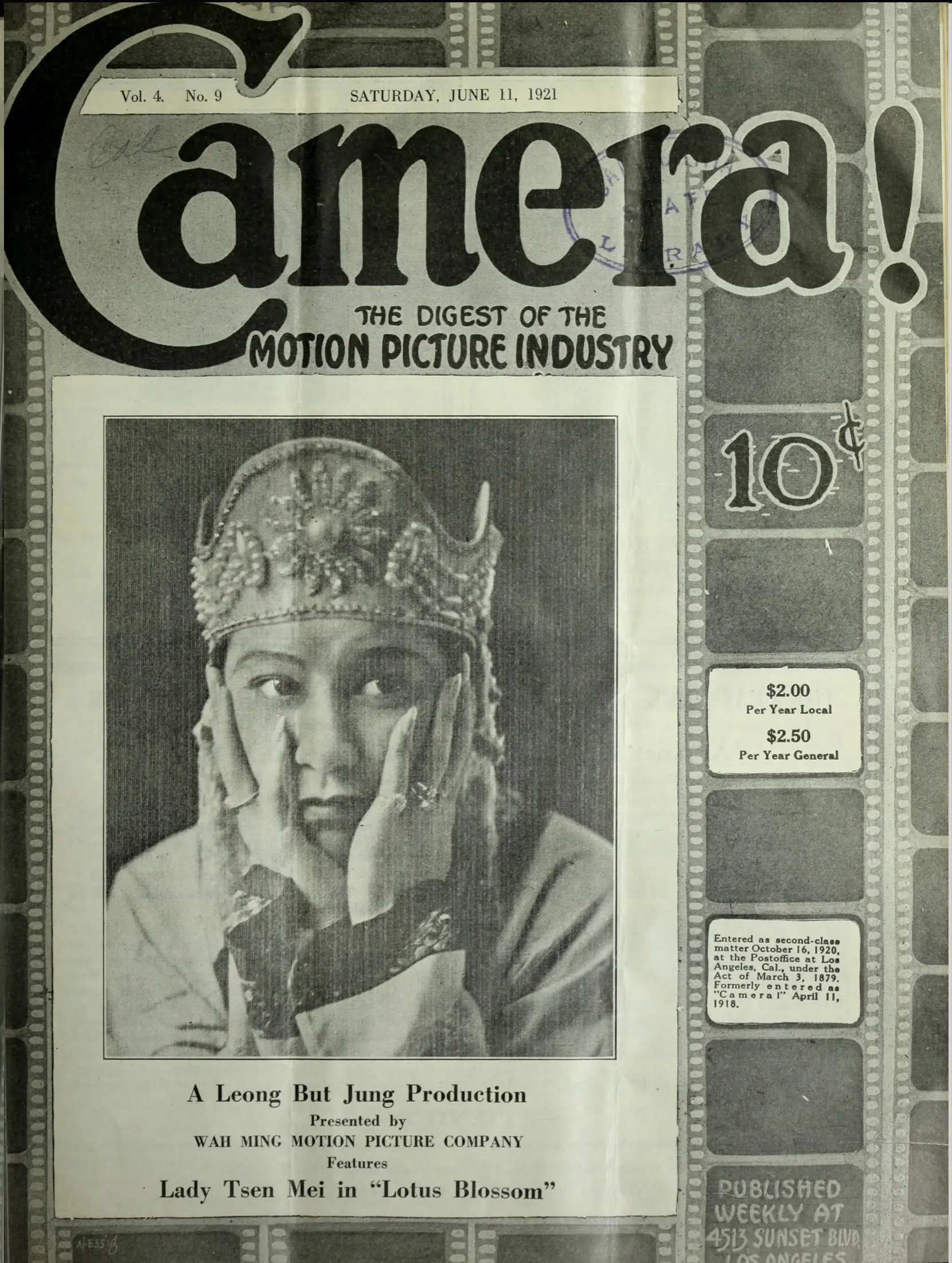
Nora, a girl of the lower East Side of New York City, marries a rising ward politician. A child is born. They are happy, but the young politician is running for office against the old ward boss and has to be out every night. The wife becomes jealous of a certain woman. Nora's child dies. Things get worse for her as jealousy and the seeming neglect of her husband increase. She finally leaves him and becomes a model for a noted painter. The husband finds where she is, but makes no attempt to force her to return to him, though he still loves her. One of the artist's friends, a magnate in the motion picture business, promises her a chance. Her rise to stardom is quick. The climax of the story is a struggle between the old love and the new fame. She does not know that the politician has become a first-class lawyer. Finding that the old love and the new fame are not incompatible, she is reunited with her husband.
View Details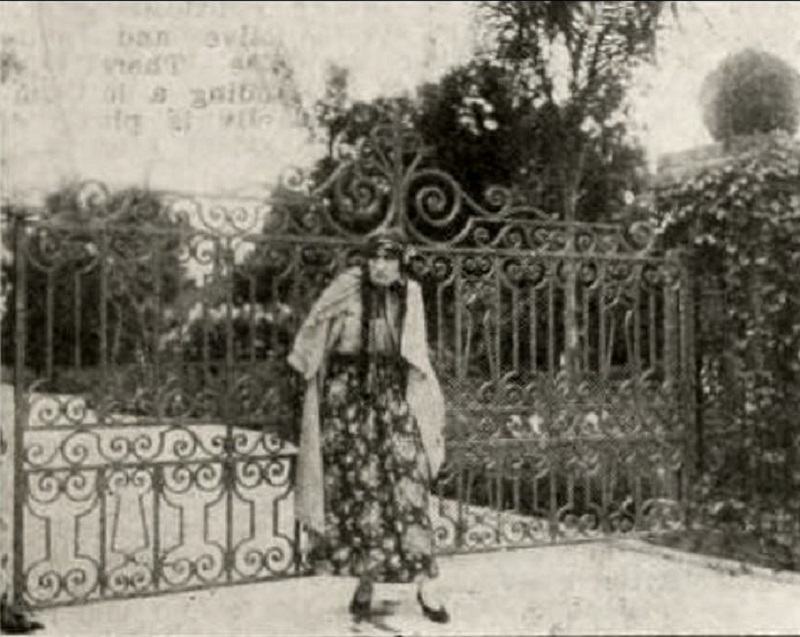
Dir: Francis J. Grandon
Strathmore, a woman hater, falls in love with "Lady" Vavasour after having reproached his friend, Bertie Errol, for his attentions to Lucille, the little farm girl. Errol, too, has trifled with the Vavasour woman and warns Strathmore that she is thoroughly bad and not really Vavasour's wife at all. They quarrel and fight a duel in which Erroll is killed. He has left a letter to Strathmore, explaining that Lucille, the daughter of exiled but noble Russians, is really his wife though he has kept the marriage secret for fear of offending his family and wealthy uncle. When the news of Errol's death is brought to her, Mrs. Errol dies of shock and Strathmore adopts and rears the daughter of this match who has been named Lucille for her mother. Lord Strathmore drives "Lady" Vavasour from society and completely exposes her, for he holds her responsible for the trouble between himself and Errol. As the years pass, Lucille grows into a beautiful girl, and when the Comte de Valdor proposes for her hand she refuses him, revealing that she loves Strathmore. Because he has killed her father, he hesitates, but in the end he marries her. "Lady" Vavasour, affected by the girl's happiness, foregoes exposing the truth of her father's death.
View Details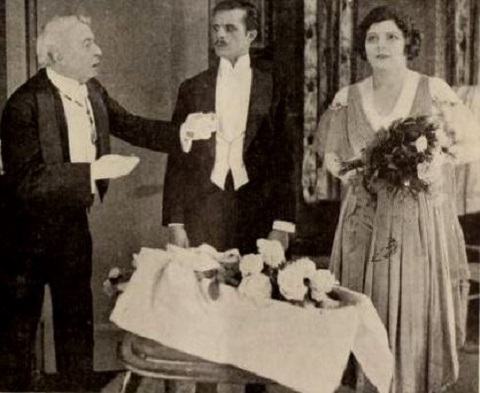
Dir: Francis J. Grandon
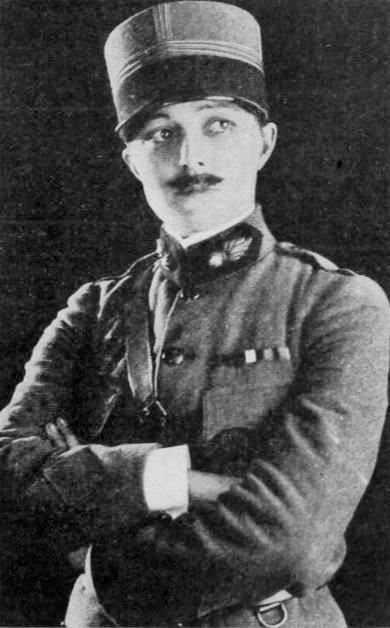
Young Polish American Sonia, whose deceased parents were famous musicians, exasperates her poverty-stricken guardian, Ivan Jandoroff, with her dreams of becoming a great violinist. When his employer, Andrew Hamilton, threatens to lower the wages at his steel mill, Ivan orders Sonia to work in the mill and then pawns her violin. Infuriated, Sonia soon learns that Andrew has purchased the instrument and visits the millionaire's home to demand its return. Upon hearing her play, Andrew offers to finance Sonia's musical education, but following her successful debut, he suggests that she offer herself to him to cancel the debt. Sonia tearfully smashes the violin and then returns to the factory, where she nurses the sick laborers through an epidemic and prevents a strike that would have ruined Andrew. Realizing his injustices to his workers and the woman he loves, Andrew promises to improve conditions at the mill and later proposes to Sonia.
View Details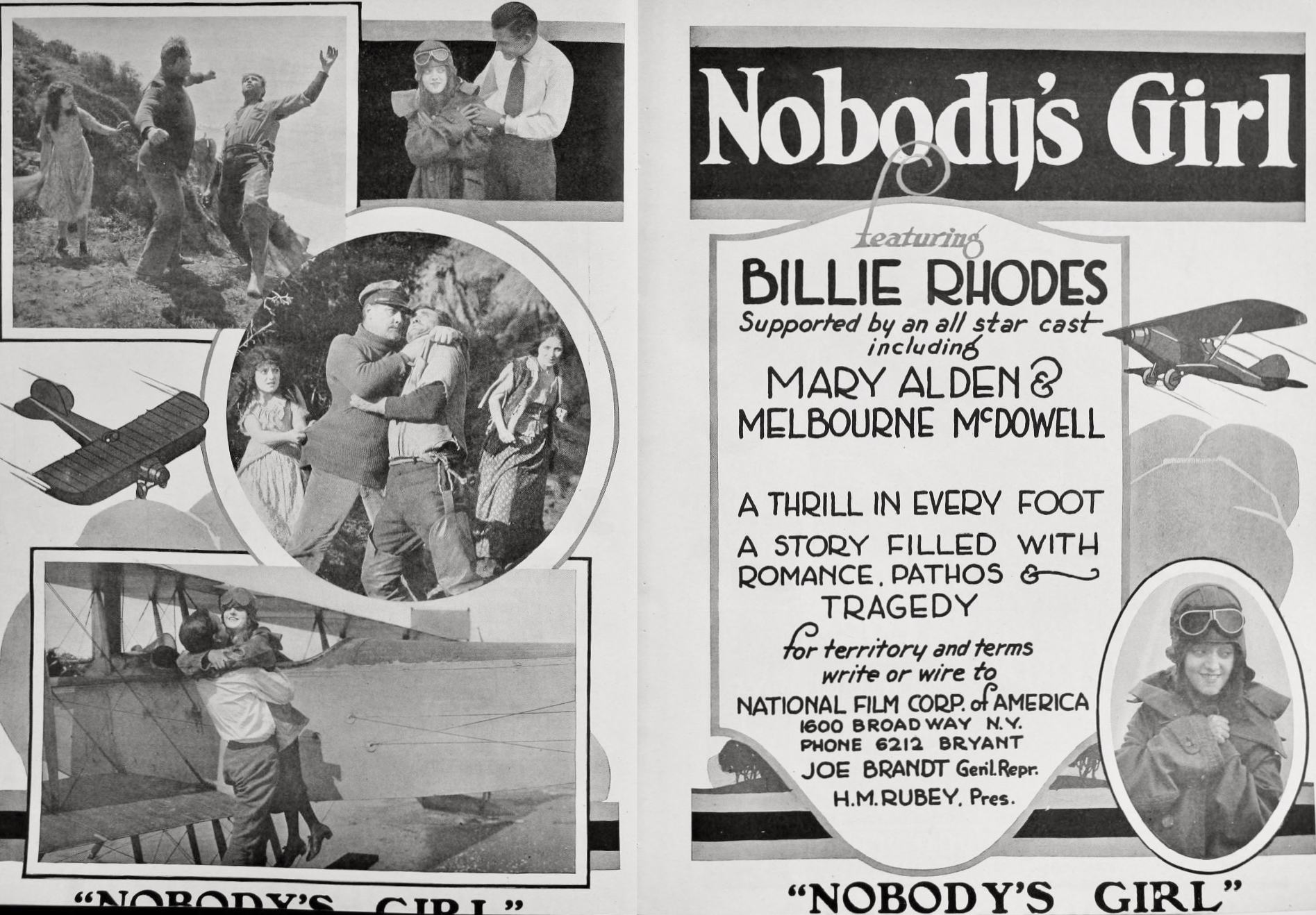
Dir: Francis J. Grandon
A raft carrying a little girl and a dead woman drifts in from a shipwreck to Devil's Island. There, a band of thieves and smugglers name the girl Rose Marie, though she grows up as "nobody's girl." Living in a cave, she learns to read through the kindness of Jason, who is soon killed by the cruel leader, Red Gull. In Red Gull's power, and urged on by Jason's jealous wife, Rose Marie makes her escape in a rowboat, where she is spotted by an aviator flying above the sea. He rescues her, taking her to be cared for at his home where she is well treated. When newspapers report a mysterious shipwreck on Devil's Island, Rose Marie reveals the way in which Red Gull lured ships to their doom there. She guides the authorities to the island, where, after a fierce battle, the thieves are wiped out. Eventually the aviator falls in love with Rose Marie, and "nobody's girl" is somebody's sweetheart at last.
View Details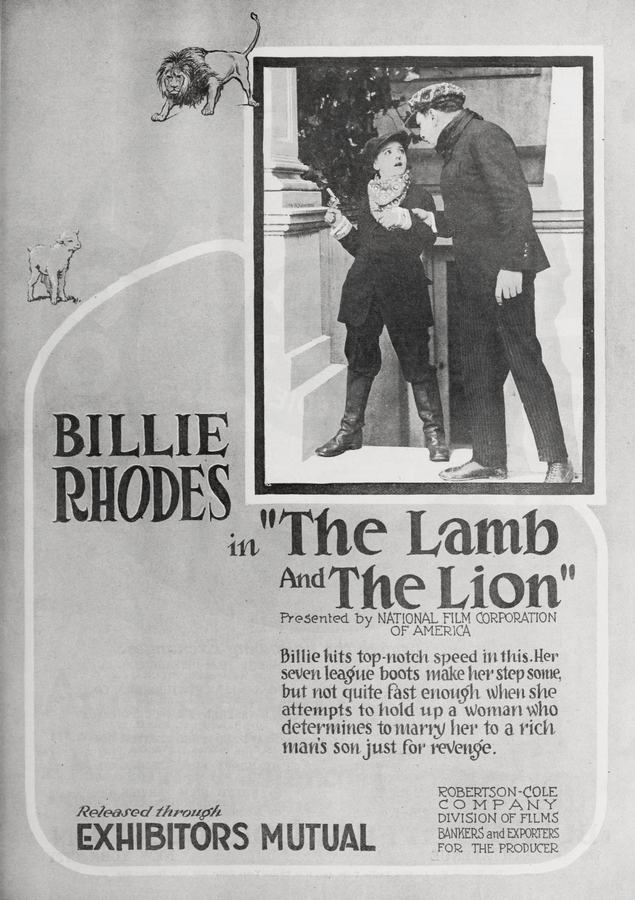
Dir: Francis J. Grandon
A girl known as "Boots," who keeps house for a band of crooks led by her kind guardian, Uncle Ben, called "The Lion," demands that she be allowed to accompany them on a burglary. Dressed in boy's clothes, Boots is caught by Mrs. Kathryn Sylvester, a rich society widow, who, upon learning that Boots is a girl, resolves to avenge herself on James Graham, who refused to marry her stating that he wanted no stain on his lineage. She raises Boots in luxury, and at the proper time, introduces her to Graham's son Donald. After Boots endures an awkward two years of study during which she still frolics with her pet pig, she and Donald fall in love. During their wedding, Mrs. Sylvester announces Boot's past to Graham, but Uncle Ben, now reformed, reveals that Boots is really the daughter of Major Richard Harvey, who is present. The happy couple then resume their wedding.
View DetailsAnalysis relative to Glory
| Film Title | Atmosphere | Complexity | Similarity |
|---|---|---|---|
| Playing with Fire | Surreal | Dense | 92% Match |
| The Adventures of Kathlyn | Surreal | Dense | 89% Match |
| Modern Husbands | Gothic | Abstract | 98% Match |
| Lotus Blossom | Gritty | Linear | 91% Match |
| The Daredevil | Ethereal | High | 90% Match |
This guide was algorithmically generated using the cinematic metadata of Francis J. Grandon's archive. Last updated: 8/17/2026.
Back to Glory Details →