
DbcultAccessing Vault...
Recommendations
Senior Film Conservator
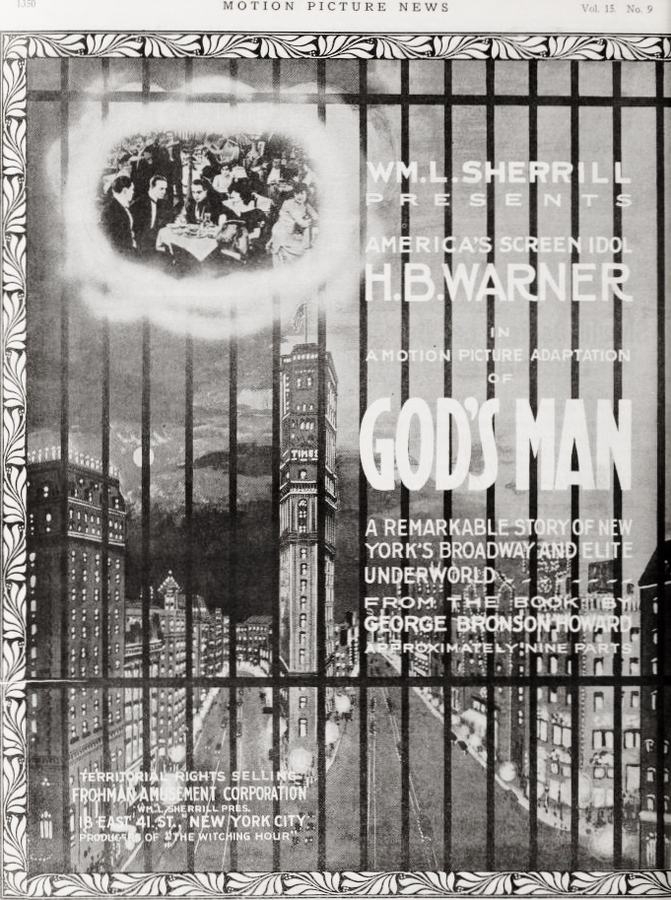
Navigating the complex narrative architecture of God's Man is a cinematic excellence experience, the emotional payoff of the 1917 classic is what fans crave in similar titles. The following gems are essential viewing for anyone captivated by God's Man.
The artistic audacity of God's Man ensures it to define the very concept of cinematic excellence in modern film.
The influence of George Irving in God's Man can be felt in the way modern cult films handle cinematic excellence. From the specific lighting choices to the pacing, this 1917 release set a high bar for atmospheric immersion.
Based on the unique cinematic excellence of God's Man, our vault has identified these titles as the most compelling follow-up experiences for fans of cult cinema:
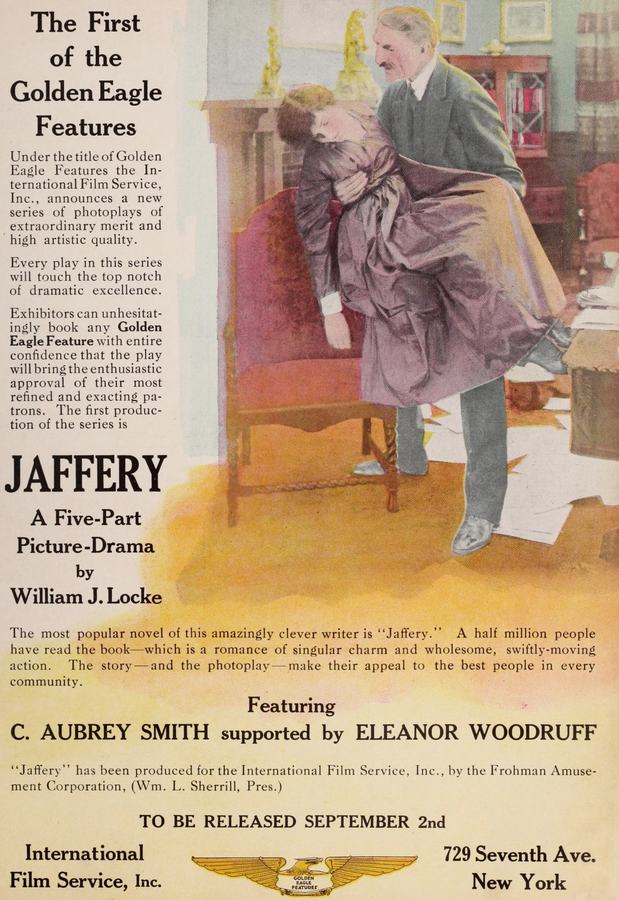
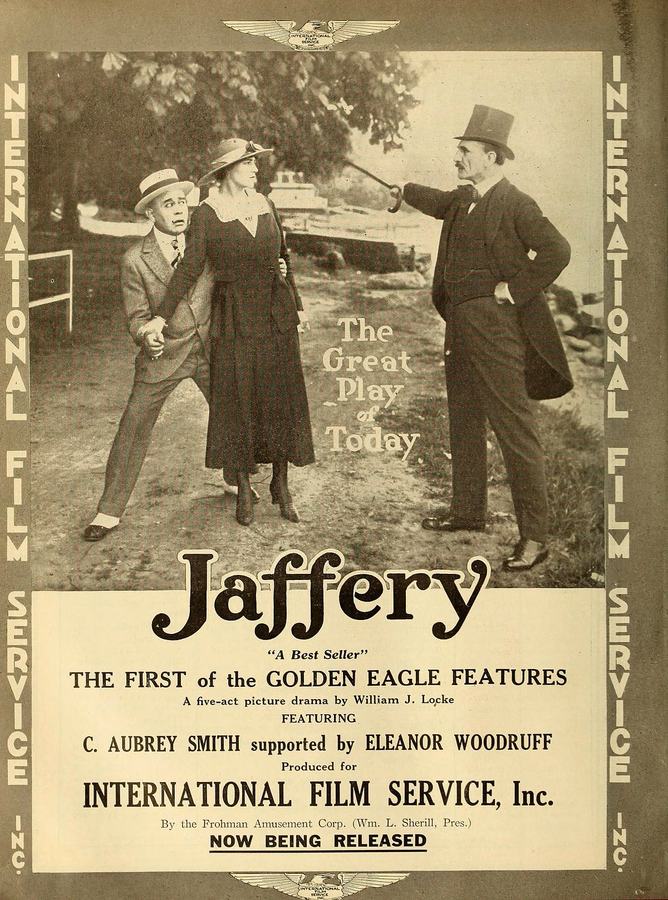
Dir: George Irving
Jaffery Chayne is the spectacular one of four chums, the others being Hilary Freeth, a literary man, Adrian Boldero, a short story writer, and Tom Castleton, a playwright. The story opens with Tom Castleton going on a voyage for his health and leaving with his friend, Adrian, the manuscript of the first novel he ever attempted. Shortly after Castleton's trip, he dies at sea and when word is received by Adrian of his friend's death, the temptation to secure the girl he loves by publishing his friend's novel and taking the money and credit from it is so strong that he succumbs and becomes the "literary lion of the hour." Jaffery returns to London with the widow of his associate, who is an Albanian chieftain's daughter, the last one of her tribe. Jaffery arrives in London with this strange woman and she is introduced into the household of Hilary Freeth and meets Jaffery's friends. Adrian brings his sweetheart, Doria, and when she is introduced to Jaffery, it is a case of love, on Jaffery's part, at first sight, he having no eyes for Liosha, the widow desperately in love with him. Doria, however, marries Adrian, supposed to be the great author, and Jaffery leaves Liosha in London and then goes on another expedition. On his return he finds Adrian dead. His love for the wife, Doria, is as strong as ever and he tenderly cares for her and takes charge of Adrian's affairs. When Jaffery and Hilary are appointed the legal executors of Adrian's estate they find the original novel in Castleton's handwriting and nothing that could be made into a second novel from the pen of Adrian. They realize that Adrian has stolen his fame and fortune and that his conscience really has killed him. Jaffery realizes that the knowledge of this will probably be the death blow to Doria, who has always worshiped Adrian as a genius, so he takes the papers home and puts them out of sight in his desk and then begins to go through his own experiences and from them he writes a novel, signs it with Adrian's name and gives it to the publishers as the second work of the literary genius. The novel does make a tremendous sensation. When Jaffery proposes marriage to Doria she refuses him. The former starts on a long voyage. Liosha begs to go, too. Jaffery consents. The result is the strengthening of the love of Liosha for Jaffery. Doria learns the perfidy of her late husband and offers to be the wife of Jaffery in gratitude for his self-sacrifice. Jaffery, however, discovers he loves Liosha and Doria releases him.
View Details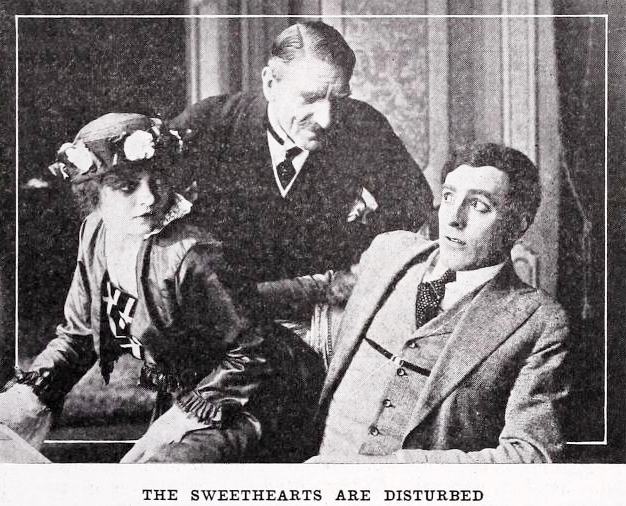
Dir: George Irving
John Glayde is a stone-hearted man intent on wealth to elevate his family, losing his wife to another man in the process.
View Details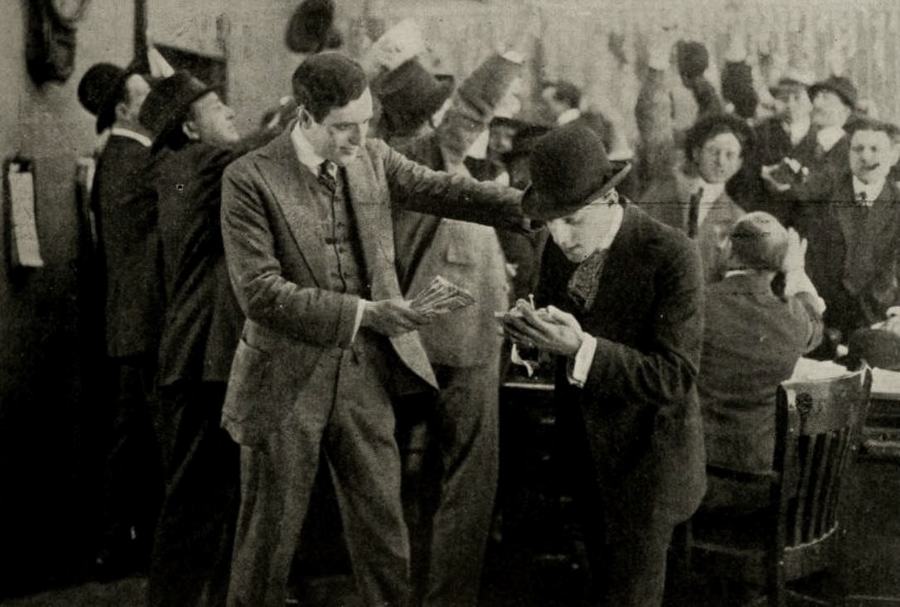
Dir: George Irving
Edward Thursfield, chief engineer of the bridge building firm of Henry Killick and Company, is building the largest concrete bridge in the world. Employed in the New York office is a young man named Arnold Faringay. Arnold sees an opportunity of using money from the payroll for a big deal. He takes the money, but the market goes against him. He seeks to borrow the $20,000 from Walter Gresham, his sister Dorothy's fiancé. Dorothy learns from Arnold that Thursfield is the big power in the firm and decides to follow him to Atlantic City where he has gone to look over the site for a new pier. She meets Thursfield at Atlantic City, and playing upon his sympathy leads him to propose to her. The confidential clerk of Henry Killick, has become suspicious of Arnolds accounts, and when Thursfield arrives he finds the errors, and Arnold is forced to confess before Thursfield. Thursfield is stunned at the thought of his fiancée's brother being a thief and to save her the disgrace he pays over the $20,000. Arnold thanks him and is sent home by Thursfield. He meets Walter Gresham and tells him that his shortage has been made good by a friend. Gresham returns to his house and receives a note from Dorothy breaking their engagement because of his selfishness. He bursts into the parlor as Thursfield holds Dorothy in his arms and demands to know from Dorothy who Thursfield is. Dorothy introduces him as her fiancé, whereupon Walter, realizing who the friend was who paid the money, denounces her before Thursfield. Thursfield demands the truth, and she admits that she did have that purpose, but that she really loves him now. Thursfield refuses to believe and leaves her. Next morning, Arnold sees that copper has made a tremendous jump. He finds that his money has made enough to pay back his stealings. Thursfield, his love for the girl overpowering his resentment, forgives her and calls her back to him.
View Details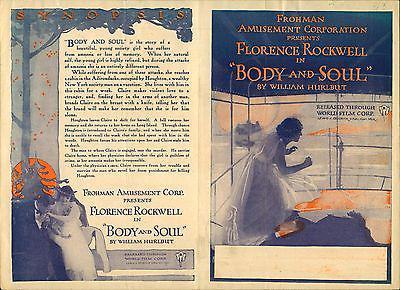
Dir: George Irving
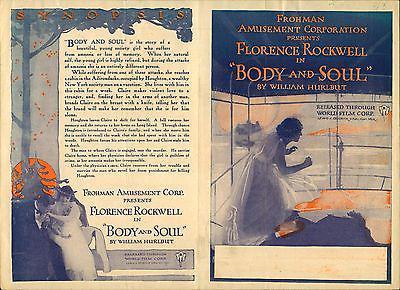
Claire Martin, niece of the wealthy Mrs. Taylor, suffers from loss of memory. Under the effect of this, Claire acts as an entirely different person. She wanders through the woods seeking shelter and food, and finally reaches a cabin temporarily occupied by a New York sportsman, who is fishing and hunting in the woods. For a week, Claire accepts the shelter from this sportsman whose love grows with each day's stay. Finally a strange rider passing the cabin asks for a drink, and Claire in her innocence shows her admiration for the new man, making him finally accept the temptation of her eyes to kiss her. At this moment Houghton, the sportsman, returns and bursts into the cabin. He drives out the stranger and then takes a knife and marks the woman so that she will always remember that her love must be for him alone. Houghton returns to New York. While walking down Fifth Avenue he sees in a photographer's showcase a picture which closely resembles the girl he thinks he lived with in the woods. He finds out who she is and decides to visit Great Neck and see if it is the same girl. Returning to his boat, Houghton looks at some pictures which he had taken of the girl and decides it must be she. He returns to the grounds of Mrs. Taylor's home and meeting Claire declares she is the woman who was with him at the cabin. Pushing back the dress from her shoulders, he points to the scar. She begs him to tell her what he knows about the scar, and he thinking she is bluffing, tells her to come to the houseboat and he will tell her. There Houghton proves that she must have been with him at the cabin and when he demands that she love him now as she did then and attempts to take her, she picks up a knife from the table and kills him. Kent, who has been over to the Yacht Club to a committee meeting, sees this when returning to his launch. He rushes to the boat and carries the fainting body of Claire home, gets her to her room and calls the doctor to see if he can help her. The doctor declares that the girl is guiltless of the crime, having gone back to her old personality, and they decide to make the case appear as one of suicide. When Kent is returning to the boat the following morning he finds there some pictures of her and her scarf, but when he himself is charged with the murder by the man who heard the quarrel, he is made to believe that Claire is innocent by Kent and the doctor, who point out to him the terrible weakness of circumstantial evidence. After Charlie goes, the doctor tells Kent that Claire needs care and attention and must be protected, and Kent in his great love takes her to his heart.
View Details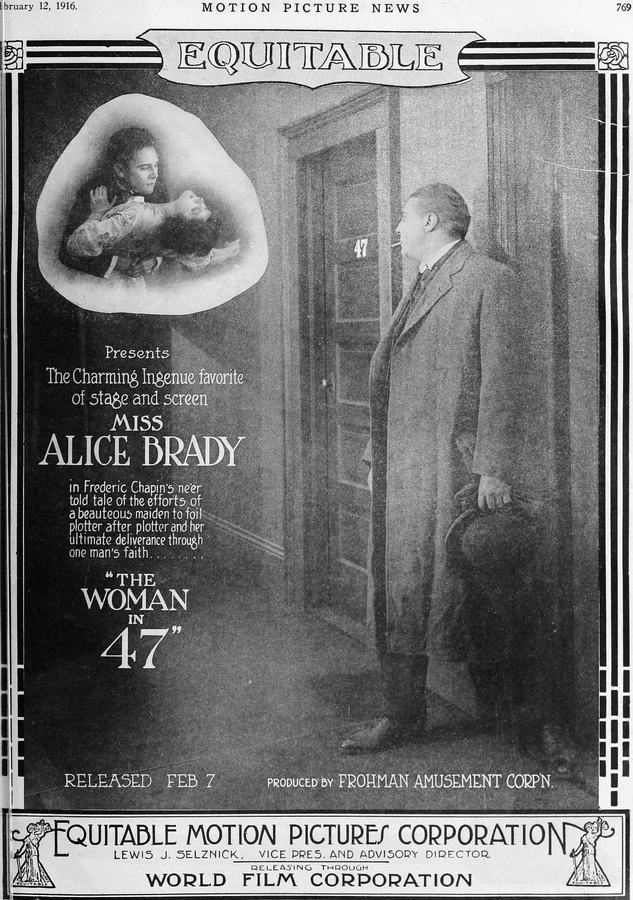
Dir: George Irving
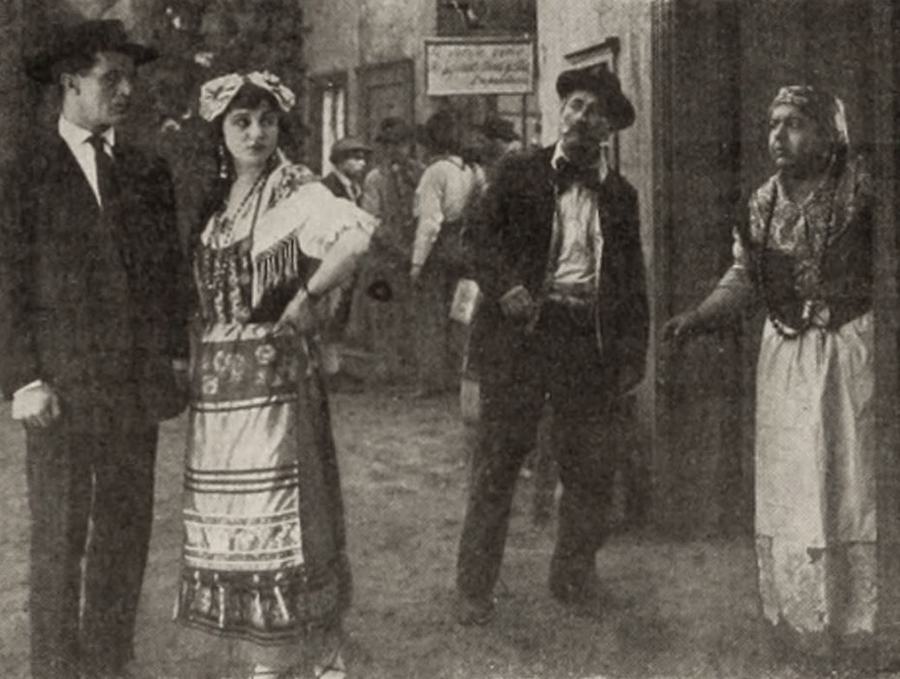
Viola Donizetti emigrates from Italy to the United States, running away from her father and the fiancé he has chosen for her, determined to rejoin Tony, her sweetheart. Unable to find Tony, however, Viola begins a relationship with the wealthy Collingswood, but leaves him when she discovers that he has a wife. Then, Viola finally locates Tony, with whom she makes plans to get married. Before the ceremony, they check into room 47, while Collingswood, obsessed with Viola, goes to the hotel and moves into room 48. He writes a suicide note citing his failed affair with Viola as the reason for his actions and then shoots himself. When Tony reads the note, he decides to leave Viola, but the priest who has been summoned to perform the ceremony persuades him to forget about the letter, and then, finally, Tony and Viola marry.
View Details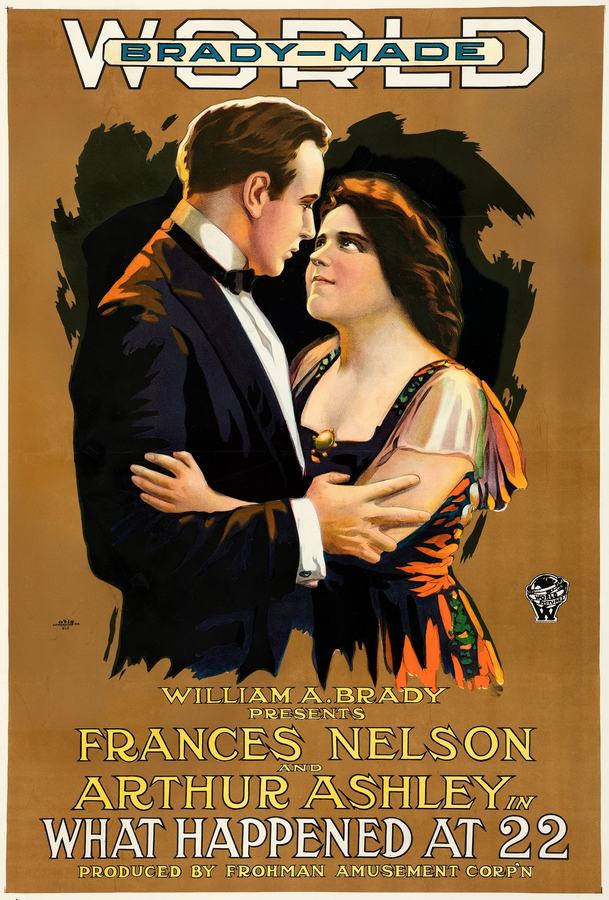
Dir: George Irving
Louise Lloyd comes to New York to obtain a position and applies to the Hollister Employment Agency, which caters to high class trade, but which is run by a crook and forger named Wilson, with a Mr. Hollister as figurehead, who meets the people and sends applicants. Wilson falls in love with Louise, but she does not reciprocate. Wilson passes a forged check and decides to leave the city till the excitement blows over. Hollister gets him a position with a Mr. White, Toledo millionaire, as private secretary. When the New York job blows over, Wilson returns. While at the White home, he has noticed that Mr. White's New York representative resembles him and plans to cash a check on White's account, disguising himself as Mr. Hart, the New York representative. This he does by forging a check for $35,000 instead of $35.00, his salary. He divides the profits with his co-conspirator, Hollister. The bank calls to its assistance a celebrated lawyer, Edward Knowlton, who, desiring to engage a companion for his elderly sister, stops with his son, Frank, at the Hollister Agency. There the Knowltons meet Louise and offer her the position, but Wilson wants to keep her out of the situation so that, in her poverty and distress, she will accept Wilson's proposal of marriage. Unable to get Louise, Knowlton leaves orders to send someone. When Wilson learns that Knowlton has taken up the case, he says he must get in Knowlton's house as a servant of some kind to watch what clues Knowlton finds. He tells Hollister to send Louise, where she is installed in the house as companion. By her wonderful charm and sweetness, she captivates the entire family, including the son, Frank. Wilson soon finds a way to install himself as valet to Knowlton, just at the time when Knowlton's clues lead him to certain suspicions. As these suspicions point to him, he decides to put Knowlton out of the way. Knowlton and his son, Frank, after dinner, have a parley on the division of the Knowlton property. The will, as made, gives Frank the greater share of the property and Frank's sister the smaller part, whereas Frank believes his sister's share should be increased to equal his own. When the family has gone to bed, Wilson finds Knowlton alone in the library. Wilson strikes, there is a struggle, and he leaves Knowlton for dead, after having stolen and changed the will so that it goes back to the original unequal division of the estate. The body is found and the police called. Wilson, who is supposed to have left for Brooklyn, enters. Questioned by the police, he says the only suspicious circumstances that he noticed was the quarrel over the will between the son and father. The police get the will, notice the change in the son's favor, and accuse the son of the murder. Louise, who has had her suspicions of Wilson, takes the will and says, "Whoever changed this will left a finger mark and blot on the paper." Wilson slyly looks at his hands and. as he does so, Louise calls the police's attention to his queer acting. She orders him arrested, and Wilson, frightened, says, "But I have no blot on my hand," and she holds out the will and says, "Nor is there such a blot on the paper." Wilson, realizing that he is tricked, attempts to escape, but is caught and led away by the police. Louise is taken into Frank's arms as the doctor comes from the father's room saying that Mr. Knowlton will live.
View Details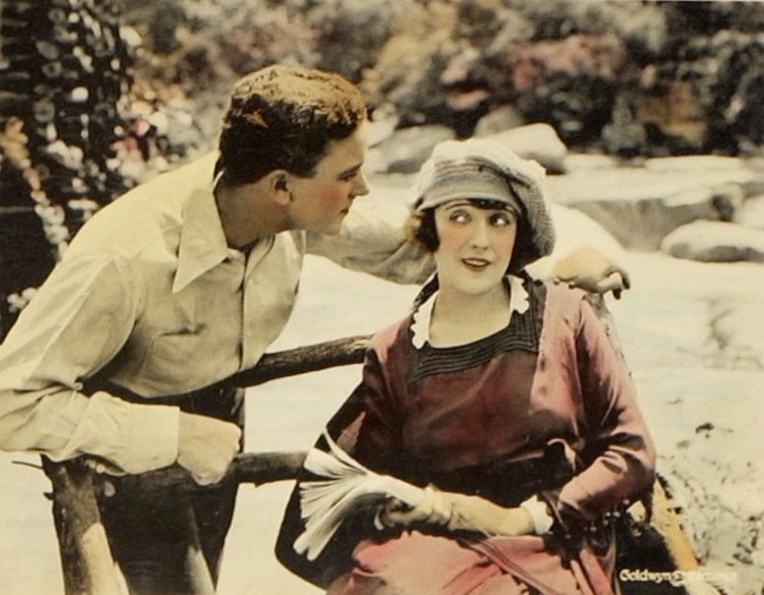
Dir: George Irving
Daughter of an Eastern lumber king, Stephanie Trent travels in the guise of a schoolteacher to the logging village of Trentsville to search for "a real man." There she meets Jimmy Raymond, a young novelist posing as a local while writing his story. When Stephanie comes to Jimmy's cabin to report a supposed plot against him, he acts as though he intends to assault her. She nearly throws herself out the window but is stopped by Jimmy, who explains that he is working on a novel and merely wanted to determine a young girl's reactions. In retaliation, she orders that he be kidnapped and held in a nearby cabin, but remorsefully nurses him back to health when he is shot trying to escape. They meet again at a hearing in the city, where her father has filed an injunction to prevent publication of Jimmy's novel, and she consents to his proposal of marriage.
View Details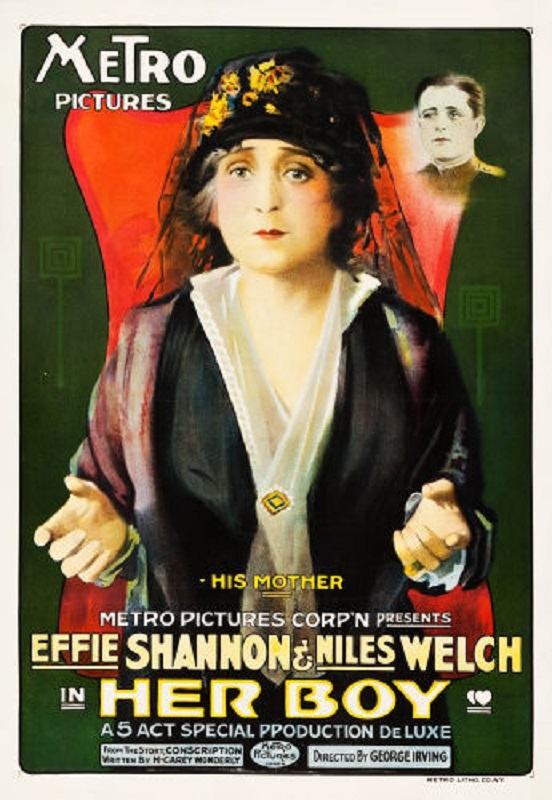
Dir: George Irving
When the United States enters World War I, widow worries that she will lose her only son David, who has just turned 21. Although David patriotically urges the employees at his factory to enlist, he reluctantly gives in to his mother's pleas to remain at home with her. When David is drafted, his panic-stricken mother alters the date on his birth certificate, although the later birth date implies that he is illegitimate. Disgusted, David enlists under an assumed name, thus shaming Helen, who confesses her dishonesty to the townspeople. Her son, now in uniform, then forgives her.
View Details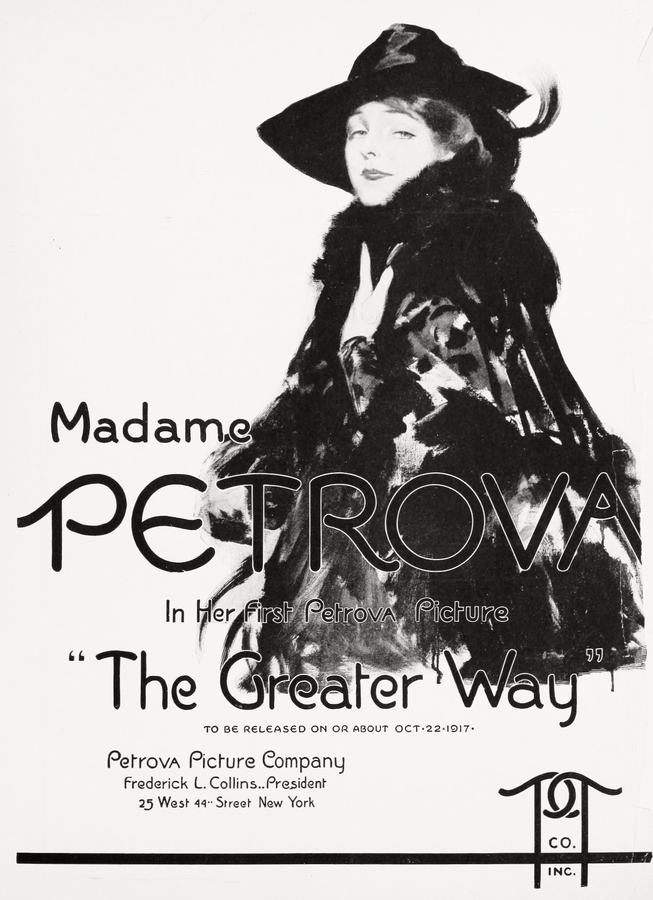
Dir: George Irving
Married to a spy who seeks to induce her to betray her country, the daughter of the American Ambassador to Belmark welcomes the news of her husband's death not knowing that he has merely staged a deception. She becomes the morganatic wife of Prince Leopold, of Belmark, but renounces the marriage that war may be avoided, only to learn that the new alliance means a still greater war. She persuades Leopold to renounce the compact, then saves his life by throwing herself between him and an exploding bomb, but the story does not end there.
View Details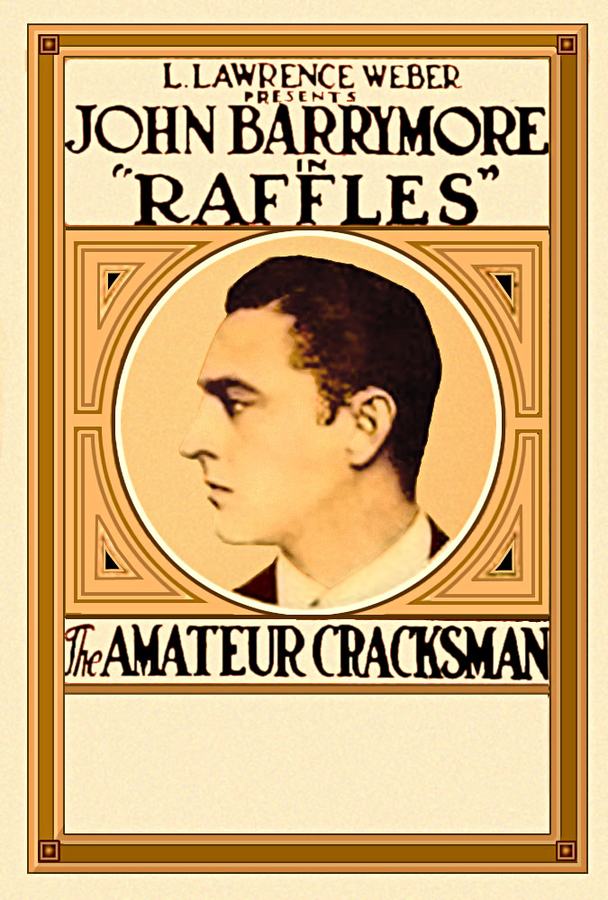
Dir: George Irving
Gentleman burglar Raffles tries to get his hand on a priceless pearl.
View DetailsAnalysis relative to God's Man
| Film Title | Atmosphere | Complexity | Similarity |
|---|---|---|---|
| Jaffery | Gritty | High | 87% Match |
| John Glayde's Honor | Surreal | High | 98% Match |
| The Builder of Bridges | Surreal | Abstract | 98% Match |
| Body and Soul | Ethereal | Abstract | 98% Match |
| The Woman in 47 | Surreal | Dense | 98% Match |
This guide was algorithmically generated using the cinematic metadata of George Irving's archive. Last updated: 8/17/2026.
Back to God's Man Details →