
DbcultAccessing Vault...
Recommendations
Senior Film Conservator
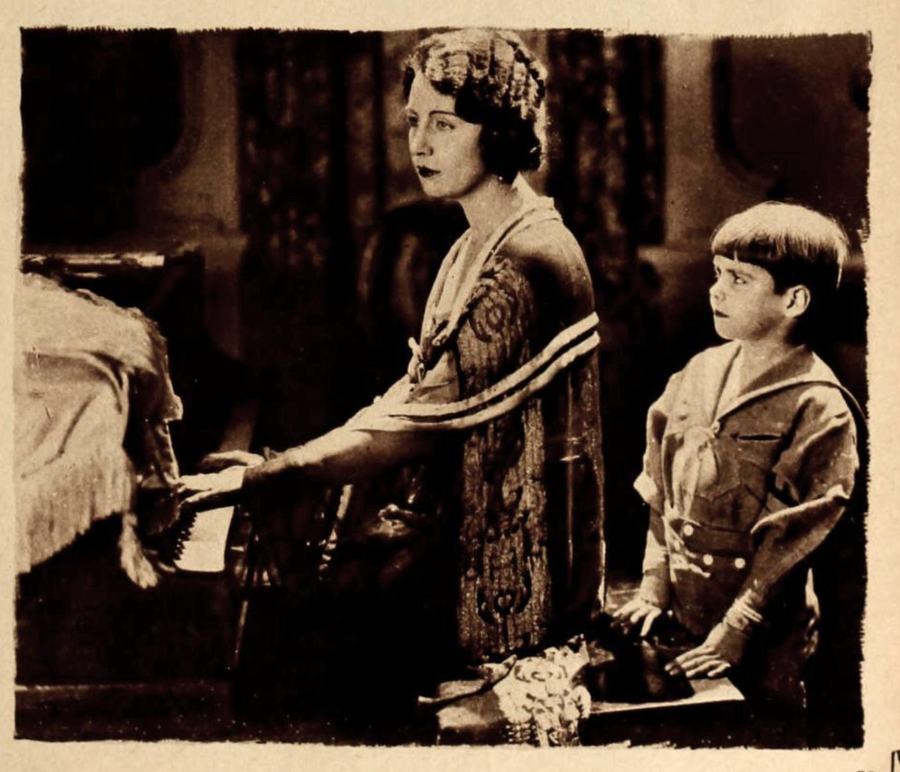
The United States-born brilliance of Guilty of Love offers a unique character-driven intensity, the juxtaposition of character-driven intensity and narrative makes it a Drama outlier. Dive into this collection and find the spiritual successors to Harley Knoles's vision.
In the Pantheon of Drama cinema, Guilty of Love to elevate Drama to the level of high art.
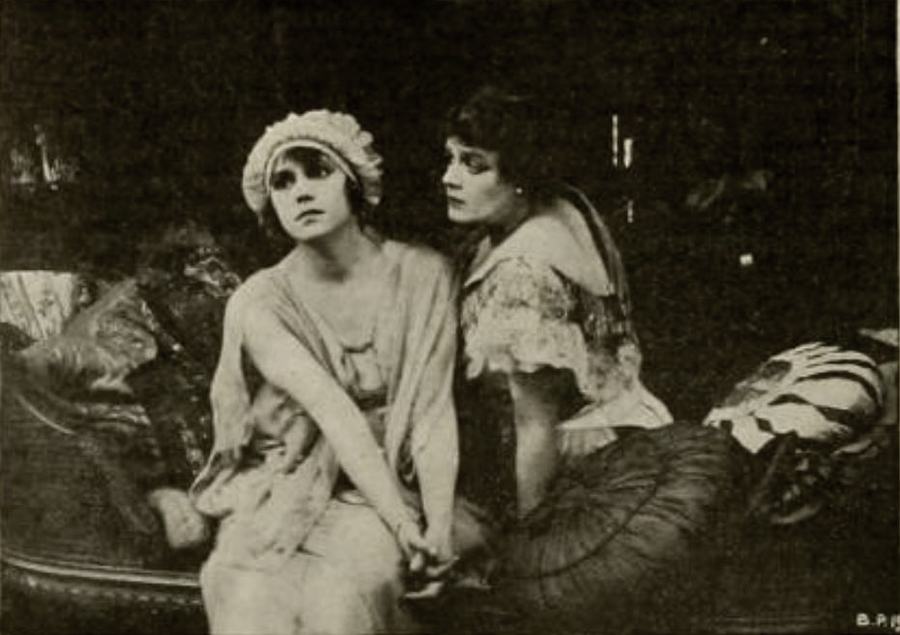
When governess Thelma Miller falls in love with her employer's brother, Norris Townsend, they have a brief affair. Soon after, Thelma discovers that she is pregnant and demands that Norris marry her so that their child can have a name. Norris' wealthy family objects to the marriage on the grounds of social equality, but Thelma forces the union at gunpoint. After the ceremony, Thelma leaves her husband and seeks employment in a country town. Years pass as Norris searches for his wife and son. When he finally locates them, Thelma consents to a reconciliation for the sake of their child. After living together, they discover their love for each other and become a real family.
Guilty of Love was a significant production in United States, showcasing the immense talent of Henry Carvill, Douglas Redmond, Julia Hurley. It continues to be a top recommendation for anyone studying Drama history.
Based on the unique character-driven intensity of Guilty of Love, our vault has identified these titles as the most compelling follow-up experiences for fans of Drama cinema:
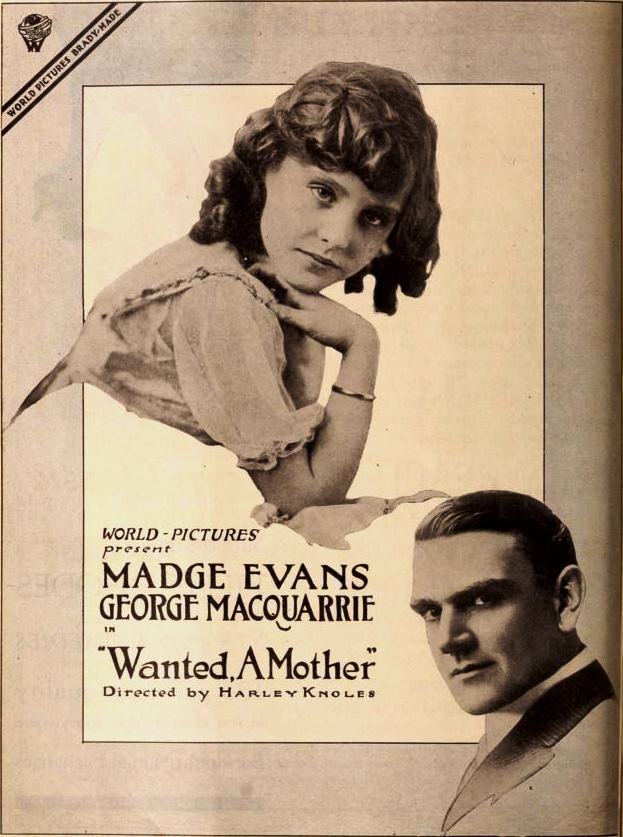
Dir: Harley Knoles
Neglected by her grief-stricken father, a doctor, after the tragic death of his wife, little Eileen Homer changes the wording of her father's ad for a governess to read: "Wanted, a mother." A laborer named Giuseppe asks Dr. Homer to operate on his ailing son, but when the boy dies, the enraged father attacks the doctor. Eileen meets her father's friend, Dr. Thelma Winter, and that night, while dreaming that Dr. Winter has become her fairy mother, she walks in her sleep to the edge of the lake. Wandering aimlessly in his grief, Giuseppe rescues the girl and takes her home to fill the void left by the loss of his son. In trying to return home, Eileen falls from the fire escape and is rushed to the hospital, where Dr. Winter saves her life. Afterwards, the grateful Dr. Homer becomes a more loving father with the help of his new wife, Dr. Winter, and Giuseppe becomes the family's gardener.
View Details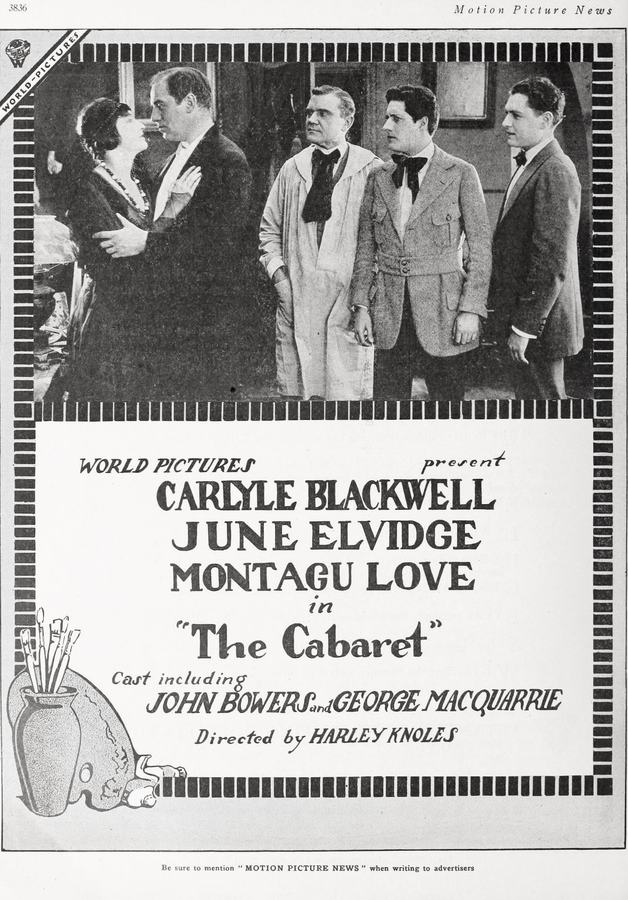
Dir: Harley Knoles
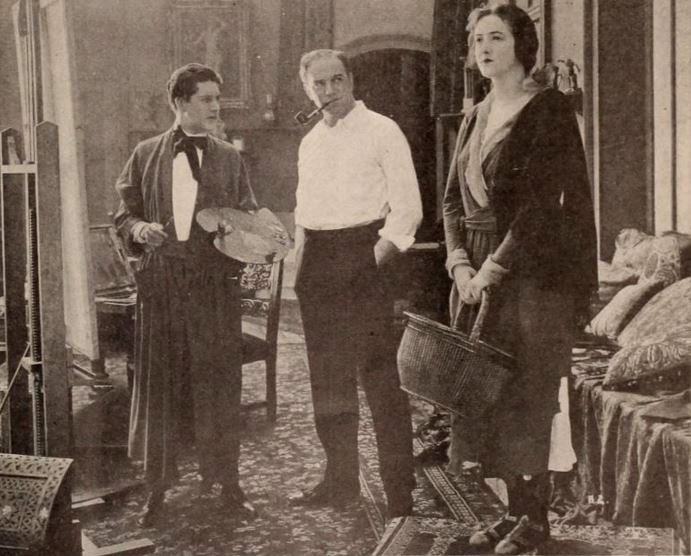
Helene, who dances in a Greenwich Village cabaret accompanied on the violin by her grandfather, loses her job after his death. She then is hired as a portrait model by four artists--Jaffrey Darrel, Ned Lorrimer, Dick Turner and Stanley Sargent--all of whom become fascinated with her. Helene leaves the Village when Ned's jealousy disrupts the camaraderie of the quartet and becomes a stage star. Meanwhile, all of the artists have attained success except Jaffrey, who refuses to taint his art with commercialism. Helene, learning of Jaffrey's failure, visits him in the Village and accepts his marriage proposal.
View Details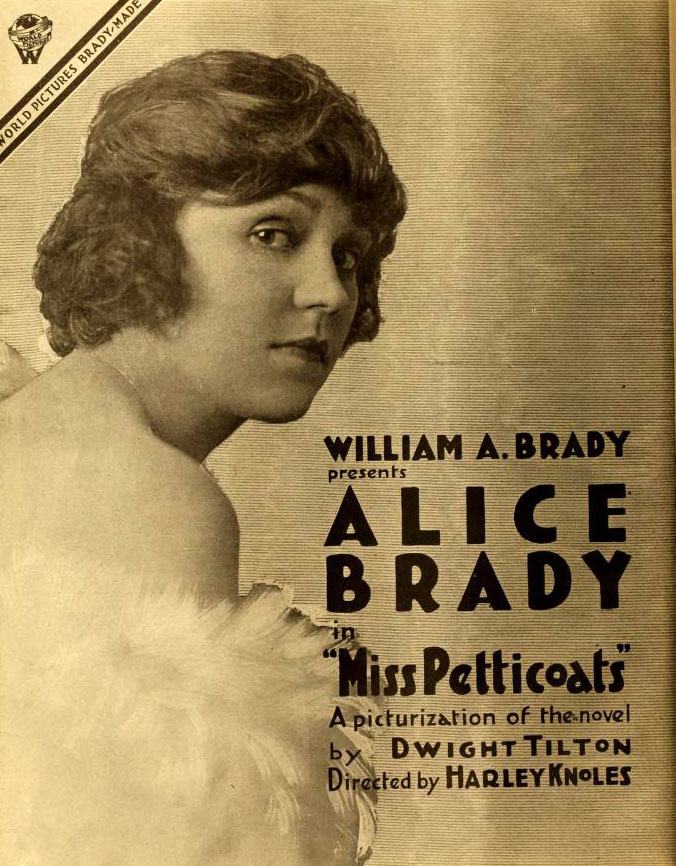
Dir: Harley Knoles
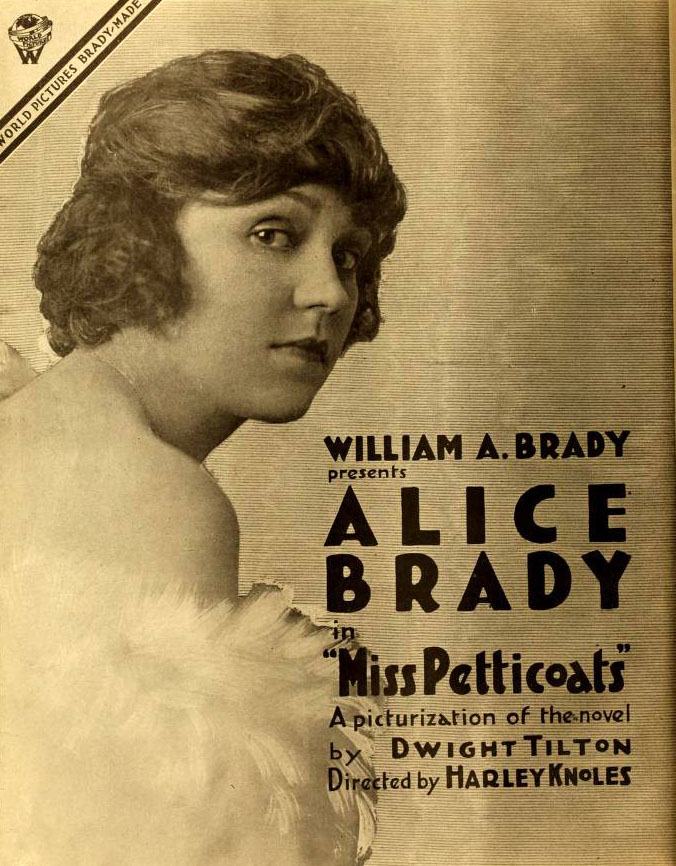
Agatha, called "Miss Petticoats," is daughter of a French nobleman and an American woman, lives with her grandfather, Captain Joel Stewart, since the death of her mother years before. Knowing nothing of her royal heritage, Agatha gladly takes a job as secretary to the wealthy Sarah Copeland, whose nephew, Guy Hamilton, immediately begins pursuing the new employee. Jealous of Agatha, one of Guy's former sweethearts, Mrs. Worth Courtleigh, starts spreading rumors about her, and when Joel hears a particularly scandalous one, he dies of shock. Taking Agatha away from all the gossip, Sarah sails with her to Europe, where Agatha finally learns about her bloodline, and also discovers that she is the heiress to a fortune. Then, when she and Sarah return home, Agatha forgives all the people who believed the rumors, and marries the Reverend Ralph Harding, who was always certain of her innocence.
View Details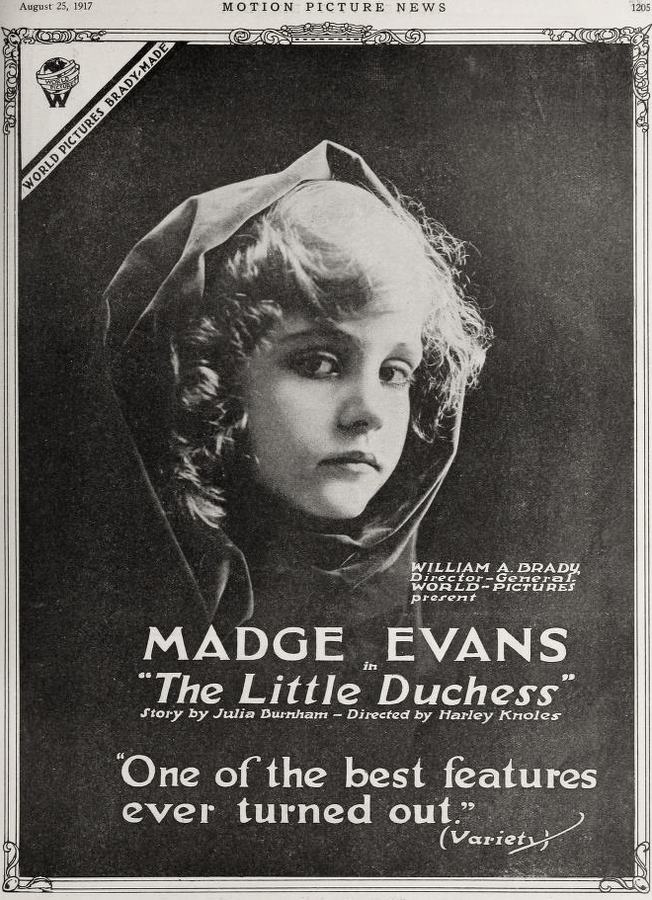
Dir: Harley Knoles
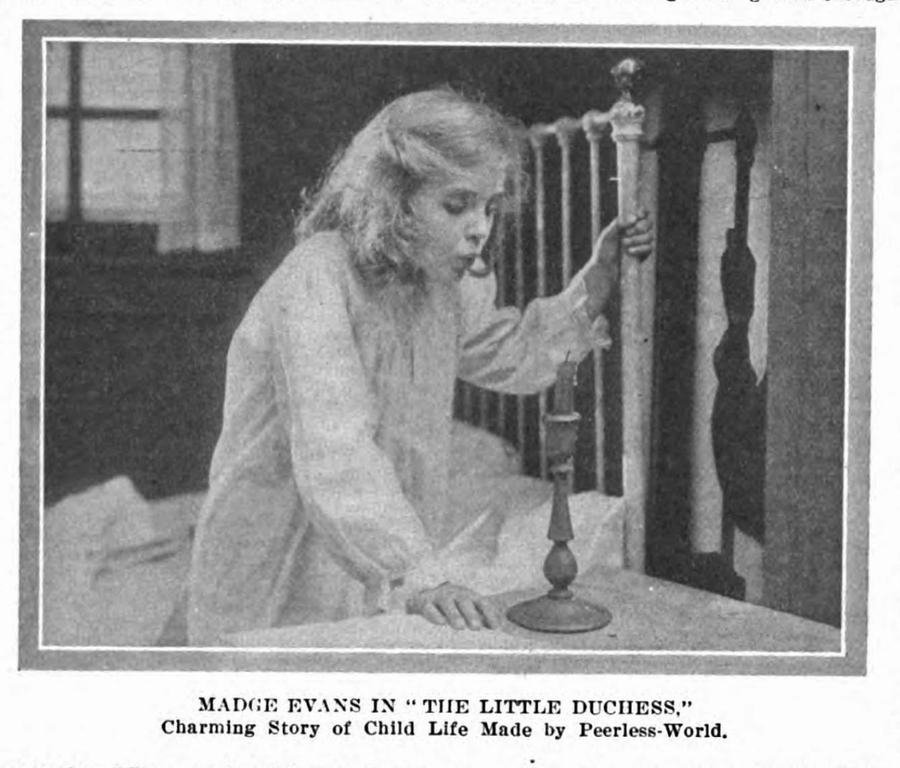
Evelyn Carmichael, a poor widow aware that she is about to die, writes to her wealthy father-in-law Lord Carmichael, who had disowned his son years earlier, pleading that he rescue his granddaughter Geraldine, known as Jerry, from a life in the slums. Lord Carmichael, an avowed woman-hater since his wife disappeared years earlier with his brother, expects Jerry to be a boy and is appalled to find otherwise. However, the lord is won over by Jerry's sweetness, and when Jim Dawson, a neighbor of Jerry's from the tenements, arrives at Carnimore Castle with his daughter Sophia, whom he is trying to pass off as Jerry, the lord exposes them as impostors and then expels them from his castle. Meanwhile, Jerry has also won over the hearts of the servants, whom she is drilling into a play army. One day, while on an excursion into an unused tower of the castle, they discover a locked room in which reside two skeletons. A note near one of the skeletons explains that Lord Carmichael's wife and his brother had been exploring the tower when the lock sprung and trapped them, causing their deaths. Lord Carmichael, realizing that his wife didn't betray him, has his faith in women restored and makes Jerry mistress of the castle.
View Details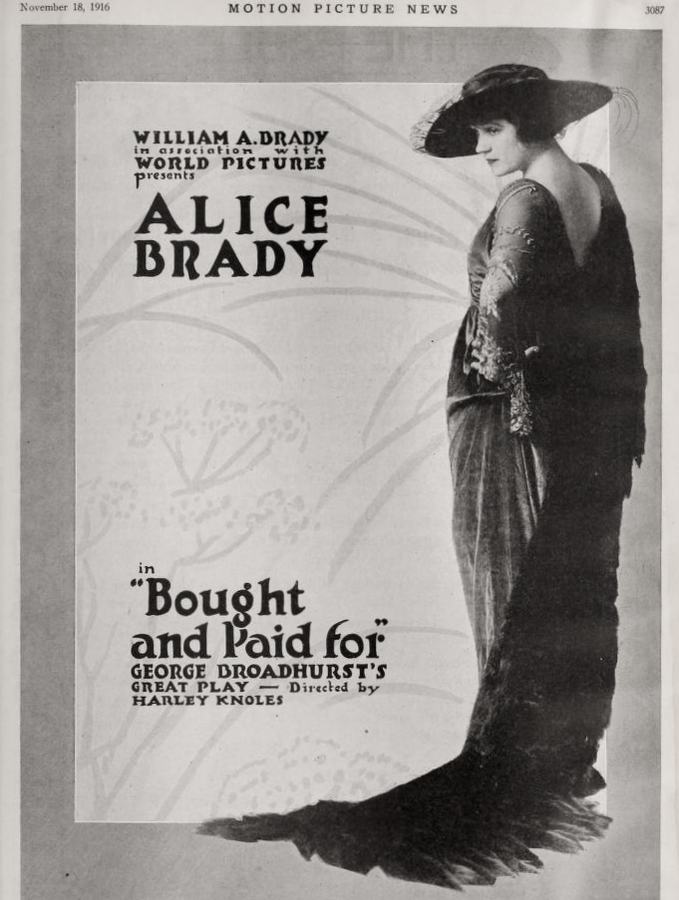
Dir: Harley Knoles
A social-climbing young woman marries Robert, a rich alcoholic, for his money. Although basically a good man, when drunk Robert treats her as if she's just one more thing he owns, and not his wife. Realizing her mistake, she leaves him. Her brother-in-law believes that the two of them actually do love each other, and sets out to bring them back together.
View Details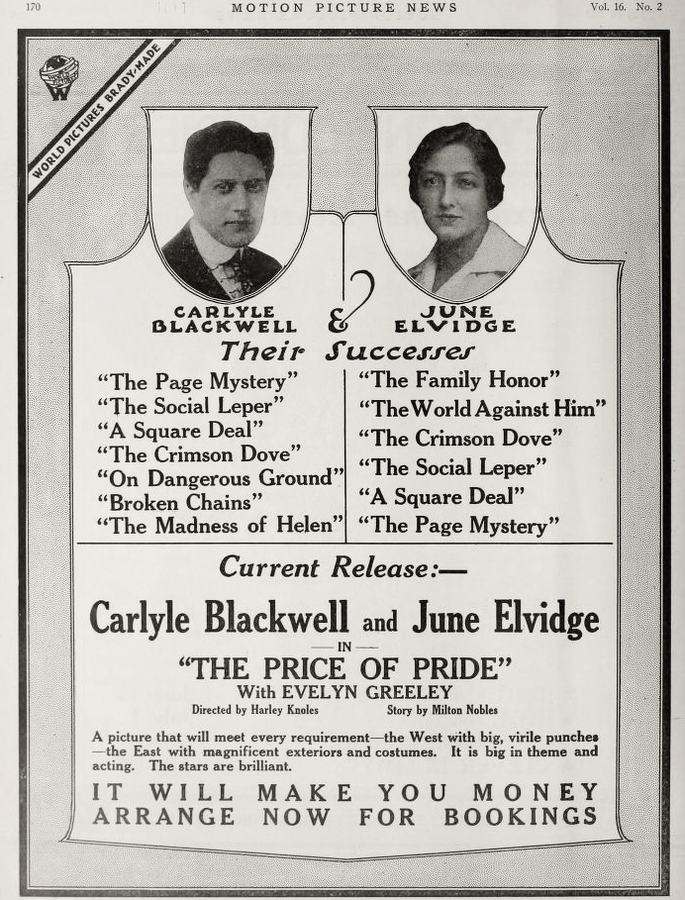
Dir: Harley Knoles
On her son David's second birthday, Madge Black witnesses her best chum Nan Westland, kissing her husband Jeffrey Arnold Black, a successful lawyer, and orders Nan from the house. Angered, Jeffrey does not explain that it is his money that maintains their home--not her father's, as she believes. Jeffrey leaves his wife and son. On board a westbound train, Jeffrey meets Nan. She explains that she has been compromised, and that she is going away to hide. Touched by her apparent sorrow, Jeffrey tells her that, though he doesn't love her, he will try to protect her. In love with him, Nan is willing to accept him on any terms. A year later a son is born to Nan and Jeffrey. She pleads with him to divorce Madge and marry her for the sake of their son William's name, but he will not hear of it. Ben Richardson, Jeffrey's client, is a frequent visitor at their home. Richardson's sincerity eventually wins Nan; goaded by Jeffrey's indifference, she leaves him and their son to become Richardson's wife. Twenty years later David Black has developed into a splendid specimen of manhood, while his half-brother William has become the leader of a lawless band. David goes West to take charge of a mining plant. Happily married, Ben Richardson and Nan have become owners of Chanceland, a gambling-house in Colorado. "Rodeo," as William Arnold is known, goes to Chanceland to try his luck, but he loses all his money. He sees Nan in the music room adjoining, and eager to make an impression on her, he saunters in. When Nan asks his name, he says they call him "Rodeo the bandit." His real name, William Arnold, son of Jeffrey Arnold, from whom he had run away at 14. Never knew his mother; he guesses he'd better be going or he'd get sentimental. Not revealing her identity, Nan presses a ring into his hand, and tells him to come to her if he should be in trouble. Believing that he has surely "caught" the Queen, he strolls out. In the same town, his half-brother, David Black, is working on his mining schemes. In the doorway of Chanceland, "Rodeo" passes David Black, and both are struck by their remarkable resemblance to each other. David receives a telegram from his fiancée Kathleen May, asking him to meet her at the train which is to arrive the next morning. That night Rodeo and his men hold up the train. While Rodeo is relieving the passengers of their valuables, the conductor leaps on him, and the bandanna which concealed the bandit's features, is torn away, revealing him to Kathleen, who believes that he is David. The bandit effects a getaway. When David comes for Kathleen the next day, she snubs him and walks past him. Ben Richardson's servant sees Rodeo and his men dividing the plunder and reports to Richardson. The latter intimates to Nan that the young fellow she was interested in is suspected of a number of crimes. She realizes that her son is in danger. Disconsolate, David tries to find solace in Chanceland, where he is arrested on the charge of robbing the mails and holding up the train. Deciding on a bold stroke, Rodeo goes to see Nan. She discloses herself as his mother and pleads with him to be careful, for as soon as the prisoner proves an alibi, the sheriff will be after Rodeo. Hearing Richardson, she pushes her son into her bedroom. Richardson, suspecting that Nan is hiding her lover, dashes into the room and fires at Rodeo, who is taken to court where David is being tried for the bandit's crimes. Nan confesses to Richardson that Rodeo is her son, and hastens to court. Also in the courtroom are Kathleen and Madge, David's mother. The presiding judge is Jeffrey Arnold Black, father of the prisoner. When Rodeo is brought in, a dramatic scene ensues, during which the two half-brothers face each other. Nan embraces her wayward son, while he bewails the fact that he had found his mother only to lose her, and draws his last breath after vindicating David. A tender reconciliation follows among Madge, Jeffrey, and their son David. Richardson seeks and obtains Nan's forgiveness for his suspicions of her. David and Kathleen embrace, then discuss their hopes of a little cottage for two.
View Details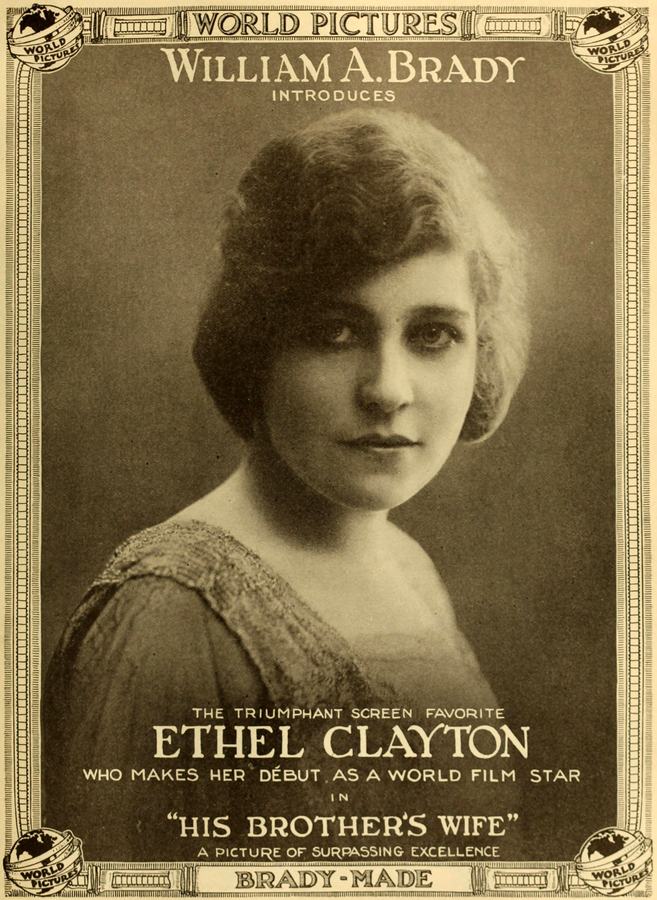
Dir: Harley Knoles
Richard Barton, a prosperous manufacturer, has an accomplished wife, Helen, and Bess, a child of five. Richard has in his employ a man addicted to gambling. After repeated warnings, he discharges him, fearing that some day he may have a losing streak and take some of the firm's money. Being of a moody, vindictive turn of mind, he vows revenge. The same evening the Bartons are giving a party and it is arranged that Mrs. Barton will recite for her guests. Charles Burham, a theatrical manager, is present and, charmed with her elocution, tells her there is always a position waiting for her should she ever desire to go on the stage. The party is abruptly ended when Richard receives the news that his plant is on fire, having been set by the discharged employee. Richard assists the firemen, gets drenched and catches a severe cold, which turns to tuberculosis. The litigation over the insurance of the plant has forced the little family to hard circumstances and they are compelled to seek cheaper quarters in which to live. During all this time, Howard Barton, a wild young brother of Richard's, who has been seeking his fortune in Australia, has at last achieved success, and decides to return to New York. He has written Richard at the plant, but when he arrives there, finds the place in ruins. He tries in vain to locate his brother's present whereabouts. Richard is discouraged, and during this strenuous time, his wife is like a guiding star, taking discomforts cheerfully and giving him the loving care, tender sympathy and moral support that only a good woman can give. He, however, has not much moral stamina, and adversity breeds peevishness and irritability. After a time they are so impoverished she has to pawn her jewelry. While in the pawn shop one day, she meets a stranger, who is greatly impressed by her beauty, and listening to her pitiable tale, tells her that if she will but let him entertain her that evening, she will not have to want in the future. Helen rebukes him, but not until he has given her his name and address. When she finds later that she cannot raise any more money and must have money to buy medicine, she dresses up for the sacrifice, and goes to Howard's apartment. A few days later, Howard's letter reaches Richard, who sends for his brother. Both brothers are happy at seeing each other, but when Richard introduces his wife, Howard recognizes her and she meets his brother's wife as well as the visitor to his apartment. Howard arranges for the little family to go into the mountains. He sees them off and makes all sorts of excuses for remaining away, until Richard insists that he come, as he has been injured while out sleighing. The presence of Howard is a trying ordeal for Helen as well as himself. Being unable to quell his passions, he resolves to leave for Australia, but while talking about the past, Richard steps into the room and hears the terrible truth. Angry, he turns his wife from the house. She goes to Burnham and obtains a position on the stage, at the same time caring for her child. She is cast in a play very similar to that in which she has figured in real life. Richard and Howard, now both in New York city, are present at the first night. When he sees Madame Bondorti on the stage, Richard is by her resemblance to his own wife, but when he hears her speak, he is sure it is her. A few days later, after Richard learns the great depths of the sacrifice his wife made for him, he realizes how he had been unjust to her, and through Howard's efforts, they are brought together through the pleadings of their child, Bess, who has been in an orphanage during these years of estrangement. After the loving union of the three, Howard leaves for Australia, never to return.
View Details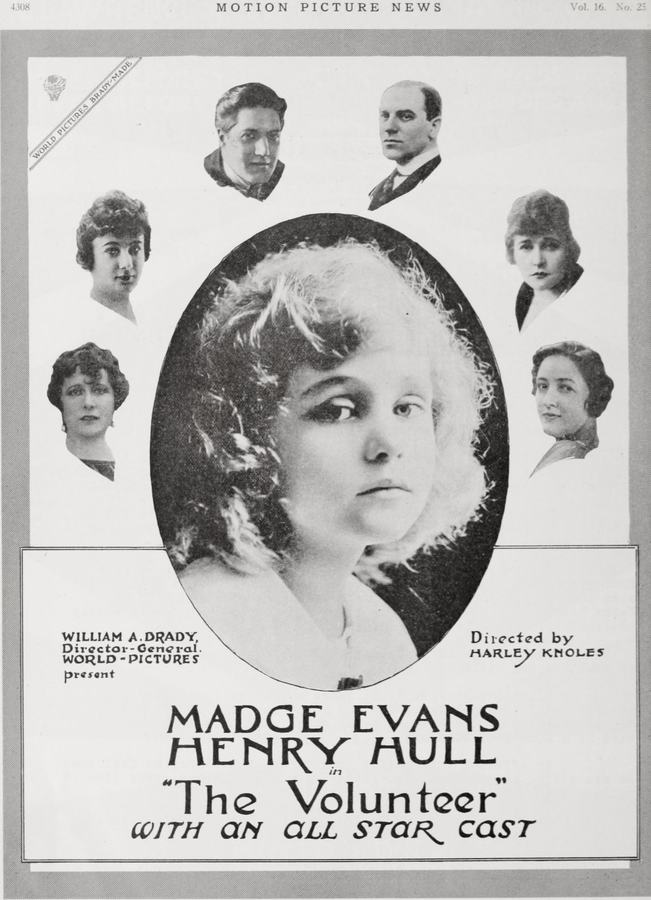
Dir: Harley Knoles
Madge Evans, World Film Corp. juvenile star, is sent to her Quaker grandparents, Timothy and Tabitha Mendenhall, when her father and mother go to serve in World War I. After bidding farewell to the World stars, Madge goes to her grandparent's home where she experiences stern discipline. Jonathan Mendenhall, her uncle, is anxious to enlist, but is forbidden by his father, whose religion opposes fighting. Madge creeps into the old Quaker's heart by degrees, but he maintains unrelenting discipline in the household. Jonathan comes of age, enlists despite his father's opposition, and is disowned. When Madge's latest picture comes to town, the child implores her grandfather to take her to see it, but he refuses. Timothy secretly visits the theater, however, and is completely won over by Madge's acting. A change takes place in the old Quaker's nature as he praises Madge, forgives his son and writes to Madge's mother, whom he had cast out when she married against his will, to be sure and bring her husband back safe.
View Details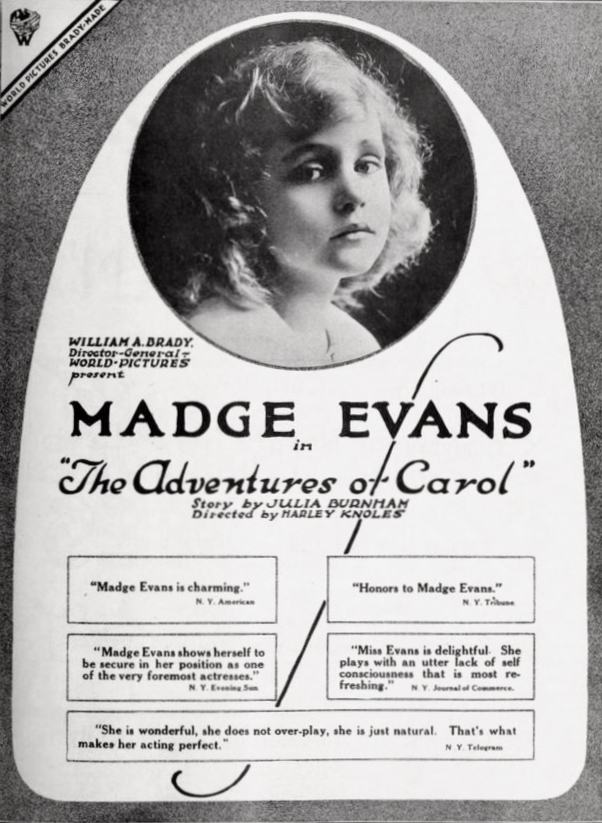
Dir: Harley Knoles
Little Carol Montgomery's father, a navy commander, discovers a spy in the house, he earnestly counsels the family not to answer questions regarding themselves. Later, while attempting to follow her mother, Carol becomes lost on the subway, and, taking her father's words to heart, refuses to tell a police officer who she is. Eluding the officer, Carol falls asleep in a tenement hallway where she is found by Beppo, an organ grinder who decides to add her to his show. They travel south, where, becoming separated from Beppo, Carol seeks refuge at the Fairfax plantation. Mrs. Fairfax, estranged from her husband because he had disowned their daughter years earlier when she eloped without his permission, refuses to speak to anyone. However, under Carol's winning influence, the Fairfaxes are reconciled and send for their long-lost daughter, who turns out to be Carol's mother.
View Details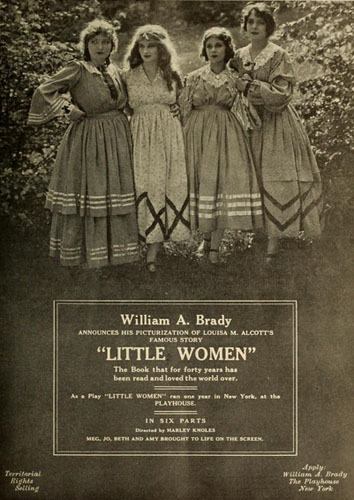
Dir: Harley Knoles
Jo March and her sisters Meg, Beth, and Amy live in a happy family in Concord, Massachusetts. Jo yearns to be a writer, and through the course of the years, finds much within her own family to write about.
View DetailsAnalysis relative to Guilty of Love
| Film Title | Atmosphere | Complexity | Similarity |
|---|---|---|---|
| Wanted: A Mother | Tense | Dense | 87% Match |
| The Cabaret | Tense | Dense | 96% Match |
| Miss Petticoats | Gothic | High | 89% Match |
| The Little Duchess | Gritty | Abstract | 98% Match |
| Bought and Paid For | Gritty | Dense | 96% Match |
This guide was algorithmically generated using the cinematic metadata of Harley Knoles's archive. Last updated: 6/25/2026.
Back to Guilty of Love Details →