
DbcultAccessing Vault...
Recommendations
Senior Film Conservator
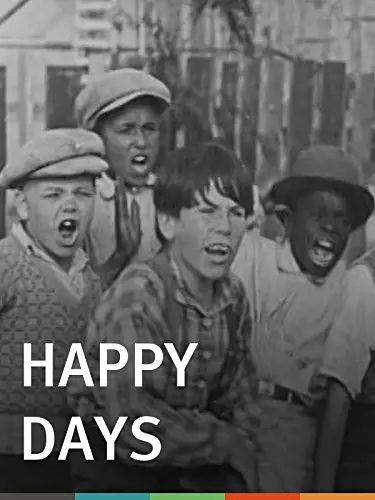
After experiencing the cult status of Happy Days (1926), you are likely searching for more films that share its specific artistic vision. Unlock a new level of cinematic understanding with these Comedy alternatives.
This 1926 Comedy classic stands as a testament to push the boundaries of conventional storytelling.
While Winnie Winkle works, her kid brother Perry leads a rag-tag baseball team.
The influence of Arvid E. Gillstrom in Happy Days can be felt in the way modern Comedy films handle cult status. From the specific lighting choices to the pacing, this 1926 release set a high bar for atmospheric immersion.
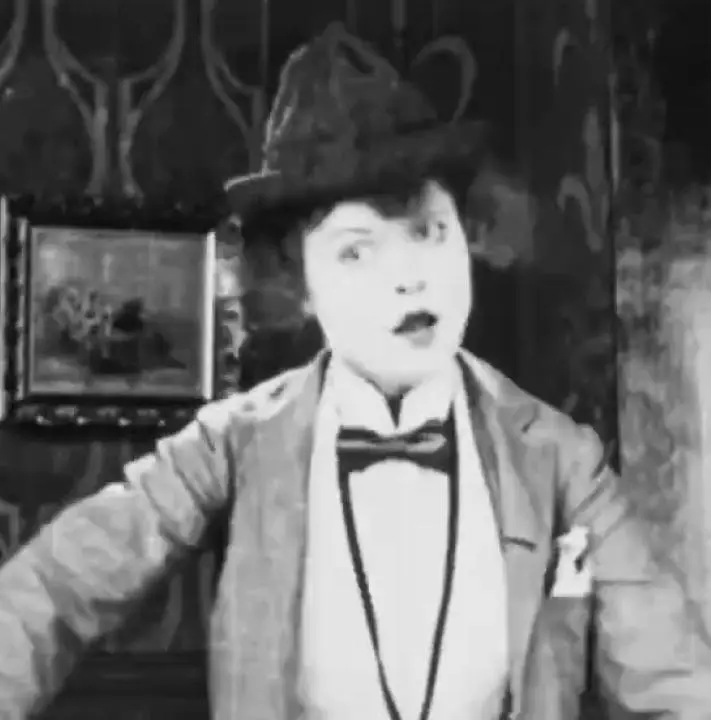
Based on the unique cult status of Happy Days, our vault has identified these titles as the most compelling follow-up experiences for fans of Comedy cinema:
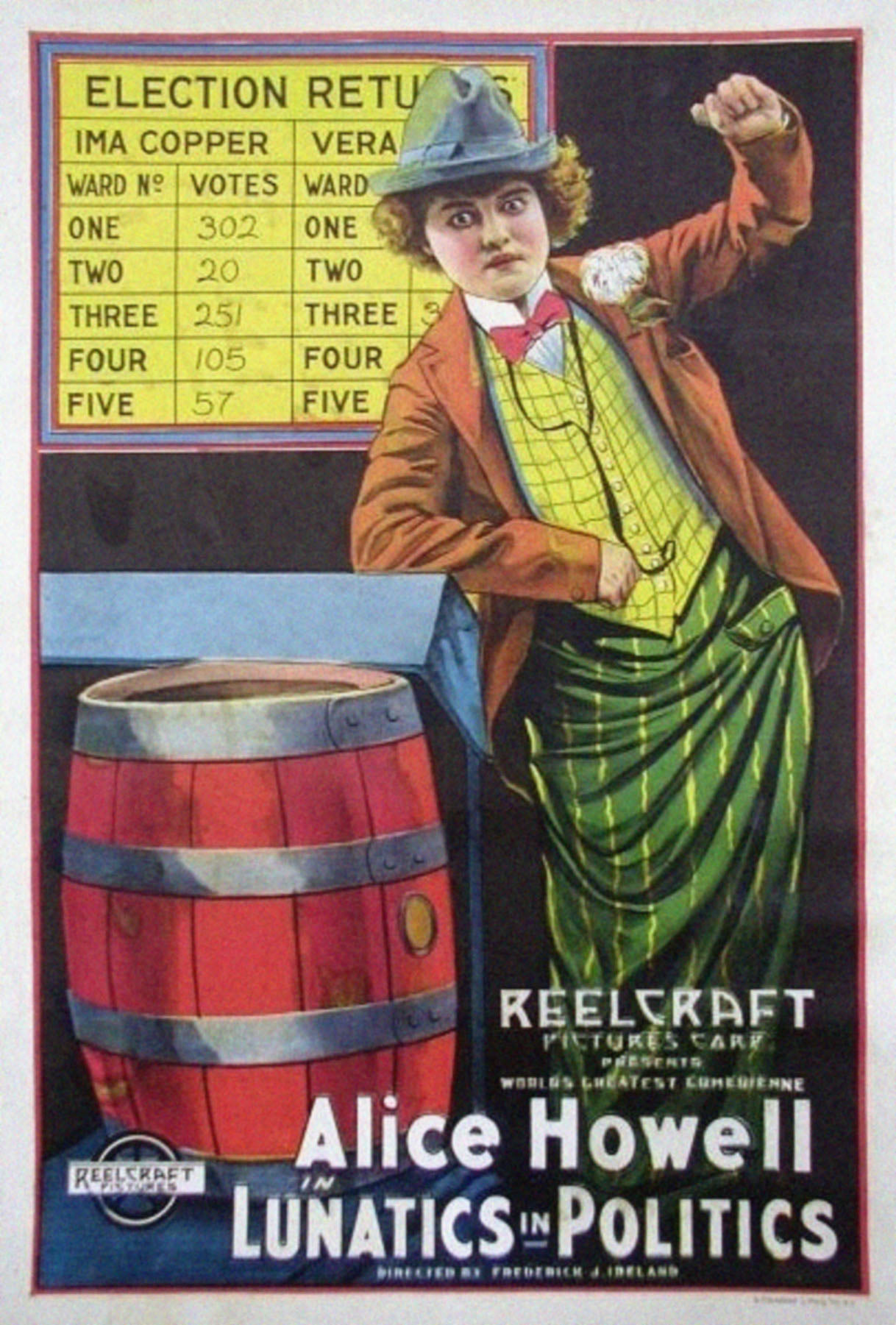
Dir: Richard Smith
Two female candidates for Chief of Police live across the hall from each other, and their political rivalry follows them home, leading to plenty of hi-jinks.
View Details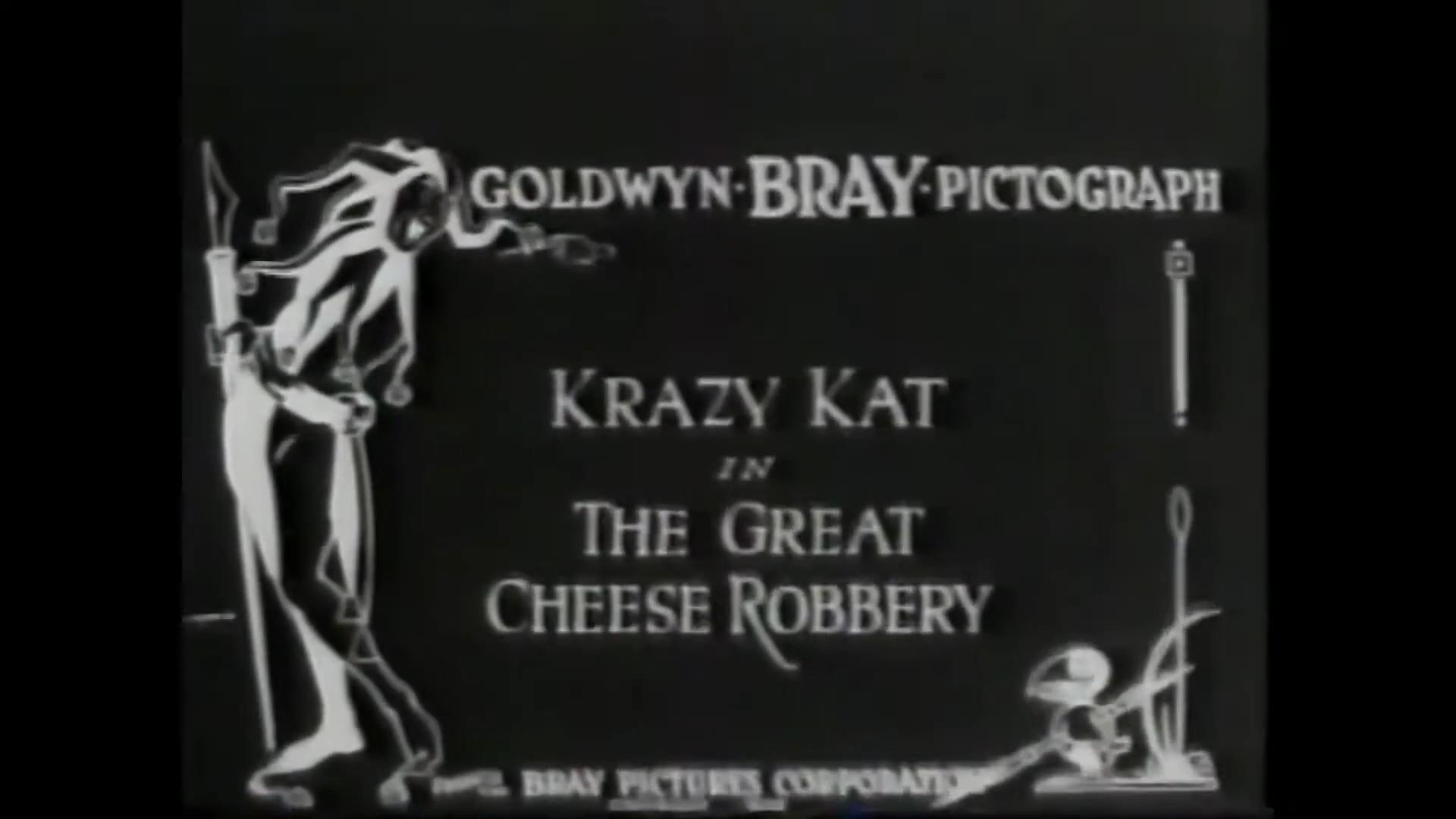
Dir: Vernon Stallings
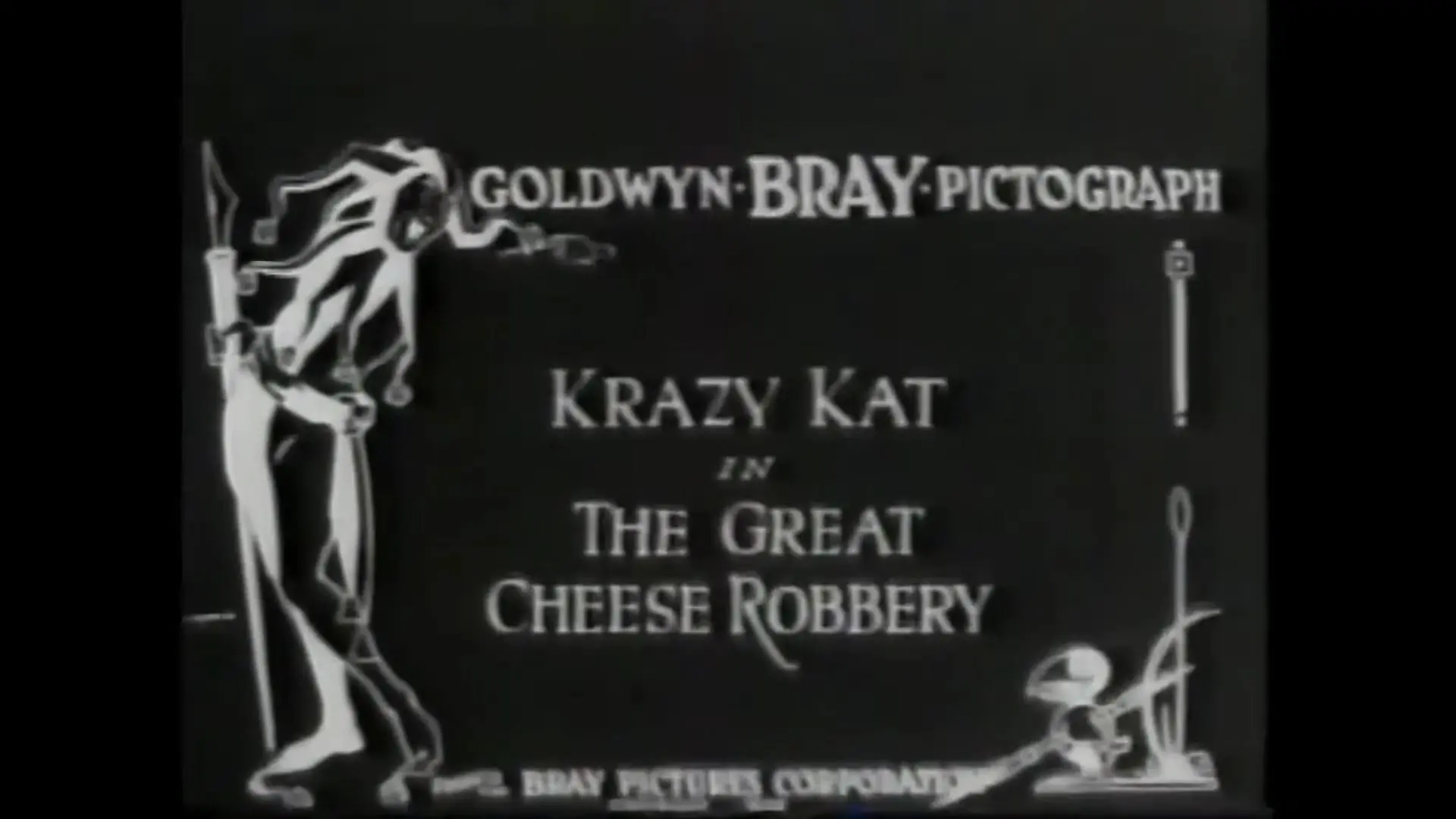
Krazy Kat is held in jail and Ignatz finally bails him out after encountering "guilt".
View Details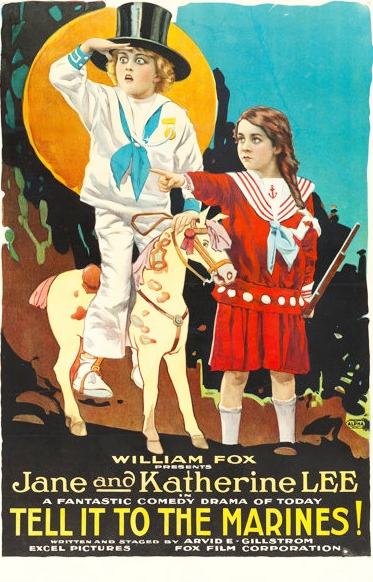
Dir: Arvid E. Gillstrom
After a busy day of playing pranks on their father's servants and guests, Harry Williams' daughters Jane and Katherine tumble into bed and fall asleep. Having seen a film depicting World War I fighting in Europe, little Jane dreams that two armies, consisting entirely of mechanical dolls, are advancing against each other in battle. While Trik leads the German troops, who are guilty of committing a score of atrocities, Trak heads the Allied army, which ultimately wins the war. In the end, Jane awakens with a start to find that it has all been a dream.
View Details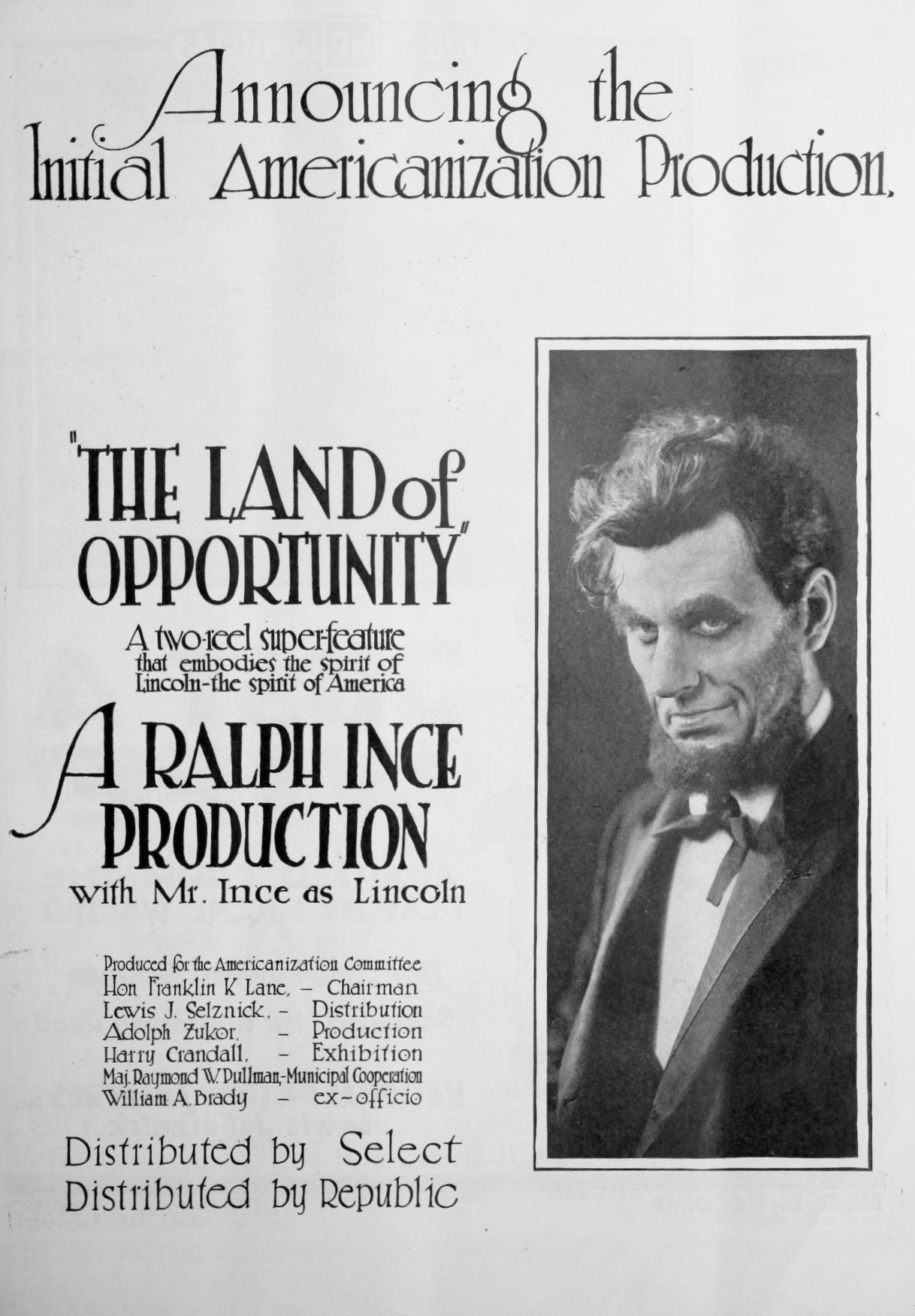
Dir: Ralph Ince
A fascinating piece of cinema that shares thematic elements.
View Details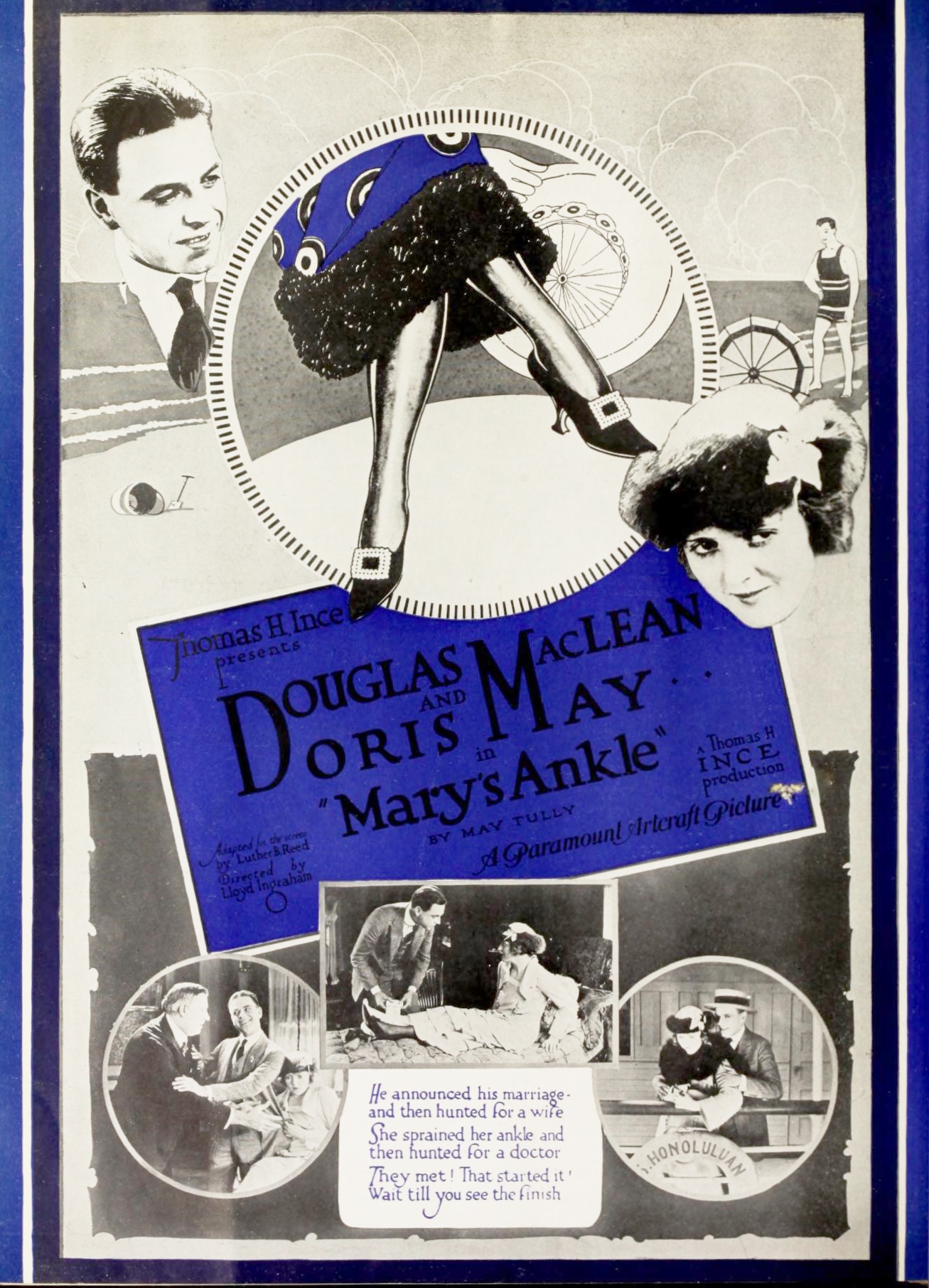
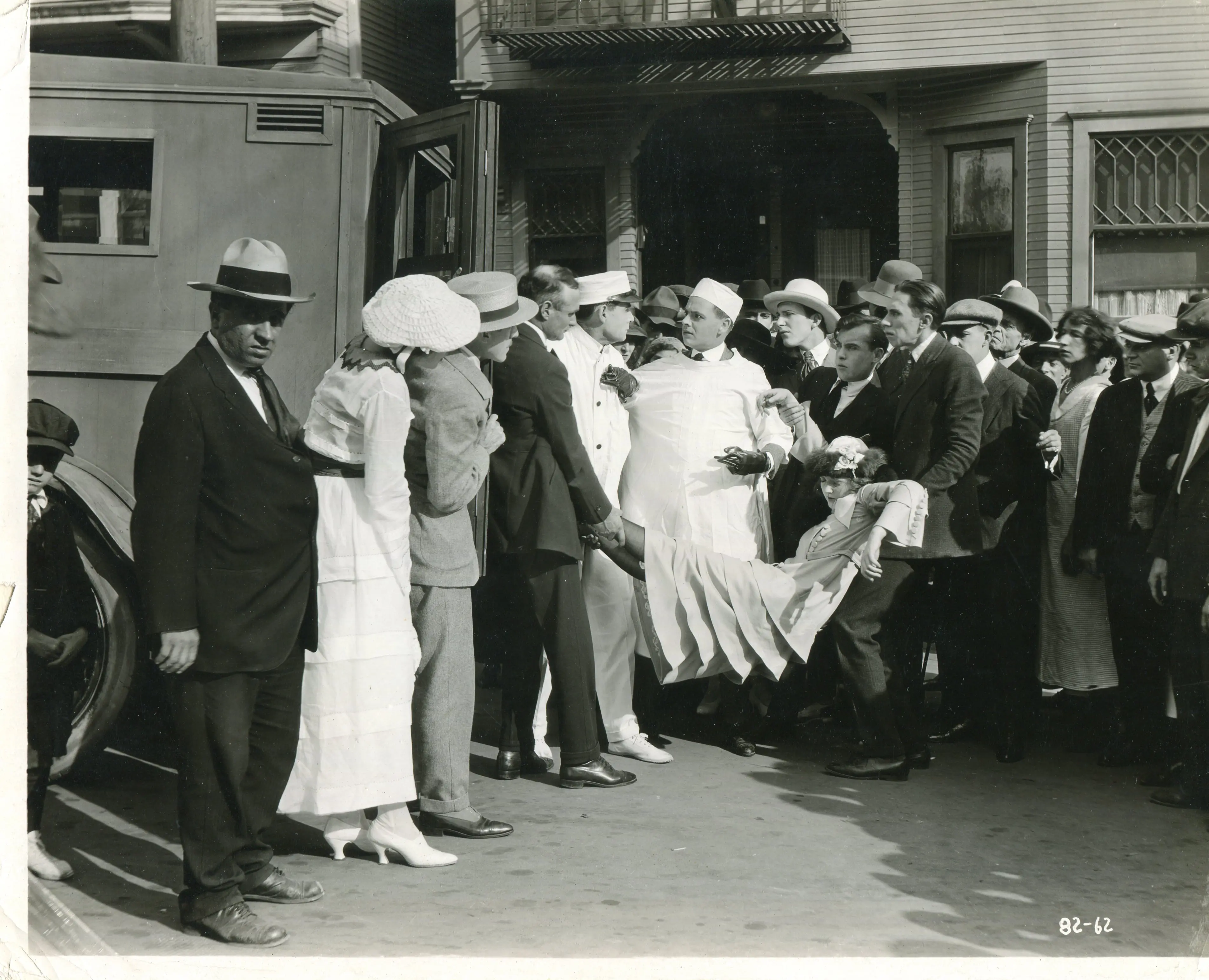
Dir: Lloyd Ingraham
While walking along the street one day, Arthur P. Hampton, an impoverished young doctor, and his chums, Stub Masters and Johnny Stokes, are persuaded to part with their last remaining funds by tag day solicitor Mary Jane Smith, with whom the doctor promptly falls in love. Doc's friends then hit upon a get-rich-quick scheme. Knowing that his Uncle George has promised a large sum of money upon his nephew's marriage, they persuade Doc to send out fake wedding invitations naming Mary Jane as the blushing bride. Uncle George, elated at the good news, writes to Mary Jane's aunt, Angelica Burns, an old sweetheart, to invite Mary Jane and Angelica to be his guests on an ocean voyage. Meanwhile, Mary Jane pays a visit to the doctor's office and, upon seeing the wedding invitations, becomes so flustered that she trips and sprains her ankle. Doc comes to her rescue and then begs her to pose as his wife. She agrees, but at ship-side, Stub and Johnnie confess all to Uncle George, who flies into a rage until Doc announces that he and Mary Jane have chosen a wedding at sea.
View Details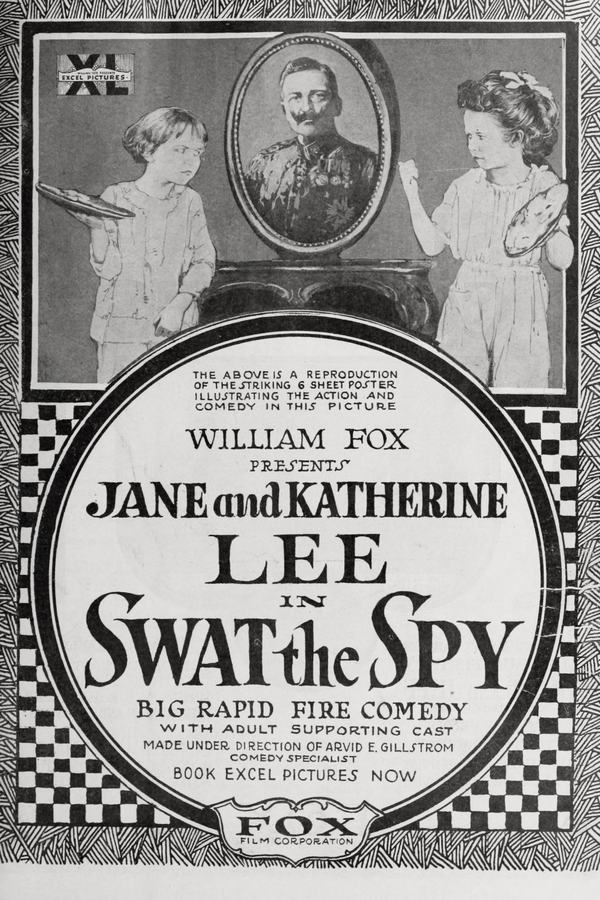
Dir: Arvid E. Gillstrom
Andrew Sheldon is so busy perfecting a new explosive for the United States' effort in the Great War that he fails to realize that his butler, cook, housekeeper, and chauffeur are all German spies. However, his two mischievous daughters Katherine and Jane make life difficult for the spies by throwing pies at the Kaiser's picture and clipping the butler's long, Prussian-style mustache while he sleeps. When Andrew's wife announces that she is pregnant, he tells the girls that he has written a letter requesting a baby brother for them, whereupon they decide to steal the letter, convinced that two children are enough for their family. Breaking into Andrew's laboratory, they take the "letter," actually the secret formula, but after Andrew reveals that his plans are missing, the butler enters the laboratory and seizes the invention itself. Following an automobile chase and then a battle staged in rowboats on the Hudson River, the butler is apprehended by U.S. agents. Although he is the proud father of a new baby boy, Andrew gratefully blesses the impish little girls who saved his formula.
View Details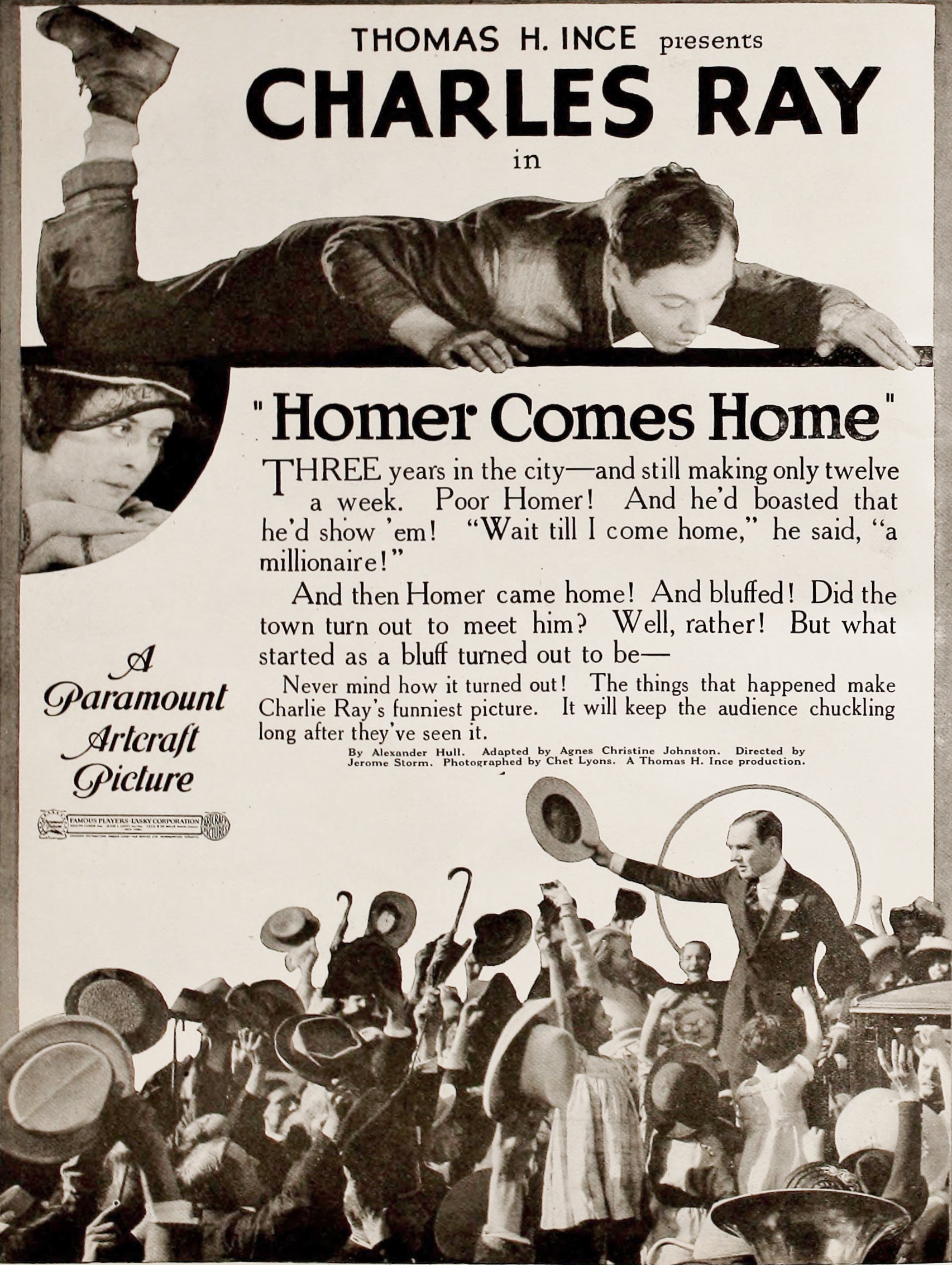
Dir: Jerome Storm
Ne'er-do-well Homer Cavender ventures to the city from Mainsville in an effort to find fame and fortune. Both elude him, and after clerking for two years, Homer returns home for a vacation. Impressed by his flashy clothes, the townspeople assume that Homer has achieved success. Attempting to win Rachel Prouty from his rival, Arthur Machim, Homer continues the deception by announcing that his employer, Kort and Bailly, has dispatched him to enroll stockholders for a proposed new plant to be built in Mainsville. Machim discovers the sham and denounces Homer as a crook. Meanwhile, Homer returns to New York, convinces his employers of the merits of his plan and comes home triumphant, with a proposal for both the new plant and for Rachel's hand in marriage.
View Details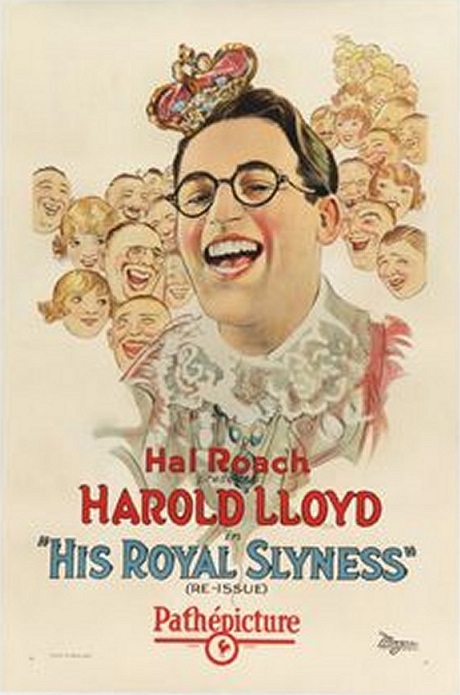
Dir: Hal Roach
An American book salesman (Lloyd) is persuaded to go to the kingdom of Thermosa to impersonate the Prince. He is greeted by a peasants' revolt before the real prince shows up to claim his throne and princess. The revolution succeeds, and the American is elected president of the new republic.
View Details
Dir: Eduardo Notari
A crime drama in the Gennariello-series. The police detective in Naples that is confronted with modern gangsters and crime events.
View Details
Analysis relative to Happy Days
| Film Title | Atmosphere | Complexity | Similarity |
|---|---|---|---|
| Lunatics in Politics | Ethereal | Dense | 97% Match |
| The Great Cheese Robbery | Surreal | Linear | 87% Match |
| Tell It to the Marines | Gothic | Layered | 93% Match |
| The Land of Opportunity | Gritty | Layered | 87% Match |
| Mary's Ankle | Surreal | High | 86% Match |
This guide was algorithmically generated using the cinematic metadata of Arvid E. Gillstrom's archive. Last updated: 8/17/2026.
Back to Happy Days Details →