
DbcultAccessing Vault...
Recommendations
Senior Film Conservator

For cinephiles who admire the cult status within Heidi, the specific cult status of this work is a gateway to a broader cult world. We've prioritized films that capture the 1920 aesthetic with similar precision.
At its core, Heidi is a study in to create a dialogue between the viewer and the cult status.
The famous story of Heidi, a little girl of the Swiss Alps, who is taken from her beloved grandfather to live in anguish in the city below, and how her grandfather sacrifices to bring her home.
Based on the unique cult status of Heidi, our vault has identified these titles as the most compelling follow-up experiences for fans of cult cinema:
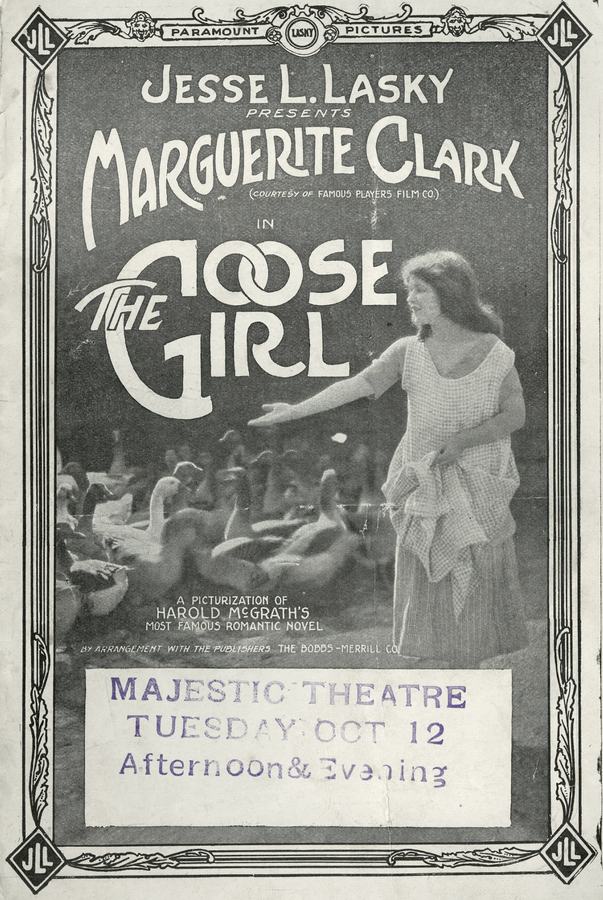
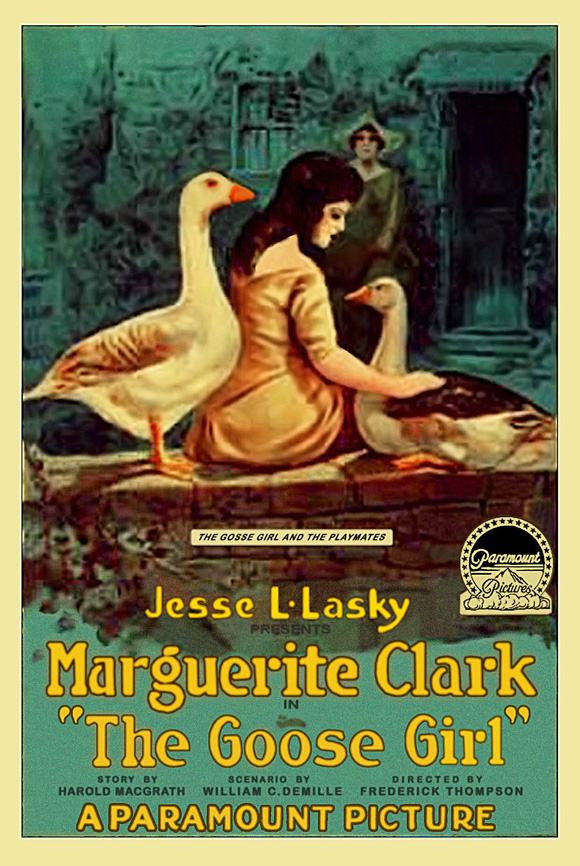
Dir: Frederick A. Thomson
Count von Herbeck, chancellor to the Grand Duke of Ehrenstein, is married but keeps it a secret because of his high ambitions. His dying wife writes him a letter urging him to make their young daughter a great lady. To this end, he arranges to have Torpete, a gypsy, to kidnap Gretchen, the daughter of the GRand Duke. He takes the coat and locket belonging to the little Princess and then sends his own daughter, Hildegarde, away. During the abduction of Gretchen she is wounded in the shoulder by a bullet. Fifteen years later Von Herbeck tells the Grand Duke he has found the Princess, and produces the coat, locket and Hildegarde as proof. Meanwhile, the real Princess has been abandoned by the gypsies and adopted by peasants, and has grown up as a "Goose Girl." The young King Fredrick of Jugendheit is officially betrothed to the fake Princess but he does not wish to marry a woman he has never met. He disguises himself as a Vinter and travels around the countryside, meets the Goose Girl, and rescues her from the insulting attentions of a vicious Count, and longs to marry her. But since he can not marry a peasant, true love seems doomed. Or does it?
View Details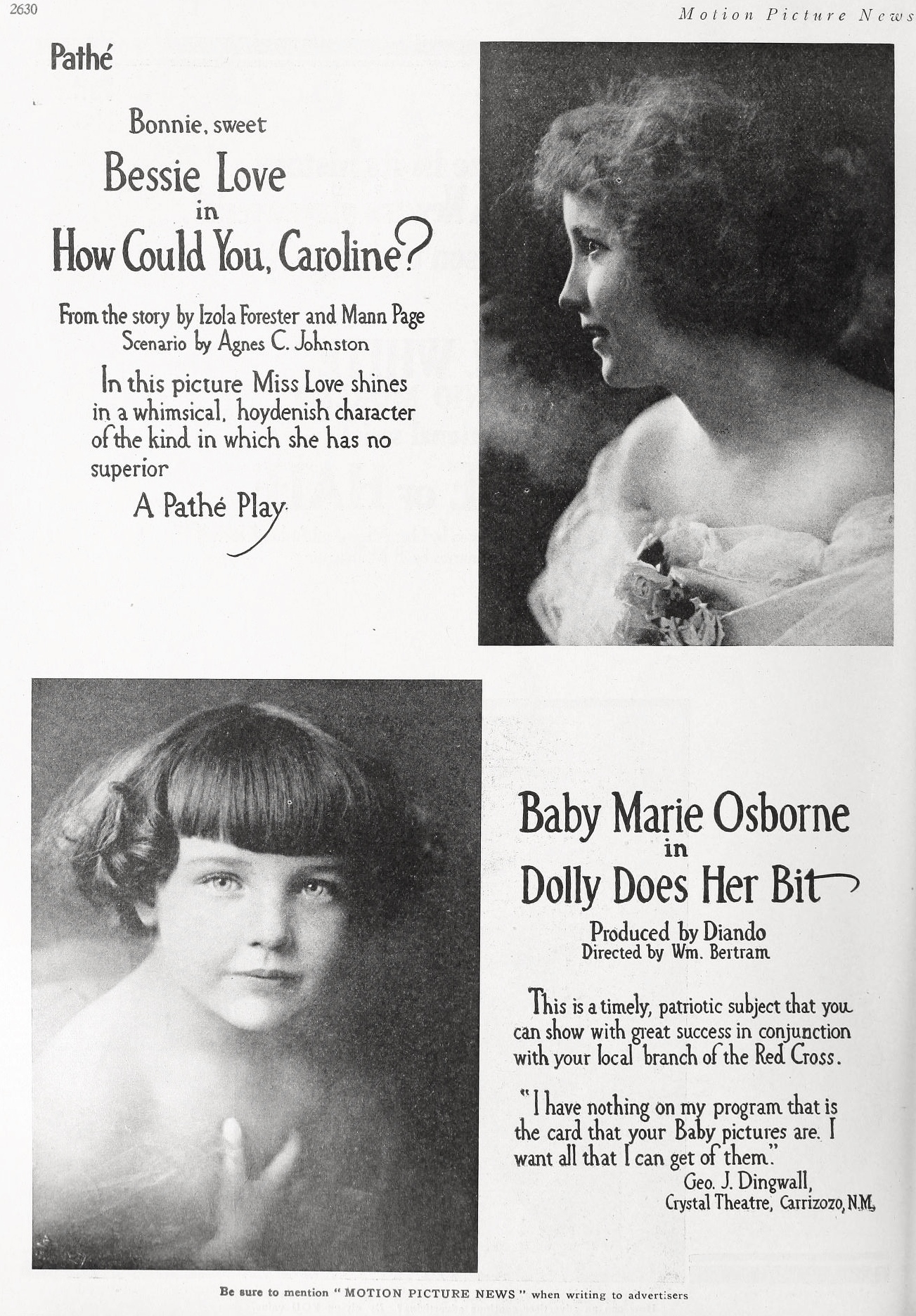
Dir: Frederick A. Thomson
Caroline Rogers, a spirited young girl with a taste for highly romantic novels, comes home from boarding school to attend her sister Ethel's wedding. Having read a particularly lurid novel entitled Twin Souls recently, she arrives at the rehearsal wearing a daring gown in the hope of ensnaring a "soul mate." Because of his poetic name, Caroline becomes involved with Reginald Van Alden, a married fortune-seeker. On the morning of the wedding, she abandons her old sweetheart, Bob Worth, to take a ride with Reginald, but when he takes her to a disreputable roadhouse, she escapes and then tries to commit suicide by drinking cologne. Later she becomes engaged to Bob and attends his bachelor party disguised as a cabaret dancer. At the party, the two are married in a mock ceremony, but the next day Bob reveals that the friend who presided at the "wedding" is a real judge, and that he and Caroline are legally married.
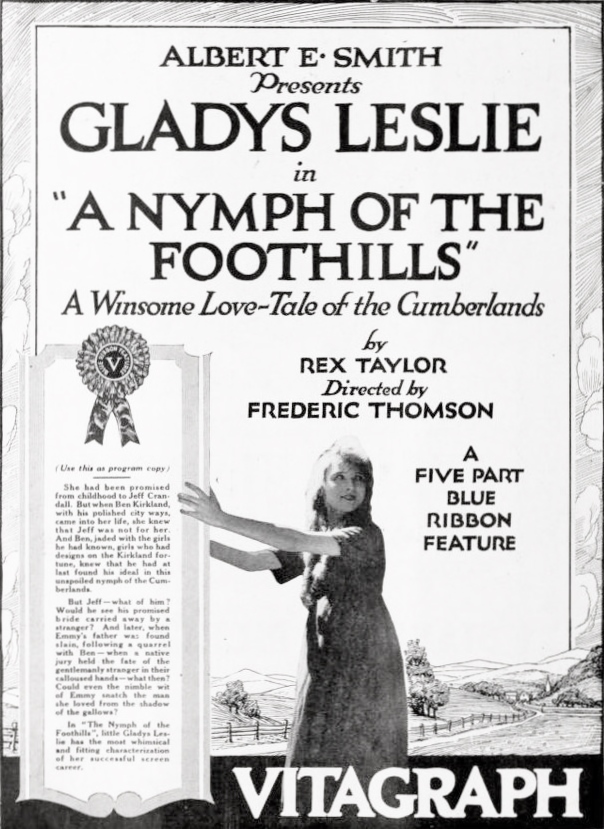
Dir: Frederick A. Thomson
While camping in the mountains, city-bred Ben Kirkland meets mountaineer's daughter Emmy Chaney, and the two decide to marry although her father wants her to marry his hunting partner, Jeff Crandall. When Emmy's father threatens to kill Ben, the young lovers hastily marry and move to the city. Meanwhile, Ben's friend Tubby, while hunting with Ben's gun, discovers Mr. Chaney's body and flees, believing himself a killer. Ben departs on a business trip, and in his absence his snobbish relatives force Emmy to return to the mountains, where she learns that Ben has been accused of her father's murder. When Ben arrives looking for his wife, he is arrested. At the trial, Tubby is about to confess his guilt when an old hermit reveals that Jeff committed the crime. The lovers reunite and resume their happy marriage.
View Details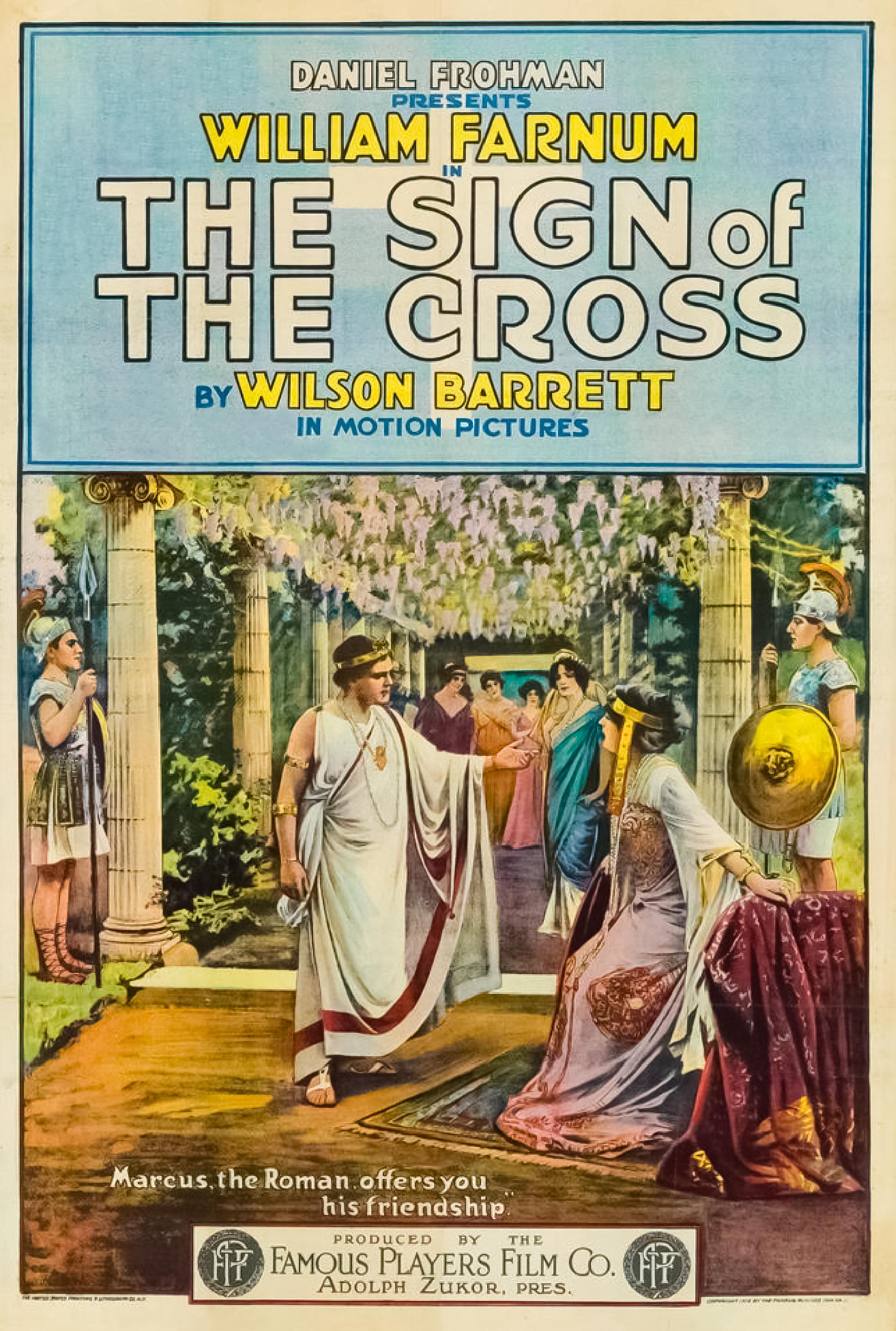
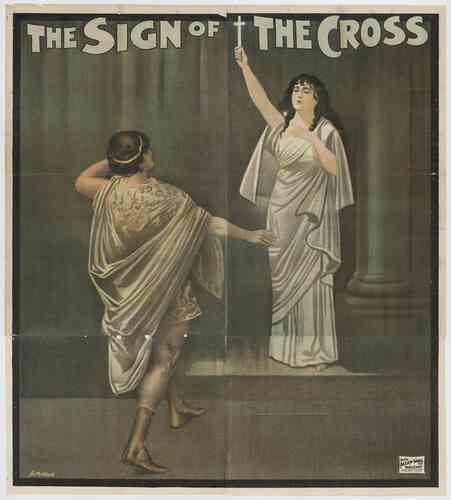
Dir: Frederick A. Thomson
Through the machinations of the Empress Poppaea and other women at court, Tigellinus, Nero's agent in the war against the Christians, convinces Nero to have Mercia arrested.
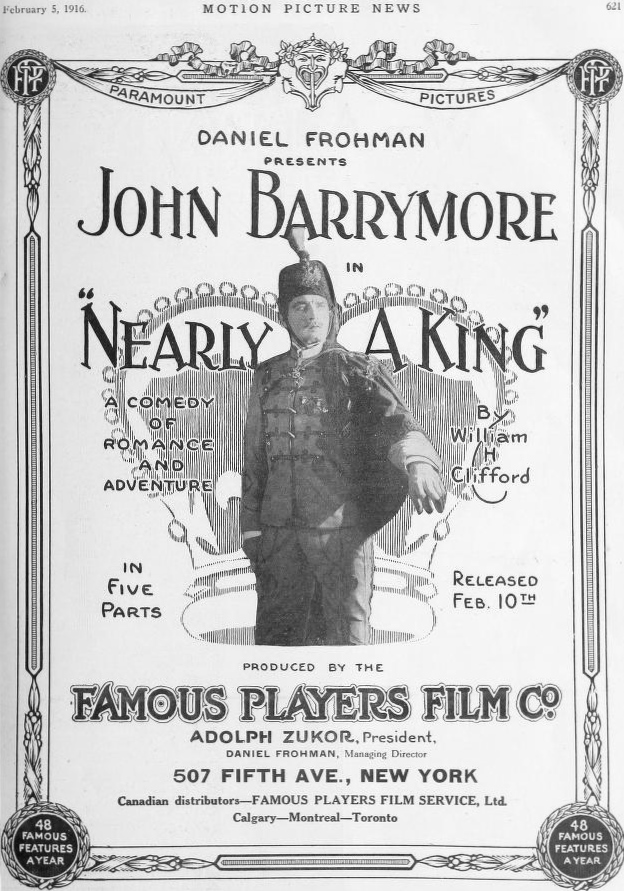
Dir: Frederick A. Thomson
A crown prince doesn't want to marry a foreign princess, so he asks an actor to take his place.
View Details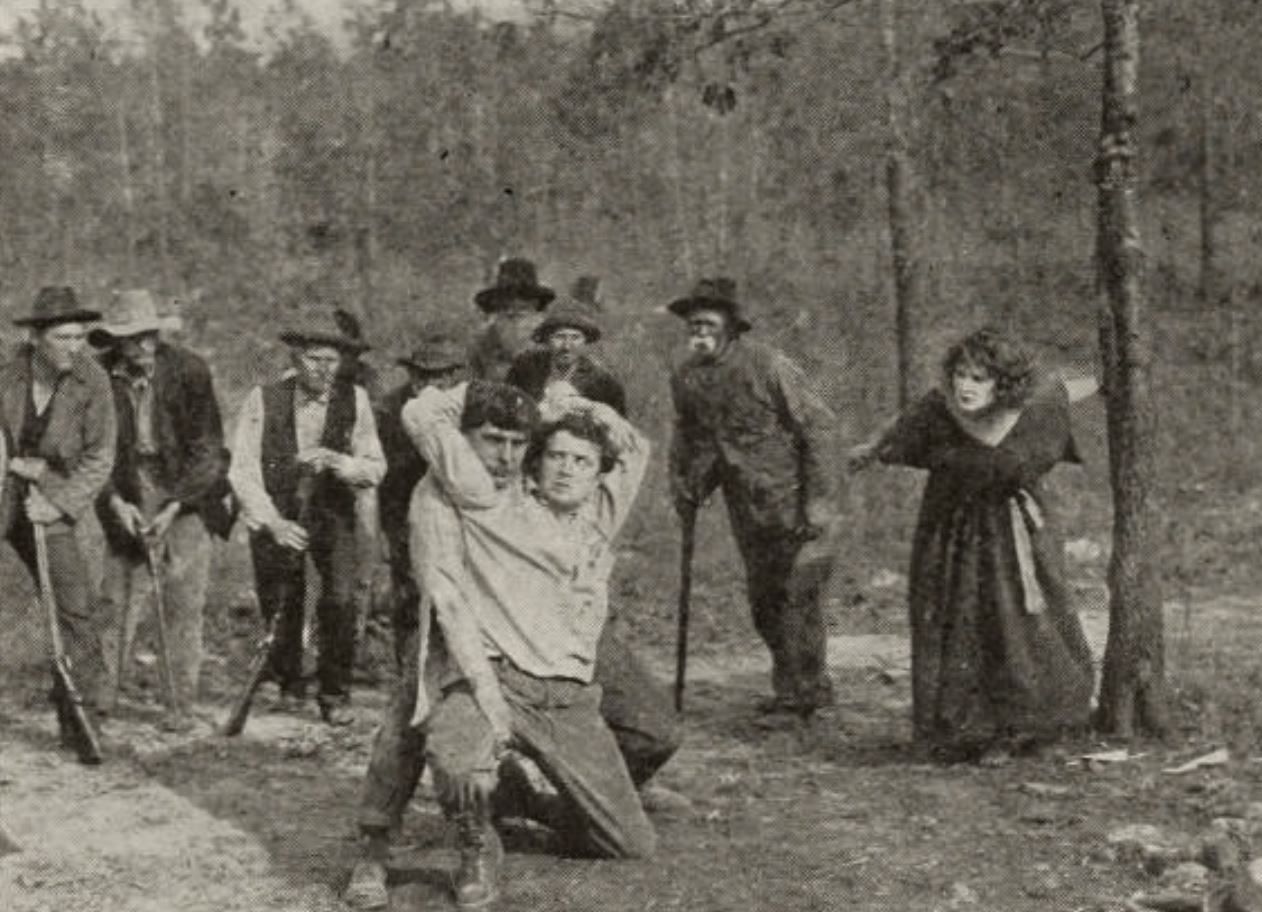
Dir: Frederick A. Thomson
A drama of two feuding clans of rugged mountain folk, and the conflicting love of young couple from opposing sides.
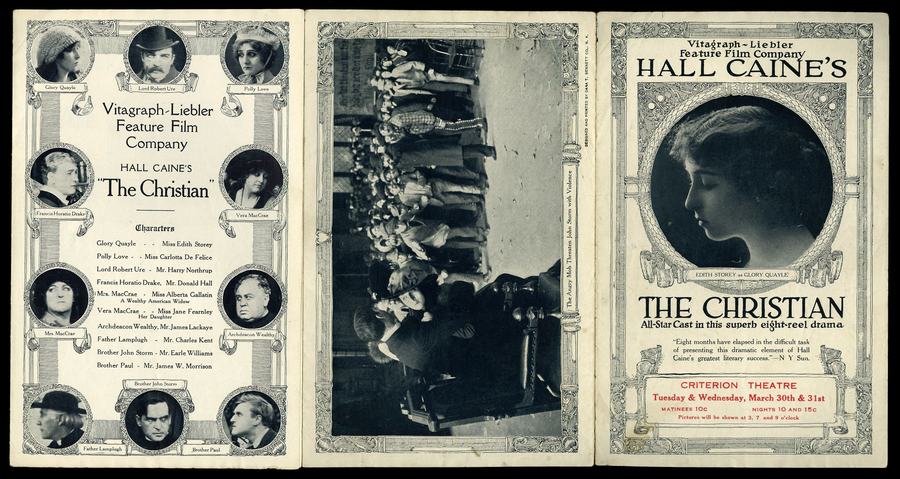
Dir: Frederick A. Thomson
Natural-born mimic Glory Quayle leaves her country home, reaches London, goes on the stage, and gains fame and affluence. Her country sweetheart John Storm, believing he has lost Glory forever, enters a monastery, tries to forget her, cannot kill his love, returns to the world, and becomes a famous slum worker and friend of the poor. Social vampire Lord Robert Ure, a beast in human form, betrays Glory's chum Polly Love. Glory tells John of Lord Robert's wicked treatment of poor Polly. John demands that Lord Robert marry Polly to save her from dishonor. Lord Robert refuses, as he intends to marry a rich American heiress, and a terrific clash erupts between the Right of John and the Might of Lord Robert. John exposes Lord Robert, who swears revenge. Polly dies of shame and a broken heart. Lord Robert plans fiendish revenge on John. He broadcasts the report that John predicts the end of the world on Derby Day, the greatest day of sport in England. John becomes an object of hatred. All Britain wrought up by John's alleged prediction. His former friends become bitter foes. The uneducated and weak are in mortal fear. Thousands and thousands incite riots against John Widespread and awful panics in the slums. Derby Day becomes a day of terror. (Wonderful scenes of the world-famous Derby Race, with its great horses and its terrific crowds, taken in England especially for these scenes.) John is a target for the vengeance of everyone, both rich and poor. He stands alone, with all the world against him. Glory rushes to his aid, quells the angry hordes and saves him from them. Through persecution, John's mind becomes unbalanced. That night, fearful for Glory, John goes to her home, tries to kill her to save her from a fate like the one which befell poor Polly. Glory rises supreme makes a magnificent defense, recalls John to his senses, helps establish his innocence, proves Lord Robert's guilt, accepts John's love, joins him for life, be it better or worse and in spite of the terror, the deep disappointment, the tribulations, the misunderstandings, in spite of all, Glory and John find happiness in each other's love.
View Details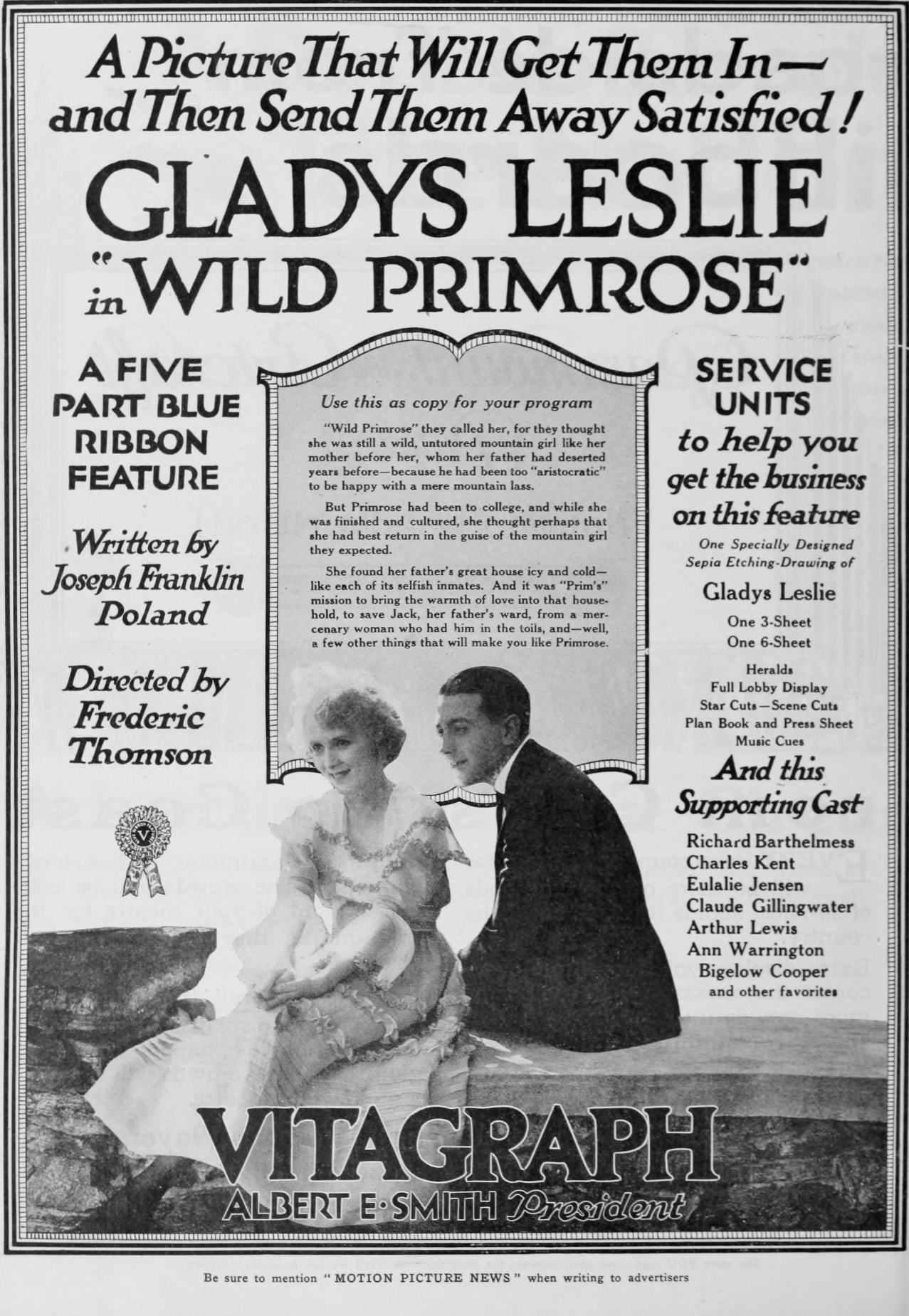
Dir: Frederick A. Thomson
Standish, a wealthy Northerner, deserts his untutored Southern wife shortly after their daughter Primrose's birth, preferring to wed the cultured but haughty Emily. After her mother's death, Primrose is placed in the care of her uncle, who rears her as a refined and educated young lady. Longing for his daughter, Standish sends for her, and although Primrose, deeply resentful of her father, exaggerates the role of the uncouth mountain girl, he and his ward, Jack Wilton, come to love her deeply. Jack, who secretly married a dancer named Marie in a moment of drunken infatuation, reforms under Primrose's influence, but Newton, a broker to whom Standish is deeply in debt, demands her hand in marriage as his repayment. Primrose rejects Newton, and at a ball, she appears as her true self and offers her father some of her oil rich lands. After Standish has repaid Newton, his secretary recognizes Marie as his long-lost wife, leaving Jack free to marry his "wild" Primrose.
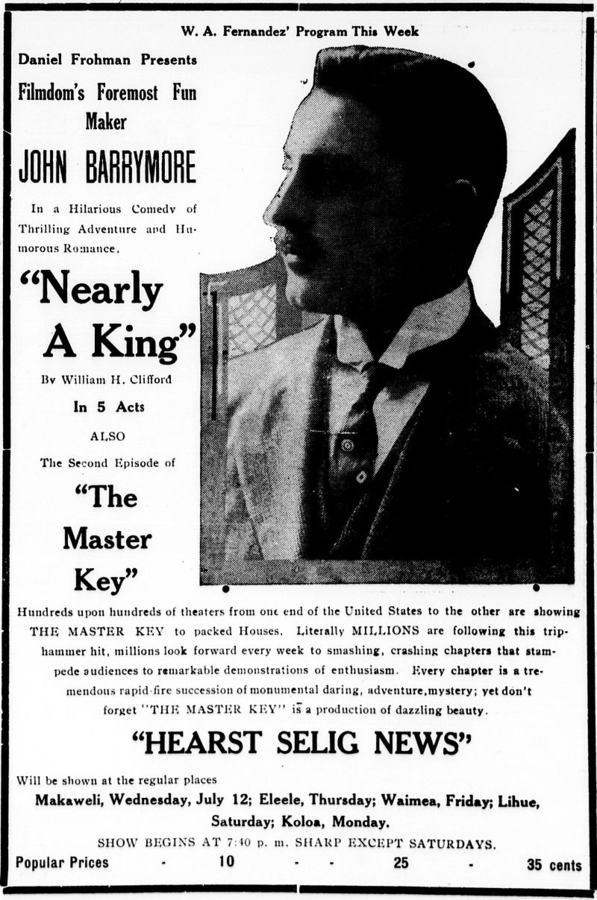
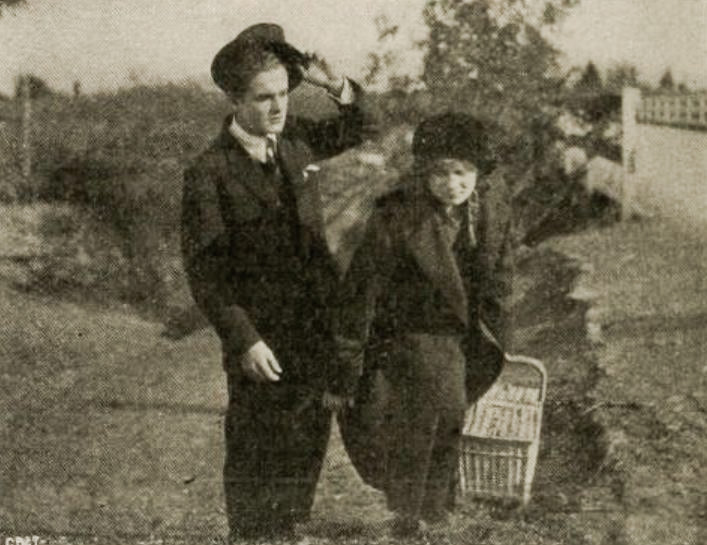
Dir: Frederick A. Thomson
Tom, a young man in a small town, wants to marry his sweetheart Jane, but Jane's father won't allow it until Tom proves he can support her. Tom heads to New York City to make his fortune and prove to Jane's father that he has what it takes, but he meets and falls in love with Amy, a chorus girl who already has a wealthy suitor. Complications ensue.
View Details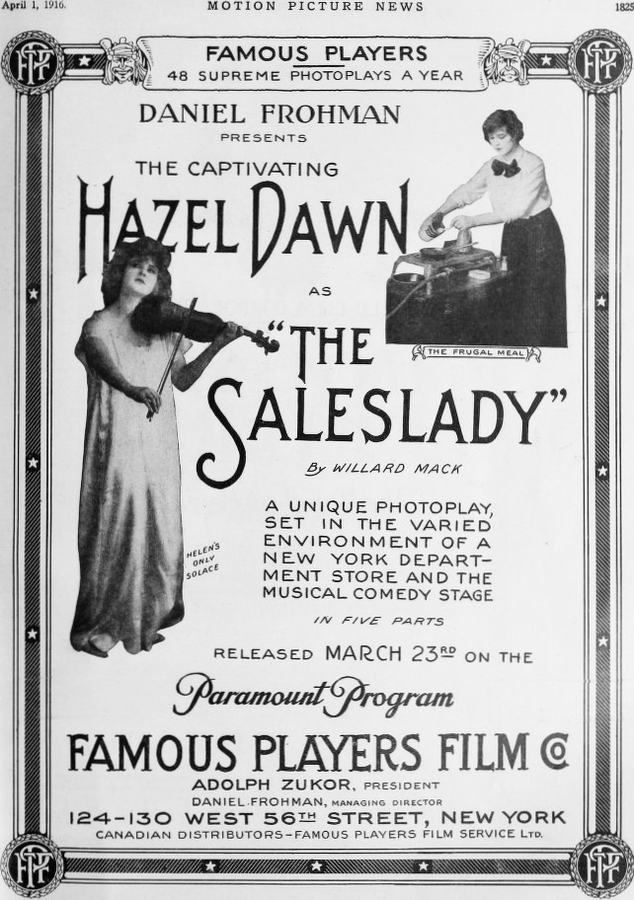
Dir: Frederick A. Thomson
Poverty forces Helen Shirley, a country lass, into New York in search of a living. Shy and unsophisticated, Helen falls an easy victim of the notorious band which preys upon young girls and she is easily induced to go to a boarding house which is in reality the headquarters of the gang. Failing to find employment, she decides to give violin lessons and while practicing, she hears the agonized cough of a girl in the next room. Investigating, she discovered that the girl is in last stages of tuberculosis and that only instant removal to the mountains will save her. Moved by compassion, Helen impulsively sells the beautiful dog which is her only source of amusement and contrives to set the girl on the path to recovery. Practically penniless as the result of her kindness, Helen is ejected from her room but young Bruce Kerwin, a wealthy New Yorker, who has been attracted by her beauty, learns of her plight and induces one of the other girls in the house to "loan" Helen some money. Through the efforts of Burke, a mounted policeman and his sweetheart, the girl obtains employment in a department store where the advances of a floorwalker annoy her. When she repulses him, he contrives to have her discharged, but when she tells her story to the matron, she is taken to the manager and reinstated. The floorwalker, finding that Helen and young Bruce are going together, informs the boy's father that he is interested in a shopgirl. In the row which follows between father and son, Bruce leaves his home and then marries Helen. Soon after he is injured and Helen decides to try her luck on the stage. She is a tremendous success and scores a great hit, captivating, among others, the elder Kerwin, who does not suspect that she is his daughter-in-law. The old gentleman meets Helen; she, of course, is aware of his identity, and the girl adroitly wins his heart before revealing her identity.
View DetailsAnalysis relative to Heidi
| Film Title | Atmosphere | Complexity | Similarity |
|---|---|---|---|
| The Goose Girl | Surreal | Layered | 96% Match |
| How Could You, Caroline? | Ethereal | High | 94% Match |
| A Nymph of the Foothills | Gothic | Linear | 85% Match |
| The Sign of the Cross | Surreal | Abstract | 90% Match |
| Nearly a King | Surreal | Abstract | 91% Match |
This guide was algorithmically generated using the cinematic metadata of Frederick A. Thomson's archive. Last updated: 8/17/2026.
Back to Heidi Details →