
DbcultAccessing Vault...
Recommendations
Senior Film Conservator

Looking back at the 1924 milestone that is His Darker Self, the specific artistic bravery of this work is a gateway to a broader Comedy world. Our archive is rich with titles that mirror the artistic bravery of John W. Noble.
As John W. Noble's most celebrated work, it defines to create a dialogue between the viewer and the artistic bravery.
A small town man takes a mail-order detective course. When a Black friend is murdered, he goes undercover in black-face to investigate at a notorious, knife-wielding bootlegger's roadhouse.
Based on the unique artistic bravery of His Darker Self, our vault has identified these titles as the most compelling follow-up experiences for fans of Comedy cinema:
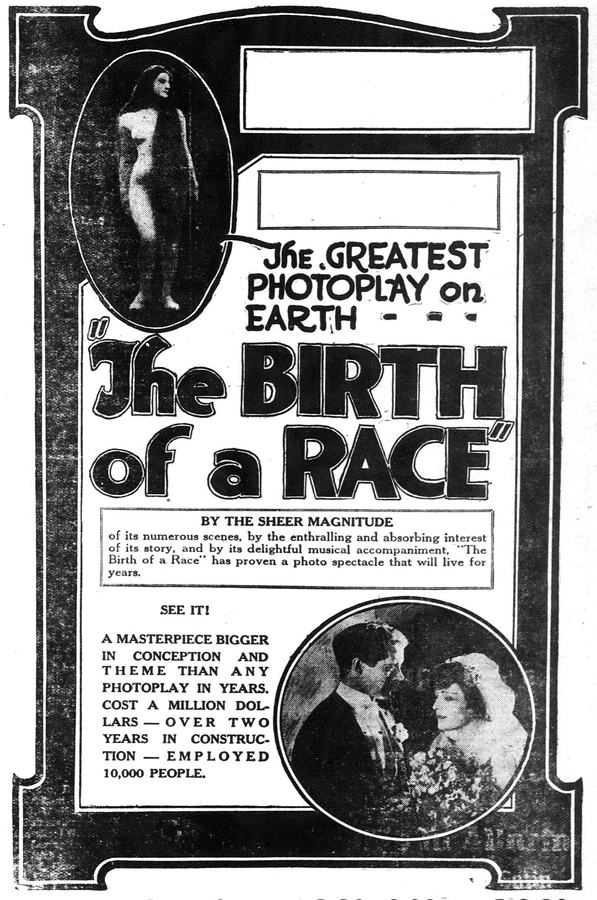
Dir: John W. Noble
After a biblical and historical prologue detailing the evolution of the idea of democracy through the creation of the world, the flood, the crucifixion of Christ, the discovery of America, the signing of the Declaration of Independence, and the Civil War, the present-day threat to this idea by autocratic powers is dramatized. Fritz Schmidt, a German-American steel plant owner, and his son Oscar remain loyal to the Kaiser, while son George fights for the Allies. When the American army hospital where Louisa Schmidt works as a nurse is attacked by the Germans, Oscar, now a German soldier, assaults her, not recognizing his sister in the confusion. George, recovering in the hospital, kills his brother and then returns home to find his mother and a German spy struggling for some secret papers. George kills the spy, Fritz realigns his loyalty to the American cause, and the family is reunited.
View Details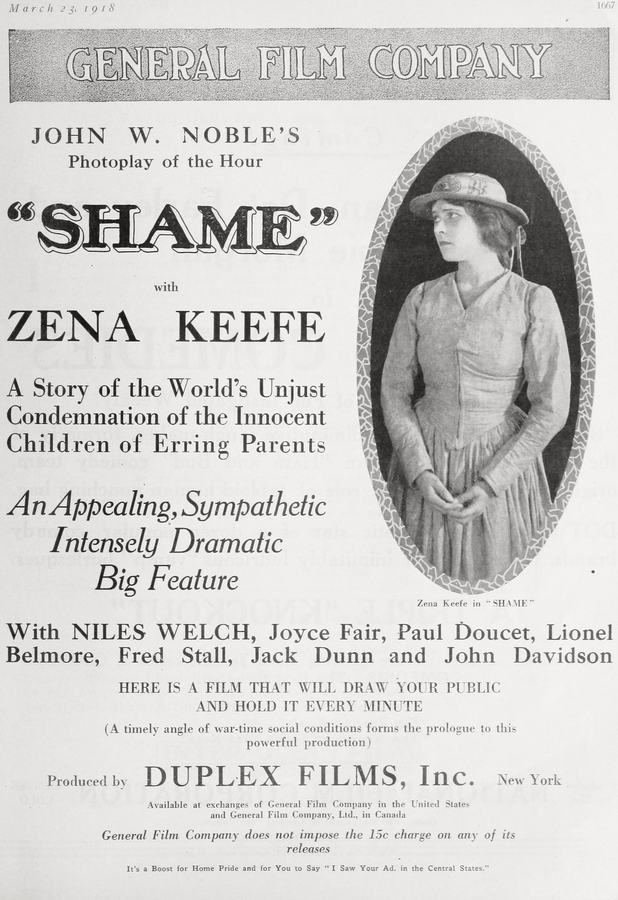
Dir: John W. Noble
At the outbreak of the Spanish-American War, John Grey enlists in the Army and leaves his sweetheart Mary for Cuba. Later Mary discovers that she is pregnant, but John is killed before they can legalize their union. When Mary dies, her daughter Little Mary is taken into an orphanage and adopted by Peters, a cruel farmer who turns her into a slave. Befriended by Seppe, a hunchback farmhand of similar parentage, young Mary escapes to the city where she finds work at a hospital run by Dr. Strong. Soon after, she falls in love with Strong's son Donald and accepts his marriage proposal. When Donald learns from Peters, who comes to the city to reclaim Mary, that she is illegitimate, he backs out of the engagement. To stop Peters from stealing Mary, Seppe shoots him, wounding him only slightly. The incident shocks Donald into rethinking his decision; but even after she and Seppe are freed from Peters and the law, Mary refuses to compromise Donald's reputation and returns to the country with Seppe.
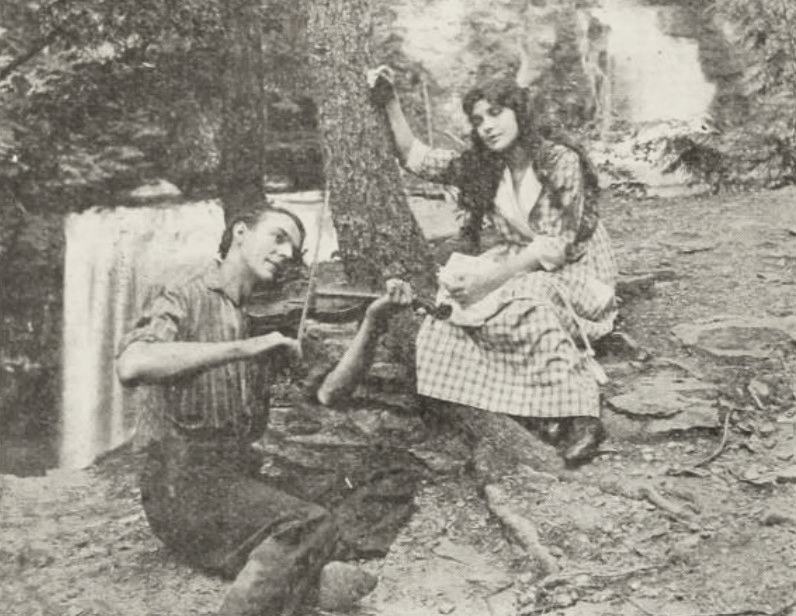
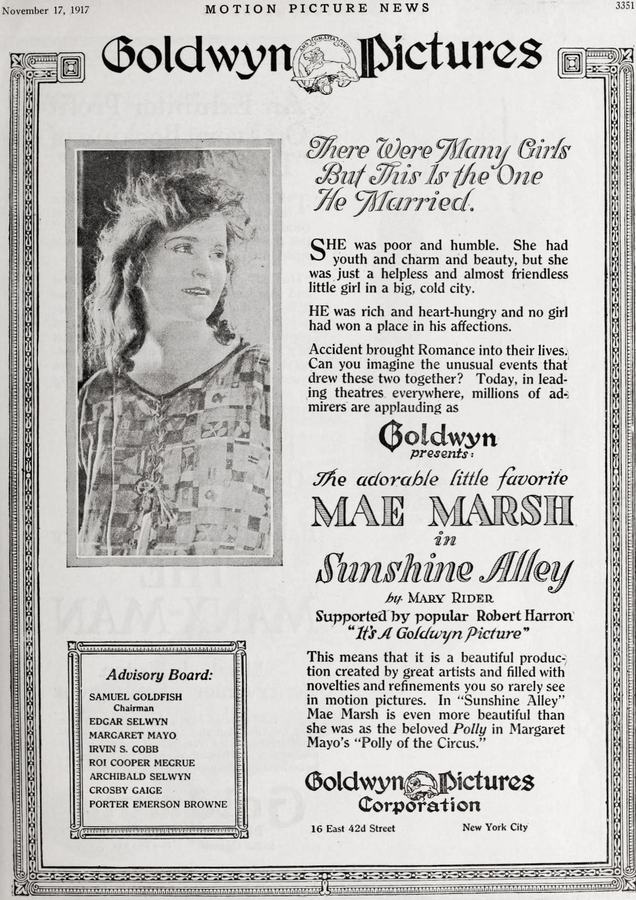
Dir: John W. Noble
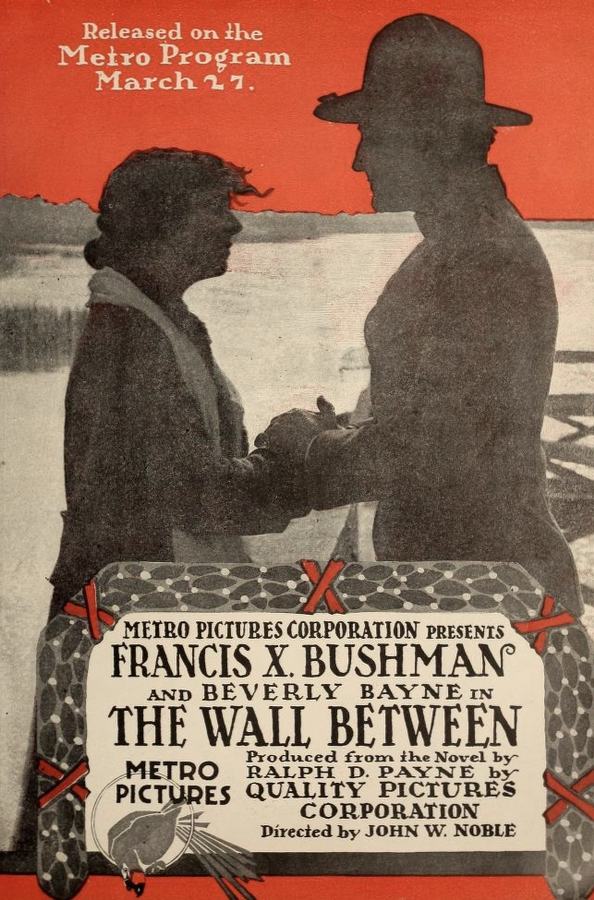
In the poorest section of the city lives Nell, who spends her days at her grandfather's bird store, finding constant delight in the companionship of her feathered friends. One day Nell's grandfather is run over by a car driven by Mr. Morris, a millionaire, who offers to purchase a bullfinch at a large price in order to forestall a damage suit. When Nell's grandfather refuses to sell because the bird is his granddaughter's pet, the Morris' son Ned, impressed with Nell's charm, tells her to call if she is ever in need of assistance. It soon becomes evident that her grandfather is in need of expensive medical care, so Nell calls Ned and offers to sell the bird. Later the finch becomes ill and Nell is summoned to treat it. While she is at the house, Nell and Ned fall in love. Nell's happiness is clouded, however, when her misguided brother Carlo attempts to rob the Morris house. All ends happily, however, when through Nell's and Ned's devotion, Carlo is reformed and the grandfather receives the care he needs.
View Details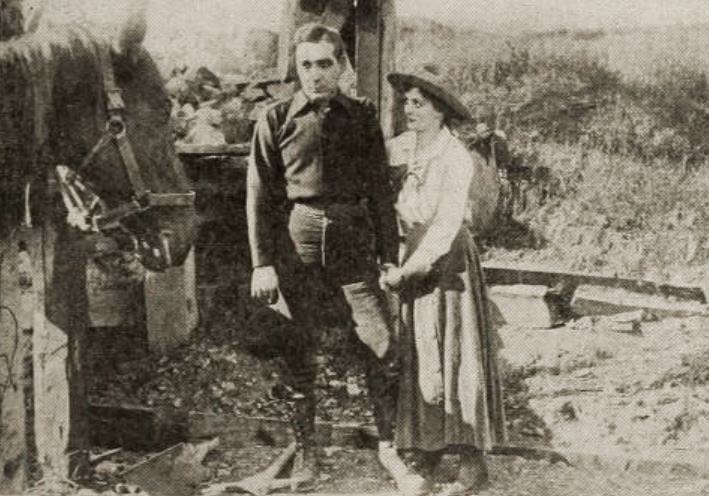
Dir: John W. Noble
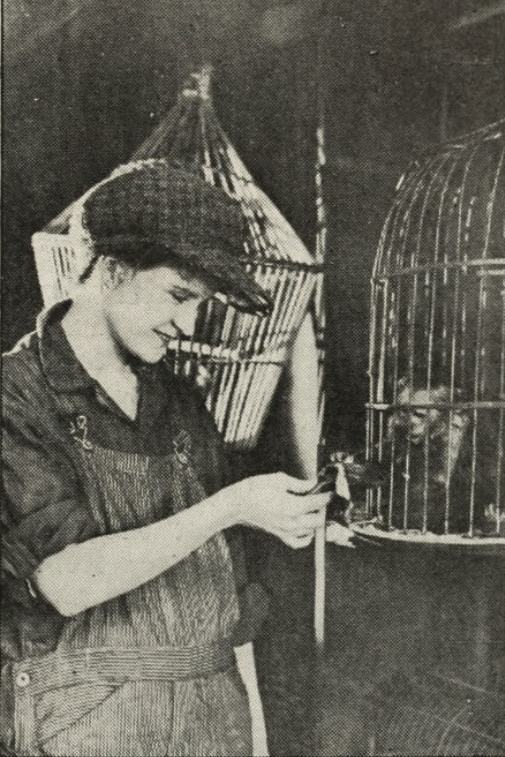
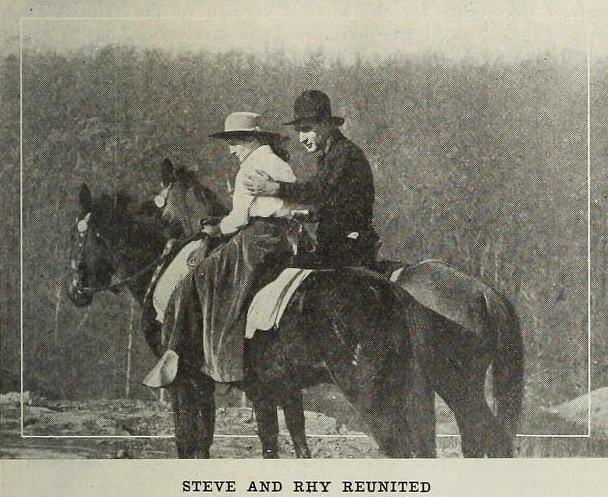
Rhy MacGhesney and her two brothers, Clem and Sonnie, live with their father and their servant Maggie in a small boom mining town in Colorado. The boom has passed to the camps further on, leaving their little camp practically deserted. Rhy still has faith in the claim her father worked up to the time he was killed, some five years before, but her brother hates the life of the camp, and wants to sell for what they can get and go back to New York, where he feels he can have a chance to make something of himself. Their neighbor across the street is Lewis Beresford, whose obvious mission in the camp is one of pleasure, but who is in reality a mining expert, connected with big mining interests. He has ingratiated himself into the affection of the people of this little camp, and shows a great liking for Rhy and her brothers. Steve Towney, the former mine superintendent for "The Three of Us," is in love with Rhy and is jealous of Beresford, as he has been accepted as suitor for Rhy's hand, up to the time of Beresford's coming. Mr. and Mrs. Bix, Rhy's closest friends in the camp, give a Hallowe'en dinner, which is to be the biggest event of the year. On the day that the dinner is to be given, Steven strikes, by accident, mineral. This assures the success of the mine on which he holds an option, and which adjoins "The Three of Us." Overjoyed, he rushes to Rhy to tell the good news, informing her that it will be impossible for him to attend the Bix dinner, as his option expires the next day at noon. Rhy confesses her love for him, and asks him to wait until next morning. She will then go with him. He consents, giving her the option and samples of ore. Clem overhears the conversation. He is bribed by Beresford to reveal it. The latter thus has an opportunity to make an attempt to gain possession of the mine. He is at the recording office waiting to establish a claim the moment that the option to Towney's mine expires. But Rhy saves the mine and proves her loyalty to Steve by a thrilling ride over the mountains. This is shown in a series of exciting pictures. A great explosion for the breaking of ground for a smelter for the two successful mines ends the picture.
Dir: John W. Noble
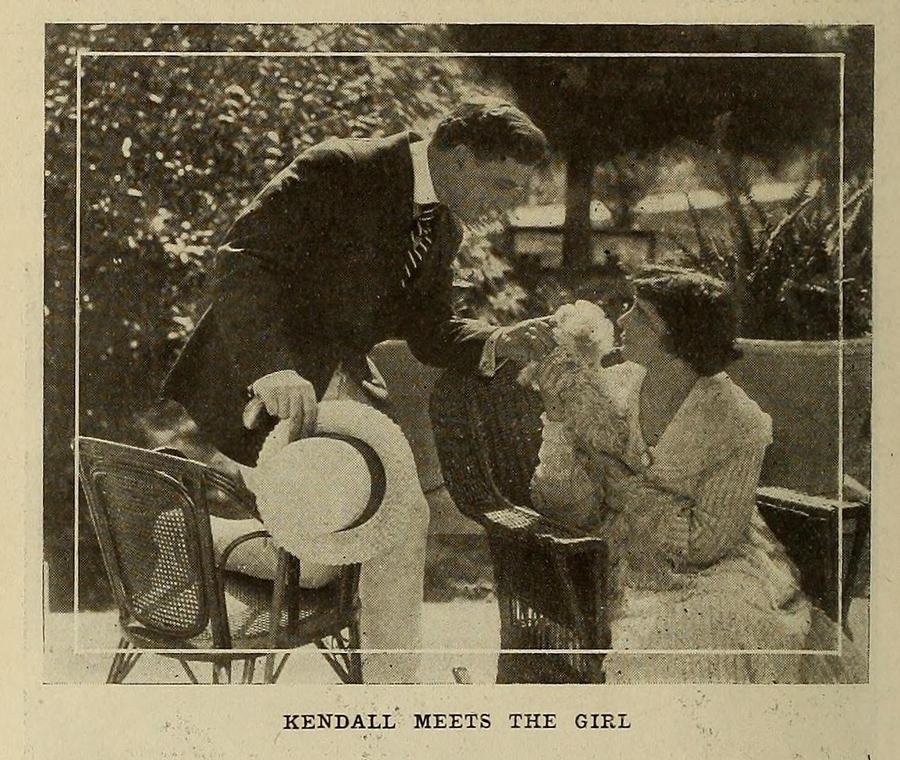
John Kendall was brought up in a wealthy family, but when his father loses the family fortune and then dies, John is left penniless. He joins the army and rises to the rank of sergeant. He soon meets and falls in love with Edith Ferris, the daughter of Col. Dickinson. When he talks to her at a party, Lt. Burkett upbraids him for fraternizing with an officer's family. Edith's mother, not wanting her daughter getting involved with a lowly enlisted man, conspires with Lt. Burkett to discredit John.
View Details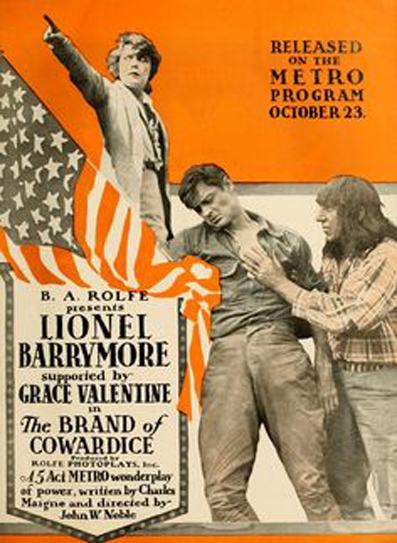
Dir: John W. Noble
Cyril Van Cortlandt Hamilton, one of the wealthiest young bachelors in New York, has led a life of ease. He is engaged to be married to Marcia West, the daughter of an Army Colonel. While Cyril and Marcia are at a house party, news comes that the National Guard has been called into service. Cyril, a member of a militia regiment, not caring to be subjected to discomfort, declines to accompany his regiment to the border and resigns his commission. For this Marcia breaks her engagement, and accompanies her parents to the border, where Col. West is to take command of his regiment. Upon his return home Cyril considers his act and later enlists as a private in an Irish regiment and goes to the border. His society manners annoy the rough-and-ready men among whom he has cast his lot, and they proceed to make life miserable for him. Corporal Mallin especially loses no opportunity to bully him. Cyril wanders about by himself when not on duty, and meets Idiqui, a Mexican Indian, whose gratitude he earns by aiding his daughter, Rana, who has fallen and hurt herself. The Mexican bandit chief Navarete comes into camp. He has been educated in the United States, and has fallen in love with Marcia, who has refused him. He gets Mallin to steal one of the machine guns for him. When the theft is discovered Mallin accuses Cyril and Idiqui of the crime. Cyril and Idiqui are ordered to the guardhouse. The Indian attempts to escape to his daughter, whose condition is critical, and Mallin raises a gun to shoot, but Cyril overcomes him. Then, realizing that he has placed himself in a serious position and can hope for no leniency from Mallin, he deserts, Idiqui going with him. They set out afoot on the Mexican side of the river. Marcia has come across the river on her early morning ride and stumbles upon the bandits taking the automatic away. She is seen and captured, and Cyril and Idiqui, unarmed and helpless, follow in pursuit, to find out where she is being taken. Idiqui is struck by a rattlesnake, and Cyril cauterizes the wound. The Indian goes to warn the American troops, and Cyril goes on to the Mexican village, where the Mexicans are carousing in front of Navarete's house, where Marcia is held prisoner. Cyril draws the villagers away from the chief's house by setting the village on fire, and then enters the house in time to save Marcia from Navarete, killing the bandit. They escape. They are overtaken in the morning, and ensconced in a sand pocket put up a brave fight. When one cartridge alone remains, Marcia. now acknowledging Cyril's bravery, asks him to kiss her and then kill her with the remaining cartridge, to save her from falling into the hands of the Mexicans. He is about to do so when he himself is shot down. The bandits swoop upon the two, but are stopped by Col. West and a number of his men. A squadron of cavalry and a battalion of infantry also come to the rescue from different directions, cutting off the escape of the Mexicans. Cyril is lifted into Col. West's auto in a dying condition. By the blessing of Providence and his own vigorous constitution, Cyril recovers, and two months later, as he watches the return of the regiment with his beloved wife, Marcia, the men recognize him and discipline is forgotten while the marching troops turn to cheer him.
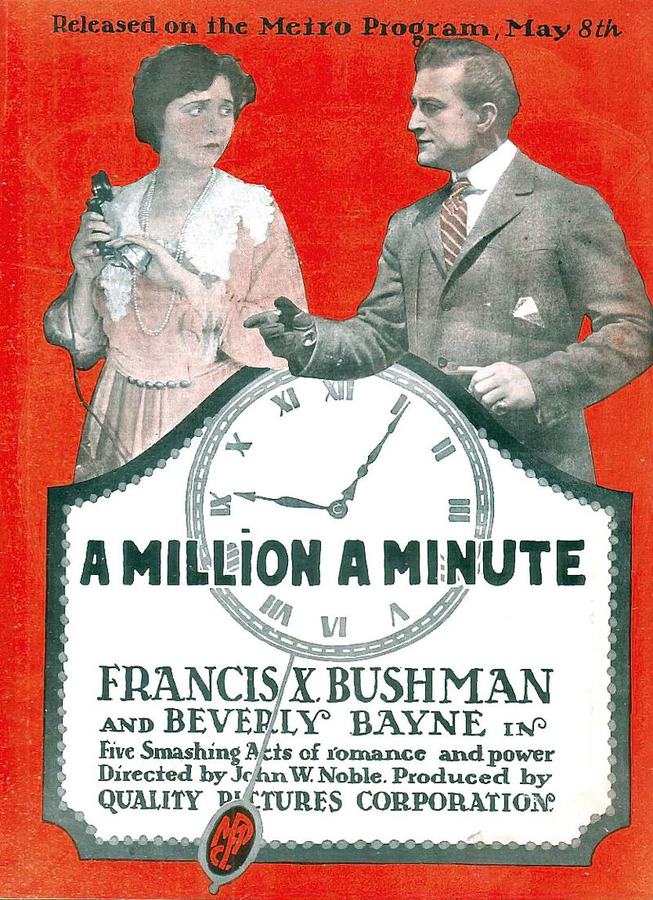
Dir: John W. Noble
Philip and Miles Quaintance quarrel over the love of Ellen Sheridan; Miles is rejected, while Philip is successful. Philip dies soon after his son is born, and Miles proposes to the widow. When she refuses him, he uses every means to make her unhappy. She leaves the Southland where they live, taking her infant son Stephen. When Stephen has grown to manhood, his mother dies, first telling him the story of Miles' persecution. He is so embittered against his uncle that he avoids meeting him, and he leaves for South Africa. Miles Quaintance amasses a fortune, and in his declining years he hopes to meet Stephen to make restitution for the wrongs he had done his parents. Miles has a ward, Dagmar Lorraine, whom he sends to Paris to study singing. There she meets Etienne, the Duke de Reves, who has an unsavory reputation. He makes violent love to Dagmar and obtains her consent to marry him. After the ceremony a woman enters the church carrying a baby whom she claims is the Duke's son. Horrified, Dagmar flees from the church and returns to America. In a whimsical mood, and partly to atone for the wrongs he had done in his past, Miles makes a will leaving his $10 million fortune to Dagmar and Stephen, provided that they marry and that the wedding takes place before midnight of the following May 31. Miles does not know of Dagmar's wedding and dies before she arrives in America. Stephen is notified of the contents of the strange will at a trading station in Africa. He decides he will take no assistance from his uncle, and with Timothy O'Farrell, a companion, he plans a way out of it. They find the body of a white man floating in the river, and Stephen puts all his papers and trinkets in the pockets of the dead man. Mark Seager, a gunrunner, finds the body and conceives the idea of impersonating the dead man, marrying Dagmar, and claiming the legacy. He sets off for America immediately. Stephen and O'Farrell also leave for America. They are in a restaurant, where they see a man abusing a young girl and using threatening language. It is the valet of the Duke, who has met Dagmar and is trying to blackmail her for his silence. Stephen drives the valet out of the place, and is charmed by the appearance and manner of the girl. She leaves before he can question her. While driving her automobile home that night, Dagmar has trouble with the engine. When she stops to fix it Seager, who does not know her, observes her predicament and attempts to take advantage of it. She frightens him away with a revolver. The next day, Stephen sees an automobile offered for sale, and noticing that it corresponds with the one driven by the girl he met the day before, he answers the advertisement. Dagmar sells the car to him as she is low in funds. That night the valet and the Duke come to her home and she flees, taking passage the next morning on a steamship bound for Paris, where she has left some money in a bank. Seager learns that she has gone, and he follows. Likewise do the Duke and Stephen and O'Farrell. Stephen, taking the name of A. Newman. Seagar finds Dagmar in Paris and tells her he has come to marry her. One look at him and she leaves. The Duke finds her and persuades her to come to him, saying he will lead a better life, and introduce her to his own society. On the night of the reception she is kidnapped by Seager, who takes her to a deserted house where he has arranged for a rascally advocate to come and marry them. The Duke follows to the house and is killed in a fight with Seager. Stephen and O'Farrell have followed the Duke's valet and arrive there just as Seager is forcing Dagmar into a marriage. It is just 10 minutes to midnight, the time assigned for the $10 million wedding. Seager is driven from the place and Stephen and Dagmar tell each other of their love. Both agree not to touch a penny of Miles' fortune, and after the clock strikes twelve they are married.
View Details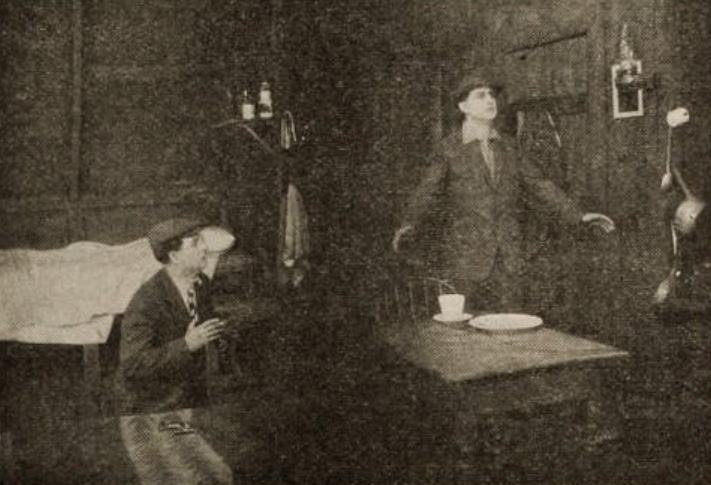
Dir: John W. Noble
The story of Reverend 'Satan' Sanderson, Hugh Stires and Jessica Holmes, a beautiful and romantic blind girl and ward of David Stires, father of Hugh. The latter is signing his will, making Jessica his sole heir, thereby disinheriting his dissolute son. Jessica protests and Reverend Sanderson protests to David on behalf of Hugh. Sanderson acknowledges that he himself was a wayward youth in college, the leader of a fast-set and looked favorably upon by Hugh, and he feels responsibility for Hugh's downfall. David Stires is obdurate and Jessca's sympathy goes out to Hugh and she blames Sanderson for Hugh's troubles. Sanderson, though, is in love with Jessica. Hugh returns home, gains his father's forgiveness, and weds Jessica, whose eyesight had been restored by a medical operation. And then David learns that Hugh has forged his name to a check. Davis threatens his son with jail and Hugh runs away and seeks Sanderson's help, again. From there the story takes a few turns.
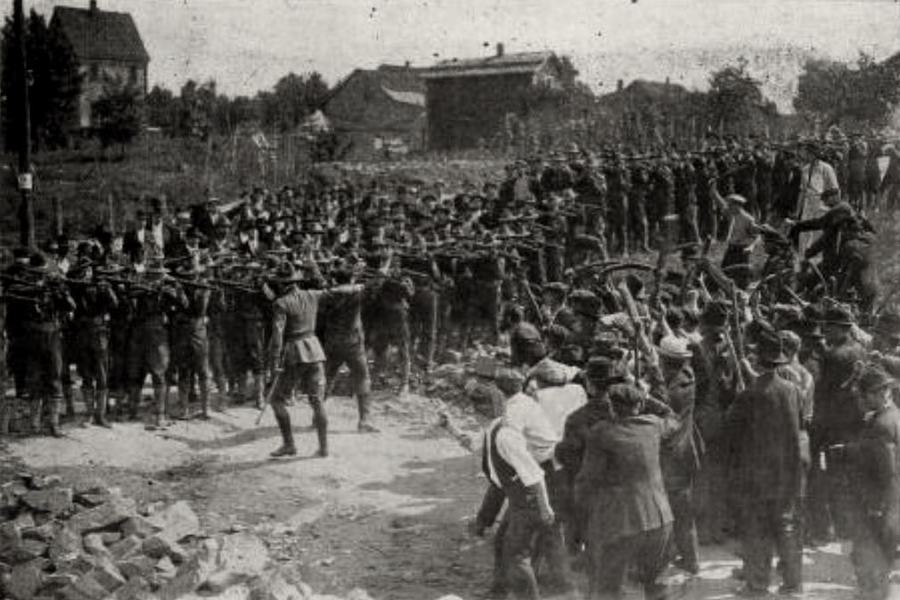
Dir: John W. Noble
In a prologue, the relationship between capital and labor throughout history is shown in caveman days, Biblical times, and the feudal period. In the main story John Stoddard, a construction chief building a gigantic bridge for capitalist Courtlandt Van Nest, sympathizes with the workers' dissatisfaction with low salaries and subsistence conditions. When his attempts to negotiate with Van Nest fail, the workers, led by agitator Lavinsky, prepare to strike. Van Nest's daughter Janet, who is engaged to a militia captain, visits the site and is appalled by the squalor. Despite their differences, Janet and Stoddard fall in love. When the strike breaks, Van Nest sends in the militia. As they prepare to fire, Stoddard sees Lavinsky about to throw dynamite, and wrestles it away. He then agrees to Van Nest's demand for settling the strike that he refrain from seeing Janet. After Janet leaves home to help poor families, Van Nest looks for her at Stoddard's house where Stoddard demonstrates that because of their similar ancestry, he and Van Nest are not very different. When Stoddard's sister Edith allows Van Nest to witness the surprise reunion of a worker and his wife from Europe, to whom Janet had sent transportation money, Van Nest softens and agrees to Janet's marriage to Stoddard. An epilogue follows showing blindfolded Justice saying to fat Capital and burly Labor, "Why quarrel? You are worthless without the other."
View Details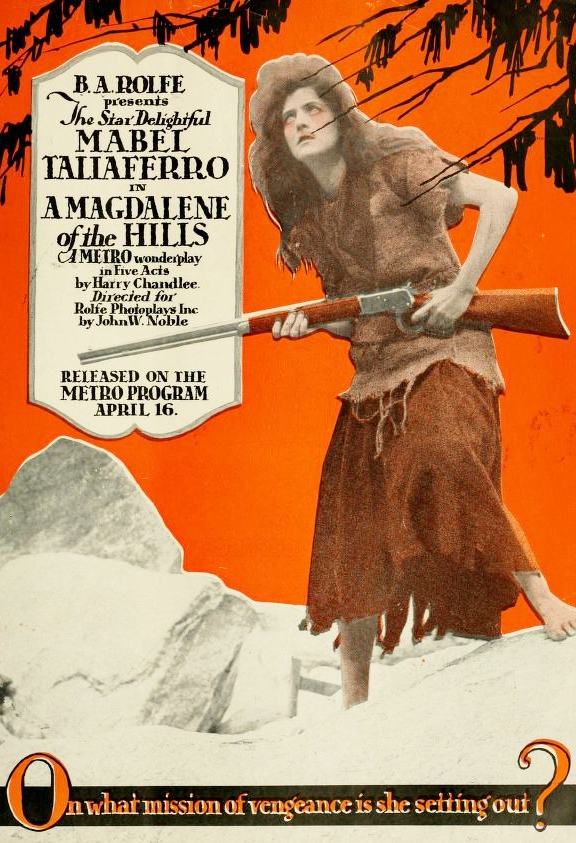
Dir: John W. Noble
Herbert Grayson has timber holdings in a Southern state. One of his mills is burned, and he accuses Len Mathis, a young mountaineer. In trying to avoid arrest Len is killed, and old John Mathis, his father, swears to shoot Grayson or any member of his family on sight. His young daughter, Renie, makes the same vow. Grayson is anxious to gain control of lands owned by Mathis, Grayson's nephew, Eric Southard, volunteers to effect the purchase. On his arrival, he telegraphs his uncle, disclosing his identity to the station-agent, who loses no time in telling the bystanders. Eric starts for the home of Peets, his uncle's foreman, in the village "jitney," as Renie, rifle in hand, is walking across the hills to Hibbitsville to get cartridges. One of the tires of the automobile bursts, and Renie, thinking the noise that of a gun, creeps behind Eric and the chauffeur, who are mending the tire, and makes them throw up their hands. When they explain that the tires contain wind, she shoots one in order to prove it, and while the chauffeur is repairing the damage she and Eric sit by the roadside. She learns in the village that Eric is Grayson's nephew, and goes to Peets' cabin to avenge her brother. Trying to shoot through the window, she misses Eric, who returns her fire, and slightly wounds her. He carries Renie home, and she tells her father she has been wounded by dropping her own gun. Eric and Renie fall in love. John Mathis has promised Renie's hand in marriage to Bud Weaver, as soon as he earns the necessary $100 with which to set up housekeeping. Eric writes to his uncle, refusing to further his schemes in the mountains. Eric is summoned to the Mexican border with the National Guard. He promises Renie to return for her. Bud Weaver demands his bride, and old John, true to his promise, sets a date for the wedding. Eric, stricken with typhoid fever, has been sent back to New York to recuperate, but Renie, unable to read or write, cannot communicate with him. The night before the wedding Renie tries to run away, and discovered by her father, has to tell him the reason. Old John gives her her rifle and shows her the door. Renie goes to Peets' cabin to try to learn news of Eric, and Peets takes advantage of her loneliness. In the ensuing struggle, Renie's gun is fired, and Peets is killed. Some men who are passing break into the cabin and Renie is arrested charged with murder. In a New York hospital Eric is convalescent. He learns that Renie has shot Peets and that her trial will be held in a few days. Eric hurries to Hibbitsville and plans her defense. At the trial, the feud between the Grayson and the Mathis factions is brought out, making the case against Renie look serious, but Eric appeals to the sympathies of the mountaineers in her behalf, and the jury returns a verdict of "not guilty." Eric and Renie are married, and Grayson, having come to a realization of the needs of the mountaineers, begins a new regime of helpfulness among the hills.
View DetailsAnalysis relative to His Darker Self
| Film Title | Atmosphere | Complexity | Similarity |
|---|---|---|---|
| The Birth of a Race | Tense | High | 85% Match |
| Shame | Surreal | Abstract | 96% Match |
| Sunshine Alley | Gritty | Dense | 93% Match |
| The Three of Us | Gothic | Linear | 87% Match |
| The Wall Between | Tense | Abstract | 91% Match |
This guide was algorithmically generated using the cinematic metadata of John W. Noble's archive. Last updated: 6/28/2026.
Back to His Darker Self Details →