
DbcultAccessing Vault...
Recommendations
Senior Film Conservator
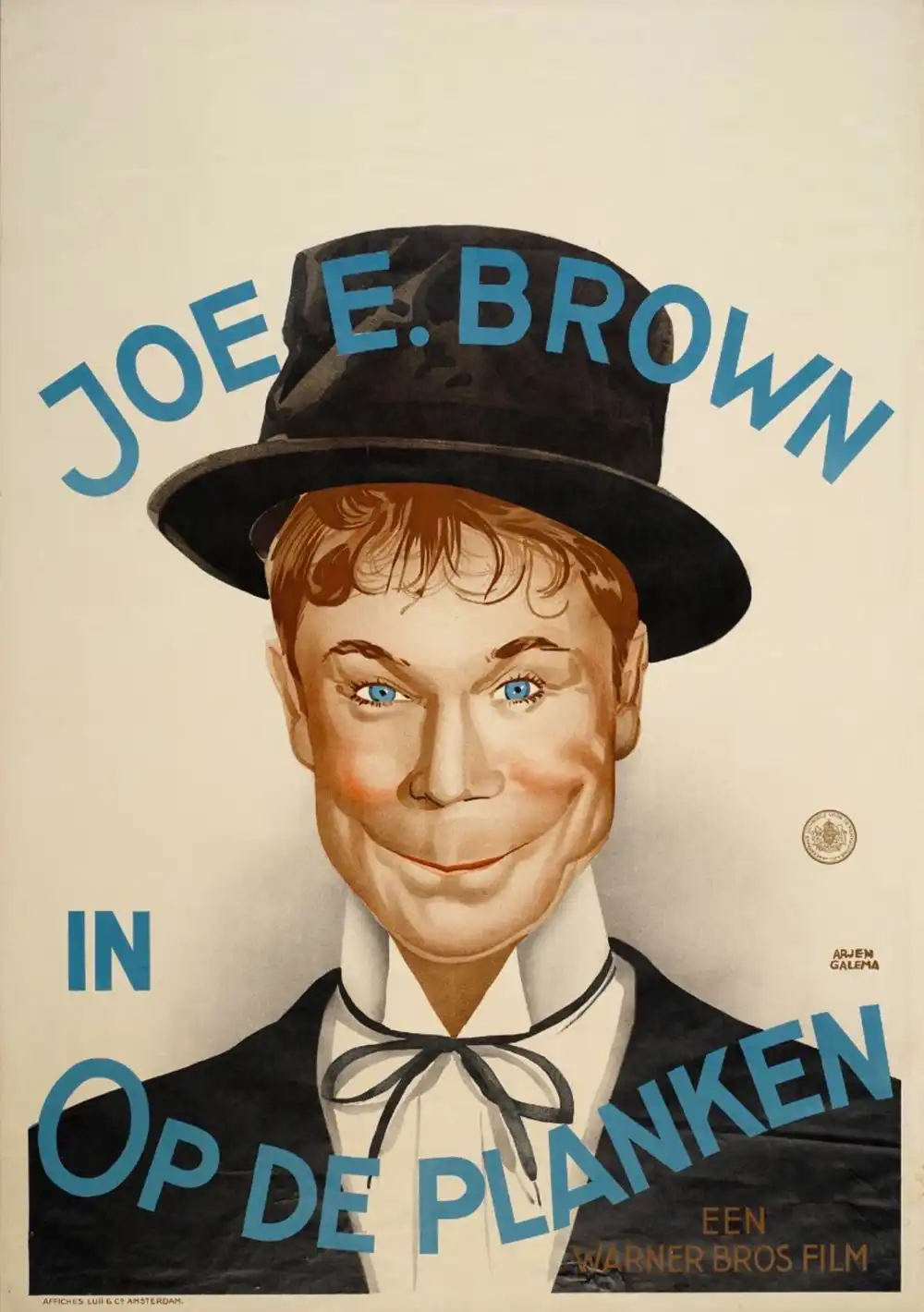
Witnessing the stylistic evolution of Ralph Ince through Hit of the Show is profound, this Comedy landmark continues to dictate the rules of its category. If Frank Mills, William Francis Dugan, LeRoy Mason impressed you, these next recommendations will too.
The synthesis of form and function in Hit of the Show to maintain its cult relevance across several decades.
Based on the unique artistic bravery of Hit of the Show, our vault has identified these titles as the most compelling follow-up experiences for fans of Comedy cinema:
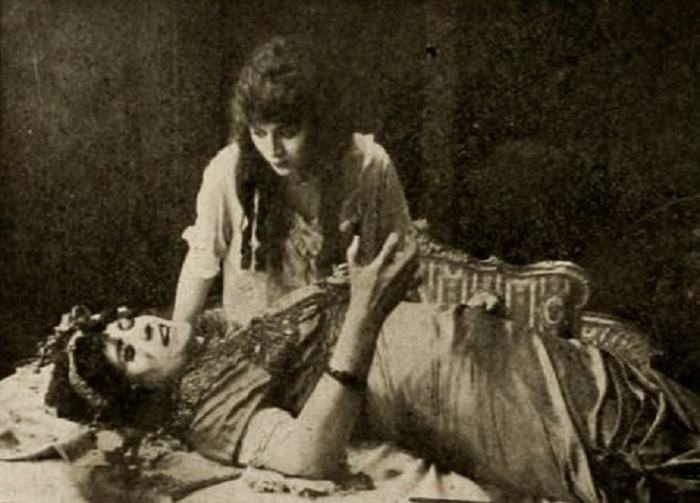
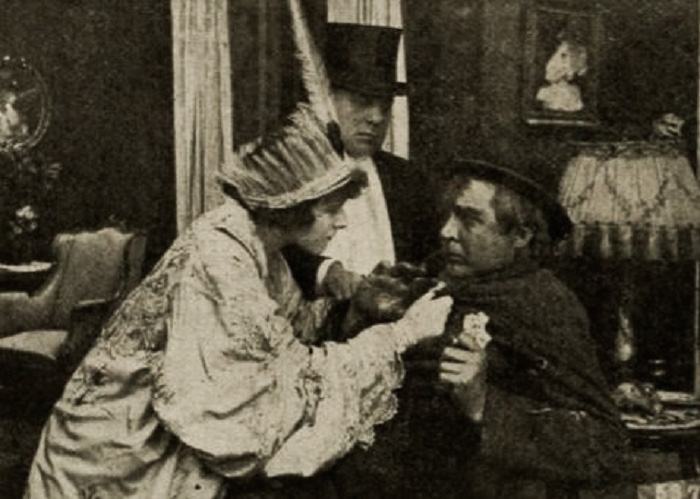
Dir: Ralph Ince
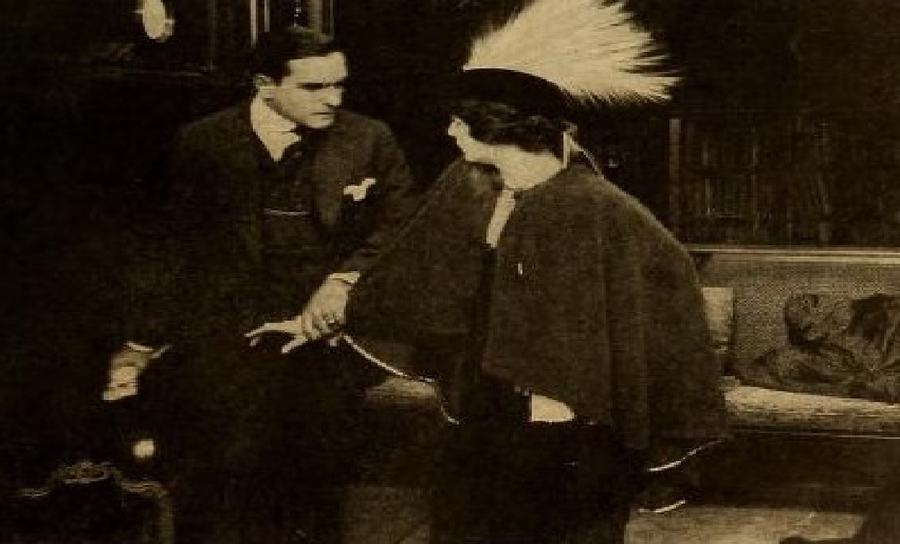
By one of those strange mistakes of nature, a child is born to Elois, an actress. The advent of the child, Yvette. arouses in Elois the one fine trait in her nature, a tremendous mother-love. To keep the child clean and to protect it from the influence of her life and that of its dissolute father, becomes the one passion of her soul. The moment comes when it is borne upon her forcibly that the child must be sent away. She sends Yvette to a fashionable boarding school, instilling in the child's mind that she is a lady and the daughter of a wealthy widow, travelling extensively. From her life at boarding school, Yvette dreads her visits home where she has to suffer the passionate, suffocating embrace and dreary companionship of a perfumed woman, her mother. On one of these visits she meets her father, under conditions so strange that she was gradually led to believe they were dreams, as her mother said, and the scar her mother carried across her eye, came to her in a fall. Her schooling over, Yvette, on the threshold of the world, returns home. Her mother leaves her alone the first night and her father, deep in his cups, pays her a visit and, in his maudlin drunkenness, discloses the fact that her mother is an actress. Yvette, unbelieving, rushes to the theater, and from a seat in the balcony, sees her posing in the semi-nude. The veneer that has been added to Yvette in years of training, lays bare the coarse, primal grain. Without letting her mother know, she becomes a burlesque queen. Her mother returns one night to find her husband there and her daughter missing. In the midst of a terrific scene, in which she tries to make him tell where the girl is, Yvette enters, now a member of the painted world. The mother realizes that her daughter is gone, and does the inevitable, saves the girl's soul at the cost of her body; lays a double crime to the man who has caused all her misery, and the tragedy ends in his being cornered, powerless to explain.
View Details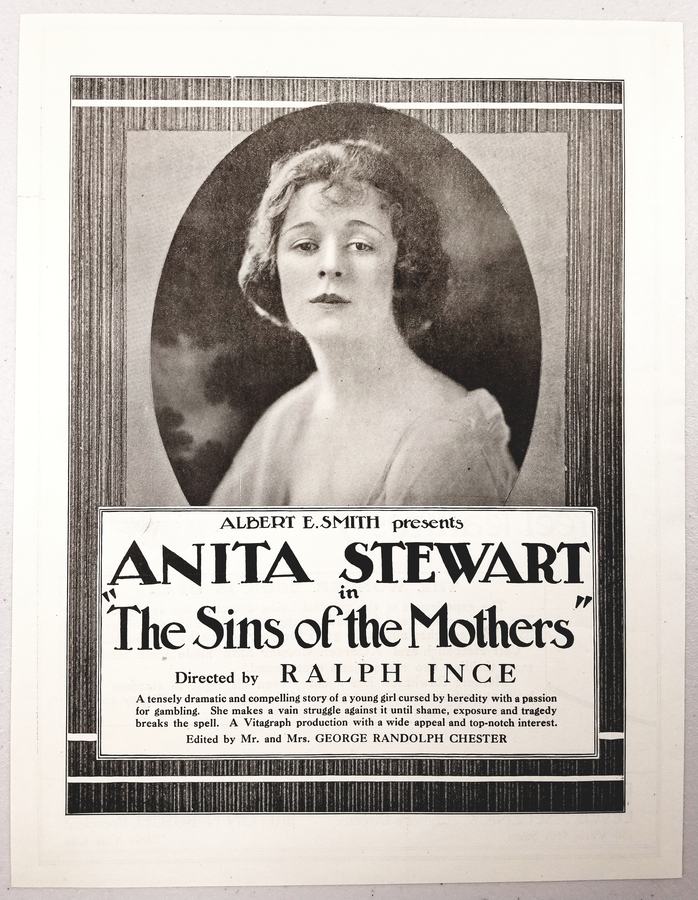
Dir: Ralph Ince
At an early age, Trix, the daughter of Mrs. Raymond, the proprietress of a gambling resort, shows an inherited tendency to gambling. Mrs. Raymond sends her to a convent school, and. learning that Trix desires to become a nun, her mother gives her consent, provided she still cares for that life after spending a year in the social world. The girl is taken into the gay social set and learns the evil ways of the world. With a beginner's luck, she wins at the gaming table, until her mother, frightened, begs her to play no more. It is too late, the girl cannot stop, and when the inevitable turn of luck comes, she is plunged into debt. She calls upon Norris, an old sweetheart, for help, and after paying her debts, he begs her to marry him. She consents, but soon after the wedding breaks her promise by betting on a horse race. She continues gambling surreptitiously and loses money borrowed from Dovey, the old servant. Finally, she pawns a necklace given her by Norris. Dovey is accused of theft and lies to save her young mistress. She is arrested. Norris finds the pawn ticket, forces a confession from his almost insane wife and secures Dovey's release. Her mother sells her business to Henri De Voie, a gambler, and takes Trix away for a trip. Norris is later elected District Attorney, and resolves to stamp out gambling. Trix again finds herself in the terrible clutches of the gambling fever and, unknown to her husband, plays at De Voie's gambling house. Her mother finds her there one night and it so happens that Norris has decided to raid the place on the same evening. When he and his men burst into the place, they find both Trix and her mother. The proprietor tells Norris the truth, and in a quarrel, De Voie draws a revolver with the intention of shooting Norris. This is forestalled by Trix's mother, who, with one loving look at her daughter, atones for her sins by throwing herself between the two men and receiving the bullet in her own heart. Norris leads his sobbing wife away and she turns her back on the gaming table forever.
Dir: Ralph Ince
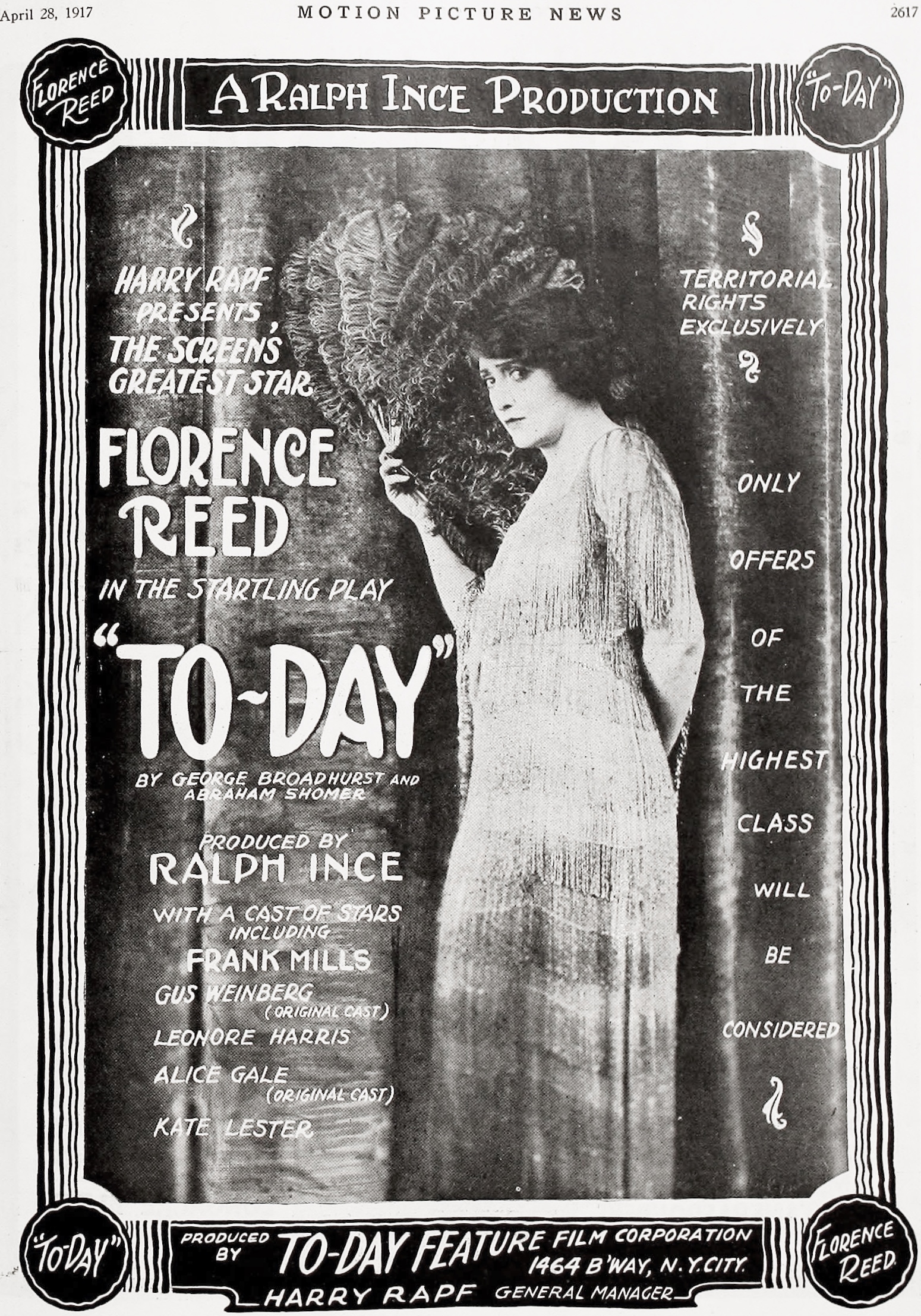
When her husband Fred goes bankrupt, Lily Morton is forced to give up the trappings of wealth and move into a humble home while Fred attempts to fight his way back to prosperity. Resentful of her modest circumstances, Lily accepts her friend Marion Garland's offer to introduce her to Mrs. Farington, a woman who will pay handsomely for Lily's escort services. Lily goes to work for Mrs. Farington while her unsuspecting husband struggles to regain his former wealth. While managing an apartment house for one of his wealthy clients, Fred visits Mrs. Farington, a tenant, and, noticing a framed picture of Lily, asks to be introduced to the girl. Mrs. Farington arranges the rendezvous, and when Lily arrives, she is confronted by her enraged husband who chokes her to death. At this moment, Lily awakens from her nightmare, and chastened for her superficiality, begs Fred for forgiveness.
View Details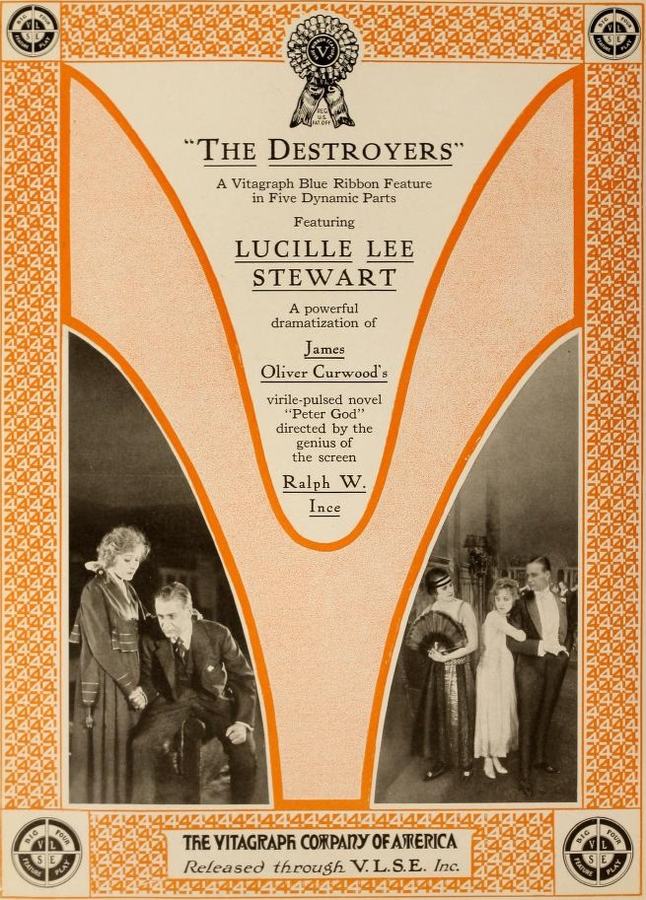
Dir: Ralph Ince
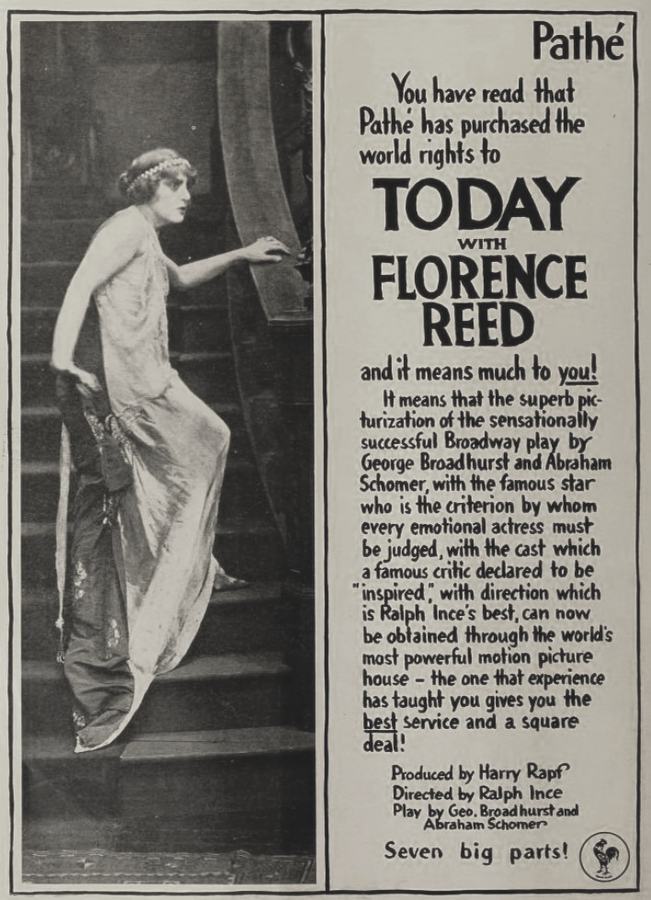
Canadian Mountie Philip Curtis is telling Josephine McCloud, with whom he is in love. about a hermit who once saved his life and nursed him back to health. Josephone remains impassive until Philip tells her the hermit's name: Peter God. At the mention of his name, Josephine begs Philip to find Peter and take him a letter she had written to him. Puzzled but not wanting to deny anything to the woman he loves, he sets out to find Peter, but when he does he discovers that Josephine has a connection to Peter that Philip knew nothing about.
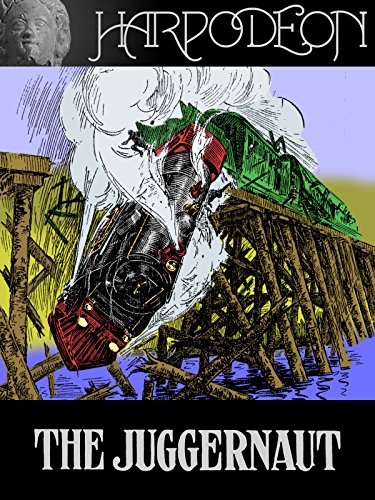
Dir: Ralph Ince
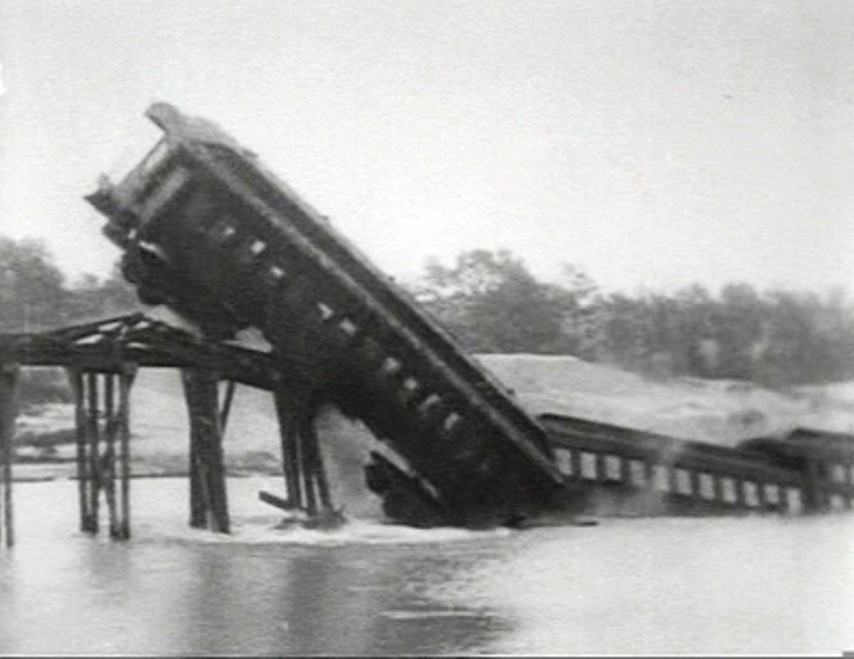
This silent film presents drama to prevent a train from falling from a damaged railroad bridge.
View Details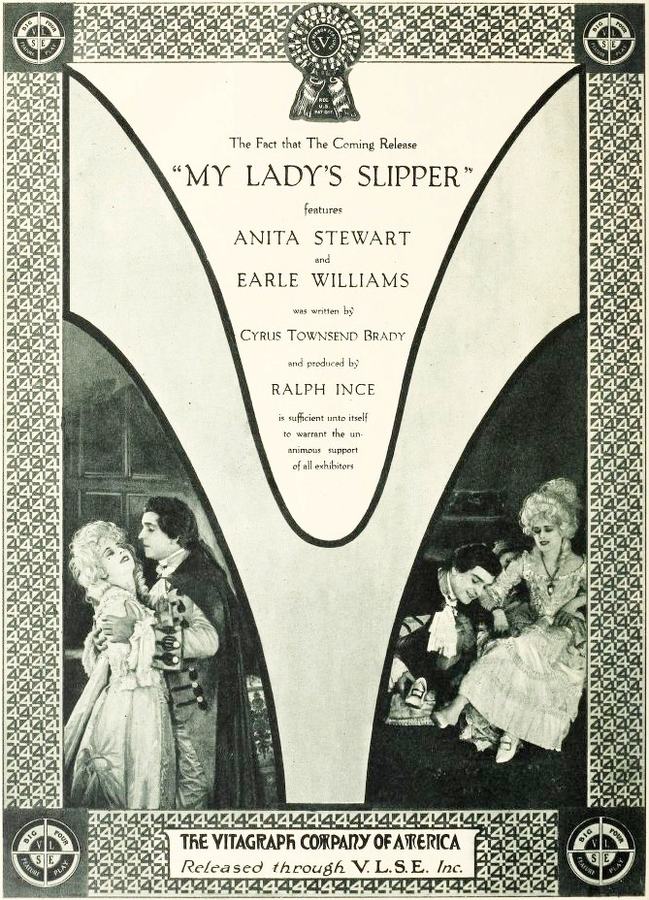
Dir: Ralph Ince
Francis Burnham, a young American naval officer in the time of King Louis XVI of France, escapes from a British convict ship. He is desirous of reaching Paris to see Benjamin Franklin, then his country's Minister, but upon his arrival there learns Franklin is away. He meets Bucknall, an old shipmate, and earns his everlasting gratitude by helping him out of financial difficulties. Later, strolling through the suburbs of Paris, he has the good fortune to rescue a beautiful lady from a highwayman, but does not learn her name. Meanwhile his restless nature gets him into gambling, he loses all and becomes indebted to a stranger who proves to be the Marquis de Tremignon. By threats and promises to wipe out his obligations, the Marquis secures Burnham's aid in the scheme he has in mind. He tells the young American that he is in love with the Countess De Villars. and she with him but her grandfather objects, so the Marquis plans to force his consent by securing some article of wearing apparel from the Countess and thus compromise her. Burnham is to be his agent. He does not think very highly of the job, but when the Marquis threatens him with imprisonment, he consents. That night he enters the Countess' apartments and succeeds in securing one of her slippers but is confronted a moment later by the lady herself. She proves to be the lady he rescued from the highwayman. Crushed and humiliated, Burnham tells his story and she believes him. He learns that she hates the Marquis and that the rascal is really trying to force her into a marriage in this cowardly fashion. Before she goes she gives him her slipper to take to the Marquis, but instead he keeps it and denounces that gentleman to his face for which he is imprisoned. The slipper Burnham entrusts to Bucknell for safe keeping, and the old seaman takes it to the Countess, telling her what has transpired. She helps Burnham to escape from prison, but he is captured by the Marquis's soldiers before he can reach the border. The Countess's influence, however, secures an audience with Queen Marie Antoinette, as a result of which the Marquis is humiliated while Burnham is freed, and marries the Countess.
Dir: Ralph Ince
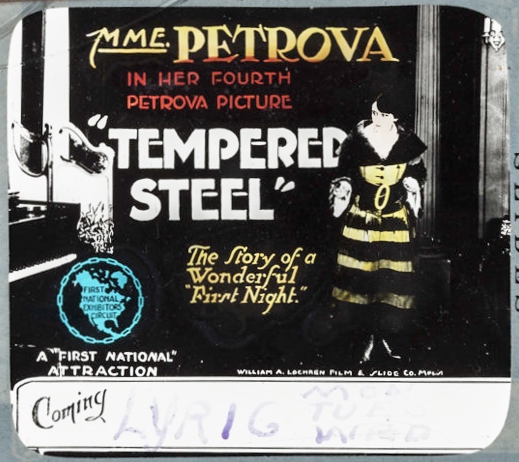
Lucille Caruthers travels from her home in the South to New York, hoping for a career on the stage. She is aided in her dream by the theatre star Serge Ratakin, and she becomes a star in her own right. But Ratakin is jealous and possessive and attempts to sabotage her. After a violent conflict with Ratakin, Lucille believes she has killed him. But has she?
View Details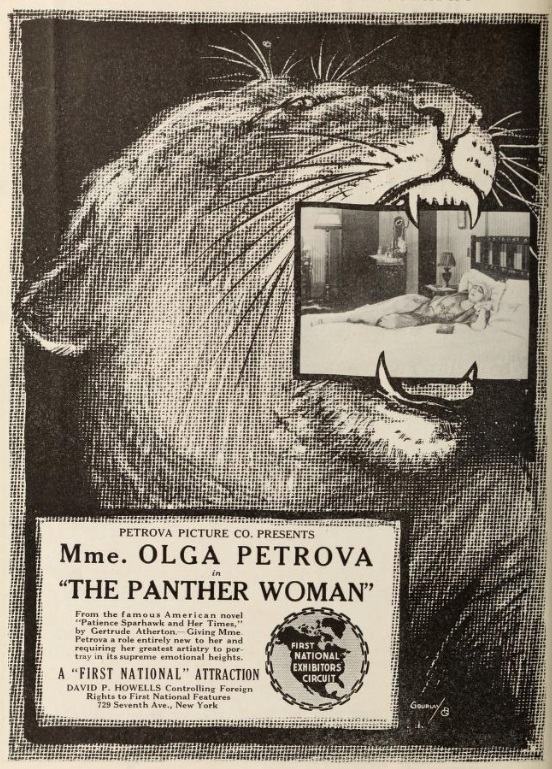
Dir: Ralph Ince
Following his wife's death, John Sparhawk takes his daughter Patience out West to a small mining town, where he meets and marries a dance hall girl. Patience's stepmother attempts to force the beautiful young woman to work in the dance hall, but on the advice of visiting criminal lawyer Garon Bourke, Patience refuses and returns to the East. Eventually she marries Beverly Peale, and when he is found poisoned, Patience is arrested for murder and sentenced to die. Through Garon's efforts, however, Patience ultimately escapes the electric chair.

Dir: Ralph Ince
After his business partner, Paul Gresham, absconds with the company funds and books, Johnny Gamble's irrigation company folds, leaving him to pay his stockholders their claims. After parting with his last dollar, Johnny wins $15,000 on a long shot at the racetrack and meets the beautiful Constance Joy. When Johnny learns that Constance will inherit one million dollars if she weds Gresham at the end of six weeks, he decides to earn the same amount -- $5,000 an hour -- by that date and marry her himself. Despite Gresham's efforts to double-cross him, Johnny succeeds in earning all but $15,000 of the required million by the appointed time. With fifteen minutes left him, Johnny purchases a kiss from Constance for $15,000, thereby defeating Gresham and winning the girl he loves.
View Details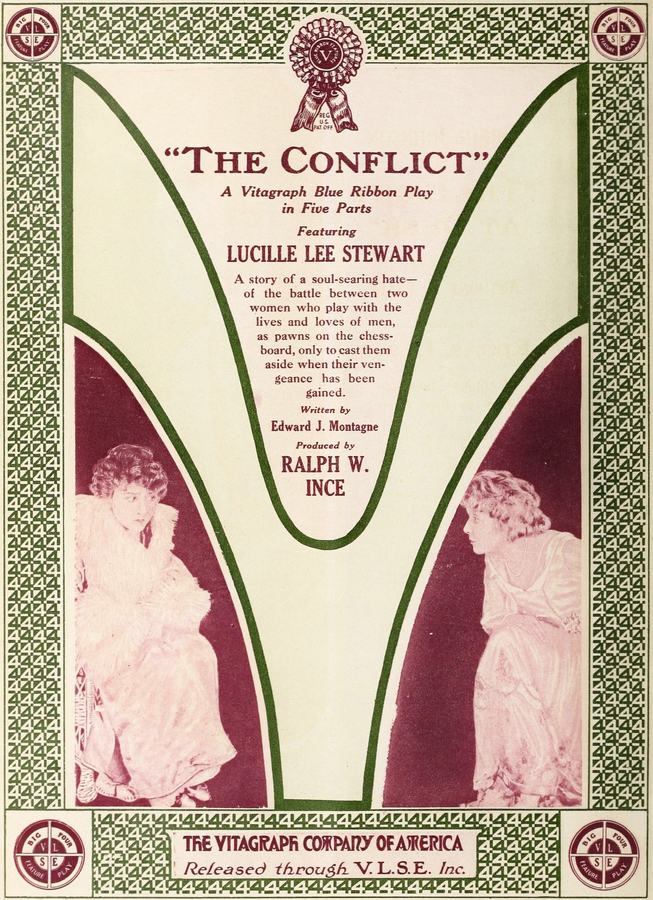
Dir: Ralph Ince
Two women crave the love of the same man; one is pretty, proud, spirited, and poor; she offers him love. The other is equally pretty, proud, and spirited, but rich; she offers him everything money can buy. The rich one wins. This was not really the beginning of the rivalry of Madeleine and Jeanette; they had had petty differences in their home town when Madeleine, the poor girl, had refused to bend the knee to the other. But with this victory in love is born a new hatred, which Jeanette proceeds to intensify by having the other girl's father discharged from his position, thus forcing her to leave school and work for sustenance. Madeleine goes on the stage, and years later she is a popular actress. Jeanette, meanwhile, has discarded Paul, in favor of Henry Mortimer, a rising young lawyer to whom she has become attached. Mortimer becomes enamored of Madeleine, who considers him just another of her army of admirers and leads him on as is her custom. Jeanette sees that her rival is trifling with the affections of the man she loves. She goes to Madeleine and beseeches her to send him away or she will ruin two lives. Madeleine consents to her request, but then comes recognition all the old hatred returns. She retracts her promise and determines to marry Henry, though she does not love him, to strike at the heart of the woman who had caused her so much pain. After the marriage she is cold to the affection he showers upon her. Then her path crosses Paul's once more and her old love for him is rekindled. Henry learns of their association and orders Paul never to enter his house again. A new love is born in Madeleine's breast, the love for her husband. But there is a wide breach between them now caused by her associations with Paul and her gambling habits of which Henry disapproves. He refuses to pay her debts. When Paul calls on Madeleine for a loan, she refuses him and he rifles Henry's safe. That night, Henry notices the deficit and thinking his wife has taken the money to pay her debts, he accuses her of theft and leaves her. Rumors come to his ears that Paul is with his wife, and placing a revolver in his pocket, he starts for the house, intent on settling the affair. Paul, meanwhile, is trying, with small success, to regain Madeleine's love. When his attentions begin to get offensive, she threatens him with a revolver to keep his distance. Under the influence of liquor, Paul advances toward her, and stumbles over a chair, bruising his head. Madeleine rushes out to the kitchen to get some water, and, while there she hears a shot and returns to find Paul dead and Henry standing over the body. Each believes the other guilty and takes the responsibility for the crime. Henry is taken into custody; Madeleine's story is not believed. At the trial Henry is saved from dying for another's crime when Jeanette breaks down and confesses that she had been hiding in Madeleine's room on the day of the murder, and when the latter had gone for water she had grasped the opportunity to shoot Paul who, she said, had been planning to tell the truth in regard to the robbery. Knowing that this would bring about a reconciliation between Henry and his wife and that she would never be able to win his love, she had shot Paul and is now willing to suffer for her crime. Out of sorrow and suffering, come faith and love forged anew for Henry and Madeleine.
View DetailsAnalysis relative to Hit of the Show
| Film Title | Atmosphere | Complexity | Similarity |
|---|---|---|---|
| The Painted World | Ethereal | Layered | 94% Match |
| The Sins of the Mothers | Gothic | High | 92% Match |
| To-Day | Surreal | Abstract | 92% Match |
| The Destroyers | Gritty | Layered | 88% Match |
| The Juggernaut | Tense | High | 90% Match |
This guide was algorithmically generated using the cinematic metadata of Ralph Ince's archive. Last updated: 6/27/2026.
Back to Hit of the Show Details →