
DbcultAccessing Vault...
Recommendations
Senior Film Conservator
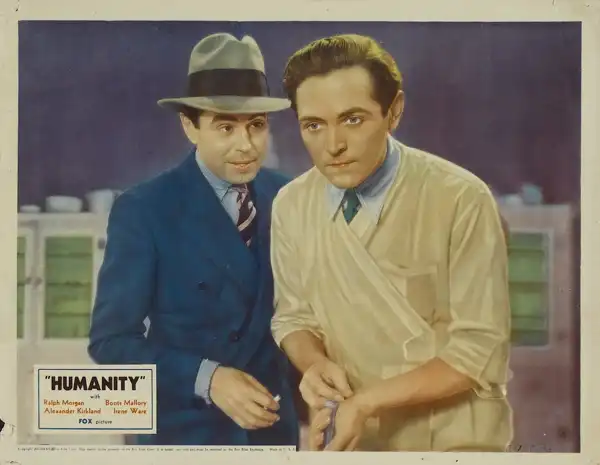
In the vast archive of Drama cinema, Humanity stands as a thematic gravity beacon, it's essential to look at the contemporaries that shared this thematic gravity. Our cinematic experts have identified several titles that reflect the spirit of 1933.
Few films from 1933 manage to capture to leave an indelible mark on the history of United States film.
A doctor in New York City, who has had to raise his son without a mother since his wife died, struggles and sacrifices to be able to send the boy to a top-ranked, but expensive, medical university in Europe. His dream is that the boy will return to help him provide much needed medical care for the poor of his Lower East Side neighborhood. However, after the boy graduates he comes home and announces that he plans to begin a practice on wealthy Park Avenue to cater to the rich and powerful, in order to make the kind of money that will impress his new upper-class girlfriend.
Critics widely regard Humanity as a cult-favorite piece of Drama cinema. Its thematic gravity is frequently cited as its strongest asset, solidifying its place in United States's film legacy.
Based on the unique thematic gravity of Humanity, our vault has identified these titles as the most compelling follow-up experiences for fans of Drama cinema:
Dir: John Francis Dillon
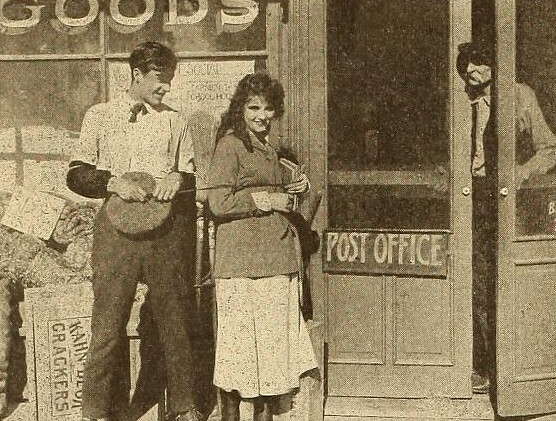
An amusing satire on the simple village maiden who comes to the great city and falls a victim to its alluring temptations.
View Details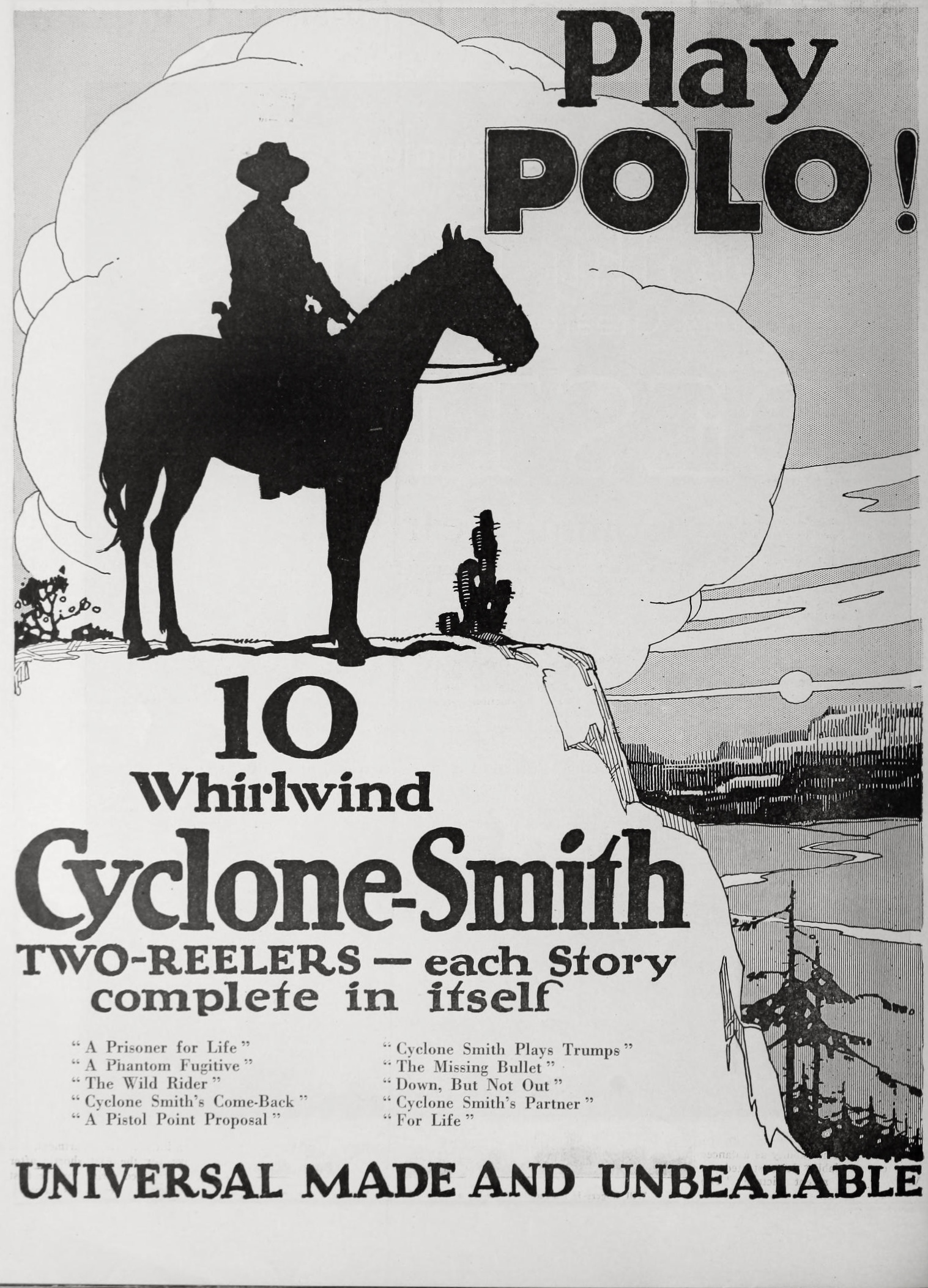
Dir: John Francis Dillon
Eddie appears as a squatter named "Black Jack," who makes a strong fight for his rights against armed aggression. In the course of the story he kidnaps his own boy.
View Details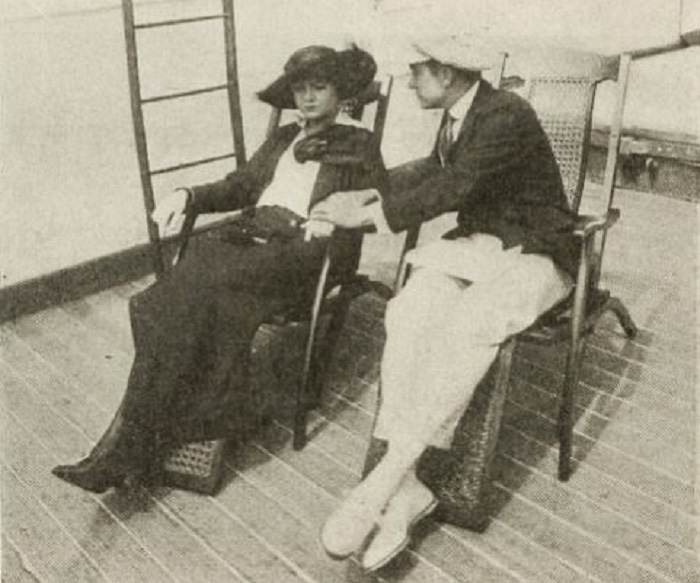
Dir: John Francis Dillon
George Carter, a revolutionist in South America, is the exact double of Frederick Marston, a famous artist in Paris. Carter is betrayed by a comrade and is sentenced to be shot. He takes a desperate chance and escapes on board a vessel bound for London. In Paris Marston is stabbed by a model because he does not return her love. The wound incapacitates him from painting, and leaves an ugly scar, and he goes to America on a vacation. Highwaymen attack him, inflicting injuries which cause a total loss of memory. The robbers leave nothing in his pockets but the key to his Paris studio, and Marston adopts the name of Robert Anglo-Saxon. Five years later he falls in love with Duska Filson, a noted beauty, and at a dinner given by her he meets Gen. Robero, a South American ambassador, the man who condemned Carter to death. Robero believes Saxon is Carter and writes Saxon a letter warning him that if he marries Duska he will have Saxon extradited to South America and shot. Robero convinces him that he is Carter and Saxon goes to South America to pay the penalty of the crimes he believes himself guilty of. On the boat he meets Rodman, Carter's betrayer. Duska follows Saxon to South America and learns that Saxon has proven his innocence and departed two days before. She sends him a wireless and he has the ship stopped and lands at Puerto Frio, and learns that the revolution has broken out. In fighting his way through the lines he is shot and is placed on board a vessel bound for France by Rodman. Rodman tells Duska what has occurred and she follows Saxon to France. Saxon's mind clears and through the medium of the key which fits the lock of his house his identity is clearly established. Duska learns that Saxon is the world-renowned artist and his a wife who is very ill. When Saxon reaches his home he finds Duska at the bedside of his wife, who has just died. Duska respects Saxon's grief and departs, with her dream of happiness shattered.
View Details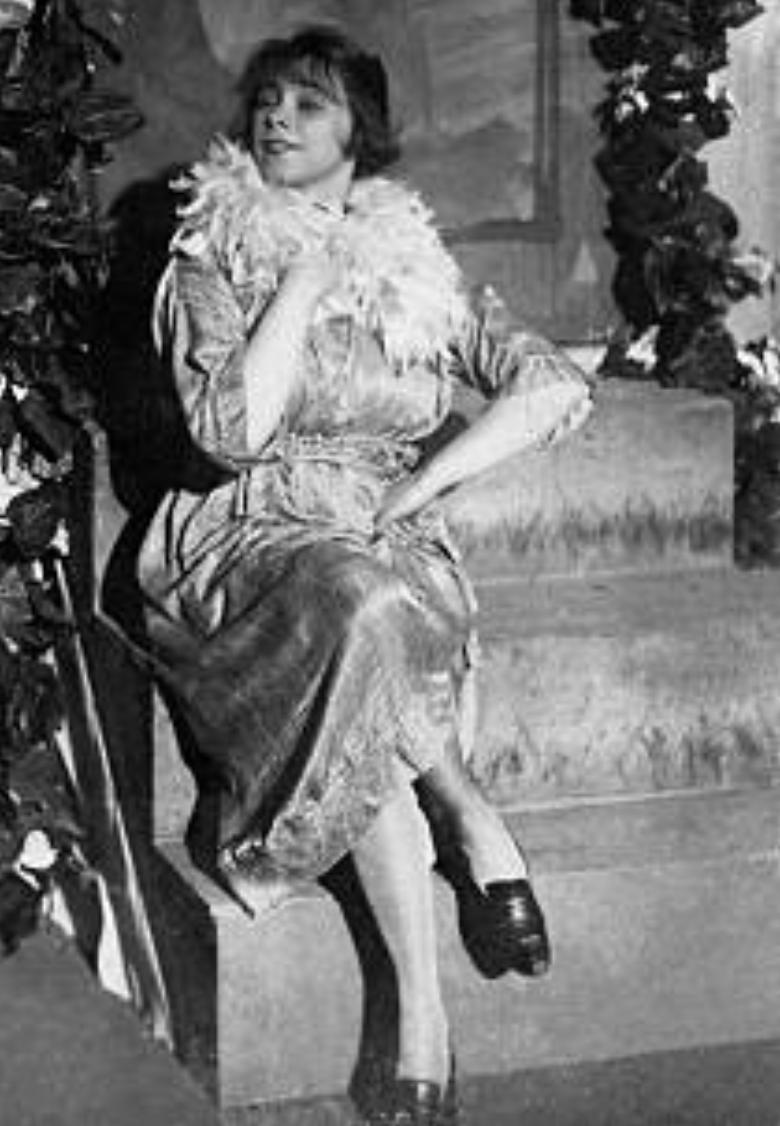
Dir: Bruno Ziener
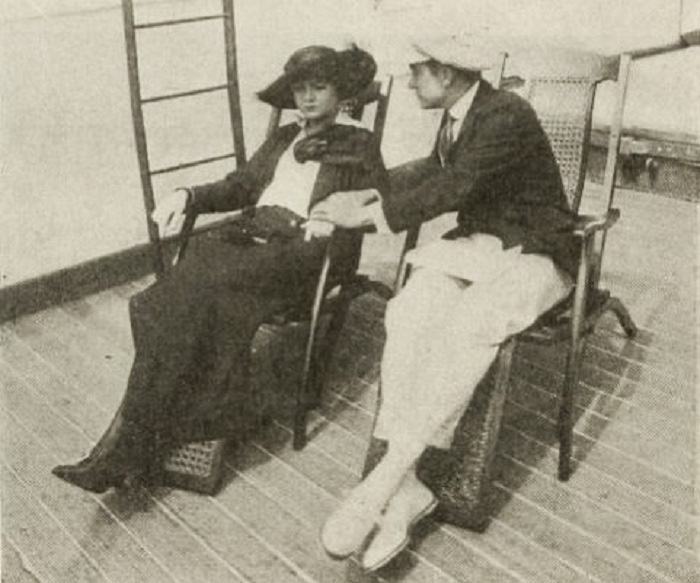
A fascinating piece of cinema that shares thematic elements.
View Details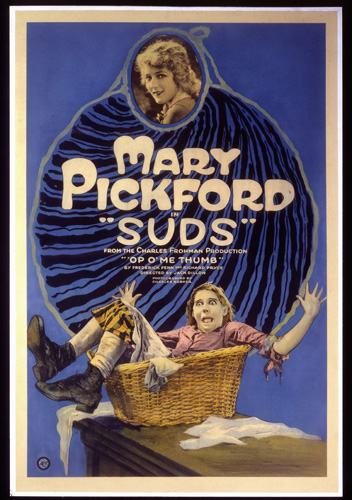
Dir: John Francis Dillon
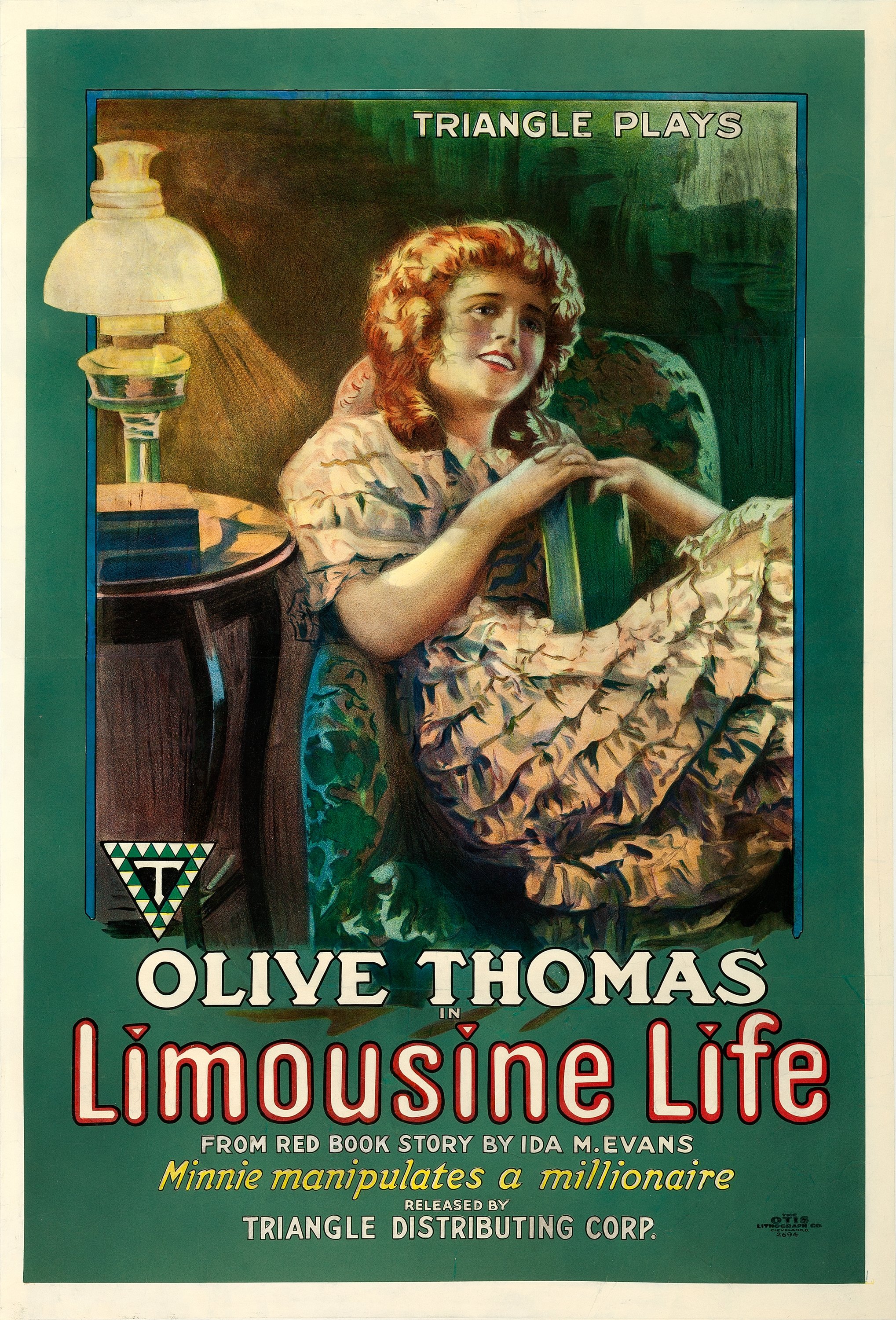
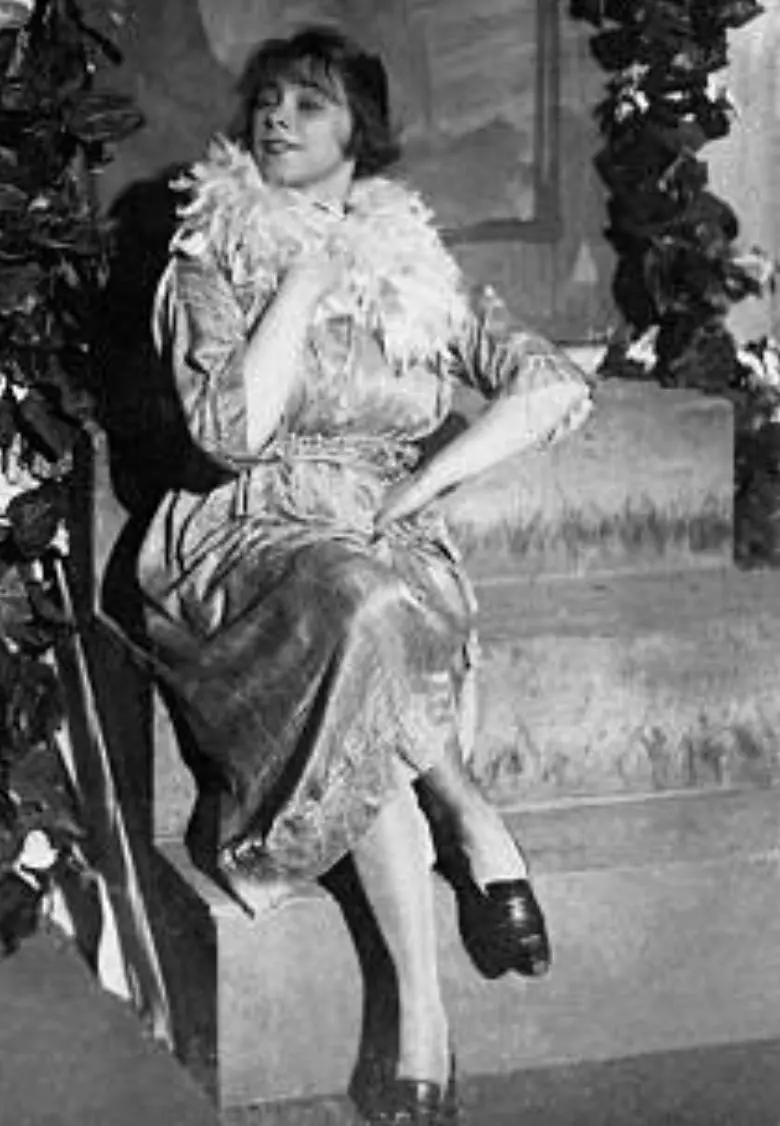
A London laundress attempts to rise above her station in order to capture the love of a wealthy young man, thus missing out on the truer love of one of her own class.
View Details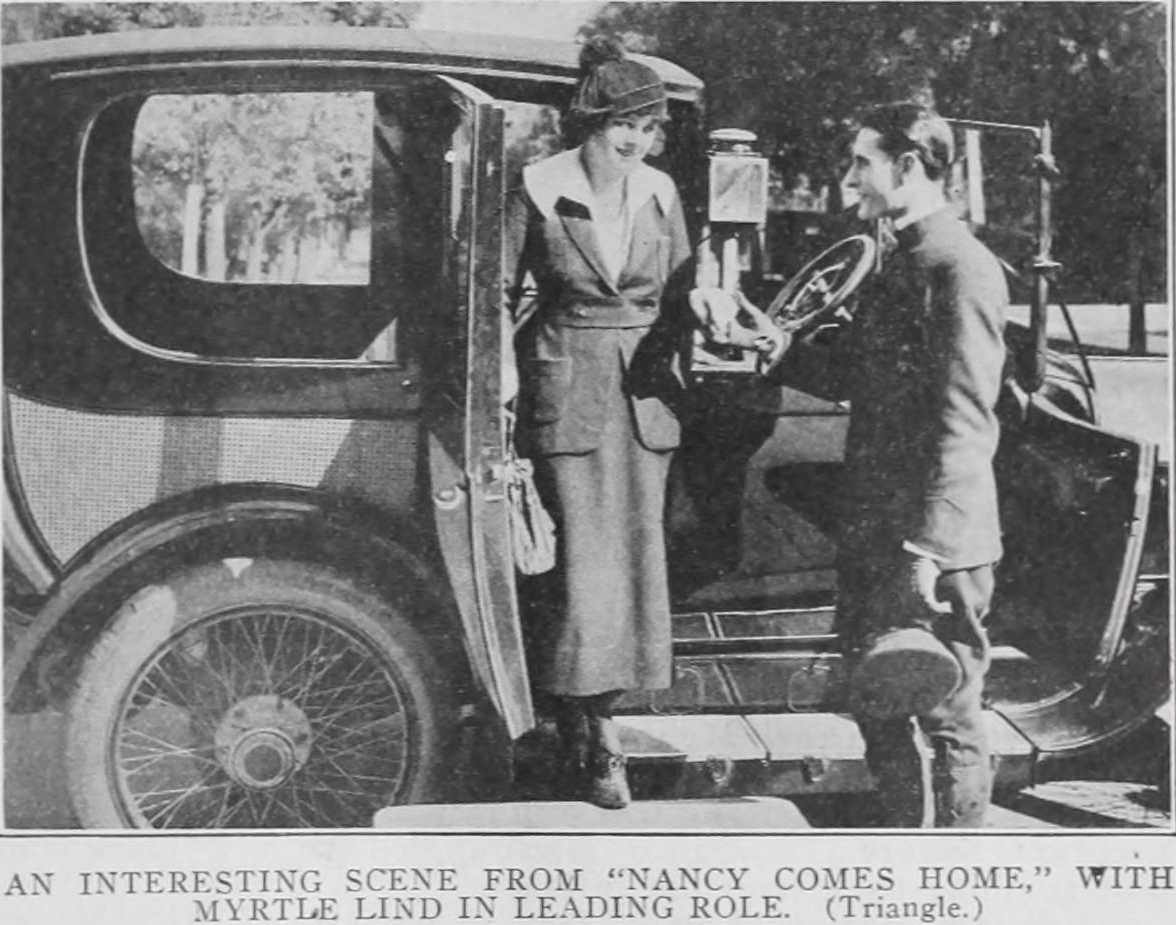
Dir: John Francis Dillon
Nancy Worthing, who comes home from boarding school to find that her parents have no time for her, pawns some of her mother's jewels to buy the clothes necessary for entering society. She persuades her father's chauffeur, Phil Ballou, to take her to a notorious cabaret, where a shooting occurs. In the confusion, Phil is arrested as the assailant, and when Nancy's parents learn of the missing jewels, they bring further charges against him. At the trial, Phil reveals that he is the son of wealthy parents who simply wished to earn his own living, and Nancy clears his name by confessing all. Phil and Nancy, united by their ordeals, begin a romance.
View Details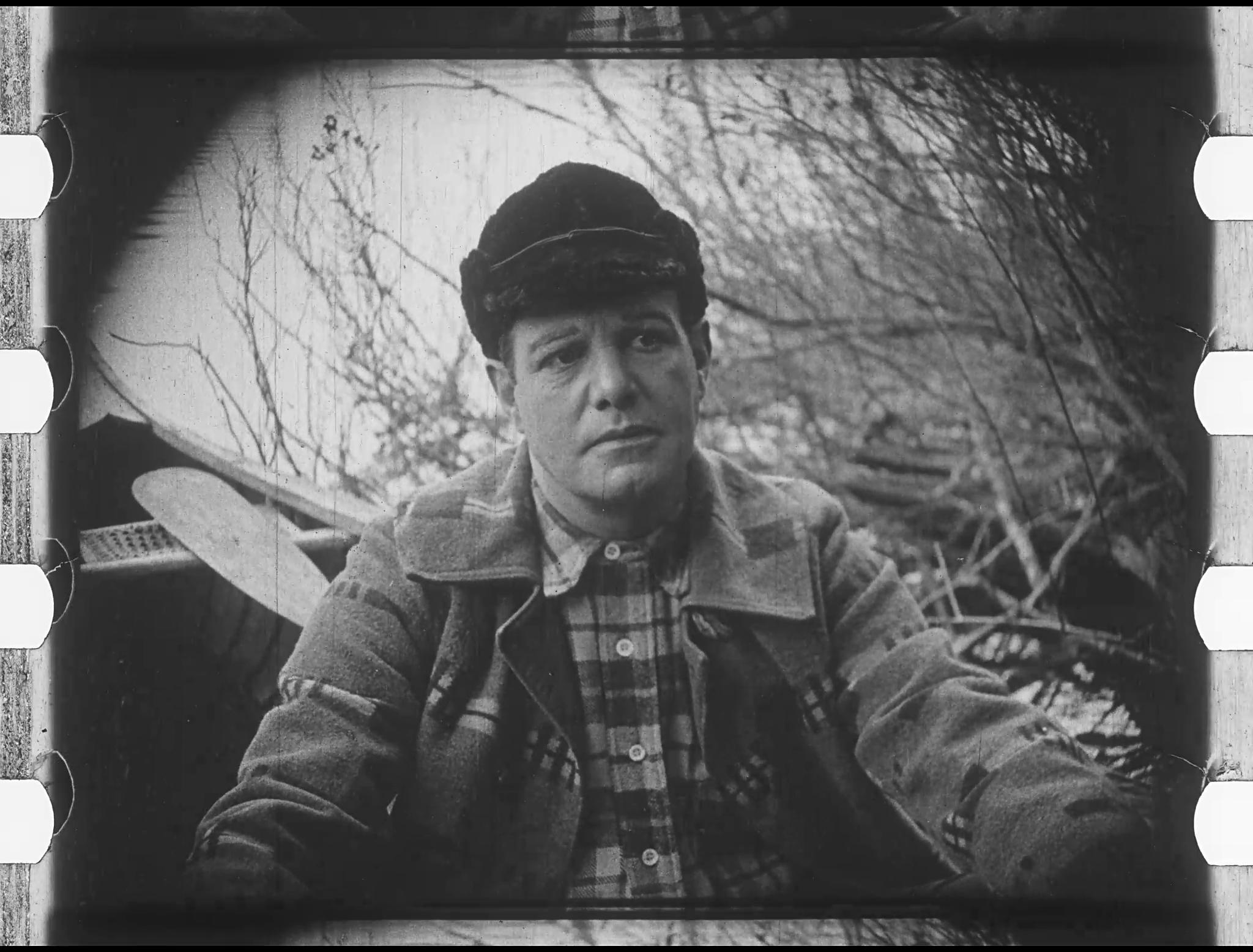
Dir: Edgar Jones
A mail-order bride arrives at a Maine lumber camp but doesn't like her prospective husband.
View Details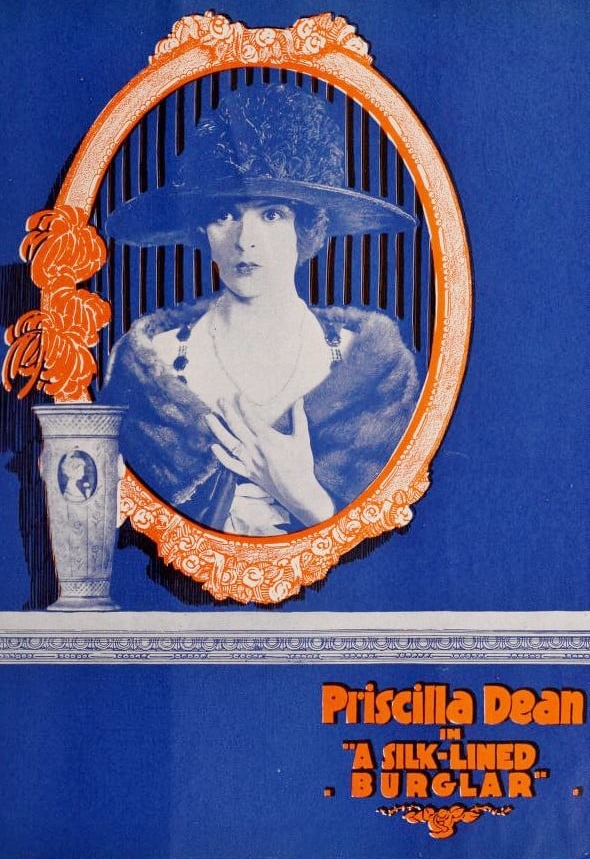
Dir: John Francis Dillon
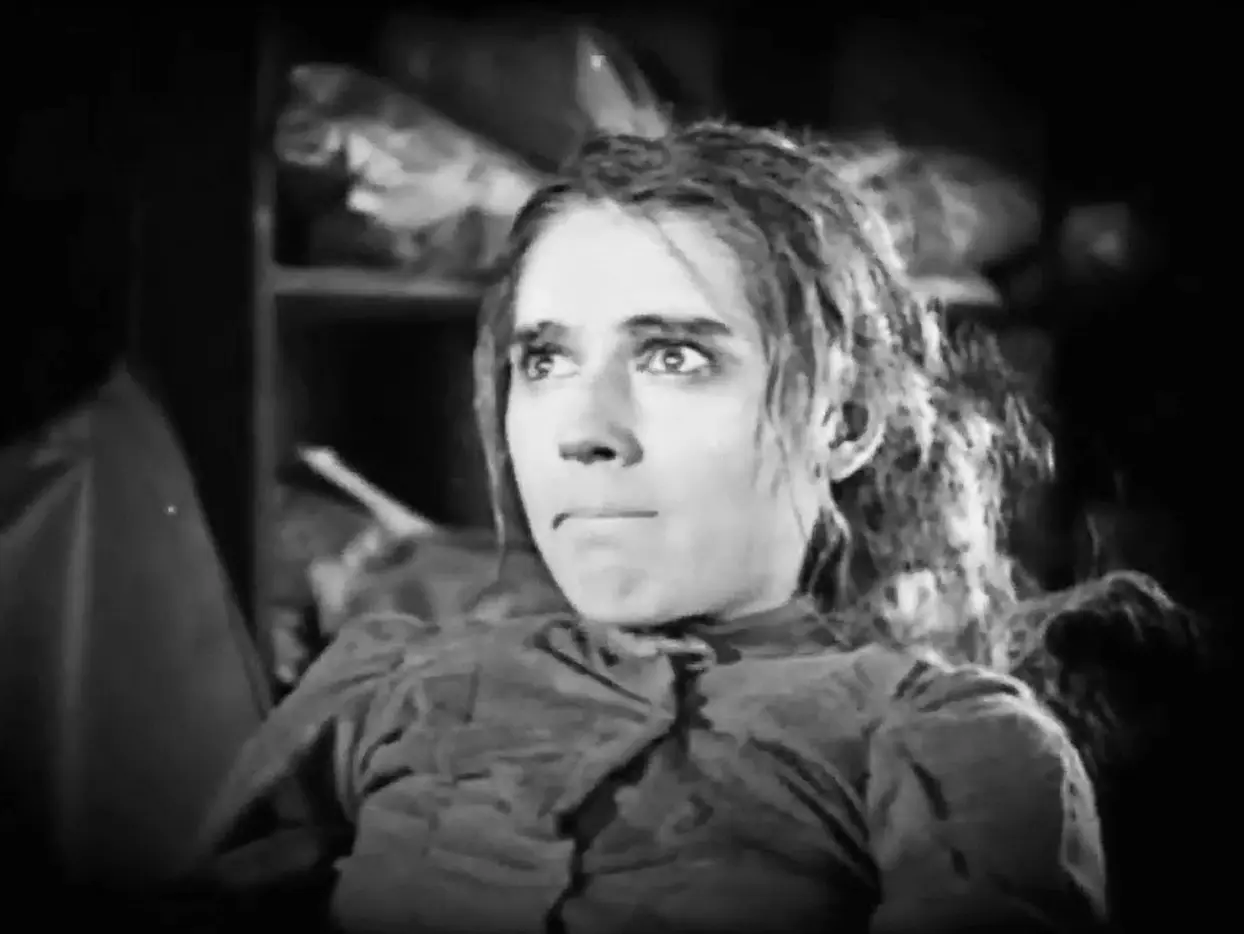
Gentleman crook Boston Blackie answers a want ad for an expert safe cracker placed by Doris Macon, who claims a moral right to the safe's contents. She hires Blackie, and they break into the house where the safe is kept. Blackie blows up the safe just as owner Captain von Hoffmeier returns home. Doris disappears with papers from inside the safe, while Blackie takes phonograph records, which, when played with a special needle, reveal secrets that implicate von Hoffmeier as a German political spy. Doris is actually the girl friend of a secret service man who has followed them to the house. Blackie's talents are praised, and he goes to work for the government.
View Details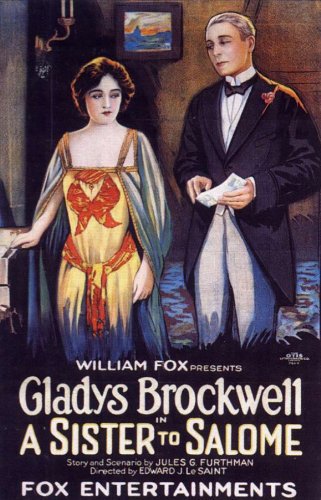
Dir: Edward LeSaint
When famous opera singer Elinore Duane undergoes an operation on her throat, she has a series of ether-induced visions. In one, she is transported to ancient Rome where she appears as a much-admired woman in love with Paul, a young heretic, and at odds with Lutor, the high priest. To save her love, she poisons Lutor with her ring. After several other visions which involve variations on this love triangle, Elinore awakens to discover that Lutor is actually her doctor, Sascha Jaccard, and that Paul is the son of a friend who has come to visit the recovering prima donna.
View Details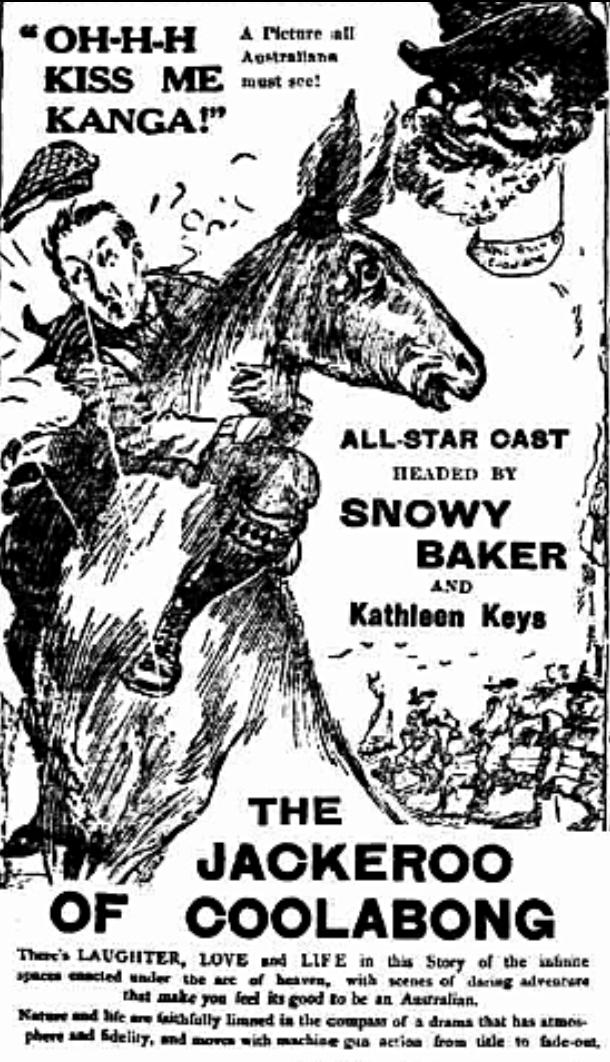
Dir: Wilfred Lucas
Brian O'Farrell (Snowy Baker), is an English 'new chum' who takes a job at an Australian cattle station. He is teased by station hands because of his appearance (including spats and a monocle) but he soon impresses them with his skills at riding and boxing. The station manager, John MacDonald (Wilfred Lucas), takes O'Farrell to Sydney to meet his daughter Edith (Kathleen Key) who is working in the slums. Edith is kidnapped by criminals after witnessing a crime but O'Farrell rescues her. It is later revealed he is the owner of the station.
View DetailsAnalysis relative to Humanity
| Film Title | Atmosphere | Complexity | Similarity |
|---|---|---|---|
| Limousine Life | Surreal | High | 86% Match |
| A Prisoner for Life | Gritty | Abstract | 95% Match |
| The Key to Yesterday | Gothic | High | 94% Match |
| Eva, wo bist du? | Gothic | Dense | 86% Match |
| Suds | Surreal | Linear | 85% Match |
This guide was algorithmically generated using the cinematic metadata of John Francis Dillon's archive. Last updated: 6/22/2026.
Back to Humanity Details →