
DbcultAccessing Vault...
Recommendations
Senior Film Conservator
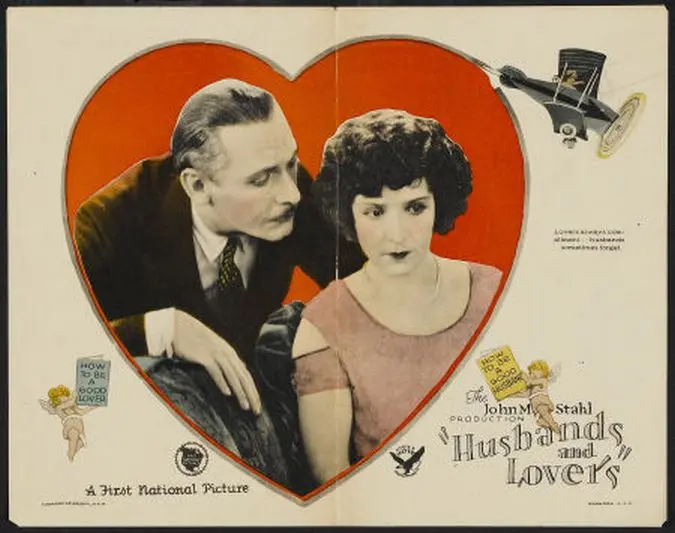
The evocative power of Husbands and Lovers (1924) continues to haunt audiences with its artistic bravery, the artistic provocations of Husbands and Lovers demand a follow-up of equal intensity. Explore the following titles to broaden your appreciation for Comedy excellence.
The visceral impact of Husbands and Lovers (1924) stems from to transcend the limitations of its 1924 budget and technology.
Comedy about a negligent housewife who restyles herself as a flapper and almost loses her husband when an admiring friend is quite taken with her new appearance.
The influence of John M. Stahl in Husbands and Lovers can be felt in the way modern Comedy films handle artistic bravery. From the specific lighting choices to the pacing, this 1924 release set a high bar for atmospheric immersion.
Based on the unique artistic bravery of Husbands and Lovers, our vault has identified these titles as the most compelling follow-up experiences for fans of Comedy cinema:
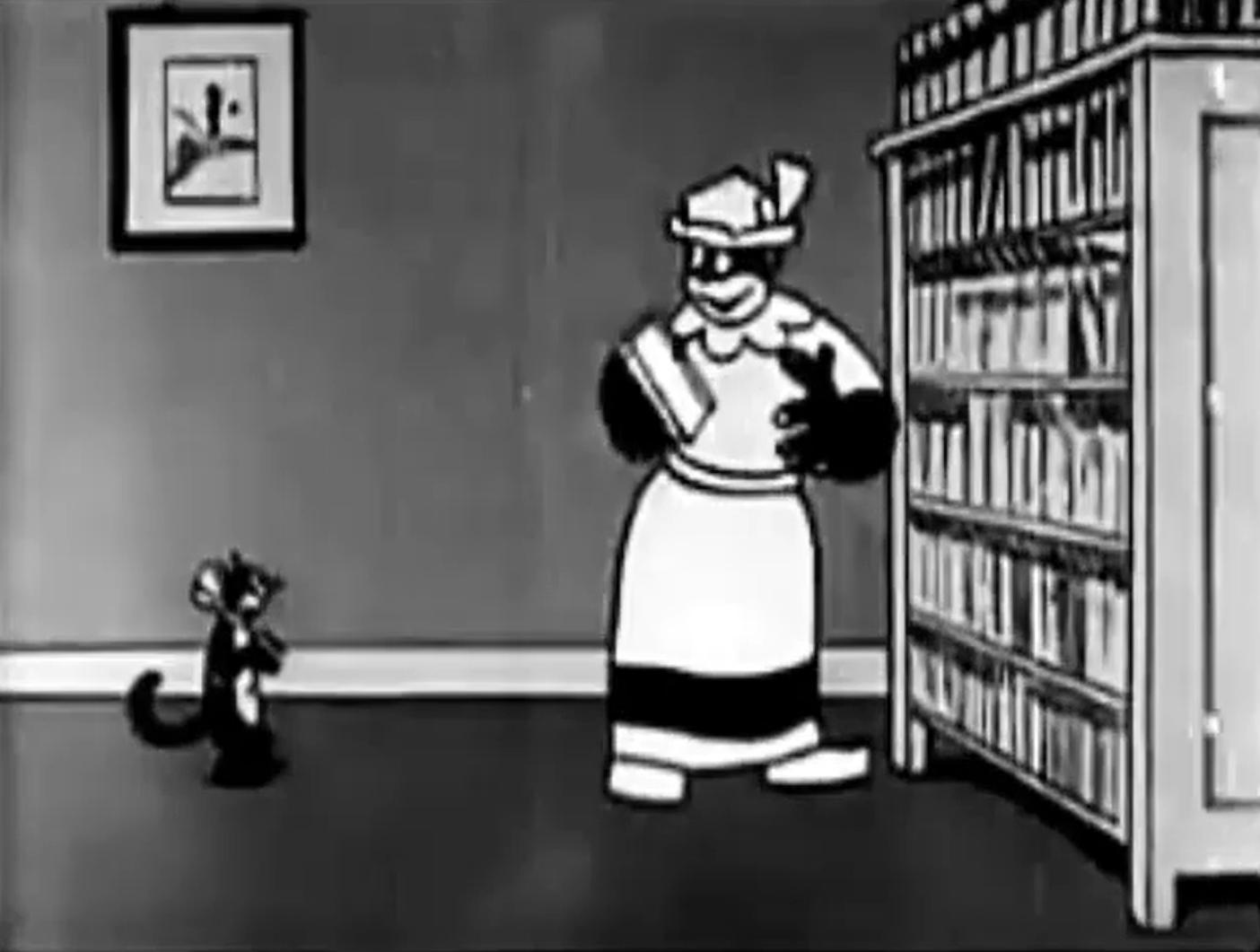
Dir: Frank Moser
The simple story is about two siblings, little brother Bud and big sister Susie. After they've been reading "Huckleberry Finn" they dream of adventures on the Mississippi River.
View Details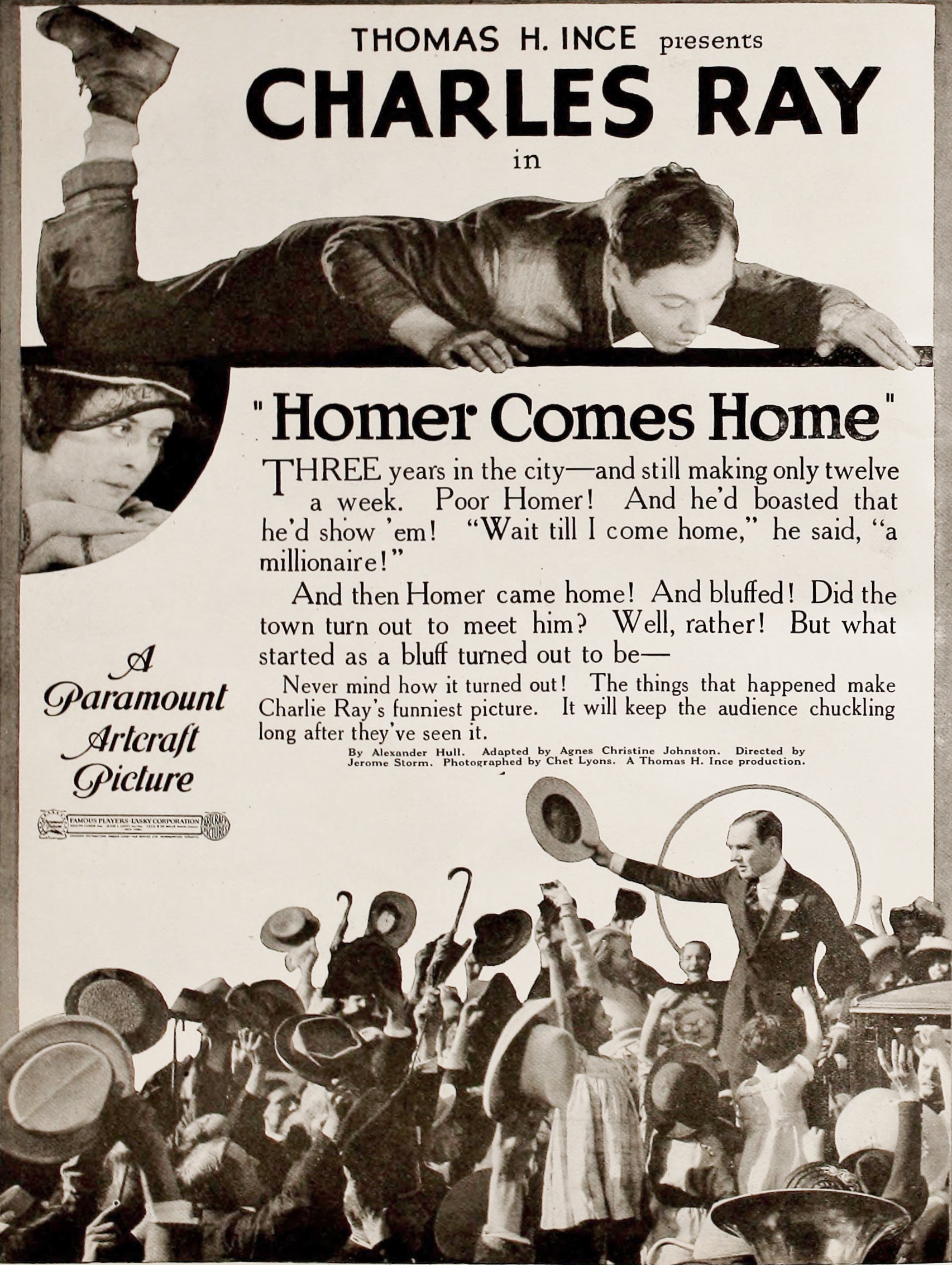
Dir: Jerome Storm
Ne'er-do-well Homer Cavender ventures to the city from Mainsville in an effort to find fame and fortune. Both elude him, and after clerking for two years, Homer returns home for a vacation. Impressed by his flashy clothes, the townspeople assume that Homer has achieved success. Attempting to win Rachel Prouty from his rival, Arthur Machim, Homer continues the deception by announcing that his employer, Kort and Bailly, has dispatched him to enroll stockholders for a proposed new plant to be built in Mainsville. Machim discovers the sham and denounces Homer as a crook. Meanwhile, Homer returns to New York, convinces his employers of the merits of his plan and comes home triumphant, with a proposal for both the new plant and for Rachel's hand in marriage.
View Details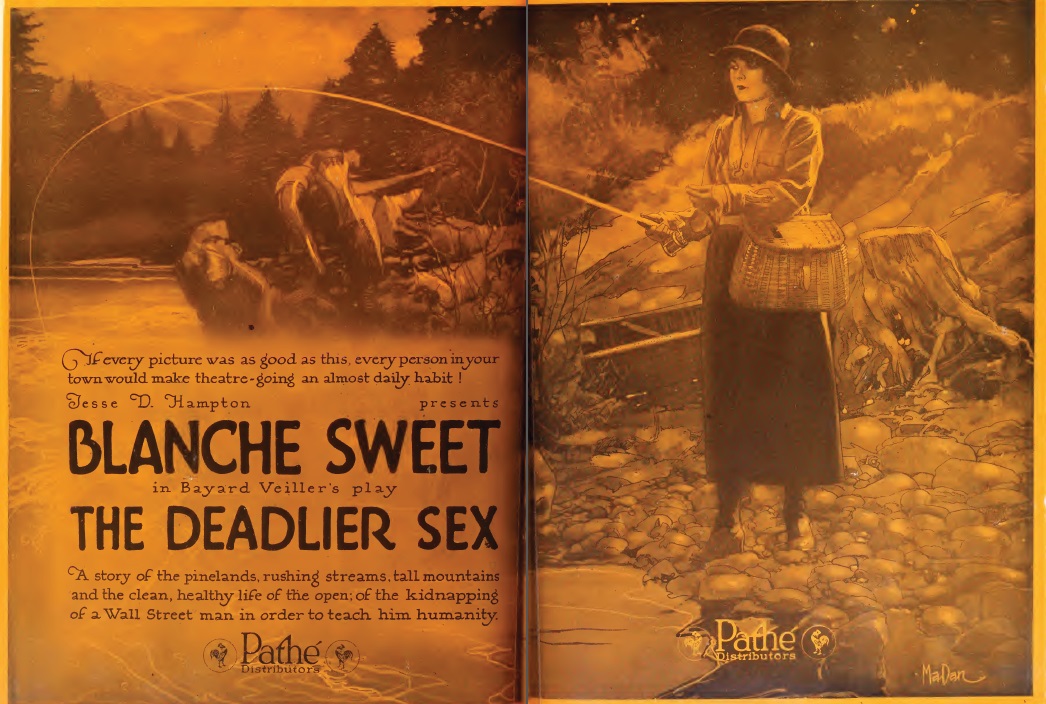
Dir: Robert Thornby
Mary Willard takes over her father's railroad after his death. Her major competitor is a ruthless crook named Harvey Judson. She arranges for Judson to be kidnapped and taken to an isolated spot deep in the forest and turned loose to fend for himself. She accompanies the kidnappers to the wild and Judson, not knowing who she is, begins to fall in love with her. Complications ensue.
View Details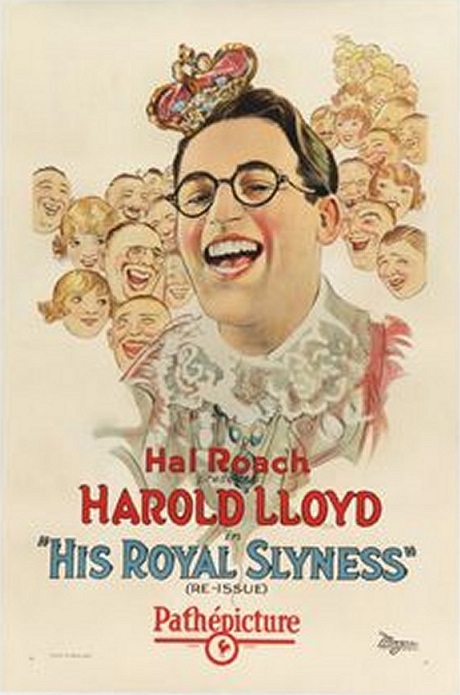
Dir: Hal Roach
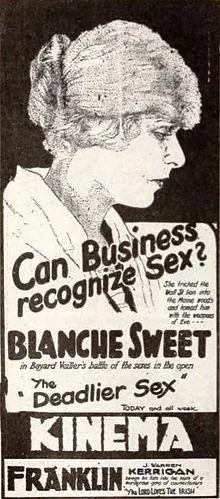
An American book salesman (Lloyd) is persuaded to go to the kingdom of Thermosa to impersonate the Prince. He is greeted by a peasants' revolt before the real prince shows up to claim his throne and princess. The revolution succeeds, and the American is elected president of the new republic.
View Details
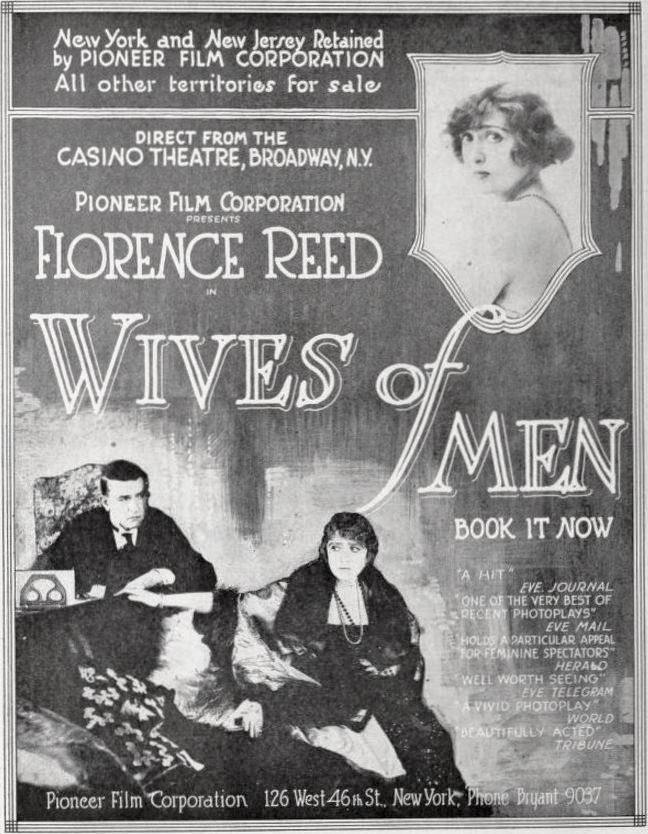
Dir: John M. Stahl
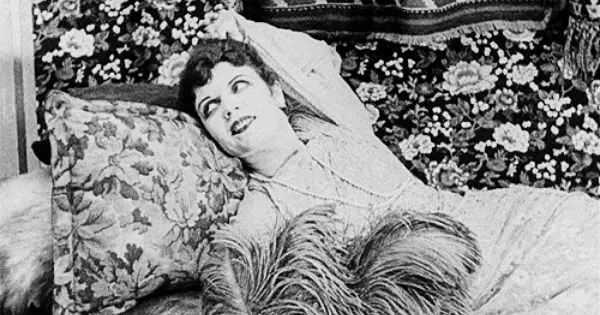
Just as Mr. and Mrs. James Randolph Emerson, Jr. are about to depart on their honeymoon, Lucille Emerson discovers her husband gazing at a photograph that bears the inscription, "With love to my husband, Grace." Too proud to question James about the photograph, Lucille is tormented by the image of the woman for many years. Finally Lucille becomes involved in a flirtation with another man, and when her husband learns of her infatuation, he becomes insanely jealous. Enraged, he is choking her when a small boy rushes into the room and collapses. James leaves Lucille, who returns the boy to his tenement home. While there, Lucille discovers that the child is James's son, born to a woman who died in childbirth. Finding that James has long forgotten Grace, however, Lucille is reconciled to her husband.
View Details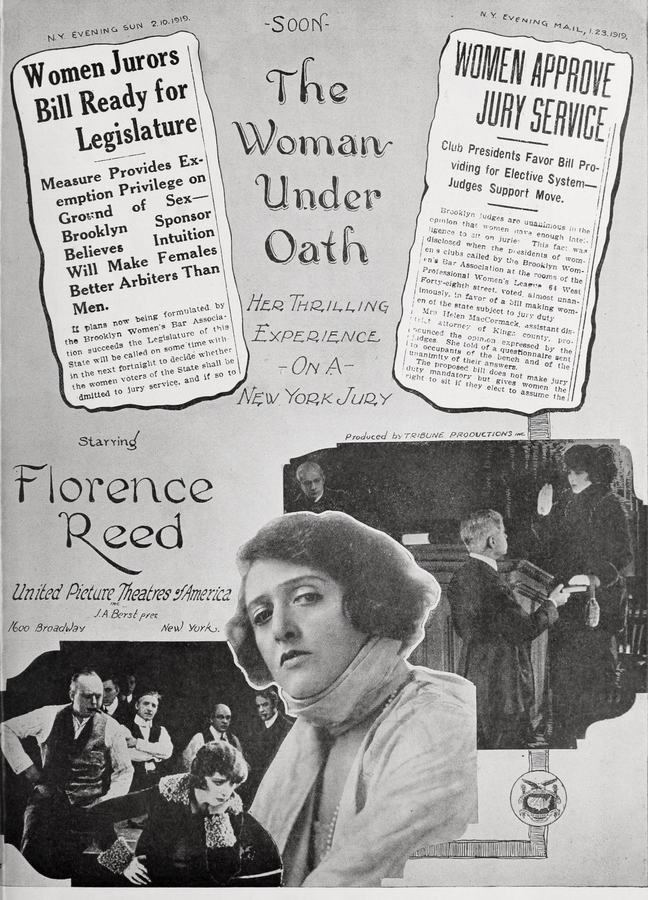
Dir: John M. Stahl
After a foreword introduces the question of whether women are temperamentally suited for jury duty, young shipping clerk Jim O'Neil is found holding a revolver over his dead employer, Edward Knox. Celebrated novelist Grace Norton, selected to be on the jury at Jim's trial, becomes New York's first female juror. Although Jim pleads innocence, he refuses to elaborate until his sweetheart Helen testifies that Knox raped her when she pleaded for Jim, who was fired unjustly, to be reinstated. Jim testifies that he intended to kill Knox but found him dead already. During an angry all-night deliberation, the jury remains deadlocked 11-to-1, with Grace voting against a guilty verdict. In the morning, when she learns that her sister Edith has died, Grace confesses to killing Knox for seducing Edith and failing to honor his promise of marriage. After the foreman reminds the jury of their oath to keep their proceedings secret, they agree not to reveal Grace's story, and vote to acquit Jim.
View Details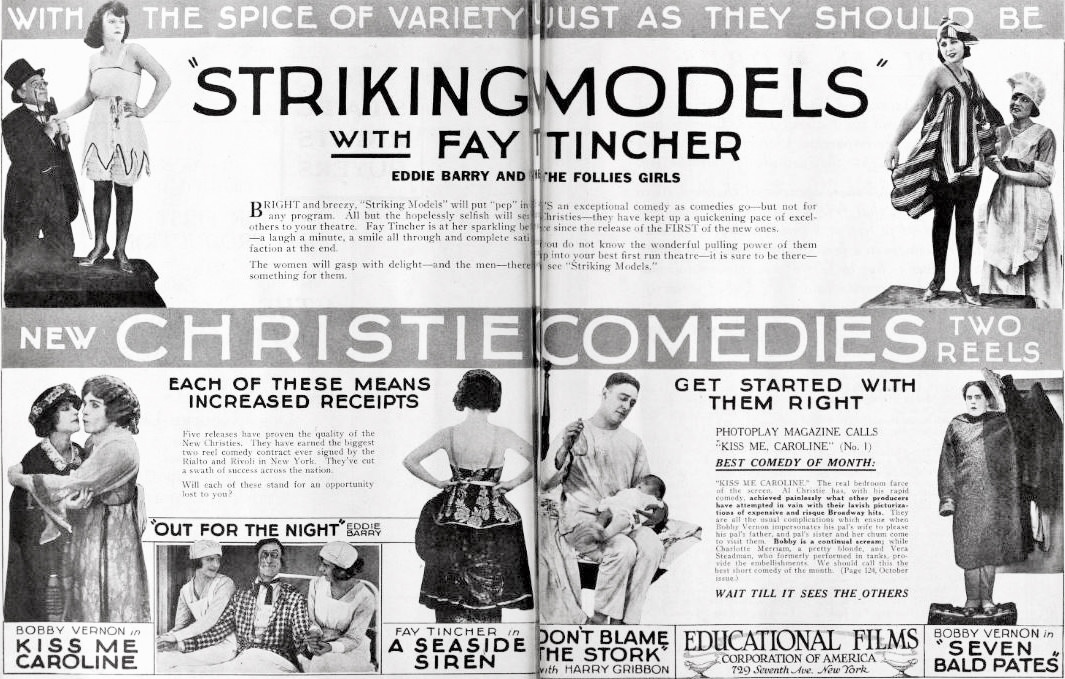
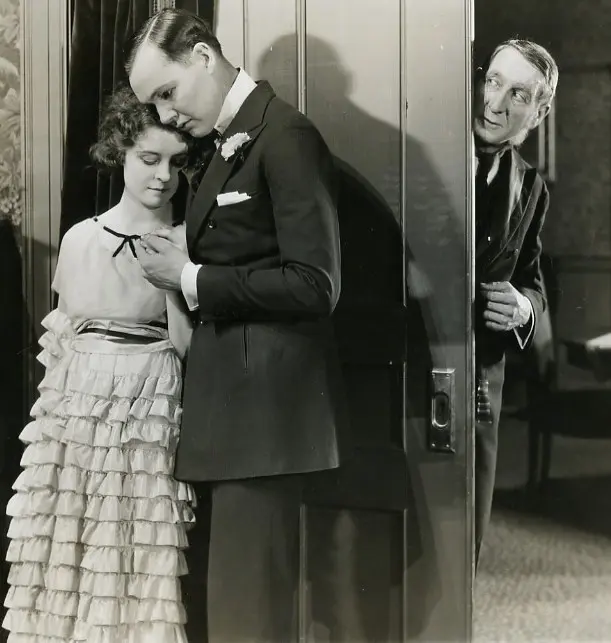
Dir: Reggie Morris
A fascinating piece of cinema that shares thematic elements.
View Details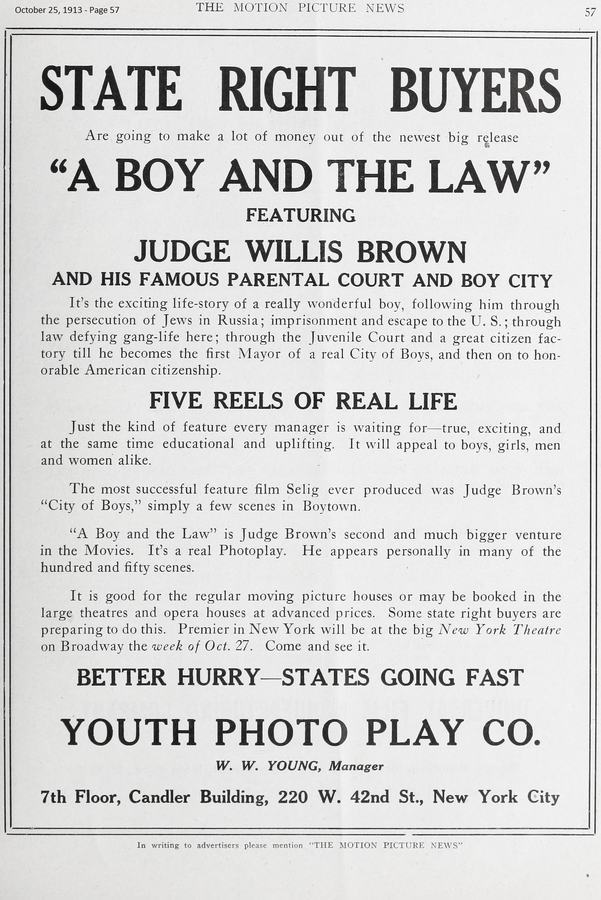
Dir: John M. Stahl
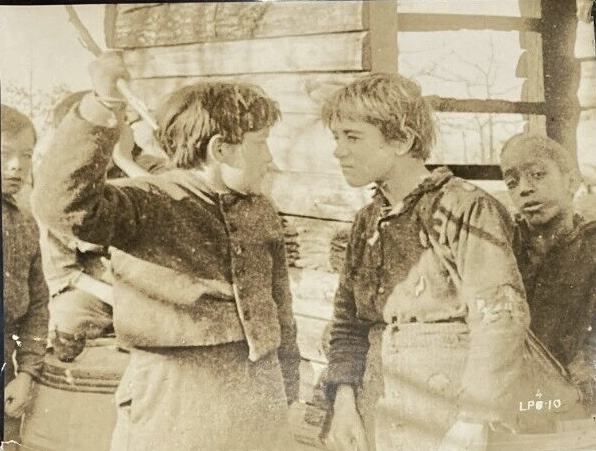
Around 1903, in czarist Russia, William ("Willie") Eckstein is at boarding school when he receives a letter from his mother describing how their prosperous Jewish family has been forced by government edict to pack up their belongings and move to a poor village. Willie joins the Eneckva, a secret Nihilist society that meets on the outskirts of town, and quickly becomes a leader because of his speaking ability. In the meantime, Cossacks kill Willie's father for defending a tavern waitress. At school, a teacher finds one of Willie's pamphlets and turns him in to local authorities, who ransack his room and throw Willie and two friends into jail. Other boys come to their rescue, however, and they escape down a cliff. Willie hurries home to his mother, to tell her he is fleeing Russia, and she gives him a peasant suit that will allow him to travel without being molested. He flees to America, where he claims he will "live free from the law." After reaching the United States, Willie makes his way to Salt Lake City, Utah, where his uncle owns a clothing store. He starts his new life as a newspaper boy, but becomes a hoodlum and ends up in the hands of truant officers. Summoned to the Parental Court of Judge Willis Brown, Willie at first defies the judge, but later realizes that Brown sincerely wishes to help him. Supported by local progressive women who see the need of moral education for wayward children rather than punishment in a reform school, Judge Brown is given an 800-acre farm for the purpose of building a community for juveniles. He chooses eighteen young felons, including Willie, and drives them to the farm to start building "Boy Town," and Willie is soon elected mayor. At Boy Town, the youths practice discipline and self-government, learning how to farm the land, deal with troublemakers, and earn a profitable living. Many of the boys grow into successful, law-abiding adults. Judge Brown sends Willie to an Eastern college, and then to a university in Missouri, where Willie studies agriculture. Finally, Judge Brown makes him the manager of a large private farm, and the young man becomes a U.S. citizen. He also sends his mother one of his regular letters with a money-order enclosed, along with a photograph of himself, and then dreams of her joy in receiving it. The judge comes in, presses Willie's hands, and assures the sleeping youth that his belief in a square game will help him prosper and be an example for other boys.
View Details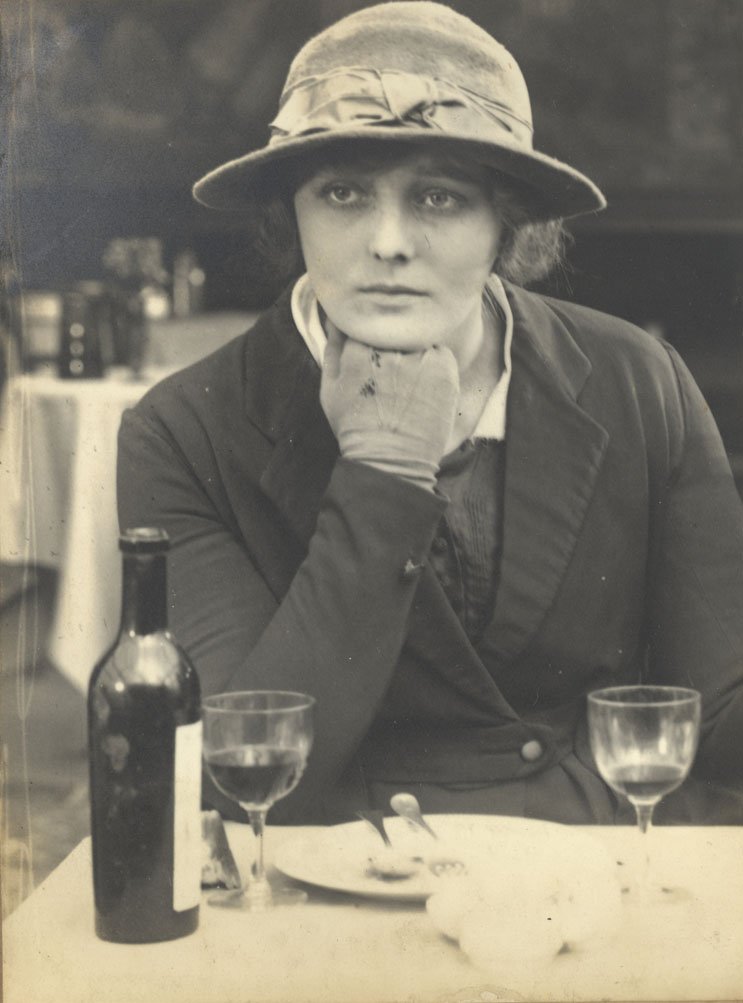
Dir: Henry Edwards
A millionaire bets £25,000 that he can earn his own living for six months.
View DetailsAnalysis relative to Husbands and Lovers
| Film Title | Atmosphere | Complexity | Similarity |
|---|---|---|---|
| Down the Mississippi | Gritty | Linear | 92% Match |
| Homer Comes Home | Ethereal | Linear | 93% Match |
| The Deadlier Sex | Gothic | Layered | 97% Match |
| His Royal Slyness | Gothic | Layered | 92% Match |
| The Son of Democracy | Gritty | Dense | 94% Match |
This guide was algorithmically generated using the cinematic metadata of John M. Stahl's archive. Last updated: 8/17/2026.
Back to Husbands and Lovers Details →