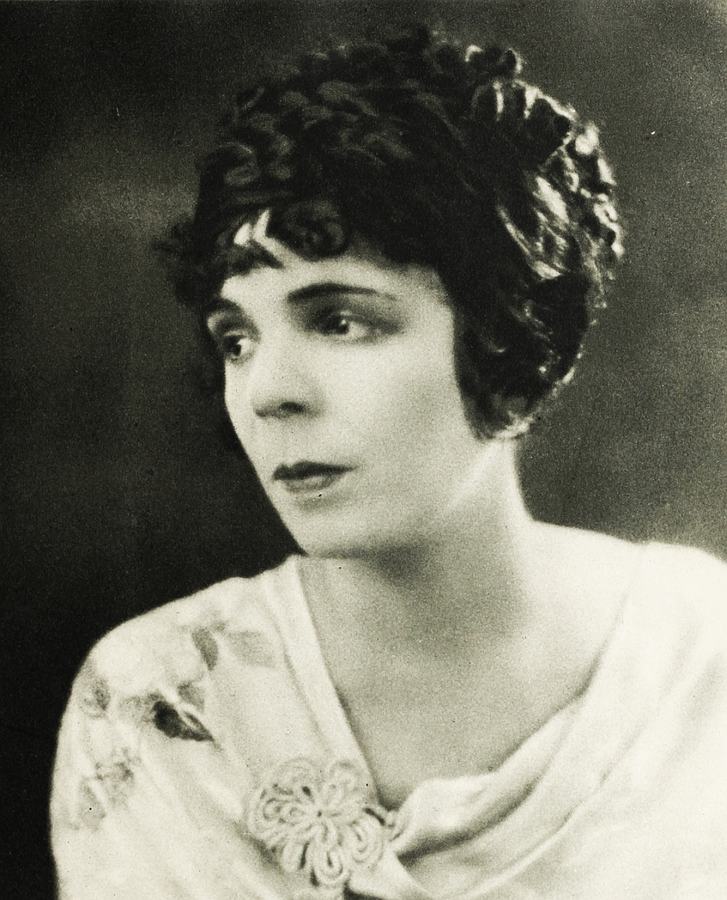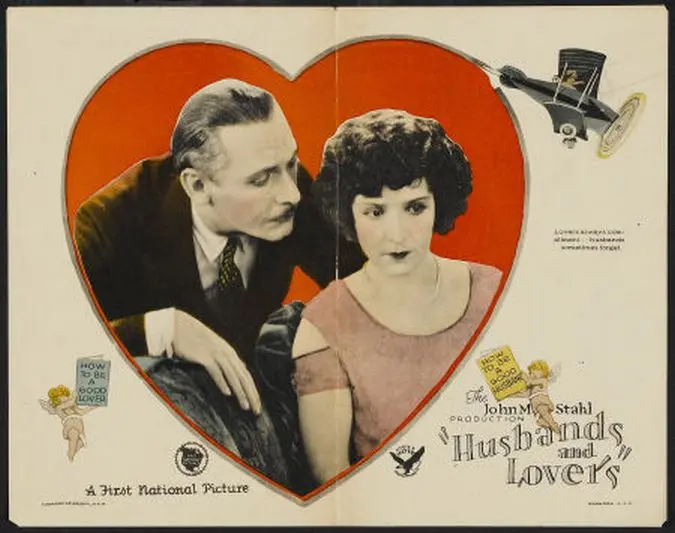
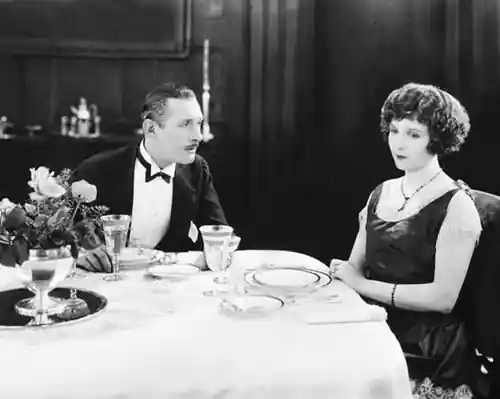
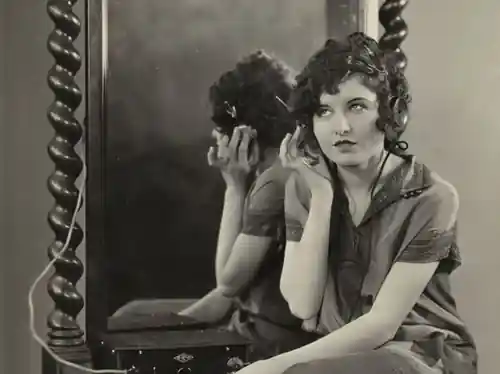
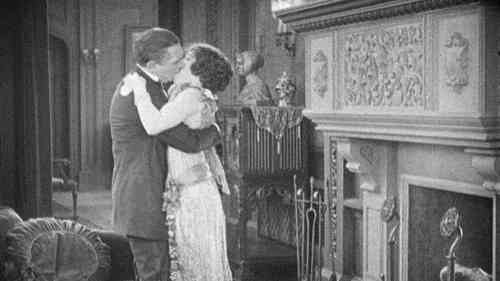
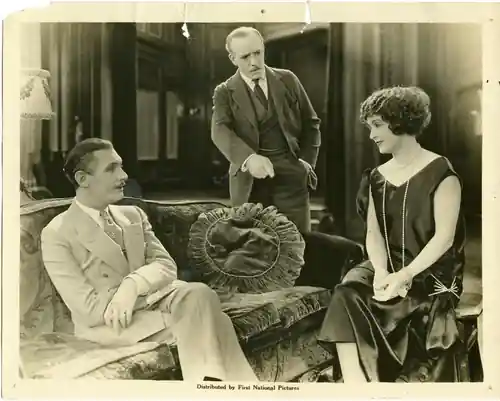
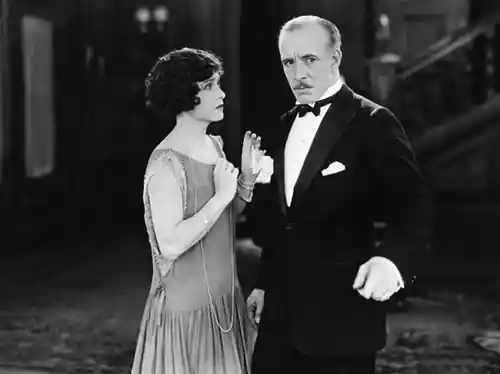
Comedy about a negligent housewife who restyles herself as a flapper and almost loses her husband when an admiring friend is quite taken with her new appearance..

The Domestic Chrysalis and the Jazz Age Metamorphosis In the pantheon of silent era domesticity, John M. Stahl’s Husbands and Lovers stands as a sophisticated precursor to the modern marriage dramedy. While many films of the mid-1920s were content to luxuriate in the surface-level hedonism of the flapper movement, S...
still_frame
still_frame
still_frame
still_frame
still_frame
still_frame
still_frame
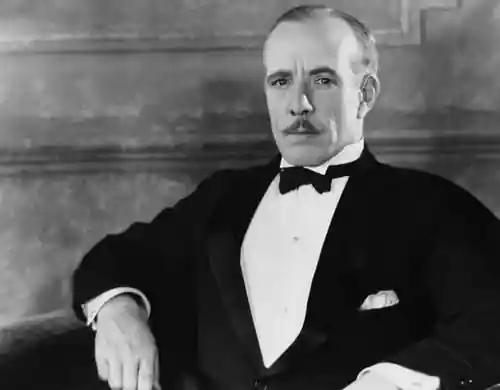
still_frame
Comparing the cinematic DNA and archive impact of two defining moments in cult history.
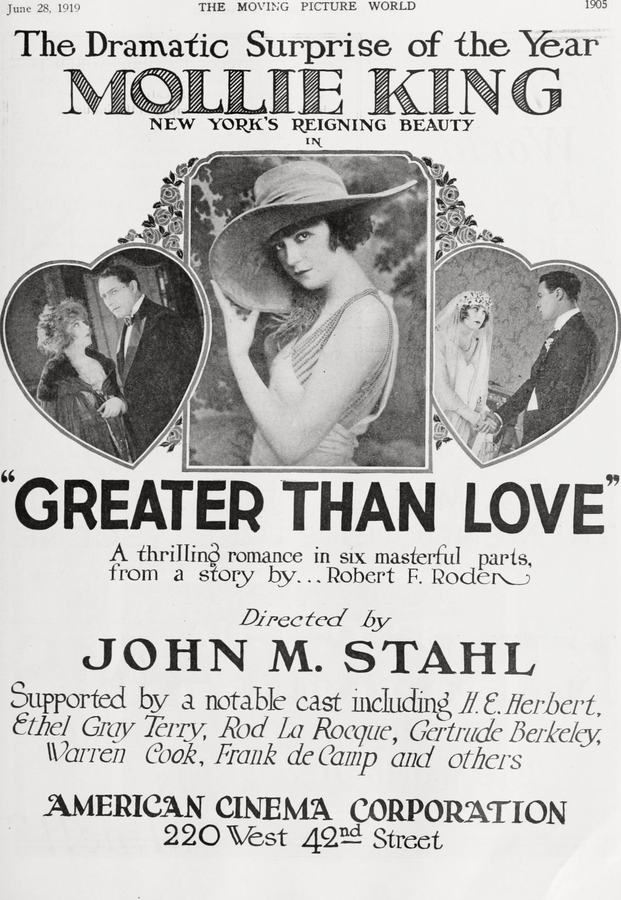
John M. Stahl
John M. Stahl
Community
Log in to comment.
" The Domestic Chrysalis and the Jazz Age Metamorphosis In the pantheon of silent era domesticity, John M. Stahl’s Husbands and Lovers stands as a sophisticated precursor to the modern marriage dramedy. While many films of the mid-1920s were content to luxuriate in the surface-level hedonism of the flapper movement, Stahl—ever the keen observer of human frailty—utilizes the aesthetic shift of the era to explore the tectonic shifts within a failing union. The film avoids the melodramatic excesse..."
Frances Irene Reels, John M. Stahl, Madge Tyrone, Andrew Percival Younger
United States
Deep dive into the cult classic
Discover similar cinematic experiences
A Directorial Spotlight on John M. Stahl