
DbcultAccessing Vault...
Recommendations
Senior Film Conservator
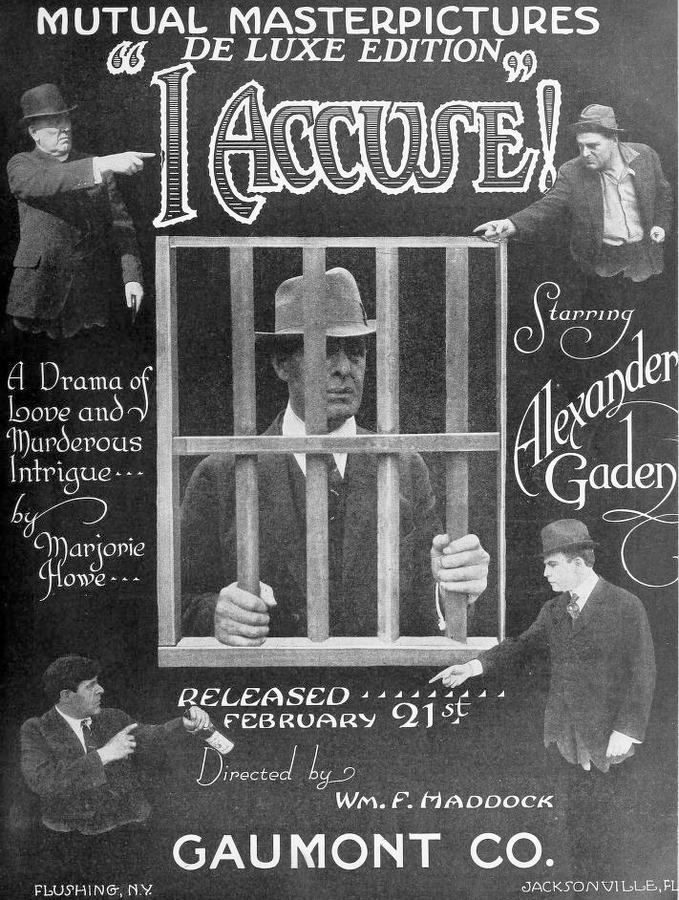
The evocative power of I Accuse (1916) continues to haunt audiences with its artistic bravery, its status as a United States icon makes it a perfect starting point for discovery. The following gems are essential viewing for anyone captivated by I Accuse.
The visceral impact of I Accuse (1916) stems from to serve as a cornerstone for cult enthusiasts worldwide.
Robert Gray, a brilliant young lawyer, who has just been elevated to the bench, is greatly in love with Eloise, daughter of Reverend Morgan Landman, rector of the village church. Though well beloved by his flock, the rector has one failing, an ungovernable temper, which is evidenced when he discharges his coachman for a trivial offense. Unknown to anybody excepting the rector, Abel Harrison has a mortgage on the rector's home. James Harrison, the son is also in love with Eloise. When James proposes to Eloise she refuses him, and he taunts her with loving the judge, who has never asked for her love. The rector, coming on the scene, canes James. James induces his good-for-nothing brother Luke to take a job at the rector's left open by the discharge of the coachman. Emboldened by his successful career, the judge proposes to Eloise and is accepted. They are about to be married when James Harrison comes to the judge and demands the arrest of the rector on a charge of murder. James says that the rector murdered his brother Luke, and produces numerous witnesses with seemingly conclusive proof. Much against his will, the judge is forced to issue the warrant and hear the case. The rector is found guilty of manslaughter and given a long term by the judge. Meanwhile, in order not to hinder his career, Eloise refuses to marry the judge until her father is vindicated. James finds that he holds a mortgage on the Landman home, and turns Eloise and her brother Harold out of the house. Judge Gray tries to raise a loan to help Eloise, but the banker to whom he applies is the father of the girl. Alice Ward, whose advances the Judge had received coldly. She blocks the loan. Five years later, James Harrison, now a church warden, is haunted by memories of the rector. Thinking he sees the rector in his old pulpit he drops the collection plates and falls unconscious to the floor. The ordeal affects his mind and body. Meanwhile Luke, the good-for-nothing brother, is discharged from prison, where he has been serving a term for a minor offense. Luke is in the power of an evil man who demands money. Luke tries to raise money from his brother at whose house he is staying, concealing his identity from everybody, but his brother, James. Refused by James, Luke puts his room in disorder, leaving bloodstains everywhere, thus manufacturing evidence of a probable murder. The old servants take the story to Judge Gray, who orders the arrest of James Harrison, At the trial the jury failed to agree. The old servants came and asked the judge to go to the home where they were haunted by strange noises. The judge finds Luke Harrison there hiding in a closet. "It is Luke Harrison," cries the judge to Harold Landman, "Then your father and James Harrison are innocent men." The appearance of Luke in the flesh automatically brings about the release of the rector. His story causes the conviction of James Harrison. The rector is reinstated in his position in the church and in the hearts of his parishioners. Eloise and Judge Gray are married by the rector a few days later.
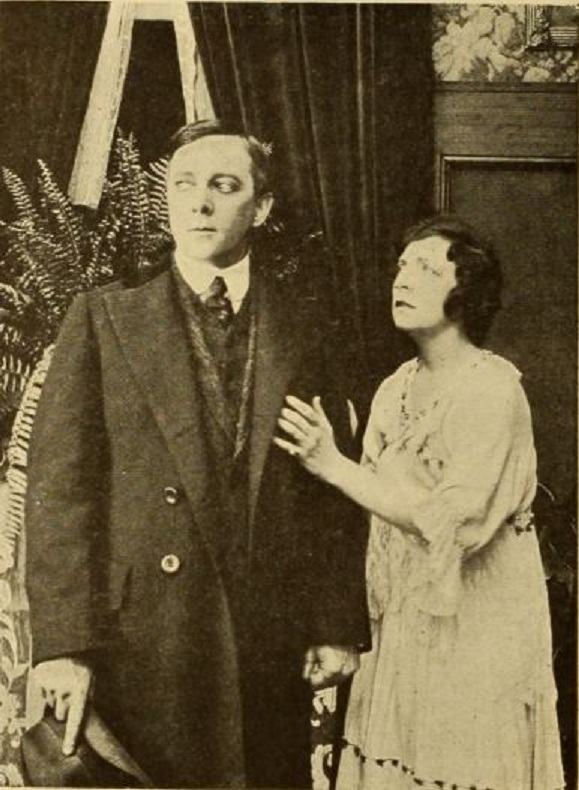
Critics widely regard I Accuse as a cult-favorite piece of cult cinema. Its artistic bravery is frequently cited as its strongest asset, solidifying its place in United States's film legacy.
Based on the unique artistic bravery of I Accuse, our vault has identified these titles as the most compelling follow-up experiences for fans of cult cinema:
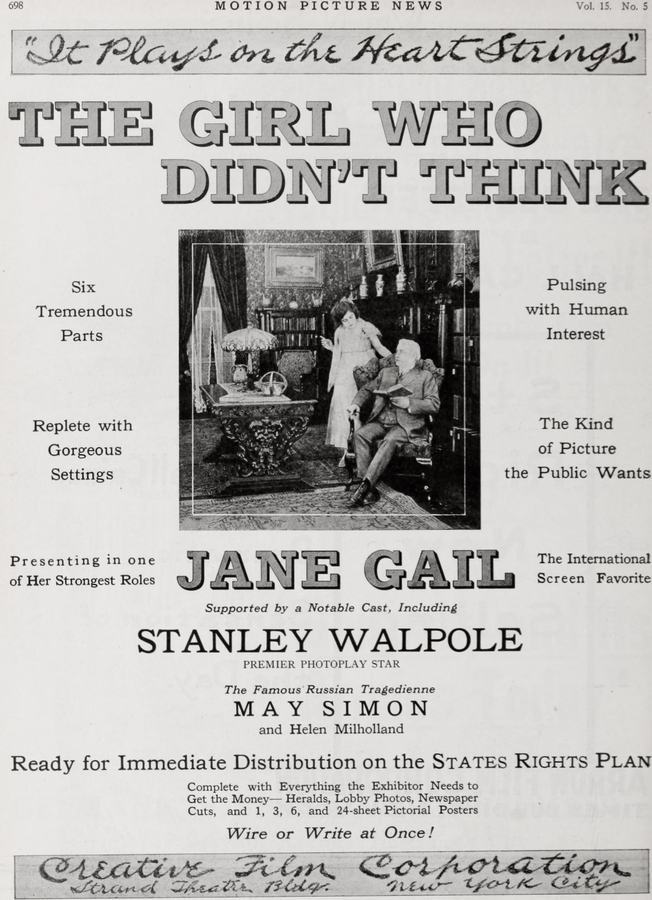
Dir: William F. Haddock
Shopgirl Lucille Ryan is an easy target for playboy James Lambert's wolfish charms. Succumbing to Lambert's promises to make her his wife, Lucille soon discovers that she's expecting. Soon after, Lambert casts her aside for socialite Irene Wallace. Lucille, reading the announcement of Lambert's wedding in the paper, rushes to the altar and denounces him as her child's father. The ceremony is halted, and later Lambert accepts his responsibilities by marrying Lucille.
View Details
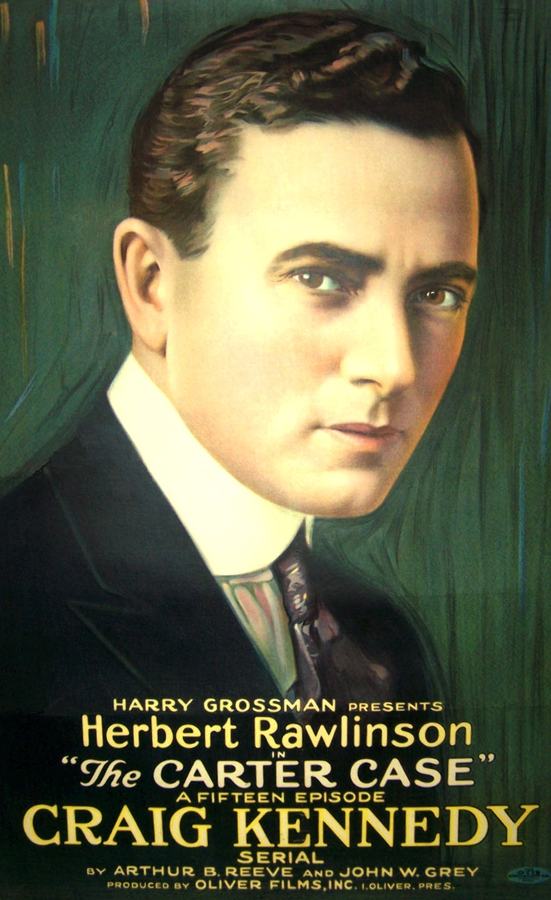
Dir: William F. Haddock
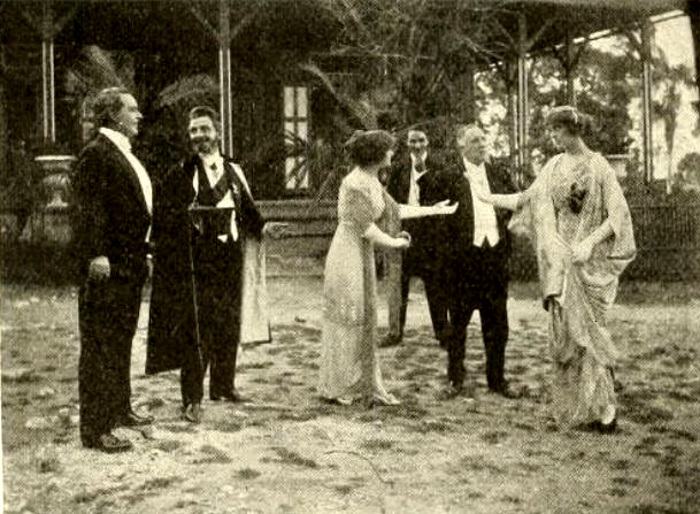
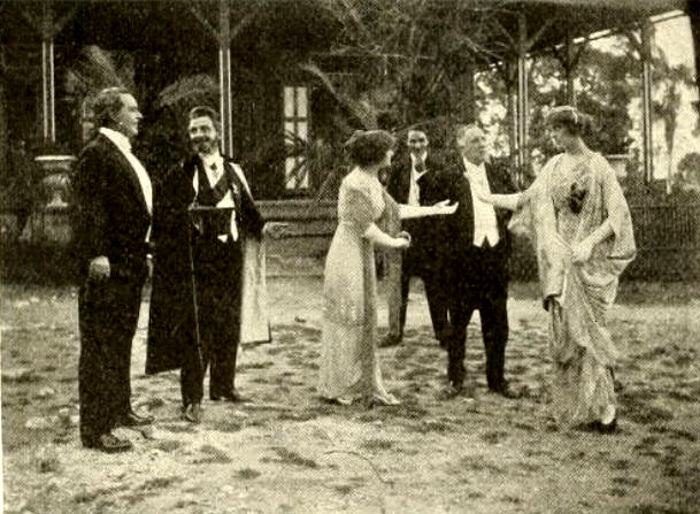
Shelby Carter, owner of big chemical works, whose secret formula are being stolen and given to his competitors abroad, is driven by fear from his secret observation tower and killed by the mysterious 'Avion." His daughter, Anita, despite the protests of her fiancé, Lester Mason, calls in Craig Kennedy to solve the mystery of the death of her father and of the missing formula.
Dir: William F. Haddock
Robert Clay, an adventurous mining engineer, disrupts the plans of a South American revolutionary.
View Details
Dir: William F. Haddock
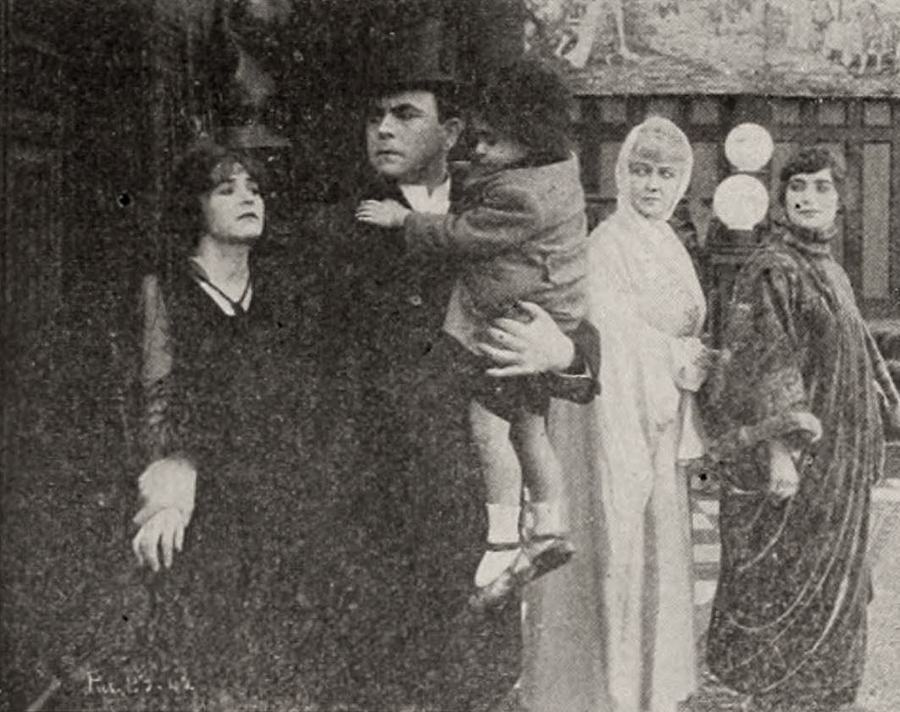
Mayor of Lynboro, Loren Hayward is so dedicated to his work, he soon neglects Milly his young wife. In order to rekindle his affections, she engages in a flirtation with ladies' man Robert Chapman, an all too willing suitor who forces her to kiss him. As Robert embraces Milly, Loren appears and angrily orders them both from the house. After abducting her son Bobby, Milly flees to another city, but Loren follows them and takes the boy back home. Learning afterwards that Loren and Bobby have contracted scarlet fever, Milly breaks into the house and nurses them back to health, and husband and wife are reconciled. During a party, however, Robert mistakenly enters Milly's room, but she is saved from a compromising situation when burglars break in through the window. As the terrified Milly faints, Robert escapes in the confusion.
View Details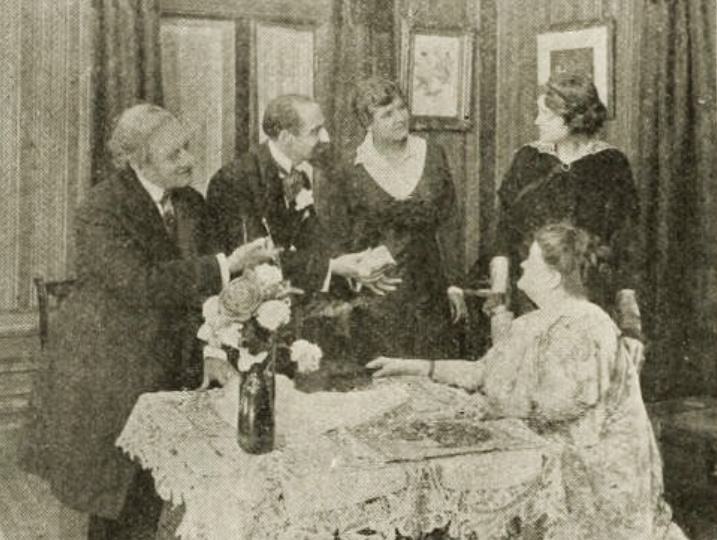
Dir: William F. Haddock
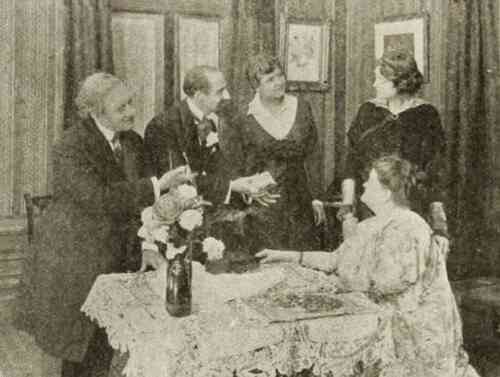
The members of a Pittsburgh family are trying to break into society through the million dollars obtained by their father's selling his business to the Steel Trust. They move to New York, establish themselves in a Fifth Avenue residence, and backed by the father's money endeavor to penetrate New York society. The mother in her ambition engages a bogus French nobleman to teach herself and her daughters the French language. This Frenchman is in reality one of a group of crooks. The elder daughter at Durland's meets a young riding master named Fitzgerald, and it is a case of love at first sight. The young riding master is in reality Lord Fitzmaurice, son of an old English family. The younger daughter is desperately fond of John Willing, who has been her father's manager in his Pittsburgh business and who has been established in the bank that her father presides over in New York City. The family decides to make a trip to England. Just before they leave, the French teacher is given a check for $75 in payment for his lessons and he in connection with the other two members of his band raises this check to $75,000 and gets it cashed while the Pipps are on the liner bound for Europe. John Willing and young Fitzmaurice meet and learn of each other's feelings towards the two Pipp girls. Willing suspects that the check is bad and gets in touch with Mr. Pipp by cable. On learning that the check is a forgery, he engages Pinkerton to assist in recovering the $75,000, and young Fitzmaurice decides to accompany them. Mrs. Pipp has a letter of introduction to Lady Viola, the mother of young Fitzgerald, and the Pipps go to her home for a visit. Pinkerton and the two young men arrive in England shortly and also go to the Fitzmaurice home. The young Lord gets his mother and the servants to keep his identity a secret and many tine scenes of mistaken identity and cross purposes are the result. The crooks are finally located in Paris and the Pipps, accompanied by Pinkerton, go there. Two of the band try to steal a valuable tiara from Mrs. Pipp, and one of them. Count Charmarot, attempts the life of Mr. Pipp with poison thinking that with him out of the way there is an opportunity for him to make love to and marry the impressionable Mrs. Pipp. Pinkerton, with the assistance of the French Prefect of Police, blocks their plans and brings about their arrest. Mrs. Pipp, realizing the mistake she has made, begs Mr. Pipp to take her back to Pittsburgh. The love affairs of the young people are successfully carried on and end in happy marriages.
Dir: William F. Haddock
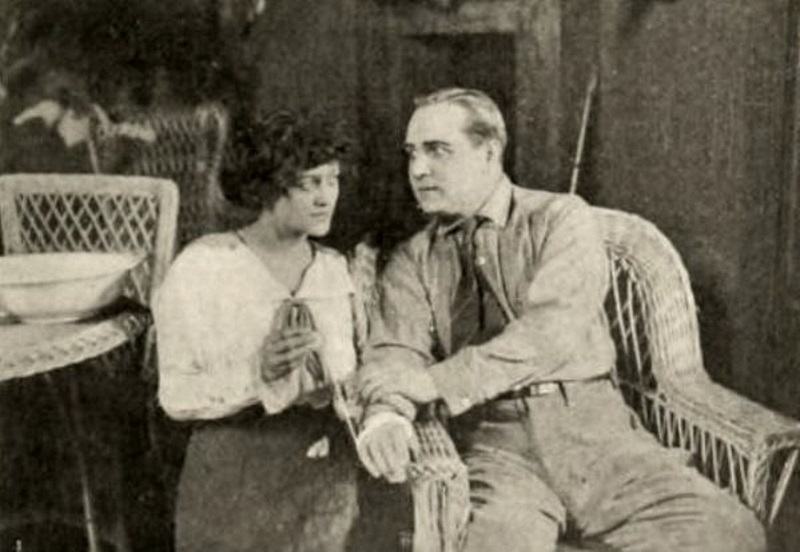
Lawrence Westbrook, banker and club man, neglects his business for pleasure. His daughter, Lillian, is in love with Harold Routledge, a poor artist. The Count de Carojac also loves the banker's daughter. To make Harold jealous, Lillian flirts with the count, which causes a severe quarrel between the lovers. John Strebelow, a friend of the family, suggests that the tired banker and his family join him in a visit to his bunting camp in the Maine woods. While hunting, Strebelow injures his hand. Lillian, with the quick wit of a woman, washes and bandages the wound, awakening love within John Strebelow's heart. To save the name of Babbage and Westbrook, the banker pleads with his daughter to marry the rich John Strebelow. Loving Harold Routledge, but remembering the wish of her dying mother, she makes the sacrifice. Sis years later, Strebelow is living happily in Paris with his wife and child, Natalie. He meets Harold Routledge, now a famous artist, and invites him to call. The sight of Lillian awakens the old love. The count, seeing a chance to be revenged, insults Harold Routledge at a reception of the American Embassy. A duel is arranged in which Routledge is killed. Strebelow swears revenge upon the death of his friend, and for his wife's honor, later kills the Count de Carojac. The belief that his wife still loved Harold Routledge causes a separation between them. Strebelow tells of his great love for Lillian and vows to return as soon as Lillian proves that her love is true and sends for him. The sweet, imploring letters of his daughter, Natalie, bring a reconciliation between husband and wife, which is again broken, owing to Lillian's ignorance of the contents of these letters, which had been dictated by Aunt Fannie in the hopes of affecting this reconciliation. When the bonds of love seem to be broken again, Natalie shows Strebelow a letter written by her mother, the last appeal causing a final reunion.
View DetailsAnalysis relative to I Accuse
| Film Title | Atmosphere | Complexity | Similarity |
|---|---|---|---|
| The Girl Who Didn't Think | Surreal | High | 90% Match |
| The Carter Case | Gothic | Linear | 92% Match |
| Soldiers of Fortune | Gothic | Layered | 97% Match |
| As a Woman Sows | Gothic | Abstract | 90% Match |
| The Education of Mr. Pipp | Surreal | High | 86% Match |
This guide was algorithmically generated using the cinematic metadata of William F. Haddock's archive. Last updated: 6/21/2026.
Back to I Accuse Details →