
DbcultAccessing Vault...
Recommendations
Senior Film Conservator
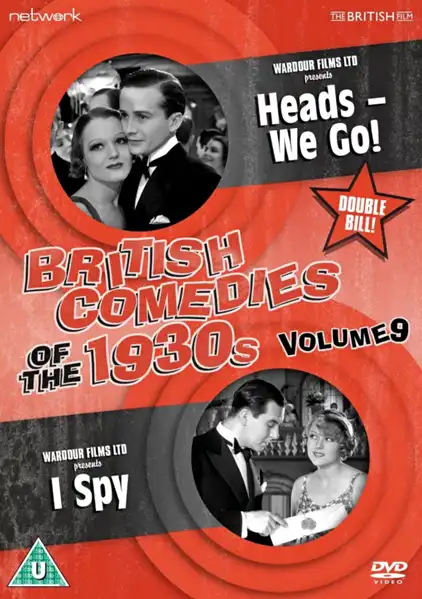
Ever since I Spy hit screens in 1934, fans have sought that same character-driven intensity, it's essential to look at the contemporaries that shared this character-driven intensity. Prepare to discover your next favorite movie in our hand-picked collection.
Whether it's the character-driven intensity or the thematic depth, this film to leave an indelible mark on the history of United Kingdom film.
Two Americans in England--a wealthy playboy and an actress--join forces to stop international spies.
Critics widely regard I Spy as a cult-favorite piece of Romance cinema. Its character-driven intensity is frequently cited as its strongest asset, solidifying its place in United Kingdom's film legacy.
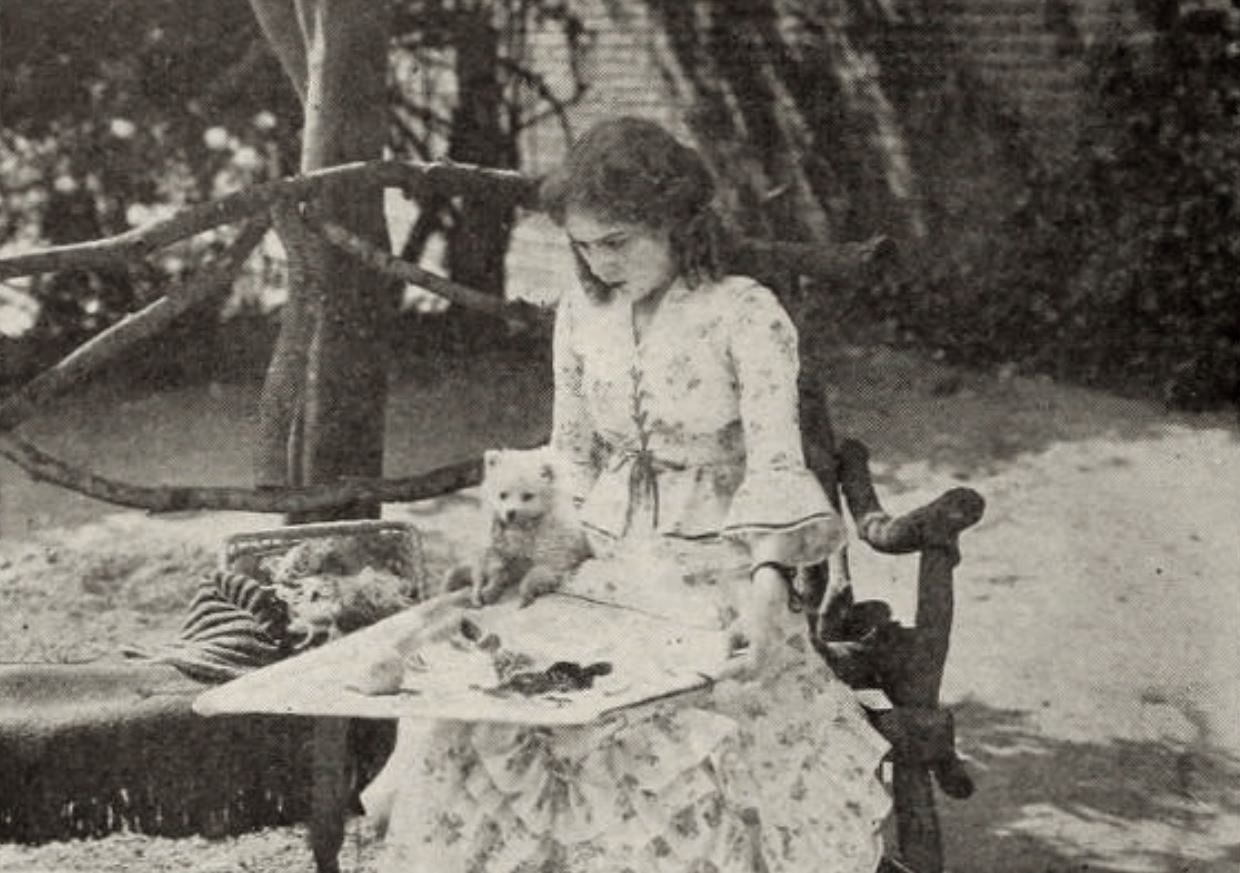
Based on the unique character-driven intensity of I Spy, our vault has identified these titles as the most compelling follow-up experiences for fans of Romance cinema:
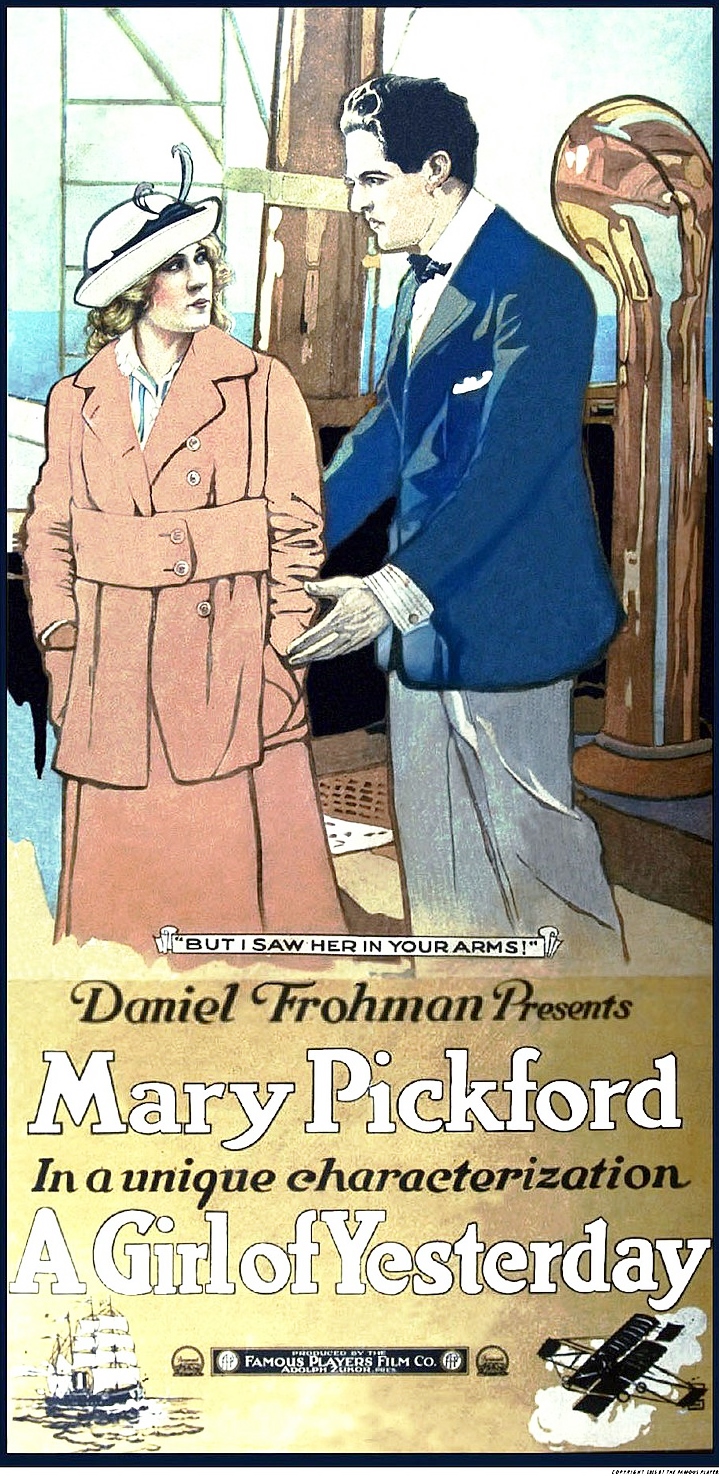
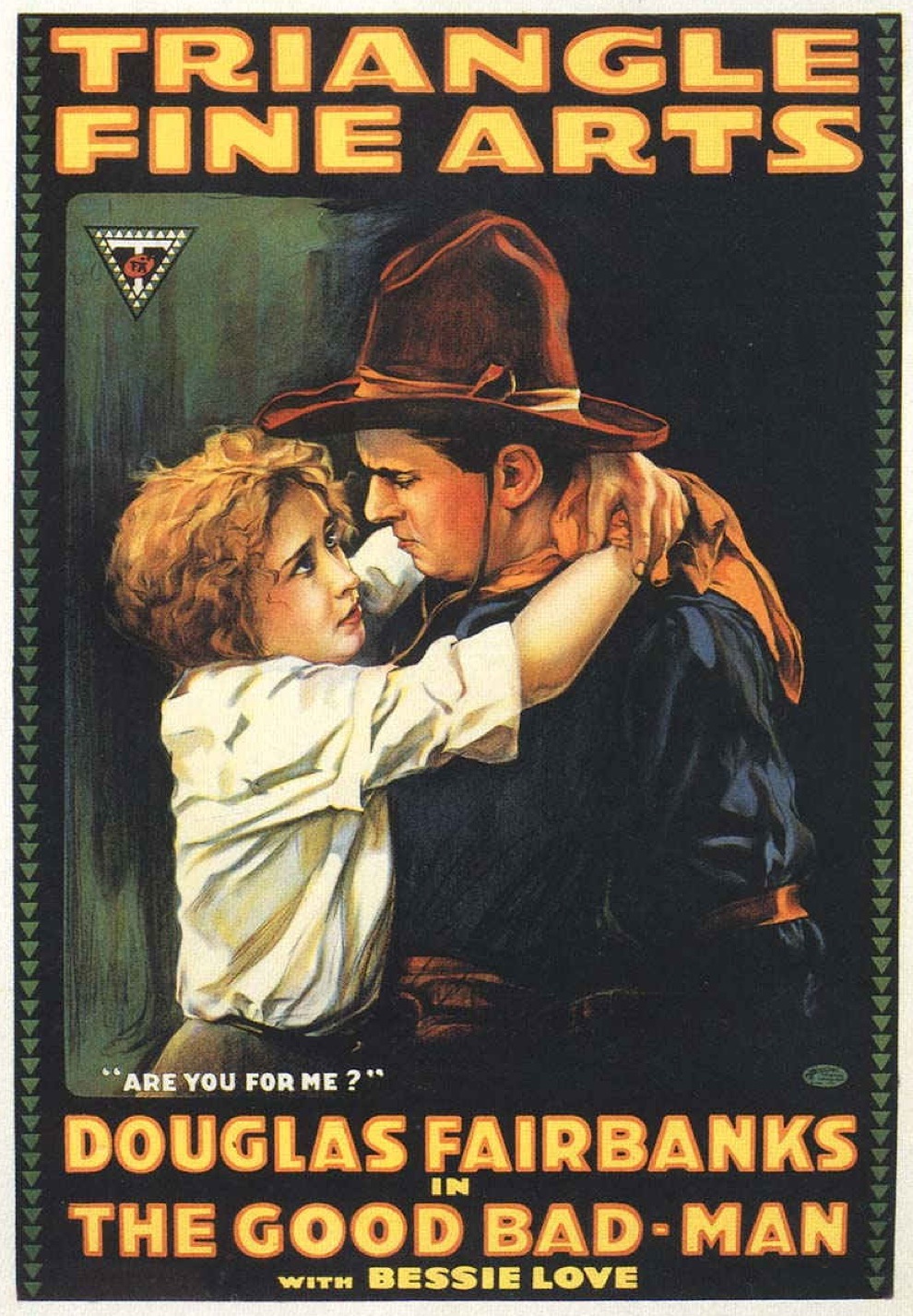
Dir: Allan Dwan
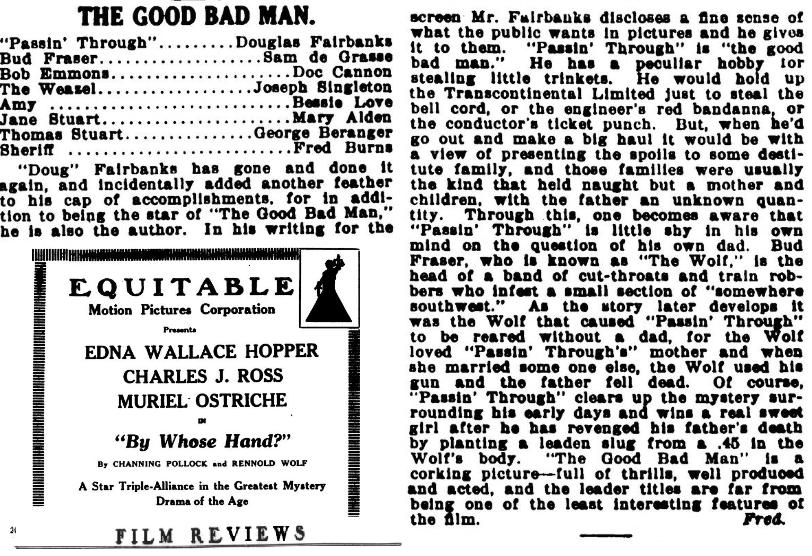
An outlaw calling himself Passin' Through halts his evil ways long enough to help out some children in difficulty.
View Details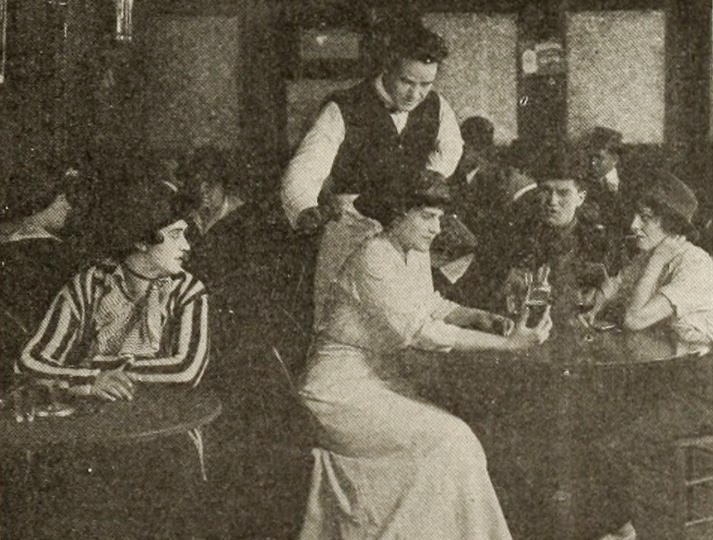
Dir: Allan Dwan
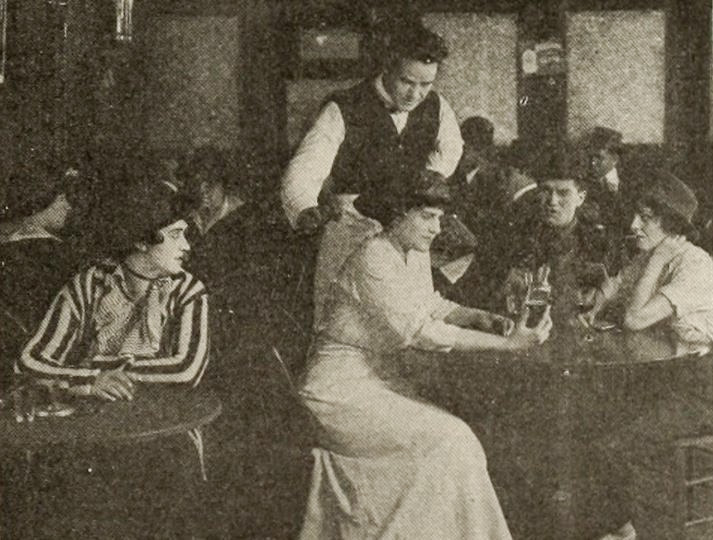
Moll O'Hara, a child of the gutter, grows up with the horrible example of her drunken mother before her, and when, reaching womanhood, the girl loses her mother she keeps as a terrible souvenir the mother's craving for liquor, thrust upon the child when helpless to defend itself. But, save for the love of drinking and of fighting, Moll keeps to "the straight road" and the other temptations of her squalid life leave her unscathed. One day Moll is attacked by Liz, a disreputable woman in Bill Hubbell's saloon; the two women fight and are arrested. On their way past the settlement, Ruth Thompson a wealthy young settlement worker and her fiancé, Douglas Ames, see the pitiful procession, but Ruth insists that Moll and the others be brought into the settlement until she has the affair investigated. They come in and with them Bill Hubbell, the handsome and athletic saloon-keeper, and when he tells the true story of Moll's being first attacked by Liz. Moll is released, at the solicitation of Ruth Thompson. When the others have gone, Ruth pleads with Moll to quit drinking, and aided by the pleading of Mike Finnerty, a little crippled boy, Moll at last gives in, the callous indifference of her nature vanishes, and she becomes a different creature. Mrs. Finnerty, made kindly by Moll's love for little Mike, takes her home with her and a new life begins for Moll. Bill Hubbell, the saloon-keeper, instead of being offended by Moll's abstaining from his wares, encourages her, and a friendship springs up between the two that soon ripens into romance. But Douglas Ames, though engaged to Ruth, with the day set for their wedding, has determined to make a conquest of Moll, and one day, just as she is leaving Ruth, having told of her engagement to Bill, Ames follows and catches her in his arms. Ruth comes upon them, and Ames treacherously throws the fault on Moll, pretending that she had made advances to him, which he was repelling. Naturally, Ruth believes the man she loves in preference to the girl from the gutter, but at last promises the frantic Moll that she will come to her rooms at Finnerty's at 6 o'clock the following evening. After Moll leaves, Ames follows, as Moll knew he would, and begs that he be allowed to visit her. She coquettes with him and promises to be at home to him at six next evening, determined that Ruth shall find him and realize his vileness and the truth of Moll's story. But Bill Hubbell sees and overhears the appointment, and the next night when Ames calls, Bill, instead of Ruth, bursts into the room and sees Ames in the act of embracing Moll. In vain Moll tries to tell Bill the trap she had set for Ames. He laughs scornfully, and when Ruth enters tells her what he saw. Ames sneaks away, and both Ruth and Bill leave, believing Moll guilty. The frenzied and desperate Moll seizes the whiskey Ames had brought her and starts to drink, determined to go back to the gutter, when her despairing eyes fall on the sweet pictured face of the Madonna, a gift from Ruth. Throwing away the liquor, Moll falls on her knees and prays for succor and vindication. How her prayer is answered, her enemy crushed, her innocence established and her love and faith restored is developed in the climax of this drama.
View Details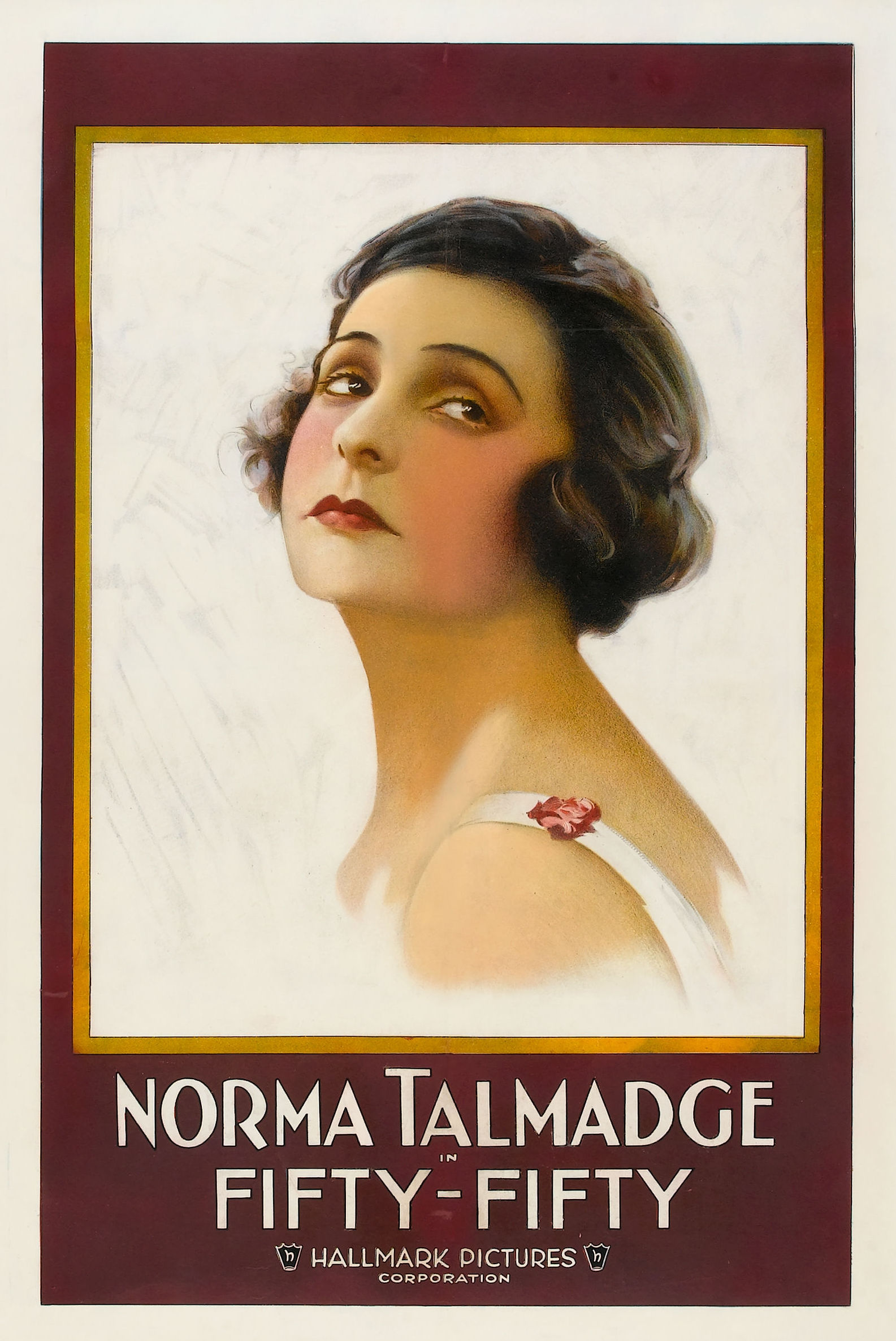
Dir: Allan Dwan
Naomi, a girl of the studios in New York's artist quarter, is possessed of a superabundance of vitality and a desire for continuous frolic and adventure. One night, at a gay party, Naomi's effervescent spirits deceive one of the men into thinking that she is far more unconventional than she herself has any idea of being. His companions tell him that she is not the sort of girl he thinks she is, but he insists that he can prove that she is; he even makes a wager to that effect. He tricks Naomi, who is really quite unsophisticated, accompanying him to a hotel of questionable repute, where the two, innocent of any wrongdoing, are captured in a police raid, and Naomi has an unpleasant experience in the night court. Friends come to her aid and she is released. Not long after this, Frederic Harmon, a broker, comes into her life. The two fall in love and are married; the birth of a baby completes Naomi's character and she cares only for her child, her husband, and her home. The husband, however, does not settle down to home life. He is still much inclined to the gaieties of the set in which he had become acquainted with Naomi, and when she refuses to take further part in the revels of the Bohemian crowd, he goes forth by himself and soon meets Helen Carew, a woman with a past and without a conscience, who fascinates him partly for her amusement and partly for mercenary reasons. Eventually Harmon's infatuation for the other woman becomes known to Naomi. She is heartbroken, particularly when Harmon asks her to divorce him so he can marry Helen. This she refuses to do. Helen, anxious to get the man entirely into her clutches, enters into a plot with a crooked detective whereby Naomi is to be caught in a compromising situation, thus giving her husband grounds for divorce from her. The detective picks up a convict just out of Sing Sing and by means of a decoy message Naomi is induced to go to a hotel room where the man from Sing Sing is waiting for her. Once the two are in the room together it is raided by newspaper reporters and a photographer, and a flashlight of Naomi in the arms of the convict is obtained. The husband brings suit for divorce, offering as evidence the stories of the witnesses at the raid and the flashlight photograph. He also asks custody of the child. Naomi startles the judge and spectators when she declares that she should be allowed to keep the child, because Harmon is not its father. The judge, however, suspects that Naomi is sacrificing her reputation in order to keep her baby, and calling her into his private office, he gets the truth from her. Meantime there has been an unexpected development in the affairs of Helen. The man from Sing Sing had been her lover before he went to prison, and she is unpleasantly surprised when the detective's use of him brings him again into her life. The ex-convict is in Helen's rooms, trying to renew their old association when Harmon comes to see her. Helen hastily hides the jailbird, but while she is talking to Harmon the convict comes out and tells Harmon of the woman's past and his connection with it. Horrified at the revelation of Helen's true character, Harmon goes out of her life at once and forever, but in the course of time succeeds in winning his way back into his home.
View Details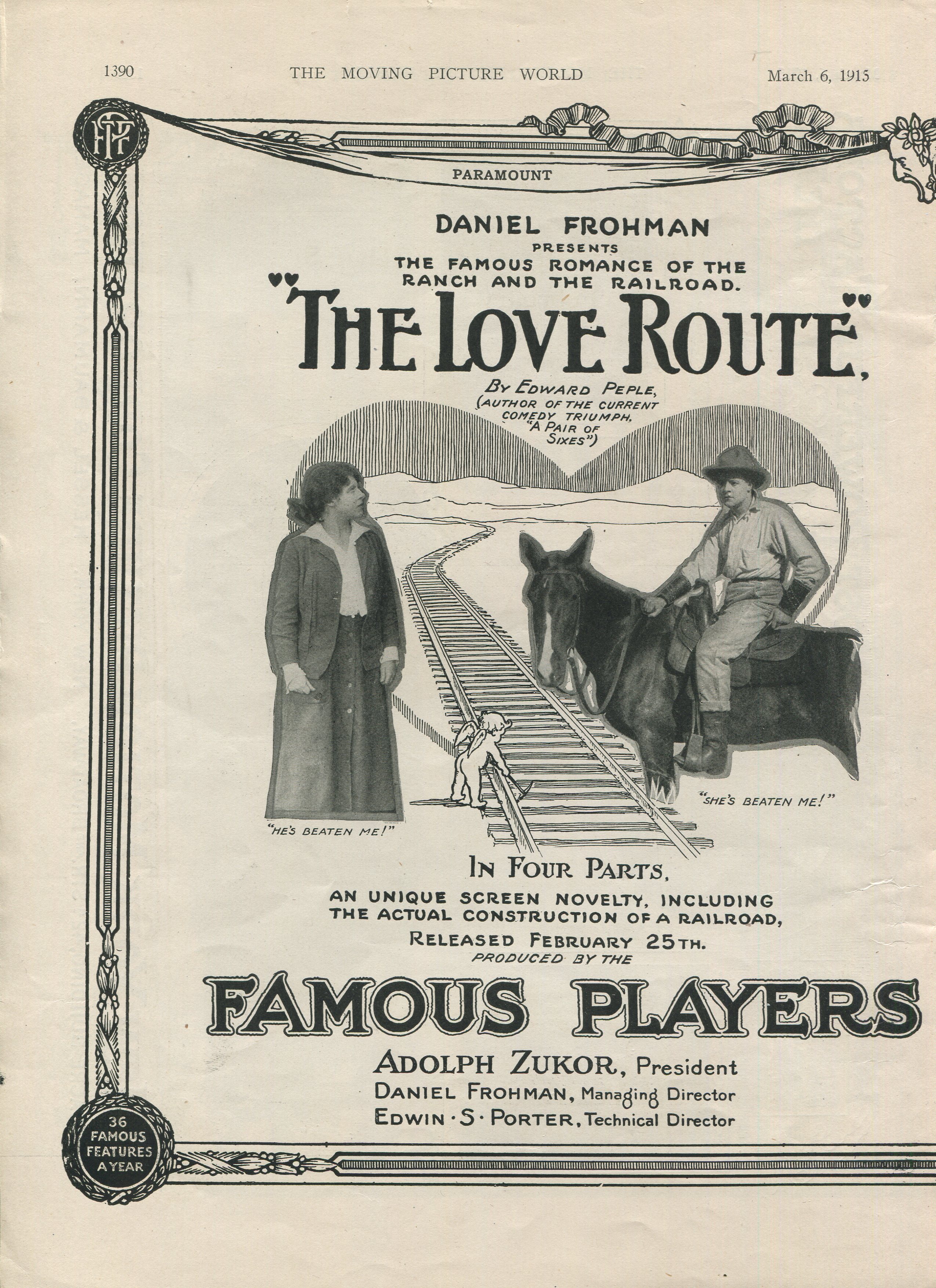
Dir: Allan Dwan
Neighboring ranchers John Ashby and Allene Houston are in love, but their fathers' violent feud over the route of the new X. Y. Z. Railroad eventually drives them apart. Colonel Houston and the elder Ashby are both killed in a fight, leaving John and Allene to continue the feud, John accepting a position with the railroad company and Allene swearing that it will never cross her property. Allene is aided in her battle by the foreman of the Houston ranch, Harry Marshall, an ambitious man who hopes to make Allene his wife. After an intense struggle, one of Allene's men shoots John, but even as she is winning the fight, Allene realizes that she still loves John. In the end, Allene herself lays the last tie just in time to save the company's franchise rights.
View Details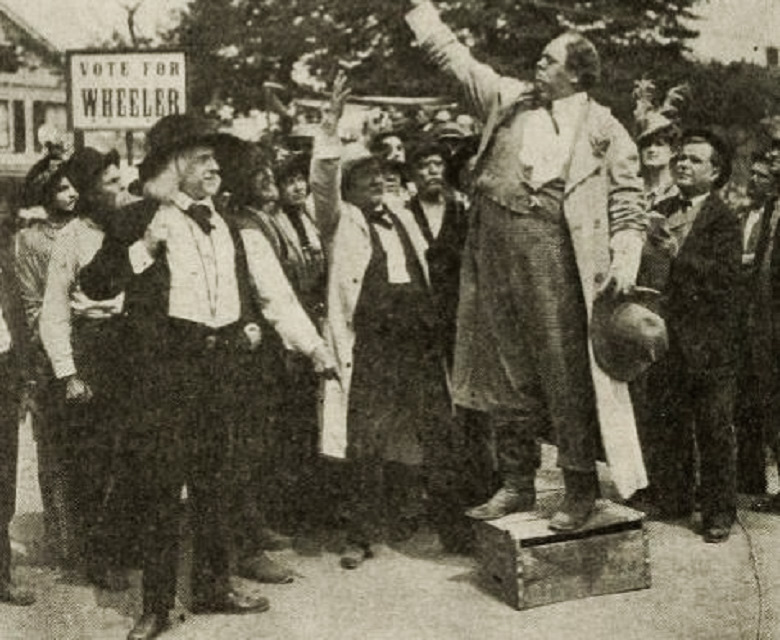
Dir: Allan Dwan
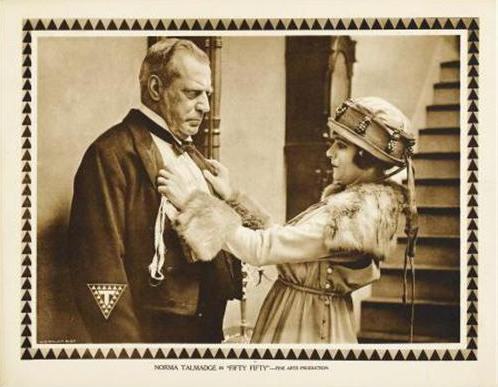
Jim Hackler is the political boss of a small town. When local lawyer Elias Rigby decides to run for Distrct Attorney, Hackler sees a chance to get revenge on Rigby--years ago both men were in the Army and best friends, but Rigby had intercepted letters to Hackler from his sweetheart, and wound up marrying the girl himself. Hackler persuades Rigby's daughter's fiance' to run against him, but things don't quite work out the way he wanted.
View Details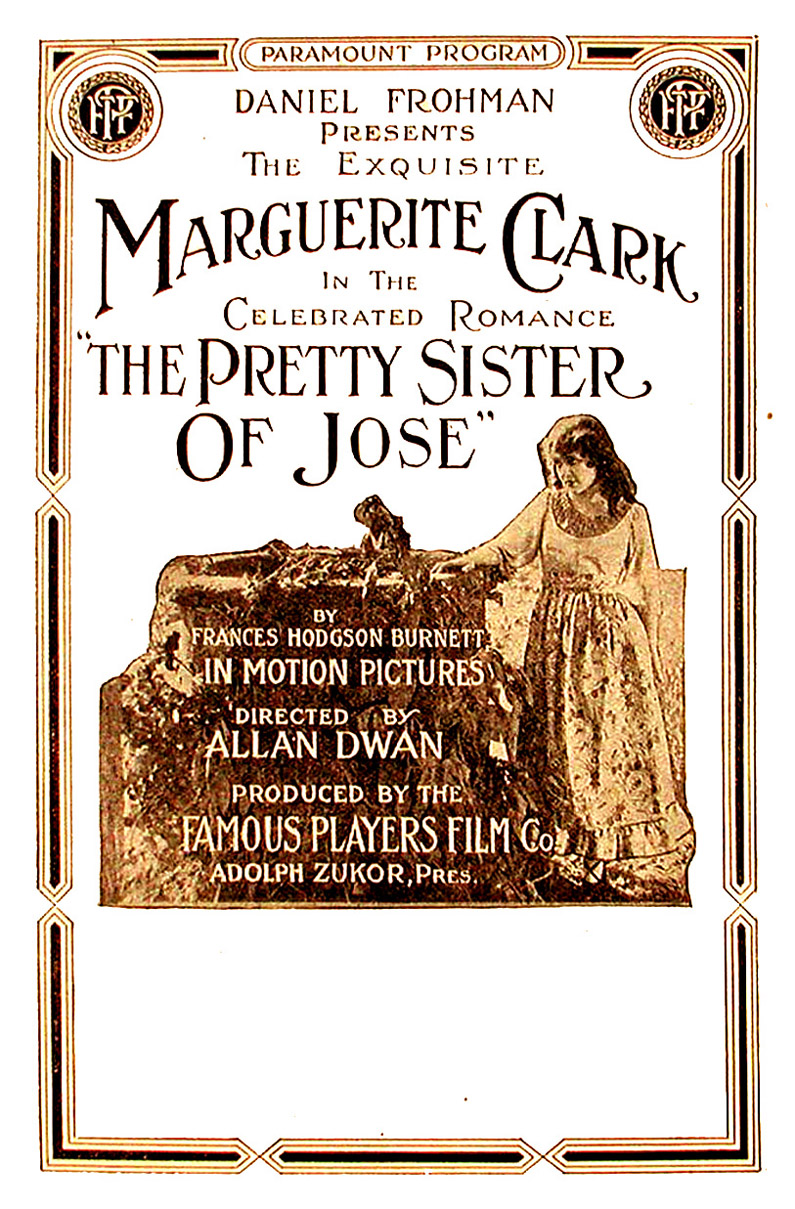
Dir: Allan Dwan
Pepita, a radiant and merry Spanish beauty, and her playful brother Jose, witness their mother, whose faded beauty led her husband to abandon her for another, plunge a dagger into her breast. After their uncle avenges the death, Pepita develops a fierce hatred of men and pledges never to marry, while Jose leaves for Madrid with a benevolent padre. Sebastiano, Spain's most famous toreador, arrives in town and, after seeing Pepita, spurns the pretty Sarita, who dies hopelessly infatuated. Later, Pepita visits Jose in Madrid and encounters Sebastiano. She resists his attempts at conquest and haughtily makes him serve her. Finally, when Pepita responds to Sebastiano's protestations of love with vehement hatred, he leaves for Lisbon. His departure awakens Pepita's love, and when he returns with a fiancee, Pepita suffers intense jealousy. During a bullfight, Sebastiano glances at Pepita and is gored by the bull. As he is about to die, Pepita, ready to die with him, declares her love, and Sebastiano revives.
View Details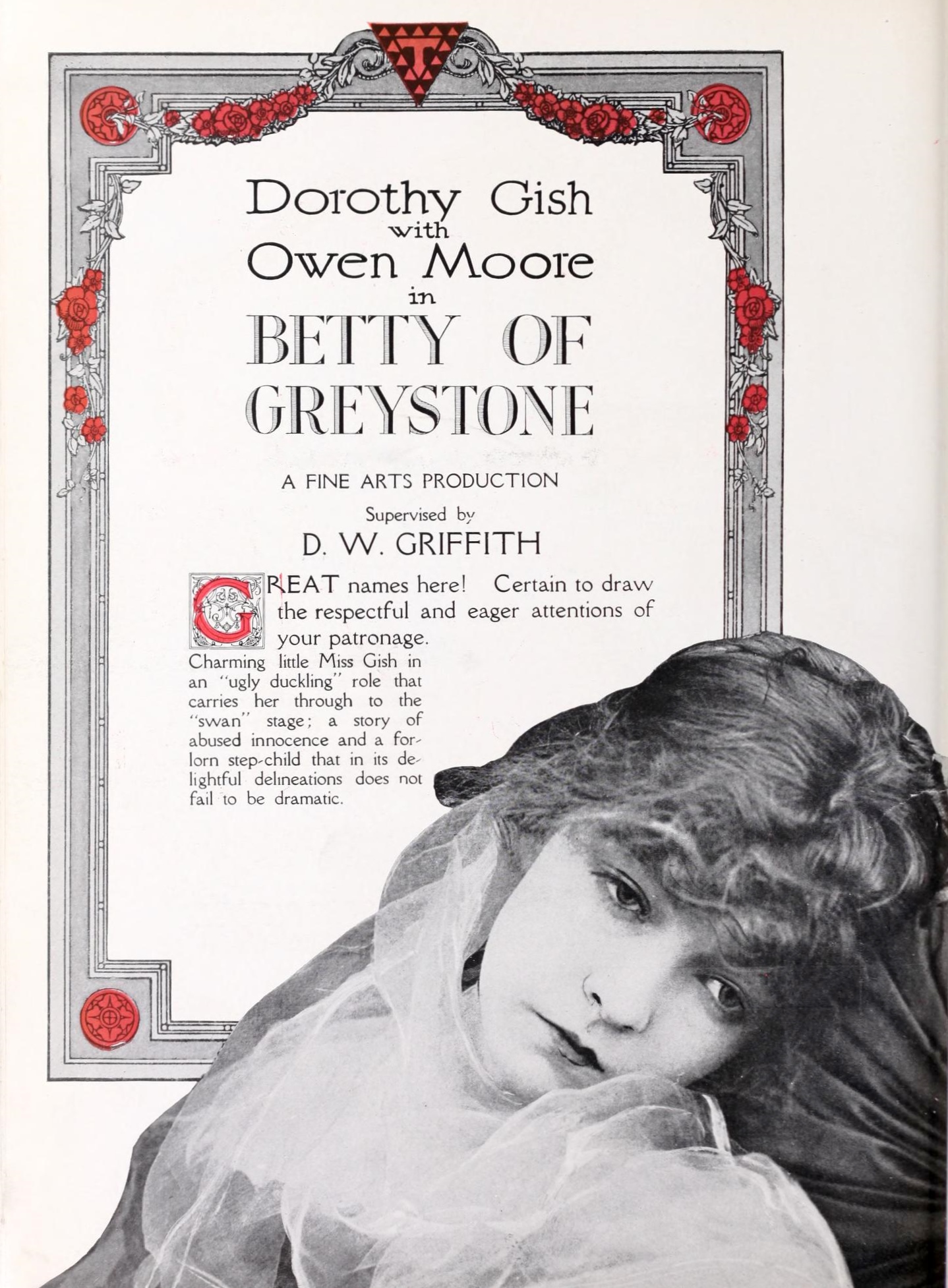
Dir: Allan Dwan
After the death of her father, Betty Lockwood goes to Graystone Gables, the estate where he had been the caretaker, to spend some time alone there. She meets David Chandler, Graystone's owner, who is attracted to her and tells her to come back whenever she wants to. Betty's mother soon remarries, but her new stepfather is not the same kind of man that her father was; she finds herself the subject of some vicious gossip begun by her mother's new husband when he spots her at the estate with David. Complications ensue.
View Details
Dir: Allan Dwan
With the opening of the story Richelieu pardons the Duke of Orleans and all his followers in the Languedoc revolt, save one. The exception is Adrien de Mauprat, because he seized a French town without his leader's orders. Richelieu advises him to lead his troops against the Spaniards and seek honorable death in battle. Julie, Richelieu's ward, loves de Mauprat, but notwithstanding her entreaties, the Cardinal is relentless; de Mauprat courts death on the battlefield. But now that he seeks death, it shuns him; instead of a soldier's grave, he wins glory. Julie has another admirer, Haradas, the King's favorite. Aware of de Mauprat's place in Julie's affections, he sets himself to bring discredit upon his rival. Later, Julie, at the King's request, attends court. She makes a deep impression upon the weak-minded, fickle monarch. A year after the departure of de Mauprat, Baradas and his followers conspire to murder Richelieu and seize the throne of France. At this critical time de Mauprat returns, famous in battle, sad of heart and loathing Richelieu. Thus he becomes a ready member of the conspirators. However, Richelieu hears of his arrival and of the conspiracy and has him arrested. In the meantime, Julie has returned from court and again appeals for de Mauprat's life. Thus, when de Mauprat is ushered into the Cardinal's presence, instead of hearing his death sentence, he is informed that he will marry Julie the following day. Hearing of this the King is violently angry: Julie is summoned to appear at court. Once there she is virtually held prisoner and her marriage is declared invalid. The false Barad is convinces de Mauprat that he has been tricked by Richelieu. De Mauprat swears vengeance and again joins the conspirators, all of whom sign a scroll addressed to the Spaniards offering to deliver France into their hands. From here the story develops with plot and counterplot. How de Mauprat discovers his tragic mistake in thinking the Cardinal has double-crossed him, how he manages, through a heroic effort, to save the old man's life, how de Mauprat falls into the hands of the King and is only saved by a master stroke of diplomacy on Richelieu's part, the death of the scheming Baradas and the final achievement of happiness for the young lovers, Julie and de Mauprat, makes up the essential points of the story.
View Details
Dir: Allan Dwan
A wealthy girl's banished mother returns as the seamstress at her daughter's wedding.
View DetailsAnalysis relative to I Spy
| Film Title | Atmosphere | Complexity | Similarity |
|---|---|---|---|
| A Girl of Yesterday | Gritty | Abstract | 93% Match |
| The Good Bad-Man | Tense | Linear | 92% Match |
| The Straight Road | Gritty | High | 97% Match |
| Fifty-Fifty | Gothic | Dense | 93% Match |
| The Love Route | Tense | Layered | 94% Match |
This guide was algorithmically generated using the cinematic metadata of Allan Dwan's archive. Last updated: 6/20/2026.
Back to I Spy Details →