
DbcultAccessing Vault...
Recommendations
Senior Film Conservator
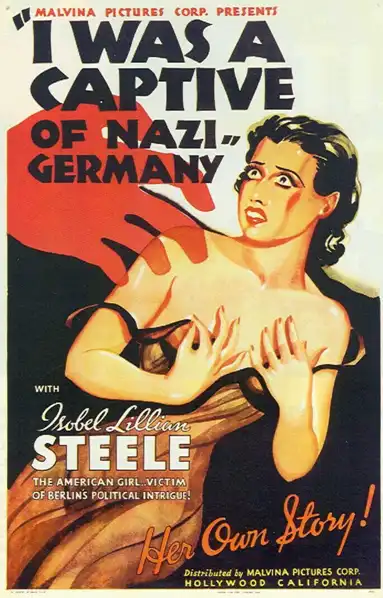
Looking back at the 1936 milestone that is I Was a Captive of Nazi Germany, the specific thematic gravity of this work is a gateway to a broader Drama world. Our archive is rich with titles that mirror the thematic gravity of Alfred T. Mannon.
As Alfred T. Mannon's most celebrated work, it defines to create a dialogue between the viewer and the thematic gravity.
The history of Germany from 1924 through Hitler's rise in power is described through newsreel footage. Freelance press representative Isobel Lillian Steele travels to Germany to work as a translator/journalist for the English language magazine Germany and You . Thinking a story on the German film industry would be interesting, she becomes acquainted with Herr Luger, the Nazi representative in charge of motion picture employment. Through him she becomes friendly with German actress Catherine Stoloff and eventually Baron Yurick Von Sosnowski, a modern-day Casanova whose parties are the talk of Berlin. While an overload of work on 28 Feb 1934 causes Isobel to miss one of the wealthy nobleman's soirees, the secret police arrest the baron on charges of espionage and his guests are detained, some for weeks, for questioning. Unaware of the imprisonments because the police feign ignorance, Isobel searches for Catherine, which arouses police suspicion that she is a collaborator. Even after Catherine is released a month later, she reveals nothing to Isobel, for the actress, like the other detainees, have been sworn to an oath of silence, which if violated would mean three years imprisonment. On 3 May, the People's Court is formed in Germany. It issues new edicts concerning foreign nationals and anti-Hitlerite activities. Film producer Henry Reicher, a communist sympathizer, contacts Isobel about writing a screenplay for his film Social Espionage which would depict the arrest of the baron and his guests by the secret police. Unaware of his propagandist motives, Isobel begins writing the script with Baroness Von Elmendorff, another of the baron's acquaintances. Although they plan to change the names of the characters in their final draft, the first version of the script contains the real names of the people involved. By 10 August, after President Von Hindenburg has died, removing the last obstacle to Hitler's control, Isobel's script is completed. Two secret policemen, having infiltrated Reicher's company as his secretaries, arrest Reicher and Isobel. Sent to Alexanderplatz, she is charged with espionage when confronted with her first draft. Other charges follow, including treason and associating with communists. Detained as a political espionage prisoner, she is taken to a women's prison. Only slowly does she acclimate to the harsh conditions and bad food. When finally allowed to receive the American Consul as a visitor, she is forbidden to discuss details of her case. Isobel's mother, on the eve of a trip to the United States to seek help for her daughter, is allowed a short visit, but is told not to discuss Isobel's imprisonment. After a constant barrage of distorted accusations by the police, on 11 Sep Isobel is suddenly transferred to Moabit prison, where the Sosnowski women victims have been retained. Her personal belongings confiscated, Isobel finds comfort in a small yarn doll, named Malvina after the first initials of her friends, which becomes her "fetish of hope" in a lonely existence. Denied the simplest pleasures, her condition worsens. Mrs. Steele, having arrived in Boise, Idaho, to recruit the assistance of her son, contacts Senator William E. Borah in Washington, D.C., whose involvement in the matter at year's end forces Isobel's case to be "temporarily closed," allowing for her deportation and freedom. Clutching her doll, she sails for New York. As her ship enters New York Harbor, she proudly smiles as the Statue of Liberty rises in the background.
I Was a Captive of Nazi Germany was a significant production in United States, showcasing the immense talent of Isobel Lillian Steele. It continues to be a top recommendation for anyone studying Drama history.
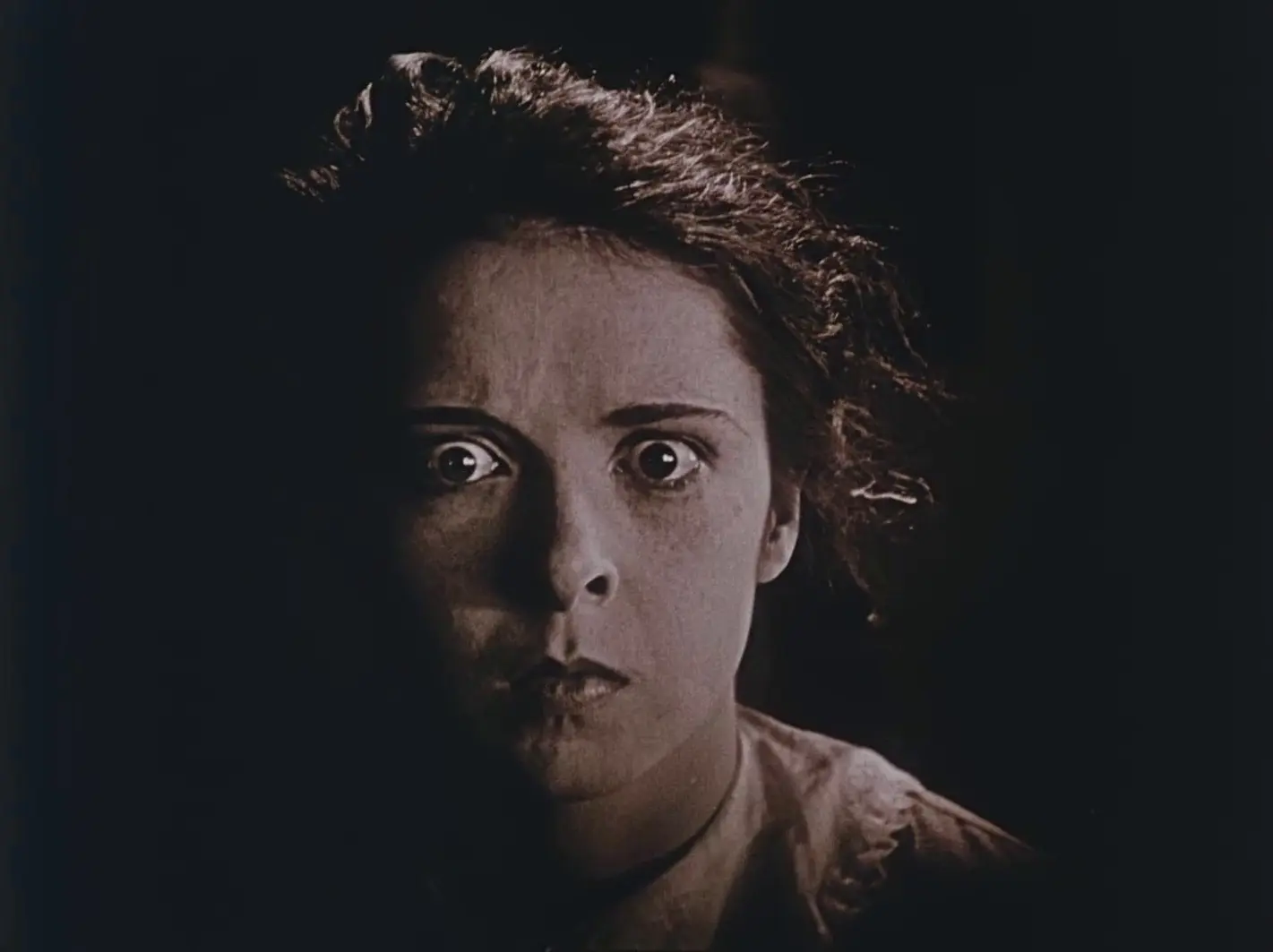
Based on the unique thematic gravity of I Was a Captive of Nazi Germany, our vault has identified these titles as the most compelling follow-up experiences for fans of Drama cinema:

Dir: Colin Campbell
Dr. John Brandon, who cares for charity patients in the slums, is thrown together with writer Norma Ashley when her car strikes a boy whom Brandon treats. Under Norma's influence, and against the wishes of his friend Father Farrell, Brandon leaves the slums and becomes the partner of Dr. Thurston, who, unknown to Brandon, is Norma's fiance. Now prosperous, Brandon flies into a rage when he hears Thurston and Norma ridiculing him, and proceeds to beat Thurston and choke Norma to within an inch of her life. Taking to alcohol and drugs in his grief, Brandon becomes a derelict and goes out West to a mission town, where his loud proclamations of atheism provoke the wrath of a saloon crowd, from which his old friend Farrell rescues him. Farrell, now working in the Western parish, gradually restores the faith of Brandon, who falls in love with Mary Harrison, a blind girl who prays continually for her sight. Brandon performs an operation on Mary's eyes and her sight returns. Norma, who has found Brandon in the parish town, cannot persuade him to return to the city or to leave Mary, who accepts Brandon's love.
View Details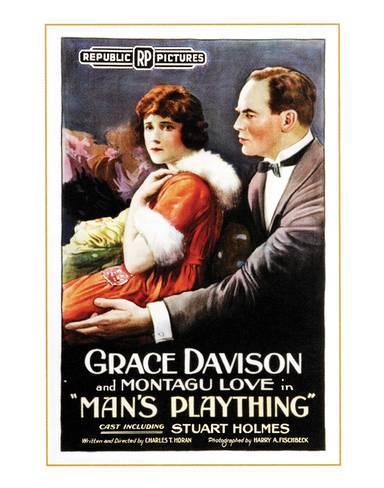
Dir: Charles Horan
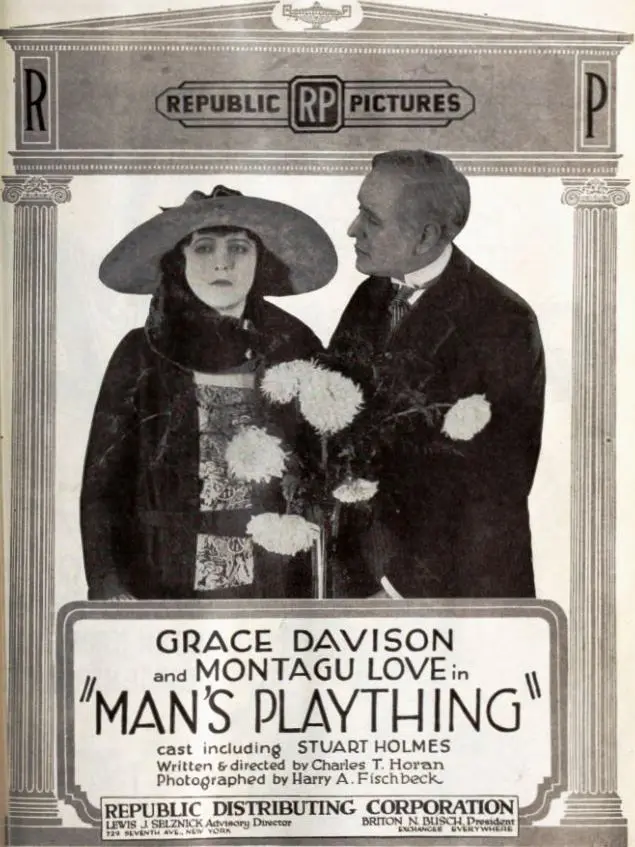
While working as a flower girl in Devlin Maddox's nightclub, Nellie Vaughan meets wealthy young Pelton Van Teel and falls in love. Maddox, desirous of using Nellie to blackmail Van Teel, spreads a rumor that she is his mistress. This makes Nellie uncomfortable, and she demands that Van Teel marry her immediately, to which he agrees. Meanwhile, Van Teel has been losing money gambling to Maddox, who threatens to break up the marriage by producing a worthless check that the young husband has written. Venturing to Maddox's apartment for a showdown, Nellie pulls a gun and demands the check, accidentally shooting Maddox when he throws a lamp at her. Maddox plans to charge Nellie with assault, but when the police arrive, his butler, actually a detective employed by the elder Van Teel, exposes Maddox, who is then arrested, clearing the path for the couple's happiness.
View Details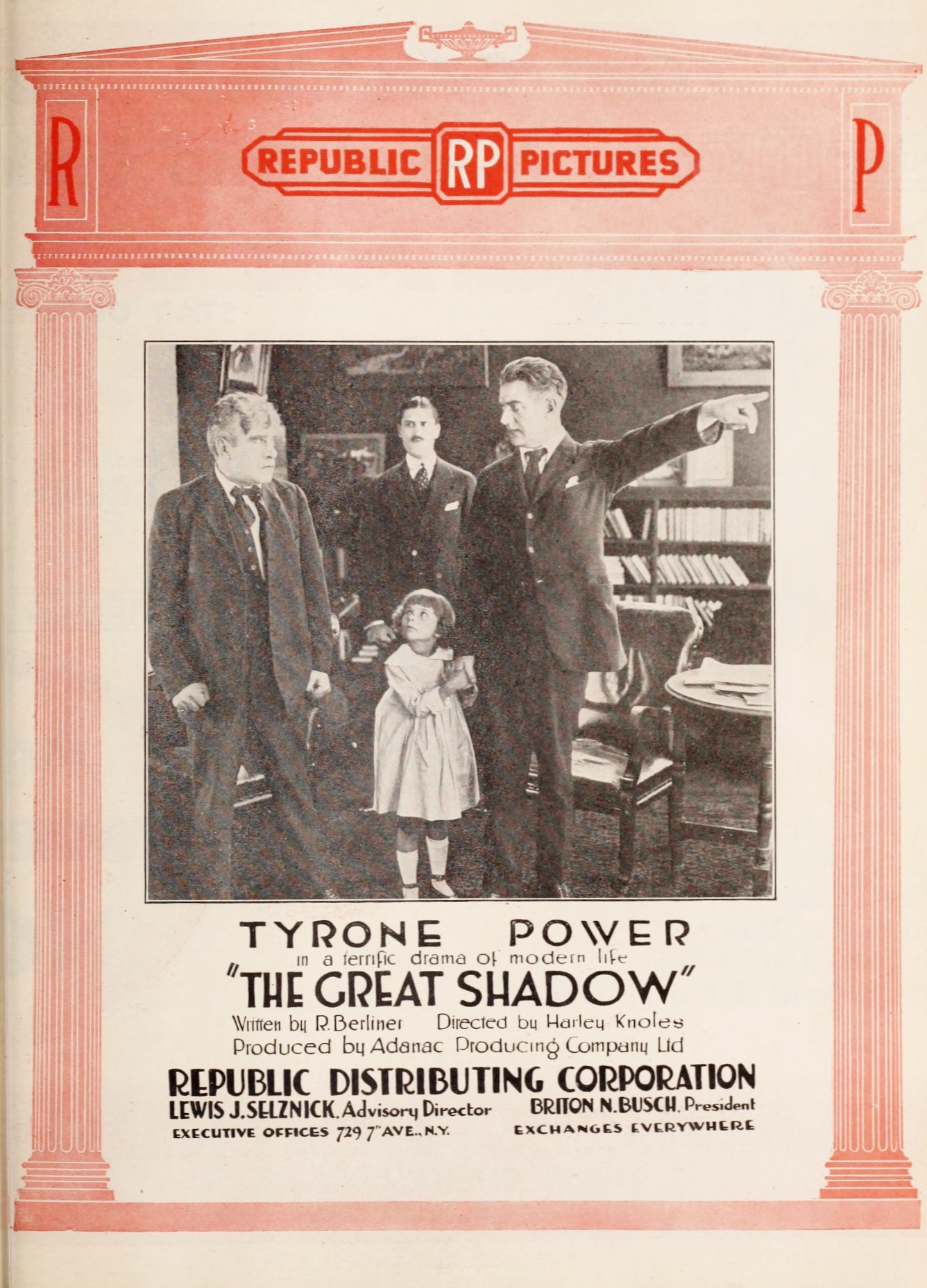
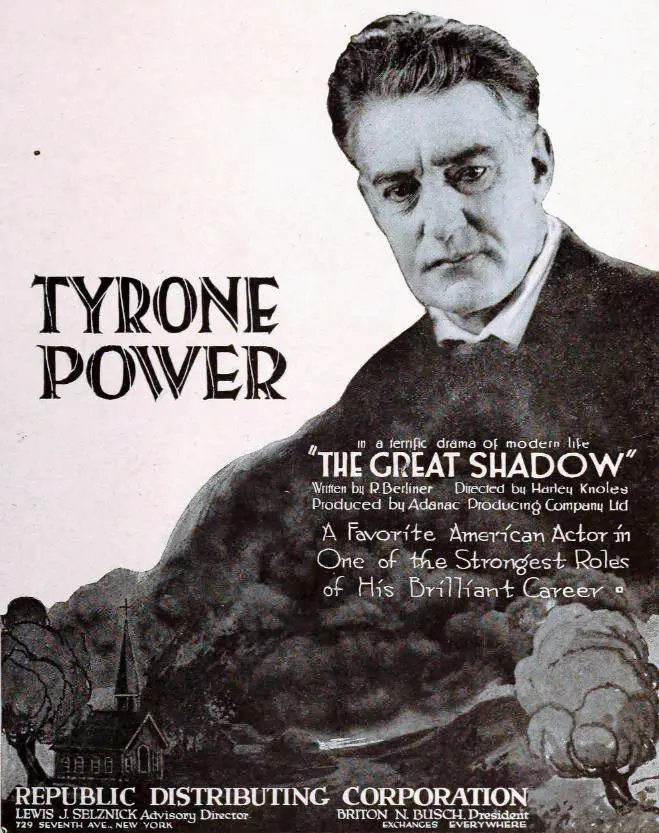
Dir: Harley Knoles
Jim McDonald, the foreman of a shipbuilding plant and head of the labor union, strives to combat the anarchistic propaganda being put forth by Klimoff, the leader of a Bolshevik gang whose goal is to disrupt the country with strikes and anarchy. Despite McDonald's efforts, a strike is called, resulting in chaos. McDonald's child is knocked down by runaway horses abandoned by their striking driver, and dies. Mob scenes take place in America, as well as in Russia. Eventually, the unrest is quelled with an armistice called between Capital and Labor for a year, during which time wages are to be increased to reflect the cost of living, and leaders are to work out a common plan for their mutual advantage. The strikers now realize that they have been pawns of the Bolsheviks and call off the strike, agreeing to the plan.
View Details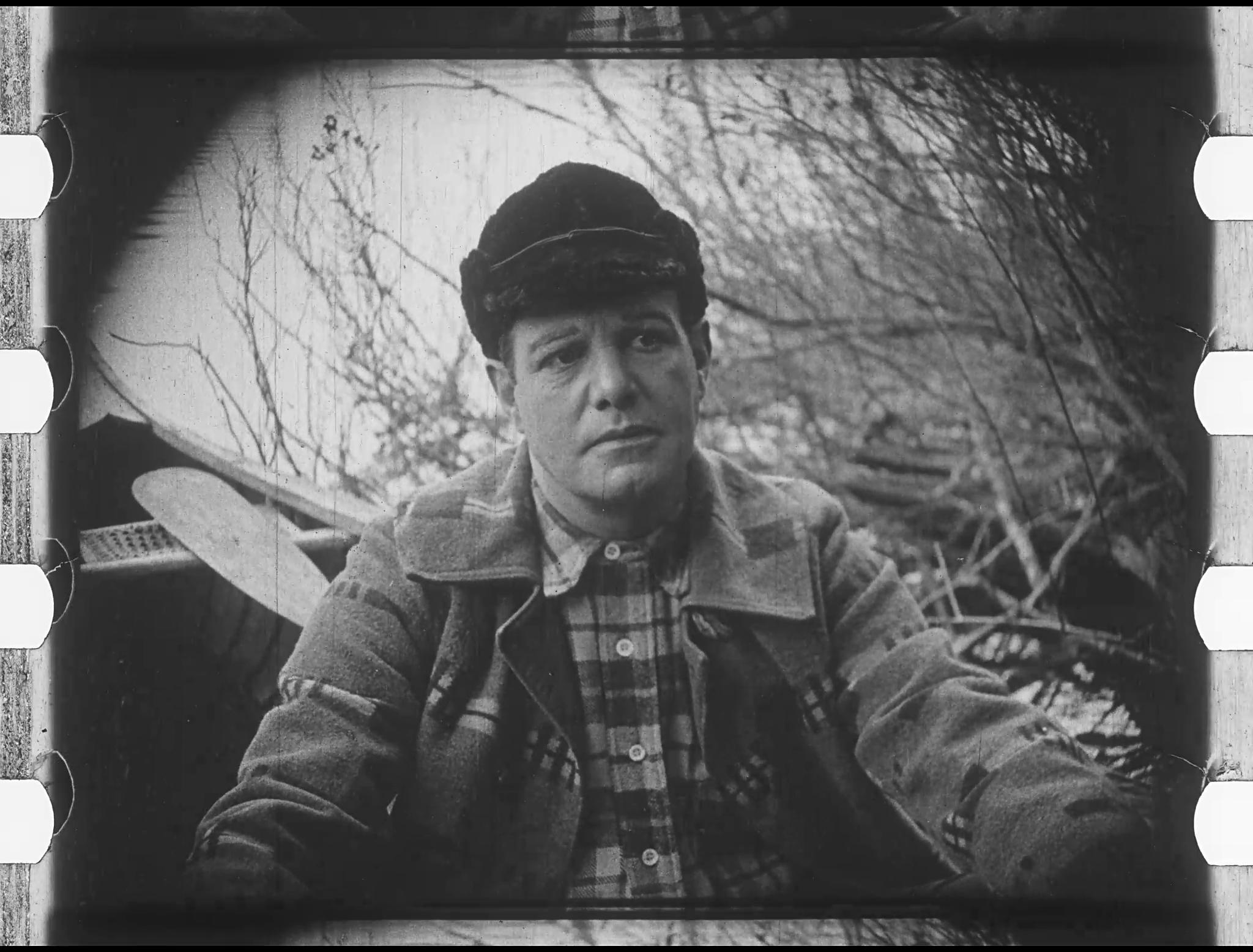
Dir: Edgar Jones
A mail-order bride arrives at a Maine lumber camp but doesn't like her prospective husband.
View Details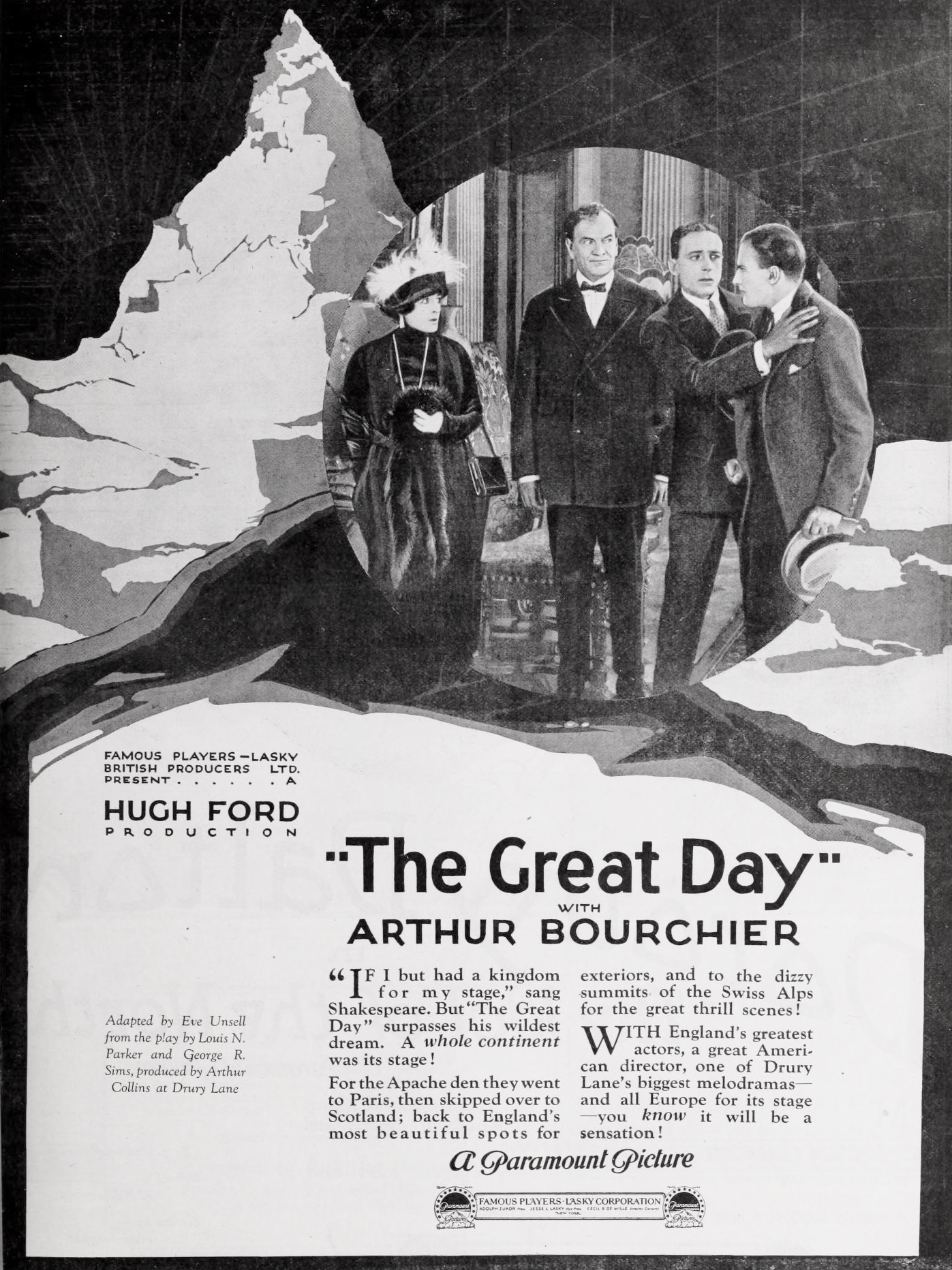
Dir: Hugh Ford
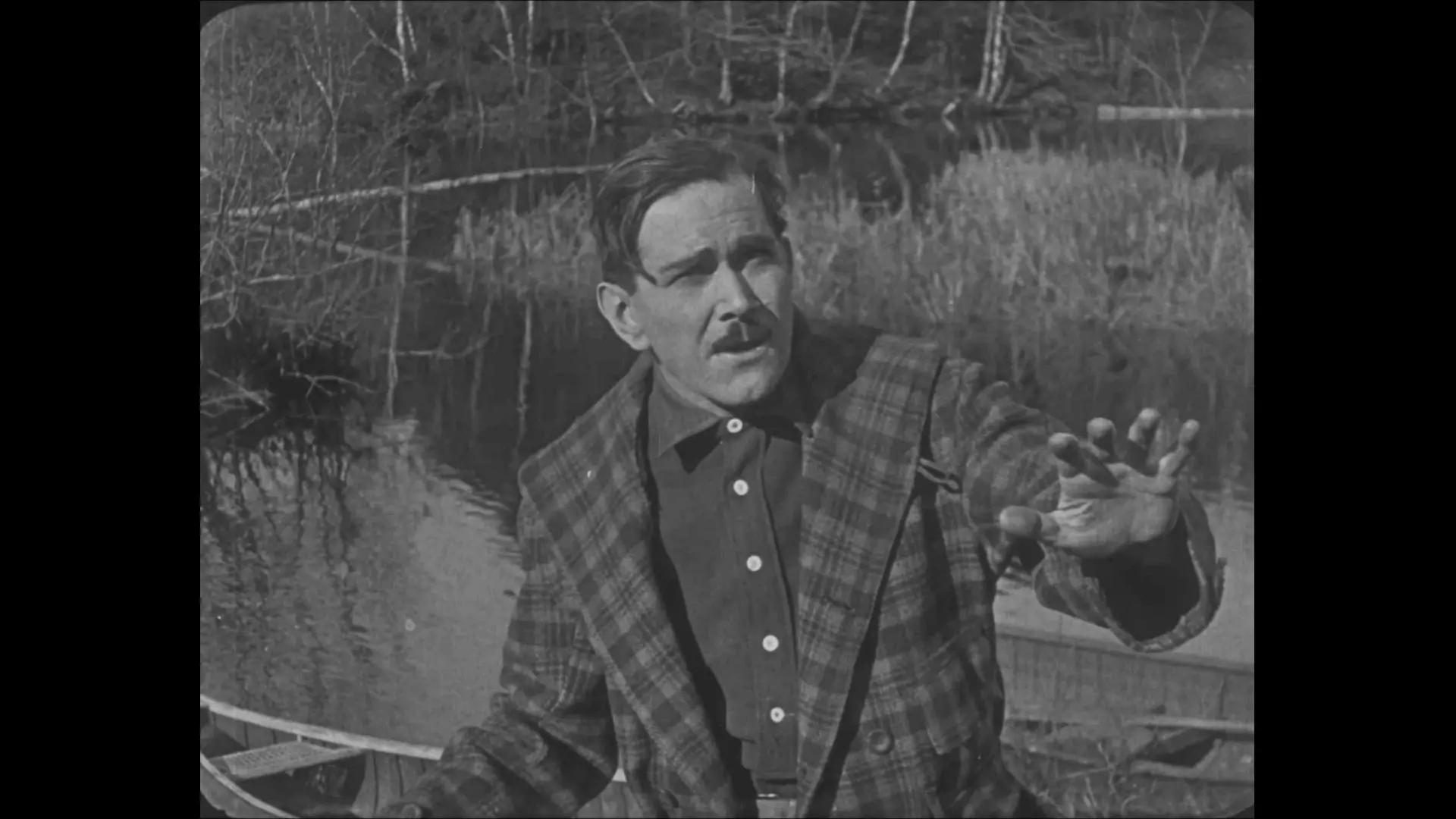
The 'dead' wife of a steel process inventor returns, as does her 'dead' husband, a war amnesiac.
View Details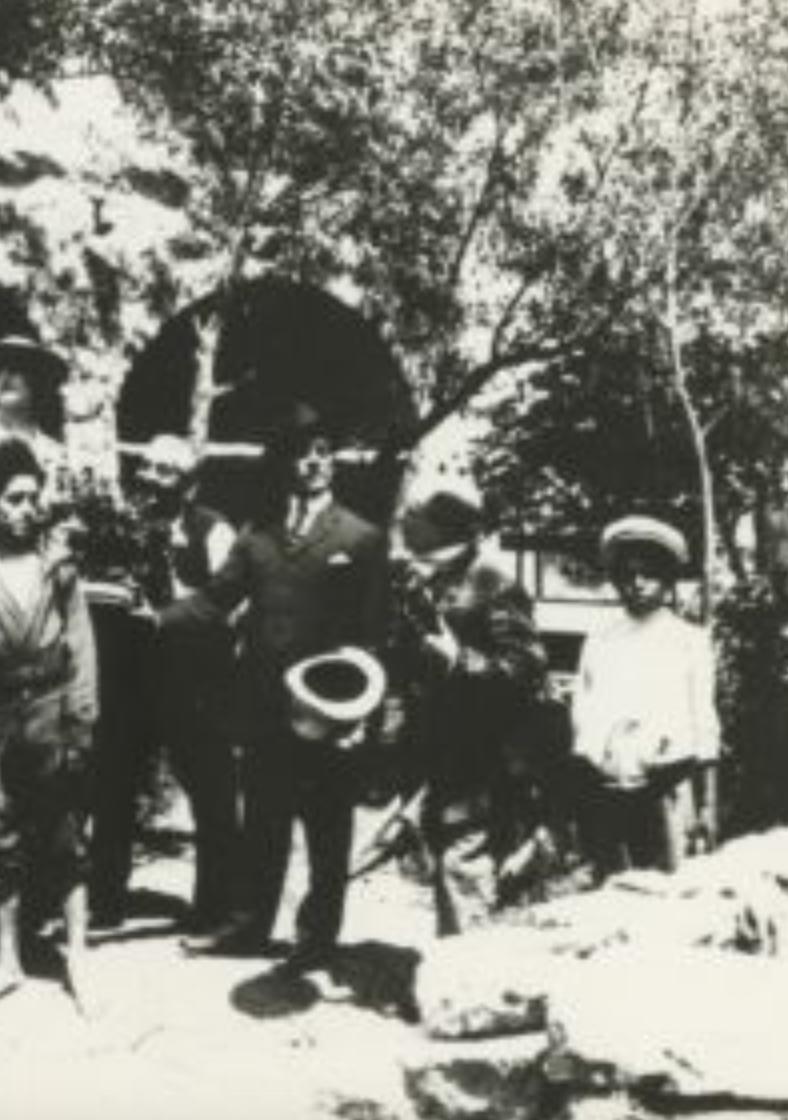
Dir: Eduardo Notari
A crime drama in the Gennariello-series. The police detective in Naples that is confronted with modern gangsters and crime events.
View Details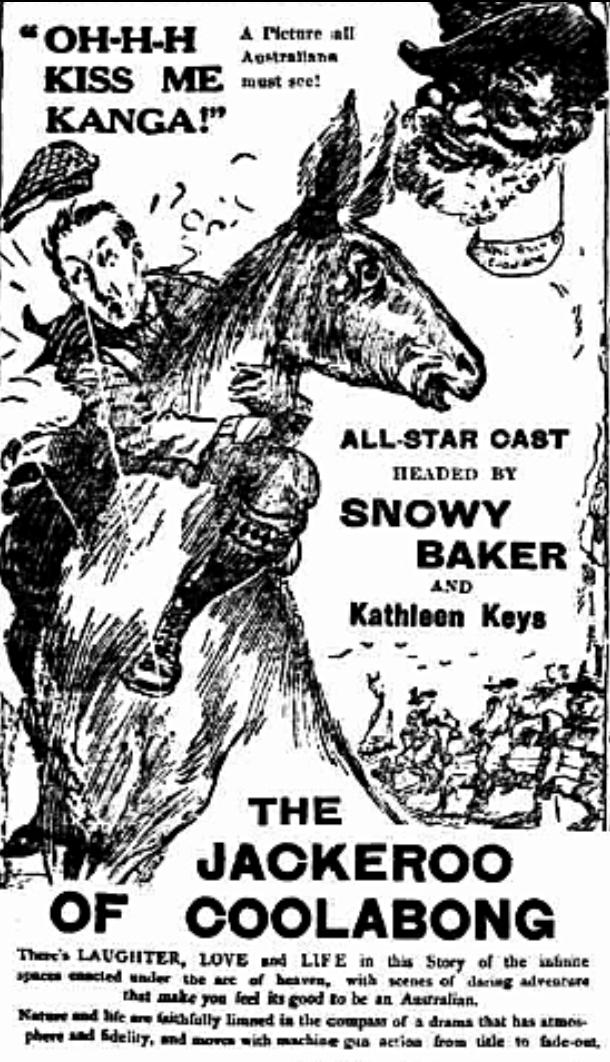
Dir: Wilfred Lucas
Brian O'Farrell (Snowy Baker), is an English 'new chum' who takes a job at an Australian cattle station. He is teased by station hands because of his appearance (including spats and a monocle) but he soon impresses them with his skills at riding and boxing. The station manager, John MacDonald (Wilfred Lucas), takes O'Farrell to Sydney to meet his daughter Edith (Kathleen Key) who is working in the slums. Edith is kidnapped by criminals after witnessing a crime but O'Farrell rescues her. It is later revealed he is the owner of the station.
View Details
Dir: Robert N. Bradbury
A simple country girl, brutally mistreated by her stepfather, awakens first the sympathy, then the love, of The Boy. The Spider, who lusts after The Girl, makes a bargain with the stepfather and takes her to the city where, kept prisoner, she is soon broken in health and spirit. Cast out and near death, she is taken in by The Boy. Following the demise of The Spider, The Boy takes her to church, where he prays, and after many hours she is restored to health.
View Details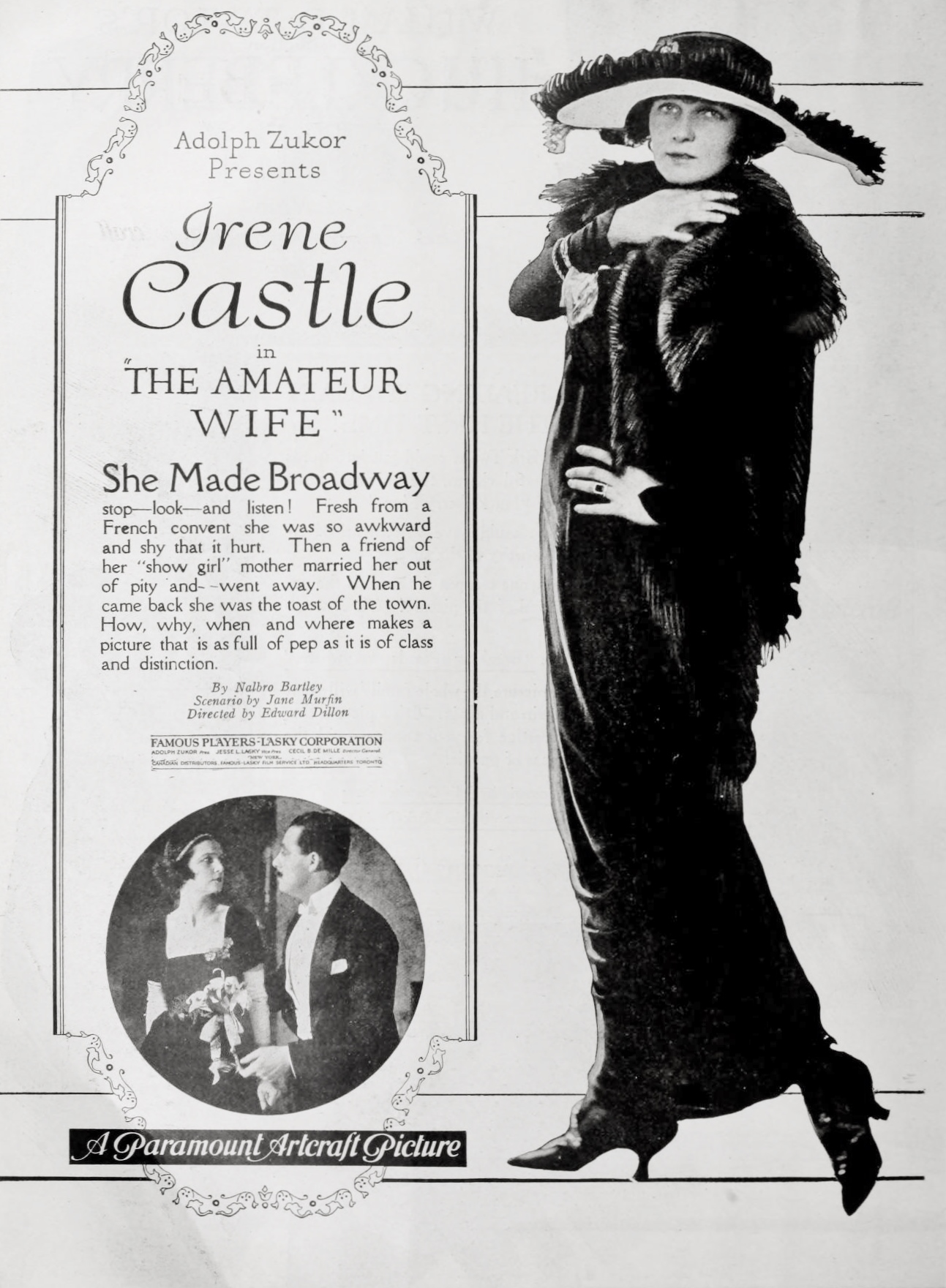
Dir: Edward Dillon
Her education in a French convent school completed, plain Justine Spencer returns to New York. There she is shocked to discover that her mother Dodo is a flamboyant musical comedy actress with many male admirers. Dodo, on the other hand, is dismayed to find Justine priggish and dowdy. One of Dodo's suitors is Billy Ferris, who, in a fit of jealousy, murders her and slays himself. Out of pity, Cosmo Spotiswood, another admirer of Dodo, marries Justine, but soon tires of his platonic marriage and leaves for Europe. Upon his return, Cosmo finds Justine transformed. Under the tutelage of Dodo's maid Loti, she has bobbed her hair and donned fashionable apparel. Thus changed, Justine is surrounded by suitors. Stung by jealousy, Cosmo falls in love with his sophisticated wife.
View Details
Dir: Alexander Butler
In Alberta, Canada, a Cornish emigrant unmasks a rustler posing as the girl's "blind" father.
View DetailsAnalysis relative to I Was a Captive of Nazi Germany
| Film Title | Atmosphere | Complexity | Similarity |
|---|---|---|---|
| When Dawn Came | Surreal | High | 90% Match |
| Man's Plaything | Surreal | High | 98% Match |
| The Great Shadow | Gothic | High | 94% Match |
| In the River | Gritty | High | 92% Match |
| The Great Day | Surreal | Layered | 90% Match |
This guide was algorithmically generated using the cinematic metadata of Alfred T. Mannon's archive. Last updated: 8/16/2026.
Back to I Was a Captive of Nazi Germany Details →