
DbcultAccessing Vault...
Recommendations
Senior Film Conservator
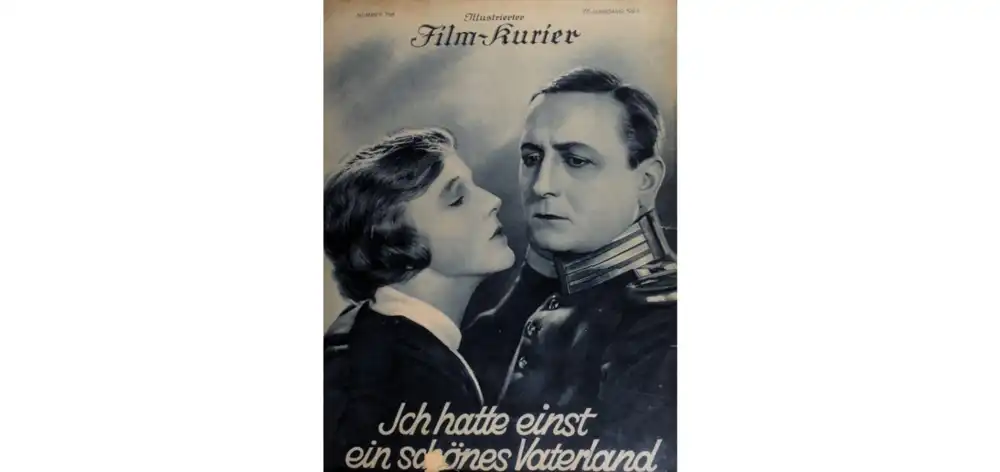
The evocative power of Ich hatte einst ein schönes Vaterland (1928) continues to haunt audiences with its cinematic excellence, its status as a Germany icon makes it a perfect starting point for discovery. The following gems are essential viewing for anyone captivated by Ich hatte einst ein schönes Vaterland.
The visceral impact of Ich hatte einst ein schönes Vaterland (1928) stems from to serve as a cornerstone for cult enthusiasts worldwide.
Critics widely regard Ich hatte einst ein schönes Vaterland as a cult-favorite piece of cult cinema. Its cinematic excellence is frequently cited as its strongest asset, solidifying its place in Germany's film legacy.
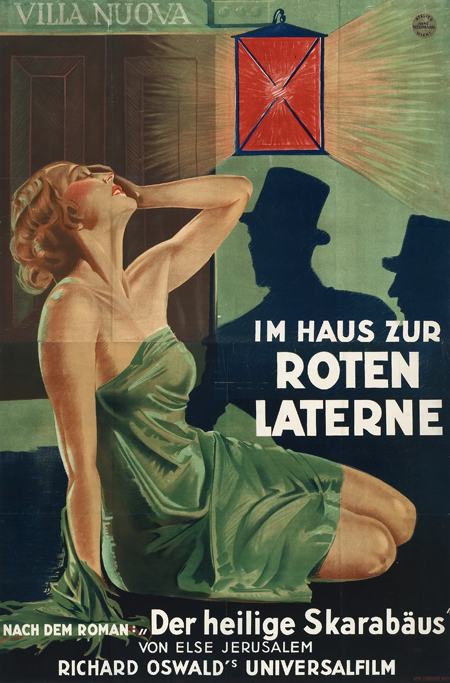
Based on the unique cinematic excellence of Ich hatte einst ein schönes Vaterland, our vault has identified these titles as the most compelling follow-up experiences for fans of cult cinema:
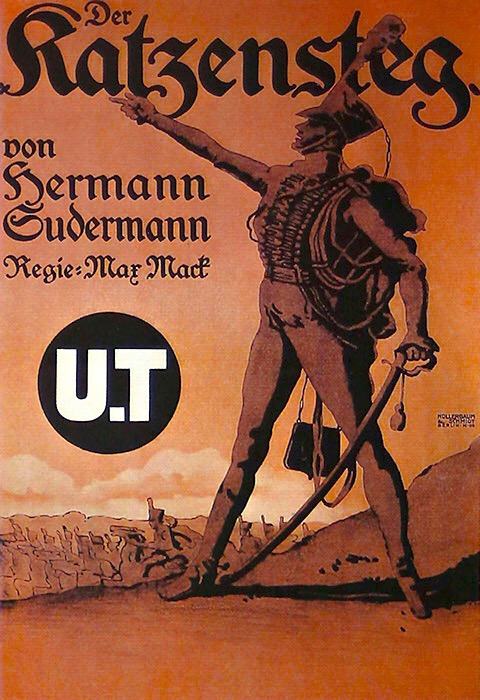
Dir: Max Mack
A fascinating piece of cinema that shares thematic elements.
View Details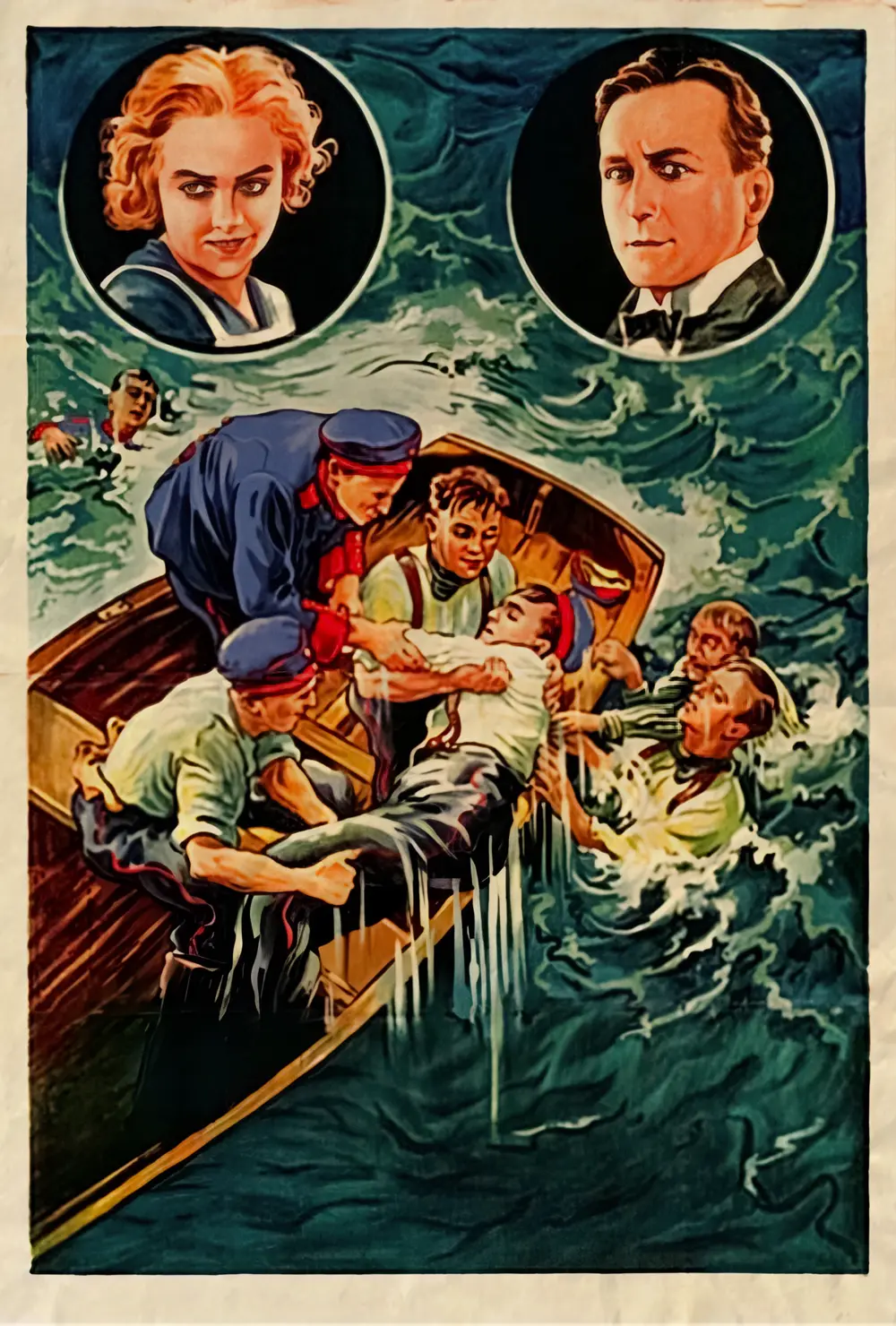

Dir: Max Mack
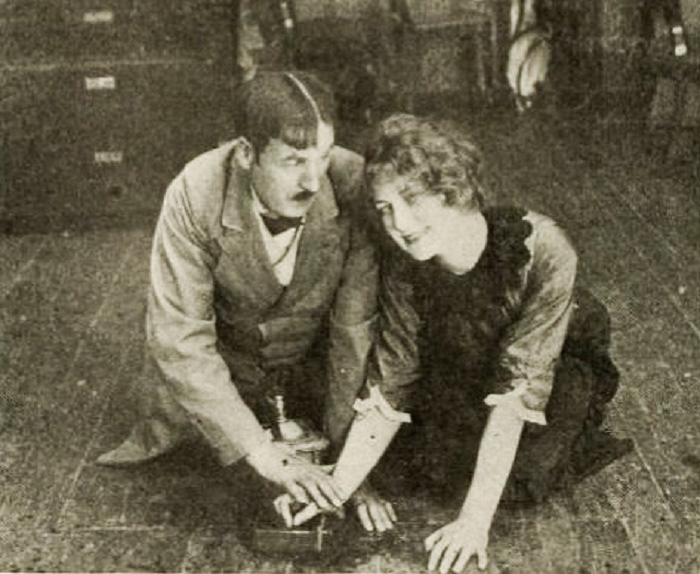
Three charming sisters vow to one another eternal adherence to the blessing. of single life. Augusta, ring-leader of the three, is particularly violent toward the sterner sex. She looks for a position, obtains several, but resigns them because of the unwelcome attentions forced upon her by various men. Meantime her sister Ethel gives music lessons in their apartment, while Clara, the third sister, a medical student, secures a position as assistant to young Doctor Squibb. In the same apartment house with the sisters lives a girl who is receiving attentions from Carl Waldeck, a young attorney. Her father has forbidden the young man to call upon her. Carl calls upon her one day and barely manages to escape the angry father. He seeks refuge in the apartment of the three sisters and entreats them to permit him to stay there to avoid his pursuer. To get rid of him they make a bridge of their ironing-board. On this he escapes through a window into another flat. The morning after Augusta receives her answer to a position in an office of two attorneys. She makes such a good impression upon Mr. Speck, one of the attorneys, that she secures a position. Here she undergoes the same annoyances that she has received before, which only ends when she knocks the office manager down. This causes him the loss of his position. She is now promoted to his position and requests that her former position be given to her sister, Ethel. Mr. Speck consents. Ethel makes a hit with the office clerk. Clarence Hallroom, a confirmed bachelor. He and Ethel make eyes at one another and are intercepted by Augusta, who asserts her authority and puts a stop to the lovemaking. One day Carl returns from his vacation to his work, and is recognized as the ironing-board tourist. The beauty of Augusta has made a profound impression on him but in seeking to obtain from her a corresponding feeling he receives a rebuff. He decides to teach her a lesson. He arouses her jealousy by a flirtation with Ethel. Augusta resigns her position and leaves and compels poor Ethel to leave with her. Clarence cannot forget her and seeks an excuse to call upon her. Freed from the grim censorship of Augusta, they shortly come to an understanding. A little later Augusta, now returning to her home, receives a call from Waldeck. As she will not admit him by the door, he enters the apartment through the window by means of the ironing-board. His eloquence sweeps away the last vestiges of her old-time man-hate, and she also becomes engaged. That very same day the charming Clara joins the ranks of the brides-to-be becoming engaged to Dr. Squibb.
View Details
Dir: Max Mack
A fascinating piece of cinema that shares thematic elements.
View Details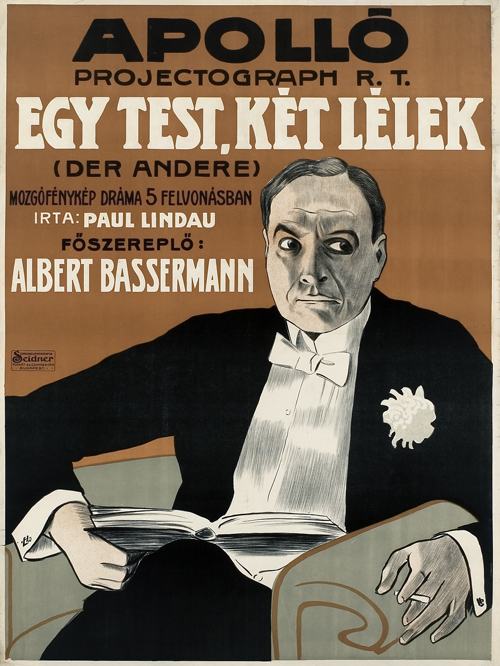
Dir: Max Mack
A man has an accident while out riding his horse one day. He soon discovers that he now has a split personality, and that his alternate is helping a criminal to rob his house.
View Details
Dir: Max Mack
A fascinating piece of cinema that shares thematic elements.
View Details
Dir: Max Mack
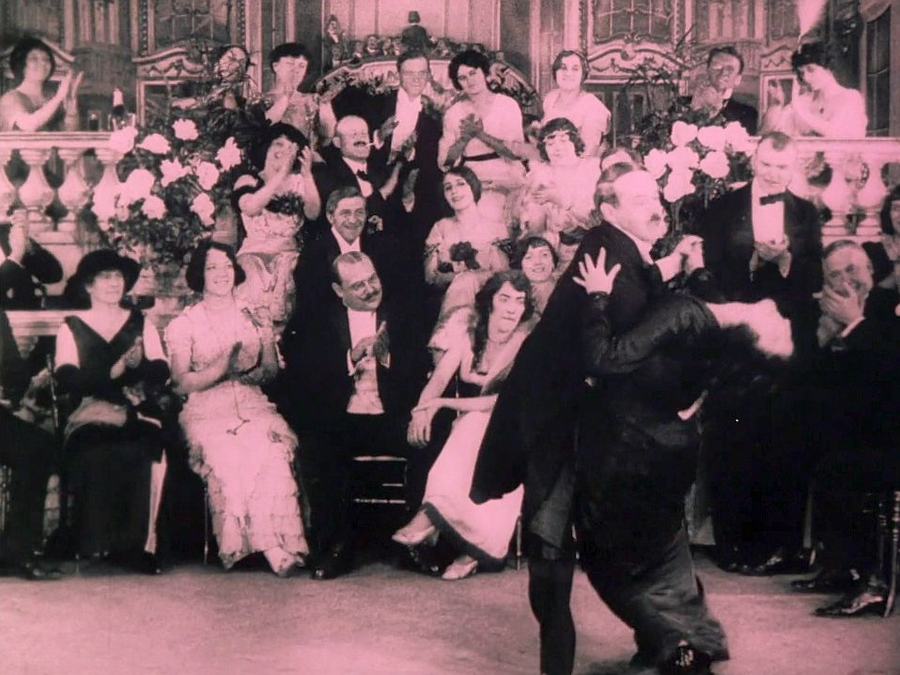
A fascinating piece of cinema that shares thematic elements.
View Details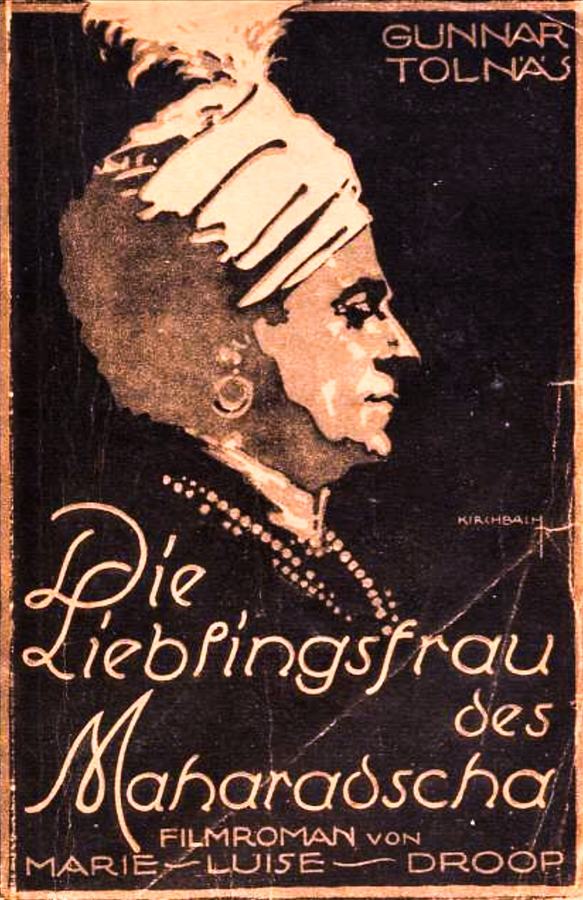
Dir: Max Mack
The Maharaja of Odhapur goes on a trip to Europe and meet the young dancer Ellen Esmond. In her London accommodation, the Savoy Hotel, the prince can prove to be a gallant gentleman and protect Ellen from an intrusive theatrical agent.
View Details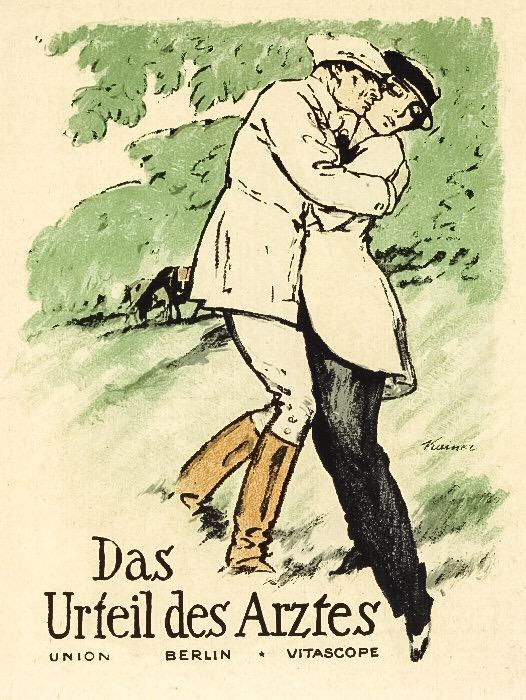
Analysis relative to Ich hatte einst ein schönes Vaterland
| Film Title | Atmosphere | Complexity | Similarity |
|---|---|---|---|
| Der grüne Skarabäus | Surreal | Linear | 87% Match |
| Der Katzensteg | Surreal | Layered | 88% Match |
| Steh' ich in finstrer Mitternacht | Tense | High | 91% Match |
| A World Without Men | Ethereal | Abstract | 96% Match |
| Die Tangokönigin | Gothic | Abstract | 91% Match |
This guide was algorithmically generated using the cinematic metadata of Max Mack's archive. Last updated: 8/17/2026.
Back to Ich hatte einst ein schönes Vaterland Details →