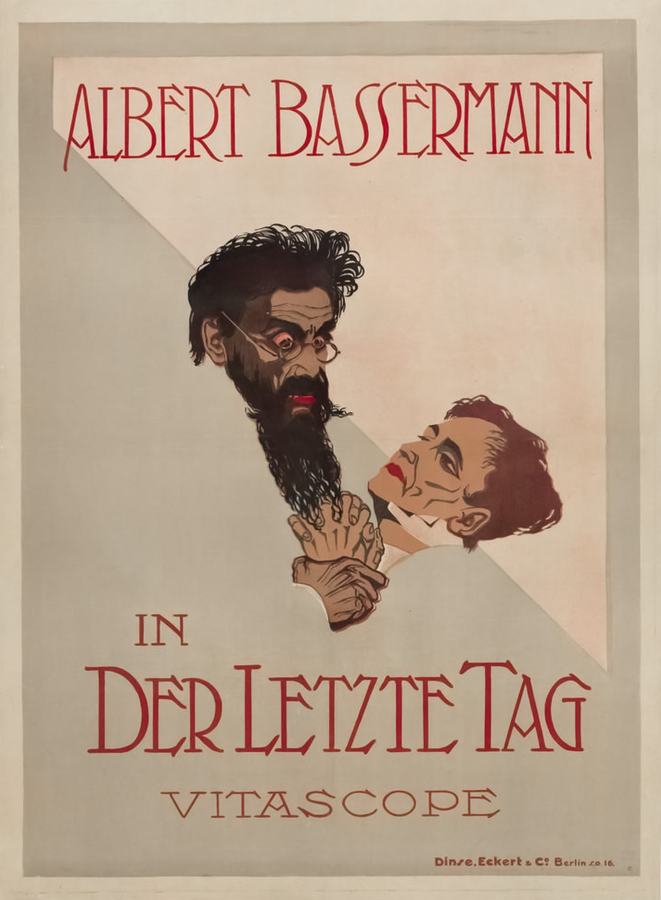
A cigarette ember lands on parquet older than the Reich itself—this is how Der letzte Tag begins, not with thunder but with the hush of ash surrendering to gravity. Paul Lindau, the once-lionized playwright who had weaponized drawing-room dialogue against the Wilhelmine corset, here concedes that silence can be sharp...
Comparing the cinematic DNA and archive impact of two defining moments in cult history.
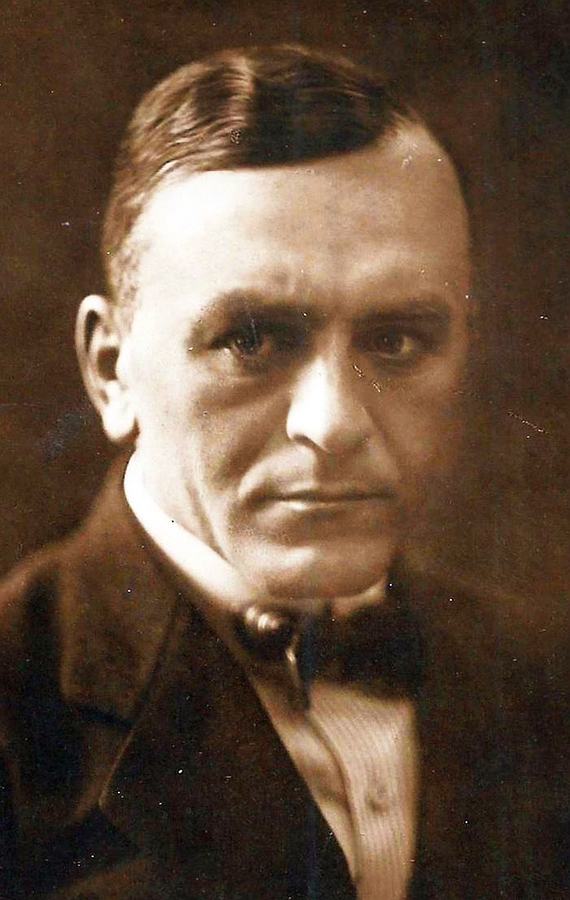
Max Mack
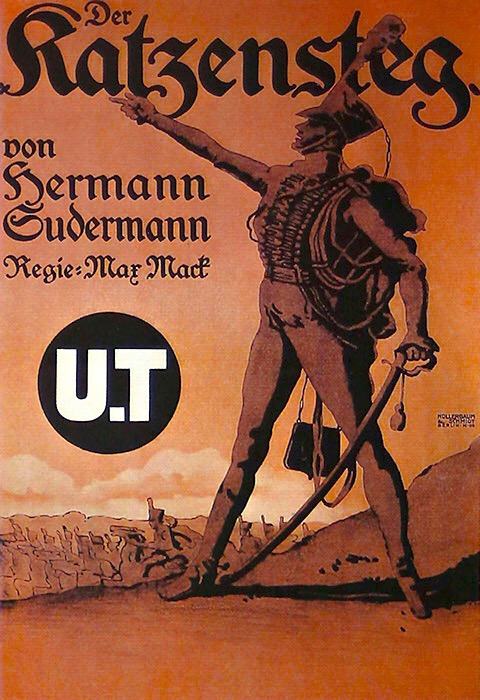
Max Mack
Community
Log in to comment.
" A cigarette ember lands on parquet older than the Reich itself—this is how Der letzte Tag begins, not with thunder but with the hush of ash surrendering to gravity. Paul Lindau, the once-lionized playwright who had weaponized drawing-room dialogue against the Wilhelmine corset, here concedes that silence can be sharper than any epigram. Director Carl Wilhelm corrals that silence into a 58-minute gauntlet of glances, ticking clocks, and the soft implode of a family sealing its own mausoleum bef..."