
DbcultAccessing Vault...
Recommendations
Senior Film Conservator
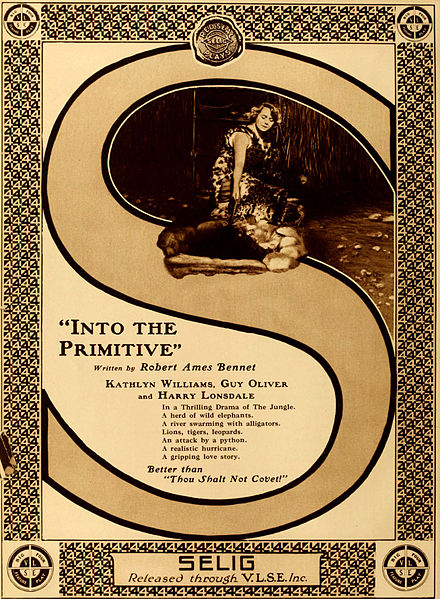
After experiencing the cinematic excellence of Into the Primitive (1916), finding other movies that capture that same lightning in a bottle is a top priority. These recommendations provide a deep dive into the same stylistic territory occupied by Into the Primitive.
This 1916 cult classic stands as a testament to challenge the status quo through its avant-garde structure.
American heiress Jennie Leslie, the Honorable Cecil Winthrope, and the alcoholic Thomas Blake are washed ashore on a deserted island after a shipwreck. At first, Jennie sticks close to Cecil, preferring his upper-class British breeding to Thomas' man-of-the-people approach. Cecil, however, turns out to be completely ineffective when it comes to survival, and so both he and Jennie depend on Thomas for food, clothing, and protection. The surroundings bring out the "caveman" in Cecil in one respect, however; he tries to rape Jennie. During the attempt, which takes place during a storm, Cecil is crushed by a falling tree, and just before he dies, he reveals that he was merely a valet posing as an aristocrat. Then, Jennie and Thomas realize that they are in love with each other, and when a rescue ship picks them up, they begin making plans for their marriage.
Critics widely regard Into the Primitive as a cult-favorite piece of cult cinema. Its cinematic excellence is frequently cited as its strongest asset, solidifying its place in United States's film legacy.
Based on the unique cinematic excellence of Into the Primitive, our vault has identified these titles as the most compelling follow-up experiences for fans of cult cinema:
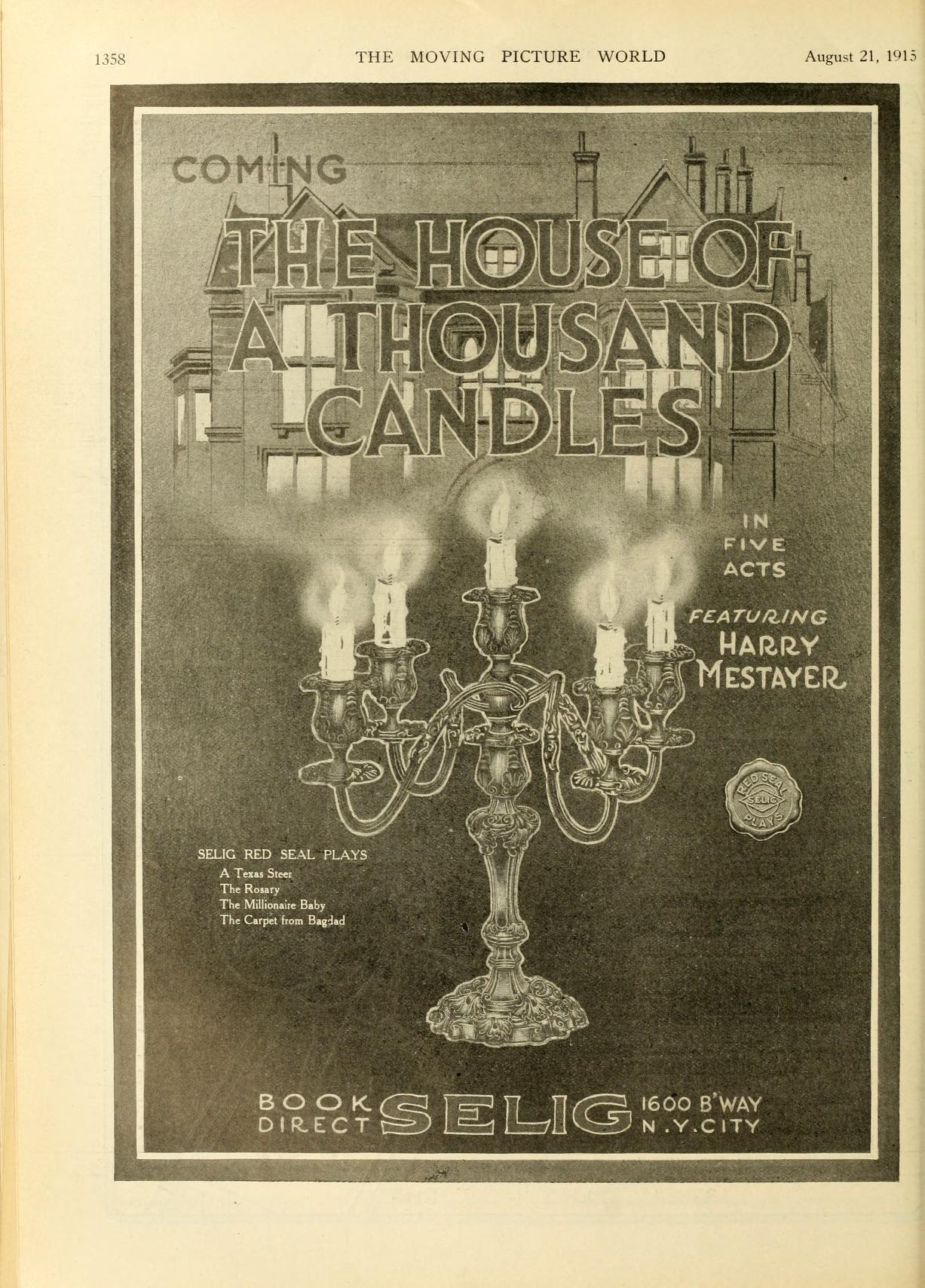
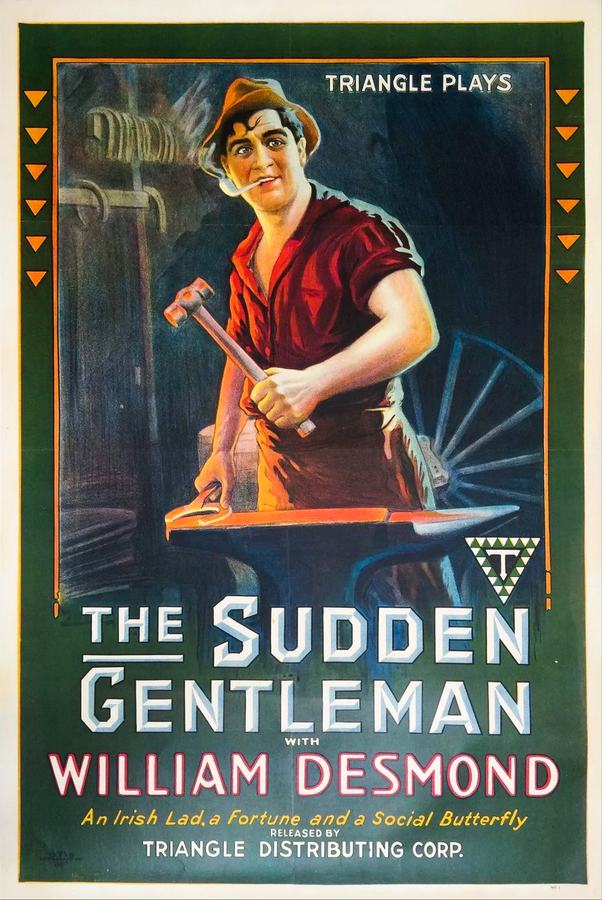
Dir: Thomas N. Heffron
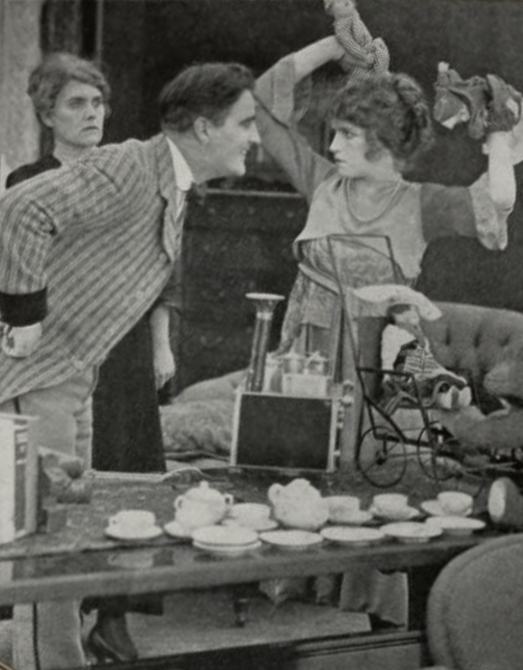
Garry Garrity, an Irish blacksmith, receives word from America that he has fallen heir to his uncle's millions. Arriving in Chicago to take charge of his estate, Garry's awkward ways incur the enmity of his cousin and ward, Louise Evans, but after Louise sees through the rough surface to Garry's sterling qualities, the two fall in love. This disturbs Count Caminetti, who had designs on both Louise and the fortune. The count schemes with Mrs. Hawtry, who has visions of becoming a wealthy countess, to frame Garry in a compromising situation, thus forcing him to marry Mrs. Hawtry, who would then divorce him and sue for alimony. When Louise hears the scandalous rumors generated by the count, she insists that Garry marry Mrs. Hawtry until an innkeeper admits that it has been a frame-up. Garry rushes to confront the count and as he is choking a confession from him, Louise enters. After overhearing everything, Louise begs Garry's forgiveness.
View Details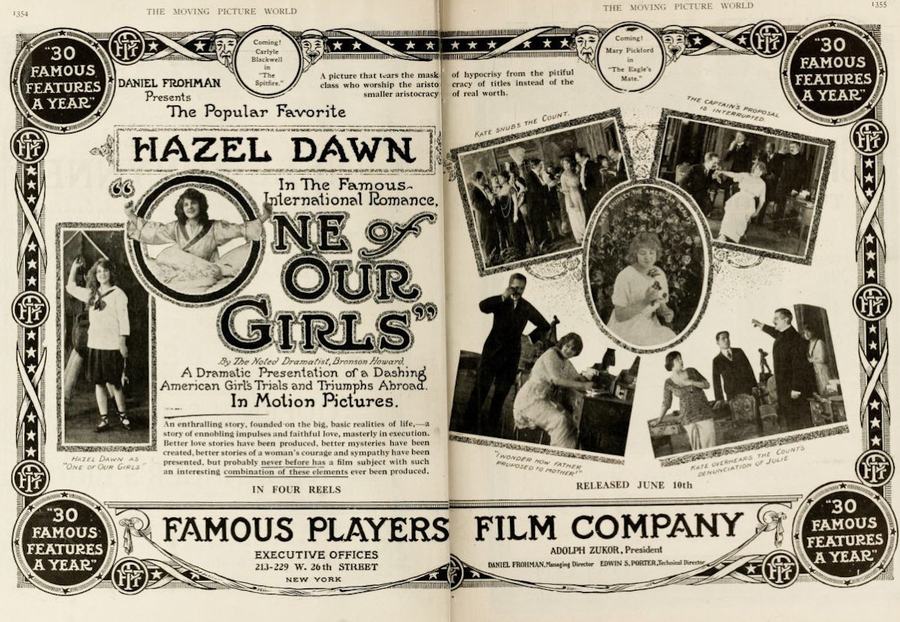
Dir: Thomas N. Heffron
American heiress Kate Shipley crosses the Atlantic to attend the wedding of her little cousin Julie in France, little knowing what Fate holds in store when she leaves her Fifth Avenue home for the Foublanques' chateau. Julie marries the profligate Comte de Crebillon, though she loves her cousin Henri, and Kate grieves to see her little cousin grow sadder and paler every day through the realization of her grave mistake. A great happiness, however, comes to the American girl, for she is loved by Capt. John Gregory, a dashing British officer, no less noble than he is brave and handsome, to whom she is soon betrothed. The Comte de Crebillon conceals a secret in his past, a broken and beautiful woman, who suddenly appears one night at the chateau and confronts him, after which she is never seen alive again. Old Dr. Girodet, the family physician, dislikes the Comte. Hearing a woman's scream on the fatal night, and being told of a mysterious, haggard face that had peered through the window of the chateau, he notices the Comte's nervousness and fear, and begins investigations which end in the finding of the woman's body in the old wishing-well in the garden of the estate. Suicide is the verdict given in the woman's death, and the Comte breathes freely for a time. He is harsh, suspicious and cruel to his girl-wife, and poor little Julie, driven desperate by his treatment and her love for Henri, decides to leave France with her sweetheart cousin. Julie writes Kate she is eloping, and the impulsive and generous American girl goes to Henri's room to save Julie from her folly. There she is discovered by the Comte and her own betrothed, Capt. Gregory. To shield her cousin from the Comte's fury, Kate conceals Julie's presence in Henri's room, and takes the awful situation upon her own shoulders, at the risk of her good name and her fiancé's faith and love. The development of the play thrillingly portrays a series of dramatic situations that culminate in the triumph of Kate over the insulting Comte, and the revelation of his mysterious and sinful past, which sets Julie free to marry Henri. Kate is made doubly happy by her gallant captain's faith through all her trying experiences, and "one of our girls'' at last weds one of England's bravest officers.
View Details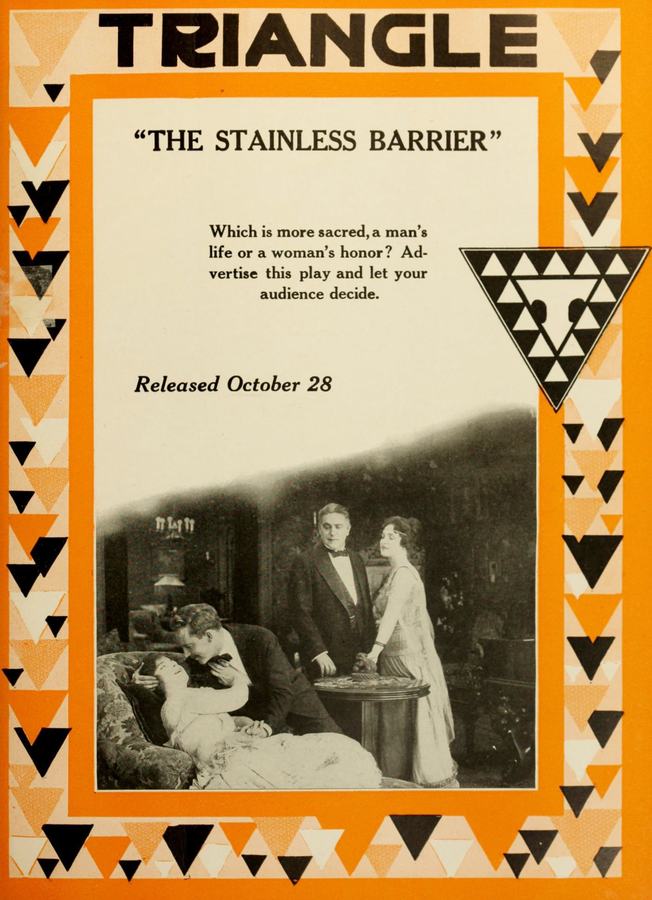
Dir: Thomas N. Heffron
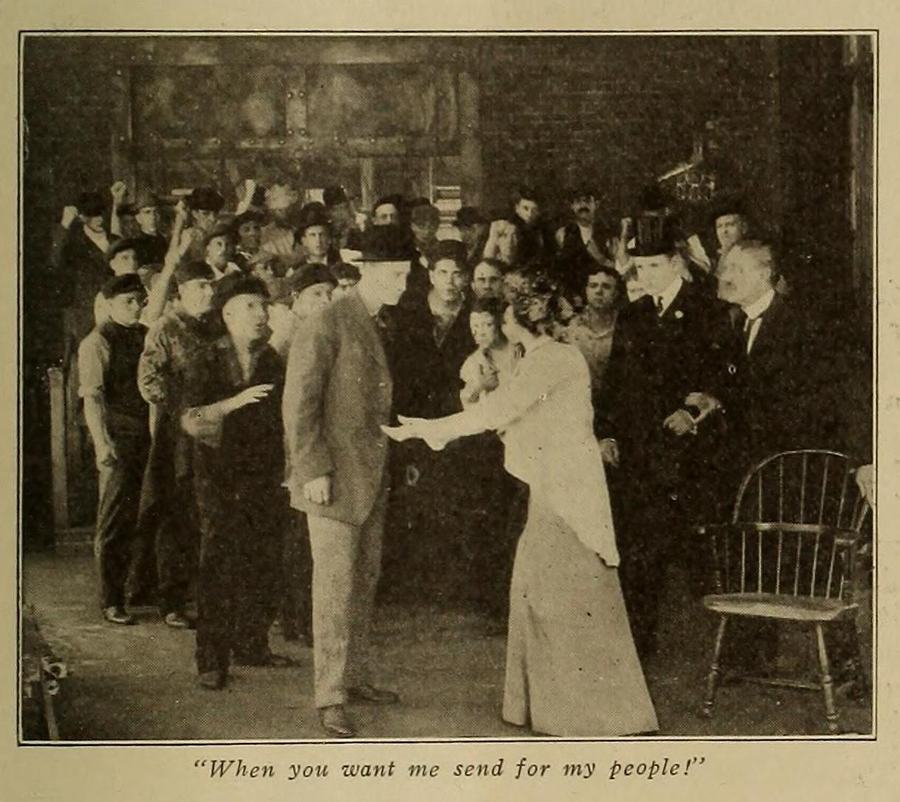
Betsy Shelton, an orphan since early childhood, lives in Myrtleville with her aunt, and is engaged to marry Calvin Stone, a young lawyer. Betsy's brother, Dick, ostensibly working in New York to recover the family fortune, becomes involved with one Roger Enderleigh, a shyster promoter, who because of crooked dealings, is forced to flee from the postal authorities. He induces Dick to take him to Myrtleville, where Dick introduces Enderleigh as a prosperous banker promoting a munition plant, thus swindling the townsmen. The visit terminates in a vivid climax when the postal authorities track Enderleigh, who prepares to flee leaving Dick to bear the brunt. Dick kills Enderleigh and then asks for mercy on the plea that Enderleigh has ruined Betsy. Stone, true to the code of Southern chivalry, does not lose faith in his fiancée, and in the closing scenes of this photodrama, restores her good name and brings her erring brother to punishment.
View Details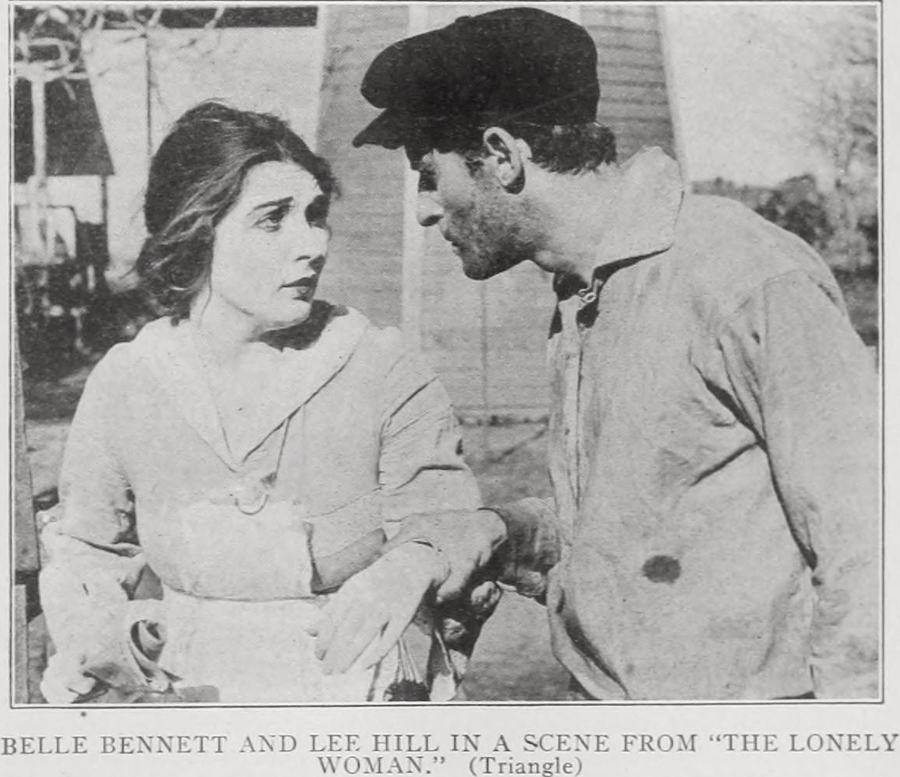
Dir: Thomas N. Heffron
The reticence of Martha Sellers and her employment of Jim Ransom, a drunkard, excites the curiosity of the villagers. She receives mail postmarked "Ossining," and this further stirs the people. The gossipers spread the report that her lover is in Sing Sing, but the heart of the matter is that her husband has been unjustly convicted on a charge of embezzlement. Fate takes a hand and Ranson asserts that he is responsible for the robbery, thereby reuniting Martha and her husband.
View Details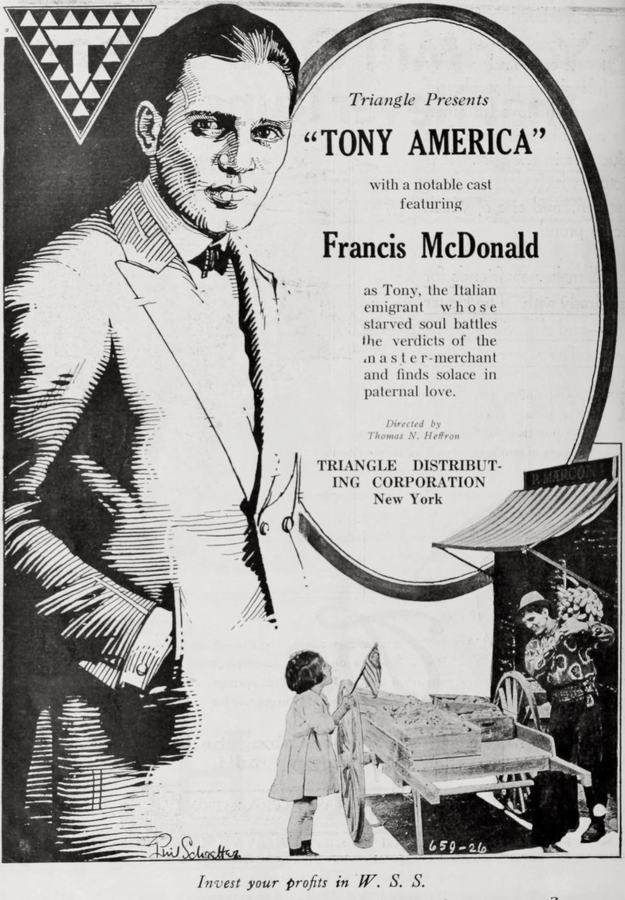
Dir: Thomas N. Heffron
Tony comes to America virtually the slave of his padrone, who holds him in debt for his passage money. But Rosa Picciano marries him to escape parental discipline and Tony hopes for freedom at last, but Rosa makes it plain that she does not love him. When the bambina comes, he lavishes all his love on little Giulia and is heartbroken when Rosa divorces him on a trumped-up charge and gains possession of the child. But Tony wins her back from her heartless mother and has her to thank that his hands are not stained with blood.
View Details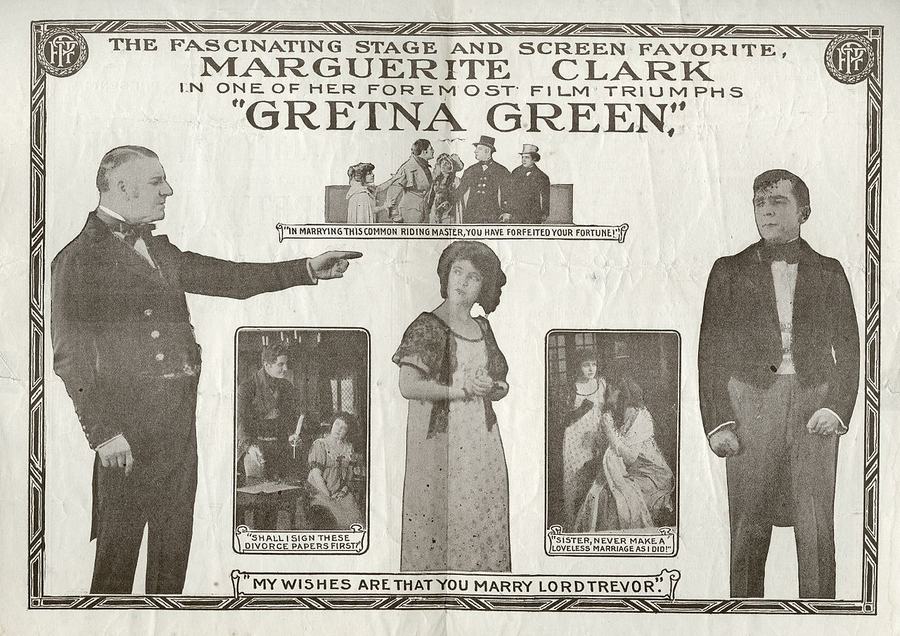
Dir: Thomas N. Heffron
Apparently, it's a romantic movie about this city in Scotland where all weddings are Legal and people have traveled from all over the world to elope since the 1700's.
View Details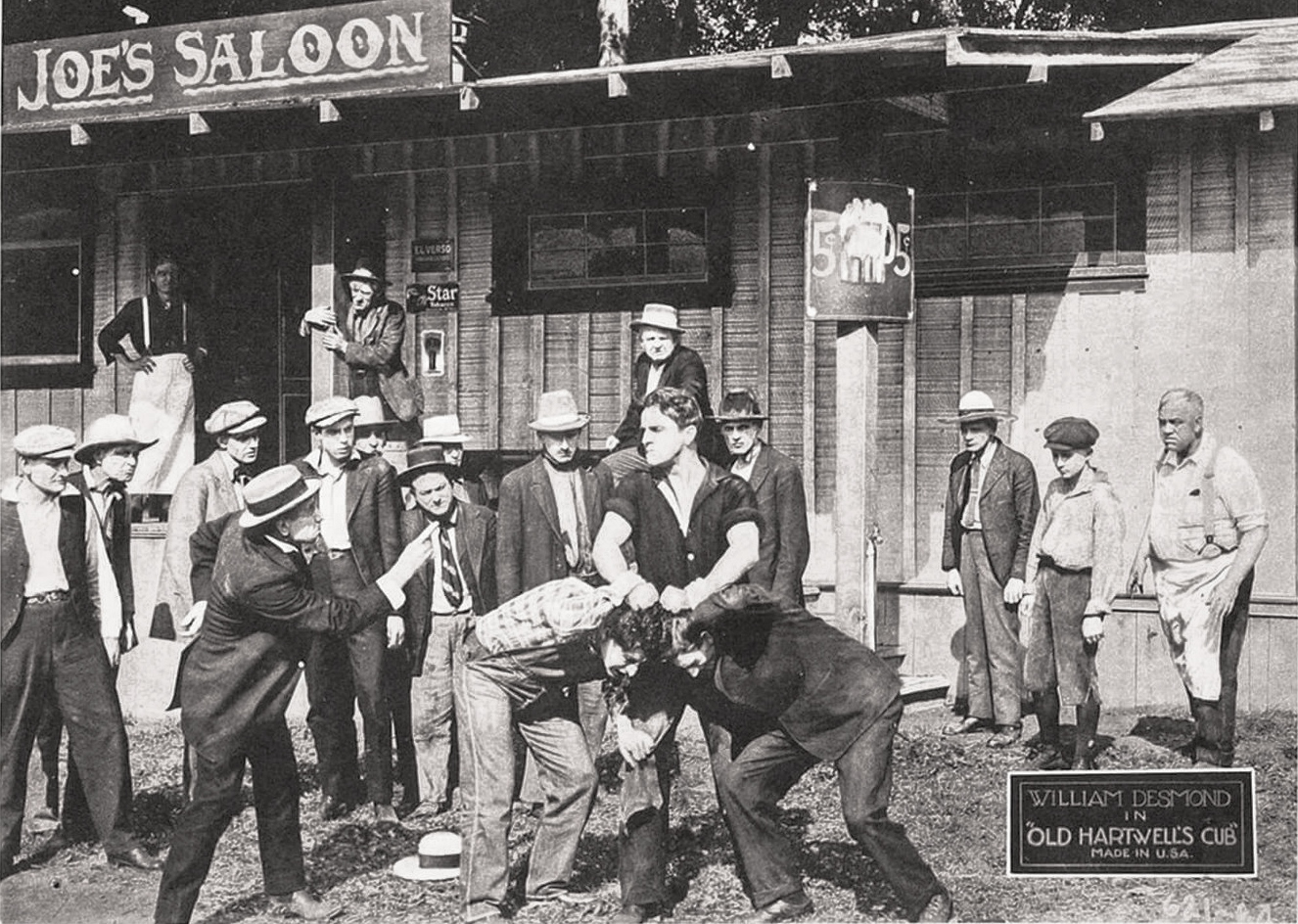
Dir: Thomas N. Heffron
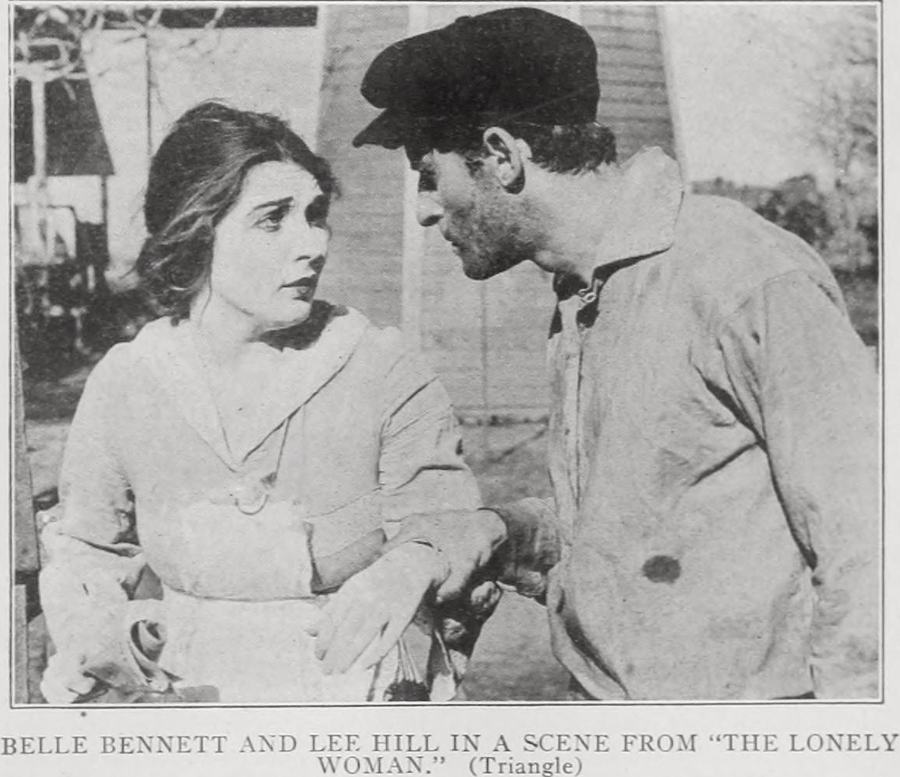
Although Tom Hartwell is the town drunk of Matherville, his son Bill, a blacksmith, loves him and batters down the jail door when the old man is arrested. In an effort to drive them both out of the village, the narrow-minded townspeople attack Bill, but the Rev. David Lane defends him and then invites him to dinner. Bill falls in love with the reverend's daughter, Mary Lane, but she becomes infatuated with Edward Jones and marries him. Edward robs Mary and flees to Chico, Arizona, and when Mary follows him, she learns that he has a wife there. Following his father's death, Bill travels to Chico, where he and Mary become entangled in several adventures. Finally Bill is accused of stealing a horse, and after Mary rescues him just as he is about to be hanged, the two return to Matherville as man and wife.
View Details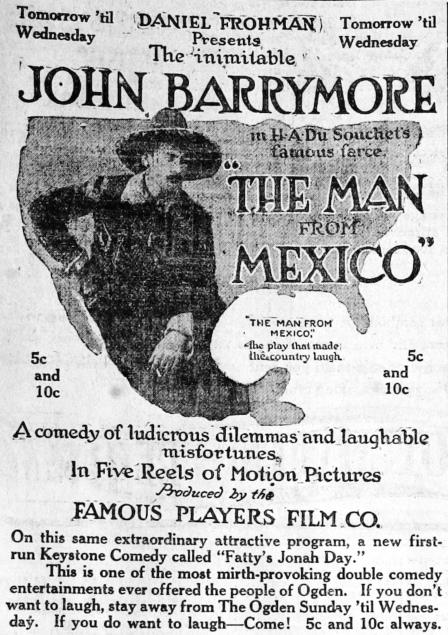
Dir: Thomas N. Heffron
A young man gets arrested after a drunken night. Sentenced to 30 days in jail, he tells his wife he has to go to Mexico for a month.
View Details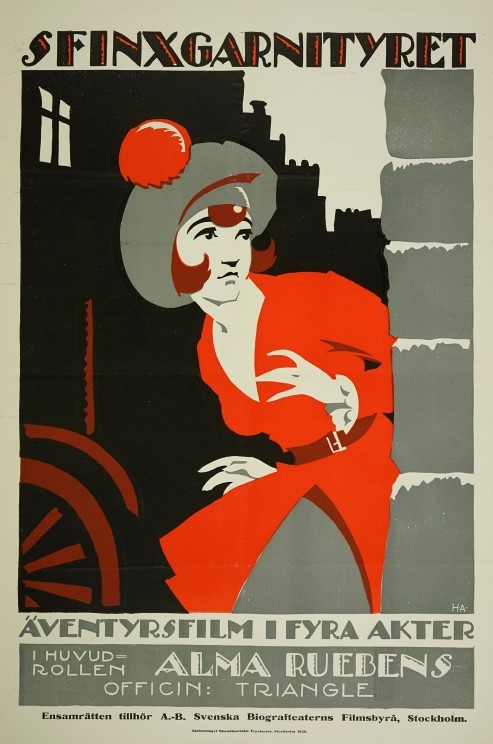
Dir: Thomas N. Heffron
Disgusted when the police department fails to apprehend the murderer of her guardian, Henri Du Bois, Celeste decides to track down the criminal herself. Her only clue is a cuff link dropped near the scene of the crime on which a sphinx is engraved, and with it, she wanders through Paris' tough Moulin Noir district. When she notices a young man wearing a tie pin of identical design, she cultivates his acquaintance and eventually asks him to visit her in her home. His suspicious behavior there convinces Celeste that he is the guilty party, and although she has fallen in love with him, she has him arrested, whereupon she learns that he is Du Bois' missing son, Andre. Further detective work reveals that the real murderer is Celeste's rejected suitor, Raoul Laverne. Upon his confession, Andre is released and eventually marries Celeste.
View DetailsAnalysis relative to Into the Primitive
| Film Title | Atmosphere | Complexity | Similarity |
|---|---|---|---|
| The House of a Thousand Candles | Ethereal | Dense | 90% Match |
| The Sudden Gentleman | Gritty | Layered | 97% Match |
| One of Our Girls | Ethereal | Dense | 85% Match |
| The Stainless Barrier | Ethereal | High | 98% Match |
| The Lonely Woman | Gothic | High | 90% Match |
This guide was algorithmically generated using the cinematic metadata of Thomas N. Heffron's archive. Last updated: 6/27/2026.
Back to Into the Primitive Details →