
DbcultAccessing Vault...
Recommendations
Senior Film Conservator
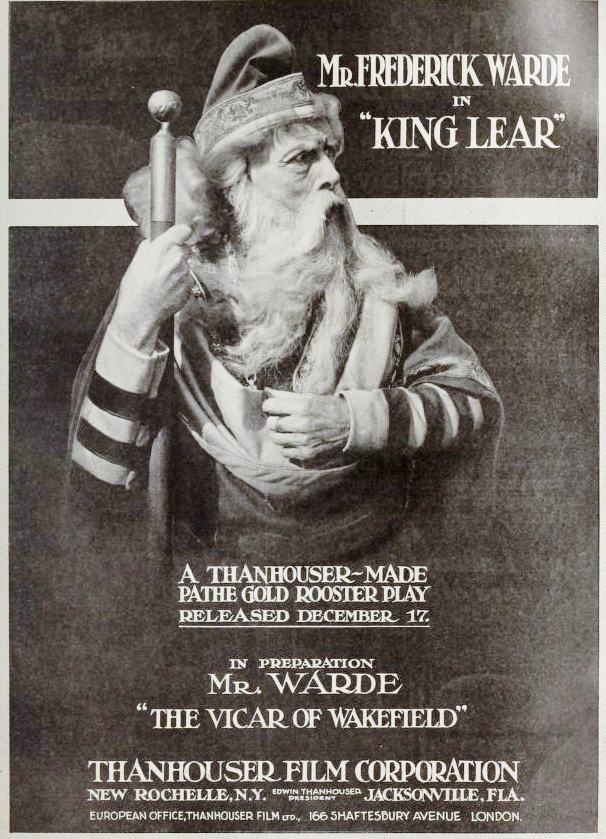
Ever since King Lear hit screens in 1916, fans have sought that same unique vision, it's essential to look at the contemporaries that shared this unique vision. Prepare to discover your next favorite movie in our hand-picked collection.
Whether it's the unique vision or the thematic depth, this film to leave an indelible mark on the history of United States film.
Lear is an old man blind to his weaknesses. He decides to divide his kingdom among his three daughters according to who recites the best declaration of love. Goneril and Regan pretend to love him but treat him cruelly. Cordelia is loyal but, confusing honesty with insolence, he disowns her.
Critics widely regard King Lear as a cult-favorite piece of cult cinema. Its unique vision is frequently cited as its strongest asset, solidifying its place in United States's film legacy.
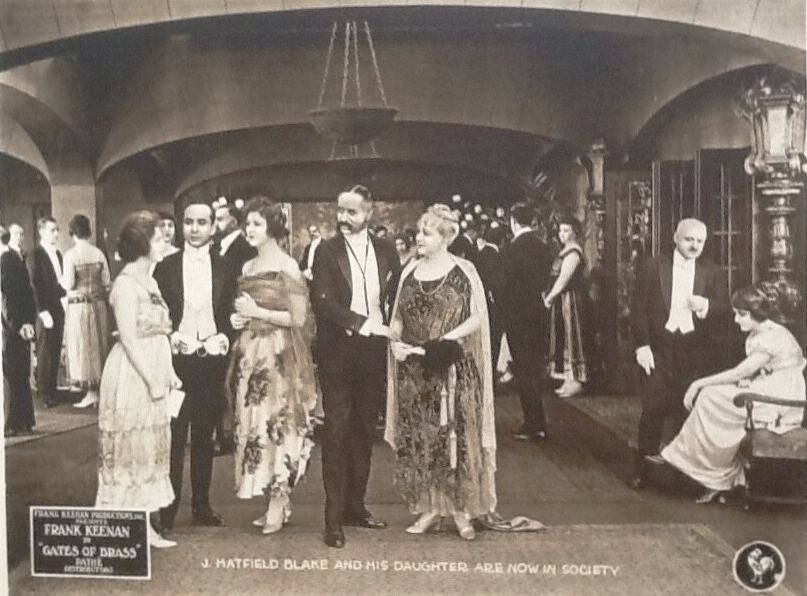
Based on the unique unique vision of King Lear, our vault has identified these titles as the most compelling follow-up experiences for fans of cult cinema:
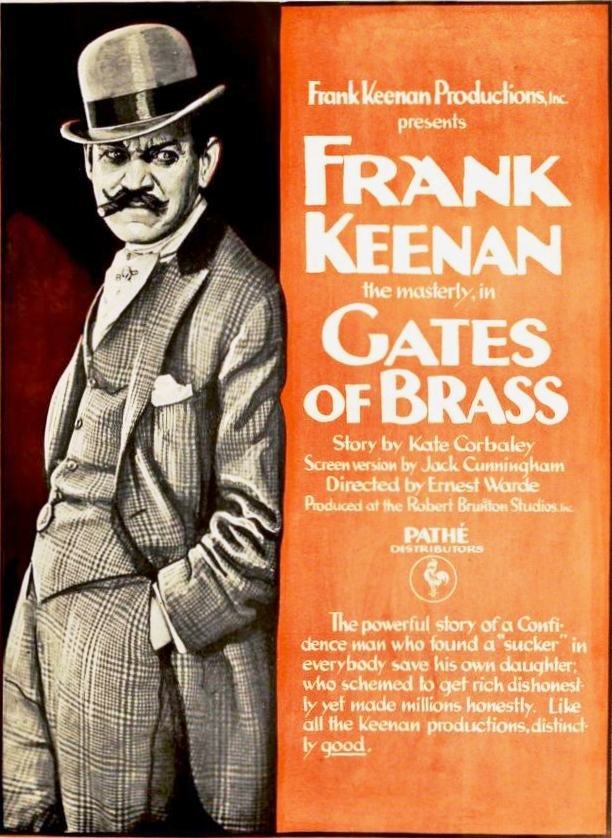
Dir: Ernest C. Warde
A pro at the shell game, Jim Blake practices his skills at country fairs, circuses, and carnivals until he becomes "J. Hatfield Blake," the promoter of phony stock and land deals which provide his beloved daughter Margaret with luxuries. Margaret falls in love with Dick Wilbur, who leaves her because Blake swindles his father out of $100,000 and Margaret sides with Blake. When Margaret meets a poor widow with starving babies to whom Blake sold some worthless desert land, she leaves him, saying she will not return until he rectifies his wrongdoings. She marries Dick, while Blake, shaken by her words, repays everyone who suffered from his dishonesty after he legitimately strikes oil. Alone on Christmas Eve, Blake invites some barroom characters to his mansion for a drunken dinner, after which, at his urging, they take his silverware and paintings. Blake continues to drink and when Margaret and Dick arrive to surprise him, they find him dead.
View Details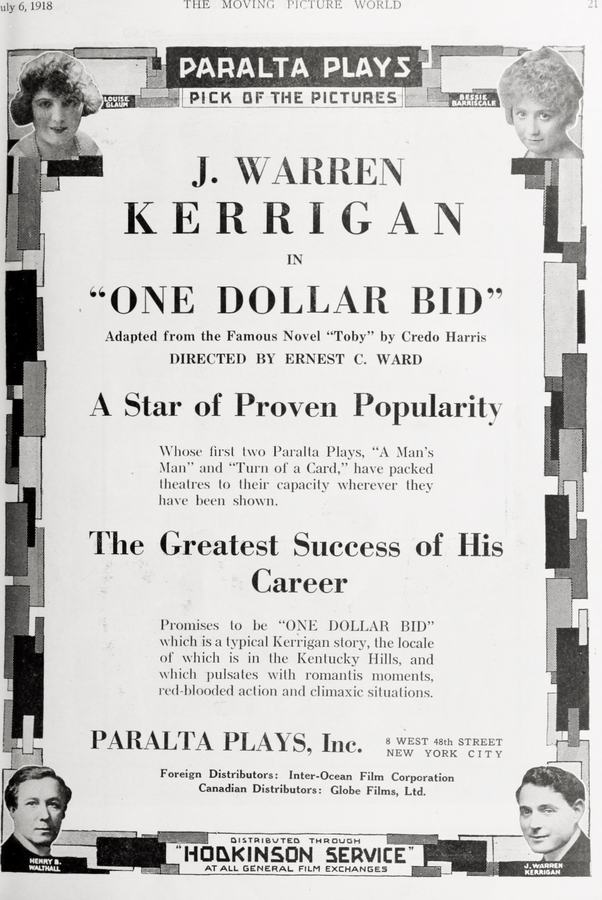
Dir: Ernest C. Warde
Toby, a peculiar young man, lives in a shack in the Kentucky hills, spending his days drinking moonshine and whittling toys for the local children. Fearful of his influence, the villagers revive an old Kentucky statute whereby Toby may be sold into servitude for a year. Virginia Dare, horrified by these proceedings, purchases Toby for one dollar and returns with him to her Uncle Poindexter's tobacco plantation. Invigorated by his love for Virginia, Toby forsakes his whiskey habit and labors diligently on the plantation until his old friend Dink Wallerby, a moonshiner, begs Toby to care for his sick daughter Nell. En route to obtain medicine, Dink stabs a revenue officer with Toby's knife but confesses just before Toby is sentenced. Toby, at one time a lawyer, successfully defends Dink, after which a visiting judge proclaims Toby his son. Having regained his good name, Toby proposes to Virginia.
View Details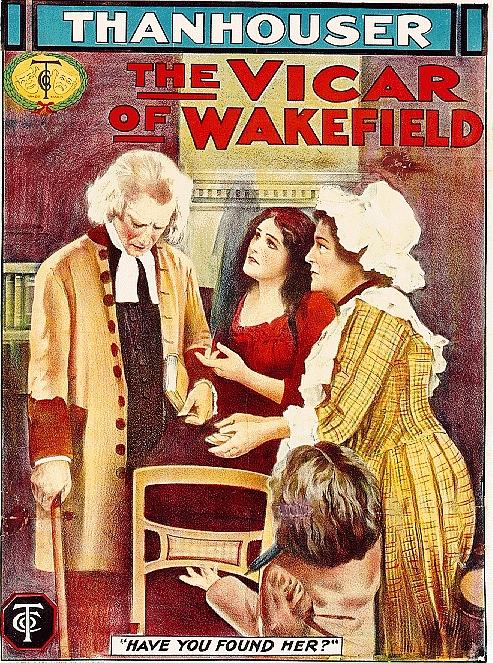
Dir: Ernest C. Warde
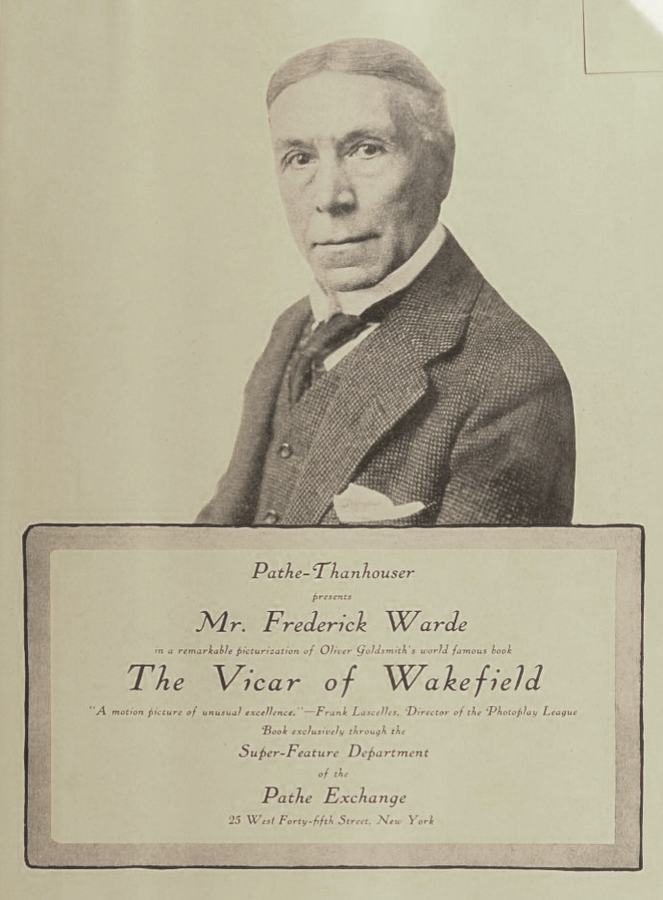
Dr. Primrose, the vicar of Wakefield, enjoys life with his wife and five children. His two daughters, Olivia and Sophia, are courted by two apparent gentlemen, Mr. Burchell and Squire Thornhill, who is Dr. Primrose's landlord. But when Mr. Burchell is supposed to have seduced and abandoned Olivia, the Primrose family finds its fortunes dwindling in every sense. It is learned that Burchell is innocent of the seduction, and the real villain is unmasked, but not before Primrose and his family come very near disaster.
View Details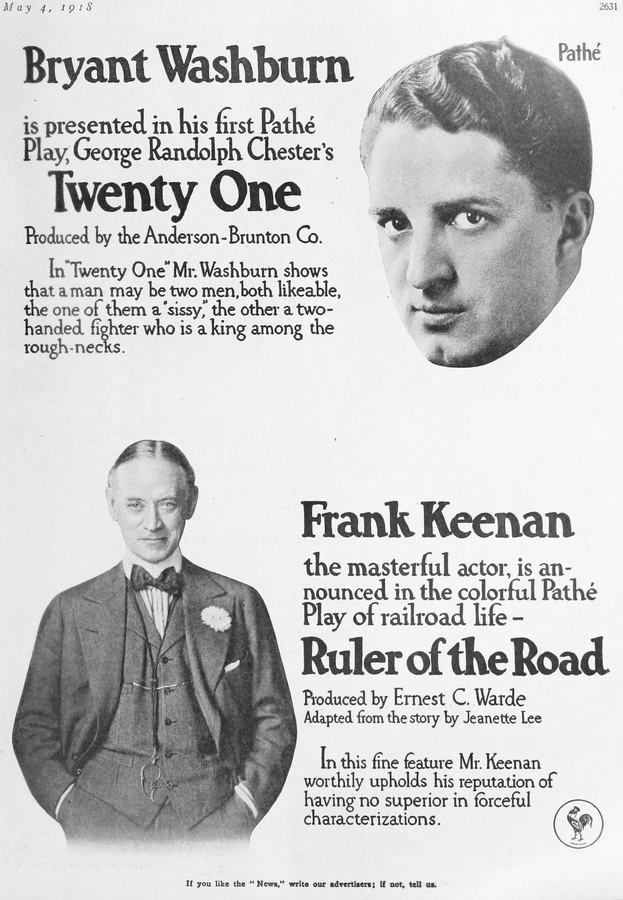
Dir: Ernest C. Warde
Frank Keenan, president of the Stillwater Railroad, demands that Hugh Tomlinson, an engineer who has been on duty for eighteen hours, make another run. Tomlinson falls asleep at the throttle, and a collision results. The engineer is discharged, and dissension spreads among his co-workers. J. Montgomery Nixon, the scheming president of the Central Railroad, tries to ruin the Stillwater system, but is foiled by Simeon Tetlow, of the latter company. Unknown to Tomlinson he is given aid by Tetlow, but the engineer continues to work against him. The differences between the two men are straightened out by the engineer's little grand-daughter, and after the grievances of the workmen of the Stillwater company have been settled, Tomlinson is appointed to run Tetlow's special train.
View Details
Dir: Ernest C. Warde
Lemuel Deering's son Harvey graduates from college at the top of his class, then returns home to become a partner in his father's steel business. Because Harvey appears to be an exemplary young man who neither drinks nor smokes, when bills from liquor dealers, tobacconists, and billiard emporia pour in, the proud father is mystified. Harvey stoutly denies having contracted the bills, including one for $25,000, and Lemuel, though puzzled, believes him until the workers threaten to strike and the bank places an attachment on the mill. Lemuel is about to disown his son when Harold Morrowton, Harvey's college roommate, confesses that he forged Harvey's name to the bills because his own father refused to give him spending money, and Harvey adds that because the two were fraternity brothers, he could not betray Harold's trust. Exasperated, Lemuel orders both young men to pay their debts through hard labor in the mill.
View Details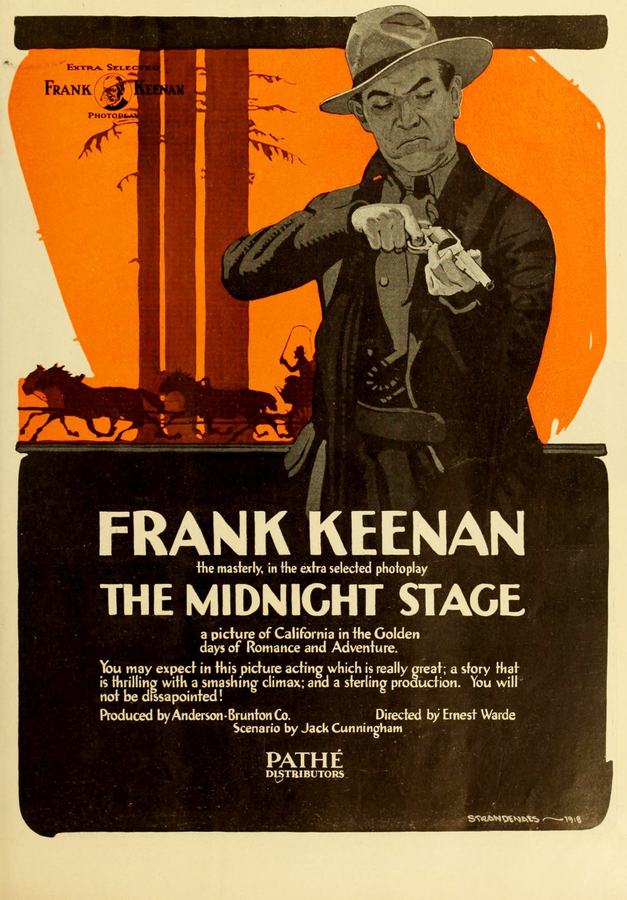
Dir: Ernest C. Warde
Although John Lynch owns a ranch, he earns his living gambling in the mining town of El Monte, California. His father Elias, a Virginia gentleman chagrined by his son's gambling, leaves to live outside the town in a cabin with his friend "Twisted" Tuttle. 'Bige Rivers, a road agent who looks like John, abuses his lover Nita, a dance hall girl, who then is cared for by John and his daughter Mary. Rivers and his band rob the midnight stage of gold and kill all the passengers at the same time that John is in the vicinity to visit his father. Rivers and his gang divide the money at Tuttle's cabin where he shoots Elias. Before he dies, Elias accuses John of the shooting. Nita's screams upon discovering Rivers hiding, bring the mob, about to lynch John, too late to save her. John shoots Rivers and is then released.
View Details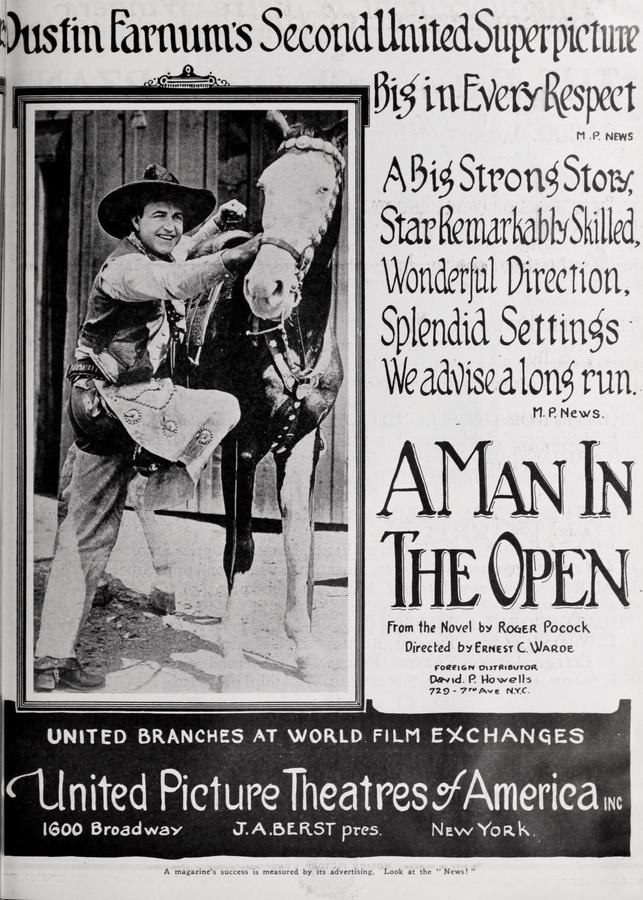
Dir: Ernest C. Warde
Sailor Jesse, shipwrecked off the Texas coast, naively becomes involved with a cattle rustler. Because the sheriff believes in his innocence, Jesse finds work as a cowboy, but soon becomes infatuated with Polly, the medium for fake hypnotist Bull Brooks, and marries her. When he learns that Polly married to win a bet, Jesse attempts to take her from the town's influences to open spaces, but Brooks falsely reports that she killed herself rather than go. In the mountains, Jesse meets Kate Trevor, an opera singer who moved there to help her alcoholic husband who abuses her. After Trevor drowns trying to cross a river when he sees Jesse and Kate together, they marry, have a child, and are happy until Polly and Brooks arrive. Kate and Jesse separate, but when Jesse learns that Brooks is attacking Kate, Jesse fights him. Polly shoots Brooks, but before he dies, he reveals that Polly was married to another man when she married Jesse.
View Details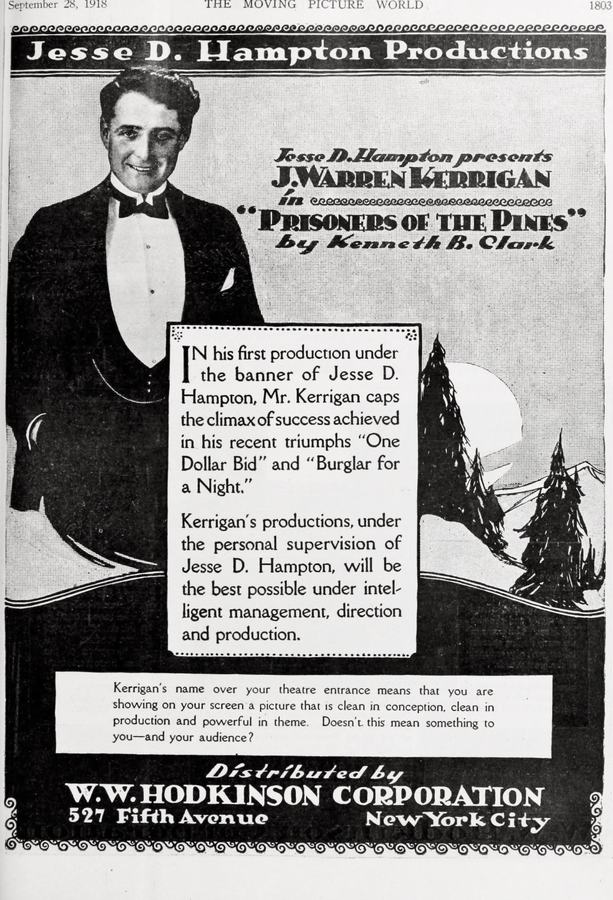
Dir: Ernest C. Warde
Hillaire Latour, a warmhearted Canadian trapper, marries Rosalie Dufresne and then travels into the woods to seek his fortune as a lumberman. At the camp, he befriends "Spud" Lafferty, who for six years has tried unsuccessfully to return home with his money, each time falling prey to a beautiful woman who works in the saloon "down the hill." When Hillaire learns through a letter that he is a father, he asks for his money and begins the journey home, but on his first night away from camp, he enters the saloon, where he is robbed by the beautiful Louise. Forced to return to the lumber camp, Hillaire saves his money, but the next year he is cheated again. Louise is on the verge of robbing him a third time when Hillaire, in a rage, wrecks the dance hall and forces her to return his money. At the police station, Hillaire is reunited with his family, who have finally come in search of him.
View Details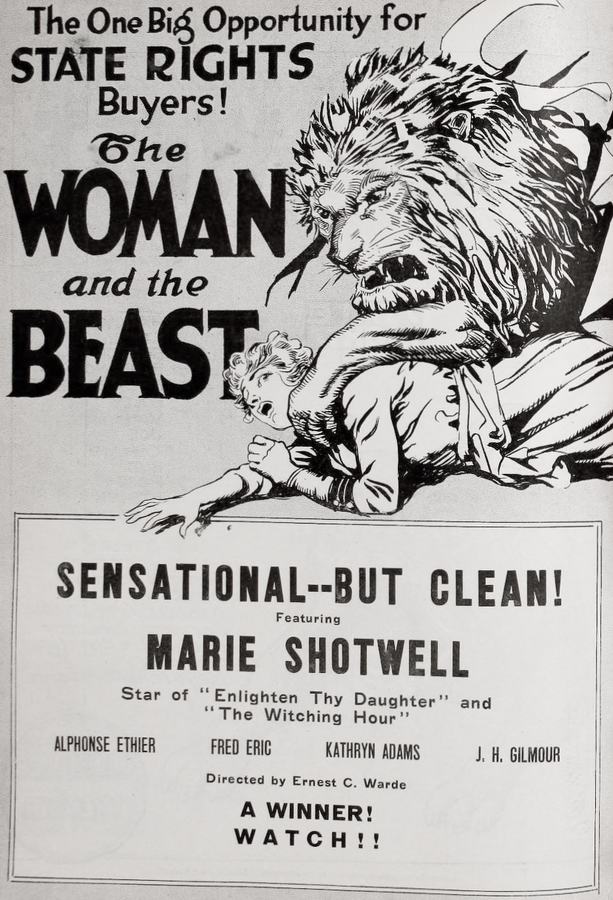
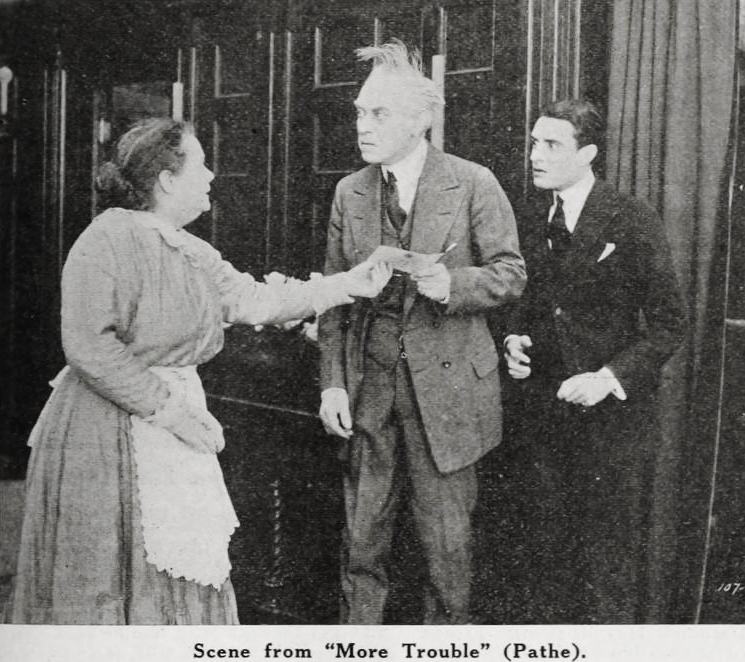
Dir: Ernest C. Warde
When the circus comes to town, a mild-mannered man, whose good nature is viewed as weakness by wife, has the chance to prove himself when a lion escapes.
View Details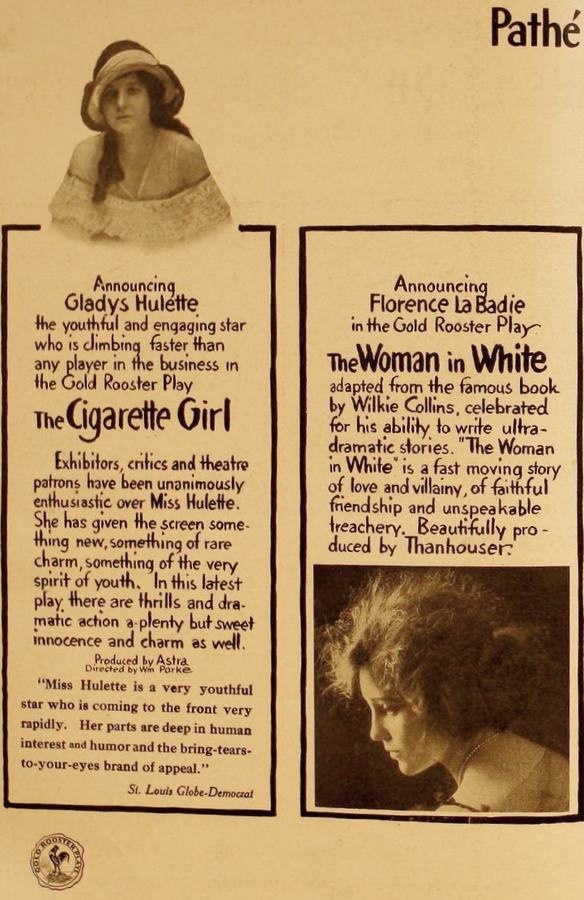
Dir: Ernest C. Warde
At the request of her dying father, heiress Laura Fairlie marries Sir Percival Glyde, despite her love for Walter Hartridge and the warnings of Ann Catherick, a half-witted girl who bears a striking resemblance to Laura. After the marriage, Glyde schemes to appropriate his wife's money. When he learns that Ann has escaped from an asylum and has perished, Glyde takes Laura to the asylum and commits her, claiming that she is Ann. He then informs everyone that his wife had died, and buries the body of the insane woman in her place. Walter and Laura's half sister, Marian Halcombe, become suspicious, however, and remembering Ann's previous warnings, discover what Glyde has done. After Glyde meets his death in a fire, Walter rescues Laura and the two lovers are reunited.
View DetailsAnalysis relative to King Lear
| Film Title | Atmosphere | Complexity | Similarity |
|---|---|---|---|
| Gates of Brass | Ethereal | Layered | 90% Match |
| One Dollar Bid | Gritty | Dense | 89% Match |
| The Vicar of Wakefield | Gritty | Abstract | 93% Match |
| Ruler of the Road | Ethereal | High | 93% Match |
| More Trouble | Ethereal | Linear | 93% Match |
This guide was algorithmically generated using the cinematic metadata of Ernest C. Warde's archive. Last updated: 6/26/2026.
Back to King Lear Details →