Summary
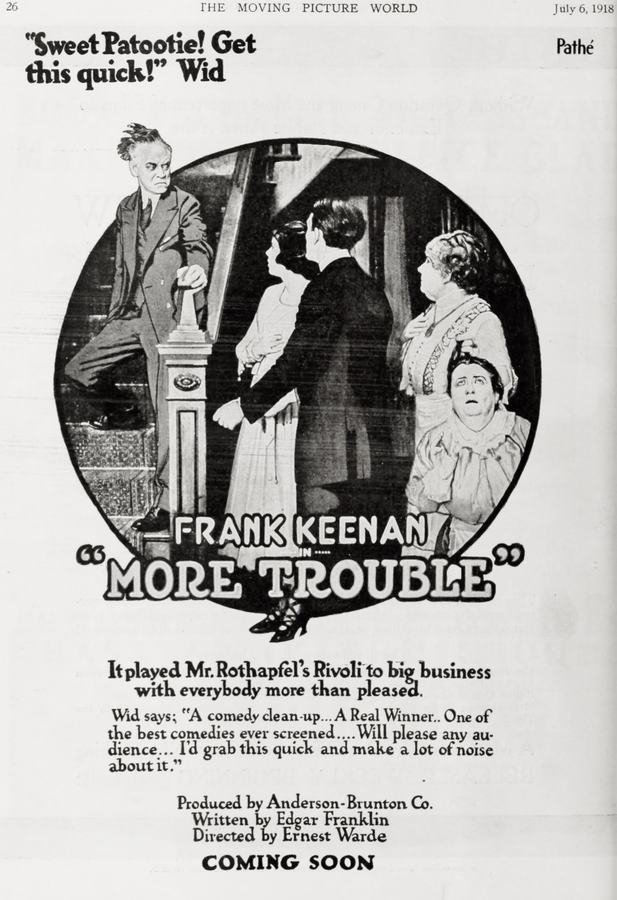
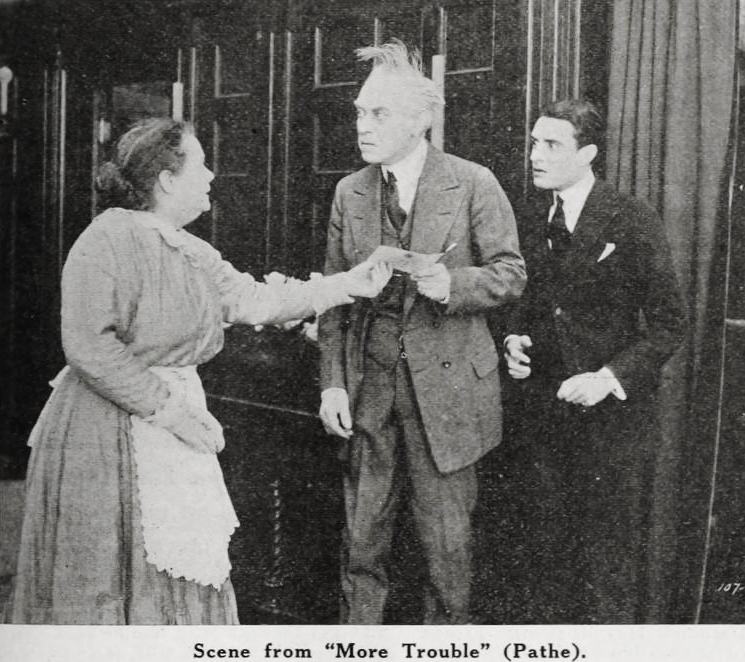
The narrative of "More Trouble" meticulously dissects the unraveling of paternal pride and the complexities of youthful loyalty against a backdrop of industrial capitalism. We are introduced to Lemuel Deering, a steel magnate whose carefully constructed world of familial succession appears pristine with the return of his son, Harvey, a recent college graduate lauded for his academic brilliance and unimpeachable character – a paragon of temperance and rectitude. Harvey's seamless integration into the family business as a partner seems to herald a golden age. However, this idyllic vision shatters as a deluge of disquieting invoices materializes, implicating Harvey in a clandestine life of debauchery: liquor, tobacco, and high-stakes billiards. The sheer volume and audacity, culminating in a staggering $25,000 debt, plunge Lemuel into a maelstrom of bewilderment and doubt. Despite Harvey's fervent denials, the financial tremors escalate, culminating in a looming workers' strike and the bank's ominous attachment on the very foundation of the Deering empire – the steel mill itself. On the precipice of paternal disownment, a dramatic confession emerges from Harold Morrowton, Harvey's erstwhile college roommate and fraternity brother. Harold reveals himself as the architect of the deception, driven by a father's parsimony and a craving for profligate spending, having systematically forged Harvey's signature. Harvey, in turn, defends his complicity as an unbreakable bond of fraternal trust. The revelation, while clarifying, offers little solace to the exasperated Lemuel, who, in a decisive act of restorative justice, condemns both young men to expiate their collective transgressions through arduous labor within the very heart of the mill, transforming a financial crisis into a crucible of character.
Synopsis
Lemuel Deering's son Harvey graduates from college at the top of his class, then returns home to become a partner in his father's steel business. Because Harvey appears to be an exemplary young man who neither drinks nor smokes, when bills from liquor dealers, tobacconists, and billiard emporia pour in, the proud father is mystified. Harvey stoutly denies having contracted the bills, including one for $25,000, and Lemuel, though puzzled, believes him until the workers threaten to strike and the bank places an attachment on the mill. Lemuel is about to disown his son when Harold Morrowton, Harvey's college roommate, confesses that he forged Harvey's name to the bills because his own father refused to give him spending money, and Harvey adds that because the two were fraternity brothers, he could not betray Harold's trust. Exasperated, Lemuel orders both young men to pay their debts through hard labor in the mill.
Review Excerpt
"
Unmasking "More Trouble": A Silent Era Drama That Still Resonates
Stepping back into the annals of early cinema, one occasionally unearths a gem that, despite its age and the silent medium, speaks volumes about the human condition. Such is the case with 1918's "More Trouble," a film that, at first glance, appears to be a straightforward morality tale but quickly unfurls into a nuanced exploration of loyalty, deception, and the often-fraught relationship between a father's expectations and a son..."