
DbcultAccessing Vault...
Recommendations
Senior Film Conservator
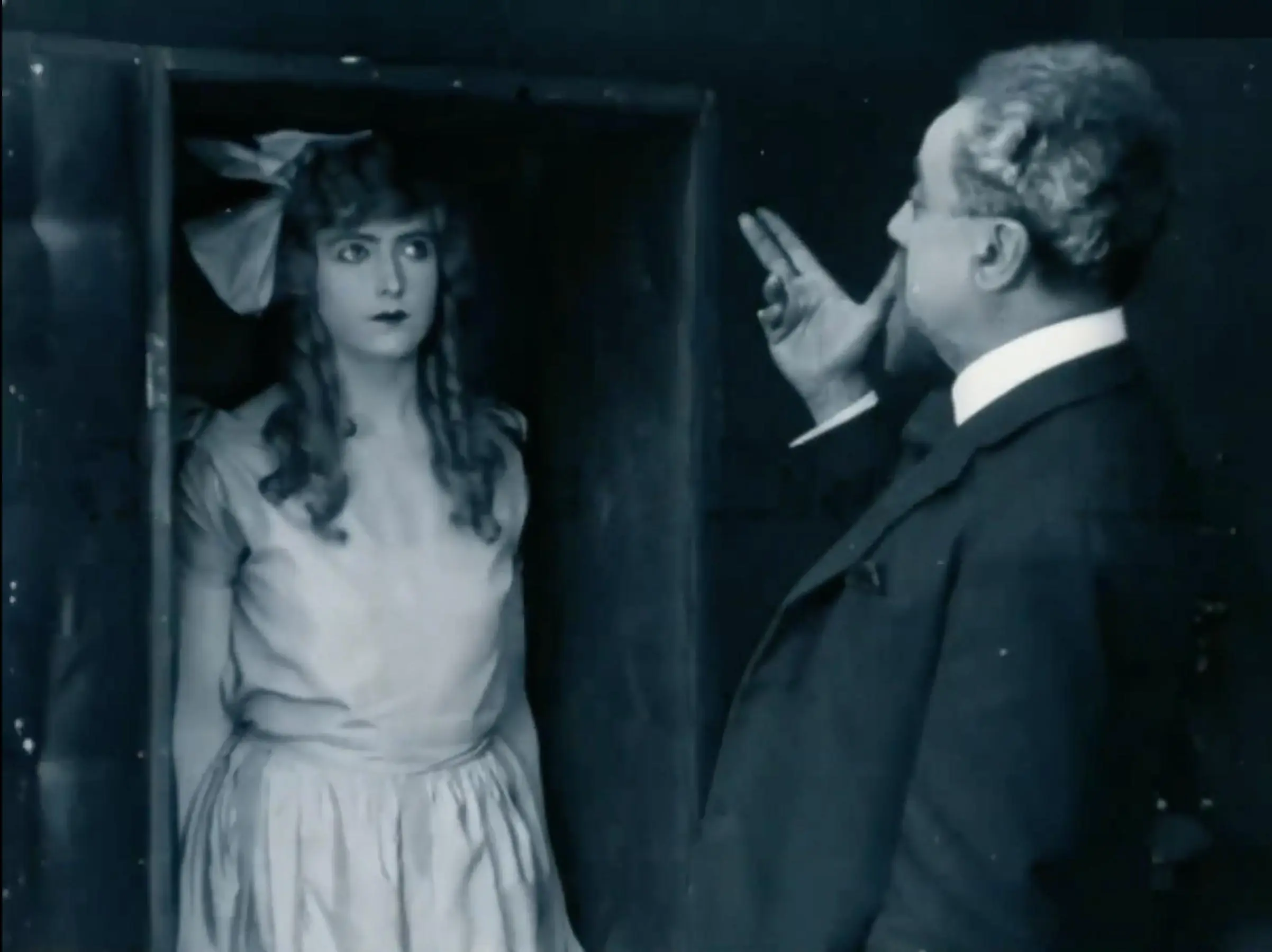
Since its 1925 debut, La bambola vivente has maintained a thematic gravity status, you are likely searching for more films that share its specific artistic vision. We have meticulously scanned our vault to find hidden gems that resonate with this work.
The 1925 landscape was forever altered by the arrival of to push the boundaries of conventional storytelling.
Early Italian Science-Fiction film. A scientist builds a robot using his daughter as a model. When the automaton is stolen by an unscrupulous assistant, the girl pretends to be the "living doll" to spare her father disappointment.
The influence of Luigi Maggi in La bambola vivente can be felt in the way modern Sci-Fi films handle thematic gravity. From the specific lighting choices to the pacing, this 1925 release set a high bar for atmospheric immersion.
Based on the unique thematic gravity of La bambola vivente, our vault has identified these titles as the most compelling follow-up experiences for fans of Sci-Fi cinema:
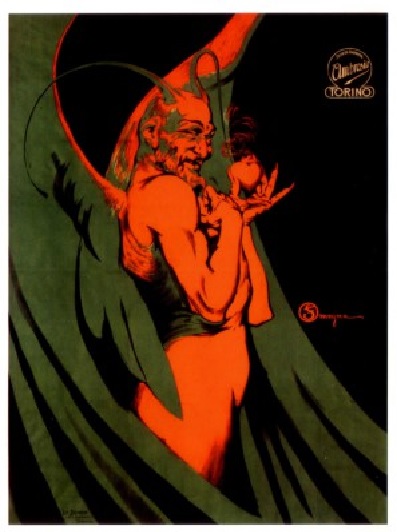
Dir: Luigi Maggi
A four chapter film including Satan vs the Creator, Satan vs the Saviour, The Green Demon/Satan during the Dark Ages and The Red Demon/Satan in modern times.
View Details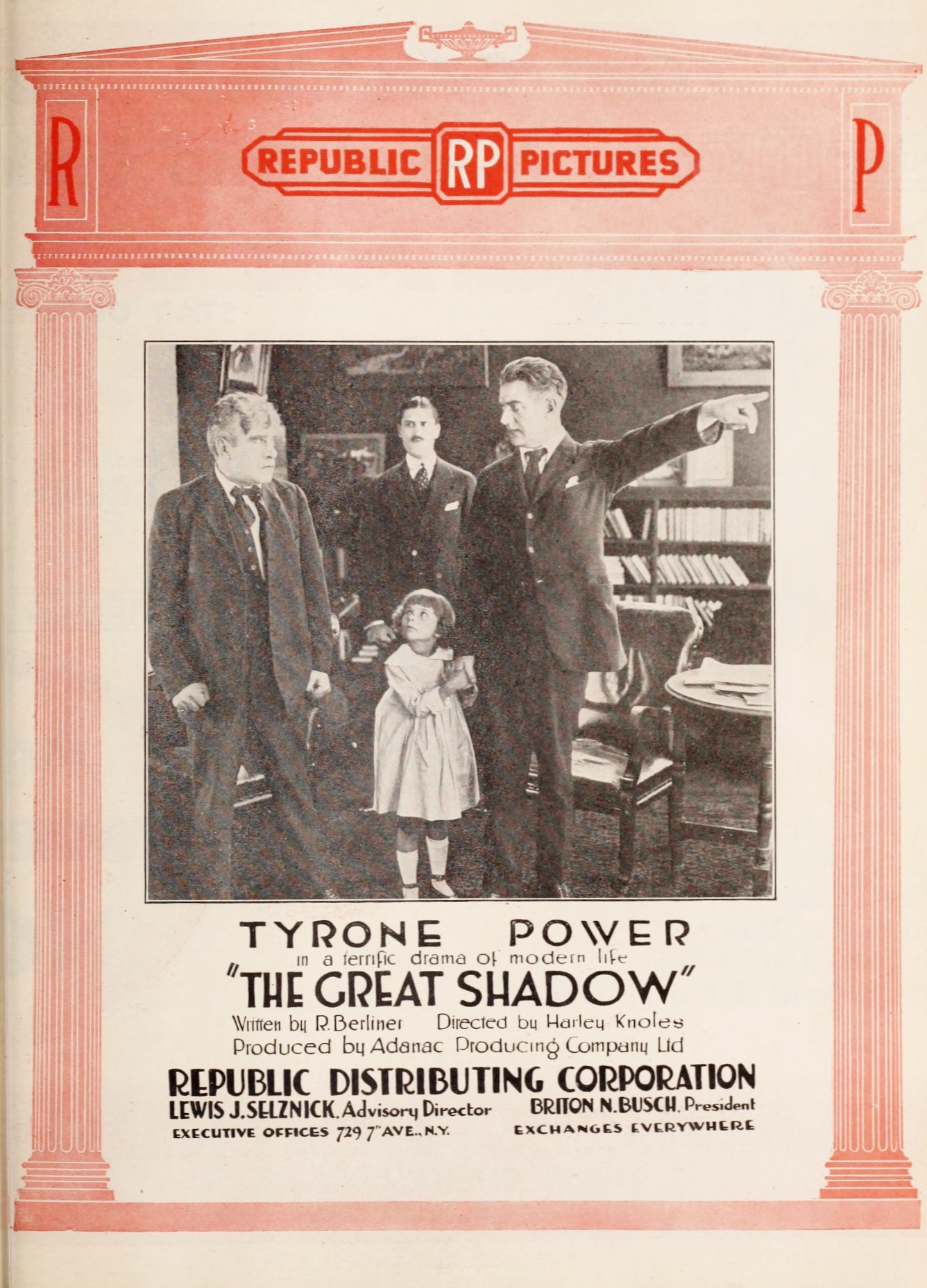
Dir: Harley Knoles
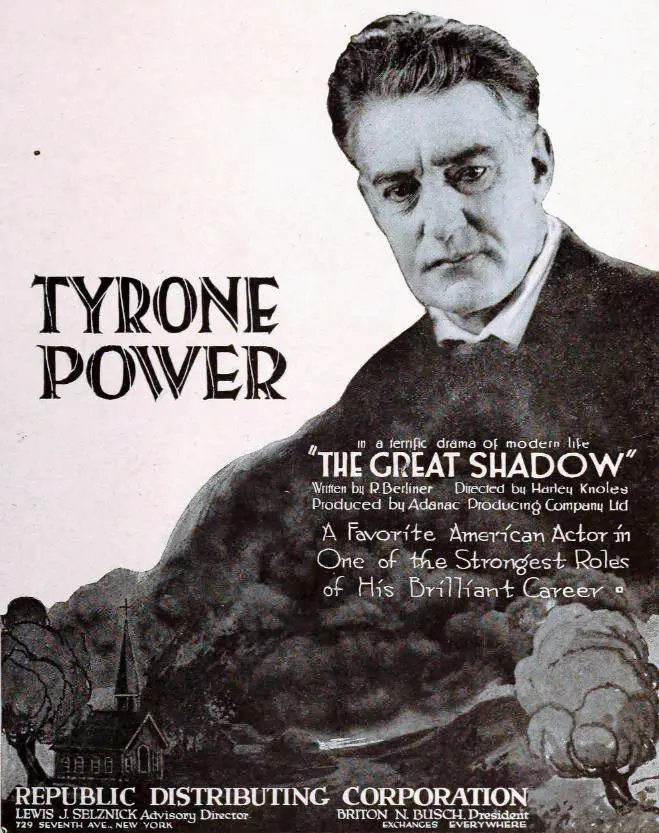
Jim McDonald, the foreman of a shipbuilding plant and head of the labor union, strives to combat the anarchistic propaganda being put forth by Klimoff, the leader of a Bolshevik gang whose goal is to disrupt the country with strikes and anarchy. Despite McDonald's efforts, a strike is called, resulting in chaos. McDonald's child is knocked down by runaway horses abandoned by their striking driver, and dies. Mob scenes take place in America, as well as in Russia. Eventually, the unrest is quelled with an armistice called between Capital and Labor for a year, during which time wages are to be increased to reflect the cost of living, and leaders are to work out a common plan for their mutual advantage. The strikers now realize that they have been pawns of the Bolsheviks and call off the strike, agreeing to the plan.
View Details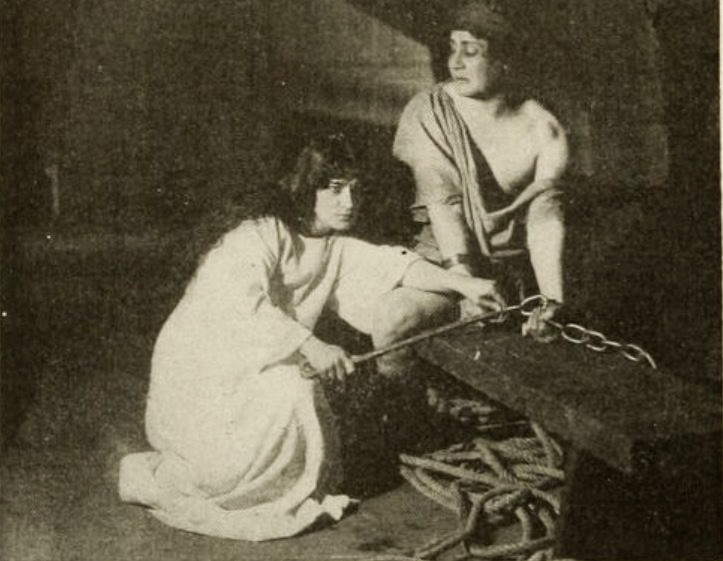
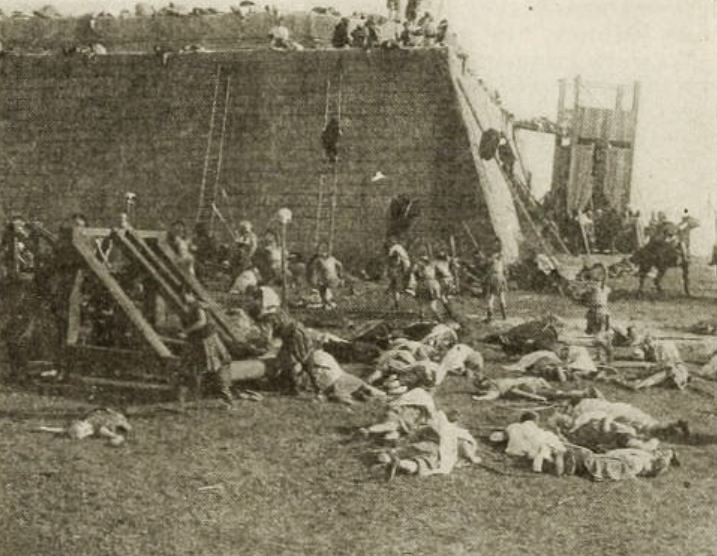
Dir: Luigi Maggi
In ancient times Rome looked upon Carthage as her greatest rival, and determined to plan her downfall. Cato, a Roman Senator, appealed to the Senate to conquer Carthage, and under a pretext that she had failed to keep faith, the Romans began a new war. The Roman army embarked for Africa and landed near Carthage. (This ends the prologue.) Markia, daughter of General Astrubal, Governor of Carthage, asks permission of Zaniah, her stepmother, to visit the Temple outside the town, which is refused, but Astrubal intercedes and consents to Markia's doing so. Mobi, Astrubal's spy, brings news to him of the triumphant advance of the Romans on African soil, and from the walls of the city they watch the retreat of the Carthaginian army commanded by General Annon. Astrubal, ambitious to become the dictator, conspires to cause the downfall of Annon, and induces the city council to bar the mercenary troops from the town, fearing disorder and plundering. Messengers are dispatched to the warriors with this command, and they rebel, but Annon calms them by promising to present their grievances. In the meantime, Astrubal denounces Annon, and upon the latter's appearance in the Senate he is assassinated. Upon returning from the Temple, Markia is abducted by some of Annon's warriors, but Sirabas, his lieutenant, releases her and escorts her to the city. The impatient warriors start an uproar outside the city, but Astrubal calms them, consenting to receive a deputation with their grievances. Sirabas heads the delegation and is received by Astrubal, who apparently yields to the soldiers' request. Upon beholding Sirabas, Markia's stepmother, falls in love with him. Astrubal entertains his warriors in the banquet hall, but plans a massacre that night by his bodyguard, who secretly enter the palace. Zamah, Astrubal's wife, tries to save Sirabas by summoning him to her chamber. While there he hears the clamor of the fight and realizes the treachery of Astrubal. Sirabas escapes from the town and carries the news of the massacre to the waiting warriors. Markia, who had seen Sirabas leave the chamber of Zamah, has lost faith in him and seeks seclusion in the Temple. Sirabas and his soldiers join the Romans, who, headed by young Scipio, receive him with open arms. Preparations are made for the siege of the city. Astrubal's bodyguard sallies forth and captures Sirabas and a Roman outpost. Markia begs her father to save Sirabas and her plea is successful. She repulses him, however, and he determines to seek an explanation. Later he meets her in the sacred garden and convinces her of the truth. While trying to escape from the garden Sirabas is taken prisoner and Zamah has him sentenced to galley-slavery, and he is chained in the hold of a ship. The town is attacked by the Roman legions and conquered. Astrubal deserts his followers and flees to his galleys with his daughter. Zamah, however, refuses to desert the palace and dies a heroic death. The Roman fleet pursues Astrubal's galleys and defeats them, Astrubal being killed in the melee. Markia discovers Sirabas chained in the ship's hold, and succeeds in breaking the chain. Sirabas in turn rescues Markia from the raging flames and, throwing her overboard, jumps after her, leaving the galley to burn to the water's edge. Both lovers succeed in reaching the shore and are reunited once more.
View Details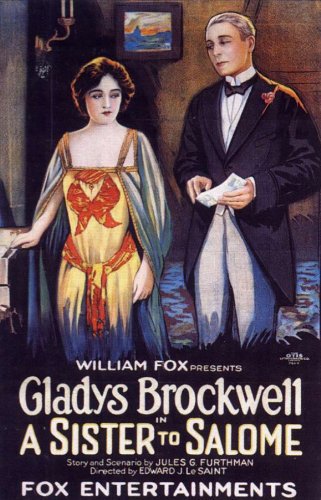
Dir: Edward LeSaint
When famous opera singer Elinore Duane undergoes an operation on her throat, she has a series of ether-induced visions. In one, she is transported to ancient Rome where she appears as a much-admired woman in love with Paul, a young heretic, and at odds with Lutor, the high priest. To save her love, she poisons Lutor with her ring. After several other visions which involve variations on this love triangle, Elinore awakens to discover that Lutor is actually her doctor, Sascha Jaccard, and that Paul is the son of a friend who has come to visit the recovering prima donna.
View Details
Dir: Richard Smith
Two female candidates for Chief of Police live across the hall from each other, and their political rivalry follows them home, leading to plenty of hi-jinks.
View Details
Dir: Reggie Morris
A fascinating piece of cinema that shares thematic elements.
View Details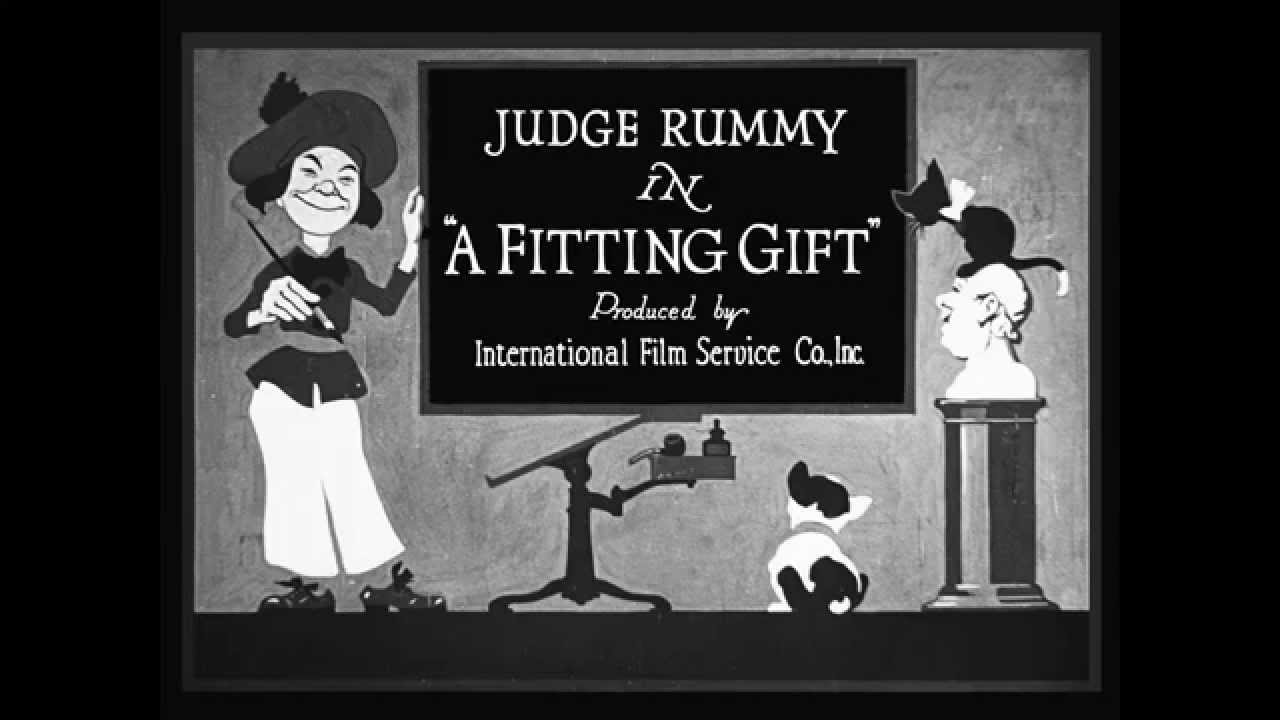
Dir: Unknown Director
The Judge needs a present for his wife's birthday, so Harry suggests a new corset. They go to the shop, but he's so embarrassed to ask the saleslady he hides in a phone booth.Harry goes in, but finds a GUY wearing one, and runs out.They both dress as women to get back in, but Mrs. Rummy gets there and chases him out.
View Details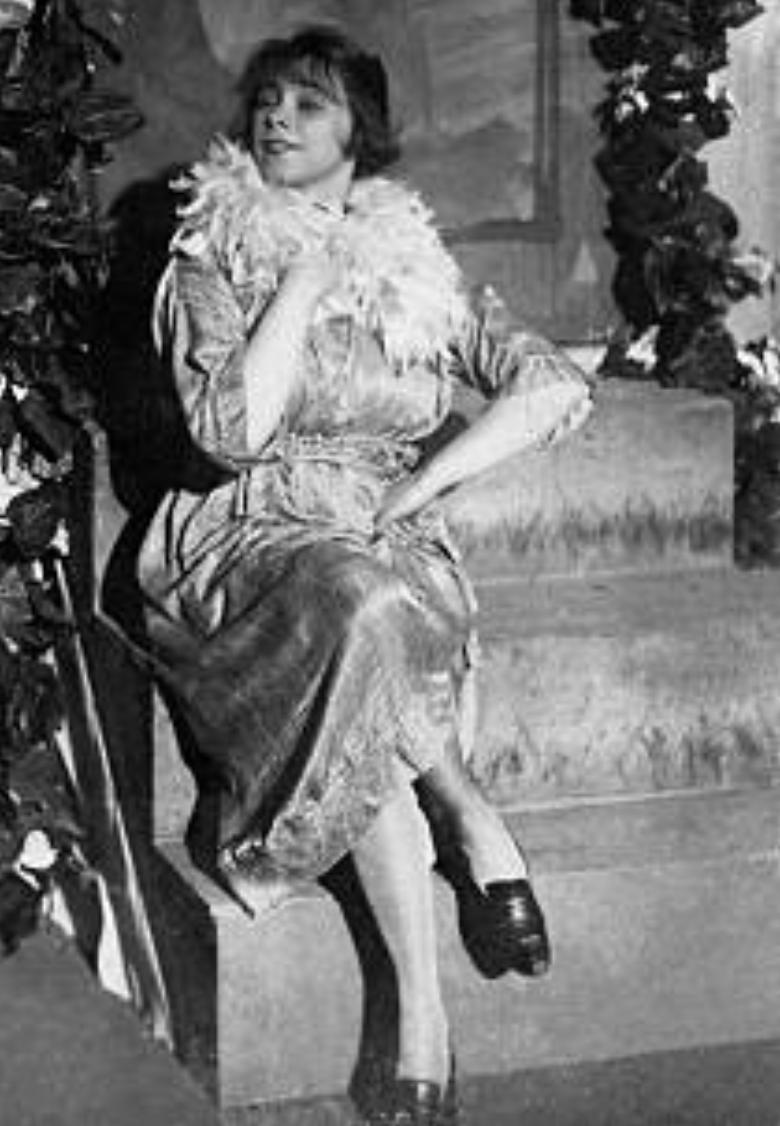
Dir: Bruno Ziener

A fascinating piece of cinema that shares thematic elements.
View Details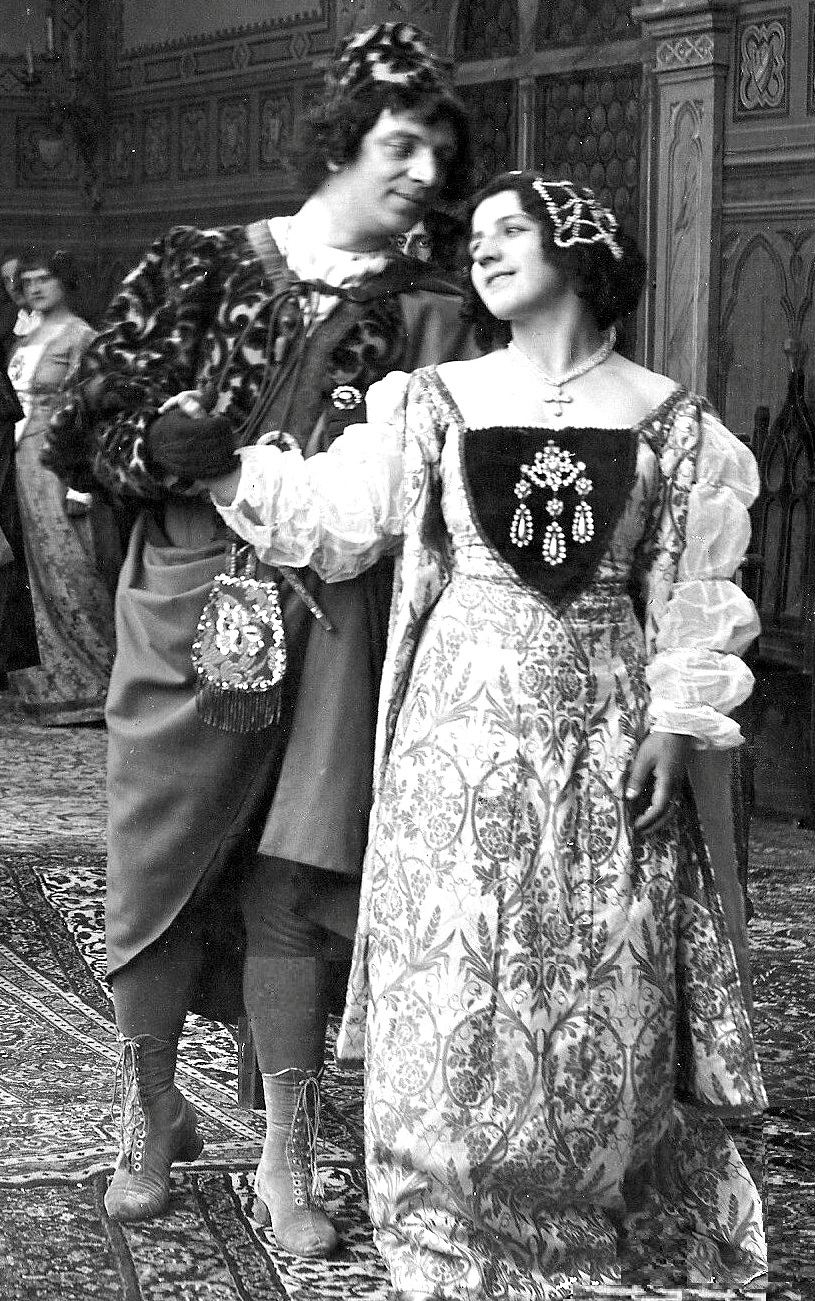
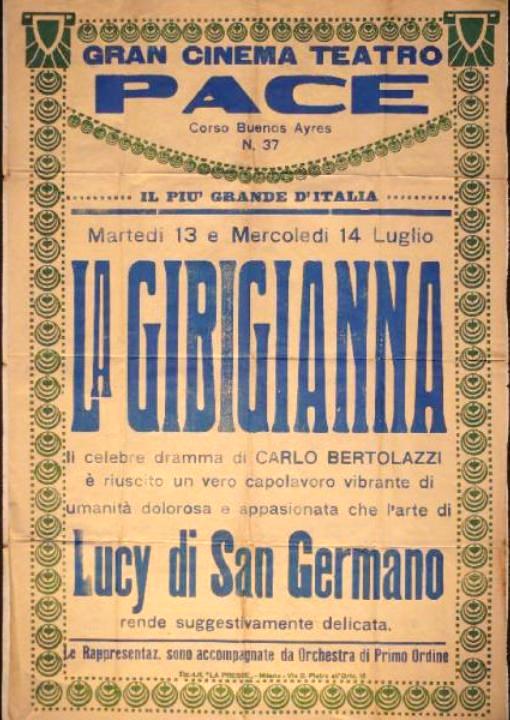
Dir: Luigi Maggi
Bianca works in a porcelain factory. Enrico Cernelli, the head foreman, falls in love with Bianca and marries her. Bianca, tired of living poorly, leaves the home for a life of luxury with another man. One night, Enrico sneaks into her new house and begs her to come back. Upon her refusal, he strikes her. Not knowing if he killed her, he escapes. Back home, grief-stricken, he calls upon death where he hears a knock on the door. Bianca is coming back.
View DetailsAnalysis relative to La bambola vivente
| Film Title | Atmosphere | Complexity | Similarity |
|---|---|---|---|
| Satana | Tense | Dense | 94% Match |
| The Great Shadow | Gothic | High | 94% Match |
| The Destruction of Carthage | Gothic | Layered | 92% Match |
| A Sister to Salome | Gothic | High | 88% Match |
| Lunatics in Politics | Ethereal | Dense | 97% Match |
This guide was algorithmically generated using the cinematic metadata of Luigi Maggi's archive. Last updated: 6/20/2026.
Back to La bambola vivente Details →