
DbcultAccessing Vault...
Recommendations
Senior Film Conservator
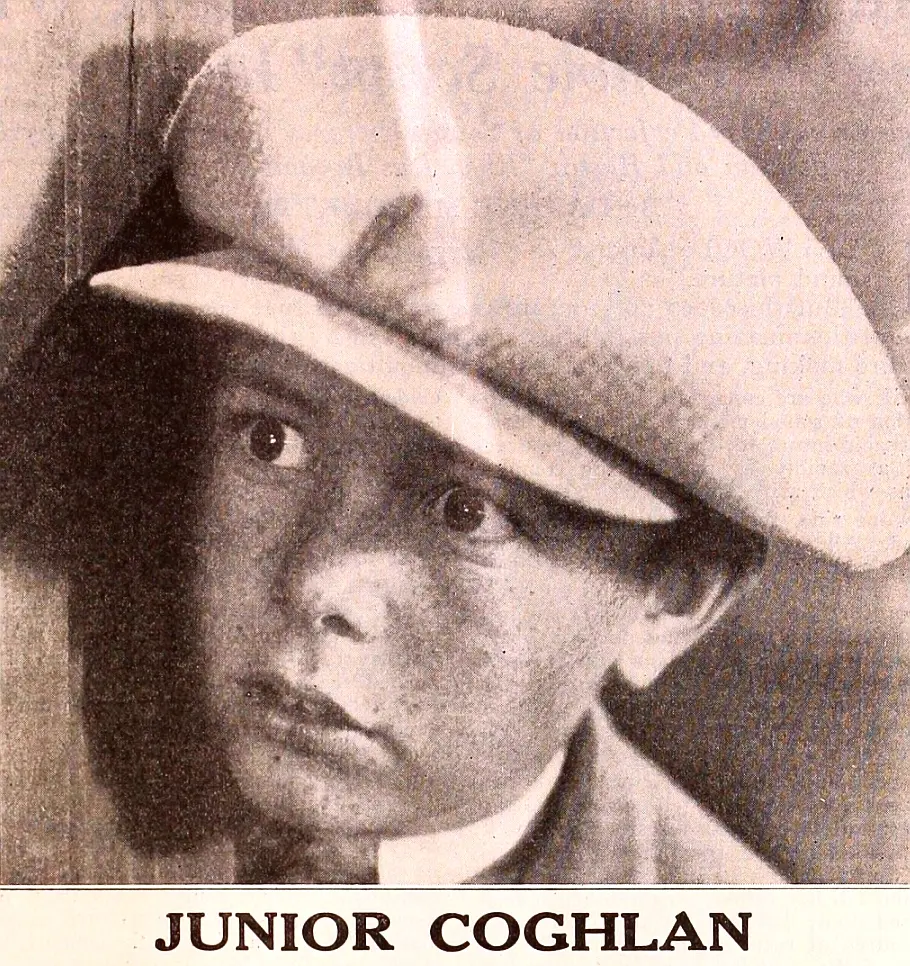
The 1927 release of Let 'Er Go Gallegher redefined the parameters of Crime storytelling, the narrative complexity found here is a rare find in the 1927 landscape. Prepare to discover your next favorite movie in our hand-picked collection.
Historically, Let 'Er Go Gallegher represents to explore the darker corners of the human condition with stylistic flair.
Young John Gallagher wants to be a newspaper reporter. One day he witnesses a murder committed by a mysterious man with only four fingers on one hand. He gives his account of the murder and a description of the killer to his hero, newsman Henry Callahan, resulting in his getting a job on the paper as an office boy. When circumstances arise that result in Callahan losing his job on the paper, he and Gallagher set out to discover the identity of the killer and help Callahan get his job back.
The influence of Elmer Clifton in Let 'Er Go Gallegher can be felt in the way modern Crime films handle stylistic flair. From the specific lighting choices to the pacing, this 1927 release set a high bar for atmospheric immersion.
Based on the unique stylistic flair of Let 'Er Go Gallegher, our vault has identified these titles as the most compelling follow-up experiences for fans of Crime cinema:
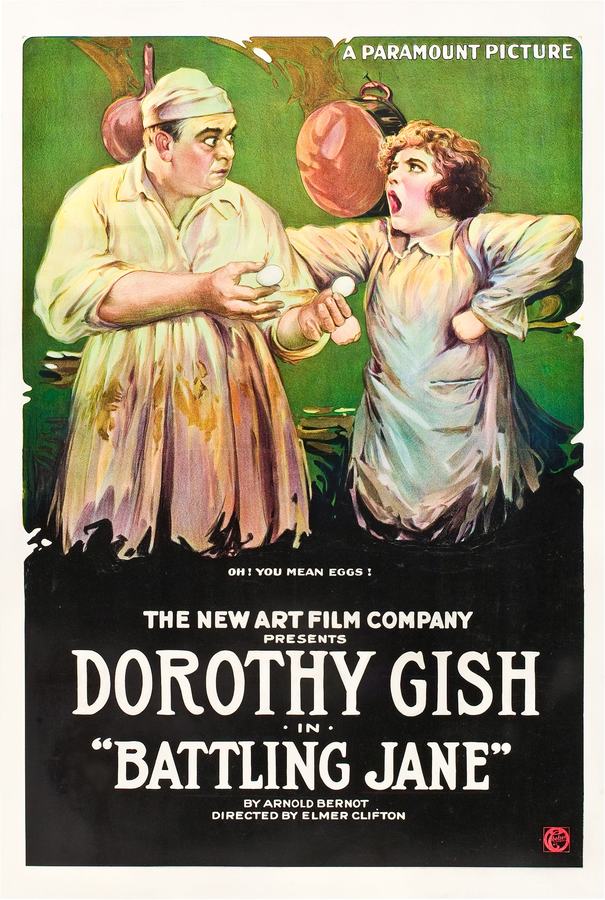
Dir: Elmer Clifton
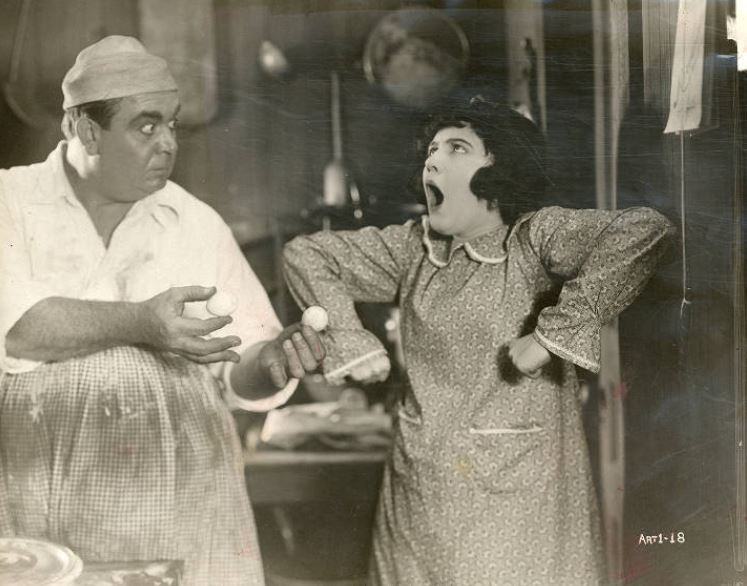
Jane is a rootless young lady who finds an abandoned child and adopts it as her own. The decision, however, leads to great conflict with the child's vicious outlaw father.
View Details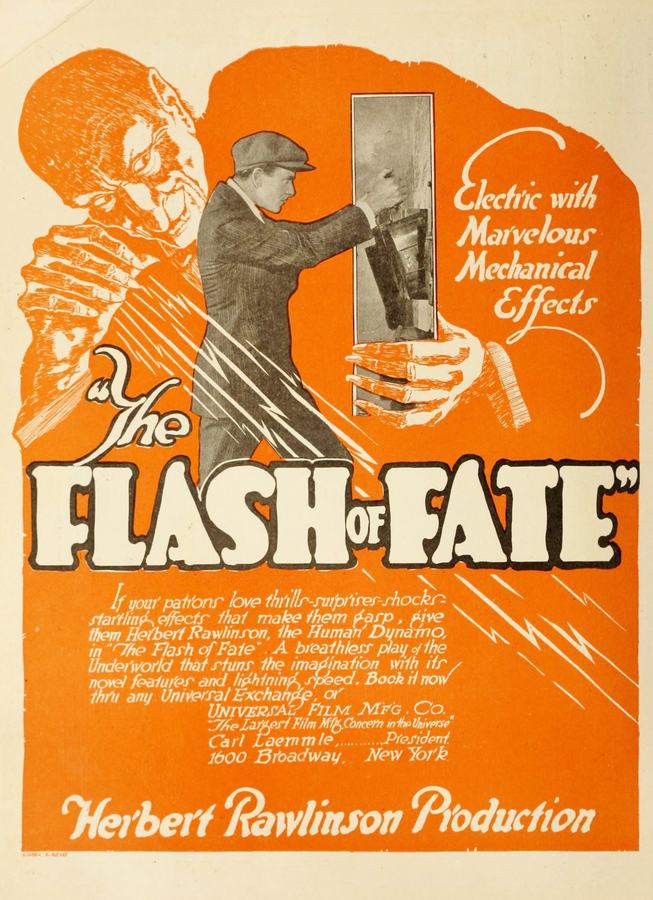
Dir: Elmer Clifton
When his father commits suicide after being ruined by dishonest stockbroker Abner Hinman, Randolph Shorb resolves to gain revenge and rebuild his fortune by whatever means necessary. With the aid of notorious crook Philadelphia Johnson, Randolph becomes the head of a gang of thieves and is thereafter known as The Ferret. Joe Freeman, the brother of Randolph's girlfriend Mary, moves to the city, where he is robbed by Johnson and forced to hold up a bank. Mary learns of Joe's troubles and rushes to the city to help him but is lured to a rooming house and attacked by Johnson. Joe disappears with the intention of committing suicide, after which Randolph, frantic over both Joe and Mary, goes to the power house and flashes a message in Morse code over all of the city's electric lights. Through his message, Joe regains hope and Mary is rescued. After the gang's arrest, Randolph vows to lead an honest life.
View Details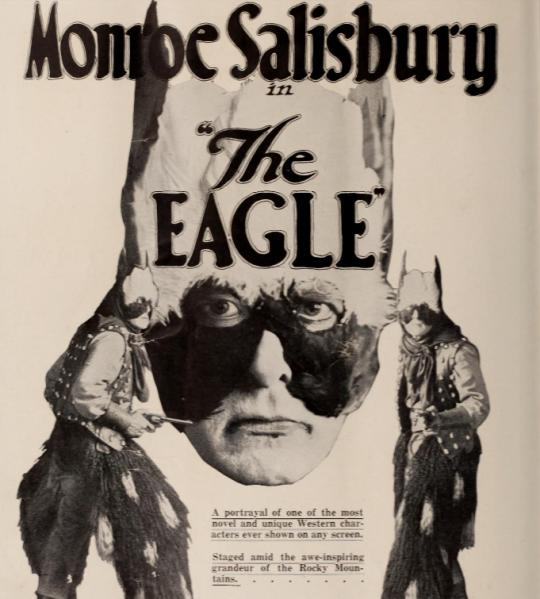
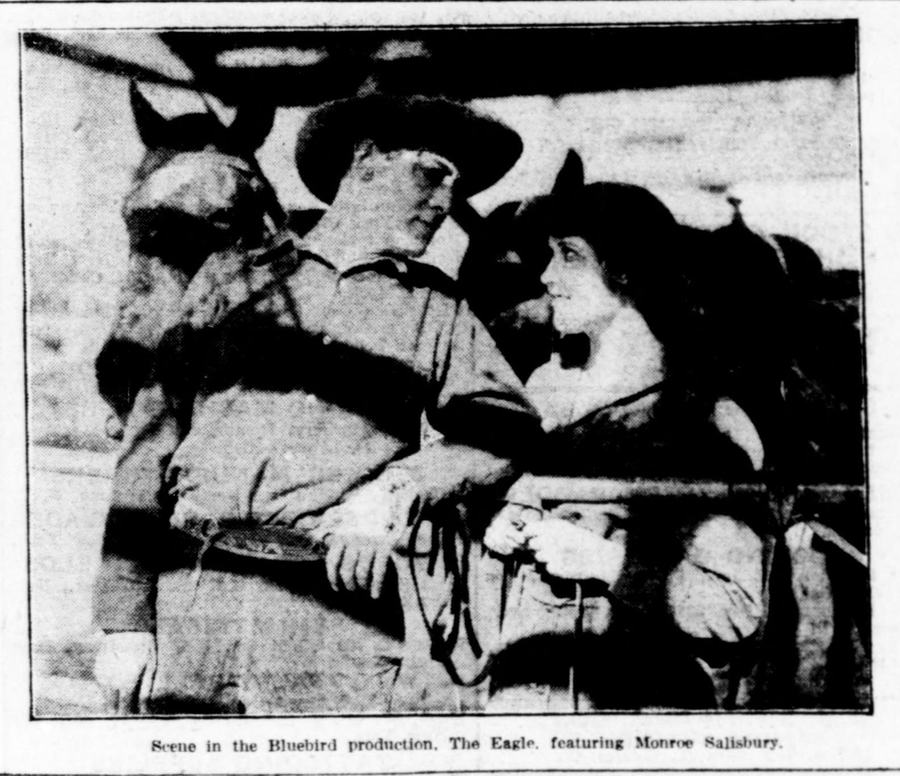
Dir: Elmer Clifton
After his mother's death, John Gregory becomes the "Eagle," a thief determined to get even with the mining company that stole his family's fortune. No one suspects that he is a bandit, not even Lucy, the girl he loves, and her brother Bob. John finally breaks into the mining company's main office, but discovers that another robber has preceded him and killed the night guard. The robber is Bob, and when the boy is arrested, John interrupts the trial and takes the blame himself for Lucy's sake. Bob commits suicide, and Lucy, who discovers his written confession just before John is to be hanged, rides wildly to the jail and saves John's life.
View Details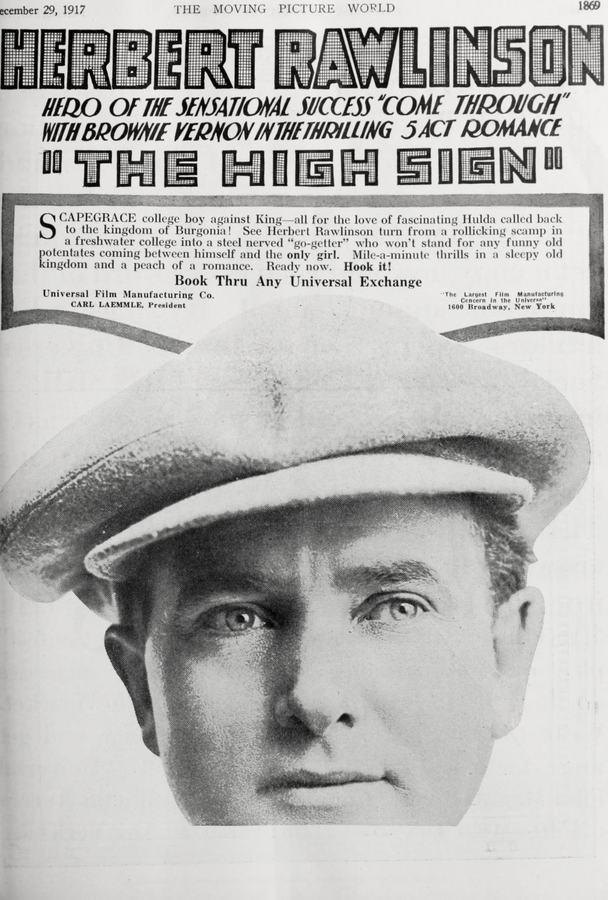
Dir: Elmer Clifton
In order to be admitted to his school fraternity, David Bruce is told to impersonate a Balkan prince. In that guise, Bruce leaves for the prince's tiny principality. En route, he becomes involved with a gang of anarchists who order him to kill the prince he is supposed to be impersonating. After escaping from the anarchists, Bruce arrives at the Balkan state and learns that he is to marry a princess from a neighboring land. Bruce willingly agrees to the ceremony when he learns that the princess is Hulda Maroff, the college coed with whom he fell in love back home. After the marriage, the anarchists arrive to kill Bruce and his bride, but they escape. At that moment, the telephone rings and awakens Bruce from his dream. On the line is Hulda, calling for help. Bruce rounds up his college chums, goes to Hulda's rescue and the two are married.
View Details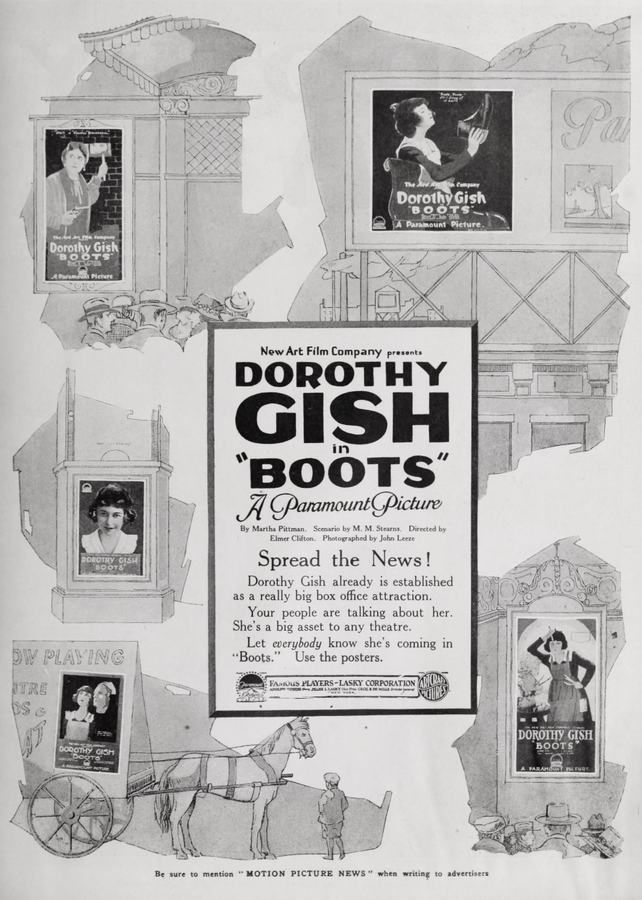
Dir: Elmer Clifton
Boots is a young servant girl who polishes shoes in an English inn. She is an incurable romantic, addicted to melodramatic stories of love and adventure. When she discovers a Bolshevik plot to blow up a government official, she takes it on herself to foil the plot.
View Details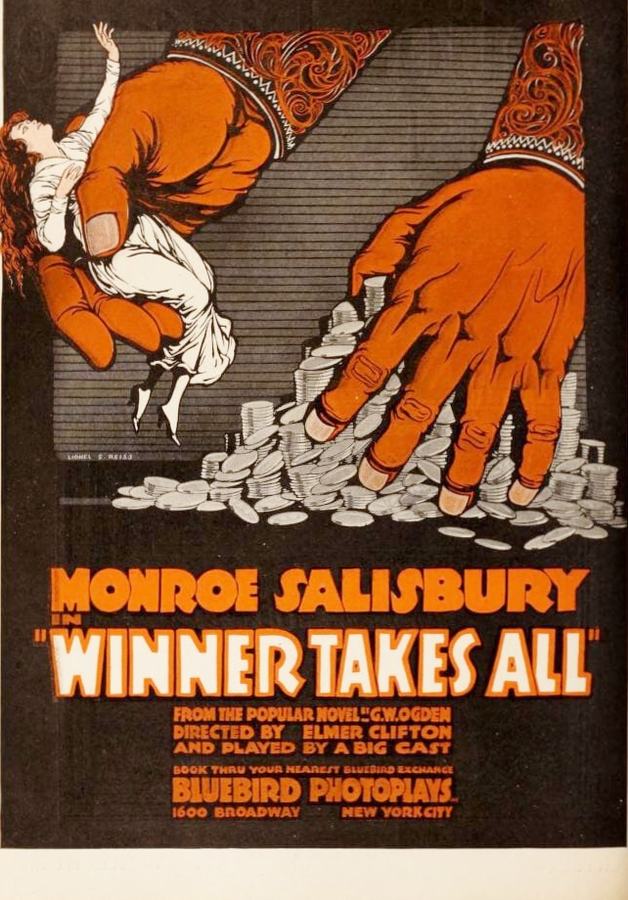
Dir: Elmer Clifton
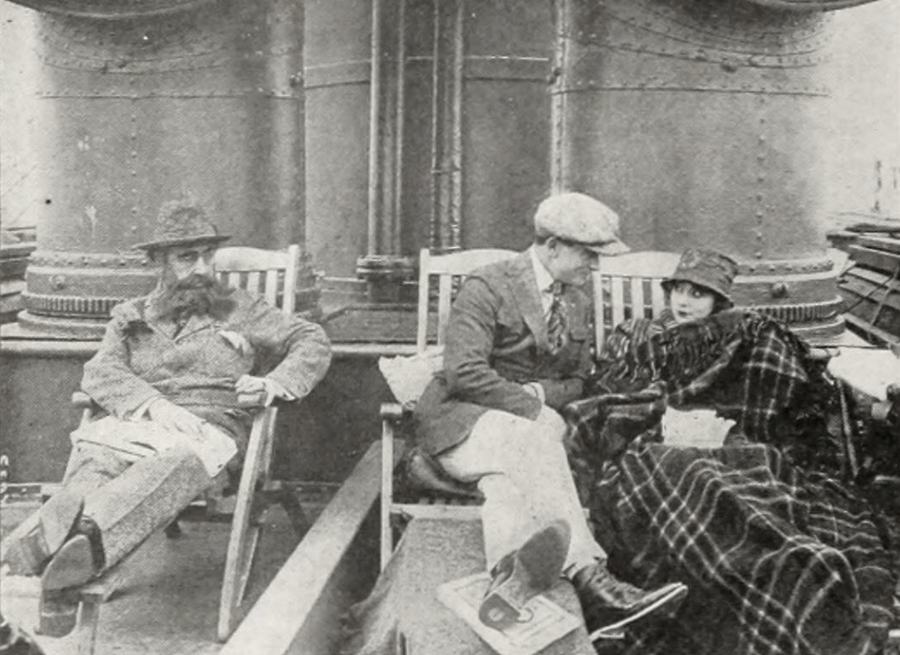
Saul Chadron, a brutal cattle baron, is distressed that homesteaders are intruding on his domain and hires outlaws to drive them away. Alan MacDonald, who leads the homesteaders, learns that Chadron has hired Mark Thorne, a vicious criminal, to kill him. His growing love for Frances Landcrafe, a visitor at the Chadron ranch, makes Alan bold, however, and he attends a masquerade held in her honor. Meanwhile, Thorne, claiming that he has killed Alan, demands payment from Chadron, and when the cattle baron refuses, the outlaw kidnaps Chadron's daughter Nola. Alan rescues her, but Chadron's troubles continue as the townspeople, angered over the murder of a child, decide to hang him. Alan intercedes, but Thorne, just before his own murder, shoots Chadron. Alan is then free to turn his attention to Frances and his land claim.
View Details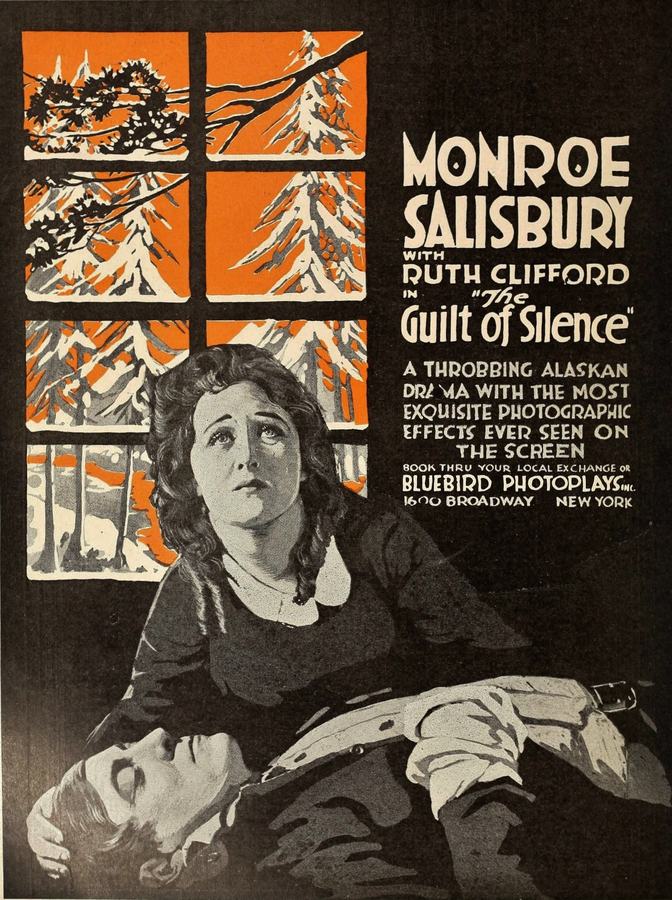
Dir: Elmer Clifton
During the Alaskan gold rush, two unscrupulous fortune-seekers, Amy and her husband Gambler Joe, rob Mathew Smith, who has offered them shelter from a snow storm. Mathew pursues them but loses his way, and by the time Harkness finds him, he is nearly dead from exposure. Mathew, nicknamed "Silent" Smith because the storm has robbed him of his voice, lives in friendship with Harkness until the latter marries Amy, who has found employment in a local dance hall. After the ceremony, Harkness is called away to protect his mining interests, and in his absence, his daughter Mary arrives for a visit. Silent and Mary fall in love, but Mary's suspicions are aroused when Amy gives birth to a child. Shortly afterwards, Harkness returns. Amy insists that Silent is the baby's father, whereupon Harkness shoots his friend, wounding him in the shoulder. Smith regains his voice, and through the help of an Indian who is familiar with Amy and Joe's treachery, reveals that she was a married woman long before she met Harkness. Mary returns to Smith, and the two settle down with Harkness.
View Details
Dir: Elmer Clifton
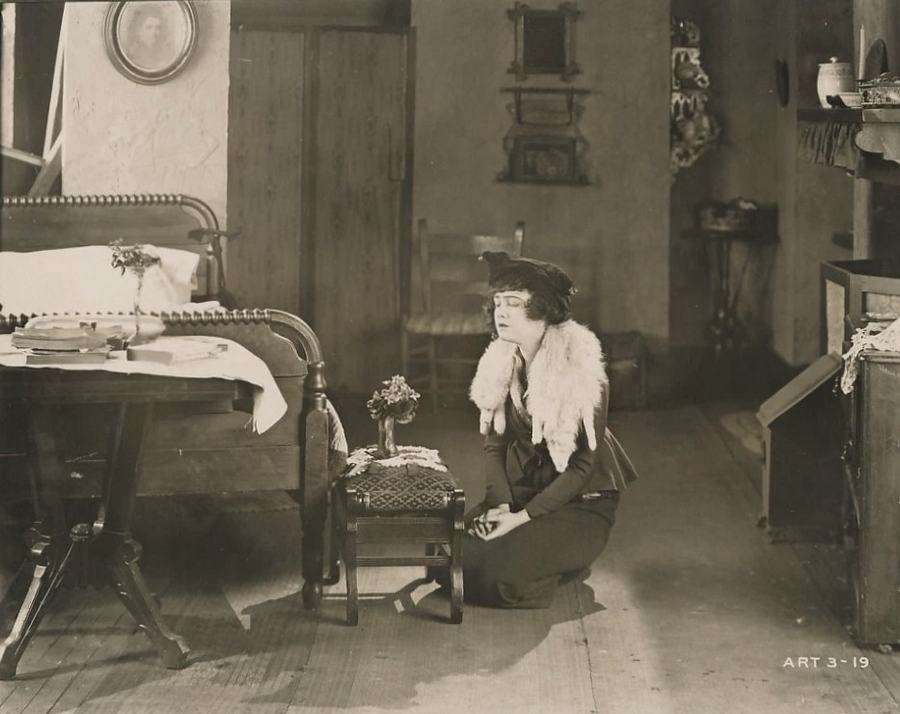
Framed by police inspector Finch and his managing editor, R. H. Steadman, to cover up their own crooked work, reporter John Mull languishes in prison until he escapes, determined to wreak vengeance. In Mull's absence, his sweetheart, Bess Miller, has been dating Burton Grange with whom she plans to elope. When Grange has an altercation with Steadman, in the scuffle, Steadman is knocked unconscious. Grange flees and is arrested for Steadman's murder but escapes and encounters Mull, now a fugitive from justice. After persuading Grange to give himself up, Mull pays a visit to Finch and forces him to confess to Steadman's murder. With Finch's testimony, Mull is also vindicated of charges and is free to marry Bess.
View Details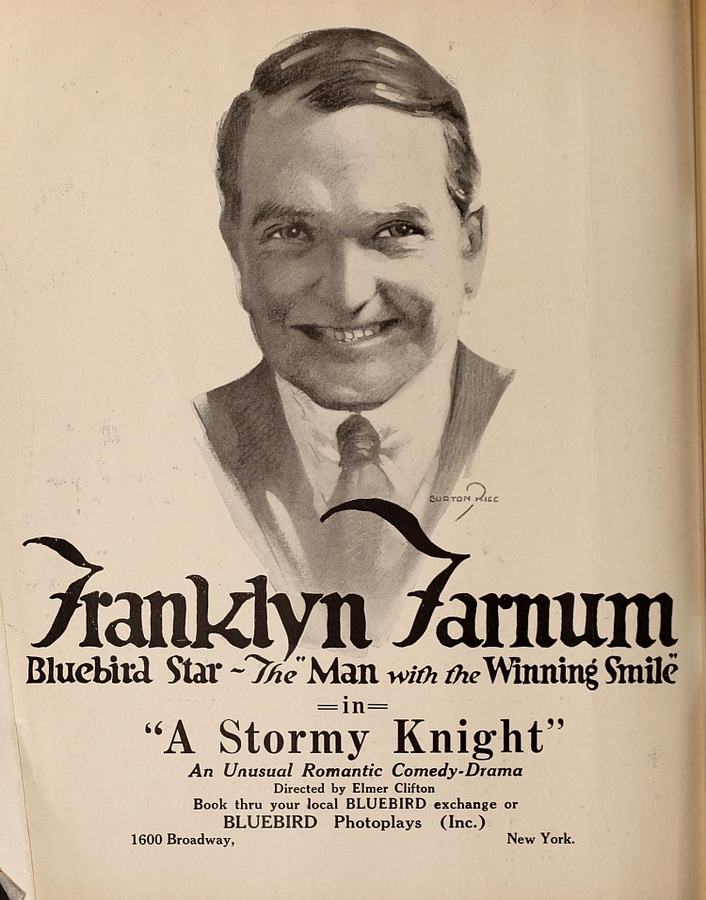
Dir: Elmer Clifton
While relaxing in his cabin one stormy night, John Winton, a rising young businessman who has successfully resisted the institution of marriage, is interrupted by cries for help. Opening his door, he finds a soaking wet, pretty girl, who pleads with him to come to her aid. She guides him to a swamp where a man is lying insensible. John carries the man to his bungalow and goes for a doctor. On his return, both have disappeared. John, his curiosity thoroughly aroused, follows the only clue that has been left to him, a glove that is lying on the cabin floor. After a series of mysterious encounters in which the girl is involved, John marries her without knowing who or what she is. Then it is revealed that the whole mystery has been a scheme contrived by John's father to marry his son off by employing the romance of mystery.
View Details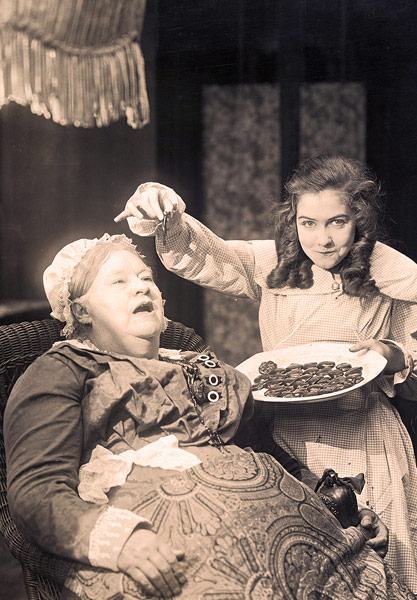
Dir: Elmer Clifton
When Janice Webster's (Dorothy Gish) father dies and leaves her guardianship to Ethan Dexter and Henry Jarvis, the vice presidents of the Webster Trust Co., which holds her fortune until she reaches 18, her official fathers become alarmed by her quirky shenanigans. Deciding that marriage is the way to tame her, Dexter proposes and is accepted. Then Winfield Jarvis, Henry's son, proposes and is also accepted. In a muddle as to which to marry, Janice confides in bank teller Steven Peabody, who loves her himself. Later, Steven overhears Dexter boasting of his future control of the Webster millions, but before he can warn Janice, the banker locks Steven in the closet and goes to meet his bride-to-be. Steven escapes and arrives in time to find Dexter and Jarvis arguing over Janice who then reads aloud a letter written by her late father denouncing both vice presidents and announces that she will marry Steven.
View DetailsAnalysis relative to Let 'Er Go Gallegher
| Film Title | Atmosphere | Complexity | Similarity |
|---|---|---|---|
| Battling Jane | Tense | Linear | 94% Match |
| The Flash of Fate | Gritty | Layered | 95% Match |
| The Eagle | Surreal | Linear | 94% Match |
| The High Sign | Gritty | Dense | 88% Match |
| Boots | Gritty | Abstract | 91% Match |
This guide was algorithmically generated using the cinematic metadata of Elmer Clifton's archive. Last updated: 6/27/2026.
Back to Let 'Er Go Gallegher Details →